

OPUS helps reform the assessment of research
Interventions for Open Science/Researcher Assessment
OPUS has developed a set of interventions for Open Science toward a system that incentivises and rewards researchers to take up practices of providing open access to research outputs, early and open sharing of research, participation in open peer-review, measures to ensure reproducibility of results, and involving all stakeholders in co-creation.
The RAF is designed to comprehensively cover the full spectrum of researcher activities and offer researchers the possibility to be assessed on all relevant activities in a given assessment period, rather than solely on the traditional metrics of the number of peer-reviewed publications and citations and the journal impact factor (JIF). The inclusion of Open Science metrics in a given RAF at an RPO or RFO ensures that Open Science activities are explicitly recognised in the assessment. It remains the prerogative of RPOs and RFOs to determine how exactly to reward researchers for Open Science.
Researcher Assessment Framework
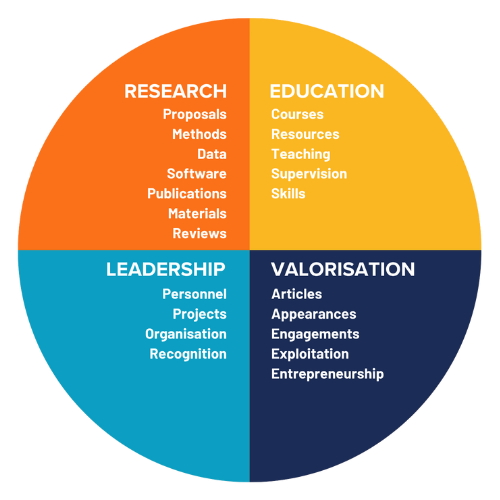
The RAF is structured around 4 main categories of activities, which are divided into subcategories of these activities and consist of indicator groups of related indicators/metrics.
1.1 Interventions
The interventions are divided by the indicator that they support and then are subdivided into the following categories.
Each indicator group further consists of 3 types of indicators with associated quantitative metrics:
- Process: Activity which is in development or is ongoing
- Output: Clear endpoint or tangible product of a process
- Outcome: Immediate or short-term result of an output
They are supported by five categories of interventions:

2. Meta-Interventions
| Research Assessment Framework | Open Science Career Assessment Matrix |
| Senior management decision and approval to use the framework at their institution.
Senior management decision on the set of indicators they wish to use in their institution. Senior management develop policies and procedures that support the collection of metrics and data relevant to the indicators with clear guidelines and expectations. |
Senior management approval and decision, involving all relevant parties to collect and make open metrics and data that are specific to the selected indicator.
Senior management decision on which indicators they wish to use in their institution. Senior management develop policies and procedures that support collection of metrics and data relevant to the specific indicators and advocate making open access with clear guidelines and explanation.
|
| Research Assessment Framework | Open Science Career Assessment Matrix |
| Allow researchers time (and supporting budget) to record the relevant metrics and upload the relevant evidence for the selected indicators.
Ensure there is a member (or members) of staff responsible for monitoring, assisting and understanding any ethical queries that arise form collection of data relevant to the selected indicators. Provide expertise and support relevant to the topic of the selected indicators. |
Allow researchers time (and supporting budget) to record, upload and make open metrics and data relevant to the selected indicators.
Ensure there is a member (or members) of staff responsible for monitoring upload of metrics and data relevant to the selected indicator are open with an understanding of any ethical issues this may create. Provide expertise and support relevant to the topic of the selected indicators and how to make the topic open.
|
| Research Assessment Framework | Open Science Career Assessment Matrix |
| Ensure there is an appropriate and easily accessible database or repository to record the metrics and data relevant to the selected indicators. | Ensure there is a suitable and easily accessible database or repository to record data and metrics relevant to the selected indicators and that this is open access. |
| Research Assessment Framework | Open Science Career Assessment Matrix |
| Ensure researchers are aware of what they should be recording for the selected indicators and where they can get training in how to do this and who they should go to for help.
Ensure researchers understand the benefit to them as individuals and the institution of recording the metrics and data relevant to the indicators and that they understand the link to researcher assessment. |
Ensure researchers know that they should record and ensure open access for all documents relevant to the selected indicators and where they can receive training in how to do this and who they should go to for help.
Explain to researchers the benefit of making the selected indicators open to them as individuals and the institution and that they understand the link to researcher assessment. |
| Research Assessment Framework | Open Science Career Assessment Matrix |
| Train researchers in where and how to log metrics and data relevant to the selected indicators.
Train researchers in the skills relevant to the topic of the selected indicators Ensure there are a range of best practice proposal examples that researchers can access and draw upon relevant to the selected indicators.
|
Train researchers in where and how to log and ensure open access documents relevant to selected indicators.
Train researchers and develop skills relevant to specific indicators. Train researchers in how to make documents relevant to specific indicators open access including issues specific to academic discipline and any ethical concerns. Ensure there are best practice open access examples relevant to the specific indicators selected. |
Proposals
Generic Interventions for Research
| Indicator Type | Quantitative Metric |
| Process | # of Project Proposals Being Developed |
| Output | # of Project Proposals Submitted |
| Outcome | # of Project Proposals Granted |
| Category | RAF Proposal Development Interventions |
| Policy | Senior management approval and decision to collect the number of project proposals being developed, submitted, and granted across the institution.
Senior management develop policies and procedures to support the collection of the number of proposals being developed, submitted and granted across the institution including clear guidelines and explanations. |
| Resources | Allow researchers time (and supporting budget) to record the number of project proposals being developed, submitted and granted and upload the relevant evidence.
Ensure there is a member (or members) of staff responsible for monitoring, assisting and understanding any ethical queries that arise from the collection of the number of project proposals being developed, submitted and granted. Provide expertise and support in proposal writing and development |
| Repository | Ensure there is an appropriate and easily accessible database or repository to record the number of project proposals being developed, submitted and granted. |
| Awareness Raising | Ensure researchers know that they should record all project proposals being developed, submitted, and granted and where they can get training in how to do this and who they should go to for help.
Ensure researchers understand the benefit to them as individuals and the institution of recording the number of project proposals being developed, submitted, and granted, that they have trust in the process and that there is a clear link to researcher assessment. |
| Training | Train researchers in where and how to log project proposals being developed, submitted, and granted.
Train researchers in proposal writing and development. Ensure there are a range of best practice proposal examples that researchers can access and draw upon. |
Methods
Generic Interventions for Research
| Indicator Type | Indicator |
| Process | #Method Sets Being Developed |
| Output | # Method Sets Finalised |
| Outcome | # Method Sets Implemented |
| Outcome | # Method Sets Accessed
# Method Sets Cited |
| Category | RAF Methods Development Interventions |
| Policy | Senior management approval and decision to collect number of methods sets being developed, finalised and implemented across the institution.
Senior management approval and decision to collect the number of method sets accessed and cited across the institution. Senior management develop policies and procedures to support the collection of method sets being developed, finalised and implemented across the institution including clear guidelines and explanations. Senior management develop policies and procedures to support the collection of method sets access and cited across the institution including clear guidelines and explanations. |
| Resources | Allow researchers time (and supporting budget) to record the number of methods sets, being developed, finalised and implemented across the institution and upload the relevant evidence.
Allow researchers time (and supporting budget) to record the number of methods sets accessed and cited across the institution and upload the relevant evidence. Ensure there is a member (or members) of staff responsible for monitoring, assisting, and understanding any ethical queries with the recording of the number of method sets being developed and finalised. Ensure there is a member (or members) of staff responsible for monitoring, assisting and understanding any ethical queries with the recording of the number of methods sets accessed and cited across the institution. Provide expertise and support in development and management of method sets. |
| Repository | Ensure there is a suitable and easily accessible database or repository to record method sets being developed, finalised and implemented across the institution.
Ensure there is an appropriate and easily accessible database or repository to record method sets accessed and cited across the institution. |
| Awareness Raising | Ensure researchers know that they should record all method sets, being developed, finalised, and implemented and where they can receive training in how to do this and who they should go to for help.
Ensure researchers know that they should record all method sets accessed and cited and where they can receive training in how to do this and who they should go to for help. Ensure researchers understand the benefit of recording the number of methods sets being developed and utilised to them as individuals and the institution, that they trust the process and that there is a clear link to research assessment. |
| Training | Train researchers in where and how to log the number of methods sets developed and finalised across the institution.
Train researchers in where and how to log the number of methods sets accessed and cited across the institution. Train researchers in the development of method sets. Ensure there are a range of best practice examples of method sets that researchers can access and draw upon. |
Data
Data Planning
| Indicator Type | Indicator |
| Process | #(FAIR) Data Management Plans Being Developed |
| Output | # (FAIR) Data Management Plans Finalised |
| Outcome | # (FAIR) Data Management Plans Implemented |
| Category | RAF Data Planning Interventions |
| Policy | Senior management approval and decision to collect the number of data management plans being developed, finalised, and implemented across the institution.
Senior management develop policies and procedures to support the collection of the number of data management plans being developed, finalised and implemented including clear guidelines and explanations. |
| Resource | Allow researchers time (and supporting budget) to record the number of data management plans being developed, finalised and implemented across the institution and upload the relevant evidence for the selected indicators.
Ensure there is a member (or members) of staff responsible for monitoring, assisting and understanding any ethical queries with that arise from monitoring the number of data management plans developed, finalised and implemented across the institution. Provide expertise and support in the development of quality data management plans. |
| Repository | Ensure there is an appropriate and easily accessible database or repository to record the number of data management plans being developed, finalised and implemented across the institution. |
| Awareness Raising | Ensure researchers know that they should record the number of data management plans being developed, finalised, and implemented and where they can receive training in how to do this and who they should go to for help.
Ensure researchers understand the benefit of them as individuals and the institution of recording the number of data management plan, that they trust the process and that there is a link to researcher assessment. |
| Training | Train researchers in where and how to record the number of data management plans being developed, finalised, and implemented.
Train researchers in development of quality data management plans. Ensure there are best practice examples of data management plans that researchers can access and draw upon. |
Data Management
| Indicator Type | Indicator |
| Process | # (FAIR) Data Sets Being Developed |
| Output | # (FAIR) Data Sets Finalised # (FAIR) Data Sets Archived Outcome |
| Outcome | # (FAIR) Data Sets Accessed # (FAIR) Data Sets Cited |
| Category | RAF Data Management Interventions |
| Policy | Senior management approval and decision to collect the number of FAIR data management plans being developed, finalised and archived across the institution.
Senior management approval and decision to collect the number of FAIR data management plans accessed and cited across the institution. Senior management develop policies and procedures to support the collection of the number of FAIR data management plans being developed, finalised and archived across the institution with clear guidelines and expectations. Senior management develop policies and procedures to support the collection of the number of FAIR data management plans accessed and cited across the institution with clear guidelines and expectations. |
| Resource | Allow researchers time (and supporting budget) to record the number of FAIR data management plans being developed, finalised, and archived across the institution.
Allow researchers time (and supporting budget) to record the number of FAIR data management plans accessed and cited across the institution. Ensure there is a member (or members) of staff responsible for monitoring, assisting with and understanding any ethical queries that arise for the number of data management plans being developed, finalised, and archived across the institution. Ensure there is a member (or members) of staff responsible for monitoring, assisting with and understanding any ethical queries that arise for the number of FAIR data management plans accessed and cited across the institution. Provide expertise and support in the development of FAIR data management plans. |
| Repository | Ensure there is a suitable and easily accessible database or repository to record the number of FAIR data management plans being developed, finalised and archived across the institution.
Ensure there is an suitable and easily accessible database or repository to record the number of FAIR data management plans accessed and cited across the institution. |
| Awareness Raising | Ensure researchers know that they should record the number of FAIR data management plans being developed, finalised, and archived and where they can receive training in how to do this and who they should go to for help.
Ensure researchers know that they should record the number of FAIR data management plans accessed and cited and where they can receive training in how to do this and who they should go to for help. Ensure researchers understand the benefit of recording the number of FAIR data plans in these ways and that they understand the benefit to them as individuals and the institution, that the trust the process and the link to researcher assessment. |
| Training | Train researchers in where and how to record the number of FAIR data management plans being developed, finalised, and implemented.
Train researchers in where and how to record the number of FAIR data management plans developed accessed and cited. Train researchers in the development of FAIR data management plans. Ensure there are a range of best practice examples of FAIR data management plans that researchers can access and draw upon. |
Data Review
| Indicator Type | Indicator |
| Process | # (FAIR) Data Set Peer Reviews Being Drafted |
| Output | # (FAIR) Data Set Peer Reviews Submitted |
| Outcome | # (FAIR) Data Set Peer Reviews Accepted |
| Category | RAF Data Review Interventions |
| Policy | Senior management approval and decision to collect the number of peer reviews being drafted, submitted, and accepted across the institution.
Senior management develop policies and procedures to support the collection of the number of peer reviews being drafted, submitted and accepted across the institution, with clear guidelines and expectations. |
| Resource | Allow researchers time (and supporting budget) to record the number of peer reviews being drafted submitted and accepted across the institution.
Ensure there is a member (or members) of staff responsible for monitoring, assisting with and understanding any ethical queries for collecting the number of peer reviews being drafted, submitted and accepted. Provide expertise and support in the development of peer reviews |
| Repository | Ensure there is an appropriate and easily accessible database or repository to record the number of peer reviews being drafted, submitted and accepted. |
| Awareness Raising | Ensure researchers know that they should record all peer reviews being drafted, submitted, and accepted and where they can receive training in how to do this and who they should go to for help.
Ensure researchers understand the benefit to them as individuals and to the institution of collecting the number of peer reviews being drafted, submitted and accepted that the trust the process and understand the link to researcher assessment. |
| Training | Train researchers in where and how to record peer reviews being drafted, submitted, and accepted.
Train researchers in the peer review process. Ensure there are best practice examples of peer reviews that researchers can access and draw upon. |
Software
Generic Interventions for Research
| Indicator Type | Indicator |
| Process | # Software Sets Being Developed |
| Output | # Software Sets Finalised # Software Sets Archived |
| Outcome | # Software Sets Accessed # Software Sets Cited |
| Category | RAF software Development Interventions |
| Policy | Senior management approval and decision to collect the number of software sets being developed, finalised, and archived across the institution.
Senior management approval and decision to collect the number of software sets accessed and cited across the institution. Senior management develop policies and procedures to support the collection of the number of software sets being developed, finalised and archived across the institution with clear guidelines and explanation. Senior management develop policies and procedures to support the collection of the number of software sets accessed and cited across the institution with clear guidelines and explanation. |
| Resource | Allow researchers time (and supporting budget) to record and upload the relevant evidence for the number of software sets being developed, finalised, and archived across the institution.
Allow researchers time (and supporting budget) to record and upload the relevant evidence for the number of software sets accessed and cited across the institution. Ensure there is a member (or members) of staff responsible for monitoring, assisting with and understanding any ethical queries for recording the number of software sets developing, finalised and archived. Ensure there is a member (or members) of staff responsible for monitoring, assisting with and understand any ethical queries with recording the number of software sets accessed and cited. Provide expertise and support in the development of software sets. |
| Repository | Ensure there is an appropriate database or repository to record the number of software sets being developed, finalised and archived across the institution.
Ensure that there is an appropriate database to record the number of software sets accessed and cited across the institution. |
| Awareness Raising | Ensure researchers know that they should record all software sets being developed, finalised, and implemented and where they can receive training in how to do this and who they should go to for help and support.
Ensure researchers know that that they should record all software sets accessed and cited and where they can receive training in how to do this and who they should go to for help and support. Ensure researchers understand the benefit to them as individuals and to the institution of recording the number of software sets utilised, that the trust the process and understand the link to researcher assessment. |
| Training | Train researchers in where and how to record software sets being developed, finalised, and implemented.
Train researchers in where and how to record software sets cited and accessed. Train researchers in development of software sets. Ensure there are best practice examples of software sets that researchers can access and draw upon.
|
Software Review
| Indicator Type | Indicator |
| Process | # Software Set Peer Reviews Being Drafted |
| Output | # Software Set Peer Reviews Submitted |
| Outcome | # Software Set Peer Reviews Accepted |
| Category | RAF Software Review Interventions |
| Policy | Senior management approval and decision to collect the number of software set peer reviews being drafted, submitted and accepted.
Senior management develop policies and procedures to support the collection of software set peer reviews that are being drafted, submitted and accepted including guidelines and explanation |
| Resource | Allow researchers time (and supporting budget) to record the number of software set peer reviews being drafted, submitted, and accepted across the institution and upload relevant supporting evidence.
Ensure there is a member (or members) of staff responsible for monitoring, assisting with and understanding any ethical queries for the recording the number of software set peer reviews being drafted, submitted and accepted. Provide expertise and support in the development of software set peer reviews |
| Repository | Ensure there is an appropriate and easily accessible database or repository to record the number of software peer reviews being drafted, submitted and accepted. |
| Awareness Raising | Ensure researchers know that they should record all software set peer reviews being drafted, submitted, and accepted and where they can receive training in how to do this and who they should go to for help.
Ensure researchers understand the benefit of recording the number of software sets peer reviews being drafted, submitted and accepted to them as individuals and the institution, that they trust the process and understand the link to researcher assessment. |
| Training | Train researchers in where and how to record software set peer reviews being drafted, submitted, and accepted.
Train researchers in the software set peer review process. Ensure there are best practice examples of software peer reviews that researchers can access and draw upon. |
Publications
Generic Interventions for Research
| Indicator Type | Indicator |
| Process | # Publications Being Drafted |
| Output | # Publications Submitted |
| Outcome | # Publications Published # Publications Accessed # Publications Cited |
| Category | Research Assessment Framework |
| Policy | Senior management approval and decision to collect the number of publications being drafted, submitted, and published across the institution.
Senior management approval and decision to collect the number of publications accessed and cited across the institution. Senior management develop policies and procedures to support the collection of the number of publications being drafted submitted and published across the institution with clear guidelines and explanation. Senior management develop policies and procedures to support the collection of the number of publications accessed and cited across the institution with clear guidelines and explanation. |
| Resource | Allow researchers time (and supporting budget) to record the number of publications being drafted, submitted, and published across the institution and upload the relevant evidence.
Allow researchers time (and supporting budget) to record the number of publications, accessed and cited across the institution and upload the relevant evidence. Ensure there is a member (or members) of staff responsible for monitoring, assisting with and understanding any ethical queries for collecting the number of publications being drafted, submitted, and published across the institution. Ensure there is a member (or members) of staff responsible for monitoring, assisting with and understanding any ethical queries with collecting the number of publications accessed and cited across the institution. Provide expertise and support in quality publications. |
| Repository | Ensure there is an appropriate and easily accessible database or repository to record the number of publications being drafted, submitted, and published across the institution.
Ensure that there is an appropriate and easily accessible database or repository to record the number of publications accessed and cited across the institution. |
| Awareness Raising | Ensure researchers know that they should record all publications being drafted, submitted, and published and where they can receive training in how to do this and who they should go to for help and support.
Ensure researchers know that that they should record all publications accessed and cited and where they can receive training in how to do this and who they should go to for help and support. Ensure researchers understand the benefit of recording the number of publications to both individuals and the institution, that they trust the process and understand the link to researcher assessment. |
| Training | Train researchers in where and how to record publications being drafted, finalised, and implemented.
Train researchers in where and how to record publications cited and accessed. Train researchers in how to publish. Ensure that there are best practice examples of a range of quality publications that researchers can access and draw upon. |
Publication Review
| Indicator Type | Indicator |
| Process | # Publication Peer Reviews Being Drafted |
| Output | # Publication Peer Reviews Submitted |
| Outcome | # Publication Peer Reviews Accepted |
| Category | RAF Publication Review Interventions |
| Policy | Senior management approval and decision to collect the number of publication peer reviews being drafted, submitted, and accepted.
Senior management develop policies and procedures to support the collection of the number of publication peer reviews being drafted, submitted, and accepted, with clear guidelines and expectations. |
| Resource | Allow researchers time (and supporting budget) to record the number of publication peer reviews being drafted, submitted, and accepted and to upload the relevant evidence.
Ensure there is a member (or members) of staff responsible for recording, assisting with and understanding any ethical queries for recording the number of publication peer reviews being drafted, submitted, and accepted. Provide expertise and support in the development of publication peer reviews. |
| Repository | Ensure there is an appropriate and easily accessible database or repository to record the number of publication peer reviews being drafted submitted and accepted. |
| Awareness Raising | Ensure researchers know that they should record all publication peer reviews being drafted, submitted, and accepted and where they can get training in how to do this and who they should go to for help.
Ensure researchers understand the benefit of recording publication peer reviews to them as individuals and the institution, that they trust the process and understand the link to researcher assessment. |
| Training | Train researchers in where and how to record publication peer reviews being drafted, submitted, and accepted.
Train researchers in the publication peer review process. Ensure there are best practice examples of publication peer reviews that researchers can access and draw upon. |
Materials
Generic Interventions for Research
| Indicator Type | Indicator |
| Process | # Material Sets Being Developed |
| Output | # Material Sets Finalised |
| Outcome | # Material Sets Implemented # Material Sets Accessed # Material Sets Cited |
| Category | Research Assessment Framework Interventions |
| Policy | Senior management approval and decision to collect the number of materials being developed, finalised, and implemented across the institution.
Senior management approval and decision to collect the number of materials accessed and cited across the institution. Senior management develop policies and procedures to support the collection of the number of materials being developed, finalised, and implemented across the institution including clear guidelines and explanation. Senior management develop policies and procedures to support the collection of the number of materials accessed and cited across the institution including clear guidelines and explanation. |
| Resource | Allow researchers time (and supporting budget) to record the number of materials being developed, finalised, and implemented across the institution and upload the relevant evidence.
Allow researchers time (and supporting budget) to record the number of materials being developed, accessed, and cited across the institution and upload the relevant evidence. Ensure there is a member (or members) of staff responsible for monitoring, assisting with and understanding any ethical queries for recording the number of materials developing, finalised and implemented across the institution. Ensure there is a member (or members) of staff responsible for monitoring, assisting with and understanding any ethical queries for recording the number of materials accessed and cited across the institution. Provide expertise and support in materials development. |
| Repository | Ensure there is an appropriate and easily accessible database or repository to record the number of materials being developed, finalised, and implemented across the institution.
Ensure that there is an appropriate and easily accessible database to record the number of materials accessed and cited across the institution. |
| Awareness Raising | Ensure researchers know that they should record all materials being developed, finalised, and implemented and where they can receive training in how to do this and who they should go to for help and support.
Ensure researchers know that that they should record all materials accessed and cited and where they can receive training in how to do this and who they should go to for help and support. Ensure researchers understand the benefit of recording the number of materials being developed, finalised and implemented to both them as individuals and the institution, that they trust the process and understand the link to researcher assessment. |
| Training | Train researchers in where and how to record materials being developed, finalised and implemented.
Train researchers in where and how to record materials cited and accessed. Train researchers in materials development. Ensure there are a range of best practice examples of quality materials that researchers can access and draw upon. |
Courses
Course Development
| Indicator Type | Indicator |
| Process | # Courses Being Developed |
| Output | # Courses Finalised |
| Outcome | # Courses Implemented |
| Category | Research Assessment Framework |
| Policy | · Senior management approval and decision to collect information on the number of courses being developed, finalised and implemented across the institution.
· Senior management develop policies and procedures to support the collection of information on the number of courses being developed, finalised, and implemented including clear guidelines and explanation. |
| Resource | · Allow researchers time (and supporting budget) to record the number of courses being developed, finalised and implemented across the institution and upload the relevant evidence.
· Ensure there is a member (or members) of staff responsible for monitoring, assisting with and understanding any ethical issues the collection of the number of courses being developed, finalised and implemented across the institution. · Provide expertise and support in course development, |
| Repository | · Ensure there is an appropriate and easily accessible database or repository to record the number of courses being developed, finalised, and implemented across the institution. |
| Awareness Raising | · Ensure researchers know that they should record all courses being developed, finalised, and implemented and where they can receive training in how to do this and who they should go to for help and support.
· Ensure researchers understand the benefit to individuals and the institution of recording this information about courses, that they trust the process and understand the link to researcher assessment. |
| Training | · Train researchers in where and how to record courses being developed, finalised, and implemented.
· Train researchers in course development · Ensure there are a range of best practice examples of courses developed that researchers could access and draw upon. |
Resources
Resource Development
| Indicator Type | Indicator |
| Process | # Resources Being Developed |
| Output | # Resources Finalised |
| Outcome | # Resources Implemented |
| Outcome | # Resources Accessed # Resources Cited |
| Category | RAF Resource Development Interventions |
| Policy | · Senior management approval and decision to collect information on the number of resources being developed, finalised, and implemented.
· Senior management approval and decision to collect information on the number of resources accessed and cited. · Senior management develop policies and procedures to collect information on the number of resources being developed, finalised, and implemented with clear guidelines and explanation. · Senior management develop policies and procedures to collect information on the number of resources accessed and cited with clear guidelines and explanation. |
| Resource | · Allow researchers time (and supporting budget) to record the number of resources being developed, finalised, and implemented across the institution and upload the relevant evidence.
· Allow researchers time (and supporting budget) to record the number of resources accessed and cited across the institution. · Ensure there is a member (or members) of staff responsible for monitoring, assisting with and understanding any ethical issues for the collection of the number of resources being developed, finalised, and implemented across the institution. · Ensure there is a member (or members) of staff responsible for monitoring, assisting with and understanding any ethical issues for the collection of the number of resources accessed and cited across the institution. · Provide expertise and support in resource development. |
| Repository | · Ensure there is an appropriate and easily accessible database or repository to record the number of resources being developed, finalised and implemented across the institution.
· Ensure there is an appropriate and easily accessible database or repository to record the number of resources accessed and cited across the institution |
| Awareness Raising | · Ensure researchers know that they should record all resources, being developed finalised and implemented and where they can receive training in how to do this and who they should go to for help and support.
· Ensure researchers know that they should record all resources that have been accessed and cited and where they can receive training in how to do this and who they should go to for help and support. · Ensure researchers understand the benefit of recording the number of resources being developed, finalised and implemented to both themselves as individuals, that they trust the process and understand the institution and the link to researcher assessment. |
| Training | · Train researchers in where and how to record resources being developed, finalised and implemented.
· Train researchers in resource development. · Ensure there are a range of best practice examples of resources developed that researchers can access and draw upon. |
Teaching
Student Teaching
| Indicator Type | Indicator |
| Process | # Course Hours Assigned |
| Output | # Courses Hours Taught |
| Outcome | # Students Passed in Courses |
| Category | RAF student Teaching Interventions |
| Policy | · Senior management approval and decision to collect information on the number of course hours assigned and taught across the institution.
· Senior management approval and decision to collect number of students passed in relevant courses across the institution. · Senior management develop policies and procedures to support the collection of the number of course hours assigned and taught across the institution with clear guidelines and explanation. · Senior management develop policies and procedures to support the collection of the number of students that have passed these courses with clear guidelines and explanation. |
| Resource | · Allow researchers time (and supporting budget) to record the number of courses that are being currently taught and have been taught across the institution and upload relevant evidence.
· Allow researchers or others time (and supporting budget) to record the number of students that have passed these courses across the institution and upload relevant evidence. · Ensure there is a member (or members) of staff responsible for monitoring, assisting with and understanding any ethical issues for the collection of the number of course hours assigned and taught across the institution. · Ensure there is a member (or members) of staff responsible for monitoring, assisting with and understanding any ethical issues for the recording of the number of students that have passed these courses across the institution. · Provide expertise and support in teaching. |
| Repository | · Ensure there is an appropriate and easily accessible database or repository to record the number of course hours assigned and taught across the institution.
· Ensure there is an appropriate and easily accessible method or database for recording the number of students that achieve a pass in relevant courses. |
| Awareness Raising | · Ensure researchers know that they should record all course hours assigned and taught and where they can receive training in how to do this and who they should go to for help and support.
· Ensure researchers know that they should record number of students who achieve a pass in relevant courses taught. · Ensure researchers understand the benefits to them as individuals and the institution of recording this data on course hours assigned, taught and student pass rates and that they trust the process and understand the link to researcher assessment |
| Training | · Train researchers in where and how to record course hours assigned and taught.
· Train researchers in where and how to record the number of students who achieve a pass in relevant courses taught. · Train researchers in teaching methods. · Ensure there are a range of best practice courses available that researchers can access and draw upon. |
Supervision
Student Supervision
| Indicator Type | Indicator |
| Process | # Students Being Supervised |
| Output | # Students Supervised |
| Outcome | # Supervised Student Theses # Supervised Students Graduated |
| Category | RAF Supervision Interventions |
| Policy | · Senior management approval and decision to collect the number of students currently being supervised or that have been supervised across the institution.
· Senior management approval and decision to collect the number of student theses of those supervised and number of students graduated across the institution. · Senior management develop policies and procedures to support the collection of the number of students that researchers are currently supervising or have supervised including clear guidelines and explanation. · Senior management develop policies and procedures to support the collection of the number of students who publish a theses or graduate with clear guidelines and explanation. |
| Resource | · Allow researchers time (and supporting budget) to record the number of courses that are being currently supervised or have been supervised in the past across the institution.
· Allow researchers time to record the number of students theses and the number of students graduated across the institution. · Ensure there is a member (or members) of staff responsible for monitoring and assisting with the collection of the number of students that are currently or have been supervised. · Ensure there is a member (or members) of staff responsible for monitoring and assisting with the recording number of students graduated and theses. · Provide expertise and support in supervision. |
| Repository | · Ensure there is an appropriate database to record the number of students currently being supervised or that have been supervised.
· Ensure there is an appropriate method or database for recording the number of students that have completed their theses and graduated. |
| Awareness Raising | · Ensure researchers know that they should record all students currently being supervised and where they can receive training in how to do this and who they should go to for help and support.
· Ensure researchers know that they should record and monitor the number of students they have supervised who have completed their thesis or graduated. · Ensure researchers understand the benefits to them as individuals and the institution of recording this data on students they are or have supervised and the resulting number who have produced a theses or graduated that they trust the process and understand the link to researcher assessment |
| Training | · Train researchers in where and how to record students that are currently being or that have been supervised.
· Train researchers in where and how to record the number of students they have supervised who have completed their thesis or graduated. · Train researchers in supervision. · Ensure researchers know where to go to receive support in supervision. · Try to find best practice examples of supervision that researchers can access and draw upon. |
Skills
Skills Development
| Indicator Type | Indicator |
| Process | # Skills Courses Being Followed |
| Output | # Skills Courses Completed |
| Outcome | # Skills Certificates Obtained |
| Category | RAF Skills Interventions |
| Policy | · Senior management approval and decision to collect information on the number of skills courses researchers are following, have completed, and obtained across the institution.
· Senior management develop policies and procedures to support the collection of information on the number of courses researchers are following, have completed and obtained including clear guidelines and explanation. |
| Resource | · Allow researchers time (and supporting budget) to record the number of courses they are following, have completed and obtained by them individually.
· Ensure there is a member (or members) of staff responsible for monitoring and assisting with the collection of the number of skills courses researchers are following, have completed and obtained across the institution. · Provide a comprehensive programme of skills courses for researchers |
| Repository | · Ensure there is an appropriate and easily accessible database for researchers to record the number of skills courses they are following, have completed and obtained. |
| Awareness Raising | · Ensure researchers know that they should record the number of skills courses, they are following, have completed and obtained and where they can receive training in how to do this and who they should go to for help and support.
· Ensure researchers understand the benefit to individuals and the institution of recording this information about skills courses, that they trust the process and understand the link to researcher assessment. |
| Training | · Train researchers in where and how to record the number of skills courses they are following, have completed and obtained.
· Train researchers in the programme of skills courses for researchers that are offered by the institution. · Ensure there is clear advice and guidance on attending skills courses with a clear link to career development and academic success. |
People
Staff Supervision
| Indicator Type | Indicator |
| Process | # Staff Being Supervised |
| Output | # Staff Supervised |
| Outcome | # Supervised Staff Theses # Supervised Staff Projects |
| Category | RAF Staff Supervision Interventions |
| Policy | · Senior management approval and decision to collect the number of staff that a researcher is supervising or has supervised across the institution.
· Senior management approval and decision to collect the number of theses and projects that have been produced by staff that a researcher is supervising or has supervised. · Senior management develop policies and procedures to support the collection of the number of staff that researchers are supervising or have supervised including clear guidelines and explanation. · Senior management develop policies and procedures to support the collection of the number of theses written or projects completed by staff a researcher has supervised or is supervising including clear guidelines and explanation. |
| Resource | · Allow researchers time (and supporting budget) to record the number of staff they are currently supervising or have supervised across the institution.
· Allow researchers time (and supporting budget) to record the number of theses written and projects completed by staff that have supervised or are supervising across the institution. · Ensure there is a member (or members) of staff responsible for monitoring and assisting with the collection of the number of staff that a researcher is currently supervising or has supervised. · Ensure there is a member (or members) of staff responsible for monitoring and assisting with the collection of the number of these written or projects completed by staff that a researcher is supervising or has supervised. · Provide expertise and support in supervision of staff. |
| Repository | · Ensure there is an easily accessible and suitable database or repository to record the number of staff currently being supervised or that have been supervised by the researcher.
· Ensure there is an easily accessible database or repository for recording the number of theses written or projects completed by staff supervised by the researcher. |
| Awareness Raising | · Ensure researchers know that they should record number of staff they are currently supervising or that they have supervised and where they can receive training in how to do this and who they should go to for help and support.
· Ensure researchers know that they should record the number of theses written and projects completed by staff that have supervised or are supervising and where they can receive training in how to do this and who they should go to for help and support. · Ensure researchers understand the benefit to individuals and the institution of recording this information about staff supervision, that they trust the process and understand the link to researcher assessment |
| Training | · Train researchers in where and how to record the number of staff they have supervised or are supervising.
· Train researchers in where and how to record the number of theses written or projects completed by staff they have supervised or are supervising. · Train researchers in supervision of staff. · Ensure researchers know where to go to receive support in supervision of staff. · Try to find best practice examples of supervision of staff that researchers can access and draw upon. |
Projects
Project Management
| Indicator Type | Indicator |
| Process | # Projects Being Managed |
| Output | # Projects Completed |
| Outcome | # Projects Successfully Evaluated |
| Category | Project Management Interventions |
| Policy | · Senior management approval and decision to collect the number of projects that a researcher is managing, has completed and that have been successfully evaluated.
· Senior management develop policies and procedures to support the collection of the number of projects that a researcher is managing, has completed and that have been successfully evaluated including clear guidelines and explanation. |
| Resource | · Allow researchers time (and supporting budget) to record the number projects they are managing, have completed and that have been successfully evaluated across the institution.
· Ensure there is a member (or members) of staff responsible for monitoring and assisting with the collection of the number of projects that a researcher is managing, has completed and that have been successfully evaluated. · Provide expertise and support in project management. |
| Repository | · Ensure there is an appropriate database to record the number of projects researchers are managing, have completed and that have been successfully evaluated. |
| Awareness Raising | · Ensure researchers know that they should record the number of projects they are currently managing, have completed and that have been successfully evaluated and where they can receive training in how to do this and who they should go to for help and support.
· Ensure researchers understand the benefit to individuals and the institution of recording this information about project management, that they trust the process and understand the link to researcher assessment |
| Training | · Train researchers in where and how to record the number of projects they are currently managing, have completed and that have been successfully evaluated.
· Train researchers in project management. · Ensure researchers know where to go to receive support in project management. · Try to find best practice examples of project managment that researchers can access and draw upon. |
Organisation
Unit Management
| Indicator Type | Indicator |
| Process | # Unit Management Positions Assigned |
| Output | # Unit Management Positions Completed # Agreed Unit Management Outputs |
| Outcome | # Agreed Unit Management Outcomes |
| Category | RAF Unit Management Interventions |
| Policy | · Senior management approval and decision to collect the number of Unit Management Positions assigned and completed by a researcher across the institution.
· Senior management approval and decision to collect the number of agreed outputs and outcomes for the unit across the institution. · Senior management develop policies and procedures to support the collection of the number of unit management positions assigned and completed by a researcher including clear guidelines and explanation. · Senior management develop policies and procedures to collect the number of agreed outputs and outcomes for the unit across the institution including clear guidelines and explanation. |
| Resource | · Allow researchers time (and supporting budget) to record the number of unit positions that they have been assigned and completed across the institution.
· Allow researchers time (and supporting budget) to record the number of agreed outputs and outcomes from units across the institution. · Ensure there is a member (or members) of staff responsible for monitoring and assisting with the collection of the number of unit positions assigned and that have completed. · Ensure there is a member (or members) of staff responsible for monitor and assisting with the collection of the number of agreed outputs and outcomes from units. · Provide expertise and support in Unit (team or department) management. |
| Repository | · Ensure there is an appropriate database to record the number of unit management positions that have been assigned and completed.
· Ensure there is an appropriate database to record the number of agreed outputs and outcomes for units. |
| Awareness Raising | · Ensure researchers know that they should record the unit positions assigned and completed and where they can receive training in how to do this and who they should go to for help and support.
· Ensure researchers know that they should record the number of agreed outputs and outcomes for units and where they can receive training in how to do this and who they should go to for help and support. · Ensure researchers understand the benefit to individuals and the institution of recording this information about unit management, that they trust the process and understand the link to researcher assessment |
| Training | · Train researchers in where and how to record the number of unit positions they have been assigned and have completed.
· Train researchers in where and how to record the number of agreed outputs and outcomes for units. · Train researchers in unit (team or department) management · Ensure researchers know where to go to receive support in Unit Management. · Try to find best practice examples of Unit Managment that researchers can access and draw upon. |
Recognition
Expert Positions
| Indicator Type | Indicator |
| Process | # Expert Positions Assigned |
| Output | # Expert Positions Completed # Expert Position Outputs |
| Outcome | # Expert Position Outcomes # Expert Achievement Awards |
| Category | RAF ExpertPositions Interventions |
| Policy | · Senior management approval and decision to collect the number of expert positions assigned and completed by a researcher across the institution.
· Senior management approval and decision to collect the number of expert position outputs, outcomes and achievement awards across the institution. · Senior management develop policies and procedures to support the collection of expert positions assigned and completed by a researcher including clear guidelines and explanation. · Senior management develop policies and procedures to collect the number of expert position outputs, outcomes and achievement awards for the unit across the institution including clear guidelines and explanation. |
| Resource | · Allow researchers time (and supporting budget) to record the number of expert positions assigned and completed across the institution.
· Allow researchers time (and supporting budget) to record the number of expert positions outputs, outcomes, and achievement awards across the institution. · Ensure there is a member (or members) of staff responsible for monitoring and assisting with the collection of the number of expert positions assigned and that have completed. · Ensure there is a member (or members) of staff responsible for monitor and assisting with the collection of the number of expert positions outputs, outcomes and achievement awards. · Provide expertise and supporting in achieving expert positions. |
| Repository | · Ensure there is an appropriate database to record the number of expert positions that have been assigned and completed.
· Ensure there is an appropriate database to record the number of expert positions outputs, outcomes and achievement awards. |
| Awareness Raising | · Ensure researchers know that they should record any expert positions assigned and completed and where they can receive training in how to do this and who they should go to for help and support.
· Ensure researchers know that they should record the number of expert positions outputs, outcomes and achievement awards where they can receive training in how to do this and who they should go to for help and support. · Ensure researchers understand the benefit to individuals and the institution of recording this information about expert positions, that they trust the process and understand the link to researcher assessment |
| Training | · Train researchers in where and how to record the number of expert positions they have been assigned and have completed.
· Train researchers in where and how to record the number of expert positions outputs, outcomes and achievements awards. · Train researchers in how to find expert position opportunities. · Ensure researchers know where to go to receive support in expert positions. · Provide best practice examples and case studies of expert positions that researchers can access and draw upon. |
Communication
Public Writing
| Indicator Type | Indicator |
| Process | # Publications Being Drafted |
| Output | # Publications Published |
| Outcome | # Publications Accessed # Publications Cited |
| Category | RAF Public Writing Interventions |
| Policy | · Senior management approval and decision to collect the number of publications being drafted and published across the institution.
· Senior management approval and decision to collect the number of publications accessed and cited across the institution. · Senior management develop policies and procedures to support the collection of publications being drafted and published by a researcher including clear guidelines and explanation. · Senior management develop policies and procedures to collect the number of publications accessed and cited by a researcher including clear guidelines and explanation. |
| Resource | · Allow researchers time (and supporting budget) to record the number of publications being drafted and published across the institution.
· Allow researchers time (and supporting budget) to record the number of publications accessed and cited across the institution. · Ensure there is a member (or members) of staff responsible for monitoring and assisting with the collection of the number of publications drafting and published across the institution. · Ensure there is a member (or members) of staff responsible for monitor and assisting with the collection of the number of publications accessed and cited across the institution. · Provide expertise and supporting in public writing. |
| Repository | · Ensure there is an appropriate database to record the number of publications being drafted and published across the institution.
· Ensure there is an appropriate database to record the number of publications accessed and cited across the institution. |
| Awareness Raising | · Ensure researchers know that they should record any publications being drafted and have published and where they can receive training in how to do this and who they should go to for help and support.
· Ensure researchers know that they should record the number of publications accessed and cited and where they can receive training in how to do this and who they should go to for help and support. · Ensure researchers understand the benefit to individuals and the institution of recording this information about public writing, that they trust the process and understand the link to researcher assessment |
| Training | · Train researchers in where and how to record the number publications they are being drafted and have published.
· Train researchers in where and how to record the number of publications they have accessed and cited. · Train researchers in public writing. · Ensure researchers know where to go to receive support in public writing. · Try to find best practice examples and case studies of public writing that researchers can access and draw upon. |
Public Speaking
| Indicator Type | Indicator |
| Process | # Appearances Planned |
| Output | # Appearances Made |
| Outcome | # Appearances Accessed # Appearances Cited |
| Category | RAF Public Speaking Interventions |
| Policy | · Senior management approval and decision to collect the number of public speaking appearances planned and made across the institution.
· Senior management approval and decision to collect the number of public speaking appearances accessed and cited across the institution. · Senior management develop policies and procedures to support the collection of public speaking appearances planned and made by a researcher including clear guidelines and explanation. · Senior management develop policies and procedures to collect the number of public speaking appearances accessed and cited by a researcher including clear guidelines and explanation. |
| Resource | · Allow researchers time (and supporting budget) to record the number of public speaking appearances planned and made across the institution.
· Allow researchers time (and supporting budget) to record the number public speaking appearances accessed and cited across the institution. · Ensure there is a member (or members) of staff responsible for monitoring and assisting with the collection of the number of public speaking appearances planned and made across the institution. · Ensure there is a member (or members) of staff responsible for monitor and assisting with the collection of the number of public speaking appearances accessed and cited across the institution. · Provide expertise and supporting in public writing. |
| Repository | · Ensure there is an appropriate database to record the number of public speaking appearances planned and made across the institution.
· Ensure there is an appropriate database to record the number of public speaking appearances accessed and cited across the institution. |
| Awareness Raising | · Ensure researchers know that they should record any public speaking appearances they have planned or have made and where they can receive training in how to do this and who they should go to for help and support.
· Ensure researchers know that they should record the number of public speaking appearances and cited and where they can receive training in how to do this and who they should go to for help and support. · Ensure researchers understand the benefit to individuals and the institution of recording this information about public speaking, that they trust the process and understand the link to researcher assessment |
| Training | · Train researchers in where and how to record the number public speaking appearances they have planned or have made.
· Train researchers in where and how to record the number of public speaking appearances they have accessed and cited. · Train researchers in public speaking. · Ensure researchers know where to go to receive support in public speaking. · Provide best practice examples and case studies of public speaking that researchers can access and draw upon. |
Engagement
Intersectoral Engagement
| Indicator Type | Indicator |
| Process | # Intersectoral Engagements |
| Output | # Intersectoral Outputs |
| Outcome | # Intersectoral Outcomes # Organisations Engaged |
| Category | RAF Intersectoral Engagement Interventions |
| Policy | · Senior management approval and decision to collect the number of intersectoral engagements and outputs by a researcher across the institution.
· Senior management approval and decision to collect the number of intersectoral outcomes and organisations engaged across the institution. · Senior management develop policies and procedures to support the collection of intersectoral engagements and outputs by a researcher including clear guidelines and explanation. · Senior management develop policies and procedures to collect the number of intersectoral outcomes and organisations engaged across the institution including clear guidelines and explanation. |
| Resource | · Allow researchers time (and supporting budget) to record the number of intersectoral engagements and outputs across the institution.
· Allow researchers time (and supporting budget) to record the number of intersectoral outcomes and organisations engaged across the institution. · Ensure there is a member (or members) of staff responsible for monitoring and assisting with the collection of intersectoral collaborations and outputs across the institution. · Ensure there is a member (or members) of staff responsible for monitor and assisting with the collection of the number of intersectoral outcomes and organisations engaged with across the institution. · Provide expertise and supporting in intersectoral collaborations. |
| Repository | · Ensure there is an appropriate database to record the number of intersectoral collaborations and outputs across the institution.
· Ensure there is an appropriate database to record the number of intersectoral outcomes and organisations engaged with across the institution. |
| Awareness Raising | · Ensure researchers know that they should record any intersectoral collaborations and outputs developed and where they can receive training in how to do this and who they should go to for help and support.
· Ensure researchers know that they should record the number of outcomes and organisations engaged with and where they can receive training in how to do this and who they should go to for help and support. · Ensure researchers understand the benefit to individuals and the institution of recording this information about intersectoral engagement and that they trust the process and understand the link to researcher assessment |
| Training | · Train researchers in where and how to record the number of intersectoral collaborations and outputs developed.
· Train researchers in where and how to record the number of intersectoral outcomes and organisations engaged with. · Train researchers in how to find intersectoral collaborations. · Ensure researchers know where to go to receive support in finding and achieving intersectoral collaborations. · Provide best practice examples and case studies of intersectoral collaborations that researchers can access and draw upon. |
Citizen Engagement
| Indicator Type | Indicator |
| Process | # Citizen Science Activities Ongoing |
| Output | # Citizen Science Activities Completed # Citizen Science Outputs |
| Outcome | # Citizen Science Outcomes # Citizen Scientists Engaged |
| Category | RAF Citizen Engagement Interventions |
| Policy | · Senior management approval and decision to collect the number of citizen science activities that are ongoing and completed researchers across the institution.
· Senior management approval and decision to collect the number of citizen science outputs, outcomes and citizen scientists engaged across the institution. · Senior management develop policies and procedures to support the collection of citizen science activities that are ongoing or completed by a researcher including clear guidelines and explanation. · Senior management develop policies and procedures to collect the number of citizen science outputs, outcomes and number of citizen scientists engaged by individual researchers across the institution including clear guidelines and explanation. |
| Resource | · Allow researchers time (and supporting budget) to record the number of citizen science activities that are ongoing and completed across the institution.
· Allow researchers time (and supporting budget) to record the number of citizen science outputs, outcomes and the number of citizen scientists engaged across the institution. · Ensure there is a member (or members) of staff responsible for monitoring and assisting with the collection of the number of citizen scientist activities ongoing and completed across the institution. · Ensure there is a member (or members) of staff responsible for monitor and assisting with the collection of the number of citizen science, outputs and outcomes and the number of citizen scientists engaged with across the institution. · Provide expertise and supporting in citizen science. |
| Repository | · Ensure there is an appropriate database to record the number of citizen science activities ongoing and completed across the institution.
· Ensure there is an appropriate database to record the number of citizen science outputs, outcomes and the number of citizen scientists engaged with across the institution. |
| Awareness Raising | · Ensure researchers know that they should record any intersectoral citizen science activities that are ongoing and completed and where they can receive training in how to do this and who they should go to for help and support.
· Ensure researchers know that they should record the number of citizen science outputs, outcomes and the number of citizen scientists engaged with and where they can receive training in how to do this and who they should go to for help and support. · Ensure researchers understand the benefit to individuals and the institution of recording this information about citizen science and that they trust the process and understand the link to researcher assessment |
| Training | · Train researchers in where and how to record the number of citizen scientists activities ongoing and completed.
· Train researchers in where and how to record the number of citizen science outputs, outcomes and the number of citizen scientists engaged with. · Train researchers in citizen science. · Ensure researchers know where to go to receive support in citizen science. · Provide best practice examples and case studies of citizen science that researchers can access and draw upon. |
Innovation
Research Exploitation
| Indicator Type | Indicator |
| Process | # Research Outputs Being Legalised |
| Output | # Research Outputs with Defined IPR # Research Outputs Patented |
| Outcome | # Research Outputs with Licenses |
| Category | RAF Research Exploitation Interventions |
| Policy | · Senior management approval and decision to collect the number of research outputs that are in the process of being legalised across the institution.
· Senior management approval and decision to collect the number of research outputs with defined IPR, patented and with licenses by researchers across the institution. · Senior management develop policies and procedures to support the collection of the number of research outputs that are in the process of being legalised by a researcher including clear guidelines and explanation. · Senior management develop policies and procedures to collect the number of research outputs with defined IPR, patents or licenses by individual researchers across the institution including clear guidelines and explanation. |
| Resource | · Allow researchers time (and supporting budget) to record the number of research outputs that are currently in the process of being legalised across the institution.
· Allow researchers time (and supporting budget) to record the number the number of research outputs with defined IPR, patents awarded and licensed. · Ensure there is a member (or members) of staff responsible for monitoring and assisting with the collection of the number of research outputs in the process of being legalised across the institution. · Ensure there is a member (or members) of staff responsible for monitoring the number or research outputs with defined IPR, patents awarded and licensed across the institution. · Provide expertise and supporting in legalisation of research outputs including defined IPR, patents and licensing |
| Repository | · Ensure there is an appropriate database to record the number of research outputs in the process of being legalised across the institution.
· Ensure there is an appropriate database to record the number of research outputs with defined IPR, patents awarded and licensed across the institution. |
| Awareness Raising | · Ensure researchers know that they should record any research outputs in the process of being legalised and where they can receive training in how to do this and who they should go to for help and support.
· Ensure researchers know that they should record the number of research outputs with defined IPR, patents awarded and licensed and where they can receive training in how to do this and who they should go to for help and support. · Ensure researchers understand the benefit to individuals and the institution of recording this information about research exploitation and that they trust the process and understand the link to researcher assessment |
| Training | · Train researchers in where and how to record the number of research outputs that are in the process of being legalised.
· Train researchers in where and how to record the number of research outputs with defined IPR, patents awarded, and licenses granted. · Train researchers in legalisation of research outputs including IPR, patents and licensing. · Ensure researchers know where to go to receive support in legalisation of research outputs including defined IPR, patents and licensing. · Provide best practice examples and legalisation of research outputs including defined IPR, patents and licensing that researchers can access and draw upon. |
Entrepreneurial Spirit
| Indicator Type | Indicator |
| Process | # Spin-offs/Start-ups Being Created |
| Output | # Spin-offs/Start-ups Created |
| Outcome | # Spin-off/Start-up Employees # Spin-off/Start-up Products # Spin-off/Start-up Service |
| Category | RAF Entrepreneurial Spirit Interventions |
| Policy | · Senior management approval and decision to collect the number of Spin-offs/Start-ups that are in the process currently being created or that have been created across the institution.
· Senior management approval and decision to collect the number of Spin-off/Start-up employees, products and services across the institution. · Senior management develop policies and procedures to support the collection of the number of Spin-offs/Start-ups that are in the process currently being created her including clear guidelines and explanation. · Senior management develop policies and procedures to collect the number of Spin-off/Start-up employees, products and services across the institution including clear guidelines and explanation. |
| Resource | · Allow researchers time (and supporting budget) to record the number of Spin-offs/Start-ups that are in the process currently being created or that have been created across the institution.
· Allow researchers time (and supporting budget) to record the number the number of Spin-off/Start-up employees, products and services across the institution. · Ensure there is a member (or members) of staff responsible for monitoring and assisting with the collection of the number of of Spin-offs/Start-ups that are in the process currently being created or that have been created across the institution. · Ensure there is a member (or members) of staff responsible for monitoring the number of Spin-off/Start-up employees, products and services across the institution. · Provide expertise and support in Spin-offs and Start-ups |
| Repository | · Ensure there is an appropriate database to record the number of research outputs in the process of being legalised across the institution.
· Ensure there is an appropriate database to record the number of research outputs with IPR, patents awarded and licensed across the institution. |
| Awareness Raising | · Ensure researchers know that they should record Spin-offs/Start-ups that are in the process currently being created or that have been created across the institution. and where they can receive training in how to do this and who they should go to for help and support.
· Ensure researchers know that they should record the number of Spin-off/Start-up employees, products and services across the institution and where they can receive training in how to do this and who they should go to for help and support. · Ensure researchers understand the benefit to individuals and the institution of recording this information about entrepreneurial spirit, that they trust the process and understand the link to researcher assessment |
| Training | · Train researchers in where and how to record Spin-offs/Start-ups that are in the process currently being created or that have been created
· Train researchers in where and how to record the number of Spin-off/Start-up employees, products and services. · Train researchers in how to establish a Spin-offs/Start-ups · Ensure researchers know where to go to receive support in Spin-offs/Start-ups · Try to find best practice examples and legalisation of Spin-offs/Start-ups that researchers can access and draw upon. |