Open Science News

Eurodoc launches its “Gender Equality in Research” Campaign
Eurodoc launches its “Gender Equality in Research” Campaign 680 449 Open and Universal Science (OPUS) Project

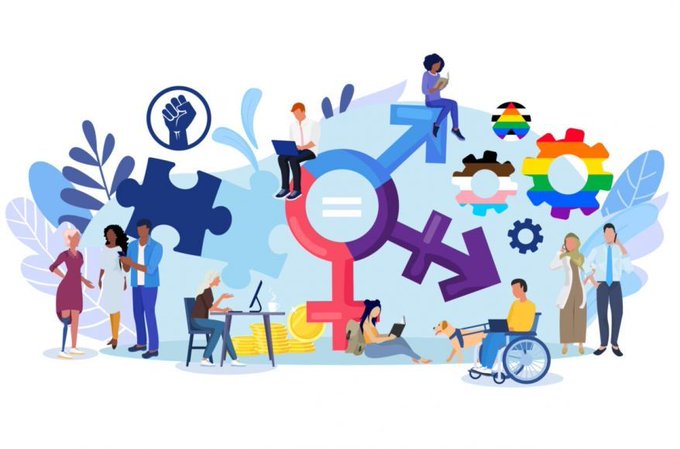
In recent years, Eurodoc has taken significant strides towards advancing Gender Equality in academia, alongside a heightened focus on diversity and inclusion. Last year, their initiative spotlighted the invaluable contributions of female researchers within the Eurodoc community through the “Women in Research” campaign. Building upon this momentum, they are thrilled to announce the expansion of this campaign to embrace researchers of all genders, underscoring our belief that everyone plays a pivotal role in promoting gender equality in research environments.

Symbolically launching on March 8th, International Women’s Day, our campaign seeks to address the multifaceted nature of gender discrimination as outlined in the Istanbul Convention. It encompasses not only discrimination faced by women due to socially prescribed roles but also extends to challenges encountered by individuals whose gender identity or sexual orientation deviates from societal norms. Understanding that these dimensions of discrimination stem from deeply entrenched cultural paradigms, we aim to create a platform where diverse voices can converge to advocate for equal rights across all spheres of life.

At the heart of their campaign lies a commitment to amplifying the stories of researchers who defy stereotypes and champion inclusivity within academia. Each participant brings a unique perspective, reflecting a rich tapestry of backgrounds, experiences, and aspirations in the pursuit of knowledge. By sharing these narratives, they hope to cultivate a diverse array of role models, demonstrating that excellence in research transcends traditional notions of merit and is inclusive of all who are passionate about advancing knowledge.

As they invite researchers to join our campaign, they encourage reflection on the following questions:

  1. Who are you, and where are you from?
  2. What is your research about?
  3. Why did you pursue a career in research?

In addition, participants are invited to share their insights on why gender equality is important to them and offer examples of strategies for fostering inclusivity within research environments.

To take part in the campaign, simply fill out the Google form linked below and share your story on social media using the hashtags: #WeAreEurodoc, #WomenInResearch, #Eurodoc, #doctoralcandidates, #early_career_researchers. Together, let us pave the way for a more equitable and inclusive future in academia.

Google Form: Participate in the Campaign

More at Eurodoc

ROSiE project (Responsible Open Science in Europe) Final Event: ‘Research Integrity in Open Science for Europe’, 21.02.24 at the European Parliament and online
ROSiE project (Responsible Open Science in Europe) Final Event: ‘Research Integrity in Open Science for Europe’, 21.02.24 at the European Parliament and online 1024 768 Open and Universal Science (OPUS) Project

The final event of the Responsible Open Science in Europe (ROSiE) project is set to take place next Wednesday, the 21st of February, at 15:00 CET. The event will be hosted both physically at the European Parliament and virtually, opening its discussions to a global audience.

Themed ‘Research Integrity in Open Science for Europe,’ the event will delve into the intricate intersection of Open Science practices with existing policies, posing potential challenges such as conflicts with the General Data Protection Regulation (GDPR), intellectual property regulations, and funding restrictions. Esteemed experts will lead discussions on the imperative need for a robust governance structure that can drive a paradigm shift in scientific approaches, guided by the principles of Research Ethics and Integrity.

Organised by the European Parliament’s STOA Panel for the Future of Science and Technology, the workshop promises to be a focal point for policymakers, scientists, and stakeholders alike. As Open Science continues to evolve, it becomes essential to address the ethical, legal, and regulatory aspects to ensure a harmonious coexistence with existing frameworks.

Research integrity is a foundation of excellent science and the cornerstone of societal trust in researchers and research institutions. Advancing research integrity across Europe is of the utmost importance to ensure the high quality of science, including reproducibility of research results, and to ensure a fruitful relationship between science and society.

Open Science (OS) is an approach to the scientific process that focuses on spreading knowledge as soon as it is available using digital and collaborative technology. Open Science is a policy priority for the European Union and the standard method of working under its research and innovation funding programmes as it improves the quality, efficiency and responsiveness of research.

The roundtable intends to uncover how unchecked challenges in Open Science can jeopardize academic freedom. Open Science demands a shift in scientific mindset and robust governance structures–infrastructure, codes of conduct, regulations, and training. Deficiencies in these elements pose critical threats to researchers and institutions, impacting academic freedom, diversity, and inclusivity in science.

Experts, researchers together with policy makers discuss how Open Science in Europe intersects with policy, potentially conflicting with GDPR, intellectual property regulations, and funding restrictions. They also explore the imperative for a governance structure driving a paradigm shift in science, guided by Research Ethics and Integrity.

Programme

15.00 – 15.05 Opening

· Ivars IJABS MEP and STOA Vice-Chair

15.05 – 15.10 Keynote

· Iliana IVANOVA, EU Commissioner for Innovation, Research, Culture, Education and Youth

15.10 – 15.30 Keynote ‘Science in Transition’

· Frank MIEDEMA, Professor of Open Science, University of Utrecht

15:30 -16:30 Panel discussion ‘Open Science challenges’

  • Elizabeth GADD, Head of Research Culture & Assessment at Loughborough University
  • Marcel BOGERS, Professor of Open & Collaborative Innovation, Eindhoven University of Technology
  • Henriikka MUSTAJOKI, Head of Development, Open Science, Finland

Moderator: Rose BERNABE, Professor of Research Ethics and Research Integrity, University of Oslo

+ Q&A

16:30 -16:50 Coffee break

16:50 -17:55 Panel discussion ‘Responsible Open Science in Europe General Guidelines and Academic Freedom’

  • Rose BERNABE, Professor of Research Ethics and Research Integrity, University of Oslo
  • Olivier LE GALL, Chair of the French Advisory Board on Research Integrity
  • Signe MEZINSKA, Associate Professor and Senior Researcher, University of Latvia
  • Kadri SIMM, Chair of the Practical Philosophy, Associate Professor, University of Tartu

Moderator: Rose BERNABE, Professor of Research Ethics and Research Integrity, University of Oslo

+ Q&A

17:55 – 18:00 Closing remarks

· Ivars IJABS, MEP and STOA Vice-Chair

#EP4AcademicFreedom

The event will be held in EN.

The event will be webstreamed.

More information, the programme and the registration link are here. The introductory interview is available here.

EuroScience Open Forum (ESOF) 2024
EuroScience Open Forum (ESOF) 2024 894 589 Open and Universal Science (OPUS) Project

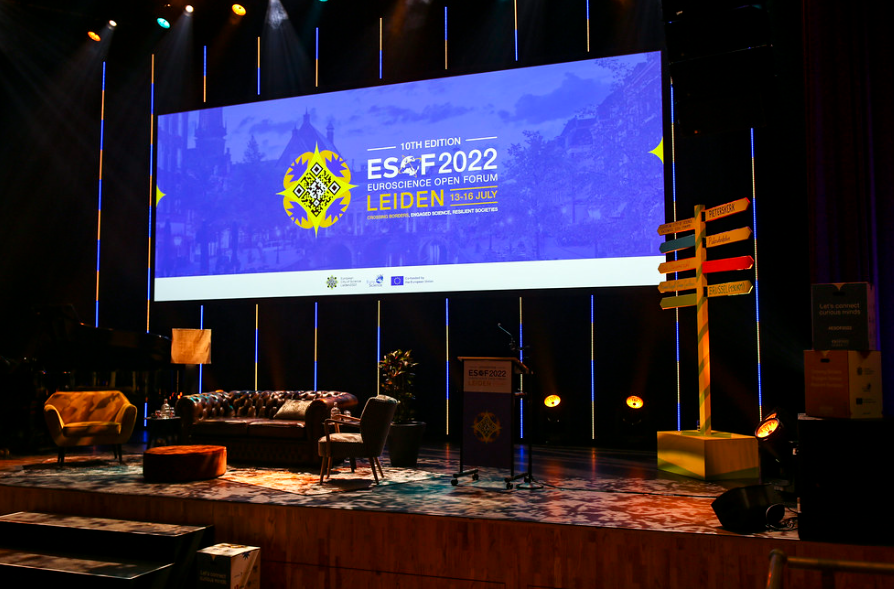
EuroScience Open Forum (ESOF) 2024 will take place from June 12 to June 15, 2024, in Katowice, Poland.

The EuroScience Open Forum is a biennial meeting designed to offer the scientific community a platform for interdisciplinary and intersectional debate about scientific culture, scientific research, and innovation. It is created for society’s benefit and carried out with society’s participation.

Goal of the conference
The main goal of the ESOF2024 conference is to explore the connections between science and society, the conditions for conducting research, and their impact on society. We aim to stimulate debate on social changes related to science and analyse the social, cultural, and economic consequences of scientific breakthroughs at regional, national, European, and global levels. In the face of global challenges and to enhance international scientific cooperation, scientists want to discuss science as a factor of change in our lives and how life changes science.

The programme includes lectures, seminars, a debate, workshops, poster presentations and exhibitions, interactive sessions, and a wide array of public engagement forms. The theme for ESOF 2024 is: Life changes science. 

Katowice will host Europe’s and the world’s leading personalities in the world of science, academic researchers, representatives of public and non-public institutions supporting science, business people, representatives of media, and those interested in the role of science in the contemporary world. 

ESOF2024 is centred around the six main areas corresponding to the biggest challenges science is currently facing:

  1. Energy Transition
  2. Sustainable Environment
  3. Cultural Identity and Societal Transformation
  4. Changes Within Scientific Excellence
  5. Healthy Society
  6. Digital Transformation

https://www.esof.eu/esof2024

Join IMPETUS: Empowering Citizen Science Projects
Join IMPETUS: Empowering Citizen Science Projects 1024 342 Open and Universal Science (OPUS) Project

Are you passionate about citizen science? Do you have a project that aims to make a positive impact on society? If so, IMPETUS wants to hear from you! The IMPETUS 2nd Joint Open Call is now open, offering exciting opportunities for both new and existing citizen science initiatives.

What is IMPETUS?

IMPETUS is dedicated to fostering innovation and collaboration in citizen science. Through their Accelerator Programme and the European Union Prize for citizen science, they aim to support and recognize outstanding projects that engage communities, address societal challenges, and promote sustainable practices.

Accelerator Programme Opportunities

If you’re considering launching a new citizen science project or seeking support to sustain an existing one, the IMPETUS Accelerator Programme is for you. Successful applicants can receive:

  • Kickstarting grants: €20,000, mentoring, and training support for new projects.
  • Sustaining grants: €10,000, mentoring, and training support for ongoing projects.

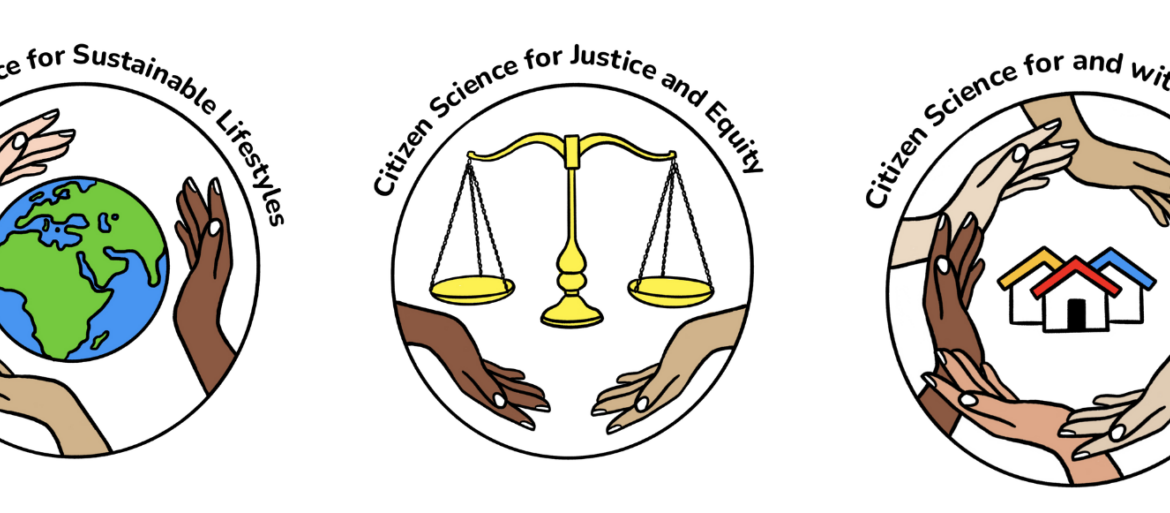
This year’s Accelerator challenges focus on “Sustainable Lifestyles,” “Justice and Equity,” and “Citizen Science for and With Communities.” Your project should align with one or more of these themes.

Who Can Apply?

Individuals, organizations, and consortia from eligible countries can apply for funding. Whether you’re a researcher, a community group, or an organization in the public or private sector, IMPETUS welcomes your innovative ideas and contributions.

European Union Prize for Citizen Science

In addition to the Accelerator Programme, IMPETUS is offering the European Union Prize for citizen science. This prize recognizes exceptional initiatives with a €60,000 Grand Prize, along with awards for Diversity & Collaboration and Digital Communities.

Why Should You Apply?

IMPETUS values inclusivity and seeks projects that make a difference on local, national, or international levels. They’re particularly interested in initiatives that engage marginalized or disadvantaged groups and explore novel participatory roles for citizens and stakeholders.

Important Dates and Resources

  • Open Call Launch: January 10th, 2024
  • Prize Call Closes: March 11th, 2024
  • Accelerator Call Closes: March 14th, 2024

For more information, visit the IMPETUS website and access application forms, guides, and FAQs. Don’t miss this opportunity to be part of a vibrant community dedicated to advancing citizen science!

Join IMPETUS today and be a catalyst for positive change through citizen science.

Click here to access application forms and submission platform.

For any questions, reach out to opencall@impetus4cs.eu.

Stay connected for updates on additional translations and further opportunities at IMPETUS website!

Findings of the UNESCO Open Science Outlook first edition
Findings of the UNESCO Open Science Outlook first edition 464 664 Open and Universal Science (OPUS) Project

Discover the findings of the UNESCO Open Science Outlook first edition (Open science outlook 1: status and trends around the worldon Thursday, 15th of February 2024, from 1:00 pm to 2:30 pm Paris time. Join the meeting online, where the results will be presented to all UNESCO Open Science Working Groups.

The Open Science Outlook is the world’s first assessment of open science, following the 2021 UNESCO Recommendation on Open Science. Crafted with input from open science experts and contributors worldwide, your valuable contributions have significantly shaped this publication. UNESCO eagerly anticipate discussing the outcomes with you on February 15.

Agenda

13:00-13:05Opening Mr Ezra Clark, Chief of Section, Science, Technology and Innovation Policy, UNESCO  
13:05-13:30Presentation of the Findings of the UNESCO Open Science Outlook 1 Ms Tiffany Straza, Senior Consultant, Science, Technology and Innovation Policy, UNESCO  
13:30-14:00Q&A    
14:00-14:25Discussion on the Next Steps for the UNESCO Open Science Working Groups Ms Ana Peršić, Programme Specialist, Science, Technology and Innovation Policy, UNESCO  
14:25-14:30Closing Mr Ezra Clark, Chief of Section, Science, Technology and Innovation Policy, UNESCO  

Register here!

Enhancing Scholarly Communication
Enhancing Scholarly Communication 736 574 Open and Universal Science (OPUS) Project

In the area of academia, communication serves as the lifeblood that sustains its growth and evolution. Imagine a world where researchers, scholars, and students operate in isolated bubbles, their knowledge confined within the walls of their institutions, inaccessible to others. Such a scenario stifles progress and innovation, hindering the very essence of academic pursuit.

Fortunately, the landscape is changing. The advent of digital technologies and the proliferation of online platforms have revolutionized scholarly communication, fostering connectivity and collaboration on an unprecedented scale. This paradigm shift is not merely about embracing new tools; it’s about redefining how knowledge is disseminated, shared, and engaged with across disciplines and borders.

At the heart of this transformation lies the concept of scholarly communication enhancement—a multifaceted endeavor aimed at breaking down barriers, facilitating interdisciplinary dialogue, and democratizing access to knowledge. Let’s delve deeper into how this enhancement is reshaping the academic ecosystem:

  1. Open Access Initiatives: Traditionally, access to scholarly literature was often restricted by paywalls and subscription fees, limiting its reach to only those affiliated with well-endowed institutions. Open access initiatives challenge this status quo by making research outputs freely available to anyone with an internet connection. By removing financial barriers, open access not only promotes equitable access to knowledge but also enhances visibility and citation impact for researchers.
  2. Preprint Servers: In the age of rapid dissemination, waiting for months or even years for research findings to undergo peer review and publication in traditional journals can impede scientific progress. Preprint servers offer a solution by allowing researchers to share their findings publicly before formal peer review. This accelerates the pace of discovery, invites feedback from the global research community, and fosters collaboration.
  3. Data Sharing and Reproducibility: Transparency and reproducibility are fundamental tenets of robust scientific inquiry. Scholarly communication enhancement advocates for greater transparency by promoting data sharing practices and reproducibility standards. By making research data openly available and ensuring the reproducibility of findings, researchers can build upon existing knowledge with confidence, advancing the collective understanding of complex phenomena.
  4. Interdisciplinary Collaboration: Many of today’s most pressing challenges—from climate change to global health crises—are inherently interdisciplinary in nature. Scholarly communication enhancement encourages collaboration across disciplinary boundaries, facilitating the exchange of ideas, methodologies, and insights. By fostering interdisciplinary dialogue, researchers can approach complex problems from multiple perspectives, leading to more holistic and innovative solutions.
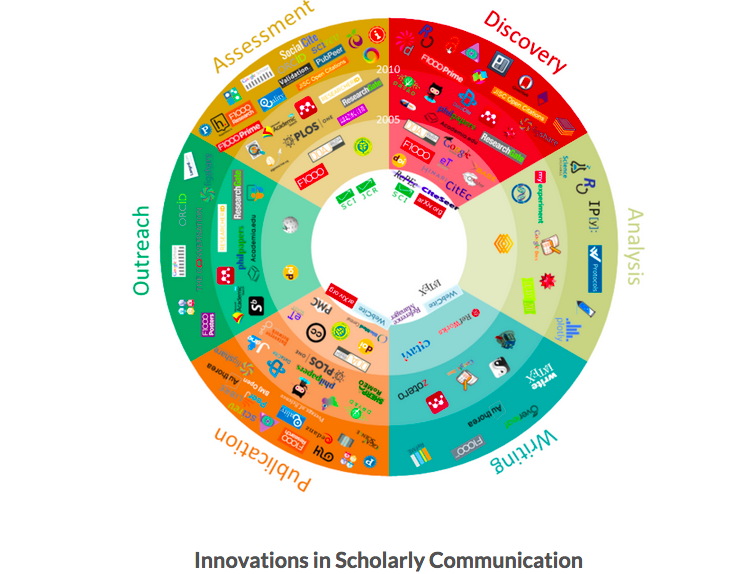
  5. Digital Tools and Platforms: The digital revolution has birthed a myriad of tools and platforms designed to enhance scholarly communication. From reference management software to collaborative writing platforms, these tools streamline the research process, promote collaboration, and amplify the impact of scholarly outputs. Embracing these digital innovations empowers researchers to work more efficiently and effectively in today’s interconnected world.

Scholarly communication enhancement is not just a buzzword; it’s a fundamental shift in how knowledge is created, shared, and utilized in the academic sphere. By embracing open access principles, leveraging digital technologies, and fostering interdisciplinary collaboration, we can build bridges that transcend disciplinary boundaries, democratize access to knowledge, and accelerate the pace of discovery. As we navigate the ever-evolving landscape of academia, let us continue to champion initiatives that enhance scholarly communication, paving the way for a more inclusive, collaborative, and impactful academic community.

Photo via University of Cambridge

A New Frontier for Collaboration in Work
A New Frontier for Collaboration in Work 1024 579 Open and Universal Science (OPUS) Project

In today’s rapidly evolving world, the way we approach scientific research and collaboration is undergoing a profound transformation. Open science, a movement focused on making scientific research and data accessible to all, is revolutionizing the way we work together to advance human knowledge.

What exactly is open science, and why does it matter in our daily work lives? Let’s break it down.

Open science is all about transparency, collaboration, and accessibility. Instead of keeping research findings behind closed doors, scientists are increasingly sharing their data, methodologies, and results with the wider community. This openness not only fosters trust and credibility within the scientific community but also encourages innovation and accelerates the pace of discovery.

But open science isn’t just for scientists in white lab coats. Its principles can be applied to various fields and industries, including technology, healthcare, education, and beyond. By embracing open science practices in our work, we can unlock new opportunities for collaboration, problem-solving, and creativity.

One of the key benefits of open science in the workplace is enhanced collaboration. When information is shared openly, barriers to collaboration are broken down, allowing individuals from different backgrounds and disciplines to come together to tackle complex problems. This interdisciplinary approach often leads to more innovative solutions and breakthroughs that wouldn’t have been possible otherwise.

Moreover, open science promotes inclusivity by making research more accessible to diverse audiences. By sharing data and findings openly, we can ensure that everyone, regardless of their background or resources, has the opportunity to engage with and contribute to scientific knowledge. This democratization of information not only benefits society as a whole but also fosters a culture of equity and inclusion in the workplace.

Additionally, open science can improve the reproducibility and reliability of research. When research methodologies and data are made available for scrutiny, other researchers can verify and build upon existing findings, strengthening the overall robustness of scientific knowledge. This transparency not only enhances the credibility of individual studies but also promotes a culture of accountability and quality assurance in the workplace.

Incorporating open science practices into our daily work routines may require a shift in mindset and culture, but the benefits far outweigh the challenges. By embracing transparency, collaboration, and accessibility, we can harness the power of open science to drive innovation, foster inclusivity, and accelerate progress in our respective fields.

As we overcome the complexities of the modern workplace, let’s remember the transformative potential of open science. By working together with openness and integrity, we can create a brighter, more equitable future for all.

Photo via Education Support

Understanding the Different Types of Open Access
Understanding the Different Types of Open Access 870 349 Open and Universal Science (OPUS) Project

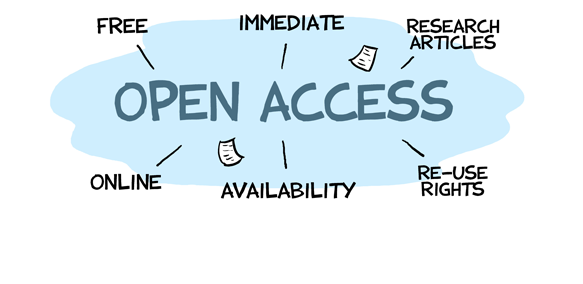
In today’s digital age, accessing information has become easier than ever before. One concept that has gained significant traction in the academic and research community is open access. Open access refers to the practice of making scholarly articles, research findings, and other forms of knowledge freely available to the public without financial, legal, or technical barriers.

However, not all open access is the same. There are different types or models of open access, each with its own characteristics and implications. Let’s explore some of the common types of open access in simple terms:

  1. Gold Open Access: Think of gold open access as a treasure chest full of valuable knowledge freely accessible to everyone. In this model, the author or their institution typically pays a fee, known as an article processing charge (APC), to the publisher. In return, the published work is immediately and freely available to anyone with internet access. Journals that operate on this model are often referred to as “fully open access” or “pure open access” journals.
  2. Green Open Access: Imagine a lush green garden where seeds of knowledge are planted and allowed to grow freely. Green open access involves authors depositing their research outputs, such as preprints or postprints, into institutional or disciplinary repositories. These repositories make the work freely accessible after a certain embargo period, during which the publisher may have exclusive rights to distribute the work. It’s like sharing your work in a public library after a short waiting period.
  3. Hybrid Open Access: This type of open access is like a mixed bag, offering both traditional subscription-based publishing and open access options. In hybrid journals, some articles are freely accessible to everyone, while others are available only to subscribers or through pay-per-view options. Authors usually have the choice to pay an APC to make their individual articles openly accessible within an otherwise subscription-based journal.
  4. Gratis Open Access: Gratis is a Latin term meaning “free,” and in the context of open access, it refers to free access to content without payment. Gratis open access allows users to read, download, and distribute scholarly articles at no cost. However, this model may not grant users certain rights, such as the ability to reuse or modify the content for commercial purposes, which leads us to our next type.
  5. Libre Open Access: Libre, also from Latin, means “liberty” or “freedom.” Libre open access not only provides free access to content but also grants users additional rights, such as the ability to reuse, remix, and redistribute the content without restrictions. This model aligns closely with the principles of open knowledge and encourages innovation and collaboration.

Understanding the different types of open access can help researchers, academics, and the general public navigate the vast landscape of scholarly communication. Whether it’s gold, green, hybrid, gratis, or libre open access, the overarching goal remains the same: to democratize access to knowledge and foster the advancement of research and learning for the benefit of society as a whole.

Photo via University Library of Potsdam

Understanding FAIR Principles
Understanding FAIR Principles 1000 339 Open and Universal Science (OPUS) Project

In today’s digital age, the world of scientific research is evolving at an unprecedented pace. As we strive to unlock the mysteries of the universe and address complex societal challenges, collaboration and transparency have become paramount. At the heart of Open Science lies the FAIR principles, a compass guiding researchers through the vast seas of data and knowledge. Let’s explore what FAIR really means in the context of Open Science.

FAIR – an acronym for Findable, Accessible, Interoperable, and Reusable – encapsulates the core tenets of data management and stewardship in the digital age. Imagine a bustling library where books are not only organized by genre but also tagged with metadata, making them easily discoverable by anyone seeking knowledge. This is the essence of Findability – ensuring that research data and resources are indexed and searchable, facilitating their discovery by both humans and machines.

Accessibility is the next port of call on our journey. Just as a library must provide equal access to all patrons, scientific data should be readily available to anyone who seeks it. Open access journals, repositories, and data archives play a crucial role in democratizing knowledge, breaking down barriers to information and fostering a more inclusive research ecosystem.

But what good is accessible data if it cannot be understood or utilized effectively? This is where Interoperability comes into play. Like translators bridging the gap between languages, interoperable data standards and formats enable seamless communication and integration across diverse scientific domains. By speaking a common language, researchers can combine datasets, compare results, and unlock new insights that transcend disciplinary boundaries.

Last but not least, we arrive at the port of Reusability – perhaps the most transformative aspect of the FAIR principles. Just as a well-loved book can be passed from reader to reader, reusable data has the power to catalyze new discoveries and innovations. By documenting data sources, methodologies, and licenses, researchers can ensure that their work can be built upon and replicated by others, accelerating the pace of scientific progress.

In essence, FAIR in Open Science is about fostering a culture of transparency, collaboration, and innovation. It’s about breaking down silos and opening doors to knowledge for all. Whether you’re a seasoned researcher, a curious student, or an engaged citizen, embracing the FAIR principles can empower you to navigate the seas of Open Science with confidence and purpose. So let’s set sail together, towards a future where knowledge knows no bounds, and the pursuit of truth unites us all. Fair winds and following seas!

Photo via Maastricht Universities

The Exclusive Club
The Exclusive Club 583 284 Open and Universal Science (OPUS) Project

In the digital age, access to information is heralded as a fundamental human right, a catalyst for innovation, and a cornerstone of progress. However, the realm of premium publishers often stands as a stark contrast to these ideals, maintaining gated access to valuable knowledge through paywalls and subscriptions. This practice not only restricts the flow of information but also perpetuates inequality and impedes the advancement of society as a whole.

Premium publishers, boasting prestigious titles and esteemed journals, wield considerable influence in academia, research, and public discourse. Their content is often regarded as the pinnacle of scholarly achievement, shaping policies, driving innovation, and guiding scientific inquiry. Yet, despite their significant impact, many of these publishers continue to operate under closed-access models, reserving their content for those who can afford the hefty price tags associated with subscriptions.

This exclusivity creates a two-tiered system of knowledge dissemination: one for the privileged few who can pay for access and another for the rest of humanity. Such a system reinforces existing disparities, where those in resource-rich institutions or affluent countries have unfettered access to the latest research, while individuals in less privileged circumstances are left behind.

The implications of this exclusivity are profound. For researchers and academics in developing nations or underfunded institutions, the inability to access premium publications can hinder their ability to stay abreast of advancements in their fields, stifle their capacity to contribute meaningfully to global knowledge, and perpetuate a cycle of dependence on the academic elite.

Moreover, the closed-access model impedes the dissemination of critical information beyond academic circles. In an era marked by complex global challenges such as climate change, public health crises, and socioeconomic inequality, the need for accessible, evidence-based knowledge has never been greater. By erecting barriers to this knowledge, premium publishers not only hinder progress but also undermine the collective efforts to address these pressing issues.

Advocates of the status quo argue that subscription fees are necessary to support the rigorous peer-review process, editorial oversight, and production costs associated with high-quality publishing. While these concerns are valid, they do not justify perpetuating a system that prioritizes profit over the public good. Alternative models, such as open access publishing, offer viable solutions that reconcile the need for sustainability with the imperative of accessibility.

Open access initiatives, which make scholarly content freely available to the public, have gained momentum in recent years, driven by a growing recognition of the inherent value of democratizing knowledge. Platforms like arXiv, PLOS, and the Directory of Open Access Journals (DOAJ) have demonstrated the feasibility and efficacy of open access publishing, fostering innovation, collaboration, and inclusivity in the process.

Premium publishers must heed the call for change and embrace open access as a moral imperative and a strategic imperative. By transitioning to open access models, they can expand their reach, amplify their impact, and fulfill their responsibility to advance the collective pursuit of knowledge. Moreover, by dismantling barriers to access, they can contribute to a more equitable and just society, where knowledge is truly accessible to all, regardless of socioeconomic status or geographic location.

The reluctance of premium publishers to embrace open access for the betterment of humanity is a disservice to the principles of equity, inclusivity, and progress. It is incumbent upon these publishers to recognize their role as stewards of knowledge and to adopt models that prioritize accessibility, affordability, and transparency. Only through collective action and a commitment to openness can we realize the full potential of scholarship and ensure that the benefits of knowledge are shared by all.

Photo via WE Blog

Privacy Preferences

When you visit our website, it may store information through your browser from specific services, usually in the form of cookies. Our Privacy Policy can be read here.

Here you can change your Privacy preferences. It is worth noting that blocking some types of cookies may impact your experience on our website and the services we are able to offer.

Click to enable/disable Google Analytics tracking code.
Click to enable/disable Google Fonts.
Click to enable/disable Google Maps.
Click to enable/disable video embeds.
Our website uses cookies, mainly from 3rd party services. Define your Privacy Preferences and/or agree to our use of cookies.