Open Science News

Open Science in Theses and Doctoral Research
Open Science in Theses and Doctoral Research 726 481 Open and Universal Science (OPUS) Project

In the world of academia, the way research is shared and conducted is undergoing a transformation, and open science is at the forefront of this change. This article explores the role of open science in the context of theses and doctoral research, shedding light on the benefits and challenges associated with adopting open practices in the pursuit of advanced degrees.

The Basics of Open Science

Open science is all about making research freely available to everyone. This includes sharing not only the final research papers but also the raw data, methodologies, and tools used in the study. The goal is to promote transparency, collaboration, and accessibility in the scientific community.

Benefits of Open Science in Theses and Doctoral Research

  1. Fostering Collaboration: By embracing open science, doctoral researchers can collaborate more effectively with peers and experts around the world. Openly sharing research findings creates a global community where ideas can be discussed and refined.
  2. Accelerating Discovery: Open science can speed up the pace of discovery. When researchers share their methodologies and data, others can build upon their work, avoiding duplication of efforts and accelerating the overall progress of science.
  3. Increased Visibility and Impact: Making theses and doctoral research openly accessible increases the visibility of the work. This not only benefits the researchers by showcasing their contributions but also allows the broader community to learn from and apply their findings.
  4. Enhancing Reproducibility: Openly sharing data and methodologies allows other researchers to verify and reproduce the results. This contributes to the credibility of the research and strengthens the foundation of scientific knowledge.

Challenges in Embracing Open Science

  1. Data Privacy Concerns: Doctoral research often involves handling sensitive data. Researchers may face challenges in balancing the openness of their work with the need to protect the privacy and confidentiality of participants.
  2. Traditional Publishing Norms: The current academic landscape often emphasizes publishing in prestigious journals. Doctoral candidates may worry that open access publishing could impact the perceived prestige of their work.
  3. Intellectual Property Issues: Doctoral research can lead to valuable intellectual property. Researchers may be concerned about losing control over their discoveries if they openly share their work.
  4. Lack of Awareness and Training: Many doctoral researchers may not be familiar with the principles and practices of open science. There is a need for increased awareness and training to help them navigate the open science landscape.

Open Science in Doctoral Research: Opportunities and Challenges

Open science is a powerful force shaping the future of academic research, including the world of theses and doctoral studies. While challenges exist, the benefits of fostering collaboration, accelerating discovery, and increasing the visibility of research far outweigh the concerns. As doctoral candidates and academic institutions continue to adapt to the changing landscape, embracing open science can contribute to a more inclusive, transparent, and impactful academic community.

Photo via Survey Data Science
The Dream of Open Science Becoming a Reality: A Look at the Numbers
The Dream of Open Science Becoming a Reality: A Look at the Numbers 1024 299 Open and Universal Science (OPUS) Project

Open science, once a distant dream, is now becoming a tangible reality as researchers, institutions, and the public embrace the principles of transparency, collaboration, and accessibility. In this article, we will explore some compelling statistics and numbers that highlight the significant strides made in the journey towards making open science a widespread and impactful practice.

  1. Open Access Publishing:

One of the key indicators of the realization of the open science dream is the increasing prevalence of open access publishing. According to recent studies, over 30% of scholarly articles are now freely accessible to the public, marking a substantial rise from previous years. This shift not only promotes the dissemination of knowledge but also facilitates a more inclusive and diverse readership.

  1. Growth of Open Data Initiatives:

The dream of open science relies heavily on the sharing of research data. Recent statistics reveal a notable surge in the number of research projects and institutions embracing open data initiatives. Over 70% of surveyed researchers report sharing their data openly, fostering collaboration and enabling others to build upon existing research.

  1. Rise in Collaborative Platforms:

Collaboration lies at the heart of open science, and the numbers speak volumes about its growing importance. Online collaborative platforms, where researchers can share ideas, findings, and methodologies, have experienced significant growth. Participation in these platforms has increased by more than 50% in the last few years, indicating a strong desire within the scientific community to work together towards common goals.

  1. Citizen Science Engagement:

Open science extends beyond traditional academic circles, involving the public in the scientific process. Citizen science initiatives have gained traction, with millions of individuals contributing to various research projects. This inclusivity not only broadens the scope of scientific inquiry but also enhances public understanding and appreciation of scientific endeavors.

  1. Funding Support for Open Science:

Governments, funding agencies, and philanthropic organizations are recognizing the value of open science and are providing increased support. Funding for open science initiatives has seen a notable uptick, with a 20% year-over-year increase in grants and resources dedicated to projects that embrace open practices.

  1. Open Science Education:

Educational efforts to promote open science principles are on the rise. The number of institutions integrating open science into their curricula has doubled in the past five years. This indicates a growing awareness of the importance of fostering a new generation of researchers and scholars who value transparency and collaboration.

Embracing a Future of Knowledge Democracy

The dream of open science is undeniably becoming a reality, and the numbers reinforce this positive trend. From open access publishing to collaborative platforms and citizen science engagement, the landscape of scientific research is evolving towards greater openness and inclusivity. As we celebrate these milestones, it is crucial to continue advocating for and investing in open science practices to ensure that the benefits reach researchers and the public alike, fostering a more transparent and collaborative scientific community.

Photo via PLOS

Breaking Barriers: Challenges and Opportunities for Open Science Adoption in the Global South
Breaking Barriers: Challenges and Opportunities for Open Science Adoption in the Global South 1024 576 Open and Universal Science (OPUS) Project

Open science, a movement aimed at making scientific research and data accessible to everyone, has gained momentum globally. However, implementing open science practices in the Global South, comprising economically developing regions, presents a set of unique challenges. This article explores the complexities associated with introducing open science in these areas and the potential benefits it could bring.

  1. Limited Infrastructure:

One major hurdle in the Global South is the limited research infrastructure. Many institutions lack the necessary technology and internet connectivity required for seamless participation in open science initiatives. Access to high-speed internet and advanced computing resources is essential for sharing and collaborating on research, making it challenging for researchers in these regions to fully engage with open science practices.

  1. Funding Constraints:

Financial limitations pose another significant challenge. Researchers in the Global South often face difficulties securing funds for their projects, hindering their ability to adopt open science practices that may require additional resources. The lack of financial support can impede the establishment of open-access repositories, the publication of research in open journals, and the acquisition of necessary tools and technologies.

  1. Language Barriers:

The dominance of English in scientific communication creates a language barrier for many researchers in the Global South, where English may not be the primary language. Open science initiatives often involve sharing findings in international forums, and the language barrier can limit effective participation and collaboration. Efforts to promote multilingual communication and translation services are essential to address this challenge.

  1. Cultural and Ethical Considerations:

Different regions have distinct cultural and ethical norms regarding data sharing and ownership. Introducing open science requires navigating these cultural nuances and respecting local perspectives on privacy and intellectual property. Developing guidelines that align with cultural values is crucial for the successful adoption of open science practices without compromising ethical standards.

  1. Knowledge and Awareness Gaps:

Many researchers in the Global South may not be fully aware of the principles and benefits of open science. Bridging the knowledge gap requires educational initiatives and capacity-building programs to inform researchers about the advantages of open access, data sharing, and collaborative research. Building awareness is a crucial step toward fostering a supportive environment for open science adoption.

Overcoming Challenges to Foster Open Science in the Global South:

While the introduction of open science in the Global South is accompanied by various complexities, addressing these challenges can lead to positive outcomes. Efforts to improve infrastructure, secure funding, address language barriers, respect cultural norms, and enhance awareness are essential for fostering a more inclusive and collaborative global scientific community. By overcoming these hurdles, the Global South can actively contribute to and benefit from the open science movement, promoting the advancement of knowledge for the collective good.

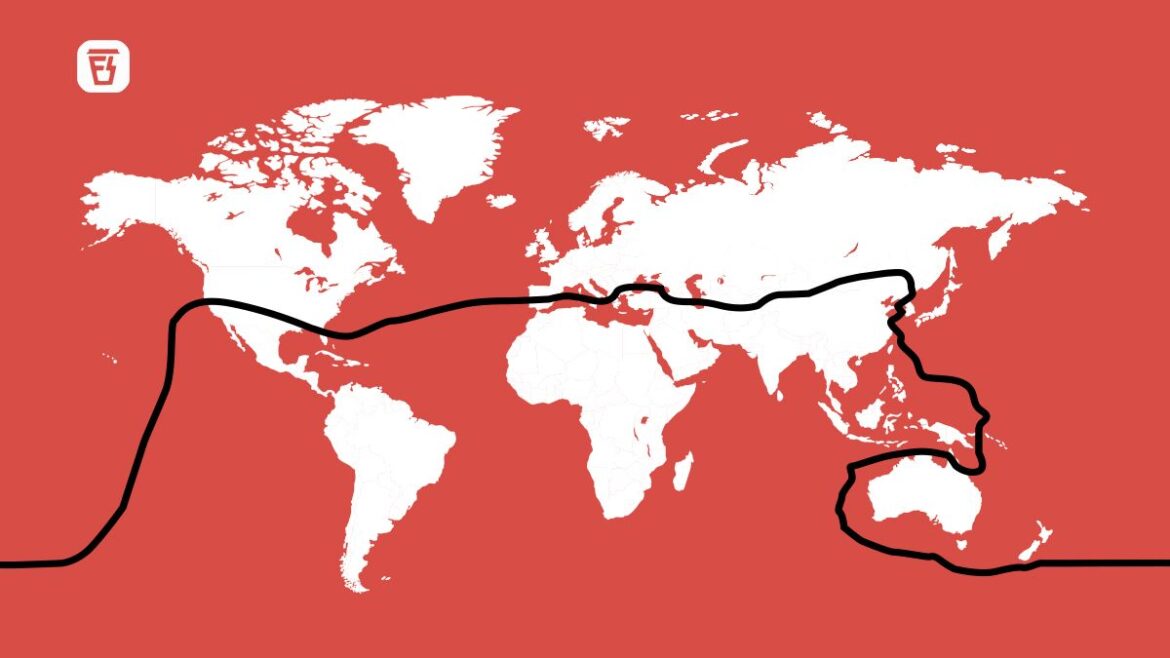
Photo via Finshots

The Urgent Call for a Global Open Science Initiative
The Urgent Call for a Global Open Science Initiative 800 455 Open and Universal Science (OPUS) Project

In a world that thrives on information and innovation, the pursuit of knowledge knows no borders. However, the traditional approach to scientific research has often been confined within the boundaries of individual nations or institutions, limiting the potential for progress on a global scale. Recognizing this, there is a growing need for a Global Open Science Initiative, a collaborative effort that transcends geographic limitations to foster a more inclusive, transparent, and impactful scientific community.

What is Open Science?

Open Science is a movement that advocates for the unrestricted access to scientific research, data, and methods. It promotes the idea that knowledge is a public good and should be shared openly to accelerate progress and benefit society as a whole. Open Science encourages collaboration, reproducibility, and the free exchange of ideas, laying the foundation for more robust and reliable scientific advancements.

Breaking Down Barriers

One of the primary reasons for championing a Global Open Science Initiative is the need to break down barriers that impede the free flow of information. In the traditional model of scientific publishing, access to research articles is often restricted by paywalls, limiting the ability of researchers, especially those from resource-constrained regions, to contribute and access the latest findings. A global initiative would strive to make scientific knowledge freely accessible to everyone, fostering a more inclusive and equitable research landscape.

Collaboration for Global Challenges

Many of the challenges facing humanity, such as climate change, pandemics, and poverty, are global in nature. Tackling these challenges requires collaborative efforts that transcend national borders. A Global Open Science Initiative would provide a platform for researchers from diverse backgrounds to work together, share data, and combine their expertise to address pressing global issues more effectively.

Accelerating Scientific Discovery

Imagine a world where researchers can build upon each other’s work seamlessly, without the hindrance of restrictive copyright policies or limited access to data. A global initiative would enable scientists to accelerate the pace of discovery by providing a shared repository of knowledge and resources. This would not only lead to faster scientific progress but also reduce redundancy in research efforts, making optimal use of limited resources.

Ensuring Ethical and Responsible Research Practices

Open Science emphasizes transparency and accountability, crucial elements in ensuring that research is conducted ethically and responsibly. By making research processes and data openly available, a Global Open Science Initiative would enable the scientific community and the public to scrutinize and validate findings. This transparency can act as a safeguard against malpractices, reinforcing the credibility and integrity of scientific research.

Empowering the Next Generation of Researchers

A Global Open Science Initiative would play a pivotal role in nurturing the talents of aspiring researchers, particularly those from underprivileged backgrounds. By providing equal access to resources and opportunities, it can empower a diverse generation of scientists, fostering innovation and fresh perspectives that can drive the scientific community forward.

A Call to Action for a Global Open Science Initiative

The need for a Global Open Science Initiative is more pressing than ever in our interconnected world. By embracing open collaboration, breaking down information barriers, and promoting ethical research practices, such an initiative has the potential to revolutionize the way we approach scientific discovery. As we stand at the intersection of technology and knowledge, it is essential to collectively take a step towards a more open and inclusive future for science, where the benefits are shared globally for the betterment of humanity.

Photo via Dreams Time

Erasmus: Bridging Borders and Boosting Open Science
Erasmus: Bridging Borders and Boosting Open Science 980 492 Open and Universal Science (OPUS) Project

Erasmus, a widely recognized and influential program, has been instrumental in fostering international collaboration and understanding among students and academics. While its primary focus is on student exchanges, Erasmus has also significantly contributed to the advancement of open science. In this article, we will explore how Erasmus is benefiting open science and promoting a culture of shared knowledge.

  1. International Collaboration:

Erasmus creates opportunities for students and researchers to engage in international collaborations, fostering a global network of scholars. This collaboration transcends geographical boundaries, enabling the exchange of ideas, methodologies, and research findings. As a result, open science thrives on the diversity of perspectives and the rich tapestry of insights brought together by individuals from different cultural and academic backgrounds.

  1. Knowledge Exchange:

The program encourages the exchange of knowledge by providing a platform for academics to teach and learn in diverse academic environments. Through Erasmus, researchers gain exposure to different research methodologies, tools, and techniques, ultimately contributing to a more comprehensive understanding of open science practices. This knowledge exchange is essential for breaking down silos and building a collective understanding of open science principles.

  1. Language Diversity:

One of Erasmus’ unique features is its emphasis on language learning and proficiency. As participants navigate academic environments in different countries, they enhance their language skills and, in turn, contribute to the multilingual nature of open science. The ability to communicate research findings in various languages facilitates broader accessibility and inclusivity within the global scientific community.

  1. Cultural Sensitivity:

Erasmus promotes cultural sensitivity and adaptability, encouraging individuals to understand and respect diverse perspectives. In the context of open science, this cultural awareness is crucial for addressing global challenges collaboratively. By fostering an inclusive and culturally sensitive approach, Erasmus participants contribute to creating an open science environment that reflects a broad spectrum of voices and experiences.

  1. Networking and Collaboration Tools:

Erasmus not only connects individuals but also provides a framework for utilizing modern technology and collaboration tools. These tools enable researchers to collaborate seamlessly across borders, facilitating the sharing of data, methodologies, and research findings. The use of digital platforms enhances the efficiency and effectiveness of open science practices, creating a more interconnected and accessible global research community.

A Catalyst for Transformative Change in Open Science

Erasmus plays a pivotal role in promoting open science by breaking down barriers, fostering international collaboration, and cultivating a culture of knowledge exchange. Through language diversity, cultural sensitivity, and the use of modern technology, Erasmus participants contribute to the global scientific community’s growth and understanding. As we look to the future, the impact of Erasmus on open science is likely to continue, creating a more interconnected and collaborative research landscape.

Photo via PTE

Winter’s Blanket of Snow and the Open Science Revolution
Winter’s Blanket of Snow and the Open Science Revolution 1024 536 Open and Universal Science (OPUS) Project

As winter descends upon us, bringing with it the magical transformation of landscapes into snowy wonderlands, it’s also an opportune time to explore the parallels between the season of snow and the open science movement. Winter, with its pristine white cover, mirrors the openness and transparency that open science advocates for in the realm of research and discovery.

Snowflakes and Diversity:

Just like each snowflake is unique, winter showcases the diversity of nature. In the same vein, open science encourages diversity of thought and collaboration. Open science emphasizes the sharing of ideas, data, and methodologies among researchers worldwide, fostering a rich tapestry of perspectives. This diversity strengthens the scientific community, much like the intricate patterns formed by different snowflakes.

Transparency and Clarity:

The transparency of winter air, allowing us to see distant landscapes with clarity, is akin to the transparency sought after in open science. In open science, researchers strive to make their work transparent by sharing not only the final results but also the entire research process – from data collection to analysis. This openness promotes clarity and allows others to scrutinize and build upon existing research, fostering a culture of trust and collaboration.

Community Building:

Winter often brings people together to celebrate the season’s festivities. Similarly, open science is about building a community of researchers who collaborate and contribute to a collective pool of knowledge. By openly sharing findings and resources, scientists can collectively tackle complex challenges, much like communities coming together to clear snow-covered streets or help those in need during the winter season.

The Thawing of Traditional Boundaries:

As winter gives way to spring, melting away the icy barriers that once confined us, open science aims to break down traditional boundaries in the scientific world. Open access journals, collaborative platforms, and shared databases are thawing the barriers that have hindered the flow of information in the past. This melting away of restrictions allows for a more inclusive and accessible scientific landscape.

Challenges and Resilience:

Winter often poses challenges, from cold temperatures to snowstorms. Similarly, the transition to open science is not without its hurdles. Researchers face the challenges of adapting to new practices and overcoming resistance to change. However, just as winter transforms landscapes and fosters resilience, the open science movement encourages researchers to adapt, learn, and grow in the face of challenges.

Embracing Winter’s Lessons

In the quiet beauty of winter, we find a metaphor for the openness and transparency that define the open science movement. As the snow blankets the world in a pristine white, open science envisions a scientific landscape unencumbered by barriers, where knowledge freely flows, fostering collaboration and innovation. This winter, let’s appreciate the parallels between the season of snow and the open science revolution, embracing the transformative power of both.

Photo via Health Library

Exploring the Future Beyond Open Science
Exploring the Future Beyond Open Science 640 360 Open and Universal Science (OPUS) Project

Open Science has transformed the way we conduct and share research, fostering collaboration, transparency, and accessibility. As we bask in the benefits of this revolutionary approach, it’s natural to wonder, “What comes next?” The future beyond Open Science holds exciting possibilities that extend beyond the realms of traditional research practices.

  1. Global Collaboration:

Open Science has laid the foundation for global collaboration, breaking down barriers and connecting researchers from around the world. Looking ahead, we can anticipate even more extensive networks and partnerships, with diverse teams coming together to tackle complex challenges. The future might see an increase in interdisciplinary collaborations, combining expertise from various fields to address multifaceted issues.

  1. Open Data 2.0:

While Open Science has encouraged the sharing of research data, the future might witness a more advanced version of open data. This could involve not only sharing raw data but also providing comprehensive metadata, interactive tools, and user-friendly interfaces, making data more accessible and understandable for a broader audience, including the general public.

  1. Technological Integration:

The future of research will likely be closely intertwined with emerging technologies. Artificial Intelligence (AI), machine learning, and advanced analytics may play a more significant role in data analysis, helping researchers draw insights more efficiently. Additionally, Virtual Reality (VR) and Augmented Reality (AR) could revolutionize how we experience and understand scientific concepts.

  1. Ethics and Responsibility:

As we move forward, addressing ethical considerations in research becomes increasingly crucial. The future of science may emphasize responsible conduct, ensuring that research is conducted with integrity, respect for privacy, and a commitment to social and environmental sustainability.

  1. Citizen Science Participation:

The integration of citizens into the scientific process may become more prevalent. Engaging the public in data collection, analysis, and interpretation can provide valuable insights and democratize the scientific process. The future could see an increase in community-driven research initiatives, fostering a sense of shared responsibility for scientific advancements.

  1. Open Education:

Expanding the principles of openness to education, the future might bring about a shift towards Open Education. This involves making educational resources, research findings, and learning materials freely available, creating a more accessible and inclusive learning environment for people worldwide.

Embracing the Future:

The journey beyond Open Science promises an exciting landscape of possibilities, where collaboration, technology, ethics, and education converge to shape the future of research. Embracing these changes will require a collective effort from the global scientific community, policymakers, and the public. As we navigate this evolving terrain, it’s essential to stay mindful of the principles that underpin Open Science – transparency, inclusivity, and the pursuit of knowledge for the betterment of humanity. The road ahead is sure to be challenging, but the destination holds the potential for groundbreaking discoveries and advancements that will benefit us all.

Photo via Qualified Remodeler

Harmony of Minds: The Tale of Open Science and the Healing of Progressville
Harmony of Minds: The Tale of Open Science and the Healing of Progressville 1024 576 Open and Universal Science (OPUS) Project

In the quaint town of Progressville, nestled between rolling hills and meandering streams, there lived a remarkable scientist named Dr. Olivia. She was known for her insatiable curiosity and an unwavering commitment to making the world a healthier place. One day, an unprecedented challenge gripped the town – a mysterious illness that affected its residents.

Undeterred by the complexity of the situation, Dr. Olivia embarked on a quest to find a cure. Instead of pursuing a solitary path, she decided to champion the cause of open science. Recognizing that collaboration held the key to success, she shared her research findings, data, and ideas with scientists worldwide.

The global community of researchers that emerged was diverse, with experts from various fields coming together to pool their knowledge. Each scientist brought a unique perspective, contributing to a holistic understanding of the illness. The synergy of minds, working collaboratively across borders, exemplified the power of open science.

As the research progressed, the scientists discovered a crucial lead – a rare plant with potential healing properties hidden in the heart of the Amazon rainforest. Dr. Olivia, in collaboration with environmental scientists, devised a sustainable plan to harvest the plant without harming the delicate ecosystem. It was a testament to the interdisciplinary nature of open science, where experts from different fields united for a common cause.

The inclusive approach didn’t stop with professionals. Inspired by the transparent and collaborative spirit of the research, citizens of Progressville stepped forward to contribute. Some became citizen scientists, collecting valuable data and sharing their observations with the global community. The town transformed into a hub of collective intelligence, where every individual played a part in the pursuit of a cure.

Through persistent efforts, the researchers not only found the elusive cure but also developed a preventative vaccine. The open exchange of information had not only saved lives in Progressville but had a ripple effect worldwide. The success of Dr. Olivia’s open science approach became a beacon of hope and a model for future research endeavors.

The impact extended beyond the town limits. Governments, institutions, and scientists worldwide began adopting similar practices, recognizing that collaboration and transparency were essential elements in addressing complex challenges. The legacy of how open science saved lives in Progressville became a guiding principle for researchers around the globe.

And so, in the town where hills whispered stories and streams hummed melodies, the tale of how open science triumphed over adversity continued to be retold. It became a reminder that when knowledge is shared openly, and diverse minds come together, the possibilities for saving lives are endless.

Photo via Nola Library

Perfecting Open Science
Perfecting Open Science 1024 569 Open and Universal Science (OPUS) Project

Open Science is like a garden, and to make it thrive, we need to tend to it with care and attention. In this article, we’ll explore some simple steps to perfectionize Open Science, making it even more transparent, collaborative, and accessible for everyone.

  1. Embrace Open Access: The first step to perfecting Open Science is to embrace open access publishing. Imagine a library where everyone can read the books for free! Open Access journals make research accessible to everyone, breaking down the barriers that might limit knowledge to only those who can pay.
  2. Share Your Data: Just like sharing seeds in a community garden, sharing your data is crucial for the growth of Open Science. When researchers share their raw data openly, it allows others to understand, validate, and build upon their findings. This promotes a culture of trust and collaboration.
  3. Collaborate Widely: Picture a garden with flowers of different colors and shapes. Similarly, Open Science blossoms when researchers from various fields and backgrounds come together. Collaborative platforms and initiatives facilitate this interaction, allowing scientists to work together, share ideas, and contribute their unique perspectives.
  4. Involve Everyone with Citizen Science: A perfect Open Science garden is one where everyone can participate. Citizen science projects invite individuals, not just scientists, to contribute to research. It’s like inviting neighbors to help plant and care for the garden. This inclusive approach makes science a community effort.
  5. Foster a Culture of Open Peer Review: Peer review is like having experienced gardeners check the health of your plants. Open peer review takes it a step further by making this process transparent. Allowing others to see the reviews helps build accountability and trust in the scientific community.
  6. Utilize Preprints for Swift Sharing: In our garden, we want flowers to bloom as soon as possible. Similarly, researchers can use preprints—early versions of their papers—to share their findings quickly. This accelerates the spread of knowledge, enabling others to benefit from it sooner.
  7. Provide Clear Documentation: Imagine a garden with signs explaining the names and care instructions for each plant. In Open Science, clear documentation is essential. Researchers should provide detailed information about their methods and processes, making it easier for others to understand, replicate, and expand upon their work.

Cultivating Excellence in Open Science:

In our journey toward perfecting Open Science, each strategy plays a vital role in ensuring the garden of knowledge flourishes. By embracing these principles, we not only contribute to the growth of Open Science but also lay the foundation for a brighter and more collaborative future in the realm of scientific exploration. As we continue to cultivate excellence, let’s collectively sow the seeds of progress, innovation, and inclusivity in the ever-expanding landscape of Open Science.

Photo via Fearless Culture

Exploring the Consequences of Full-Scale Open Science
Exploring the Consequences of Full-Scale Open Science 1024 717 Open and Universal Science (OPUS) Project

Imagine a world where the doors of knowledge swing wide open for everyone, where scientists across the globe freely share their findings, and collaboration becomes the norm. What if open science, the idea of making all scientific research accessible to everyone, was fully implemented? Let’s take a closer look at the potential consequences of such a revolutionary shift.

  1. Knowledge for All: The most immediate and significant consequence of fully implementing open science would be the widespread access to knowledge. No longer would valuable research be tucked away behind expensive paywalls. Instead, information would flow freely, empowering students, researchers, and curious minds worldwide to explore and contribute to the vast pool of human knowledge.
  2. Accelerated Discoveries: With the removal of barriers to information, the pace of scientific discovery would likely skyrocket. Researchers could build upon each other’s work seamlessly, reducing redundancy and allowing for faster progress. The collaborative nature of open science would enable scientists to tackle complex problems collectively, potentially leading to groundbreaking discoveries and innovative solutions.
  3. Global Collaboration: Open science would break down the walls that separate researchers around the world. Collaboration would become the standard rather than the exception. Experts from different cultures and regions could join forces to address pressing global issues, fostering a sense of unity in the pursuit of knowledge and problem-solving.
  4. Empowerment of Citizen Scientists: The full implementation of open science would not be limited to professional researchers. Everyday individuals with a passion for science, known as citizen scientists, would have the tools and resources to actively participate in the scientific process. This democratization of science could bring fresh perspectives and ideas, enriching the scientific landscape.
  5. Challenges in Data Privacy and Security: While the benefits of open science are immense, challenges related to data privacy and security would need careful consideration. The open sharing of research data could raise concerns about the protection of sensitive information. Striking a balance between openness and safeguarding individual and collective interests would be crucial.
  6. Rethinking Funding Models: The traditional funding models for scientific research, often reliant on subscription fees and paywalls, would need a significant overhaul. A sustainable funding model that supports open access to research while ensuring the financial well-being of researchers and institutions would be imperative for the long-term success of open science.
  7. Intellectual Property Considerations: The concept of intellectual property and ownership of ideas may undergo a transformation in a fully open science environment. Striking a balance between recognizing and rewarding innovation while ensuring widespread access to knowledge would be a delicate task.

Charting a Course for a Knowledge-Rich Future

The full-scale implementation of open science holds the promise of a more inclusive, collaborative, and rapidly advancing scientific landscape. The consequences, both positive and challenging, would reshape the way we approach and benefit from scientific research. As we navigate this potential future, addressing issues of data privacy, funding, and intellectual property will be crucial to realizing the transformative power of open science for the betterment of humanity.

Photo via Mark Manson

Privacy Preferences

When you visit our website, it may store information through your browser from specific services, usually in the form of cookies. Our Privacy Policy can be read here.

Here you can change your Privacy preferences. It is worth noting that blocking some types of cookies may impact your experience on our website and the services we are able to offer.

Click to enable/disable Google Analytics tracking code.
Click to enable/disable Google Fonts.
Click to enable/disable Google Maps.
Click to enable/disable video embeds.
Our website uses cookies, mainly from 3rd party services. Define your Privacy Preferences and/or agree to our use of cookies.