Open Science News

A Journey Through the History of Open Access
A Journey Through the History of Open Access 1024 731 Open and Universal Science (OPUS) Project

Open Access (OA) has revolutionized the way we access and disseminate scholarly research and information. It represents a paradigm shift in the world of academic publishing, making knowledge freely accessible to all. This article takes you on a journey through the fascinating history of open access, tracing its roots, development, and its profound impact on the global academic community.

The Birth of Open Access

The concept of open access can be traced back to the 1960s and 1970s when academics and researchers began to challenge the traditional publishing model dominated by subscription-based journals. One of the early milestones was the establishment of arXiv in 1991, a preprint server for physics that allowed researchers to share their work openly before formal peer review. This marked the beginning of a movement towards greater transparency and accessibility in scholarly communication.

The Budapest Open Access Initiative (BOAI)

In 2002, the Budapest Open Access Initiative (BOAI) played a pivotal role in shaping the open access movement. This landmark meeting led to the formulation of the Budapest Open Access Declaration, which defined open access as “the free availability of literature on the public internet, permitting any users to read, download, copy, distribute, print, search, or link to the full texts of these articles.”

BOAI also introduced two primary models of open access:

  1. Green Open Access: This model involves authors self-archiving their work in institutional or subject-based repositories. It allows researchers to share their publications openly, even if they have been published in subscription-based journals.
  2. Gold Open Access: In this model, research articles are made openly accessible on the publisher’s website immediately upon publication. Access is free to the end user, but the costs of publication are often covered by article processing charges (APCs) or institutional support.

Government and Institutional Initiatives

Governments and institutions around the world have recognized the importance of open access. In 2008, the U.S. National Institutes of Health (NIH) implemented a policy requiring that research funded by NIH grants be made publicly available through PubMed Central within 12 months of publication. Similarly, in Europe, the European Commission has been actively promoting open access through initiatives like Horizon 2020.

The Impact and Challenges

The impact of open access on the scholarly community is undeniable. It has democratized access to knowledge, increased research visibility, and facilitated interdisciplinary collaboration. Researchers from around the world can now access cutting-edge research regardless of their institutional affiliations or financial resources.

However, open access also faces challenges, including concerns about the sustainability of business models, the quality of peer review, and the need for more inclusive and equitable representation in scholarly publishing.

Keep in Mind

The history of open access is a story of transformation and progress. It has evolved from a small, idealistic movement into a global phenomenon that is reshaping the way we share and access knowledge. As we move forward, it is crucial to address the challenges and work towards a future where open access becomes the norm, ensuring that the benefits of scholarly research are accessible to all. Open access is not just a concept; it is a powerful force driving positive change in academia and beyond.

Photo via Open Access Network and Gründe für Open Access
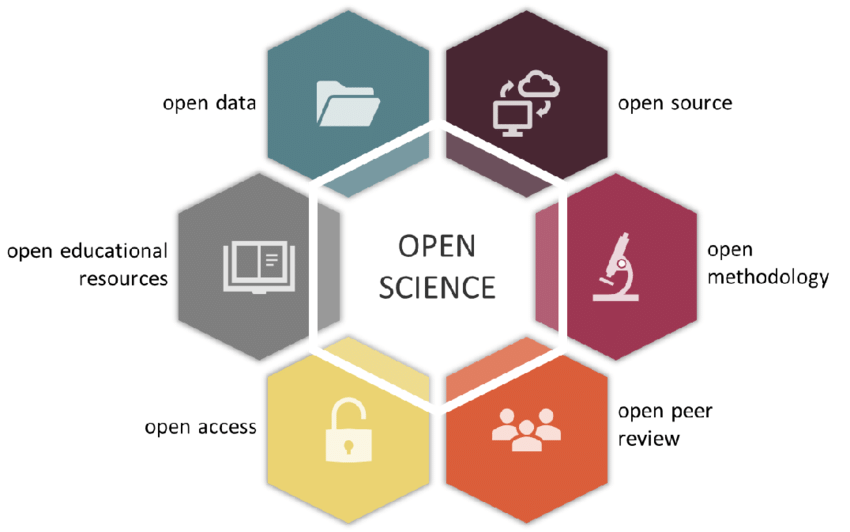
Where is Open Science Most Needed?
Where is Open Science Most Needed? 850 532 Open and Universal Science (OPUS) Project

While open science benefits the global research community, there are specific areas where it is most urgently needed to address pressing challenges. In this article, we will explore some key areas where open science can have a transformative impact.

  1. Medical Research and Drug Development

One of the most critical areas where open science is needed is in medical research and drug development. The high cost of healthcare, limited access to essential medicines, and the need for rapid responses to emerging diseases make this field ripe for open collaboration. By openly sharing research data, methodologies, and clinical trial results, scientists and pharmaceutical companies can accelerate the development of life-saving treatments and make them accessible to a broader population.

  1. Climate Science and Environmental Conservation

As our planet faces increasingly severe environmental challenges, open science plays a vital role in addressing these issues. Climate scientists need to openly share data and research findings to improve our understanding of climate change and develop effective mitigation strategies. In addition, open science can empower citizen scientists and activists to contribute to environmental conservation efforts by sharing data on biodiversity, deforestation, and pollution.

  1. Education and Knowledge Dissemination

Open science is essential in education to ensure that knowledge is freely accessible to learners worldwide. Open educational resources (OERs) and open-access journals allow students and educators to access high-quality learning materials and research articles without prohibitive costs. This democratization of knowledge is particularly crucial in developing countries where access to educational resources is limited.

  1. Crisis Response and Public Health

The COVID-19 pandemic underscored the importance of open science in responding to global health crises. Rapid data sharing among scientists from different countries led to the development of vaccines and treatments at an unprecedented pace. Open access to research on diseases, outbreaks, and public health strategies can help us better prepare for future pandemics and health emergencies.

  1. Social Sciences and Policy Research

Open science is equally relevant in the social sciences and policy research. Openly sharing data and research findings can enhance transparency in policymaking, leading to more evidence-based decisions. Additionally, open access to social science research can foster public engagement and informed discussions on critical societal issues, such as inequality, poverty, and education.

  1. Space Exploration and Astronomy

In the realm of space exploration and astronomy, open science can fuel discoveries and innovations. Collaborative projects like the Square Kilometre Array (SKA) radio telescope rely on open data sharing to unravel the mysteries of the universe. Open access to astronomical data and research findings encourages public interest in space science and inspires the next generation of scientists.

Keep in mind

Open science is a powerful force for positive change, with the potential to address some of the world’s most pressing challenges. By fostering collaboration, transparency, and open access to knowledge, it can accelerate progress in critical areas such as medical research, environmental conservation, education, crisis response, social sciences, and space exploration. Embracing open science principles is not only a moral imperative but also a practical strategy for solving complex global problems. As we move forward, it is essential to recognize where open science is most needed and work together to make scientific knowledge a global public good.

Photo via Research Gate

How to Make Your Research Open: A Guide to Open Science
How to Make Your Research Open: A Guide to Open Science 512 512 Open and Universal Science (OPUS) Project

Making your research open not only contributes to the advancement of knowledge but also promotes accountability and innovation. In this article, we will explore the various steps and strategies to make your research open and accessible to the global scientific community.

  1. Choose Open Access Journals

One of the most straightforward ways to make your research open is to publish in open-access journals. These journals allow anyone with an internet connection to read your work without any paywalls or subscriptions. Open-access publishing ensures that your research is widely available and can be accessed by researchers, policymakers, and the general public. There are numerous reputable open-access journals across different fields, so find one that aligns with your research area.

  1. Preprints

Consider posting preprints of your research papers on preprint servers before submitting them to journals. Preprints are early versions of research papers that are made publicly available before peer review. This allows for rapid dissemination of your findings and invites feedback from the scientific community. Popular preprint servers include arXiv, bioRxiv, and SSRN, among others.

  1. Open Data and Code

Sharing your data and code is a crucial aspect of open science. Data and code sharing not only facilitate the reproducibility of your research but also enable others to build upon your work. To make your data open, consider depositing it in public repositories or data archives relevant to your field. Additionally, provide clear documentation and code repositories (e.g., GitHub) for your research code, making it accessible and understandable for others.

  1. Open Licensing

When making your research open, it’s essential to choose the right licensing options. Open licenses, such as Creative Commons licenses, allow you to specify how others can use your work. These licenses can range from fully open (CC BY, allowing for commercial use and modifications) to more restrictive (CC BY-NC-ND, which permits only non-commercial use and no modifications). Select a license that aligns with your preferences for sharing and reusing your research.

  1. Collaborate and Share

Collaboration is at the heart of open science. Engage with colleagues, both within and outside your field, to share ideas and resources. Collaborative research projects can lead to more diverse perspectives and innovative solutions. Additionally, consider sharing your research progress, data, and findings on platforms like ResearchGate or academic social networks like Academia.edu, fostering collaboration and feedback from the global research community.

  1. Citizen Science and Public Engagement

Extend the reach of your research by involving the public in your scientific endeavors. Citizen science projects encourage the participation of non-experts in research activities. Engaging with the public not only enhances your research but also promotes science literacy and public understanding. Use platforms like Zooniverse or SciStarter to create and manage citizen science projects.

  1. Advocacy for Open Science

Advocate for open science principles within your academic community and beyond. Join or support organizations and initiatives that promote openness, transparency, and accessibility in research. Encourage your peers and institutions to adopt open science practices and policies. By actively advocating for open science, you contribute to a culture of openness in research.

Sharing Open Science

Making your research open is not just a matter of publishing papers; it’s a commitment to the values of transparency, collaboration, and accessibility. By following the steps outlined in this guide, you can contribute to the open science movement and help drive scientific progress. Remember that open science is a continuous journey, and your efforts to make your research open will have a lasting impact on the scientific community and society as a whole. Embrace the principles of openness and join the global effort to make knowledge truly accessible to all.

Photo via Flaticon

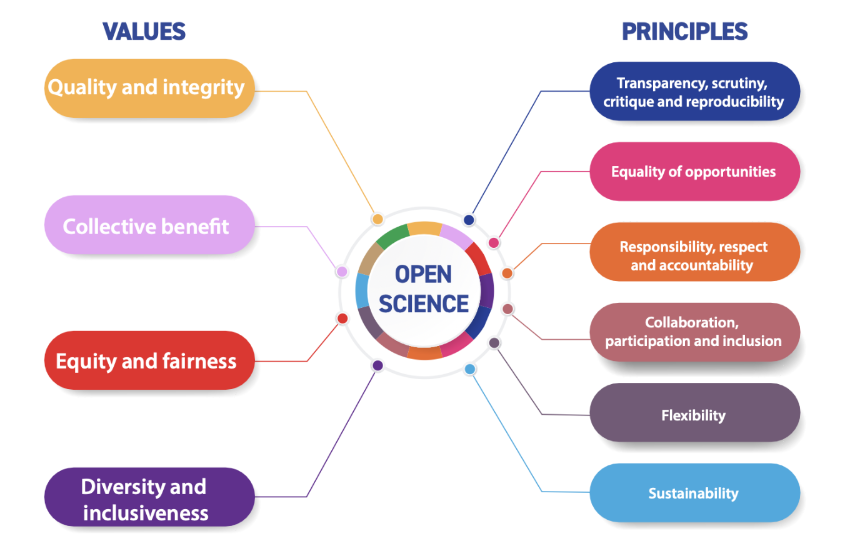
Embracing Transparency and Collaboration: The Values and Principles of Open Science Encouraged in the EU
Embracing Transparency and Collaboration: The Values and Principles of Open Science Encouraged in the EU 860 551 Open and Universal Science (OPUS) Project

The European Union (EU) has been at the forefront of promoting these values and principles in the realm of scientific discovery. Through various initiatives, policies, and funding programs, the EU has fostered an environment where researchers, institutions, and the public can engage in a more open and inclusive scientific ecosystem. In this article, we will explore the core values and principles of open science that are encouraged in the EU.

  1. Transparency and Open Access

One of the fundamental principles of open science is transparency. In the EU, this is exemplified through policies and mandates that require publicly funded research to be openly accessible. The EU strongly encourages researchers to publish their findings in open access journals or repositories, making scientific knowledge freely available to anyone with an internet connection. This move ensures that research is not locked behind paywalls, benefiting both the scientific community and the broader public.

  1. Data Sharing and Management

The EU places a significant emphasis on responsible data sharing and management. Researchers are encouraged to share their research data and make it accessible to others. Initiatives like the European Open Science Cloud (EOSC) aim to create a trusted and accessible environment for storing and sharing research data across borders and disciplines. By fostering data sharing, the EU enhances scientific collaboration and accelerates the pace of discovery.

  1. Collaboration and Interdisciplinary Research

Open science encourages collaboration not only among researchers but also across different scientific disciplines. The EU promotes interdisciplinary research by providing funding opportunities for projects that transcend traditional boundaries. Interdisciplinary research fosters innovation and the development of holistic solutions to complex societal challenges, such as climate change, healthcare, and technology.

  1. Community Engagement and Citizen Science

The EU recognizes the importance of involving the public in scientific research. Citizen science projects, where volunteers from the public actively participate in scientific investigations, are on the rise. These initiatives not only advance scientific knowledge but also promote science literacy and engagement among citizens. The EU encourages researchers and institutions to involve the public in research processes and decision-making, making science more inclusive and accessible.

  1. Research Integrity and Ethics

Maintaining the highest ethical standards is paramount in open science. The EU promotes research integrity by emphasizing ethical conduct, responsible research practices, and adherence to strict ethical guidelines. This commitment to research ethics ensures the reliability and credibility of scientific findings, which is crucial for building trust in the scientific community.

  1. Education and Training

To support the transition to open science practices, the EU invests in education and training programs. Researchers are provided with resources and training to improve their data management, open access publishing, and collaborative skills. By equipping researchers with the necessary tools and knowledge, the EU ensures that open science becomes an integral part of scientific culture.

  1. Inclusivity and Diversity

Open science in the EU is characterized by its inclusivity and commitment to diversity. Efforts are made to involve researchers from various backgrounds, career stages, and geographic locations. By promoting diversity, the EU enriches the scientific landscape and ensures that open science benefits all, regardless of their background or affiliation.

For the End

The European Union’s dedication to the values and principles of open science has transformed the way research is conducted and shared across the continent. Through transparency, collaboration, data sharing, and engagement, the EU has created a vibrant and inclusive scientific ecosystem that benefits both researchers and society at large. As open science continues to evolve, the EU’s commitment to these values remains at the forefront of scientific progress, driving innovation, and addressing global challenges.

Photo via UNESCO

Understanding the Distinction: Open Data vs. Available Data
Understanding the Distinction: Open Data vs. Available Data 1024 743 Open and Universal Science (OPUS) Project

In the digital age, data has become the cornerstone of modern society, driving innovation, decision-making, and progress across various industries. However, not all data is created equal. Two terms that are often used interchangeably but hold distinct meanings are “open data” and “available data”. This article aims to shed light on the key disparities between these concepts and their respective implications.

Defining Open Data

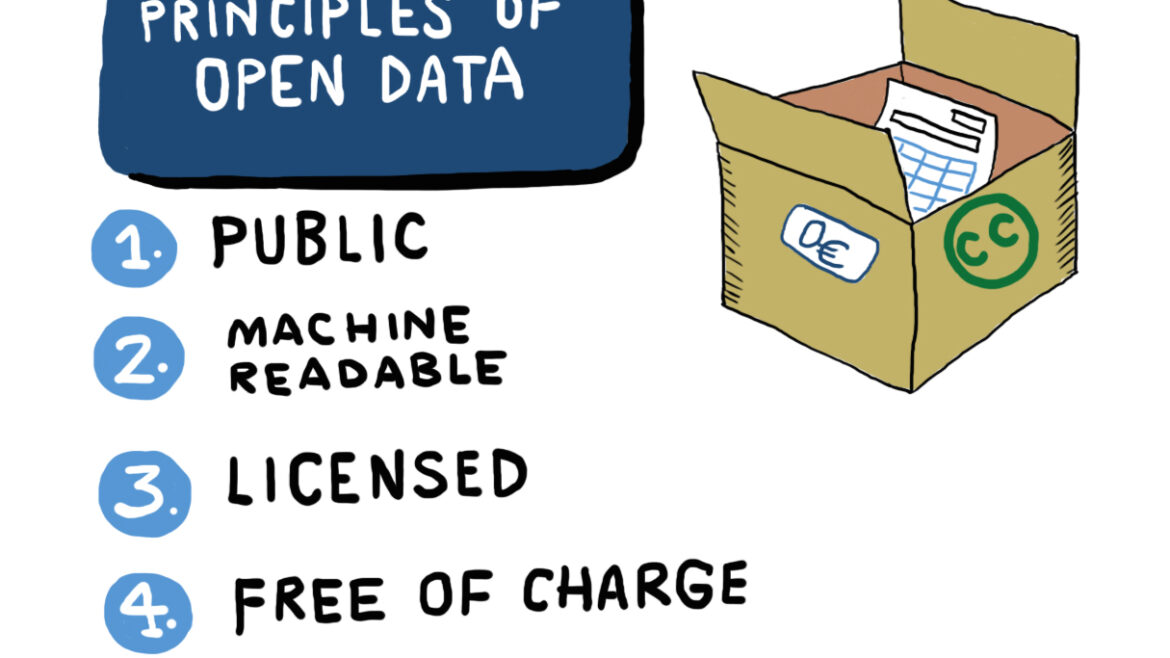
Open data refers to information that is made available to the public without any restrictions on access, usage, or distribution. It is characterized by the following key attributes:

  1. Accessibility: Open data is freely available to anyone, without the need for special permissions or fees. It can be accessed online or through other means such as APIs (Application Programming Interfaces).
  2. Format: Open data is typically provided in machine-readable formats, enabling easy integration into various applications and systems.
  3. Licensing: Open data is accompanied by licenses that explicitly grant users the right to use, modify, and distribute the data for any purpose, including commercial use.
  4. Metadata: Comprehensive metadata is often provided with open data to offer context, describe its source, and specify how it can be used.
  5. Transparency and Accountability: Open data promotes transparency in government and other organizations by allowing the public to scrutinize information and hold entities accountable.

Unpacking Available Data

Available data is a broader term that encompasses any data that can be accessed or obtained, but it does not necessarily imply the same level of accessibility, licensing, or format as open data. Available data may have varying degrees of restrictions or limitations, including:

  1. Access Restrictions: Some available data may require specific permissions, subscriptions, or payments for access. This can be common in proprietary databases or specialized research repositories.
  2. Usage Limitations: Data that is labeled as available may come with specific terms of use, restricting how it can be employed. For instance, some datasets may be available for research purposes only.
  3. Licensing Variability: Unlike open data, available data may come with a range of licensing agreements, some of which may impose more restrictions on usage and distribution.
  4. Format Diversification: Available data can be presented in a wide array of formats, including PDFs, spreadsheets, images, and more. These formats may not always be readily compatible with all applications or systems.

Practical Implications

Understanding the distinction between open data and available data carries practical implications for various stakeholders:

Government and Public Institutions

Embracing open data practices can enhance transparency, accountability, and public trust. It empowers citizens to engage with government data, fostering innovation and enabling the development of valuable applications and services.

Researchers and Academics

Access to open data can accelerate research and innovation by providing a wealth of information for analysis and experimentation. Available data, while still valuable, may come with limitations that could hinder the progress of certain studies.

Businesses and Entrepreneurs

Open data can be a valuable resource for businesses, providing insights, market trends, and opportunities for innovation. Available data, especially proprietary or restricted datasets, may require additional investments in acquiring licenses or permissions.

Conclusion

While both open data and available data contribute to the wealth of information available in the digital landscape, the distinction lies in the level of accessibility, licensing, and format. Open data stands as a beacon of transparency and innovation, while available data encompasses a broader spectrum of accessibility. Understanding these differences is crucial for making informed decisions about data usage, particularly in the context of research, governance, and business operations. By recognizing the nuances between these concepts, we can leverage data more effectively for the betterment of society as a whole.

Photo via Helsinki Region Infoshare

The Digitalization of Open Science: Revolutionizing Research Collaboration
The Digitalization of Open Science: Revolutionizing Research Collaboration 1024 512 Open and Universal Science (OPUS) Project

In the 21st century, the scientific community finds itself at the cusp of a transformative era, driven by the digitalization of open science. This paradigm shift is redefining how knowledge is generated, shared, and utilized, ultimately accelerating the pace of scientific progress. Open science, characterized by transparency, accessibility, and collaboration, is leveraging digital technologies to democratize research, making it more inclusive and impactful than ever before.

Defining Open Science in the Digital Age

Open science embodies a set of principles aimed at making research processes and outcomes freely available to all. It advocates for transparency in methodology, data, and results, promoting reproducibility and peer scrutiny. The digital age has provided the tools and platforms to actualize these ideals on a global scale, breaking down barriers of geography, language, and resources.

Key Components of Digitalized Open Science

  1. Open Access Journals: Digital platforms have facilitated the proliferation of open-access journals, providing a cost-effective and inclusive means for researchers to disseminate their work without subscription barriers.
  2. Preprint Servers: Platforms like arXiv, bioRxiv, and SSRN enable researchers to share their findings before formal peer review, expediting the dissemination of knowledge.
  3. Data Repositories: Online repositories allow researchers to share raw data, code, and supplementary materials, ensuring transparency and enabling others to verify and build upon their work.
  4. Collaborative Tools: Virtual collaboration platforms, like Google Workspace, Slack, and specialized tools for scientific collaboration, facilitate real-time communication and seamless teamwork among researchers across the globe.
  5. Citizen Science Initiatives: Digital platforms have opened avenues for citizen scientists to contribute to research projects, leveraging collective intelligence for data collection and analysis.

Breaking Down Barriers

Democratizing Access

Digitalization has democratized access to scientific knowledge. Researchers from resource-constrained regions now have access to a wealth of information, enabling them to engage meaningfully in global scientific discourse.

Multidisciplinary Collaboration

Digital platforms foster multidisciplinary collaboration. Researchers from diverse fields can come together effortlessly, transcending geographical boundaries, to tackle complex problems that require multifaceted expertise.

Enhancing Reproducibility

Digitalization ensures that research is more reproducible than ever. Detailed methodologies, raw data, and code are readily available, enabling other researchers to verify and build upon existing work.

Challenges and Considerations

Privacy and Security

As research data becomes more accessible, safeguarding sensitive information and ensuring data privacy are critical challenges that need to be addressed.

Quality Assurance

With the proliferation of preprints and open-access platforms, ensuring the quality and reliability of research outputs becomes paramount. Rigorous peer review and robust evaluation processes are essential.

Digital Divide

While digitalization has broadened access to scientific knowledge, it is imperative to bridge the digital divide to ensure that all researchers, regardless of location or resources, can fully participate in the open science movement.

The Future of Open Science

The digitalization of open science is poised to continue its upward trajectory, with emerging technologies like blockchain, artificial intelligence, and machine learning offering new avenues for innovation. These technologies hold the potential to further enhance transparency, reproducibility, and collaboration in scientific research.

As open science becomes increasingly ingrained in the fabric of research culture, it promises to revolutionize how discoveries are made, validated, and applied for the betterment of society. The future of science is digital, collaborative, and open.

The digitalization of open science represents a watershed moment in the history of research. By leveraging digital technologies to foster transparency, accessibility, and collaboration, the scientific community is poised to accelerate the pace of discovery and address global challenges with unprecedented vigor. As this movement continues to evolve, it is imperative that stakeholders across academia, industry, and policy continue to support and champion the principles of open science in the digital age. Together, we can unlock the full potential of human knowledge for the betterment of all.

Photo via Meister Task

Unlocking Innovation: The Boundless Opportunities Provided by Open Science
Unlocking Innovation: The Boundless Opportunities Provided by Open Science 720 451 Open and Universal Science (OPUS) Project

Open science is transforming the way we approach research, collaboration, and discovery. By democratizing knowledge, accelerating scientific progress, engaging citizen scientists, fostering innovation, and enhancing reproducibility and accountability, open science provides a multitude of opportunities for individuals, institutions, and society as a whole.

  1. Democratizing Knowledge

One of the most significant benefits of open science is the democratization of knowledge. Traditionally, access to scientific research has been restricted to those with institutional affiliations or the financial means to pay for journal subscriptions. Open science tears down these barriers by making research papers, datasets, and even lab notes openly available to anyone with an internet connection.

This newfound accessibility empowers individuals from diverse backgrounds to engage with scientific content, fostering a more inclusive and equitable scientific community. Researchers, educators, and curious minds alike can now access a wealth of information previously hidden behind paywalls.

  1. Accelerating Scientific Progress

Open science accelerates the pace of scientific progress by promoting collaboration and transparency. When researchers share their data and methodologies openly, it becomes easier for others to replicate and build upon their work. This not only enhances the robustness of scientific findings but also reduces duplication of effort.

Collaboration among scientists worldwide becomes more streamlined through platforms like open-access journals, preprint servers, and open-source software tools. Researchers can draw upon a global pool of expertise, accelerating the development of innovative solutions to pressing global challenges, from climate change to pandemics.

  1. Engaging Citizen Scientists

Open science encourages citizen engagement in research projects. Citizen scientists, who may not have formal scientific training, can contribute valuable data and insights to various fields. Projects like Foldit, a protein-folding game, have demonstrated the power of crowdsourcing scientific problem-solving.

Through open science initiatives, citizens can participate in data collection, analysis, and even the formulation of research questions. This inclusive approach fosters a sense of ownership and engagement with science among the broader public, helping bridge the gap between the scientific community and society at large.

  1. Fostering Innovation

Open science acts as a catalyst for innovation by removing barriers to collaboration and knowledge sharing. In the business world, open science can lead to the development of new products and services. Companies can leverage openly available research and data to drive innovation in areas such as healthcare, technology, and sustainable agriculture.

Start-ups and entrepreneurs, in particular, benefit from the wealth of open-access resources available. They can use open science as a foundation for groundbreaking innovations, without the need for extensive research budgets.

  1. Enhancing Reproducibility and Accountability

Open science promotes transparency in research, improving the reproducibility of scientific experiments and findings. With open access to data and methodologies, other researchers can independently verify and validate results. This not only strengthens the credibility of scientific research but also holds scientists accountable for the quality and integrity of their work.

To Remember

As we continue to embrace the principles of open science, we can look forward to a future where scientific knowledge is freely accessible to all, collaboration knows no geographical boundaries, and innovation thrives in an environment of transparency and inclusivity. It is a future where the possibilities are limited only by our collective imagination and dedication to the pursuit of knowledge.

Photo via LegalZoom

The Green Deal of Open Science: A Sustainable Future for Knowledge
The Green Deal of Open Science: A Sustainable Future for Knowledge 1024 683 Open and Universal Science (OPUS) Project

In recent years, there has been a growing global recognition of the need for sustainable practices in various aspects of our lives. This awareness has extended to the world of science, where the concept of the “Green Deal of Open Science” has emerged as a guiding principle for a more sustainable and accessible research ecosystem.

Embracing Open Science

Open Science is a movement that promotes transparency, collaboration, and accessibility in research. It encourages scientists to share their data, methodologies, and findings openly with the global scientific community and the public. This approach not only fosters trust and credibility but also accelerates the progress of knowledge.

The Green Dimension

The Green Deal, as outlined by the European Commission, is an ambitious plan to make the European Union’s economy sustainable by turning climate and environmental challenges into opportunities. This concept has been extended to Open Science, creating a synergy between sustainable research practices and environmental conservation.

1. Reducing Environmental Impact

One of the primary goals of the Green Deal of Open Science is to minimize the environmental footprint of scientific research. This can be achieved through various means, including:

  • Digitalization of Research: Encouraging digital tools for collaboration, data sharing, and publishing reduces the need for physical resources.
  • Energy-Efficient Computing: Promoting the use of sustainable energy sources for high-performance computing and data storage.
  • Minimizing Travel: Embracing virtual conferences and meetings to reduce the carbon emissions associated with travel.

2. Sustainable Infrastructure

Investing in sustainable infrastructure is a crucial aspect of the Green Deal. This includes:

  • Green Laboratories: Implementing energy-efficient practices, recycling initiatives, and utilizing sustainable materials in research facilities.
  • Data Centers: Designing and maintaining data centers with a focus on energy efficiency and renewable energy sources.
  • Eco-Friendly Supply Chains: Ensuring that the procurement of equipment and resources follows sustainable practices.

3. Promoting Circular Science

The Green Deal of Open Science emphasizes the adoption of circular economy principles. This entails:

  • Recycling and Reusing Data: Encouraging researchers to build on existing datasets, reducing the need for redundant experiments and data collection.
  • Open Access Publishing: Supporting open-access journals and platforms to ensure that research findings are accessible to a wider audience, thus maximizing their impact.
  • Collaborative Research: Fostering interdisciplinary collaborations to tackle complex challenges more efficiently and effectively.

4. Educational Outreach and Engagement

Promoting awareness and education about sustainable practices in research is vital. This includes:

  • Training Programs: Providing researchers with the knowledge and tools they need to adopt sustainable practices in their work.
  • Engagement with Communities: Involving local communities and stakeholders in research projects to ensure that they benefit from and contribute to the scientific endeavor.
  • Public Communication: Sharing the importance of sustainability in science with the broader public to garner support and understanding.

A Collective Responsibility

The Green Deal of Open Science is not a task for scientists alone. It requires the concerted effort of governments, funding agencies, institutions, and the public. By working together, we can create a more sustainable and inclusive research ecosystem that not only advances human knowledge but also safeguards our planet for future generations.

In embracing the Green Deal of Open Science, we take a significant step towards a more sustainable and equitable future, where the pursuit of knowledge goes hand in hand with environmental stewardship. It is a pledge to not only advance science but also to leave a positive and lasting impact on our planet.

Photo: Perin

Is Open Science a Fundamental Aspect of Human Nature?
Is Open Science a Fundamental Aspect of Human Nature? 1024 512 Open and Universal Science (OPUS) Project

Open science, a movement advocating for transparent and accessible scientific research, has gained momentum in recent years. It proposes that scientific knowledge should be freely available to everyone, without restrictions or barriers. This idea prompts us to question whether open science is an inherent characteristic of human nature, rooted in our instinctive curiosity and cooperative tendencies. This article explores the concept of open science and delves into the evolutionary and societal factors that suggest its alignment with fundamental human traits.

The Curious Nature of Humans

From the earliest days of human existence, curiosity has been a driving force behind our quest for knowledge. Our ancestors were curious about the natural world, leading them to explore, experiment, and make discoveries that helped shape our understanding of the environment. This innate curiosity is evident in the cave paintings of early humans, which depict animals, celestial events, and various elements of their surroundings. These ancient artworks serve as evidence of a primal desire to observe, understand, and share knowledge.

Sharing Knowledge for Survival

Throughout human history, sharing knowledge has played a crucial role in our survival and progress. In ancient hunter-gatherer societies, passing down information about edible plants, hunting techniques, and natural remedies was essential for the group’s well-being. This cooperative sharing of knowledge allowed communities to thrive and adapt to their environments.

Early forms of scientific inquiry were also deeply rooted in collaboration and open exchange. Ancient civilizations like the Greeks, Egyptians, and Chinese engaged in scientific pursuits, often sharing their findings with the broader intellectual community. These early scientists were motivated by a desire to contribute to collective understanding rather than personal gain.

The Enlightenment and the Birth of Modern Science

The Enlightenment era, which spanned the late 17th to the 18th century, marked a significant turning point in the history of science. Philosophers and scientists of this period championed reason, empiricism, and the dissemination of knowledge. Figures like Isaac Newton, Galileo Galilei, and Francis Bacon advocated for the open sharing of scientific findings, challenging the prevailing notions of secrecy and exclusivity.

The establishment of the Royal Society in 1660 in London is often considered a cornerstone of modern scientific inquiry. Its motto, “Nullius in verba” (Take nobody’s word for it), embodies the spirit of open science. The society promoted experimentation, collaboration, and the free exchange of ideas, laying the foundation for the scientific method as we know it today.

Open Science in the Digital Age

In the 21st century, the digital revolution has catapulted open science to new heights. The internet has enabled researchers to share their work globally, transcending geographical and institutional boundaries. Open-access journals, preprint repositories, and online collaboration platforms have become essential tools for scientists seeking to disseminate their findings openly.

Moreover, citizen science projects have emerged, involving the general public in scientific research. This inclusive approach not only democratizes knowledge but also taps into the collective intelligence of a diverse range of individuals.

Takeaway

The concept of open science appears to be deeply ingrained in human nature, reflecting our curiosity, cooperative tendencies, and historical traditions of knowledge sharing. From our earliest ancestors to the present day, the pursuit of knowledge and the sharing of discoveries have been fundamental to our survival and progress as a species.

As we continue to navigate the complexities of the modern world, embracing open science not only aligns with our inherent human nature but also holds the potential to foster greater innovation, collaboration, and societal advancement. By championing transparency and accessibility in scientific research, we honor the legacy of our forebears who, through their curiosity and generosity, paved the way for the extraordinary scientific achievements of today.

Photo: School of Arts and Sciences

Unlocking the Future: EU-Funded Open Science Projects
Unlocking the Future: EU-Funded Open Science Projects 800 494 Open and Universal Science (OPUS) Project

Open Science, a global movement aiming to make scientific research more transparent, accessible, and collaborative, has been gaining momentum worldwide. In the European Union (EU), a host of innovative projects are driving this transformation, fueled by substantial funding and a commitment to fostering a culture of openness in research. In this article, we will explore the remarkable initiatives that the EU has supported through funding, and how they are shaping the future of scientific research.

  1. A Commitment to Open Science

The European Union has long been dedicated to advancing Open Science principles. The EU’s Horizon 2020 program, a research and innovation framework, allocated significant resources to promote open access to research outputs, data sharing, and collaborative research practices. This commitment has given rise to numerous groundbreaking projects across various scientific disciplines.

  1. OpenAIRE: Facilitating Open Access

One of the standout EU-funded initiatives is OpenAIRE (Open Access Infrastructure for Research in Europe). OpenAIRE is a pan-European effort that aims to promote open access to research outputs and data. It provides a comprehensive platform for researchers to share their findings openly, making them readily accessible to the global scientific community. Moreover, OpenAIRE actively supports the EU’s Open Science agenda by aligning with policies and initiatives that encourage transparency and collaboration.

  1. EOSC: The European Open Science Cloud

The European Open Science Cloud (EOSC) is another ambitious EU project that is set to revolutionize how research is conducted and shared. EOSC aims to create a virtual environment where researchers from diverse fields can access a wide array of resources, data, and tools. By fostering collaboration and data sharing, EOSC is accelerating the pace of scientific discovery, transcending disciplinary boundaries.

  1. FAIRsFAIR: Promoting Data Fairness

Ensuring that research data is Findable, Accessible, Interoperable, and Reusable (FAIR) is a fundamental principle of Open Science. EU-funded projects like FAIRsFAIR are dedicated to promoting and implementing FAIR data practices. By establishing standards and guidelines for data management, FAIRsFAIR is making research data more valuable and accessible to both scientists and the public.

  1. The Role of Citizen Science

The EU recognizes the vital role that citizens can play in scientific research. Several EU-funded projects, such as the EU-Citizen.Science initiative, are empowering citizens to actively engage in scientific endeavors. By involving citizens in data collection, analysis, and interpretation, these projects are democratizing science and strengthening the connection between science and society.

  1. Supporting Early Career Researchers

EU-funded projects also prioritize the development of early career researchers. Initiatives like OpenAIRE’s NOADs (National Open Access Desks) provide training and resources to help researchers navigate the complex landscape of Open Science. This support is crucial in fostering a new generation of scientists who embrace openness and collaboration as core principles.

Summarization

The EU-funded Open Science projects are not just advancing the boundaries of scientific knowledge but are also democratizing access to this knowledge. Through their dedication to open access, data sharing, and collaborative research, these initiatives are reshaping the way science is conducted and accelerating the pace of discovery.

As the EU continues to allocate substantial funding to Open Science projects, the future looks promising. These projects are not only benefiting the scientific community but also society as a whole, as they bring research closer to citizens and promote transparency, inclusivity, and innovation. The EU’s commitment to Open Science is indeed unlocking a brighter future for research and innovation in Europe and beyond.

Photo: Romania Insider

Privacy Preferences

When you visit our website, it may store information through your browser from specific services, usually in the form of cookies. Our Privacy Policy can be read here.

Here you can change your Privacy preferences. It is worth noting that blocking some types of cookies may impact your experience on our website and the services we are able to offer.

Click to enable/disable Google Analytics tracking code.
Click to enable/disable Google Fonts.
Click to enable/disable Google Maps.
Click to enable/disable video embeds.
Our website uses cookies, mainly from 3rd party services. Define your Privacy Preferences and/or agree to our use of cookies.