Open Science News

Ten Approaches to Rights Retention in Europe: A Webinar on Open Access Policies
Ten Approaches to Rights Retention in Europe: A Webinar on Open Access Policies 900 506 Open and Universal Science (OPUS) Project

As Open Access (OA) publishing gains momentum, institutions across Europe are exploring rights retention (RR) policies to empower researchers and ensure wider access to scholarly work. To support this shift, SPARC Europe is hosting a webinar under the Retain project, part of the Knowledge Rights 21 programme, titled “Ten Approaches to Rights Retention in Europe.”

Understanding Rights Retention in Open Access

Scheduled for 20 February 2025 (13:00–14:30 CET), this webinar will present key findings from SPARC Europe’s second Retain report, set to be published in Q1 2025. The session will examine various RR approaches implemented across ten European countries, drawing from interviews with policymakers, advocacy specialists, and activists. Attendees will gain insights into the evolving landscape of RR policies and the practical implications for institutions and researchers.

Key Topics Covered

  • Overview of different national approaches to rights retention
  • Legal and institutional challenges in implementing RR policies
  • Best practices for supporting researchers in retaining copyright
  • Insights from policymakers and experts on future policy developments

Expert Panel

The event will feature a distinguished panel of European experts, including:

  • Raúl Aguilera (REBIUN, Spain)
  • Christina Angelopoulos (University of Cambridge, UK)
  • Susanna Nykyri (Tampere University, Finland)
  • Eoin O’Dell (Trinity College Dublin, Ireland)
  • Jon Treadway (Great North Wood Consulting/SPARC Europe)
  • Victoria Tsoukala (European Commission)

Who Should Attend?

This session is designed for university administrators, policymakers, advocacy groups, and researchers engaged in shaping RR and OA policies. Whether you are already working on rights retention or new to the concept, the discussion will provide valuable perspectives on legal and strategic frameworks for facilitating Open Access publishing.

Join the Conversation

The webinar offers an opportunity to engage with experts, explore best practices, and contribute to the ongoing dialogue on rights retention in Europe. Don’t miss this chance to help shape the future of Open Access!

Rethinking Research Assessment: A Path to Reform
Rethinking Research Assessment: A Path to Reform 720 405 Open and Universal Science (OPUS) Project

In the ever-evolving landscape of academic research, the way we evaluate scientific contributions is due for a significant overhaul. The traditional metrics of success, such as publication counts and rigid criteria, are increasingly seen as inadequate measures of true research excellence. This blog explores the pressing need for reform in research assessment policies and outlines potential pathways for positive change.

The Need for a Paradigm Shift
Research assessment is not a static concept but a dynamic process that requires constant re-evaluation. The current system, which often prioritises quantity over quality, places undue stress on researchers and may not accurately reflect the true value of their work. To address this, we need to shift our focus towards a more holistic approach that considers:

  • Relevance of research to real-world challenges
  • Creativity and innovation in methodologies
  • Broader impact on society and scientific knowledge

Aligning Assessment with Institutional Values
For research assessment to be truly meaningful, it must align with the core values and missions of both researchers and their institutions. This alignment can be achieved by:

  • Reducing the overemphasis on publication records
  • Leveraging digital tools for more efficient evaluation
  • Considering a wider range of contributions beyond traditional metrics

Embracing Open Science
The integration of open science principles into research assessment is gaining momentum. This approach not only promotes transparency and accessibility but also encourages collaboration and knowledge sharing. Key aspects include:

  • Awarding credit for open science practices
  • Incorporating open science elements into career progression reviews
  • Ensuring consistent application of open science criteria across institutions

The Dual Purpose of Assessment
Research assessment serves two primary functions:

  • Allocating funding to promising projects
  • Evaluating candidates for academic and research positions

While maintaining rigour, assessments should also be constructive, providing clear feedback to help researchers improve future proposals and advance their professional development.

Cultural Shift and Long-term Commitment
Transforming research assessment practices requires a significant cultural shift within the academic community. Evidence suggests that while change takes time, it is achievable with policy support and gradual implementation. This shift involves:

  • Adopting narrative CVs for a more comprehensive evaluation
  • Balancing the costs of transition with the benefits of open science
  • Engaging all stakeholders in the reform process

How OPUS Contributes to Research Assessment

The Open and Universal Science (OPUS) project is making significant contributions to research assessment reform in Europe. Launched in 2022, OPUS is developing coordination and support measures to transform how research and researchers are evaluated at Research Performing Organisations (RPOs) and Research Funding Organisations (RFOs).

Key contributions of OPUS include:

  • Developing a comprehensive Research Assessment Framework (RAF) that incorporates open science indicators alongside other quantitative and qualitative metrics.
  • Conducting pilot programmes with three RPOs and two RFOs to test new indicators and interventions.
  • Promoting initiatives like the Research Impact Narratives Challenge, which encourages researchers to communicate the societal impact of their work beyond traditional metrics.
  • Creating a stakeholder-driven feedback loop to develop, monitor, refine, and validate actions for improving research assessment practices.
  • Synthesising outcomes into policy briefs and a revised Open Science Career Assessment Matrix (OS-CAM2) for research(er) assessment.

By focusing on these areas, OPUS is fostering a more inclusive, transparent, and effective evaluation system that aligns with open science principles and the evolving landscape of scientific research.

The Reform is Crucial for Fostering Innovation and Efficiency 
The reform of research assessment policies is crucial for fostering innovation and efficiency in the academic world. By embracing open science, aligning with institutional values, and adopting a more holistic approach to evaluation, we can create a system that truly reflects the diverse contributions of researchers and benefits society as a whole. While challenges remain, the potential rewards of reform make it a journey worth undertaking.

Webinar Announcement: EU Accessibility Act and Research Libraries
Webinar Announcement: EU Accessibility Act and Research Libraries 900 506 Open and Universal Science (OPUS) Project

Date: 19 February 2025
Time: 14:00 – 15:00 (CET)
Location: Online

The EU Accessibility Act (EAA), set to take effect on 28 June 2025, introduces regulations designed to enhance accessibility across the EU. Extending beyond existing obligations for public sector bodies, the EAA will require commercial products and services—including books, journals, online content, and library technologies—to be accessible to individuals with disabilities.

To support research libraries in understanding and navigating these changes, the LIBER Copyright & Legal Matters Working Group is hosting a webinar to explore the key aspects of the EAA, its implications for the library sector, and the benefits it offers for fostering inclusivity.

What to Expect

This session will provide:

  • An overview of the legal requirements under the EAA.
  • Insights into the importance of accessibility in promoting inclusivity.
  • Practical guidance on ensuring library content and systems are accessible to all users.

Speakers and Agenda:

  • Jennifer Curry Jahnke, Digital Accessibility Manager, University of Birmingham:
    Jennifer will open the session with an overview of the EU Accessibility Act, focusing on its legal impact on research libraries.
  • Simon Holt, Senior Product Manager, Content Accessibility, Elsevier:
    Simon will share his professional and personal experience ensuring that books, journals, and multimedia content meet accessibility standards.
  • Ted Gies, UX and Accessibility Program Manager, Elsevier:
    Ted will discuss his extensive work in accessibility training, inclusive STEM content, and accessible data visualizations.

Meet the Speakers

  • Jennifer Curry Jahnke: An award-winning academic and consultant, Jennifer is a global expert in digital accessibility and a certified member of the International Association of Accessibility Professionals (IAAP).
  • Simon Holt: A senior accessibility advocate with over 15 years in scholarly publishing, Simon also serves in leadership roles for multiple accessibility-focused organizations.
  • Ted Gies: A UX designer and global accessibility expert, Ted has developed training programs and accessibility tools used across STEM fields.

Why Attend?

This webinar offers valuable insights into how research libraries can adapt to the EAA’s requirements and make strides toward inclusivity. Whether you are a library professional, policymaker, or academic leader, this event will equip you with the knowledge and tools to prepare for the upcoming changes.

Register Here

LIBER is committed to fostering inclusive, respectful, and safe environments for collaboration and intellectual dialogue. Participants are expected to abide by the LIBER Code of Conduct.

Toolkit Launched to Advance Open Research Practices, Accompanied by Online Event  
Toolkit Launched to Advance Open Research Practices, Accompanied by Online Event   150 150 Open and Universal Science (OPUS) Project

The UK Reproducibility Network (UKRN) has launched the Recognising and Rewarding Open Research Toolkit. This is a new and comprehensive resource to help universities and research organisations in implementing recognition and reward for open research through researcher assessment practices. 

The Toolkit has been developed by the Open and Responsible Researcher Reward and Recognition Project (OR4), a key initiative within UKRN’s Open Research Programme. This programme aims to accelerate the adoption of open research practices across the UK Higher Education sector.  The toolkit provides a maturity framework, a self-assessment tool, and guidance for institutions seeking to integrate open research recognition into their researcher assessment processes. It has been created with input from members of the OR4 Community of Practice, which includes 50 UK institutions, 14 of which are committed to providing case studies that will feature in the toolkit. 

It is hoped the toolkit will make a significant contribution to the global movement for research assessment reform by supporting academic institutions to effectively incentivise and reward responsible open research practice. 

Who Should Use the Toolkit? 

The Toolkit is tailored for institutional leaders, policy-makers, and other stakeholders involved in the development and implementation of policies that promote open research. It provides a strategic resource for those responsible for advocating and implementing recognition and reward mechanisms within researcher assessment processes. Additionally, it serves as a valuable reference for managers and administrators who oversee the ongoing support and evaluation of these initiatives. 

Scope and Purpose 

The toolkit is designed to guide institutions in incorporating recognition and reward for open research into their researcher assessment practices. It covers a wide range of activities, including researcher recruitment, probation, promotion, performance reviews, and internal funding processes. By aligning these activities with the principles of responsible research assessment, such as those outlined in the San Francisco Declaration on Research Assessment (DORA) and the Agreement on Reforming Research Assessment, the toolkit helps institutions recognize the full breadth of researchers’ contributions, particularly those related to open research. 

Contents and Features of the Toolkit 

The Toolkit includes several key components: 

  • Maturity framework and self-assessment tool: This tool enables institutions to evaluate their current policies and practices, facilitating internal discussions, planning, and progress measurement. 
  • Implementation guide: This useful guide provides detailed, practical advice on assessing institutional maturity, planning, and implementation. The toolkit is designed to be dynamic, with ongoing updates and new case studies to be added throughout the duration of the OR4 project, which will continue until 2027. 

About the OR4 Project 

The OR4 project sits at the intersection of open research culture development and research assessment reform, providing a framework that supports the effective recognition of diverse researcher activities and outputs. As institutions across the globe seek to align their assessment practices with responsible research principles, the OR4 Toolkit offers an invaluable resource for driving meaningful change. 

For more information and to access the Toolkit, please visit  https://recognition.ukrn-openresearch.ac.uk/

CARDEA EU Project Advances Research Management with New Framework and Training Academy
CARDEA EU Project Advances Research Management with New Framework and Training Academy 564 567 Open and Universal Science (OPUS) Project

The CARDEA EU project has marked significant progress in professionalising research management across Europe, launching two major initiatives endorsed by the European Commission: the RM Comp competence framework and the CARDEA Academy. These developments follow the successful submission of Deliverable D7.2, which synthesises insights from interviews with opinion leaders on the evolving role of research managers (RMs).

Launch of the European Competence Framework for Research Managers (RM Comp)

The RM Comp establishes a structured career pathway for RMs, aligning skills development with European standards. Key features include:

  • Four-tier career progression (RM1 to RM4), mirroring academic ranks, with senior roles linked to institutional leadership.
  • Emphasis on T-shaped competencies: blending transversal skills (e.g., communication, empathy) with technical expertise in areas like ethics, intellectual property, and funding regulations.
  • Integration with the “Excellence in Research” award criteria to incentivise institutional adoption.

The framework aims to counter precarity in RM roles by advocating for stable contracts and clearer career trajectories, addressing longstanding issues of undervaluation in academia.

CARDEA Academy: Free Training for Emerging Research Managers

Led by the University of Macerata, the CARDEA Academy offers:

  • 17 on-demand modules covering essential RM skills, from grant writing to stakeholder engagement.
  • Certification via open badges and micro-credentials upon completion.
  • Career development tools, including personalised training needs analyses and organisational development plans.

The Academy’s resources, freely accessible on the CARDEA HUB, target both new entrants and seasoned professionals seeking to align with EU standards.

Key Findings from CARDEA Interviews

Deliverable D7.2, now available on Zenodo, highlights critical insights from seven interviews with RM experts:

Defining the Role of Research Managers

  • RMs are “enablers”, not mere supporters, of the research cycle—spanning pre-award planning, post-award implementation, and knowledge valorisation.
  • Described as “connectors” and “problem solvers”, they bridge academia, industry, and policymakers1.
Core RM CompetenciesExamples
Transversal SkillsCommunication, empathy, critical thinking
Technical SkillsEthics, IP management, funding regulations

Challenges and Solutions

  • Visibility and Parity: RMs often face hierarchical biases in academia, with perceived inferiority to researchers. Solutions include:
    • Metrics to quantify RM impact (e.g., grant success rates).
    • Advocacy via EU associations to elevate the profession’s status1.
  • Training Gaps: A “360-degree” training path is recommended, incorporating international mobility and sector-specific specialisations.

Policy Recommendations

  • Develop a dedicated RM career framework, distinct from researchers, to clarify roles and progression.
  • Extend tools like EURAXESS to advertise RM jobs and support cross-border mobility.

Research managers are the backbone of the innovation ecosystem. By professionalising their roles, we ensure that Europe’s research potential is fully realised.The CARDEA project continues to drive systemic change, fostering collaboration between RMs and researchers to strengthen the European Research Area.

Open Scholarship Catalytic Awards Program: Fostering Transparency and Collaboration in Research
Open Scholarship Catalytic Awards Program: Fostering Transparency and Collaboration in Research 771 576 Open and Universal Science (OPUS) Project

The Open Research Community Accelerator (ORCA), with the support of the Chan Zuckerberg Initiative, has unveiled the Open Scholarship Catalytic Awards Program. This initiative aims to promote a culture of open scholarship, encompassing open science, research, data, and other practices that emphasize transparency, reproducibility, collaboration, and community engagement. Targeted at traditionally under-resourced U.S.-based institutions, the program seeks to foster innovative projects that enhance inclusivity and trust in research outcomes.

Driving Open Scholarship

The Catalytic Awards Program is designed to advance open scholarship through initiatives that accelerate cultural transformation, strengthen institutional capacity, and showcase innovative models for broader adoption. The program supports forward-looking projects that inspire community engagement and inclusivity. Examples of eligible projects include those that develop tools for open data sharing, implement transparent research practices, or create educational programs on open science principles.

Flexible Funding and Support

The program offers funding between $5,000 and $15,000 per project, which must be completed by December 1, 2025. Funds may cover expenses related to capacity-building, networking, and community engagement activities. Additionally, ORCA provides mentorship, project management guidance, and a community of practice model, enabling award recipients to share experiences and learn from one another.

Eligibility and Application Process

The program welcomes applications from students, postdocs, staff, and faculty members at accredited U.S.-based non-R1 and traditionally under-resourced institutions. Eligibility includes federally designated Minority Serving Institutions or institutions with below-median endowment values per student. Applicants must submit a detailed proposal through the ORCA portal, outlining objectives, expected impact, and a budget. Informational webinars on February 5 and March 3, 2025, will guide applicants through the process.

Key application dates:

  • Open Date: January 15, 2025
  • Deadline: March 15, 2025
  • Award Notification: April 15, 2025
  • Earliest Start Date: May 15, 2025
  • Latest End Date: December 1, 2025

Selection Criteria

The three-round selection process emphasizes equity and transparency:

  • Round 1: Internal review for alignment with program objectives and eligibility.
  • Round 2: External reviewers evaluate proposals based on clarity, feasibility, community impact, capacity building, and budget justification. Proposals are scored on a scale of 1 to 4, with top-scoring projects prioritized for funding.
  • Round 3: A partial lottery system ensures fairness, with priority given to top quartile projects and a lottery for the third quartile.

Policies and Requirements

Key policies include:

  • Single proposal submission per round.
  • Open licensing compliance to ensure public accessibility of project outputs.
  • Participation in monthly engagement activities to foster collaboration.
  • Final reporting on project outcomes and impact.
  • Acknowledgment of CZI and ORCA support in public outputs.

Supporting Innovation

The Open Scholarship Catalytic Awards Program underscores ORCA’s commitment to advancing open research practices and fostering a more inclusive and collaborative scientific community. By providing resources and mentorship, the program aims to empower institutions and individuals to drive innovation and trust in research.

For more information or inquiries, contact eunice@orcaopen.org.

The European Competence Framework for Researchers
The European Competence Framework for Researchers 509 589 Open and Universal Science (OPUS) Project

The European Competence Framework for Researchers outlines essential skills and abilities that researchers must develop to excel in their fields. It encompasses seven key domains, highlighting the multifaceted nature of modern research.

Cognitive Abilities

Researchers are expected to exhibit advanced cognitive skills, including:

  • Abstract, critical, analytical, strategic, and systemic thinking to approach complex problems.
  • Problem-solving abilities and creativity to innovate and address challenges effectively.

Working with Others

Collaboration is vital in research, with competencies such as:

  • Professional interaction, networking, and teamwork.
  • Promoting inclusion and diversity, fostering well-being, and building strong mentor-mentee relationships.

Self-Management

Researchers must manage their professional and personal growth by:

  • Developing an entrepreneurial spirit and planning effective self-organization.
  • Demonstrating resilience and coping with pressure.

Making an Impact

Creating broader societal and academic contributions includes:

  • Publishing and disseminating results to the research community.
  • Teaching, communicating with the public, and enhancing science’s impact on policy and society.
  • Promoting open innovation and knowledge transfer.

Managing Research

Researchers should master organizational and leadership skills like:

  • Resource mobilization, project management, and negotiation.
  • Evaluating research and encouraging open access publications.

Doing Research

Core research skills include:

  • Expertise in disciplinary and interdisciplinary research.
  • Writing research documents while adhering to research ethics and principles of integrity.

Managing Research Tools

Finally, researchers must navigate tools and frameworks by:

  • Managing research data, intellectual property rights, and promoting citizen science.
  • Utilizing open-source software to enhance accessibility and collaboration.

This framework emphasizes the comprehensive skill set required for researchers to thrive, contributing effectively to academia, industry, and society

Publishing Research from Your COST Action on Open Research Europe
Publishing Research from Your COST Action on Open Research Europe 900 450 Open and Universal Science (OPUS) Project

Date: Tuesday, March 4, 2025
Time: 11:00 AM – 12:30 PM CET
Format: Online

COST Action-funded researchers have a unique opportunity to publish their research outputs on Open Research Europe (ORE), the European Commission’s Open Access publishing platform designed to facilitate transparent and accessible research dissemination.

To help researchers understand the platform and its submission process, the ORE team is hosting an introductory webinar on March 4, 2025. This session will cover the platform’s features, submission guidelines, and benefits for researchers. Attendees will also have the chance to engage directly with the speakers and ask questions about their potential submissions.

Speakers:

  • Kelly Woods, Publisher
  • Emma Smith, Associate Publisher at F1000
  • Lorna Stokes, Digital Communications Officer

This webinar offers an excellent opportunity for COST Action researchers to explore ORE as a valuable tool for enhancing the visibility, transparency, and impact of their work.

Mark your calendar and don’t miss this chance to learn more about Open Research Europe’s publishing opportunities!

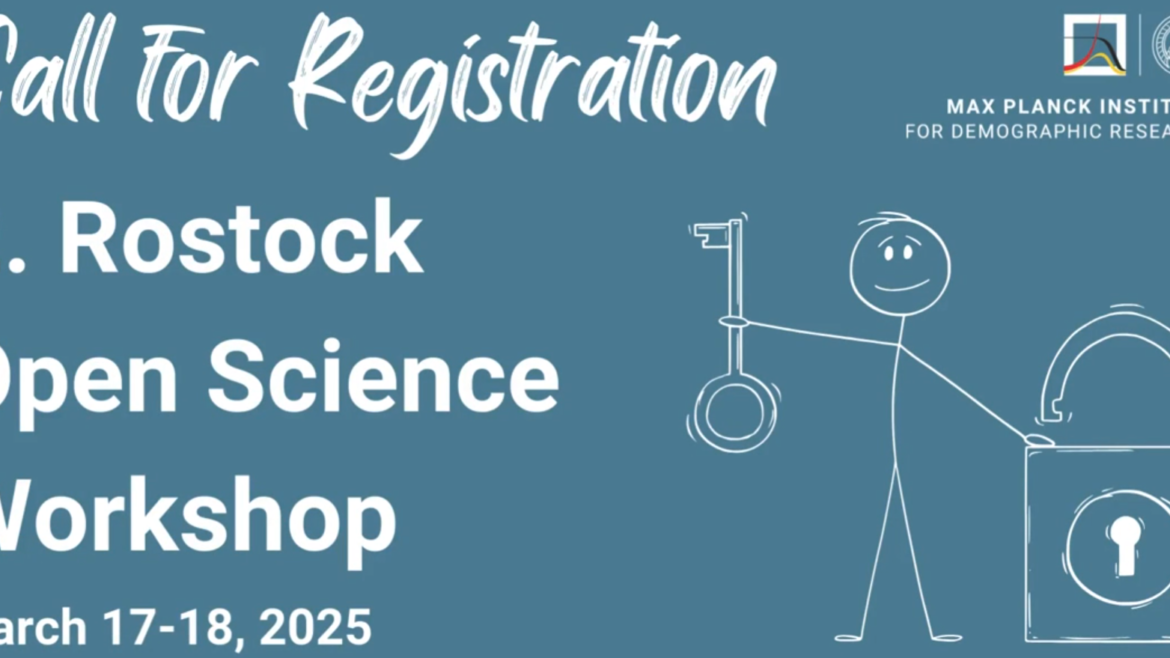
Second Rostock Open Science Workshop: Advancing Transparency and Reproducibility in Demography
Second Rostock Open Science Workshop: Advancing Transparency and Reproducibility in Demography 1024 520 Open and Universal Science (OPUS) Project

The Second Rostock Open Science Workshop, hosted by the Max Planck Institute for Demographic Research (MPIDR), will take place on March 17–18, 2025 in Rostock, Germany. This two-day event aims to equip demographic researchers with open science tools and practices, fostering knowledge sharing, transparency, and reproducibility in research. Hybrid online participation will be available for those unable to attend in person.

Workshop Highlights

  • Key Themes: Enhancing research transparency, making findings accessible to wider audiences, and enabling reproducible research practices.
  • Keynote Speakers:
    • Prof. Philip N. Cohen (University of Maryland): “Doing Demography in Public.”
    • Dr. Sondre Solstad (The Economist): “From Open to Impact: Sharing Your Ideas Beyond Academia.”
  • Hands-on Training:
    • Practical sessions on reproducible workflows, using R and Stata, and leveraging tools like Git, GitHub, OSF, and Zenodo for sharing data and code.
  • Discussions:
    • A roundtable on successes and challenges in implementing open science.
    • A panel exploring the future of open science in demography.
  • Expert Instructors:
    • Prof. Lisa DeBruine (University of Glasgow).
    • Dr. Maarten Buis (University of Konstanz).
    • Dr. Jonas Schöley and Dr. Aliakbar Akbaritabar (MPIDR).

Preliminary Program Overview

  • Day 1:
    • Keynote by Prof. Philip N. Cohen.
    • Hands-on sessions on reproducibility (Stata and R).
    • Roundtable discussion on open science implementation.
  • Day 2:
    • Training on Git, GitHub, and data-sharing repositories (beginner and advanced sessions).
    • Keynote by Dr. Sondre Solstad.
    • Panel discussion on the future of open science in demography.

Who Should Attend?

The workshop is designed for PhD students, postdocs, and experienced scientists in demography. It is an excellent opportunity for researchers looking to integrate open science practices into their work.

How to Apply

  • Deadline: Applications for on-site participation must be submitted by September 30, 2024.
  • Requirements: Submit a CV, a 200-word motivation statement, and indicate your preferred software (R or Stata).
  • Fees: No tuition fees, but participants must cover travel and living expenses. Limited travel stipends are available for participants from low- and middle-income countries.

Online Participation

Those interested in attending virtually can register via a short survey available here.

The Second Rostock Open Science Workshop offers a unique platform to explore cutting-edge practices in transparency and reproducibility while shaping the future of open science in demography. Don’t miss this opportunity to advance your research and connect with leading experts in the field!

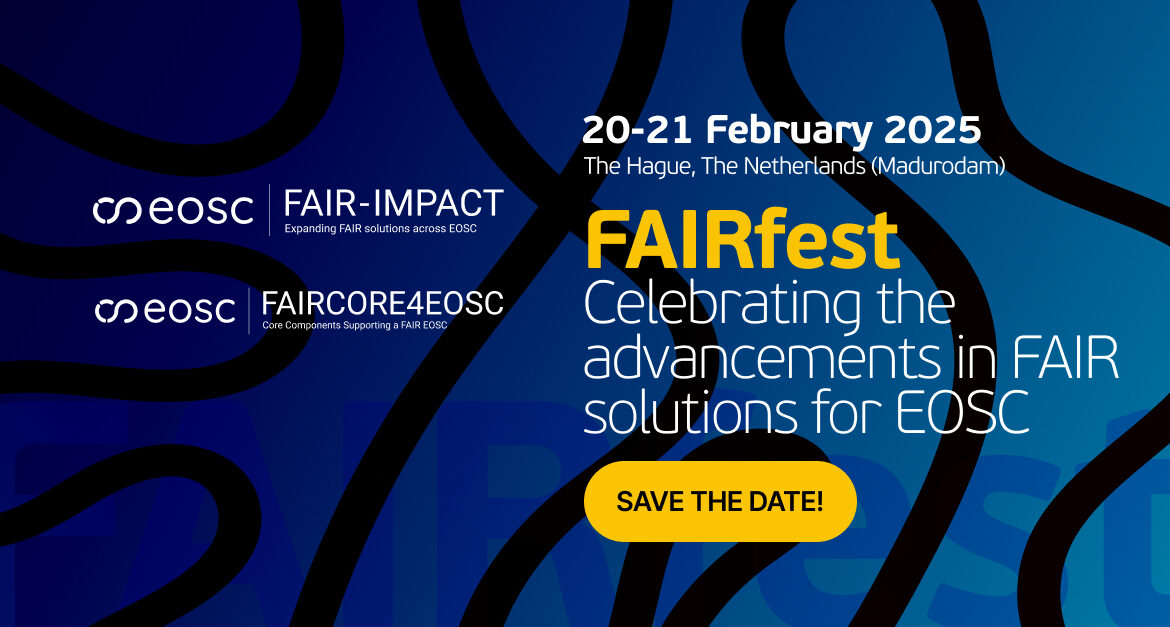
FAIRfest: A Celebration of FAIR Solutions in European Open Science
FAIRfest: A Celebration of FAIR Solutions in European Open Science 1024 535 Open and Universal Science (OPUS) Project

FAIR-IMPACT and FAIRCORE4EOSC are thrilled to invite the European research community to FAIRfest, a unique festival celebrating the advancements of Findable, Accessible, Interoperable, and Reusable (FAIR) solutions within the European Open Science Cloud (EOSC). This vibrant event promises insightful discussions, interactive showcases, and a festive atmosphere for all attendees.

Mark Your Calendars

Dates: 20th and 21st February 2025
Location: The Hague, The Netherlands, at Madurodam

FAIRfest coincides with the 19th International Digital Curation Conference (IDCC25), creating a dynamic space for the European research community to engage with an international audience. Together, participants will explore the latest achievements in FAIR solutions:

  • F for Findability: Persistent Identifiers & Knowledge Graphs
  • A for Accessibility: Semantic Artefacts
  • I for Interoperability: From technical to legal interoperability
  • R for Reusability: Certification, metrics, and guidelines for FAIR data and software

Register Now

The deadline for in-person registration is 7th February 2025, or earlier if maximum capacity is reached.


A Marketplace of Ideas

FAIRfest is designed as a true festival, complete with a marketplace where adopters and implementers of FAIR-enabling solutions will showcase their tools, methodologies, and best practices. Attendees can engage with interactive stands, coffee tables, and poster areas to learn directly from those who have successfully implemented FAIR techniques.

Highlights include:

  • Demonstrations of FAIRCORE4EOSC components
  • Real-life stories from research teams supported by the FAIR-IMPACT programme
  • Opportunities to meet FAIR Champions, ambassadors, and interoperability experts

Dynamic Programme with Keynotes and Case Studies

The event’s agenda features:

  • Plenary Sessions: Provocative standing keynotes to inspire discussions
  • Parallel Sessions: Technical case studies and real-world use cases
  • Ample time for networking over food, coffee, and tea

The programme balances intellectual engagement with moments for reflection and social connection, ensuring an enjoyable and productive experience.

Explore Madurodam

FAIRfest takes place in the charming setting of Madurodam, a miniature park in the Scheveningen district of The Hague. This unique venue offers 1:25 scale replicas of iconic Dutch landmarks, historical cities, and developments. To make the experience even more memorable, a special dinner will be hosted in this picturesque location.


Don’t miss this opportunity to immerse yourself in the advancements of FAIR solutions and connect with leaders in Open Science.

Register now and join for two inspiring days in The Hague!

Privacy Preferences

When you visit our website, it may store information through your browser from specific services, usually in the form of cookies. Our Privacy Policy can be read here.

Here you can change your Privacy preferences. It is worth noting that blocking some types of cookies may impact your experience on our website and the services we are able to offer.

Click to enable/disable Google Analytics tracking code.
Click to enable/disable Google Fonts.
Click to enable/disable Google Maps.
Click to enable/disable video embeds.
Our website uses cookies, mainly from 3rd party services. Define your Privacy Preferences and/or agree to our use of cookies.