GraspOS Webinar to Explore OPUS Framework for Reforming Researcher Assessment
GraspOS Webinar to Explore OPUS Framework for Reforming Researcher Assessment https://opusproject.eu/wp-content/uploads/2025/08/DSC03965-1024x682.jpg 1024 682 Open and Universal Science (OPUS) Project https://opusproject.eu/wp-content/uploads/2025/08/DSC03965-1024x682.jpgThe 6th GraspOS webinar series will host a session on reforming researcher assessment practices on Wednesday, 29 October 2025, from 15:30 to 16:30 CET. This online event will focus on how the OPUS project is revolutionising the way universities and research funders evaluate researchers and reward Open Science contributions.
Traditional research assessment has long concentrated on publications in high-impact factor journals and bibliometric indicators, overlooking the diverse range of activities researchers perform in their daily work. Moreover, the recent shift towards Open Science has been largely ignored in assessment processes. The OPUS (Open and Universal Science) project addresses these shortcomings by developing a comprehensive Researcher Assessment Framework (RAF) that offers universities and research funders a suite of indicators to transform how they assess researchers and incentivise Open Science practices.
Framework Structure and Approach
The OPUS Researcher Assessment Framework encompasses four key domains of researcher activities: research, education, leadership, and valorisation. The research domain covers proposal writing, methods development, data management, software development, publications, research materials creation, and peer review. The education domain includes course development, educational resource creation, teaching, student supervision, and professional skills development. Leadership focuses on personnel and project management, organisational roles, and recognition for expert contributions. The valorisation domain encompasses science communication, academic and intersectoral collaboration, and entrepreneurship.
The RAF provides organisations with flexibility to select indicators that align with their strategic interests and needs. It divides indicators into processes, outputs, and outcomes, recognising that researchers may be at different stages of activities during assessment. The framework encourages a combination of qualitative and responsible quantitative approaches to evaluation.
Expert Presentation
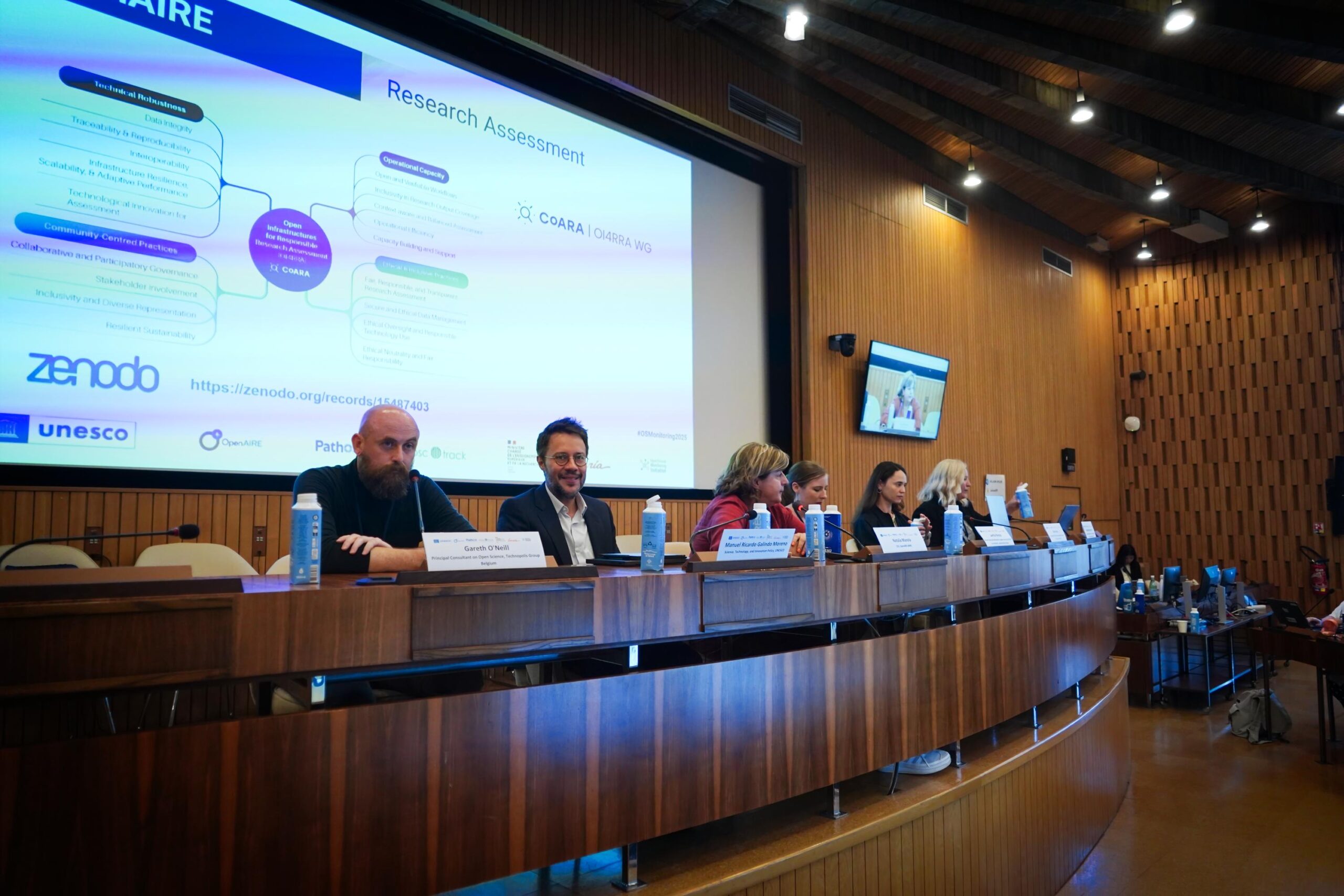
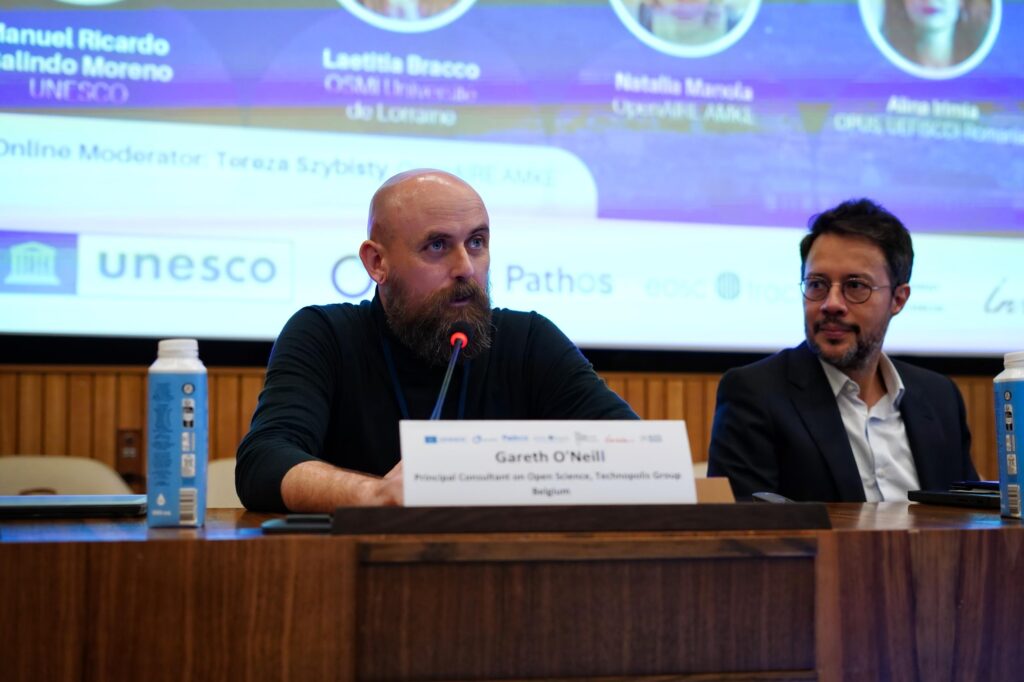
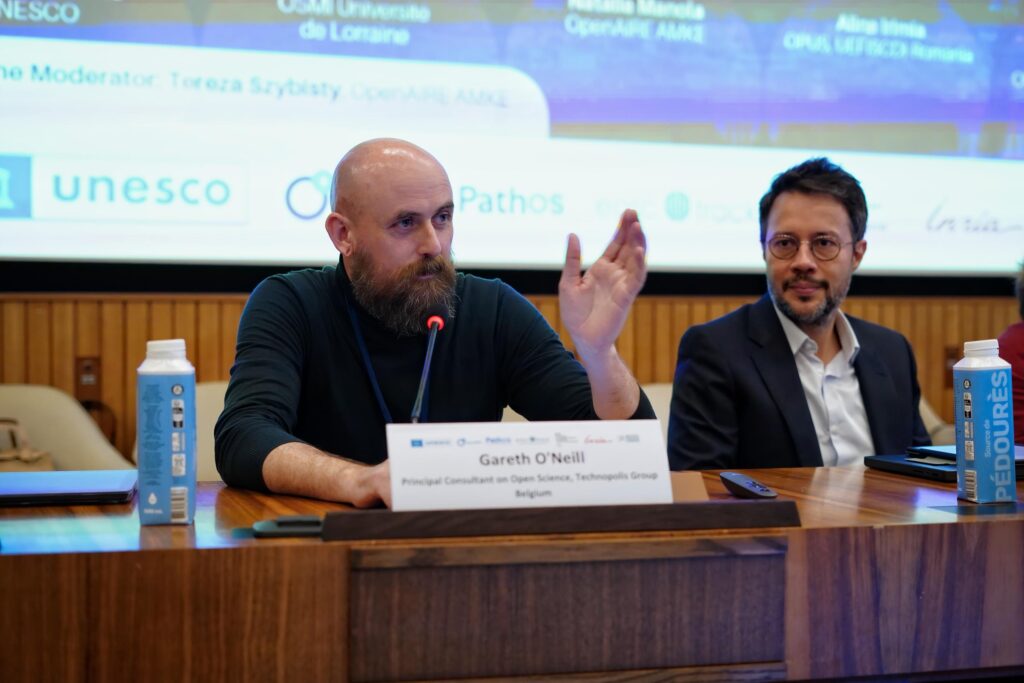
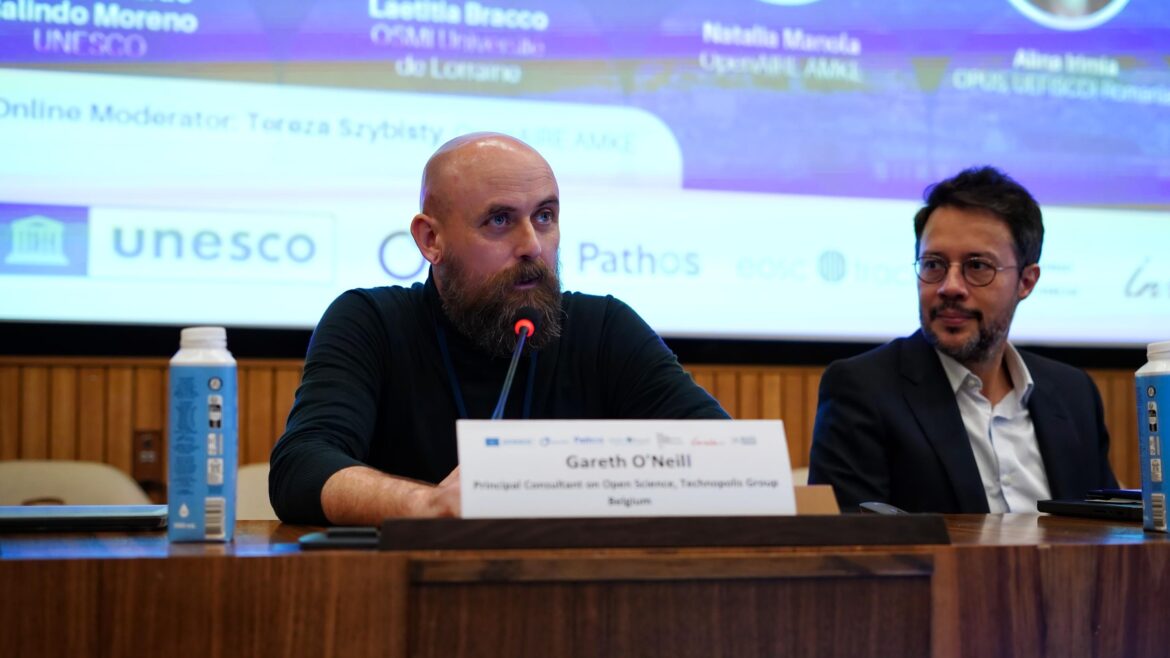
The webinar will feature Gareth O’Neill from Technopolis Group and the OPUS project as the main speaker. O’Neill serves as Principal Consultant on Open Science at Technopolis Group Belgium, where his work focuses on implementing Open Science across Europe, with particular emphasis on sustainable careers for researchers, research assessment reform, and the European Open Science Cloud development.
Zenia Xenou from OpenAIRE will moderate the session.
Context and Significance
The GraspOS project, a Horizon Europe project, aims to transform research assessment by embedding Open Science principles into evaluation practices. It develops a federated infrastructure providing tools, services, and guidance to support responsible research assessment across various levels, from individual researchers to national systems.
The OPUS project has been testing its framework through pilot implementations at multiple institutions, tailoring assessment models to different organisational contexts. The framework aligns with broader European policy initiatives, including the Coalition for Advancing Research Assessment (COARA) and the ERA Policy Agenda 2025-2027.
Participants will learn how organisations can use the OPUS Researcher Assessment Framework to reform researcher evaluation at their institutions and incentivise Open Science practices. The virtual event will be hosted via Zoom with support from OpenAIRE.