EU

The Impact of Open Science on Underrepresented Researchers
The Impact of Open Science on Underrepresented Researchers 1024 540 Open and Universal Science (OPUS) Project

Open science is transforming the research landscape, bringing about positive changes and leveling the playing field for researchers who were traditionally underrepresented in academic circles. This shift towards openness and inclusivity has significant implications for scientists from diverse backgrounds.

Breaking Down Barriers: Historically, certain researchers faced barriers to accessing resources, collaboration opportunities, and publication avenues. Open science dismantles these barriers by making research findings freely available to the public, fostering inclusivity, and providing a platform for scholars from less represented communities to showcase their work.

Accessibility and Knowledge Sharing: One of the key benefits of open science is the enhanced accessibility of research. Through open-access journals and repositories, researchers from underrepresented groups can share their findings without the traditional financial constraints associated with subscription-based models. This democratization of knowledge promotes a more inclusive academic environment.

Collaboration Opportunities: Open science encourages collaborative research efforts, allowing researchers from different backgrounds to work together on projects. This collaborative approach fosters diversity of thought and enriches the research landscape. Underrepresented researchers can now actively participate in global scientific endeavors, contributing their unique perspectives to various fields.

Mentorship and Networking: The open science movement facilitates mentorship and networking opportunities for researchers who might have previously struggled to find support within their academic communities. Online platforms, collaborative tools, and open-access events provide avenues for mentorship, enabling less represented researchers to connect with experienced scholars and receive guidance in their academic journeys.

Visibility and Recognition: Through open science practices, researchers from underrepresented backgrounds gain increased visibility for their work. Open-access publications, preprint servers, and online repositories amplify the reach of their research, ensuring that contributions do not go unnoticed. This increased visibility can lead to enhanced recognition, furthering academic and professional opportunities.

Challenges and Considerations: While open science presents numerous advantages, it is essential to recognize and address potential challenges. Issues such as language barriers, unequal access to technology, and the need for equitable credit in collaborative projects must be acknowledged and actively worked on to ensure the full inclusivity of the open science movement.

The Ongoing Impact of Open Science: Open science is a powerful force driving positive change in the world of research, particularly for underrepresented scholars. By dismantling barriers, fostering collaboration, and providing visibility, open science ensures that every researcher, regardless of background, has the opportunity to contribute meaningfully to the global scientific community. As we continue to embrace the principles of openness and inclusivity, the impact on less represented researchers will undoubtedly play a pivotal role in shaping the future of scientific exploration and discovery.

Photo via HARP
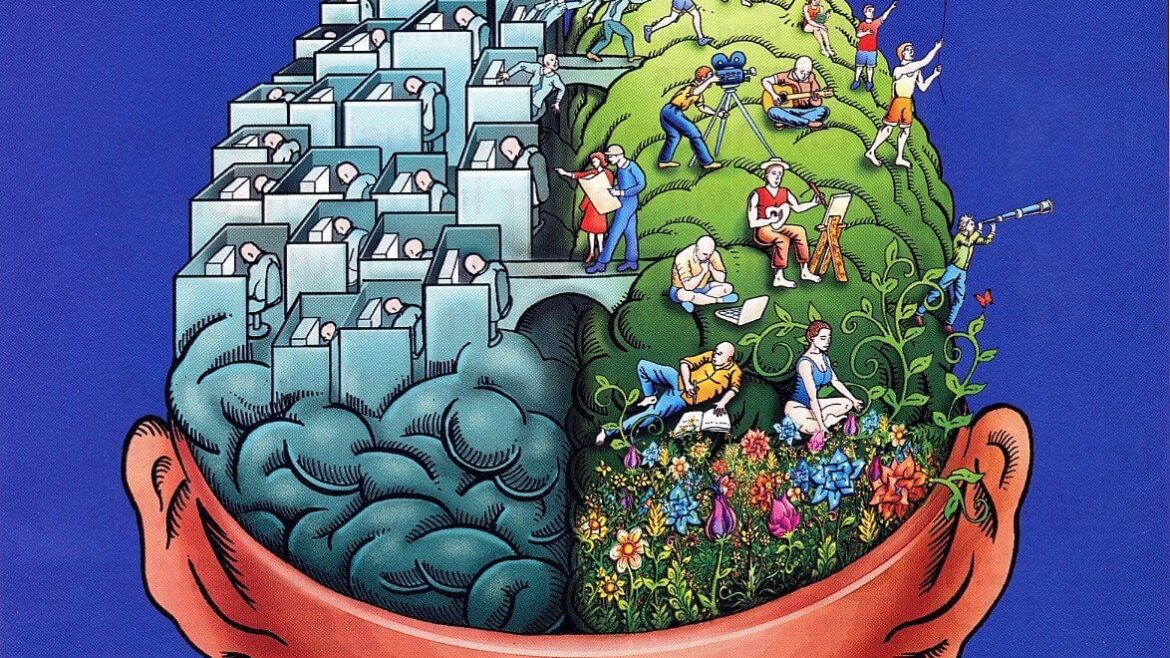
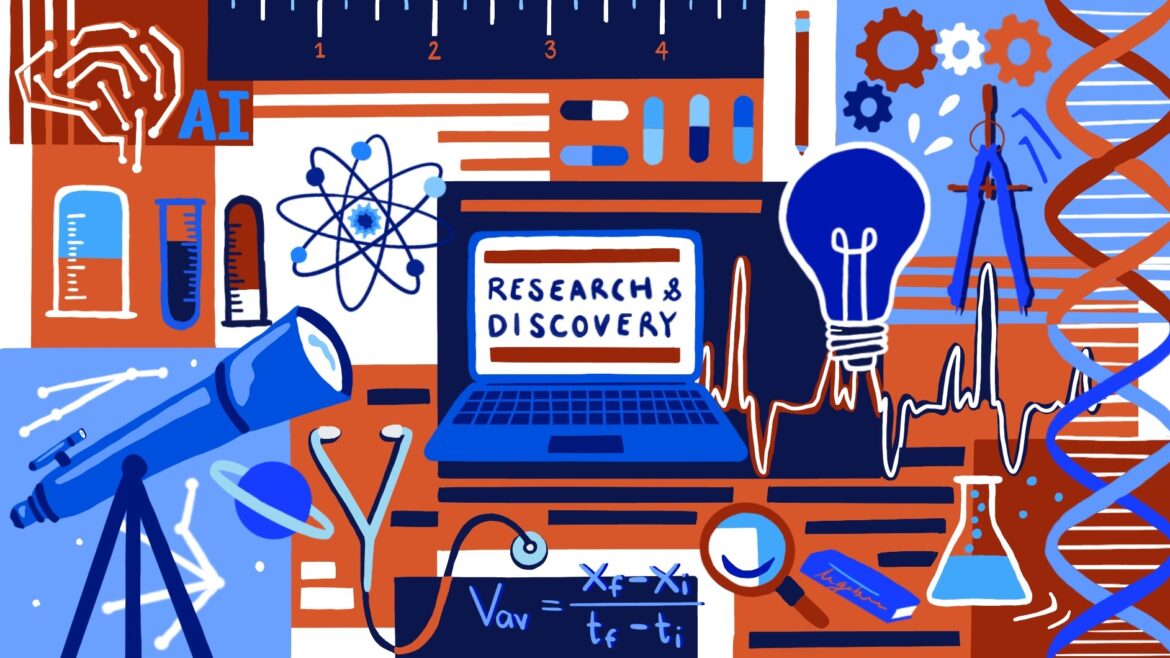
The Impact of Open Science on Our Minds
The Impact of Open Science on Our Minds 1024 906 Open and Universal Science (OPUS) Project

Open science is like a breath of fresh air in the world of research and discovery. It’s a movement that encourages scientists to share their findings openly with the global community. But beyond its implications for the scientific community, open science also has a profound psychological impact on individuals. In this article, we’ll explore the psychological effects of open science in simple terms.

  1. Democratizing Knowledge:

One of the significant psychological effects of open science is the feeling of inclusion and democratization of knowledge. Traditional scientific research was often hidden behind paywalls or exclusive journals. Open science, however, opens the doors for everyone to access information freely. This inclusivity fosters a sense of empowerment, making individuals feel that knowledge is not confined to a select few.

  1. Collaboration Over Competition:

Open science promotes collaboration over competition. In the traditional model, researchers might be reluctant to share their work for fear of being scooped by a competitor. With open science, there’s a shift towards a more collaborative environment. This change in mindset can reduce stress and foster a sense of community among scientists.

  1. Public Engagement and Trust:

By making scientific findings more accessible to the public, open science helps build trust between the scientific community and the general public. When people can understand and engage with the research process, it demystifies science and creates a stronger bond between researchers and society. This increased transparency can contribute to a more positive perception of the scientific community.

  1. Accelerating Discovery:

Open science accelerates the pace of discovery by allowing researchers to build on each other’s work. This rapid exchange of information can be mentally invigorating, as scientists see the collective progress happening in real-time. The excitement of contributing to a growing body of knowledge can have a positive impact on the mental well-being of researchers.

  1. Reducing Researcher Isolation:

The traditional model of scientific research sometimes led to isolation, with researchers working in silos. Open science, with its emphasis on collaboration and sharing, helps break down these barriers. The sense of being part of a global network of researchers can alleviate the feelings of isolation that some scientists may experience.

Breaking the Chains of Isolation:

In simple terms, the psychological effects of open science are like rays of sunlight breaking through the clouds. It brings a sense of inclusivity, collaboration, and trust to the scientific community. As the world embraces open science, not only does it transform the way we discover and share knowledge, but it also positively impacts the minds of those at the forefront of exploration and innovation. Open science is not just about open access to information; it’s about opening minds to a new era of scientific discovery.

Photo via Buffer

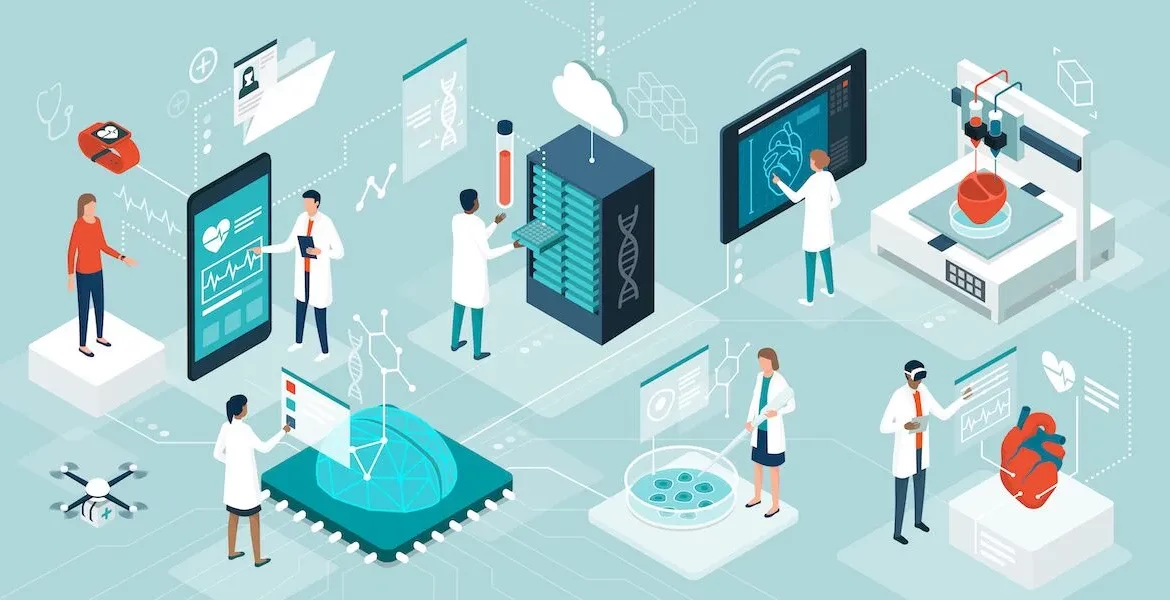
The Promising Future of Open Science in Healthcare, Research, and Technology
The Promising Future of Open Science in Healthcare, Research, and Technology 1024 512 Open and Universal Science (OPUS) Project

In the ever-evolving landscape of healthcare, research, and technology, the concept of open science is emerging as a beacon of progress. Open science refers to the practice of making scientific research, data, and findings freely accessible to the public. This shift towards transparency and collaboration has the potential to revolutionize the way we approach healthcare, conduct research, and harness technological advancements.

Healthcare Access for All:

One of the key promises of open science in healthcare is improved accessibility. By making medical research and knowledge freely available, a broader audience, including patients, healthcare professionals, and researchers, can benefit. This democratization of information ensures that medical advancements are not confined to academic circles but are accessible to everyone. This inclusivity can lead to better-informed decisions about personal health and improved patient outcomes.

Accelerating Research and Innovation:

Open science fosters collaboration and data sharing among researchers globally. This interconnected approach accelerates the pace of scientific discovery and innovation. Researchers can build upon each other’s work, avoiding duplication of efforts and expediting the development of new treatments and technologies. The collaborative nature of open science also encourages interdisciplinary research, breaking down traditional silos and promoting holistic solutions to complex healthcare challenges.

Data-driven Breakthroughs:

The future of healthcare is undeniably tied to the vast amounts of data generated daily. Open science facilitates the sharing of data sets, which can be analyzed by multiple researchers, leading to more robust and reliable conclusions. This data-driven approach is particularly significant in personalized medicine, where treatments can be tailored to individual genetic profiles, optimizing efficacy and minimizing side effects.

Technological Advancements and Open Source Solutions:

The synergy between open science and technology is evident in the rise of open-source solutions. Collaborative platforms and tools developed openly can be customized and improved upon by a diverse community of developers. This democratization of technology ensures that innovations are not confined to proprietary systems, fostering a culture of continuous improvement and adaptability.

Challenges and Ethical Considerations:

While the future prospects of open science are promising, challenges and ethical considerations must be addressed. Issues such as data privacy, proper attribution, and ensuring equitable access to benefits need careful attention. Striking a balance between openness and safeguarding individual rights is crucial for the sustainable growth of open science in healthcare and technology.

Ensuring Responsible Open Science:

The future of healthcare, research, and technology is intricately linked to the principles of open science. By promoting transparency, collaboration, and accessibility, open science has the potential to reshape the landscape, making advancements more inclusive and impactful. As we navigate this evolving paradigm, it is essential to address challenges responsibly and ensure that the benefits of open science are realized by all, paving the way for a healthier, more connected future.

Photo via Firstup

The Impact of Data Sharing on the Research Community
The Impact of Data Sharing on the Research Community 612 408 Open and Universal Science (OPUS) Project

In the world of research, the exchange of information is crucial for progress. Scientists and scholars constantly seek ways to improve their understanding of the world, and one powerful tool aiding this quest is data sharing. The act of sharing research data has far-reaching effects on the research community, influencing collaboration, innovation, and the overall advancement of knowledge.

Promoting Collaboration:

Data sharing fosters collaboration among researchers, allowing them to build upon each other’s work. When scientists share their data, it becomes a valuable resource for others who may be exploring related topics. This collaborative spirit can lead to a more comprehensive understanding of a particular subject, as multiple perspectives and methodologies come together.

Accelerating Research:

The sharing of research data accelerates the pace of scientific discovery. Instead of starting from scratch, researchers can use existing data sets as a foundation for their studies. This not only saves time but also resources, enabling scientists to focus on pushing the boundaries of knowledge rather than duplicating efforts. Rapid access to data facilitates quicker problem-solving and promotes efficiency within the research community.

Enhancing Reproducibility:

Transparency is a cornerstone of good research, and data sharing contributes to the reproducibility of scientific findings. When researchers make their data available, it allows others to validate and replicate their experiments. This not only reinforces the credibility of the original study but also ensures that scientific knowledge is built on a solid foundation of verifiable information.

Addressing Data Gaps:

The sharing of data helps address gaps in research. Some projects may collect vast amounts of information that extend beyond the immediate focus of the study. By making this surplus data available, researchers in different fields can discover new avenues of exploration and contribute to a more holistic understanding of complex phenomena.

Challenges and Considerations:

While data sharing has numerous benefits, it also presents challenges. Issues related to privacy, consent, and ethical considerations need to be carefully navigated. Researchers must strike a balance between openness and protecting sensitive information to maintain trust within the scientific community and among participants.

A Collective Leap Forward:

In conclusion, the effect of data sharing on the research community is substantial and positive. It promotes collaboration, accelerates the pace of research, enhances reproducibility, and addresses gaps in knowledge. As the scientific community continues to embrace the principles of openness and transparency, the collective pursuit of knowledge is strengthened, ultimately benefiting society as a whole. Data sharing is not just a trend; it is a fundamental aspect of modern research that propels us towards a more informed and interconnected future.

Photo via iStockPhoto

Embracing Open Infrastructure for Open Science: Building a Collaborative Future
Embracing Open Infrastructure for Open Science: Building a Collaborative Future 1024 286 Open and Universal Science (OPUS) Project

In the world of science, collaboration and open sharing of knowledge are crucial for advancing research and solving complex problems. The concept of “open infrastructure for open science” embodies the idea of creating a framework that promotes transparency, accessibility, and collaboration in scientific endeavors. This article explores the importance of open infrastructure in the realm of science, highlighting its benefits and how it fosters a more inclusive and efficient research ecosystem.

Understanding Open Infrastructure:

Open infrastructure refers to the underlying foundation of tools, technologies, and resources that support collaborative efforts within a community. In the context of science, open infrastructure aims to break down barriers to information, allowing researchers to freely access, share, and build upon each other’s work. This approach democratizes scientific knowledge, making it accessible to a broader audience and accelerating the pace of discovery.

Key Components of Open Infrastructure for Open Science:

  1. Open Access Publications:
    • Open access journals and repositories make research findings freely available to the public.
    • Researchers can disseminate their work widely, reaching a global audience without the constraints of paywalls.
  2. Open Data:
    • Sharing raw data sets promotes transparency and allows others to validate and reproduce experiments.
    • Collaborative data sharing accelerates the pace of research by reducing redundancy and enabling the exploration of diverse perspectives.
  3. Collaborative Platforms:
    • Online platforms and tools facilitate collaborative research efforts, connecting scientists from different parts of the world.
    • Shared workspaces, forums, and communication channels enhance real-time collaboration and the exchange of ideas.
  4. Open Source Software:
    • Open source software encourages the development of tools that are freely available and modifiable by the scientific community.
    • This fosters innovation, as researchers can adapt and improve existing tools to better suit their specific needs.

Benefits of Open Infrastructure in Science:

  1. Acceleration of Discovery:
    • Open infrastructure reduces duplication of efforts, allowing researchers to build upon existing knowledge.
    • The collective intelligence of a global scientific community leads to faster problem-solving and breakthroughs.
  2. Increased Accessibility:
    • Open access to publications and data ensures that knowledge is not restricted by financial barriers.
    • Researchers from diverse backgrounds can contribute to and benefit from a more inclusive scientific community.
  3. Enhanced Reproducibility:
    • Open data and transparent methodologies enable the validation and replication of experiments.
    • This promotes the reliability of scientific findings and strengthens the foundation of knowledge.
  4. Global Collaboration:
    • Collaborative platforms and open source tools facilitate collaboration among scientists irrespective of geographical boundaries.
    • Shared resources and expertise lead to a more interconnected and resilient scientific community.

Challenges and Future Directions:

While the concept of open infrastructure for open science holds immense potential, challenges such as data privacy, intellectual property concerns, and resistance to cultural change need to be addressed. As the scientific community continues to evolve, embracing open infrastructure will be essential for creating a more collaborative, transparent, and efficient research environment.

A Path to Global Collaboration and Discovery:

Open infrastructure for open science marks a paradigm shift in the way we conduct and share research. By breaking down traditional barriers, embracing transparency, and fostering collaboration, this approach paves the way for a future where scientific knowledge is a global public good. As we navigate the challenges and opportunities that lie ahead, the principles of openness and collaboration will undoubtedly shape the next era of scientific discovery.

Photo via ALLEA

The Big Deal About the Open Science Annual Conference: Why It Matters for Everyone
The Big Deal About the Open Science Annual Conference: Why It Matters for Everyone 1024 256 Open and Universal Science (OPUS) Project

In the world of science, there’s a special event that scientists, researchers, and curious minds look forward to—the Open Science Annual Conference. But why is it such a big deal? Let’s explore the importance of this yearly gathering and why it matters for the advancement of knowledge.

  1. Sharing Cool Discoveries: The Open Science Annual Conference is like a giant science party where researchers from all over the world come together to share their coolest discoveries. It’s not just about keeping secrets; it’s about shouting, “Hey, look what we found!” Imagine learning about new planets, amazing animals, or groundbreaking medicine—all in one place!
  2. Teamwork Makes the Dream Work: Scientists are like superheroes, but even superheroes team up to save the day. At the conference, researchers team up to work on big problems. Imagine if Batman and Superman joined forces—well, scientists are doing something similar! They share ideas, knowledge, and brainpower to solve mysteries and make the world a better place.
  3. Learning from Each Other: The Open Science Annual Conference is like a giant classroom where everyone is both a student and a teacher. Scientists learn from each other’s experiments, mistakes, and successes. It’s a bit like a super-smart club where everyone is invited to share their wisdom, making everyone a bit smarter in the process.
  4. Fighting the Evil of Bad Information: Just like superheroes fight villains, scientists at the conference fight against something called “bad information.” By sharing their research openly, they make sure that everyone knows what’s true and reliable. This helps prevent the spread of misinformation, ensuring that people have the right facts to make informed decisions.
  5. Opening the Doors for Everyone: The Open Science Annual Conference isn’t an exclusive club. It’s open to everyone who loves science. That means you, me, and even your neighbor can join in (virtually or in person) and learn about the amazing things happening in the world of science. It’s like a big invitation to explore the wonders of the universe.

A Bright Future Awaits:

In a nutshell, the Open Science Annual Conference is like a superhero gathering for scientists. It’s where they share their superpowers, team up to tackle big challenges, and make sure that everyone gets a chance to learn and be amazed. So, the next time you hear about this conference, remember that it’s not just for scientists—it’s a celebration of knowledge that benefits us all. Get ready for a science-filled adventure!

Photo via Alliance-Exchange

The Everyday Influence of Open Science on Our Lives
The Everyday Influence of Open Science on Our Lives 1024 808 Open and Universal Science (OPUS) Project

In our rapidly advancing world, the way science is conducted and shared has undergone a transformation, thanks to the rise of open science. Open science refers to the practice of making scientific research and data accessible to everyone, fostering collaboration and transparency. This shift from traditional closed-door practices to a more open and inclusive approach has a profound impact on our daily lives, touching various aspects that we may not always be aware of.

  1. Access to Information

One of the key benefits of open science is the increased accessibility to information. In the past, scientific research was often locked behind paywalls, making it challenging for the general public to access. With open science, research papers, articles, and data sets are freely available to anyone with an internet connection. This means that curious individuals, students, and even researchers from different fields can easily explore a wide range of topics, leading to a more informed and educated society.

  1. Medical Breakthroughs

Open science has played a significant role in advancing medical research and contributing to breakthroughs in healthcare. Researchers across the globe can collaborate, share data, and collectively work towards finding cures for diseases. This collaborative effort has accelerated the pace of medical discoveries, leading to improved treatments, new medications, and a better understanding of various health conditions. Consequently, the impact of open science on healthcare directly affects the well-being of individuals worldwide.

  1. Technological Innovation

In the realm of technology, open science has fueled innovation by allowing engineers and developers to build upon existing knowledge. Open-source software, a subset of open science, enables the sharing of source code, encouraging collaboration and the development of new technologies. Everyday tools and applications that we use, from web browsers to mobile apps, often benefit from the collaborative efforts of the open science community.

  1. Environmental Awareness

Open science is also making significant strides in addressing environmental issues. Scientists working on climate research, biodiversity studies, and sustainability projects are sharing their findings openly. This information is crucial for creating awareness about environmental challenges and shaping policies to mitigate the impact of climate change. In this way, open science contributes to a more informed and environmentally conscious society.

  1. Education and Lifelong Learning

The influence of open science extends to the realm of education, enabling a culture of lifelong learning. Students at all levels can access a wealth of educational resources, scientific literature, and research findings. This democratization of knowledge empowers individuals to pursue their interests, whether they are formal students or self-learners. Open science is breaking down barriers to education and fostering a global community of knowledge seekers.

A Gateway to a More Informed and Connected Future

In conclusion, the impact of open science on our daily lives is vast and multifaceted. From improving healthcare to driving technological innovation and promoting environmental awareness, the principles of openness and collaboration are shaping a more interconnected and knowledgeable world. As we navigate the future, the continued embrace of open science promises to bring about even more positive changes, ultimately benefiting individuals and society as a whole.

Photo via ADDitude

Exploring Tech Tools for Open Science
Exploring Tech Tools for Open Science 1024 543 Open and Universal Science (OPUS) Project

In the vast landscape of scientific research, open science has emerged as a powerful movement aimed at making scientific knowledge accessible and collaborative. Technology plays a crucial role in this endeavor, providing researchers with tools that facilitate transparency, reproducibility, and widespread collaboration. In this article, we will explore some key tech tools used for open science, breaking down complex concepts into simple terms.

  1. Open Access Journals:

Imagine a library where everyone can read books for free. Open access journals are like that library for scientific articles. These journals make research papers freely available to the public, promoting the exchange of knowledge without barriers. Platforms like PLOS (Public Library of Science) and BioMed Central have pioneered open access publishing, enabling researchers to share their findings with a global audience.

  1. Preprint Servers:

Before a research paper is officially published, researchers often share their work on preprint servers. Think of it as a sneak peek before the big reveal. Platforms like arXiv and bioRxiv allow scientists to share their manuscripts before peer review, accelerating the dissemination of information and encouraging early feedback from the scientific community.

  1. Data Repositories:

In the world of open science, data is as valuable as gold. Data repositories, such as Figshare and Zenodo, provide a secure home for research data, ensuring that datasets are preserved, accessible, and citable. This transparency allows other researchers to verify results, build upon existing work, and promote the reproducibility of experiments.

  1. Collaborative Platforms:

Just like working on a group project in school, scientists often collaborate on research. Tools like GitHub and GitLab are collaborative platforms that allow researchers to work together on coding projects, share datasets, and track changes. This fosters a culture of openness and teamwork, enhancing the collective intelligence of the scientific community.

  1. Open Source Software:

In the world of science, software is the unsung hero behind many research projects. Open source software, such as R and Python, are freely available for anyone to use, modify, and share. This not only promotes transparency in the development process but also ensures that scientific tools are accessible to researchers worldwide.

  1. Citizen Science Apps:

Picture this: you, your smartphone, and the power to contribute to real scientific research. Citizen science apps like iNaturalist and Foldit allow the public to participate in scientific endeavors, collecting data or solving complex problems. This democratization of science promotes inclusivity and brings diverse perspectives into the research process.

Embracing Tech Tools for Open Science

Tech tools for open science are like building blocks, constructing a bridge between researchers and the public. By embracing open access, sharing data, collaborating on platforms, and utilizing open source software, scientists can propel their research forward while inviting others to join the journey. In this digital age, the doors to scientific discovery are swinging open, inviting everyone to explore and contribute to the vast world of knowledge.

Photo via Canon Capital

Advancing Research for the Public Good
Advancing Research for the Public Good 1024 576 Open and Universal Science (OPUS) Project

Research and development (R&D) play a crucial role in shaping the world we live in. While some may think of research as something only done in laboratories, it’s much more than that. Research development for the public good involves exploring, discovering, and creating new knowledge and innovations that benefit everyone. In this article, we’ll break down the concept of research for the public good in simple terms.

What is Research for the Public Good?

Research for the public good is all about conducting studies and experiments with the primary aim of improving the well-being of society. It’s not just about making new gadgets or medicines; it’s also about finding solutions to everyday problems, making life better for people, and addressing social challenges.

Key Areas of Research for the Public Good:

  1. Health and Medicine:
    • Developing new treatments and medicines.
    • Studying diseases and finding ways to prevent and cure them.
    • Improving healthcare systems for better access and affordability.
  2. Education:
    • Creating effective teaching methods.
    • Developing educational tools and technologies.
    • Finding ways to make education accessible to all.
  3. Environment:
    • Researching renewable energy sources.
    • Studying climate change and finding ways to protect the environment.
    • Developing sustainable practices for a healthier planet.
  4. Social Issues:
    • Investigating poverty and inequality.
    • Finding solutions to homelessness and unemployment.
    • Addressing social justice and human rights issues.

How Research Benefits the Public:

  1. Innovations:
    • Research leads to new ideas and innovations that can make our lives easier and more enjoyable.
    • Think of smartphones, medical breakthroughs, or even new ways to grow food sustainably.
  2. Improving Lives:
    • Research helps solve problems, like finding better ways to treat illnesses or creating technologies that make daily tasks simpler.
    • It can also lead to policies that make society fairer and more inclusive.
  3. Building a Better Future:
    • By focusing on the public good, research contributes to building a better future for everyone.
    • It helps us understand and overcome challenges, from global issues like climate change to local problems in our communities.
  4. Empowering Communities:
    • Research can empower communities by providing them with the knowledge and tools they need to address their specific needs.
    • It encourages collaboration and involvement from people of all backgrounds.

Challenges and Solutions:

  1. Funding:
    • One challenge is getting enough resources (money and support) for research.
    • Solutions involve advocating for increased funding from governments, private donors, and organizations that value the public good.
  2. Communication:
    • Sometimes, the results of research are complex and difficult to understand.
    • Improving communication helps researchers share their findings in a way that everyone can understand and benefit from.

The Ongoing Journey of Research for the Public Good

Research for the public good is a powerful force for positive change in society. It’s not just for scientists in labs; it involves everyone, from educators to community leaders. By supporting and engaging in research that focuses on the well-being of all, we can collectively contribute to building a world that is healthier, fairer, and more sustainable for future generations.

Photo via Columbia News

Embracing Open Dialogue: Connecting Open Science with Different Knowledge Systems
Embracing Open Dialogue: Connecting Open Science with Different Knowledge Systems 1024 652 Open and Universal Science (OPUS) Project

In the vast world of knowledge, there are many ways to understand and learn about the world around us. Open science, a concept that encourages sharing and collaboration in research, is now expanding its horizons to engage in open dialogue with different knowledge systems. This means bringing together diverse ways of knowing, from traditional wisdom to modern scientific approaches, to create a richer and more inclusive understanding of our world.

The Diversity of Knowledge Systems:

Knowledge comes in various forms. Traditional knowledge systems, often rooted in local cultures and passed down through generations, offer unique insights into the environment, healing, and community life. On the other hand, modern scientific methods rely on rigorous experimentation, observation, and analysis to uncover the mysteries of the natural world.

In the past, these knowledge systems might have operated separately, with limited communication between them. However, the idea of open dialogue in the context of open science encourages breaking down these barriers and fostering collaboration between different ways of knowing.

Why Open Dialogue Matters:

  1. Holistic Understanding: Open dialogue allows us to weave together different threads of knowledge to create a more holistic understanding of complex issues. By combining traditional wisdom with scientific research, we can address challenges from multiple perspectives, leading to more comprehensive solutions.
  2. Preserving Cultural Heritage: Many traditional knowledge systems are deeply rooted in cultural practices and beliefs. Engaging in open dialogue helps preserve and respect these cultural heritages, preventing the loss of valuable insights and practices.
  3. Local Relevance: Traditional knowledge often holds solutions that are uniquely suited to local environments and challenges. Open dialogue ensures that scientific research is not one-size-fits-all but considers the specific needs and contexts of different communities.
  4. Community Involvement: Open dialogue invites communities to actively participate in the research process. This involvement fosters a sense of ownership and empowerment, breaking away from the traditional top-down approach to research.

Challenges and Opportunities:

While the idea of open dialogue is promising, it comes with challenges. Bridging the gap between different knowledge systems requires respectful collaboration, overcoming language barriers, and addressing power imbalances. However, the opportunities for mutual learning and discovery far outweigh the challenges.

Empowering Communities: From Observers to Active Participants

Open dialogue with different knowledge systems is a powerful extension of the open science movement. It allows us to embrace the diversity of human understanding and work together to address the complex challenges facing our world. By fostering collaboration between traditional wisdom and modern science, we can create a more inclusive and comprehensive knowledge landscape that benefits everyone. This approach not only enriches our understanding of the world but also strengthens the bonds between communities and the global scientific community.

Photo via More Enigma

Privacy Preferences

When you visit our website, it may store information through your browser from specific services, usually in the form of cookies. Our Privacy Policy can be read here.

Here you can change your Privacy preferences. It is worth noting that blocking some types of cookies may impact your experience on our website and the services we are able to offer.

Click to enable/disable Google Analytics tracking code.
Click to enable/disable Google Fonts.
Click to enable/disable Google Maps.
Click to enable/disable video embeds.
Our website uses cookies, mainly from 3rd party services. Define your Privacy Preferences and/or agree to our use of cookies.