EU

OSCAR Project: Advancing Open Science and Research Assessment Reform in European Universities
OSCAR Project: Advancing Open Science and Research Assessment Reform in European Universities 800 600 Open and Universal Science (OPUS) Project

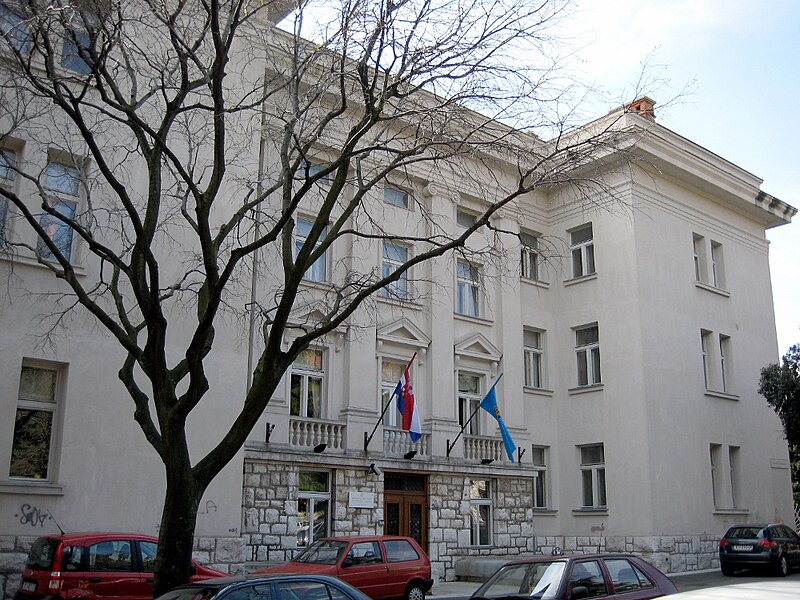
The University of Rijeka is proud to announce the start of the OSCAR project (Open Science Collaboration for Research Career Advancement and Policy Innovation at UNIRI and UCY), funded under the Horizon Europe CoARA Boost call. This project, led by the University of Rijeka in partnership with the University of Cyprus and the European Office of Cyprus, aims to integrate Open Science principles into research evaluation practices, promote institutional change, foster o research culture reforms and engage national stakeholders and policymakers in an open dialogue on the reform of research assessment. Building on the outcomes of the OPUS project, which supports reforming the assessment of research(ers), OSCAR focuses on qualitative research evaluation frameworks while responsibly utilising quantitative metrics.

This initiative marks another significant step in advancing the principles of Open Science and its incorporation into research policies and practices across European universities.

Gareth O’Neill Highlights OPUS Researcher Assessment Reforms at EU Expert Group Meeting
Gareth O’Neill Highlights OPUS Researcher Assessment Reforms at EU Expert Group Meeting 1024 576 Open and Universal Science (OPUS) Project

Gareth O’Neill, Principal Consultant on Open Science at Technopolis Group Belgium (TGB) and a key contributor to the EU-funded OPUS project, presented the project’s advancements in research assessment reforms during the 11th meeting of the National Points of Reference (NPR) expert group on 12 December 2024. The closed virtual meeting, convened under the European Commission’s Directorate-General for Research and Innovation, focused on aligning national and EU-level policies for open access and scientific information.

Key Focus: OPUS Researcher Assessment Framework

O’Neill detailed OPUS’s progress in developing a Researcher Assessment Framework (RAF) designed to incentivise Open Science practices across European research institutions. The framework, which aligns with the EU’s broader Open Science Agenda, integrates:

  • Dual metrics: A blend of qualitative and quantitative indicators to evaluate researchers’ contributions to Open Science, such as data sharing, public engagement, and transparent peer review.
  • Ten guiding principles including separation of Open Science metrics from traditional bibliometrics and flexibility for institutions to prioritise criteria.

“Reforming research assessment is crucial to making Open Science the default. OPUS equips institutions with adaptable tools to transition equitably while maintaining academic rigour,” emphasised O’Neill. The presentation highlighted ongoing pilots at five institutions, where tailored assessment models are being tested.

NPR’s Role in Open Science Policy Coordination

The NPR meeting aimed to strengthen implementation of the EU’s 2012 Recommendation on access to scientific information, which mandates NPRs to coordinate national open access policies, monitor compliance, and liaise with the Commission Discussions emphasised challenges in harmonising Open Science requirements across Horizon Europe and national R&I programmesO’Neill underscored OPUS’s alignment with EU priorities, including the European Open Science Cloud (EOSC) and reforms to research career frameworks. He noted that OPUS’s policy recommendations, slated for finalisation in 2025, will inform the NPR’s 2025–2030 roadmap for Open Access.

Open Call 2025: Submit Your COST Action Proposal
Open Call 2025: Submit Your COST Action Proposal 800 800 Open and Universal Science (OPUS) Project

The Open Call 2025 is officially open! If you have a groundbreaking idea that can contribute to Europe’s scientific, technological, economic, cultural, or societal advancement, now is the time to act.

Key Details

  • Submission Deadline: 21 October 2025, 12:00 (noon) CEST
  • New Requirement: A revised Technical Annex template must be used for all submissions.

What is the Open Call?

The Open Call invites researchers to submit proposals for COST Actions that advance knowledge in Europe. Multi- and interdisciplinary proposals are strongly encouraged to foster innovation across fields.

Why Participate?

COST Actions are a unique opportunity to collaborate with researchers across Europe and beyond, driving impactful projects that support knowledge-sharing and development.

Submission Process

The submission, evaluation, selection, and approval (SESA) process for proposals is designed to be:

  • Transparent
  • Competitive
  • Inclusive

The process follows COST’s bottom-up principles, ensuring that proposals are entirely science and technology-driven.

How to Apply

  1. Review the SESA guidelines and the Open Call Announcement on the Documents and Guidelines page.
  2. Use the updated Technical Annex template for your submission.
  3. Submit your proposal via e-COST, the dedicated online grant management platform.

For more information and to get started, visit the COST Association’s Open Call page. Don’t miss this opportunity to make an impact on Europe’s future—submit your proposal before the deadline!

ECR Night 2024: Explore the Future of Science and Society
ECR Night 2024: Explore the Future of Science and Society 878 494 Open and Universal Science (OPUS) Project

Are you eager to dive into groundbreaking research and innovations that are shaping the future of science, academia, and society? ECR Night 2024 is the perfect platform to witness early career researchers (ECRs) from across Europe showcase their cutting-edge work.

Why Should You Tune In?

ECR Night offers a unique opportunity to explore research spanning a wide array of disciplines. Our speakers, selected from diverse career stages and fields, will present their exciting discoveries and insights. Whether you’re a fellow researcher or simply curious about the latest advancements, there’s something here for everyone.

Event Details

📅 Date: 12 December 2024
🕔 Time: 17:00 CET
📍 Where: Watch the live stream on YouTube here.

Agenda Highlights

Discover a packed schedule filled with dynamic sessions covering topics across the scientific spectrum. Review the full agenda in advance to tailor your experience to your interests.

No Registration Required

Attending ECR Night is as simple as it gets—no registration necessary! Just tune into the live broadcast on the day, engage with the sessions, and get inspired by the innovative work of emerging researchers.

Join us at ECR Night 2024 to connect with the minds shaping the future. Don’t miss this chance to learn, explore, and be inspired!

The Potential of Diamond Open Access with the DIAMAS Toolsuite & Guidelines
The Potential of Diamond Open Access with the DIAMAS Toolsuite & Guidelines 900 507 Open and Universal Science (OPUS) Project

📅 Date: 24 January 2025
🕚 Time: 11:00 AM CET
Duration: 90 minutes

Join for the third event in the DIAMAS Conversation Series and explore how libraries can enhance their Open Access (OA) publishing efforts using the DIAMAS Toolsuite and Guidelines.

Event Highlights

What is the DIAMAS Toolsuite?
Launched in October 2024, the DIAMAS Toolsuite provides:

  • High-level articles on Diamond Open Access (OA).
  • Comprehensive guidelines aligned with the Diamond Open Access Standard (DOAS).
  • Access to self-assessment tools, training materials, and other valuable resources.

The DIAMAS Guidelines offer actionable insights to help Diamond OA publishers meet DOAS standards, making it an essential resource for libraries and publishers alike.

What’s on the Agenda?

  • Introductory Presentations: Gain an overview of the Toolsuite and its practical applications.
  • Interactive Discussion: Explore how libraries can leverage the Toolsuite to:
    • Enhance publishing support activities.
    • Enrich existing OA toolkits and guides.

How to Register

Secure your spot by registering at the following link:
Register for the Event

Why Attend?

This session is a must for library professionals and Diamond OA publishers looking to strengthen their OA initiatives and stay at the forefront of Open Access publishing.

Mark your calendars and join the conversation!

Celebrate Open Science Excellence: YERUN Open Science Awards 2024 Now Open!
Celebrate Open Science Excellence: YERUN Open Science Awards 2024 Now Open! 1024 673 Open and Universal Science (OPUS) Project

Are you driving innovation in Open Science at your YERUN institution? Here’s your chance to shine! The YERUN Open Science Awards 2024 have officially launched, offering a unique platform to celebrate and reward groundbreaking Open Science initiatives across the YERUN network.

What Are the YERUN Open Science Awards?

These prestigious awards recognize individuals and teams leading the charge in advancing Open Science practices. Whether you’re a researcher, administrative staff, or part of a professional services team, this is your opportunity to showcase your contributions to making research more transparent, accessible, and collaborative.

What Do the Awards Offer?

  • Recognition and Visibility: Winners will be featured on the YERUN website and newsletter.
  • Financial Support: A €2,000 grant for your institution or department.
  • Showcase Opportunity: Winners will present their initiatives at a YERUN event in February 2025.
  • Inspiration for Others: All eligible initiatives will be highlighted, inspiring the YERUN community.

How to Apply?

  1. Submit your application via the YERUN Open Science Awards application platform.
  2. Showcase your innovative approach to fostering Open Science, whether through individual or collaborative efforts.
  3. Applications are open until 13 January 2025 at 10:00 AM CET.

Key Dates

  • Call Opens: 3 December 2024
  • Call Closes: 13 January 2025, 10:00 AM CET
  • Winners Announced: February 2025

Need More Information?

  • Explore last year’s winning initiatives for inspiration.
  • Visit the application platform or download the full call for applications.
  • For questions, contact the YERUN Brussels Office at YOSA@yerun.eu.

Let’s celebrate the incredible work being done to advance Open Science within the YERUN network. Don’t miss this chance to gain recognition for your efforts—apply now and make your mark!

Open Call: Scale Up Citizen Science Projects with ScienceUs
Open Call: Scale Up Citizen Science Projects with ScienceUs 855 853 Open and Universal Science (OPUS) Project

Deadline: January 6th, 2025

The ScienceUs Project is inviting exceptional Citizen Science (CS) initiatives to join its open call, focusing on scaling and connecting impactful projects aligned with the EU mission “Adaptation to Climate Change.”

About ScienceUs

ScienceUs is dedicated to building an EU-wide network of interconnected Citizen Science projects that integrate best practices to maximize the impact of research and innovation initiatives under the Green Deal and other EU missions.

The project operates a 3-phase support program:

  1. Seed Phase: Raise awareness and attract applications from promising Citizen Science initiatives.
  2. Flourish Phase: Deliver end-to-end support services to the top 5 selected initiatives, empowering them with resources and expert guidance.
  3. Harvest Phase: Collaborate with policy makers, industry, and academia to transform project findings into real-world policy impacts through a quadruple helix test-bed program.

Why Join?

Selected initiatives will benefit from:

  • Direct funding.
  • Tailored support services.
  • Networking opportunities with policymakers, researchers, and industry leaders.
  • Increased EU-wide visibility and impact.

Focus Areas

ScienceUs prioritizes projects related to “Adaptation to Climate Change” but also considers additional impacts across other thematic areas and missions. The initiative aims to foster active citizen participation in:

  • Identifying research priorities.
  • Collaborating on research studies.
  • Disseminating findings to communities.
  • Advocating for further funding.

Objectives

  • Build a robust European Citizen Science network.
  • Scale impactful local initiatives to other EU regions.
  • Equip projects with tools to achieve the EU missions’ goals effectively.

Get Involved

Submit your application by January 6th, 2025, and join ScienceUs in driving transformative change through Citizen Science.

👉 Check the Open Call here!

Stay connected and help shape a sustainable future!

ICOR Public Meeting: Harmonising Research Metrics and Indicators Across the Ecosystem
ICOR Public Meeting: Harmonising Research Metrics and Indicators Across the Ecosystem 1024 392 Open and Universal Science (OPUS) Project

On 13 November 2024, the Incentivizing Collaborative and Open Research (ICOR) initiative held its seventh public meeting, focusing on strategies for harmonising research metrics to communicate impact effectively across various contexts. The session underscored the intrinsic connection between responsible research assessment and open scholarship, emphasising the need for balanced and complementary indicators that underpin hiring, promotion, and funding decisions. See more here.

The meeting, introduced by Anna Hatch, Program Officer for Open Science Strategy at the Howard Hughes Medical Institute, featured presentations by three experts who shared insights into evolving approaches to research metrics and the broader goal of fostering equity and inclusivity in research assessment.

Research Metrics: Shared Challenges and Solutions
Kelly Cobey, University of Ottawa Heart Institute and Co-Chair of DORA

Kelly Cobey began by critiquing the traditional reliance on metrics such as journal impact factors and publication counts, which often prioritise quantity over quality. These metrics, she argued, discourage innovation and collaboration while undervaluing diverse contributions to research.

Representing the Declaration on Research Assessment (DORA), Kelly highlighted the organisation’s efforts to promote fairer evaluation systems. She introduced DORA’s guidelines for responsible use of quantitative indicators, addressing their limitations and potential biases. The discussion also featured TARA (Tool to Advance Research Assessment), a project supporting academic institutions in reforming career assessments through the development of new policies and practices.

Kelly concluded by emphasising the importance of international collaboration to refine and implement equitable research metrics, ensuring that contributions like patient engagement, diversity, and open science are recognised alongside traditional outputs.


The Rise of Structured CV Narratives
Karen Stroobants, CultureBase Consulting

Karen Stroobants, Vice Chair of the Coalition for Advancing Research Assessment (COARA), explored the role of qualitative evaluation in research assessment. She discussed the growing adoption of structured CV narratives, which shift the focus from quantitative metrics to personal accounts of research impact.

This approach allows researchers to present their work holistically, highlighting diverse contributions and reducing biases in hiring and promotion processes. Karen noted that many European funders and institutions are adopting narrative CVs to foster a more inclusive research culture.

While expressing concern about an overemphasis on metrics, Karen remained optimistic, envisioning a future where qualitative assessments encourage researchers to reflect on their work’s broader impact, ultimately driving positive changes in research practices.


Redefining Data Metrics
Iratxe Puebla, Make Data Count

Iratxe Puebla introduced Make Data Count, an initiative developing open metrics for assessing data usage. She emphasised the unique nature of research data, which is used and reused in ways that traditional metrics fail to capture.

Drawing from funder and institutional case studies, Iratxe stressed the importance of combining quantitative and qualitative approaches to data metrics, contextualising their use to ensure meaningful evaluations. She highlighted the need for iterative development of metrics, considering factors like data quality and how it is engaged with by the research community.

Her insights extended beyond data-specific metrics, offering valuable lessons for designing balanced and thoughtful indicators across all aspects of research assessment.


A Holistic Path Forward

The meeting reinforced the shared goal of creating equitable and effective research metrics. As the research community transitions towards open scholarship and responsible assessment, a balance between quantitative and qualitative approaches is essential. By avoiding overreliance on numerical metrics and contextualising their application, we can ensure that research assessments reflect the true impact and diversity of scholarly contributions.

Through collaboration and iterative refinement, ICOR and its partners aim to drive meaningful reform, fostering a research culture that values openness, transparency, and inclusivity.

Source: https://incentivizingopen.org/2024/12/harmonising-research-metrics-and-indicators-across-the-ecosystem-2/

Photo via  CC BY E Wood, Research Services, Waipapa Taumata Rau | The University of Auckland

Discover CONNECT by YERUN: Join the Webinar!
Discover CONNECT by YERUN: Join the Webinar! 1024 544 Open and Universal Science (OPUS) Project

YERUN is excited to announce the launch of CONNECT by YERUN, a platform designed to foster collaboration and innovation among its members. To help you explore its features and benefits, YERUN is hosting an introductory webinar.

🗓️ Date: Friday, 6 December
Time: 12:00 – 13:00 CET

Don’t miss this opportunity to learn how CONNECT can enhance your work within the YERUN network. Mark your calendar and join us! Make sure to register HERE.

A New Era in Research Assessment
A New Era in Research Assessment 1024 576 Open and Universal Science (OPUS) Project

The research assessment landscape is shifting to prioritise open scholarship and preprints, driven by funding bodies and academic institutions aiming to enhance transparency, accessibility, and equity. Zen Faulkes, Program Director, The Declaration on Research Assessment (DORA), and Haley Hazlett, Program Manager, DORA, here explore how emerging policies are transforming evaluation, the challenges of moving beyond traditional metrics, and the importance of building trust in open scholarship.

Embracing Open Scholarship: A New Era in Research Assessment

In recent years, the landscape of research assessment has undergone a significant transformation, driven by a growing recognition of open scholarship and the use of preprints. This shift, championed by funding organisations and academic institutions, aims to enhance transparency, accessibility, and equity in research.

Emerging Policies and the Role of Preprints
Research funders and universities play a pivotal role in shaping research culture by defining what is valued in assessments. Increasingly, organisations such as Wellcome, the Chan Zuckerberg Initiative, and EMBO are incorporating open scholarship into their policies. Preprints, which allow researchers to share their work openly before journal publication, are now recognised as valuable research outputs by funders like NIH and UKRI Councils. This approach reduces reliance on traditional journal prestige and supports the dissemination of diverse research outcomes, including null results and studies with limited scope.

A landmark policy shift came from the Bill and Melinda Gates Foundation, which will mandate preprint sharing and cease paying article processing charges (APCs) from 2025. By prioritising accessibility and cost reduction, this policy exemplifies the potential of open scholarship to democratise research dissemination.

Addressing Challenges and Building Trust
Transitioning away from entrenched systems, such as reliance on journal impact factors, poses challenges. Concerns include how preprints will influence research culture and peer review processes. Preprints are lightly screened before publication, offering a platform for community feedback, which can enhance transparency and rigor. Initiatives like VeriXiv and Review Commons are pioneering structured peer review for preprints, fostering trust in these outputs.

Building trust also requires a shared understanding of preprint reviews, which should evaluate rigor, declare competing interests, and verify reviewer identities. Addressing concerns, especially those of early-career researchers about potential retaliation, is essential for fostering an inclusive and supportive research environment.

Intersections of Open Scholarship and Equity
Open scholarship, responsible research assessment, and equity are deeply interconnected. By decoupling research evaluation from journal prestige, institutions can mitigate biases and broaden the recognition of diverse scholarly contributions, such as datasets and software. This approach aligns with the goals of transparency and inclusivity, fostering trust among academics and the public alike.

A Call to Action for Sustainable Change
Reforming research assessment demands policies that reward diverse outputs, emphasise transparency and rigor, and reduce the barriers posed by APCs. Efforts to index preprints and link reviews are key steps toward fostering trust. Open dialogue and iterative policy refinements will ensure these changes are effective and sustainable.

As institutions and funders continue to innovate, the opportunity to reshape research culture for greater equity and accessibility is within reach. Through collaboration and a commitment to responsible research assessment, the academic ecosystem can move closer to a future that values openness and inclusivity.

Source: https://www.templetonworldcharity.org/blog/encouraging-innovation-in-open-scholarship-while-fostering-trust

Privacy Preferences

When you visit our website, it may store information through your browser from specific services, usually in the form of cookies. Our Privacy Policy can be read here.

Here you can change your Privacy preferences. It is worth noting that blocking some types of cookies may impact your experience on our website and the services we are able to offer.

Click to enable/disable Google Analytics tracking code.
Click to enable/disable Google Fonts.
Click to enable/disable Google Maps.
Click to enable/disable video embeds.
Our website uses cookies, mainly from 3rd party services. Define your Privacy Preferences and/or agree to our use of cookies.