
#OpenScience

When Can We Expect Full Open Science?
When Can We Expect Full Open Science? 800 424 Open and Universal Science (OPUS) Project

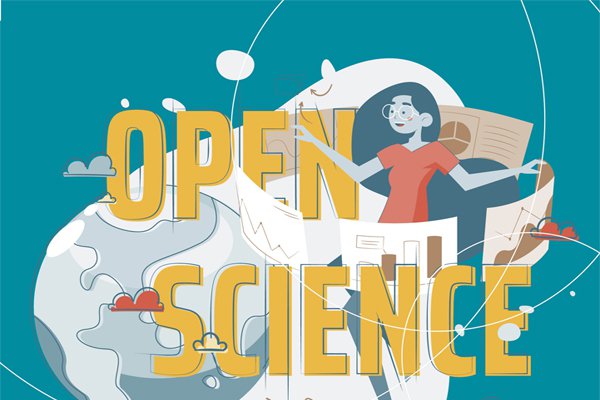
Open science is an exciting movement that aims to make scientific research more accessible, transparent, and collaborative. It’s all about sharing research findings, data, and methods with everyone, not just other scientists. While the idea of open science is gaining momentum, achieving full open science is a complex journey with many challenges. In this article, we’ll explore when we might expect to see the realization of full open science and the steps needed to get there.

What is Open Science?

Open science is a philosophy that promotes the sharing of scientific knowledge, data, and methods with the global community. It seeks to break down the traditional barriers in research and make science more transparent and inclusive. The core principles of open science include:

  1. Open Access: Making research papers and publications freely available to the public.
  2. Open Data: Sharing research data so others can verify and build upon it.
  3. Open Source: Using open-source software for research and sharing the code used in experiments.
  4. Collaboration: Encouraging scientists to work together and share their findings.
  5. Public Engagement: Involving the public in the scientific process and making science more understandable to non-scientists.

Challenges on the Path to Full Open Science

  1. Resistance to Change: Many researchers and institutions are accustomed to traditional publishing models and may resist the shift toward open science.
  2. Data Privacy and Security: Concerns about data privacy and security are challenging, especially when sensitive information is involved.
  3. Funding and Resources: Open science requires additional resources for data management, curation, and open access publishing, which may be a barrier for some researchers and institutions.
  4. Cultural Shift: A cultural shift is needed to encourage scientists to share their work openly and embrace collaboration.
  5. Incentives and Rewards: The current system of academic incentives often values publishing in prestigious journals over open sharing, which needs to change.

When Can We Expect Full Open Science?

Full open science is a lofty goal, and it’s challenging to predict when it will be fully realized. However, many steps are being taken to move closer to this ideal.

  1. Growing Awareness: The awareness of open science benefits is increasing among researchers and institutions. As more people understand the advantages of open science, they are likely to adopt these practices.
  2. Policy Changes: Governments and funding agencies are beginning to promote open science through policies and mandates. This could push the research community towards more openness.
  3. Technological Advancements: Advances in technology are making it easier to share data, collaborate, and communicate openly. Tools and platforms designed for open science are on the rise.
  4. Grassroots Movements: Grassroots efforts within the scientific community are pushing for change. Scientists are forming open science communities, sharing their work openly, and advocating for a more transparent system.
  5. Public Demand: As more people recognize the importance of science in their lives, they may demand greater transparency and accessibility in research.

Challenges and Opportunities on the Road to Full Open Science

Full open science is a commendable goal, but it will take time and effort to achieve. The scientific community, policymakers, and the public must work together to overcome the challenges and barriers that currently exist. While it’s difficult to predict an exact timeline for full open science, the movement is gaining momentum, and we are moving in the right direction. With increased awareness, policy changes, and technological advancements, we can look forward to a future where scientific knowledge is freely accessible to all, promoting greater collaboration and innovation.

Photo via In2English
Accelerating and Enhancing Research
Accelerating and Enhancing Research 1024 576 Open and Universal Science (OPUS) Project

As policymakers, one of key responsibilities is to support and facilitate research that can drive innovation, solve societal problems, and advance knowledge. Accelerating and enhancing research is not only beneficial for the scientific community but also essential for the well-being and progress of our society. In this article, we will explore several strategies that policymakers can implement to promote and bolster research efforts.

  1. Increased Funding and Grants

One of the most effective ways to accelerate research is by increasing funding and grants for research projects. Adequate financial support can enable researchers to pursue their work with greater dedication, access necessary resources, and attract top talent. Policymakers can allocate more resources to research through government agencies and collaborate with private sector partners.

  1. Encourage Interdisciplinary Collaboration

Encouraging interdisciplinary collaboration is vital to enhance the scope and impact of research. Policymakers can create incentives for researchers from different fields to work together on complex issues, fostering innovative solutions that may not be achievable in isolation.

  1. Open Access to Research

Policymakers can advocate for open access to research findings and data. Removing paywalls and promoting open access publishing ensures that scientific knowledge is available to the public and other researchers, leading to faster progress and a more informed society.

  1. Invest in Research Infrastructure

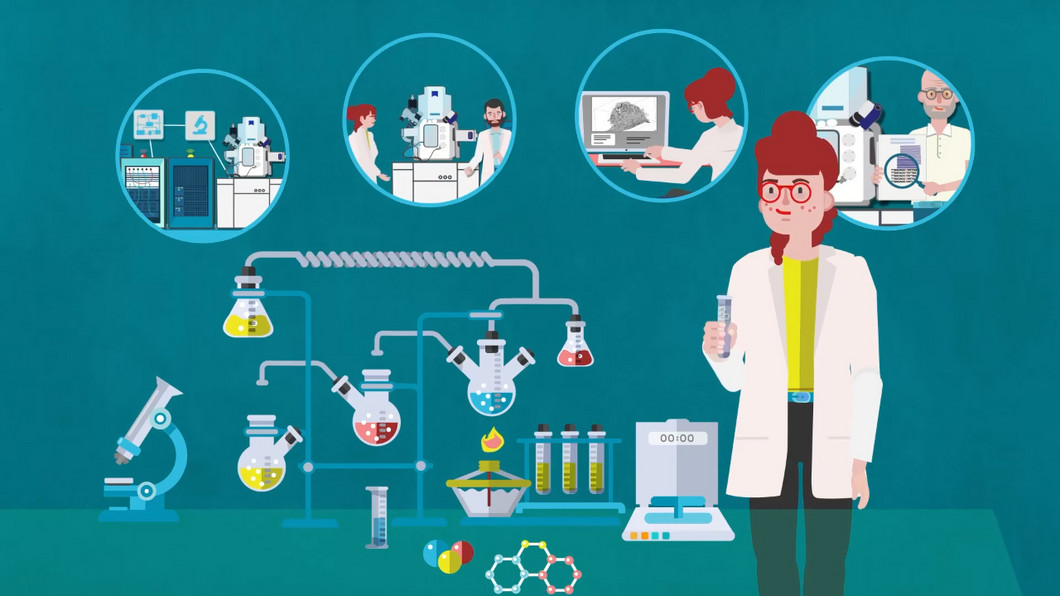
Research infrastructure, such as laboratories, equipment, and technology, plays a critical role in enhancing research capabilities. Policymakers can allocate resources to establish and maintain state-of-the-art research facilities that empower scientists to conduct cutting-edge experiments and studies.

  1. Support Education and Training

Enhancing research begins with investing in education and training programs. Policymakers can promote STEM (Science, Technology, Engineering, and Mathematics) education and provide scholarships and grants to encourage young talent to pursue research careers.

  1. Reduce Administrative Burdens

Research often involves a significant amount of administrative tasks. Policymakers can streamline bureaucratic processes to free up researchers’ time, allowing them to focus on their work rather than paperwork.

  1. Foster Ethical and Responsible Research

Policymakers should establish and enforce ethical guidelines and regulations for research. This ensures that research is conducted with integrity, protecting the rights and well-being of participants and maintaining the public’s trust in the research process.

  1. Encourage Public-Private Partnerships

Collaboration between the public and private sectors can accelerate research by combining resources, expertise, and innovation. Policymakers can promote and incentivize these partnerships to drive technological advancements and economic growth.

  1. Support Long-term Research

Encouraging long-term research projects can lead to groundbreaking discoveries. Policymakers can allocate funding for research with longer time horizons, acknowledging that some of the most significant advancements require sustained effort.

  1. Monitor and Evaluate Progress

Policymakers should regularly monitor and evaluate the impact of research investments. This allows for adjustments and redirection of resources to areas with the most promise and relevance.

Empowering Research for a Brighter Future

Policymakers play a pivotal role in accelerating and enhancing research for the betterment of society. By prioritizing funding, encouraging interdisciplinary collaboration, promoting open access to research, investing in research infrastructure, and supporting education, policymakers can create an environment conducive to innovative and impactful research. These efforts will not only advance scientific knowledge but also lead to solutions for some of the world’s most pressing challenges.

Photo via Life Science

Theories of Open Science: Unveiling the Secrets of Shared Knowledge
Theories of Open Science: Unveiling the Secrets of Shared Knowledge 600 400 Open and Universal Science (OPUS) Project

Open science is like a treasure chest of knowledge, waiting to be unlocked and shared with the world. But how does it work, and what are the theories behind it? In this article, we will explore the theories of open science in simple language to help you better understand this exciting concept.

What is Open Science?

Open science is all about making scientific research and knowledge available to everyone, not just a select few. It’s like sharing the recipe for a delicious cake so that anyone can bake it. This approach aims to make science more transparent, accessible, and collaborative.

Theories of Open Science

  1. Transparency Theory

Imagine if scientists conducted their experiments behind closed doors and never shared their methods or findings. Open science challenges this idea. The transparency theory argues that research should be open and transparent. Scientists should share their methods, data, and results with the public, allowing others to see how they arrived at their conclusions.

  1. Collaboration Theory

Collaboration is a cornerstone of open science. Instead of working in isolation, scientists collaborate with others worldwide. This theory believes that sharing ideas and working together can lead to faster and more accurate scientific discoveries. It’s like having a global team of scientists working on a problem together.

  1. Accessibility Theory

Accessibility theory focuses on making scientific knowledge accessible to everyone, regardless of their background or location. This means making research papers, data, and other scientific resources freely available to the public. Just like how we share our favorite recipes online, open science wants to share scientific knowledge for everyone to benefit.

  1. Reproducibility Theory

In science, it’s essential that experiments and studies can be repeated to verify the results. The reproducibility theory emphasizes the importance of sharing all the necessary details for others to replicate a study. This way, the scientific community can confirm the findings and build upon them.

  1. Citizen Science Theory

Citizen science involves regular people, not just scientists, in scientific research. This theory believes that anyone can contribute to science. Whether you’re counting birds in your backyard or analyzing data from your computer, you can be part of scientific discoveries. Open science encourages citizens to become active participants in the research process.

  1. Inclusivity Theory

Inclusivity theory focuses on involving a diverse group of people in scientific endeavors. It believes that by including people from various backgrounds, cultures, and experiences, we can address a broader range of research questions and develop more well-rounded solutions.

The Key Theories for a Brighter Future

The theories of open science are like guiding principles that lead the way in the world of shared knowledge. Open science promotes transparency, collaboration, accessibility, and inclusivity. It encourages the sharing of research, so anyone can access and contribute to the global pool of knowledge. Just like sharing your favorite recipes with friends, open science lets us share the secrets of science with the world, making it a better place for all.

Photo via NWO

Intellectual Property and Licensing in Open Science: Balancing Innovation and Access
Intellectual Property and Licensing in Open Science: Balancing Innovation and Access 1024 342 Open and Universal Science (OPUS) Project

In the ever-evolving world of science and innovation, Intellectual Property (IP) and licensing play a crucial role in shaping the way knowledge and inventions are shared and protected. Intellectual Property refers to the legal rights that creators and inventors have over their creations. These rights are designed to encourage innovation by providing creators with the assurance that they can benefit from their work. In recent years, discussions around intellectual property and licensing models have become more prominent, especially in the context of open science. Open science promotes the free exchange of knowledge and collaboration among researchers, but it also acknowledges the need to protect the interests of researchers and institutions. In this article, we’ll explore these discussions and the delicate balance between open access and intellectual property rights.

Understanding Intellectual Property Rights:

Intellectual property encompasses a range of creations, including inventions, artistic works, and scientific discoveries. There are different types of IP, including patents (for inventions), copyrights (for artistic and literary works), trademarks (for branding), and trade secrets (for confidential business information). These rights give creators and inventors the exclusive authority to use and control their work for a certain period. It allows them to benefit financially from their innovations and encourages further innovation.

The Open Science Movement:

Open science, on the other hand, emphasizes transparency and collaboration. It advocates for making research, data, and publications freely available to the public, fostering a more inclusive and accessible scientific community. This approach aims to accelerate the pace of discovery and innovation by removing barriers to information and encouraging widespread collaboration.

The Balancing Act:

Discussions around intellectual property and licensing in open science revolve around finding a balance between two often opposing principles: open access and protecting intellectual property rights.

  1. Open Access: Open science encourages researchers to share their findings openly, making research articles, data, and even software freely available. This fosters collaboration and helps scientists build upon each other’s work, accelerating the progress of science.
  2. Protecting Intellectual Property: Researchers and institutions invest significant time and resources into their work. Intellectual property rights protect their investments, giving them the ability to benefit from their discoveries and innovations.

Licensing Models in Open Science:

To strike a balance, many researchers and institutions are using various licensing models, such as Creative Commons licenses. These licenses allow creators to specify how their work can be used. For instance, some licenses permit sharing and adaptation of work for non-commercial purposes, while others allow unlimited use with proper attribution.

These licensing models enable scientists to share their work with the world while maintaining some control over its use. This way, they can support the principles of open science while ensuring that their intellectual property rights are respected.

The Future of Intellectual Property in Open Science:

As open science continues to gain momentum, discussions around intellectual property and licensing models will remain at the forefront. Striking a balance is essential. Researchers, institutions, and policymakers will need to consider how to foster innovation and collaboration while protecting the interests of those who invest time and resources into creating knowledge and inventions.

Intellectual property and licensing are pivotal in the open science movement. While the principles of open access and transparency are essential for advancing scientific knowledge, respecting intellectual property rights is crucial for encouraging innovation. Striking the right balance between these two principles will shape the future of science, ensuring that both knowledge and innovation can flourish in a mutually beneficial environment.

Photo via Shardul Amarchand Mangaldas & Co

Responsible Research Evaluation: Ethical Implications in Assessing Research
Responsible Research Evaluation: Ethical Implications in Assessing Research 844 280 Open and Universal Science (OPUS) Project

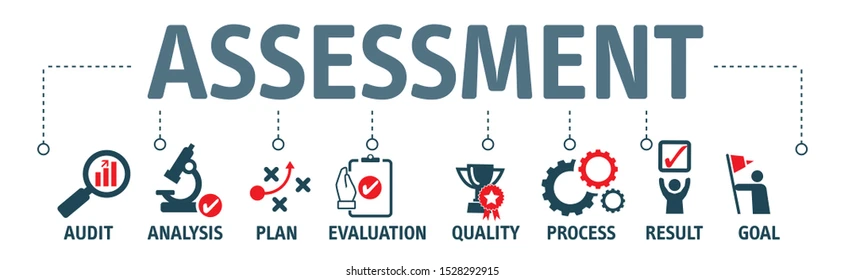
In the world of research and academia, the way we evaluate research is a critical topic. Responsible research evaluation is all about doing this in an ethical and fair way. In this article, we will explore what responsible research evaluation means, the ethical aspects it involves, and why it’s important in the world of science and discovery.

Understanding Responsible Research Evaluation

Responsible research evaluation means assessing research in a way that is just and fair. It’s not just about counting how many times a research paper is cited or how many awards a scientist has won. It’s about looking at the whole picture, including the ethical side of research.

The Ethical Side of Research Assessment

  1. Reproducibility: When scientists make a discovery or develop a new method, other scientists should be able to follow their steps and get the same results. Responsible research evaluation considers how easily others can reproduce the research. This is important because science should be built on solid and reproducible findings.
  2. Research Ethics: Every researcher has a set of rules they must follow to make sure their work is ethical. For example, they must treat research subjects with respect and protect their privacy. They should also be honest and transparent about their findings. Responsible research evaluation looks at whether the research follows these rules.
  3. Preventing Misconduct: Sometimes, researchers might be tempted to cheat or cut corners to get ahead. Responsible research evaluation helps to catch any misconduct early, ensuring that research is conducted honestly and ethically.

Why Responsible Research Evaluation Matters

  1. Scientific Progress: Responsible research evaluation ensures that scientific progress is made on a strong foundation of ethical research. It helps avoid building upon shaky or questionable findings.
  2. Trust: When research is assessed fairly and ethically, it builds trust in the scientific community. This trust is crucial because it helps the public believe in and rely on scientific findings.
  3. Preventing Harm: Ethical research evaluation can prevent harm. For example, if a drug is evaluated responsibly, it won’t be used until it’s proven safe and effective, protecting patients from harm.
  4. Fair Recognition: Responsible evaluation recognizes and rewards researchers who do their work with integrity and ethics, which motivates others to follow in their footsteps.

Ethical Research Evaluation: A Cornerstone of Scientific Integrity

Responsible research evaluation is a vital part of the scientific process. It goes beyond just counting numbers and delves into the ethical side of research. By making sure that research is conducted fairly and transparently, we can trust in the discoveries that shape our world and make scientific progress on a strong and ethical foundation. This is how we ensure that science remains a beacon of knowledge and discovery for everyone.

Photo via Shutterstock

Unlocking the Power of Open Science: A Key to Achieving UN SDGs
Unlocking the Power of Open Science: A Key to Achieving UN SDGs 1024 760 Open and Universal Science (OPUS) Project

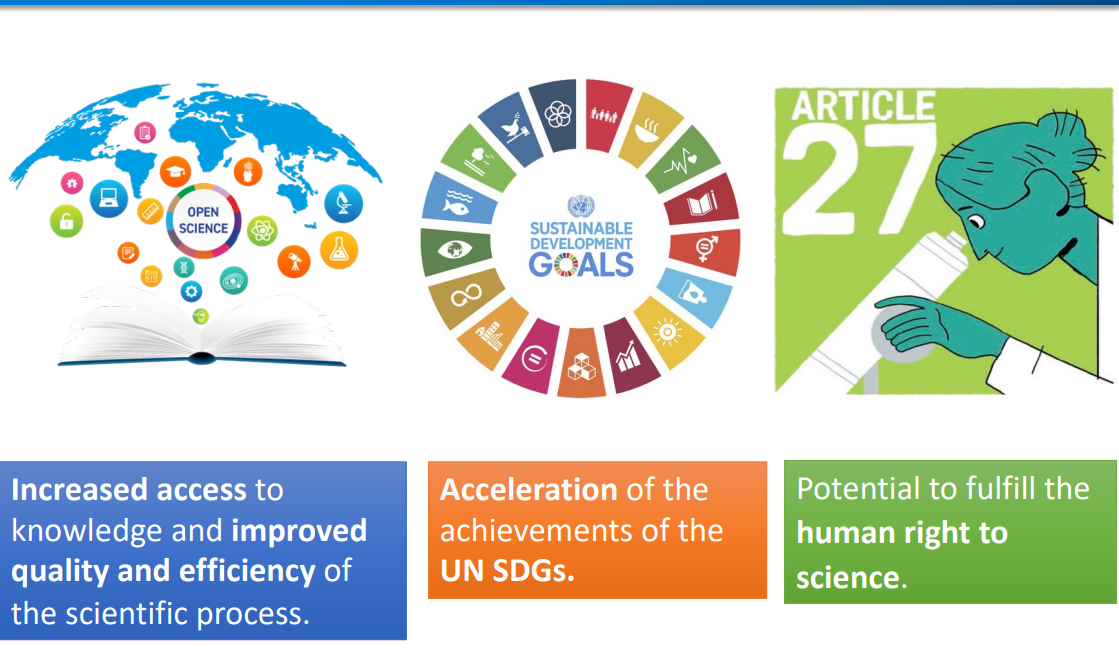
On July 12, 2023, from 8:00 to 9:30 a.m. ET, a significant side event took place during the High-Level Political Forum 2023: Acceleration of the Achievements of the UN SDGs. This event revolved around the essential concept of Open Science and its potential to accelerate progress towards sustainable development. In this article, we will delve into the principles of Open Science, its significance, and the steps taken to promote it, as outlined in the UNESCO Recommendation on Open Science.

Why Open Science?

Open Science is a pivotal concept that advocates for increased access to knowledge and the improvement of the scientific process in terms of quality and efficiency. At its core, Open Science is a commitment to making scientific knowledge universally accessible, allowing for broader participation and collaboration among researchers, and fostering innovation. But why is Open Science crucial, and how does it relate to the UN SDGs?

  1. Fulfilling the Human Right to Science

Open Science has the potential to fulfill the human right to science. The United Nations recognizes access to scientific knowledge as a fundamental human right, and Open Science plays a vital role in making this right a reality for people around the world. By promoting transparency, sharing, and accessibility, Open Science ensures that scientific knowledge is not confined to a privileged few but is available to all, enabling people to make informed decisions and participate in the scientific process.

Open Science Policy: The Pillars

To realize the potential of Open Science, a solid framework of policies, incentives, capacities, and infrastructures is necessary. This framework can be broken down into four key pillars:

  1. Making it Required: To encourage researchers to embrace Open Science, it is essential to establish requirements and guidelines that emphasize transparency, data sharing, and collaboration.
  2. Making it Rewarding: Reward systems need to be put in place to incentivize researchers to adopt Open Science practices. Recognition and career advancement for those who contribute to Open Science can drive cultural change.
  3. Making it Understandable: Promoting Open Science requires clear communication and educational efforts to ensure that researchers understand its importance and how to implement it in their work.
  4. Making it Possible/Easy: The infrastructure and tools for Open Science must be readily available and accessible, removing barriers to entry for researchers.

The UNESCO Recommendation on Open Science

In 2021, at the UNESCO 41st General Conference, 193 Member States recognized the significance of Open Science by adopting the UNESCO Recommendation on Open Science. This landmark decision marked the first international standard-setting instrument on Open Science and introduced a common definition and set of principles.

Key Highlights of the Recommendation:

  1. Definition of Open Science: The Recommendation provides the first internationally agreed-upon definition of Open Science, emphasizing the core values and principles that guide this movement.
  2. Actions and Stakeholders: It addresses various actors and stakeholders in Open Science and recommends actions to operationalize the principles at different stages of the scientific process.
  3. Comprehensive Monitoring: The Recommendation calls for the development of a comprehensive monitoring framework for Open Science to ensure its implementation and progress.

Why Open Science Policy?

Open Science policy is the foundation upon which the principles and values of Open Science are put into practice. The Working Group on Policy and Policy Instruments is guiding the development of Open Science policies and instruments. Here are some key factors they consider:

  1. Integration: Open Science policies should be integrated into existing scientific and research policies.
  2. Clarity and Comprehensiveness: Policies should be clear and comprehensive, leaving no room for ambiguity.
  3. Commitment to Resourcing: Adequate resources should be allocated to support Open Science initiatives.
  4. Equity and Inclusion: Policies should promote equity and inclusion to ensure that everyone can benefit from Open Science.
  5. Removal of Barriers: Barriers that hinder the practice of Open Science should be identified and removed.
  6. Monitoring and Evaluation: Effective monitoring and evaluation mechanisms should be in place to assess the impact of Open Science policies.

Empowering a Sustainable Future

Open Science is not just a theoretical concept but a practical approach that can accelerate progress towards the UN SDGs. By making knowledge more accessible and fostering collaboration among scientists, Open Science has the power to drive innovation and address global challenges. The UNESCO Recommendation on Open Science sets the stage for a global commitment to these principles, promoting a future where scientific knowledge is a universal right, accessible to all.

Check out full presentation (UNESCO)

The Role of Government Policies in Promoting Open Science
The Role of Government Policies in Promoting Open Science 1024 602 Open and Universal Science (OPUS) Project

Government policies play a crucial role in promoting open science. These policies can help break down barriers, foster innovation, and make scientific information more accessible to everyone. In this article, we’ll explore the significant role of government policies in advancing open science.

What is Open Science?

Open science is an approach to research that aims to make scientific processes and results accessible to the broader community. It involves sharing research findings, data, and methods openly, which can be beneficial in various ways.

  1. Access to Knowledge: Open science ensures that scientific knowledge is freely available to all, not locked behind paywalls or subscriptions. This openness democratizes information, allowing a wider audience to benefit from research.
  2. Transparency: Open science promotes transparency in research, making it easier for others to validate and replicate studies. This can help improve the quality and reliability of scientific research.
  3. Collaboration: Open science encourages collaboration among researchers, leading to a more diverse and inclusive research community. It allows experts from various backgrounds to work together to solve complex problems.
  4. Innovation: By sharing data and ideas openly, open science can accelerate the pace of innovation. Researchers can build upon each other’s work, leading to faster progress in scientific fields.

Government Policies and Open Science

Government policies play a pivotal role in shaping the scientific landscape. They can either hinder or facilitate the adoption of open science practices. Here are some ways in which government policies can promote open science:

  1. Open Access Mandates: Governments can require that publicly-funded research be made openly accessible to the public. This can be achieved through open-access journals or repositories, allowing anyone to access and benefit from the research funded by taxpayers.
  2. Data Sharing Requirements: Governments can mandate that researchers share their data, making it available for further analysis and verification. This ensures that research results can be independently assessed and built upon.
  3. Funding and Support: Government agencies can provide funding and support for open science initiatives. This can include grants for open-access publishing, data management, and infrastructure for open science projects.
  4. Intellectual Property Policies: Governments can revise intellectual property policies to facilitate open science. For instance, they can encourage the use of open licenses that allow others to reuse and build upon research outputs.
  5. Education and Training: Governments can invest in education and training programs to help researchers adopt open science practices. This includes teaching researchers how to properly manage and share their data and results.

Benefits of Government Support for Open Science

Government support for open science has several benefits for society and the scientific community:

  1. Accelerated Scientific Progress: Open science can lead to faster scientific progress by reducing duplication of efforts and enabling researchers to build upon existing work.
  2. Increased Public Trust: When research is conducted transparently and made accessible, it fosters trust between the public and the scientific community. This trust is crucial, especially in fields where public policies and decisions are heavily influenced by scientific research.
  3. Global Collaboration: Government policies promoting open science can facilitate collaboration among researchers across borders, enhancing the global scientific community’s ability to tackle pressing issues.
  4. Economic Growth: Open science can lead to innovation and economic growth by providing businesses and entrepreneurs with valuable research findings and data.

Unlocking the Potential of Open Science through Government Initiatives

Government policies play a pivotal role in advancing open science. By implementing mandates, providing support, and fostering a culture of transparency and collaboration, governments can ensure that scientific knowledge benefits everyone, not just a select few. Open science has the potential to accelerate progress, increase public trust, and drive innovation, making it an essential element of the modern research landscape. It is up to governments to embrace and promote open science as a means to unlock the full potential of scientific discovery.

Photo via Indian Retailer

The Economics of Open Access: A Sustainable Path to Universal Knowledge
The Economics of Open Access: A Sustainable Path to Universal Knowledge 1024 525 Open and Universal Science (OPUS) Project

Have you ever considered how academic research becomes available for others to read and learn from? Traditionally, much of this knowledge was locked behind paywalls, accessible only to those who could afford it. But there’s a new and more inclusive way of publishing known as Open Access. In this article, we’ll delve into the economics of Open Access and how it’s transforming the distribution of research, making it accessible to a broader audience.

Understanding Open Access

Open Access is like a library where the books are free for everyone. It means that research papers, articles, and academic books are available online without any cost. This is a departure from the traditional publishing model, where readers had to pay to access or download articles.

The Traditional Model

In the past, researchers would write their papers and submit them to publishers. These publishers would then package these papers into prestigious journals and sell access to universities and libraries. These institutions had to allocate substantial budgets for accessing these journals, rendering them beyond the reach of the average person. This setup created a divide in terms of who could access important research.

The Open Access Model

Open Access reverses this model. Instead of charging readers, it charges the authors or their institutions to cover the costs of editing, peer review, and publication. Once published, the research becomes freely accessible to anyone with an internet connection. This breakthrough ensures that research is within reach of students, scientists, and anyone curious, regardless of their financial means.

Sustainability in Open Access

For Open Access to function effectively, it must be sustainable. This means it should have sufficient resources to keep operating. Some Open Access publishers receive funding from universities and research funders to support their operations. Others charge authors a fee when they wish to publish their work, which contributes to the sustainability of the Open Access model.

Challenges and Opportunities

While Open Access is a remarkable step forward, it faces challenges. Not all authors or institutions can cover the publication fees, creating financial barriers. There are also concerns about the quality of some Open Access journals, which underscores the importance of ensuring high standards in the articles published.

The Economic Foundations of Inclusive Knowledge Sharing

Open Access is revolutionizing the way knowledge is shared and accessed. It aims to democratize knowledge, making it available to everyone, regardless of their location or financial situation. The economics of Open Access might have different models, but the end goal is consistent: a sustainable way to share research that benefits everyone. By making research freely available, Open Access is helping build a more enlightened and informed world, one article at a time.

Photo via Alliance University

The Reproducibility Crisis: How Open Science Can Save Research
The Reproducibility Crisis: How Open Science Can Save Research 630 535 Open and Universal Science (OPUS) Project

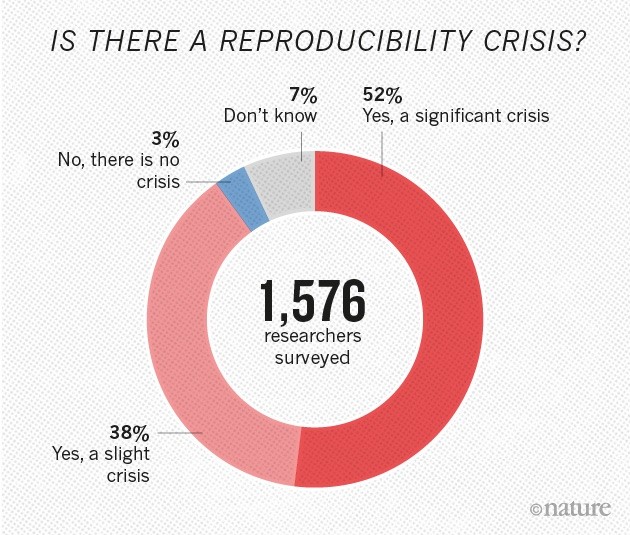
In the world of scientific research, there exists a quiet but persistent storm known as the “reproducibility crisis.” This crisis has shaken the very foundations of scientific inquiry, leading to a growing lack of trust in research findings. As the integrity of scientific research comes under scrutiny, it is imperative to explore potential solutions. One promising path towards redemption is Open Science, a movement aimed at fostering transparency, collaboration, and accountability within the scientific community. In this article, we will delve into the reproducibility crisis, its causes, and how Open Science can be the beacon of hope to restore trust in research.

The Reproducibility Crisis Unveiled

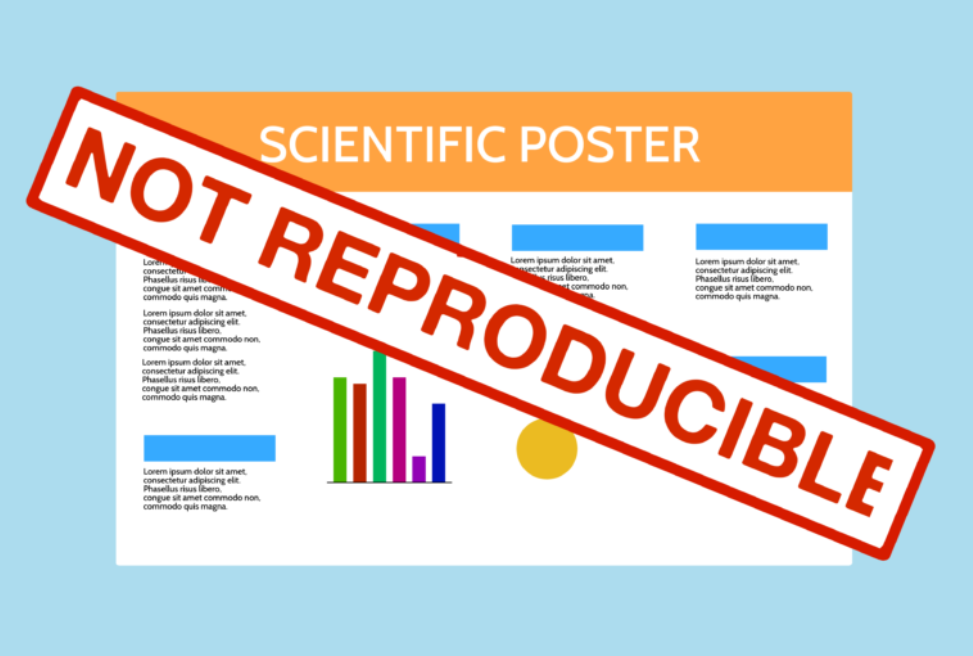
The reproducibility crisis refers to the alarming inability of scientists to replicate the findings of many published studies. This phenomenon threatens the credibility of scientific research across various disciplines, from psychology to medicine, and beyond. It has garnered attention not only from academics but also from the public, who rely on scientific advancements to improve their lives and the world at large.

Causes of the Crisis

Several factors contribute to the reproducibility crisis, including:

  1. Publication Bias: Journals often prioritize publishing novel and positive results, leading to the neglect of negative findings or replication studies.
  2. Questionable Research Practices: Researchers may engage in practices like p-hacking (manipulating data to achieve statistical significance) and HARKing (hypothesizing after results are known), which can distort results.
  3. Inadequate Statistical Methods: Suboptimal statistical analyses can lead to erroneous conclusions, making replication challenging.
  4. Lack of Data Sharing: Many researchers do not make their data and methods openly accessible, hindering the ability of others to verify and replicate their work.
  5. Pressure to Publish: The “publish or perish” culture can incentivize quantity over quality, encouraging rushed and less rigorous research.
Photo via The Aggie (https://theaggie.org/2020/06/01/an-ensuing-crisis-or-opportunity-the-role-quandary-of-replication-in-science/)

The Open Science Solution

Open Science presents a promising solution to the reproducibility crisis. It champions a set of practices that promote transparency, collaboration, and accessibility, thus restoring trust in research. Here’s how:

  1. Open Data and Methods: In the spirit of Open Science, researchers are encouraged to make their data, methods, and analysis code openly available. This allows for full transparency, making it easier for others to replicate the study.
  2. Preprints: Open Science platforms, such as arXiv and bioRxiv, enable researchers to share their findings before formal peer review. This not only accelerates the dissemination of knowledge but also invites constructive criticism, improving the quality of research.
  3. Open Access Journals: Open-access publishing models make research freely accessible to all, reducing barriers to information and promoting equitable access to knowledge.
  4. Registered Reports: This innovative publishing format allows researchers to submit detailed study protocols for peer review before conducting the research, ensuring that the methodology is sound and reducing the risk of publication bias.
  5. Crowdsourcing and Collaboration: Open Science encourages collaboration among researchers worldwide, harnessing the collective intelligence of the scientific community to address complex research questions.

A Brighter Future for Research: Open Science as the Way Forward

The reproducibility crisis casts a shadow of doubt over scientific research, threatening its credibility and the trust placed in it. However, Open Science offers a ray of hope. By embracing transparency, collaboration, and accountability, Open Science can help rectify the root causes of the crisis. Researchers, institutions, and funders must all come together to champion the Open Science movement, for it is the key to restoring faith in research and, in turn, advancing the frontiers of knowledge for the betterment of society.

Photo via Nature

Fostering Critical Thinking to Enhance Scientific Integrity and Reliability
Fostering Critical Thinking to Enhance Scientific Integrity and Reliability 1024 683 Open and Universal Science (OPUS) Project

Scientific progress is the bedrock of our modern world, driving technological innovations, medical advancements, and a deeper understanding of the universe. However, the reliability and integrity of scientific research have come under scrutiny in recent years, with concerns about reproducibility, bias, and the influence of external factors. To address these issues, fostering critical thinking in the scientific community is paramount. Critical thinking encourages researchers to question assumptions, evaluate evidence, and scrutinize methodologies, ultimately strengthening the integrity and reliability of scientific endeavors.

The Role of Critical Thinking

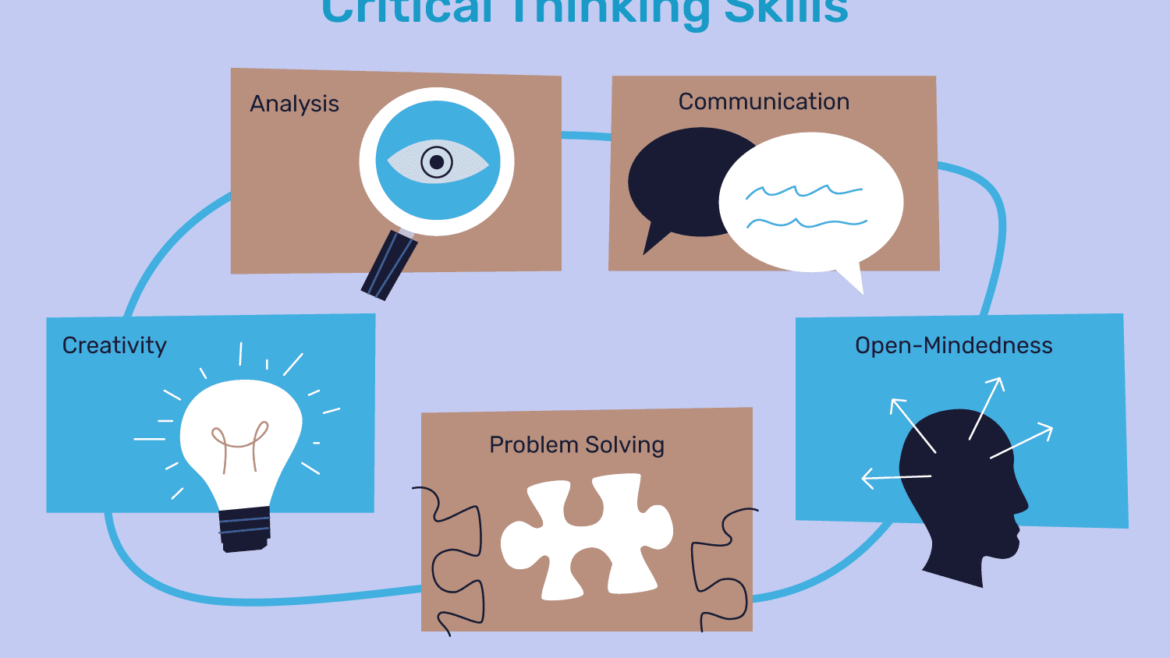
Critical thinking is a process of evaluating information and ideas objectively, without preconceived biases, emotions, or personal beliefs clouding judgment. In the realm of scientific research, critical thinking involves:

  1. Questioning Assumptions: Scientific inquiries often begin with assumptions or hypotheses. Critical thinkers challenge these assumptions, seeking to ensure that they are well-founded and not influenced by preconceived notions.
  2. Analyzing Evidence: Researchers must rigorously examine the evidence they collect. This includes considering the reliability of data, potential sources of bias, and the validity of statistical analyses.
  3. Scrutinizing Methodology: Critical thinkers assess the research methods employed, identifying any flaws or limitations. This scrutiny helps ensure that the methodology is robust and that the results are trustworthy.
  4. Identifying Bias: Bias can skew the interpretation of results. Critical thinking involves recognizing and mitigating both conscious and unconscious biases that may affect a study’s outcomes.
  5. Open-Mindedness: Scientists must be open to the possibility that their initial hypotheses may be incorrect. Critical thinkers are willing to accept evidence that challenges their preconceptions.

Ways to Foster Critical Thinking in Science

  1. Education: Critical thinking should be a fundamental component of scientific education. Encouraging students to question, analyze, and evaluate information from a young age helps develop strong critical thinking skills.
  2. Peer Review: The peer review process is a crucial checkpoint for scientific research. Reviewers must critically assess the validity and reliability of studies before publication, helping to weed out flawed or biased work.
  3. Collaborative Research: Collaborative research allows scientists to pool their knowledge and perspectives, enhancing the critical thinking process. Diverse teams can uncover potential biases and identify weaknesses in research methodologies.
  4. Transparency and Reproducibility: Transparency in reporting methods, data, and results fosters critical thinking. When others can scrutinize and reproduce experiments, it becomes easier to identify flaws and strengthen the integrity of research.
  5. Ethical Guidelines: Ethical guidelines and research ethics committees play a critical role in promoting scientific integrity. They ensure that research is conducted with the highest ethical standards, reducing the likelihood of bias and misconduct.

Challenges and Concerns

While critical thinking is a powerful tool for enhancing scientific integrity, there are challenges to its widespread adoption:

  1. Time Constraints: In the fast-paced world of scientific research, time constraints can hinder thorough critical evaluation, leading to oversights.
  2. Institutional Pressures: Pressure to publish and secure funding can sometimes compromise the rigor of research. Scientists may be tempted to cut corners or rush experiments.
  3. Cognitive Bias: Even the most dedicated critical thinkers can fall victim to cognitive biases, which are inherent in human decision-making. Awareness and active efforts to mitigate these biases are essential.

Embracing a Culture of Inquiry and Scrutiny

Enhancing scientific integrity and reliability is a shared responsibility. Critical thinking is a fundamental tool in this endeavor, empowering researchers to question assumptions, scrutinize evidence, and uphold the highest ethical standards. By fostering critical thinking at all levels of scientific inquiry, we can build a more reliable foundation for scientific progress, ensuring that the knowledge we generate stands the test of time and benefits society as a whole.

Photo via Thought Co

Privacy Preferences

When you visit our website, it may store information through your browser from specific services, usually in the form of cookies. Our Privacy Policy can be read here.

Here you can change your Privacy preferences. It is worth noting that blocking some types of cookies may impact your experience on our website and the services we are able to offer.

Click to enable/disable Google Analytics tracking code.
Click to enable/disable Google Fonts.
Click to enable/disable Google Maps.
Click to enable/disable video embeds.
Our website uses cookies, mainly from 3rd party services. Define your Privacy Preferences and/or agree to our use of cookies.