Research

OPUS Project Showcased at BEAMING Open Science Hybrid Clustering Event
OPUS Project Showcased at BEAMING Open Science Hybrid Clustering Event 1024 535 Open and Universal Science (OPUS) Project

On 18 November 2024, the BEAMING Open Science Hybrid Clustering event brought together experts from various EU-funded projects to discuss advancements in Open Science practices. The event, held in Novi Sad, Serbia, featured presentations from key initiatives, including the OPUS project, which focuses on reforming research assessment to incentivise Open Science.

Gareth O’Neill, Principal Consultant on Open Science at Technopolis Group Belgium and a team member of OPUS, delivered a presentation on the project’s progress in developing a Researcher Assessment Framework (RAF). O’Neill highlighted OPUS’s guiding principles for researcher assessment, emphasising the framework’s adaptability across different countries, disciplines, and organisationsThe presentation showcased the OPUS RAF, which combines quantitative and qualitative metrics to evaluate researchers’ contributions to Open Science. O’Neill stressed the importance of distinguishing between processes, outputs, and outcomes in assessment, while allowing institutions flexibility in implementing the framework.Professor Saša Zelenika from the University of Rijeka (UNIRI) complemented O’Neill’s overview by presenting a detailed case study of UNIRI’s pilot implementation of the OPUS framework. The UNIRI pilot, involving 17 early-career researchers in law and social sciences, aims to integrate Open Science practices into research, education, and valorisation activities over an 18-month period.

The event’s agenda included presentations from other significant projects such as DIAMAS, OSTrails, TIER-2, and PATHOS, fostering a rich environment for knowledge exchange and collaboration. Participants engaged in panel discussions and Q&A sessions, exploring various aspects of Open Science implementation across European institutions.Professor Zelenika later remarked on the event, noting, “The participants showed great enthusiasm and eagerness to adopt Open Science practices, although some face challenges in their local settings.”

The BEAMING event served as a crucial platform for clustering Open Science initiatives, facilitating dialogue between projects, and showcasing best practices in research assessment reform. As the 

OPUS project continues its work towards its conclusion in August 2025, events like these play a significant role in disseminating findings and fostering broader adoption of Open Science principles across the European Research Area.
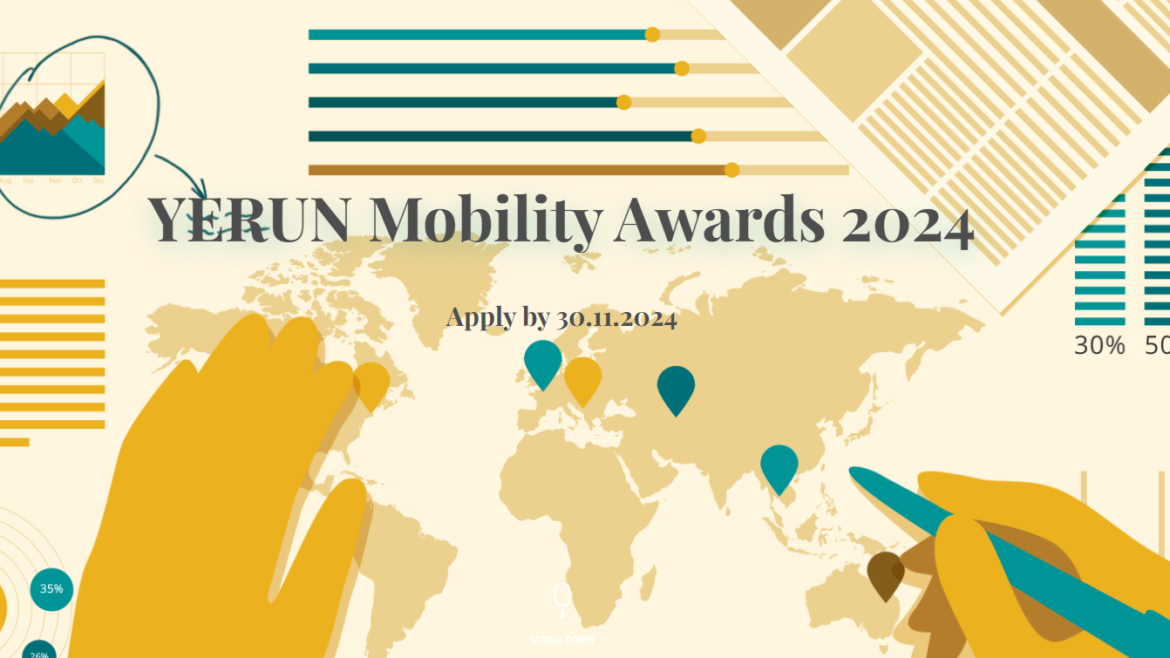
YERUN Research Mobility Awards 2024-2025: Expanding Opportunities for Collaborative Research
YERUN Research Mobility Awards 2024-2025: Expanding Opportunities for Collaborative Research 1024 442 Open and Universal Science (OPUS) Project

The YERUN Research Mobility Awards (YRMA) are back for the 2024-2025 cycle, bringing fresh updates designed to foster impactful research collaborations across the YERUN network. Open to both early-career and mid-career researchers, this year’s program emphasizes interdisciplinary and cross-institutional research, encouraging diverse academic exchanges across Europe.

New Features for 2024-2025

This year’s edition of the YRMA introduces several enhancements aimed at creating deeper and more collaborative research experiences:

  1. Group Proposals Encouraged: In a shift towards more dynamic research cooperation, YRMAs now require applications to be group-based. Each proposal must include at least two researchers from different YERUN member universities, reinforcing the program’s commitment to strengthening cross-institutional partnerships.
  2. Increased Funding: A total of 10 awards will be granted, each valued at €4,000. This boost in funding provides recipients with more robust support to pursue larger and more ambitious projects.
  3. Broadened Eligibility: The awards are now open to both early- and mid-career researchers, as defined by Euraxess Research Profiles, expanding opportunities for experienced researchers to engage in new collaborations and contribute their expertise.

Why Apply?

The YERUN Research Mobility Awards offer unique benefits, including:

  • Opportunities to forge new research collaborations across Europe
  • Engagement in interdisciplinary and cross-sector projects
  • Knowledge exchange with peers at other YERUN institutions
  • Potential to develop future research initiatives, including publications and grant proposals
  • Financial support for in-person or virtual exchanges to facilitate collaborative research

Application Process

To apply, researchers should:

  1. Form a collaboration with at least one other researcher from a different YERUN member university.
  2. Submit their proposal via the online application platform by 30 November 2024 (23:59 CET). While there is no strict character limit, applicants are advised to keep each section of the proposal within 4,000 characters, including spaces.

Connecting with Collaborators

YERUN encourages researchers to use the Connect by YERUN platform to network and find collaborators across YERUN member universities. Sign in with your ORCID account and ensure your institutional email is publicly visible on your ORCID profile, as this is required to access the platform.

Further Information and Support

An information session was held on 7 November to guide potential applicants and answer questions. Researchers who missed this session or have further questions can contact the YERUN Brussels Office at YRMA@yerun.eu.

With the 2024-2025 YERUN Research Mobility Awards, researchers have the chance to establish valuable partnerships, exchange knowledge, and contribute to the advancement of European research networks. Good luck with your applications!

Ukrainian Open Science Forum 2024: A Gateway to Open Science Advancement in Ukraine
Ukrainian Open Science Forum 2024: A Gateway to Open Science Advancement in Ukraine 1024 452 Open and Universal Science (OPUS) Project

The Ukrainian Open Science Forum (UOSF) 2024 is set to be a key event in advancing open science practices in Ukraine, bringing together international experts, researchers, and policymakers committed to fostering Open Science initiatives. This forum serves as a platform for collaboration, knowledge exchange, and policy development, aiming to support the implementation of the National Open Science Plan in Ukraine.

Hosted within the EU-funded OPTIMA project framework, UOSF 2024 will run alongside the 11th International Youth Science Forum “Litteris et Artibus” and the Kick-Off Conference of the Ukrainian Reproducibility Network. By uniting these three influential events, the forum underscores a shared commitment to enhancing reproducibility, transparency, and accessibility in scientific research within Ukraine and beyond.

Event Highlights

The forum promises a rich agenda, featuring discussions, presentations, and workshops led by experts in open science and related fields. Participants will explore best practices in open-access publishing, data sharing, reproducibility, and collaborative research, with sessions tailored to inform and shape policies that support the National Open Science Plan.

Who Should Attend

The UOSF 2024 invites academics, researchers, policymakers, students, and all advocates of open science to join. The event offers both in-person and online attendance options, making it accessible to a global audience. Registration is free, and those participating online will receive a link to join the sessions prior to the event.

Join UOSF 2024 to be part of Ukraine’s journey toward a more open and collaborative scientific landscape.

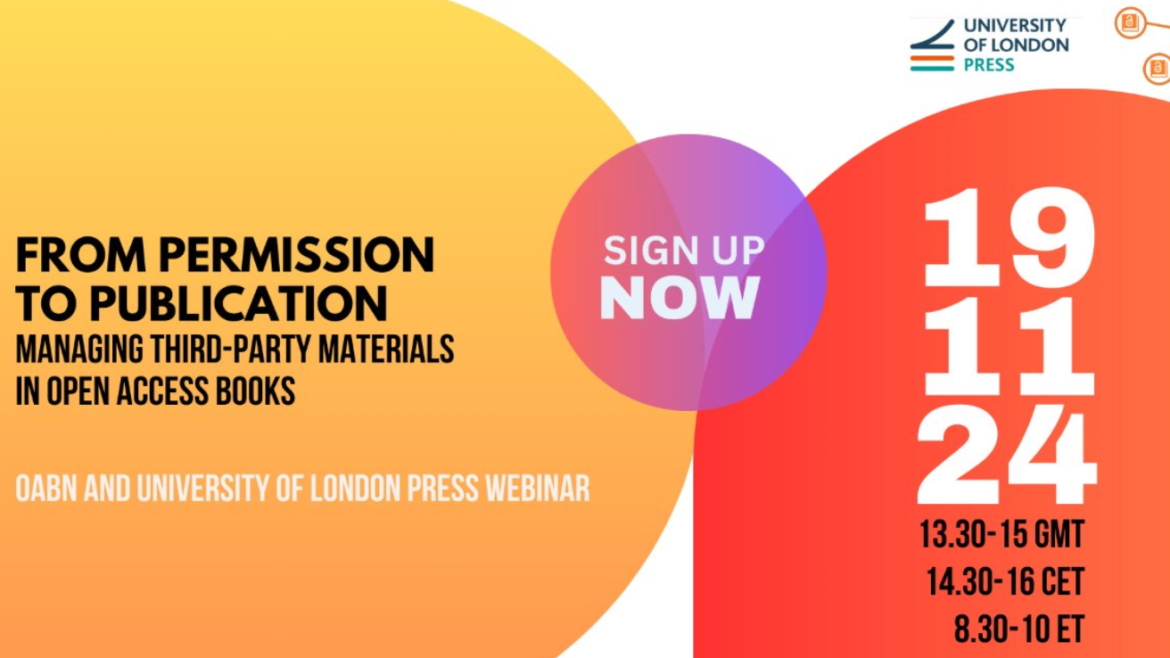
Upcoming Webinar: Navigating Third-Party Materials in Open Access Books
Upcoming Webinar: Navigating Third-Party Materials in Open Access Books 1024 568 Open and Universal Science (OPUS) Project

Date: November 19, 2024
Time: 2:30 PM (GMT)

Event Overview
The Open Access Books Network and University of London Press are hosting a practical and solutions-focused webinar designed to address the challenges and possibilities of including third-party materials in open access books. This engaging session will feature a diverse panel of experts, each bringing a unique perspective on issues related to third-party materials, copyright, and permissions. The event aims to provide attendees with strategies to overcome common obstacles and to support greater access and inclusivity in open publishing.

Panelists and Their Perspectives
Attendees will hear from esteemed panelists who bring expertise from multiple sectors relevant to open access publishing:

  • Professor Jan M. Ziolkowski – Arthur Kingsley Porter Professor of Medieval Latin at Harvard University, who will share an author’s viewpoint on navigating third-party content in academic publications.
  • Dr. Emma Gallon – Publisher at the University of London Press, offering insights from a publishing perspective.
  • Professor Emily Hudson – Faculty of Law, Queen’s College, University of Oxford, providing legal expertise in copyright issues.
  • Dr. Arran Rees – Representative from the GLAM sector, with experience from “Towards a National Collection” and the Museum Data Service, focusing on collections and permissions within galleries, libraries, archives, and museums.

Interactive Breakout Sessions
Following the panel discussion, participants will join breakout sessions to explore personal challenges in securing permissions for third-party materials and share successes. This session encourages open dialogue and aims to identify additional resources and support needs to improve the process of permissions acquisition for open access works.

Whether you’re an author, publisher, or member of the GLAM community, this webinar offers valuable insights and practical strategies to navigate the complexities of third-party materials in open access books.

Register here!

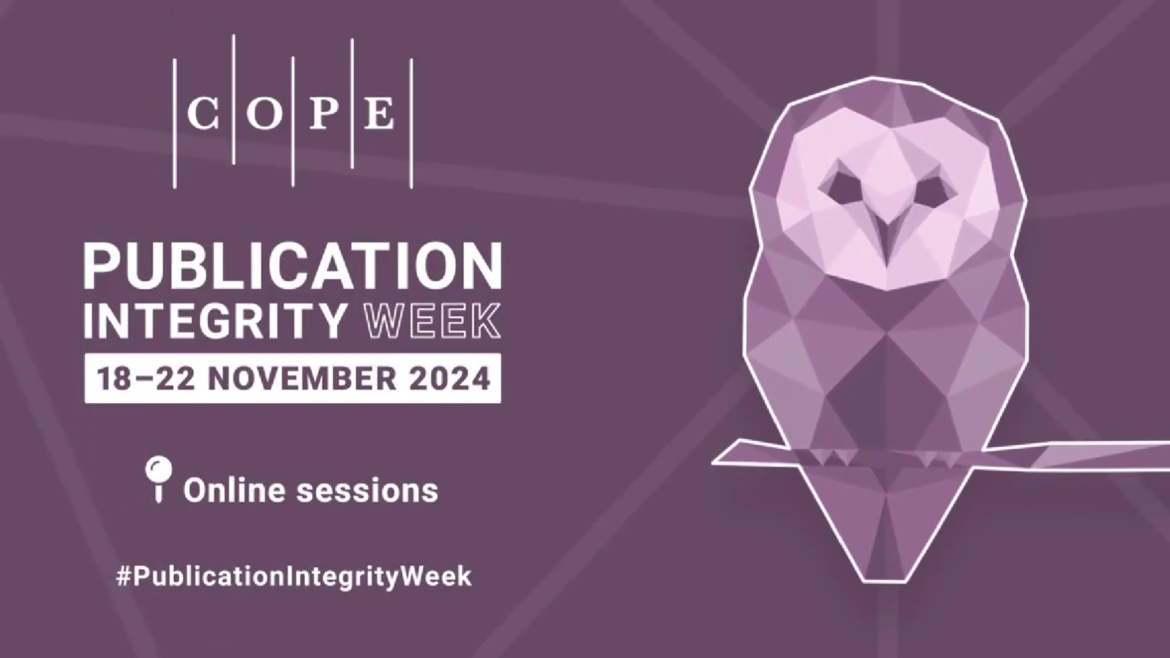
Announcing Publication Integrity Week 2024
Announcing Publication Integrity Week 2024 1024 537 Open and Universal Science (OPUS) Project

Dates: November 18–22, 2024
Format: Online

The Committee on Publication Ethics (COPE) is thrilled to host Publication Integrity Week 2024, a virtual event exploring the full spectrum of issues surrounding publication ethics and integrity in research publishing. This year’s event includes a range of interactive sessions and expert discussions, designed to foster transparency, address current challenges, and promote collaboration among those involved in research publishing.

Who Should Attend?
This event is open to everyone in the publication ethics community, including editors, publishers, integrity officers, and others interested in upholding ethical standards in research publishing. While COPE Members can attend all sessions for free, non-members are also welcome to participate, with select sessions available at no cost and others for a small fee.

Event Highlights by Day

  • Monday, November 18: Plagiarism
    Sessions will delve into the evolving landscape of plagiarism detection, ethical considerations, and challenges posed by modern evasion techniques. Attendees will hear from scholars on topics ranging from ownership of knowledge to redefining misconduct.
  • Tuesday, November 19: Working Together
    Focusing on collaborative integrity, this day’s program invites journals, publishers, and universities to share effective strategies for maintaining publication ethics through joint efforts.
  • Wednesday, November 20: The Future of Publication Ethics
    Experts will discuss the integration of AI in detecting ethical issues, expanding ethics into non-traditional publications, and the future of peer review.
  • Thursday, November 21: Paper Mills
    Two public sessions will spotlight initiatives to address “authorship for sale” and other unethical practices associated with paper mills, with a workshop available for COPE members.
  • Friday, November 22: Dealing with Data
    This day emphasizes inclusivity and responsibility in data handling, covering best practices in managing diverse datasets and ensuring ethical use of qualitative data in research.

How to Register
Registration closes on November 14, 2024. Participants can register for the sessions they’re most interested in and gain valuable insights to uphold and promote integrity within the research publishing community.

Join for a week dedicated to advancing publication ethics and fostering meaningful discussions that will shape the future of research publishing.

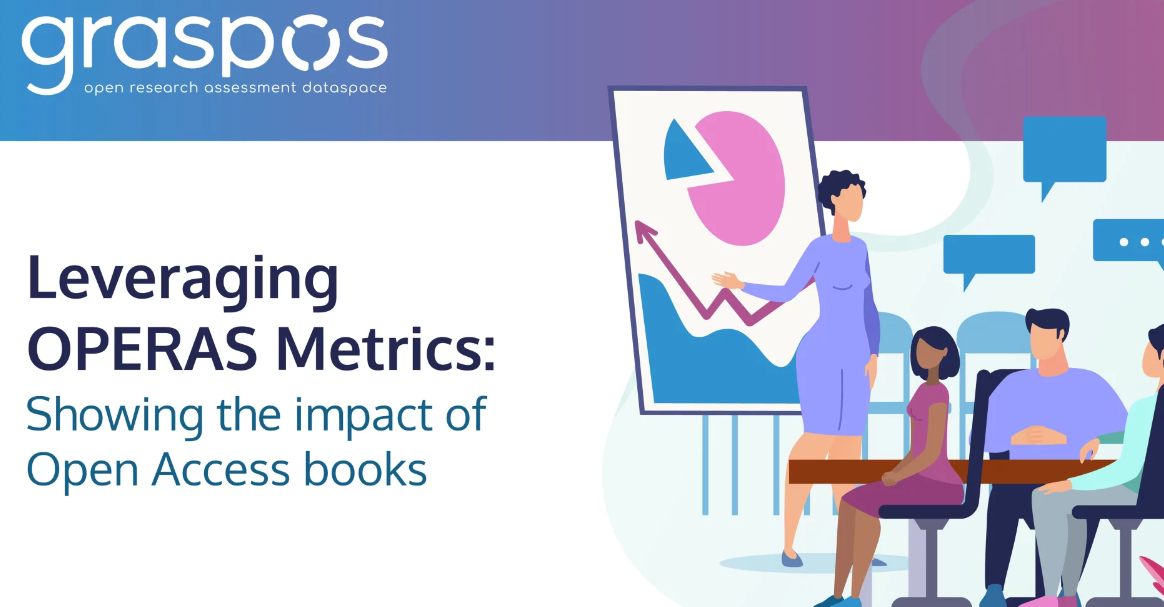
Upcoming Training on OPERAS Metrics: Measuring the Impact of Open Access Books
Upcoming Training on OPERAS Metrics: Measuring the Impact of Open Access Books 1024 534 Open and Universal Science (OPUS) Project

On November 26, 2024, from 13:00 to 15:00 CET, OPERAS will host an online training session focused on OPERAS Metrics, a valuable tool designed to measure the impact and usage of Open Access (OA) books. This database aggregates data from multiple sources to give a comprehensive view of OA book usage, offering critical insights for researchers, librarians, and publishers involved in Open Access publishing.

The session is divided into two parts:

  • Introduction to OPERAS Metrics: The first part will introduce OPERAS Metrics’ key features and benefits, detailing how it aligns with broader research assessment practices and the Open Science-focused objectives of the GraspOS project.
  • Hands-on Training: In the second half, participants will engage in a step-by-step tutorial on using OPERAS Metrics, equipping them with practical skills to analyze and understand OA book metrics.

The training is ideal for researchers, research support staff, OA authors, and publishers who want to leverage OPERAS Metrics in research evaluation.

Presenters: Carol Delmazo, Fotis Mystakopoulos, Maxim Kupreyev (OPERAS), Rowan Hatherley, Cristian Garcia (Ubiquity Press)
Moderator: Zenia Xenou (OpenAIRE)
Venue: Virtual (Zoom)

Registration is open!

Join for DANS Open Day 2024: A Celebration of Open Data and Open Science
Join for DANS Open Day 2024: A Celebration of Open Data and Open Science 646 647 Open and Universal Science (OPUS) Project

On Thursday, November 14, DANS (Data Archiving and Networked Services) invites the research support community, policymakers, and researchers to The Hague for an enriching day dedicated to Open Data and Open Science. This event is designed to foster collaboration, inspire innovation, and showcase the principles that drive open scientific practices.

The day promises thought-provoking lectures by leading voices in the field, interactive workshops, and ample networking opportunities. Attendees will have the chance to engage with peers, explore new perspectives, and learn from both emerging and established approaches to open science.

Event Schedule

Morning Programme

  • 09:15 – 10:00 | Walk-In
    Visit our Open Market for information stands on the latest in Open Data and Open Science.
  • 10:00 – 10:45 | Round 1: Lectures & Workshops
  • 10:45 – 11:15 | Coffee Break
    Refresh and connect with fellow attendees.
  • 11:15 – 12:00 | Round 2: Lectures & Workshops
  • 12:00 – 13:00 | Lunch Break

Afternoon Programme

  • 13:00 – 13:45 | Round 3: Lectures & Workshops
  • 13:45 – 14:15 | Coffee Break
  • 14:15 – 15:00 | Round 4: Lectures & Workshops
  • 15:00 – 16:30 | Networking Drinks
    End the day with networking opportunities, fostering connections within the Open Science community.

Throughout the day, the Open Market will be open, featuring information stands to further explore resources, services, and initiatives supporting Open Data and Open Science.

Join the Conversation

DANS Open Day 2024 is an opportunity to deepen your understanding of Open Science, network with like-minded professionals, and discuss the latest advancements in research support. Whether you’re a researcher, a policymaker, or a part of the research support community, this event offers something for everyone.

Join for ICOR’s Final Public Meeting of the Year on Research Metrics and Indicators
Join for ICOR’s Final Public Meeting of the Year on Research Metrics and Indicators 702 280 Open and Universal Science (OPUS) Project

ICOR announced the final ICOR public meeting of 2024, focusing on aligning best practices for developing and utilizing research metrics and indicators. Mark your calendars for November 13 at 8am PST, 11am EST, 4pm GMT, or 5pm CET, and join for an insightful discussion on advancing responsible and impactful research assessment.

Agenda and Registration

This meeting will explore how research quality and impact are measured and understood. Traditional metrics have often been limited in scope, but change is on the horizon. Over the past decade, the responsible research assessment movement has gained momentum, advocating for structured narratives as a richer, alternative approach to demonstrating research impact. Alongside this, new indicators for open scholarship have emerged, aimed at recognizing and encouraging open practices. As the community adopts these broader indicators, there’s an opportunity for alignment on good assessment practices to provide a more nuanced understanding of research impact.

Meeting Highlights

The agenda includes presentations from three expert speakers who will share their insights into contemporary research assessment strategies:

  1. Research Metrics – Shared Goals for All
    • Speaker: Kelly Cobey, University of Ottawa Heart Institute and Co-Chair of DORA
    • Time: 15 minutes, followed by 5 minutes for questions
  2. The Emergence of Structured Narratives
    • Speaker: Karen Stroobants, CultureBase Consulting
    • Time: 15 minutes, followed by 5 minutes for questions
  3. Balancing Data-Driven Metrics with Context
    • Speaker: Iratxe Puebla, Make Data Count
    • Time: 15 minutes, followed by 5 minutes for questions

Join the Discussion and Shape Future ICOR Topics

Anna Hatch, Program Officer for Open Science Strategy at Howard Hughes Medical Institute (HHMI), will open the session, introducing the topic and the speakers. Together, the presentations will explore ways the research community can collaborate, connect, and learn from one another to build responsible and inclusive assessment practices.

Register here to secure your spot at the meeting!

Open Science and Research Assessment Reform: A Converging Movement for Transparent Research
Open Science and Research Assessment Reform: A Converging Movement for Transparent Research 1024 583 Open and Universal Science (OPUS) Project

As traditional, publication-driven methods of assessing research and researchers face increasing criticism, new movements are emerging to promote responsible research assessment and Open Science practices. These two trends, now gaining momentum across Europe, offer an opportunity to reinforce one another: research assessment reform can propel Open Science adoption, and the transparency Open Science offers can drive meaningful changes in how research is evaluated.

To explore these synergies, the Centre for Science and Technology Studies (CWTS) at Leiden University is hosting a series of bimonthly sessions focused on integrating Open Science into research assessment practices.

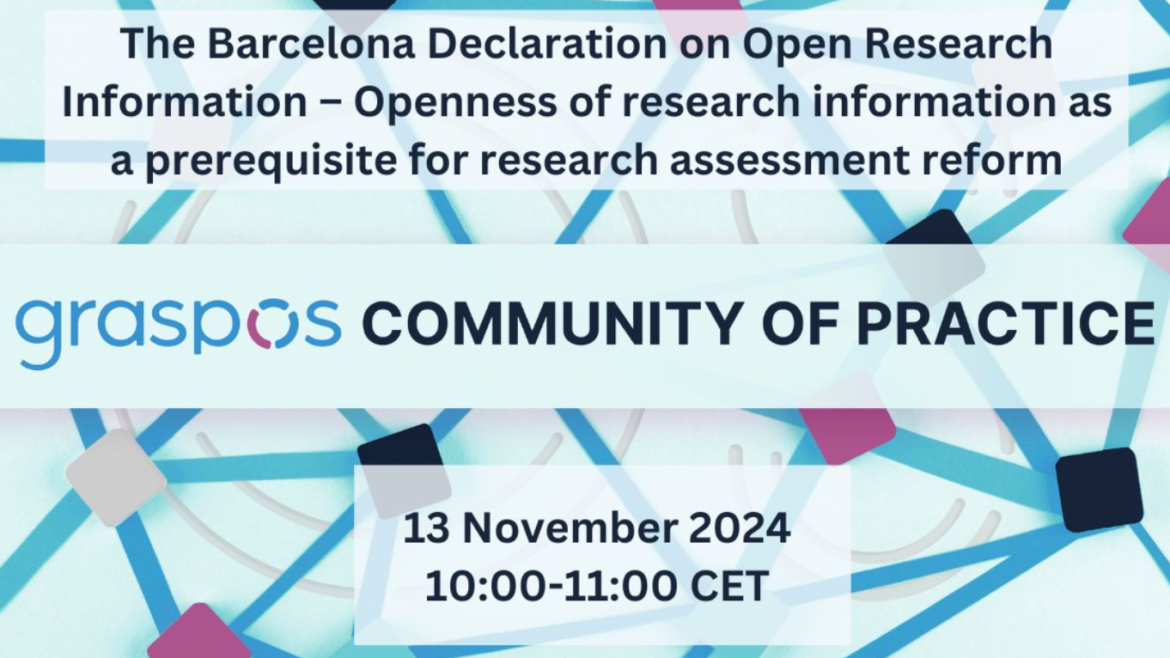
Upcoming Session: The Barcelona Declaration on Open Research Information

The next session, taking place on 13 November 2024, from 10:00 to 11:00 CET, will focus on the Barcelona Declaration on Open Research Information. The declaration, launched in April 2024, underscores the importance of openness in research information as a foundation for research assessment reform. Signed by over 80 organizations, it calls for:

  1. Default Openness of Research Information: Ensuring that research information is openly accessible, fostering transparency and accountability.
  2. Collaboration with Open Services and Systems: Working with systems that support open information to benefit the research community.
  3. Sustainable Infrastructures: Supporting long-term infrastructures to maintain open access to research information.
  4. Unified Effort for Transition: Promoting collaboration between organizations to shift from closed, proprietary systems to open research information ecosystems.

Background: Addressing Proprietary Barriers in Research Information

Research information plays a crucial role in managing research activities and evaluating researchers and institutions. However, much of this data remains locked within proprietary infrastructures managed by for-profit companies, which primarily serve shareholder interests rather than those of the research community. The Barcelona Declaration challenges this closed system by advocating for an open research information ecosystem.

Roadmap to Open Research Information

Following the recent Paris Conference on Open Research Information (held on September 23–24, 2024), a joint roadmap was developed to transition from closed to open systems for research information. This roadmap provides a structured path forward, supporting the sustainable development of open, accessible, and equitable research infrastructures.

Panel Discussion: Insights from Leading Experts

This session will feature a panel discussion with key figures involved in the Barcelona Declaration and related initiatives:

  • Bianca Kramer: Coordinator of the Barcelona Declaration.
  • Thanasis Vergoulis: Representative from the GraspOS project.
  • Janne Pölönen: Member of the Coalition for Advancing Research Assessment (CoARA).

The discussion will cover how open research information can enhance transparency in research assessment and the practical steps needed to make this transition. The panelists will share insights on how openness can lead to more equitable, accessible, and impactful research evaluation systems.

Who Should Attend?

This event is ideal for researchers, research managers, policymakers, and anyone interested in the future of Open Science and research assessment reform.

Register to Attend

To join this transformative discussion and receive the event link, register here. This is an opportunity to engage with leading experts and gain insights into how the future of research assessment and Open Science are interlinked. Don’t miss the chance to be part of this movement toward a transparent and responsible research ecosystem.

Understanding Horizon Europe Open Science Requirements: A Practical Guide for Grant Holders
Understanding Horizon Europe Open Science Requirements: A Practical Guide for Grant Holders 1024 680 Open and Universal Science (OPUS) Project

If you’re a Horizon Europe (HE) grant holder, you may have questions about your obligations regarding Open Access to publications and Research Data Management. This article provides a breakdown of the HE requirements and highlights the tools and services available through OpenAIRE to ensure compliance. By the end, you’ll have a clearer understanding of the expectations, and be equipped with resources to manage and share your research data effectively.

Horizon Europe Open Science Requirements: Key Points

Open Science practices are an integral part of Horizon Europe’s framework, designed to foster transparency, accessibility, and reproducibility in research. These requirements fall under two primary categories:

  1. Open Access to Publications: All publications resulting from HE-funded projects must be openly accessible. This mandate emphasizes making research findings available to the wider community without barriers, promoting a free exchange of knowledge.
  2. Research Data Management (RDM): HE grant holders are also required to manage and share research data responsibly. This includes establishing Data Management Plans (DMPs), which outline how data will be handled during and after a project, ensuring data transparency and accessibility.

Mandatory and Recommended Open Science Requirements

Horizon Europe has both mandatory and recommended practices related to Open Science:

  • Mandatory Requirements: These include providing Open Access to publications, creating Data Management Plans, and reporting publications and datasets.
  • Recommended Practices: While not obligatory, researchers are encouraged to implement practices like pre-registering studies, sharing methodologies, and making their data FAIR (Findable, Accessible, Interoperable, Reusable).

Ensuring Compliance with Open Access Mandates

To comply with the HE Open Access requirements:

  • Publish in Open Access Journals or Repositories: HE-funded researchers must publish their findings in platforms that ensure immediate open access or deposit the publications in repositories that support open access.
  • Respect Copyright and Licensing Norms: Researchers should apply licenses like Creative Commons to ensure publications remain open and accessible.

Managing and Sharing Research Data in HE Projects

Research data generated within HE projects must be managed and shared according to best practices. This process includes creating a Data Management Plan (DMP), which is submitted and reviewed as part of the project’s lifecycle.

  • Data Management Plans (DMPs): These documents specify how data will be collected, managed, stored, and shared, ensuring compliance with HE’s data-sharing guidelines.
  • Dataset Reporting: In addition to sharing publications, researchers must report all relevant datasets generated through their work, promoting transparency and data accessibility.

Supporting Compliance with OpenAIRE Tools and Services

OpenAIRE, a not-for-profit organization supported by several Horizon Europe grants, offers a variety of tools and services to aid in Open Science compliance. These resources are especially helpful for project coordinators, research managers, librarians, and data stewards who play a critical role in implementing Open Science practices.

  • OpenAIRE’s Services for HE Projects: OpenAIRE provides services to support compliance, including a repository for publications, DMP templates, and tools for dataset reporting. These resources are tailored to the needs of HE projects, simplifying the process of fulfilling Open Science obligations.

Upcoming Webinar: A Practical Session on HE Requirements

To aid grant holders in understanding these requirements, OpenAIRE is hosting a webinar dedicated to HE’s Open Science obligations.

  • Date & Time: 22nd November 2022, 12:00 CET
  • Target Audience: Project Coordinators, Researchers, Research Managers, Librarians, and Data Stewards

During this session, OpenAIRE experts will present the HE Open Science requirements, demonstrate key tools, and address participant questions. This is an ideal opportunity for HE grant holders to gain hands-on insights into managing Open Science obligations.

Register and Join!

For those interested in ensuring they meet HE’s Open Science requirements, this webinar promises a wealth of practical advice and expert guidance. Make sure to register and take advantage of this opportunity to enhance your understanding and compliance.

Privacy Preferences

When you visit our website, it may store information through your browser from specific services, usually in the form of cookies. Our Privacy Policy can be read here.

Here you can change your Privacy preferences. It is worth noting that blocking some types of cookies may impact your experience on our website and the services we are able to offer.

Click to enable/disable Google Analytics tracking code.
Click to enable/disable Google Fonts.
Click to enable/disable Google Maps.
Click to enable/disable video embeds.
Our website uses cookies, mainly from 3rd party services. Define your Privacy Preferences and/or agree to our use of cookies.