Research

Conditional State Funding for Universities: Open Science Initiative
Conditional State Funding for Universities: Open Science Initiative 800 420 Open and Universal Science (OPUS) Project

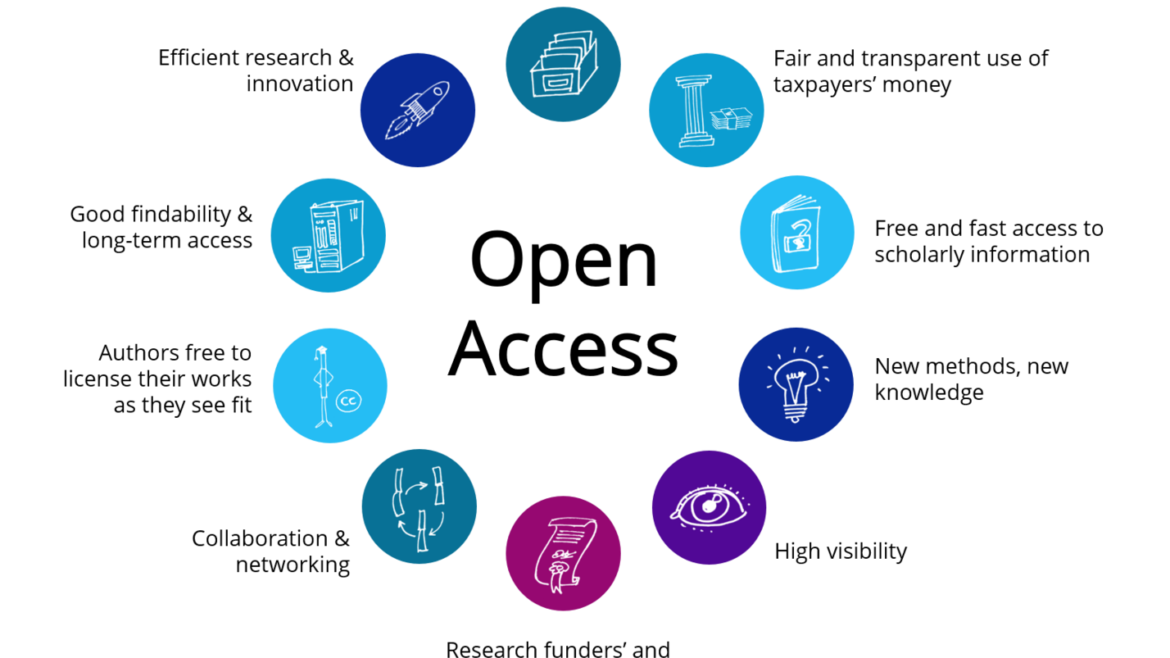
As the global academic community increasingly embraces open science, the question of how to effectively implement and sustain open research practices has come to the forefront. One promising approach to incentivize this transition is the introduction of conditional state funding for universities, which ties financial support to adherence to open science principles. This strategy presents both a challenge and an opportunity: it can drive significant advancements in open science but requires careful implementation to ensure its effectiveness and fairness.

The Case for Conditional State Funding

Open science—characterized by open access to research outputs, open data, and collaborative research practices—promises to enhance transparency, reproducibility, and accessibility in academia. However, moving from traditional, closed models to open science requires substantial institutional changes and resources. State funding, often a major source of revenue for universities, can play a crucial role in this transition by providing the necessary financial support while simultaneously driving policy changes.

Conditional state funding is a mechanism where universities receive state financial support based on their commitment to specific open science criteria. These criteria might include increasing the availability of open access publications, adopting open data practices, and fostering interdisciplinary and collaborative research. By linking funding to these criteria, states can effectively incentivize universities to prioritize and integrate open science practices.

Designing Effective Conditional Funding Models

For conditional state funding to be effective, it must be carefully designed and implemented. Here are key considerations for developing a successful model:

  1. Clear Criteria and Metrics: Establishing clear, measurable criteria for what constitutes adherence to open science is essential. These criteria should cover various aspects of open science, such as the percentage of research outputs published openly, the extent of data sharing, and the degree of public engagement. Metrics should be specific, attainable, and aligned with best practices in open science.
  2. Support and Resources: Transitioning to open science requires resources and support. Conditional funding should not only serve as an incentive but also provide universities with the resources needed to meet the open science criteria. This includes funding for infrastructure, training programs, and administrative support for managing open access and data sharing.
  3. Flexibility and Inclusivity: Different universities have varying capacities and starting points regarding open science. The funding model should accommodate these differences by offering flexible criteria and phased implementation plans. It should also consider the diverse needs of universities across different regions and disciplines to ensure that all institutions can participate meaningfully.
  4. Transparency and Accountability: Ensuring transparency in the allocation and evaluation of conditional funding is crucial. Universities should be required to report on their progress towards meeting open science criteria regularly. Independent audits or evaluations can help maintain accountability and provide insights into the effectiveness of the funding model.
  5. Continuous Improvement: The field of open science is evolving, and so should the conditional funding model. Regularly reviewing and updating the criteria based on emerging best practices and technological advancements will help maintain the relevance and effectiveness of the funding initiative.

Potential Benefits and Challenges

Conditional state funding can drive significant progress in open science by providing a strong financial incentive for universities to adopt and implement open practices. This approach can lead to increased transparency, improved research quality, and greater public access to scientific knowledge.

However, there are challenges to consider. Universities might face difficulties in adapting to new open science requirements, and the pressure to meet funding criteria could lead to unintended consequences, such as prioritizing compliance over genuine engagement with open science principles. Additionally, there is a risk that conditional funding might exacerbate inequalities between universities with differing levels of resources and infrastructure.

Case Studies and Success Stories

Several countries and institutions have experimented with conditional funding models to promote open science. For example, in Europe, initiatives like Horizon Europe include requirements for open access to publications and data management plans as part of their funding conditions. These initiatives have demonstrated that linking funding to open science practices can foster substantial progress and innovation.

Future Prospects

Conditional state funding represents a promising strategy to advance open science by aligning financial incentives with the adoption of open research practices. By carefully designing and implementing funding models with clear criteria, adequate support, and a focus on continuous improvement, states can drive meaningful changes in the academic landscape. The successful integration of open science into university practices not only enhances the transparency and impact of research but also contributes to a more equitable and informed society. As such, conditional state funding could serve as a powerful catalyst for the open science revolution, paving the way for a more open, collaborative, and accessible research environment.

Photo via Schools Week

LSE Press Symposium: What’s in Store for Social Sciences Publishing?
LSE Press Symposium: What’s in Store for Social Sciences Publishing? 1024 538 Open and Universal Science (OPUS) Project

Monday, 21 October 2024

3.00 pm to 7.00 pm GMT+1
LSE Library, United Kingdom

Social sciences publishing is at a transformative crossroads in the digital age. From the rise of artificial intelligence (AI) and other emerging technologies to shifting funding policies, the landscape is evolving rapidly. What does this mean for the future of publishing in the social sciences?

To address these questions, LSE Press is hosting a free and public symposium titled “What’s in store for social sciences publishing?”. This event, part of #OAWeek, will take place at the London School of Economics’ (LSE) iconic library. The symposium is designed for prospective authors, early career researchers, and those interested in the growing Open Access (OA) movement in academic publishing.

About LSE Press

Founded in 2018, LSE Press is LSE’s Open Access publishing platform, dedicated to the dissemination of high-quality research across the social sciences. With a commitment to equity in academic research, LSE Press operates under the guiding principle that research and teaching resources should be free to read and widely accessible. Their collection of books and journals is available for free download on their website, helping to democratize access to knowledge.

As an academic publisher embedded within a university, LSE Press is uniquely positioned to understand the challenges facing scholars in the digital age. This symposium is part of their effort to bridge the gap between early career researchers and the complexities of academic publishing, particularly in the evolving Open Access landscape.

Symposium Highlights

The event will feature a rich program of discussions, knowledge sharing, and networking opportunities aimed at fostering connections between researchers and publishing professionals. Key topics will include social sciences publishing processes, Open Access innovations, and practical advice for prospective authors.

Event Program

  • 3:00 pm – 3:30 pm
    Arrival and Registration
  • 3:30 pm – 3:40 pm
    Welcome and Introductions
    Michael Bruter, Incoming Associate Vice-President and Pro-Vice Chancellor for Research, will welcome attendees on behalf of Susana Mourato, Vice-President and Pro-Vice Chancellor for Research.
  • 3:40 pm – 4:10 pm
    Keynote
    The symposium’s keynote speaker is Professor Philippe Sands, a distinguished figure in international law and human rights. His talk will set the tone for the day, exploring the intersections of law, social sciences, and publishing.
  • 4:10 pm – 4:55 pm
    The Author’s View: 5-Minute Insights from LSE Press Authors
    This segment will feature short insights from a diverse group of LSE Press authors, followed by a Q&A session.
    • Chair: Professor Martin Lodge
    • Speakers: J. McKenzie Alexander, David Luke, Irene Buccelli, Sarmistha Pal, Naila Kabeer, and Sandy Pepper
  • 4:55 pm – 5:05 pm
    Break
  • 5:05 pm – 6:05 pm
    The Publisher’s View: Demystifying Book Publishing
    This panel discussion will offer insights into the intricacies of book publishing from the perspective of publishers and academics.
    • Chair: Professor Dame Sarah Worthington (LSE Press)
    • Speakers: Lou Peck (The International Bunch), Professor Mathijs Pelkmans (LSE Anthropology), and Dr. Catherine Souch (Royal Geographical Society)
  • 6:05 pm – 6:10 pm
    Closing Remarks by Niamh Tumelty – LSE Library
  • 6:10 pm – 7:00 pm
    Networking Reception
    The event will conclude with a networking reception, providing a space for attendees to connect with peers, authors, and publishing professionals.

LSE Library: An Iconic Venue

The symposium will be hosted at the LSE Library, also known as the British Library of Political and Economic Science. Established in 1896, just a year after LSE itself, the library has long been a hub of intellectual activity, inspiring generations of researchers, writers, and artists across many disciplines. The library’s rich physical and digital collections, including the Women’s Library and Hall-Carpenter Archives, make it a fitting venue for this event, embodying the tradition of academic excellence and public engagement that LSE represents.

This symposium offers a rare opportunity for those interested in social sciences publishing to learn from industry leaders, engage in insightful discussions, and explore the future of academic publishing in an ever-changing digital world.

This event is free and open to all.

LSE Library: The British Library of Political and Economic Science10 Portugal Street London WC2A 2HD United Kingdom

Register here.

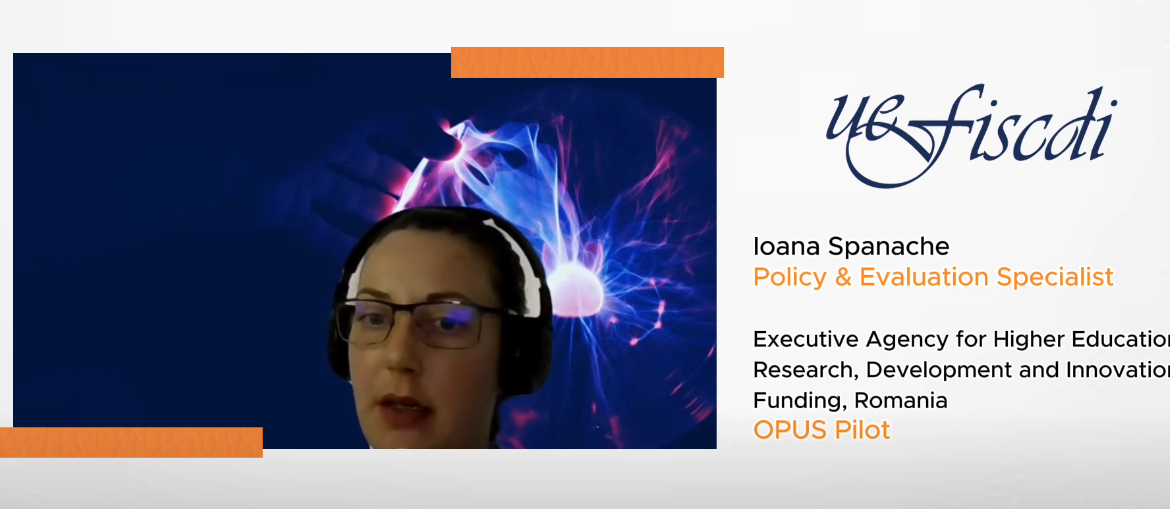
Enhancing Research Assessment: The Role of the Executive Agency for Higher Education, Research, Development, and Innovation Funding in Romania
Enhancing Research Assessment: The Role of the Executive Agency for Higher Education, Research, Development, and Innovation Funding in Romania 1024 421 Open and Universal Science (OPUS) Project

The Executive Agency for Higher Education, Research, Development, and Innovation Funding (UEFISCDI) in Romania is making significant strides in modernizing research assessment through its participation in the OPUS project. As one of the pilot organizations testing the OPUS Research Assessment Framework, UEFISCDI is focused on introducing interventions and indicators that incentivize and reward researchers for adopting open science practices.

UEFISCDI is the primary funding body for competitive research in Romania and serves as a key policy advisor to the Ministry of Education and the Ministry of Research. The organization plays a crucial role as a national hub for open science, supporting the development and implementation of related policies. This commitment is reflected in its rigorous and robust research assessment process, which incorporates international peer review and advanced digital platforms.

One of the agency’s notable strengths lies in its comprehensive research assessment procedures, which balance quantitative and qualitative indicators. The use of platforms like Brainmap, which boasts over 60,000 registered accounts from researchers worldwide, and the UDiManager and eVoks platforms, has significantly streamlined operations, improving data accuracy and efficiency.

Despite these advancements, UEFISCDI faces challenges, including ensuring sustainable funding in a competitive environment, balancing different assessment criteria, and reducing administrative burdens. The agency recognizes the need to shift away from traditional metrics like journal impact factors and is working closely with the research community to introduce new practices and indicators.

The OPUS framework has already influenced UEFISCDI’s approach to research assessment, prompting the introduction of new indicators in pilot funding calls, such as those for centers of excellence. The framework also aligns with ongoing efforts in other projects like the GRASP-OS, where UEFISCDI is developing a new researcher profile model that emphasizes openness and responsible research assessment.

Through these initiatives, UEFISCDI is positioning itself at the forefront of research assessment reform, aligning with European and international standards to foster a more open and innovative research environment in Romania.

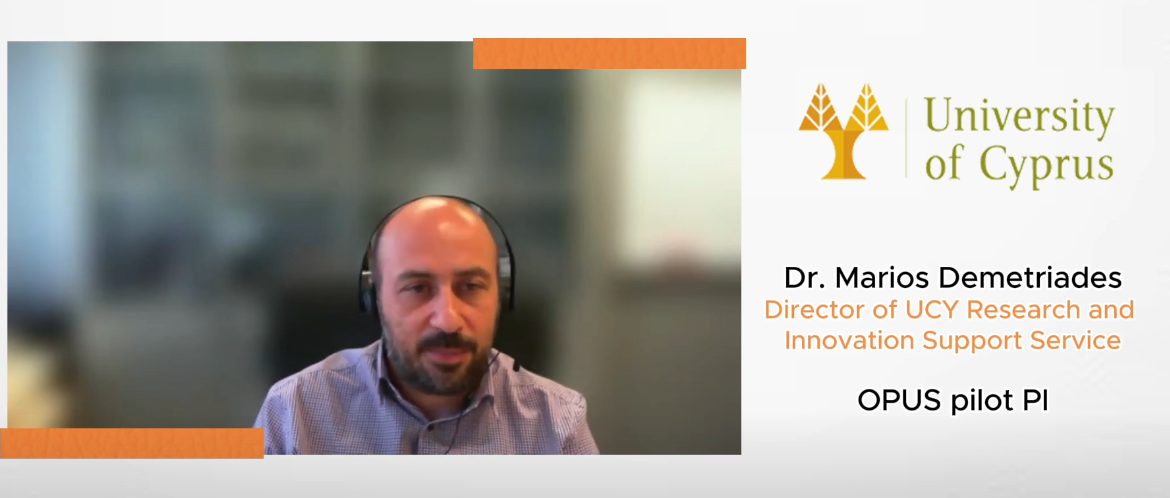
University of Cyprus Advances Research Assessment with OPUS Project
University of Cyprus Advances Research Assessment with OPUS Project 1024 416 Open and Universal Science (OPUS) Project

The University of Cyprus is making significant strides in enhancing research assessments and promoting open science through its participation in the OPUS project. As a research-performing organization pilot, the university is aligning with European Union directives to improve its open science practices and research assessment processes.

The University of Cyprus has already demonstrated its commitment to this cause by signing both the DORA Declaration and the COARA agreement. These commitments have led the university to review and revise its research assessment policies and practices. A key strength identified through this self-assessment process is the balanced use of both quantitative and qualitative evaluation methods, ensuring that all research assessments, whether for hiring, promotion, or grant evaluation, incorporate a mix of metrics.

However, the university acknowledges challenges, such as the lack of official recognition for peer review contributions and an implicit bias towards publications in high-impact journals. There is also a need to place greater importance on locally relevant research and the broader impacts of research, such as economic, societal, and open science contributions.

Despite these challenges, the introduction of the OPUS research assessment framework is already making a positive impact. It has provided a clearer context for open science activities and helped the university map out potential actions for further integrating open science into its research assessments. By reflecting on the OPUS framework, the University of Cyprus is building a pilot that aims to significantly improve research assessment processes, with a particular focus on embedding open science at all levels.

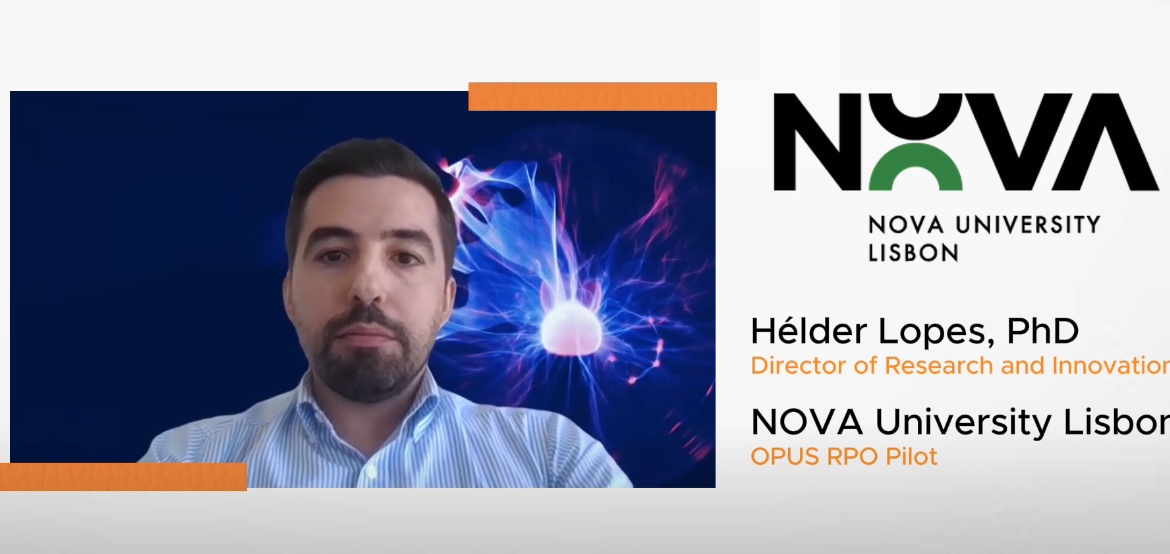
Nova University Leads the Way in Research Assessment Reform
Nova University Leads the Way in Research Assessment Reform 1024 468 Open and Universal Science (OPUS) Project

Nova University is at the forefront of reshaping research assessment as part of its commitment to open science and international standards. As one of the pilots in the Open and Universal Science (OPUS) project, Nova University is actively working to reform research evaluation processes, ensuring they incentivize practices that enhance the quality and societal impact of research.

An early signatory of the agreement on reforming research assessment, Nova University has made significant strides, including revising its regulation on the evaluation of researcher performance to align with international standards and the principles of responsible research assessment (QUOR). This revision is part of a broader effort to acknowledge diverse research outputs and encourage practices that improve research quality and impact.

One notable initiative is the Nova Research Impact Narratives Challenge, launched last year, which encourages faculty and researchers to articulate the real-world impact of their research in a compelling and understandable way. This initiative underscores the university’s focus on moving beyond traditional bibliometrics and funding metrics, highlighting how research benefits society at large.

Nova University recognizes that reforming research assessment is a cultural change that requires time and gradual implementation. With nine diverse schools spread across the Lisbon metropolitan area, the university faces the challenge of balancing quantitative and qualitative performance indicators while accommodating the unique needs of different disciplines.

To support these efforts, Nova University is also working towards obtaining the HR Excellence in Research Award, aligning its human resource policies with European Commission principles, including those related to the recruitment and assessment of researchers.

Through participation in projects like OPUS, Nova University reflects on its practices, exchanges experiences with partners, and drives positive change. The university is piloting new ways of assessing research, particularly in areas like citizen science projects and software development, to better align with global open science strategies and best practices.

Nova University’s commitment to research assessment reform is paving the way for a more inclusive, impactful, and internationally aligned research environment.

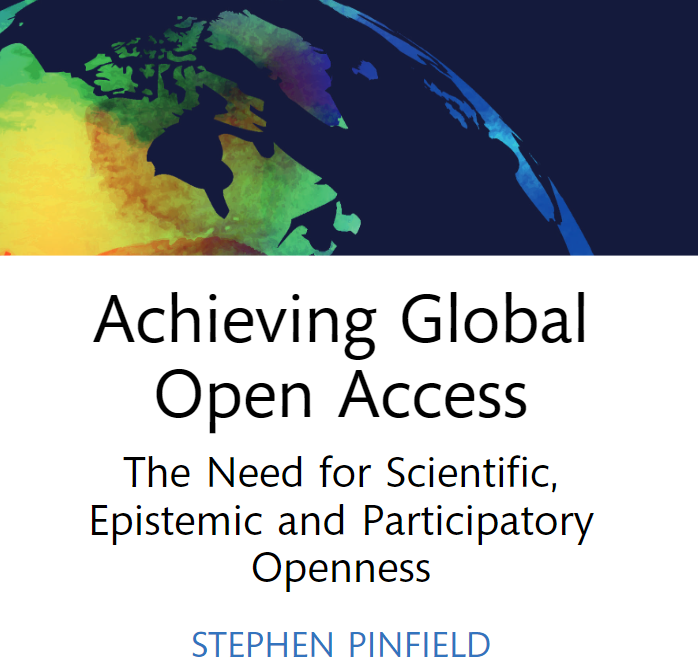
Achieving Global Open Access by Stephen Pinfield
Achieving Global Open Access by Stephen Pinfield 698 705 Open and Universal Science (OPUS) Project

Stephen Pinfield’s book, Achieving Global Open Access, delves into the crucial conditions necessary to realize an effective and equitable global Open Access (OA) system. While OA is often celebrated as a self-evident good, Pinfield addresses growing concerns that it may perpetuate global inequities and epistemic injustices. Critics argue that OA can impose exploitative business models, reinforce exclusionary research practices, and marginalize certain forms of knowledge.

Pinfield acknowledges these criticisms and expands the conversation beyond traditional publishing models and academic reward structures. He explores the broader implications of OA, questioning what constitutes valid and valuable knowledge, how knowledge is produced, and who is granted the authority to define it. To fully realize the potential of OA, Pinfield argues that it must be linked to ‘epistemic openness,’ which calls for a more inclusive understanding of knowledge. Additionally, ‘participatory openness’ is essential, enabling contributions from a diverse array of communities.

The book critically examines the challenges in implementing these forms of openness, the interactions between them, and their limitations. Through a combination of theoretical insights and practical examples, Pinfield provides a comprehensive analysis of the current state and future possibilities of OA.

Achieving Global Open Access is an essential read for academics and students in Library and Information Science, Open Access, and Publishing. It is also of significant interest to library and publishing professionals worldwide.

Stephen Pinfield, a Professor of Information Services Management at the University of Sheffield and a Senior Research Fellow at the Research on Research Institute, brings extensive experience to this work. He has been a prominent figure in scholarly communication, open science, and research policy since the early 2000s. As the founding Director of Sherpa, Pinfield played a pivotal role in developing open systems and services that support the global OA community.

This book is part of the Routledge Critical Studies on Open Access series, which offers the latest critical perspectives on OA. With contributions from international experts, the series is relevant to those in various disciplines, including library, archival, and information science, as well as media, communication, and publishing studies.

Pinfield, S. (2024). Achieving Global Open Access: The Need for Scientific, Epistemic and Participatory Openness (1st ed.). Routledge. https://doi.org/10.4324/9781032679259

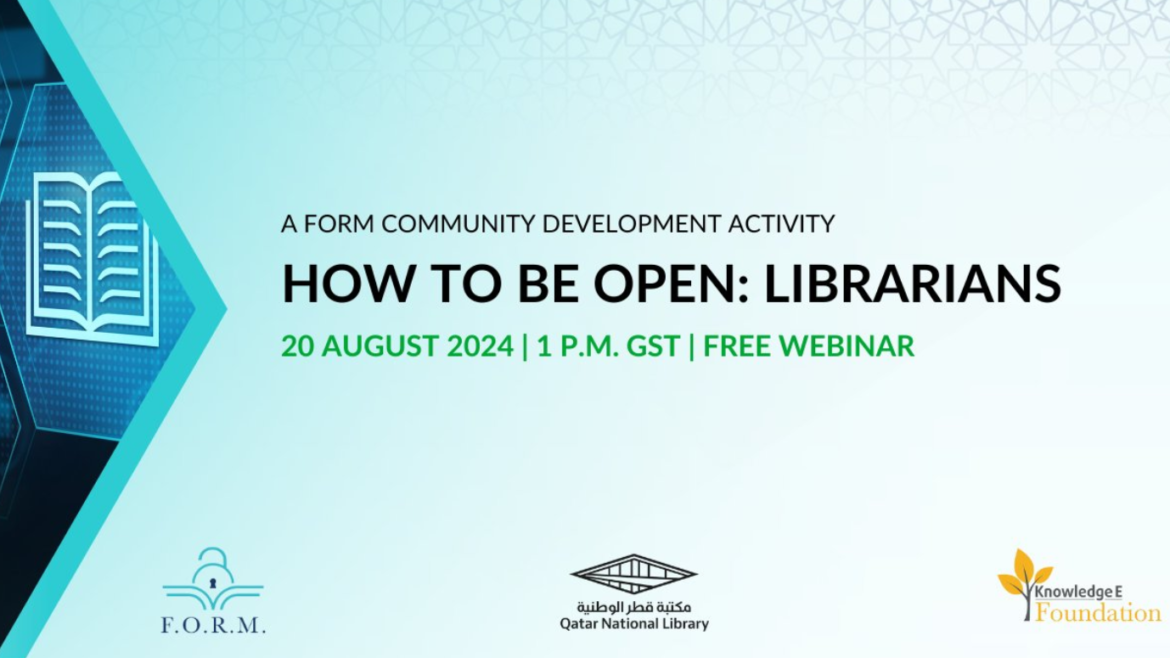
Webinar: How To Be Open – Libraries
Webinar: How To Be Open – Libraries 1024 555 Open and Universal Science (OPUS) Project

Empowering Libraries to Embrace Open Science: An Essential Guide

Libraries are at the core of the scholarly ecosystem, serving as vital gateways to knowledge and resources for researchers, students, and the public. In an era where the demand for accessible and transparent research is growing, libraries play an increasingly critical role in advancing Open Science principles. We are excited to announce an upcoming session titled “How To Be Open: Libraries,” led by Dr. Alwaleed Alkhaja, Head of Open Access and Copyright at Qatar National Library. This session will explore how libraries can actively promote and implement Open Science, ensuring that knowledge is more widely accessible, transparent, and collaborative.

Key Takeaways from the Session

The session will delve into several critical aspects that are essential for libraries aiming to adopt Open Science practices. Here’s what participants can expect to learn:

1. Implementing Open Access Policies:
Participants will gain practical insights into how libraries can adopt and enforce open access policies. These policies are crucial for ensuring that both staff and patrons benefit from unrestricted access to a wealth of information. By embracing open access, libraries can support a culture of sharing and collaboration, which is at the heart of Open Science.

2. Setting Up Open Access Funds:
The session will provide guidance on establishing and managing funds dedicated to supporting open access initiatives. These funds are vital for enabling libraries to support open access publishing and other initiatives that promote the free exchange of knowledge.

3. Read and Publish Agreements:
Participants will learn about the intricacies of negotiating and implementing read and publish agreements. These agreements are designed to facilitate open access publishing, ensuring that researchers and institutions alike can benefit from the dissemination of research findings without financial barriers.

4. Developing Institutional Repositories:
The importance of creating and maintaining institutional repositories will be a key focus. These repositories play a crucial role in preserving and openly disseminating scholarly work, making it accessible to a global audience. This not only enhances the visibility of research but also contributes to the broader goals of Open Science.

5. Making Digitised Content Accessible:
Finally, the session will cover strategies for making digitised content more accessible to the public. By improving access to digital collections, libraries can significantly extend the reach and impact of their resources, making valuable information available to a broader audience.

Addressing Unique Challenges and Opportunities in the Arab States

One of the session’s primary goals is to address the unique opportunities and challenges faced by libraries in the Arab states as they strive to achieve varying levels of openness. By discussing these region-specific issues, the session aims to empower libraries to become more open, transparent, and collaborative in their approach to knowledge dissemination.

Who Should Attend?

This event is particularly valuable for librarians, open access managers, consortium managers, heritage library managers, open science advocates, and repository managers. By bringing together these diverse stakeholders, the session aims to foster a collaborative environment that advances the cause of Open Science within the library community.

In conclusion, “How To Be Open: Libraries” promises to be an enriching and empowering experience, equipping participants with the knowledge and tools needed to transform their libraries into hubs of open, accessible, and collaborative research. By embracing these principles, libraries can continue to play a pivotal role in the scholarly ecosystem, ensuring that knowledge is freely available to all.

For more information and registration, click here.

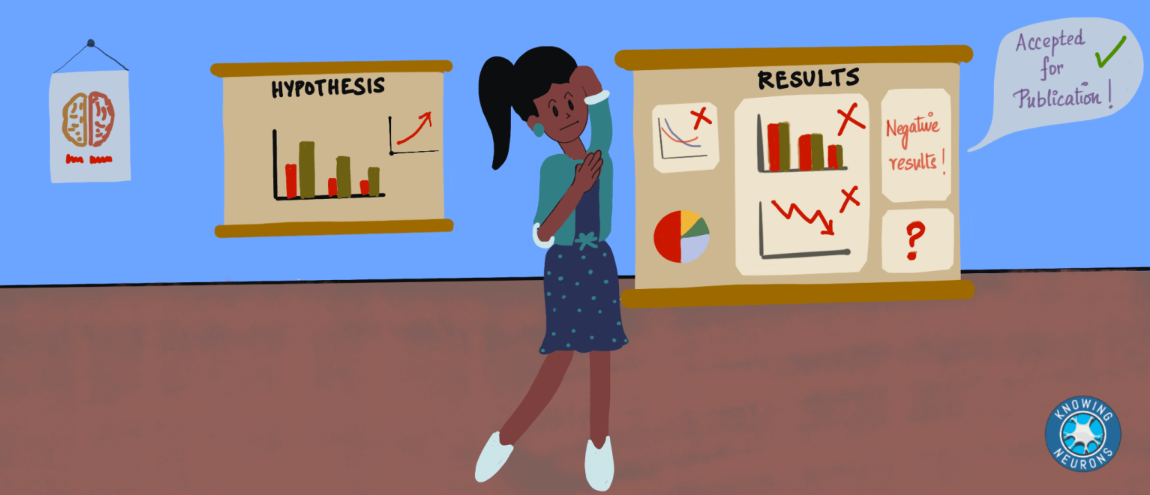
The Importance of Publishing Null Findings in Research
The Importance of Publishing Null Findings in Research 1024 441 Open and Universal Science (OPUS) Project

Imagine you’re part of a group project where no one communicates, and as the deadline approaches, you find yourself doing most of the work alone. On presentation day, it turns out that everyone in the group did the same thing, duplicating efforts. Hopefully, this scenario is rare in your academic experience, but a similar issue plagues the research field. When null findings—results that don’t support the original hypothesis—are rarely published, it creates a communication gap within the scientific community. Research has shown that null findings are published about 40% less often than positive results, particularly in fields like psychology and psychiatry. This lack of transparency can lead to repeated experiments and wasted resources. To foster more effective research, it’s essential that we embrace null findings and promote open communication in science.

Understanding Null Findings

Null findings occur when an experiment doesn’t yield results that support the initial hypothesis. For instance, researchers might expect to find differences between two groups, but the data show no significant variation. This can happen for various reasons—flawed methods, insufficient sample size, or simply because there’s no real difference to be found. However, null findings are far from useless. They provide valuable insights into what doesn’t work, helping to refine future research.

The Case for Publishing Null Findings

Publishing null findings is crucial for advancing science. It prevents the allocation of funds and years of effort to experimental methods that have already been tested and found lacking. Dr. Gil Hoftman, a child and adolescent psychiatrist and neuroscientist at UCLA, advocates for publishing null findings to ensure that the scientific community is aware of what has been tested and what outcomes were observed. This transparency is especially important in fields with limited methods, such as psychology, where working with small populations can make data particularly valuable. Kathleen O’Hora, a graduate student at UCLA, emphasizes the importance of sharing data from studies involving rare genetic disorders like 22q deletion syndrome. In such cases, every piece of data contributes to the overall understanding of the condition.

Why Null Findings Are Often Unpublished

Despite their importance, null findings are frequently overlooked due to publication bias. The process of getting a research paper published is time-consuming and involves multiple rounds of peer review. Papers with null or non-significant findings often fall through the cracks during this process, as they may be perceived as less interesting or less important. This bias skews the representation of research in the field, leading to misdirected studies and the undervaluing of null results. Dr. Carrie Bearden notes that hypothesis-driven research sometimes leads to exciting discoveries, but other times it results in findings that don’t align with expectations. These results, while less flashy, are just as important and should not be dismissed.

Another reason null findings are often buried is the challenge of interpreting them. Researchers may be hesitant to publish null results if the cause is unclear or if they fear the results might be false negatives (Type II errors). However, these concerns can be mitigated through careful study design, including adequate power analysis and rigorous peer review. O’Hora suggests that well-designed studies with null results still deserve publication, as they contribute to the broader scientific knowledge.

Potential Solutions

One solution to this issue is to approach research with an open mindset. Dr. Bearden recommends maintaining objectivity and being open to whatever results may come, rather than becoming too attached to a particular hypothesis. Pre-registration is another tool that can help researchers share their methods and have them peer-reviewed before data collection begins. This approach ensures that the research will be published regardless of the outcome. Additionally, preprint servers like PsyArXiv allow researchers to share their planned studies, reducing the likelihood of duplicating previous experiments.

Collaboration is another key to addressing the underreporting of null findings. Dr. Bearden references a meta-analysis on genetic risk factors for schizophrenia, where initial studies with smaller sample sizes didn’t yield significant results. However, when researchers pooled their data for a meta-analysis, the larger sample size led to meaningful findings. This example highlights the importance of working together and sharing data to achieve more robust and reliable results.

Final Thoughts

Whether or not you’re directly involved in research, the publication of null findings is a crucial issue. These results can inform us about the effectiveness of treatments, such as whether a drug works as intended. As consumers, we deserve to know the full range of scientific evidence, positive or negative. Moreover, publishing null findings upholds the integrity of research. If a drug is repeatedly tested until it produces a desired result, we should have access to all the data, not just the favorable outcomes. For taxpayers, who often fund scientific research, it’s essential that this money is used efficiently and not wasted on duplicative studies. Although null findings are often overlooked, they offer valuable insights that can guide future research and decision-making. By making these findings more accessible, the research community can function more like an ideal, communicative group project, where every result—positive or null—contributes to the collective understanding.

Written by Imani Bah
Illustrated by Vidya Saravanapandian
Edited by Paige Nicklas and Dhruv Mehrotra

Original article at Knowing Neurons

Introduction to Open Access 2024 – Online Seminar
Introduction to Open Access 2024 – Online Seminar 1024 731 Open and Universal Science (OPUS) Project

Event Details

The online seminar “An Introduction to Open Access 2024” is set to take place over two half-days, from Monday, August 19, 2024, at 10:00 BST to Wednesday, August 21, 2024, at 13:30 BST. Hosted virtually, this event aims to explore the evolving landscape of open access and its impact on scholarly communication.

About the Seminar

As open access gains prominence, the role of librarians in supporting pre-publication workflows for journal articles and other research outputs has become increasingly significant. The rise of compliance requirements has also prompted research institutions to expand their services and systems to support publication and manage compliance effectively.

This seminar provides a comprehensive introduction to these changes, offering insights into the research and funding landscape, the publication lifecycle, and compliance with government and funder mandates. Participants will also learn about the roles of publishers, libraries, and intermediaries, as well as the impact of new policies like Plan S on compliance requirements.

Key Topics Covered

  • Overview of Open Access: History and current landscape, including future directions and emerging issues.
  • Publication Lifecycle: Key stages from submission to publication, with a focus on Green and Gold open access models.
  • Compliance Requirements: Typical criteria for compliance with government policies and funder mandates.
  • Roles of Stakeholders: Responsibilities of funders, research managers, libraries, publishers, and intermediaries.
  • Preprints in Scholarly Communication: The role and significance of preprints.
  • Services and Systems: Tools and standards supporting open access workflows.
  • Impact of New Policies: How policies like Plan S affect compliance and publication practices.

Learning Objectives

By the end of the seminar, attendees will:

  • Understand the stages of journal article publication in relation to open access and compliance.
  • Summarize typical compliance criteria and relate them to the publication lifecycle.
  • Recognize the roles of various stakeholders at each stage.
  • Be familiar with key services, systems, and metadata standards that support workflows.

Course Level

This is an entry-level course designed for those new to open access. No prior knowledge is required, though some familiarity with scholarly journals and open access models may be beneficial. The course provides a high-level overview rather than detailed practical or technical training.

Supporting Information

Registered delegates will receive an information package and an optional pre-course reading list. Accessibility features include auto-generated closed captioning and transcripts for recorded sessions. For accessibility requests or questions, contact events@uksg.org.

Programme

Monday, August 19, 2024

  • 10:00 – Introduction & Welcome
  • 10:10 – Introduction to Open Access by Phil Jones (Jisc)
  • 10:40 – Open Access from a Funder’s Perspective (Speaker TBC)
  • 11:20 – Break
  • 11:35 – Open Access from a Librarian/Coordinator’s Perspective by Heleen Palmen (Leiden University)
  • 12:15 – Transformative Agreements and Other OA Models by Mark Greene (Annual Reviews)
  • 12:55 – Wrap Up and Close

Wednesday, August 21, 2024

  • Sessions will continue with additional presentations and discussions.

Registration

Registration is open. To secure your spot and for more details, register here.

Add to Calendar: Save the dates for this essential seminar on open access!

This seminar promises to be a valuable opportunity for those involved in academic publishing and research to stay informed about the latest trends and best practices in open access.

UNESCO Highlights the Importance of the Open Education Policy
UNESCO Highlights the Importance of the Open Education Policy 610 407 Open and Universal Science (OPUS) Project

To advance the democratization of knowledge and open educational policies, the UNESCO Chair in Distance Education is relaunching the Open Education Policy Game in 2024. Originally created in 2018, this social technology has been updated to incorporate the 2019 UNESCO Recommendations on Open Educational Resources (OER), emphasizing the impact of Open Educational Practices (OEP) on learning outcomes.

Since its inception, the Game has been a crucial tool for collaborative diagnostics and the implementation of open educational policies in institutions dedicated to democratizing knowledge. The updated version focuses on open practices, collaboration, sustainability, shared management, public digital goods, and digital rights.

These updates align with the five areas of the UNESCO Recommendation on OER:

  • Empowering stakeholders to access, use, adapt, and redistribute OER
  • Developing supportive policies
  • Encouraging inclusive and equitable quality OER
  • Promoting sustainability models for OER
  • Facilitating international cooperation

Maria Rebeca Otero Gomes, Coordinator of the Education Sector at UNESCO in Brazil, states: “Open Educational Resources are fundamental to democratizing access to quality education. They promote inclusion by allowing students from all regions and socio-economic backgrounds to access the knowledge needed to thrive and develop, reaffirming our commitment to the 2030 Agenda for Sustainable Development by fostering inclusive, equitable, and quality education for all.”

Developed by the Open Education Initiative at the University of Brasília (UnB), the Game represents social technology co-created with managers, educators, and technicians from both public and private educational sectors across Brazil. Available in Portuguese, English, and Spanish, the first version has been utilized in various educational contexts globally, including Argentina, Peru, Cuba, the United States, Serbia, Slovenia, Namibia, and Tanzania, enhancing understanding of key concepts and the importance of participatory management in educational policy formulation.

The initial version also served as the main training resource for Open Education Leaders. Conducted by UNESCO in Brazil from 2020 to 2021, this training involved 200 education professionals from different regions of the country.

The Open Education Policy Game materials, including a manual, board pieces, and cards, are available under an open license for both online and in-person use. A French version will soon be available, expanding its accessibility to a broader audience.

[Click here to access the Open Education Policy Game]

About Open Educational Resources (OER)

UNESCO coined the term and concept of OER in 2002, solidified by the Paris Declaration in 2012. OER includes teaching, learning, and research materials that are either in the public domain or released under an open license, permitting free access, use, adaptation, and redistribution. The Recommendation document builds on the outcomes of the 2017 Ljubljana OER Action Plan in Slovenia and supports UNESCO’s efforts to advance the 2030 Agenda for Sustainable Development.

Original article at UNESCO

Privacy Preferences

When you visit our website, it may store information through your browser from specific services, usually in the form of cookies. Our Privacy Policy can be read here.

Here you can change your Privacy preferences. It is worth noting that blocking some types of cookies may impact your experience on our website and the services we are able to offer.

Click to enable/disable Google Analytics tracking code.
Click to enable/disable Google Fonts.
Click to enable/disable Google Maps.
Click to enable/disable video embeds.
Our website uses cookies, mainly from 3rd party services. Define your Privacy Preferences and/or agree to our use of cookies.