
Research

Conveying the Message of Open Science
Conveying the Message of Open Science 1024 529 Open and Universal Science (OPUS) Project

Open science is a movement that advocates for transparency, accessibility, and collaboration in scientific research. Its goal is to make scientific knowledge freely available to everyone, enabling greater participation and innovation. To effectively convey the message of open science, it is essential to understand its principles, benefits, and the strategies that can be employed to promote it. This article provides a comprehensive guide to communicating the importance of open science and encouraging its adoption within the scientific community and beyond.

Understanding Open Science

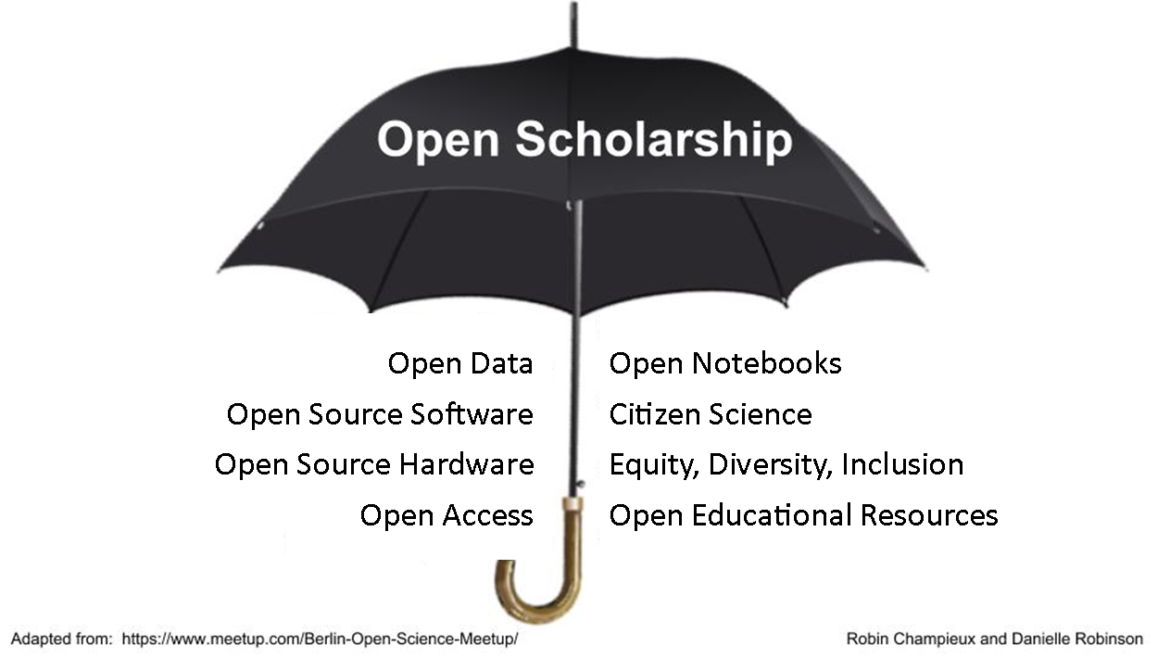
Open science encompasses a variety of practices aimed at making scientific research more transparent and accessible. These practices include:

  • Open Access: Ensuring that research papers and data are freely available to the public.
  • Open Data: Sharing raw data and datasets so that others can replicate studies and build upon them.
  • Open Methodology: Providing detailed information about research methods to allow for replication and verification.
  • Open Peer Review: Making the peer review process transparent by publishing reviewer comments and author responses.
  • Open Educational Resources: Sharing teaching materials and educational tools freely.

The Benefits of Open Science

Communicating the benefits of open science is crucial for its widespread adoption. These benefits include:

  1. Increased Transparency: Open science practices make the research process more transparent, reducing the risk of fraud and ensuring that findings are credible.
  2. Enhanced Collaboration: By sharing data and methodologies, researchers can collaborate more easily, leading to faster scientific progress.
  3. Greater Accessibility: Open access to research ensures that knowledge is not limited to those who can afford expensive journal subscriptions.
  4. Improved Replicability: Open data and methodologies enable other scientists to replicate studies, which is essential for validating results.
  5. Public Engagement: Making science accessible to the public fosters greater trust and engagement with scientific research.

Strategies for Promoting Open Science

To effectively convey the message of open science, consider the following strategies:

  1. Education and Training:
    • Workshops and Seminars: Organize events to educate researchers about the principles and practices of open science.
    • Online Courses: Develop and promote online courses that provide training on open science tools and methods.
  2. Advocacy and Communication:
    • Social Media: Use platforms like Twitter, LinkedIn, and ResearchGate to share success stories and resources related to open science.
    • Publications and Blogs: Write articles and blog posts highlighting the importance of open science and sharing practical tips for implementation.
  3. Institutional Support:
    • Policies and Incentives: Encourage academic institutions and funding bodies to adopt policies that support open science practices, such as requiring open access publication and data sharing.
    • Recognition and Rewards: Implement systems to recognize and reward researchers who actively participate in open science.
  4. Collaborative Networks:
    • Partnerships: Form partnerships with other institutions and organizations that support open science to create a unified front.
    • Conferences and Events: Participate in and organize conferences that focus on open science to foster a sense of community and shared purpose.
  5. Practical Tools and Resources:
    • Repositories and Platforms: Promote the use of open-access repositories and platforms that facilitate data sharing, such as GitHub, Figshare, and the Open Science Framework.
    • Software and Tools: Provide access to and training on software and tools that support open science practices, such as data analysis software that allows for reproducibility.

Case Study: The Rostock Open Science Workshop

One practical example of promoting open science is the Rostock Open Science Workshop. This event introduces demographic researchers to open science tools and practices while providing a platform for discussing its future trajectory. By participating in such workshops, researchers can learn how to implement open science in their work and contribute to a broader cultural shift towards transparency and collaboration in science.

Moving Forward with Open Science

Conveying the message of open science requires a multifaceted approach that includes education, advocacy, institutional support, and practical tools. By highlighting the benefits of open science and providing researchers with the knowledge and resources they need, we can foster a more transparent, collaborative, and accessible scientific community. As we move towards a future where open science is the norm, we can expect to see accelerated scientific progress and a more informed and engaged public.

Photo via h2o digital

Alternative Funding Models for Open Access Publishing
Alternative Funding Models for Open Access Publishing 1024 331 Open and Universal Science (OPUS) Project

The academic publishing landscape is experiencing a transformative shift towards open access (OA) models, which promote the free availability of research outputs. While the benefits of OA are widely recognized, the challenge of funding these models remains significant. Traditional subscription-based journals finance their operations through library and institutional subscriptions, but OA journals must explore alternative revenue streams to cover their costs. Here, we delve into various alternative funding models that can support the sustainability of open access publishing.

1. Article Processing Charges (APCs)

One of the most common models for funding OA journals is the Article Processing Charge (APC). Under this model, authors (or their institutions) pay a fee to publish their work, which covers the costs of peer review, editing, and hosting. While effective, APCs can be prohibitive, especially for researchers from low- and middle-income countries or those without sufficient grant funding. To mitigate this, some journals offer waivers or reduced fees based on financial need.

2. Institutional Support and Memberships

Many academic institutions recognize the value of open access and provide direct support to OA journals. This support can come in the form of subsidies, grants, or memberships. For instance, institutions might pay a flat fee to a publisher, allowing their affiliated researchers to publish OA without individual APCs. Examples include the Open Library of Humanities (OLH) and the Sponsoring Consortium for Open Access Publishing in Particle Physics (SCOAP³), which operate on this principle.

3. Consortia and Cooperative Models

Collaborative funding approaches, where multiple stakeholders share the financial burden, are gaining traction. Consortia like SCOAP³ pool resources from institutions, libraries, and funding agencies to support OA publishing. Similarly, cooperative models involve academic libraries and institutions working together to fund OA journals, thereby distributing costs more evenly and sustainably across the academic community.

4. Government and Foundation Grants

Government bodies and philanthropic foundations play a crucial role in funding OA initiatives. Many funding agencies now mandate that research they support be published OA, and they often provide grants specifically for this purpose. Notable examples include the Gates Foundation’s OA policy and the European Union’s Horizon 2020 program, which allocate significant resources to ensure that funded research is freely accessible.

5. Crowdfunding and Community Funding

Crowdfunding has emerged as a novel approach to finance specific OA projects. Platforms like Kickstarter and Experiment allow researchers to raise funds directly from the public to cover publication costs. Additionally, community funding models, where readers and stakeholders contribute financially to support journals they value, are being experimented with, though their long-term viability remains to be seen.

6. Freemium Models and Hybrid Approaches

Some publishers are exploring freemium models, where basic access is free, but additional services or content come at a cost. Hybrid models, where some articles are open access while others remain behind a paywall, also offer a compromise, generating revenue from subscriptions while gradually increasing OA content. This model, however, can lead to complexities in subscription negotiations and does not fully align with the principles of OA.

7. Advertising and Sponsorship

Advertising and sponsorship can provide supplementary revenue for OA journals. Ethical considerations must be carefully managed to maintain academic integrity and avoid conflicts of interest. Sponsors from academic and industry sectors can also fund special issues or sections within journals, aligning their brand with scientific advancement.

8. Institutional Repositories and Preprint Servers

Institutional repositories and preprint servers provide an alternative to traditional OA journals by enabling researchers to deposit their work for free. While these platforms typically don’t involve peer review, they facilitate rapid dissemination of research and can be supported through institutional funding and infrastructure investments.

The Path Forward for Sustainable Open Access

As the demand for open access continues to grow, exploring diverse and sustainable funding models is crucial for the future of academic publishing. While each model has its strengths and challenges, a multifaceted approach that leverages institutional support, government and philanthropic funding, cooperative efforts, and innovative financial strategies can create a robust ecosystem for OA publishing. By embracing these alternatives, the academic community can ensure that research remains accessible to all, fostering greater innovation and knowledge dissemination worldwide.

Photo via Center for Science in the Public Interest

Encouraging Innovation in Open Scholarship While Fostering Trust
Encouraging Innovation in Open Scholarship While Fostering Trust 1024 576 Open and Universal Science (OPUS) Project

BY ZEN FAULKES AND HALEY HAZLETT, DECLARATION ON RESEARCH ASSESSMENT (DORA)

“Responsible research assessment & open scholarship are interconnected.”
— Zen Faulkes & Haley Hazlett, DORA

In recent years, the landscape of research assessment has been evolving to better recognize and reward open scholarship and preprints. This shift is driven by funding organizations and academic institutions aiming to enhance transparency, accessibility, and equity in research.

In this piece, Zen Faulkes, Program Director at The Declaration on Research Assessment (DORA), and Haley Hazlett, Program Manager at DORA, explore how emerging policies are reshaping research evaluation, the challenges of moving away from traditional metrics, and the vital role of fostering trust in the open scholarship ecosystem.

Emerging Policies to Recognize Preprints and Open Scholarship

Research funding organizations and academic institutions are crucial in setting the tone for research assessment. Increasingly, they are embedding open scholarship into their policies and practices. Examples include Wellcome, the Chan Zuckerberg Initiative, the Ministry of Business, Innovation & Employment of Aotearoa New Zealand, the University of Zurich, and the Open University.

Policies recognizing preprints as evidence of research activity are also becoming more common (e.g., NIH, Japan Science and Technology Agency, Wellcome, EMBO, and some UKRI Councils). Some funders, such as EMBO and many cOAlition S funders, now equate peer-reviewed preprints with journal articles. Preprints, scholarly manuscripts posted on public servers before journal acceptance, are freely accessible and often posted within days, enabling immediate dissemination and feedback. By decoupling research quality from journal prestige, preprints can support responsible assessment and reduce publication costs.

The Bill and Melinda Gates Foundation’s upcoming Open Access Policy in 2025 exemplifies significant policy change. This policy mandates grantees to share preprints of their research and ends the payment of article processing charges (APCs). These changes, aimed at providing journal-agnostic avenues for research assessment and reducing costs, were informed by ten years of data and community dialogue. As the wealthiest major research funder to mandate preprints, the Gates Foundation’s policy emphasizes preprints and shifts away from APCs, spotlighting trust in preprints.

Overcoming the Status Quo and Addressing New Challenges

Moving away from traditional research assessment metrics involves overcoming status quo bias and addressing new challenges. Concerns include how assessors will treat preprints and how preprints will affect traditional peer review processes. Preprints are lightly checked before public posting, after which community feedback can highlight issues early. Expert consensus recently defined preprint “review” criteria, enhancing trust in preprint feedback.

Services like VeriXiv, Peer Community In, and Review Commons provide journal-independent assessments of preprints, promoting transparency and accountability. However, concerns about transparency-related retaliation, especially for early career researchers, require further study.

Organizations like the Research on Research Institute and ASAPbio are actively addressing these challenges, studying the effects of policy changes and supporting rigorous and transparent preprint review processes. Fear of unintended consequences should not hinder efforts to improve research incentives and culture.

Responsible Research Assessment and Open Scholarship: Interconnected Concepts

Responsible research assessment aims to reward high-quality research and support diverse and inclusive research cultures. Open scholarship, defined by UNESCO, seeks to make scientific knowledge accessible and reusable for everyone, fostering collaboration and societal engagement. These concepts are intertwined with equity and inclusion, as biases and assumptions about research quality affect assessments.

DORA is a global initiative advocating for responsible research assessment, reducing emphasis on flawed proxy measures like the Impact Factor or h-index, and broadening the recognition of diverse scholarly outputs. Many academic institutions are incorporating open scholarship into their assessment practices, as documented in DORA’s Reformscape database.

Building Trust through Open Scholarship

Trust in research is built through transparency and expert opinion. Open scholarship emphasizes making all research stages visible, complementing traditional peer-reviewed journals. Studies suggest minimal differences between peer-reviewed articles and preprints, which are gaining acceptance among researchers and reporters.

Understanding trustworthy scholarly communication is complex for both experts and non-experts. Increased media literacy could benefit the latter, as it is currently taught to less than half of US high school students.

Call to Action

Reforming research assessment requires embracing diverse scholarly outputs, reducing the emphasis on journal prestige, and evaluating research based on its intrinsic value. Recognizing transparency, rigor, and high-quality review in preprints can foster trust. Efforts to index and link reviews to preprints and develop consistent trust signals are underway, alongside educating the public about open scholarship practices.

DORA advocates iteratively fine-tuning policies using data and community input. As more research funders and institutions reward open scholarship, it is crucial to review, refine, and openly discuss these policies’ impacts on research culture.

Original article at Templeton

Estimating Global Article Processing Charges Paid to Six Publishers for Open Access 2019-2023
Estimating Global Article Processing Charges Paid to Six Publishers for Open Access 2019-2023 799 538 Open and Universal Science (OPUS) Project

A recent study has provided comprehensive estimates of global spending on article processing charges (APCs) for open access (OA) publishing, focusing on six major publishers from 2019 to 2023. APCs are fees charged for publishing articles in fully open access journals (gold) and in subscription journals that make individual articles open access (hybrid). The study highlights the lack of transparency in APC prices and payments, which has made it difficult to track institutional, national, or global expenditures on OA publishing.

Using an open dataset of annual APC list prices from Elsevier, Frontiers, MDPI, PLOS, Springer Nature, and Wiley, combined with the number of open access articles indexed by OpenAlex, the researchers estimate that a total of $8.349 billion (or $8.968 billion in 2023 US dollars) was spent on APCs over the five-year period. Notably, in 2023 alone, MDPI, Elsevier, and Springer Nature were the top earners, generating $681.6 million, $582.8 million, and $546.6 million respectively from APCs. The study also reveals that annual APC spending nearly tripled from $910.3 million in 2019 to $2.538 billion in 2023, with hybrid APCs exceeding gold fees, and median APCs paid being higher than the listed fees for both gold and hybrid journals.

Introduction: The Evolving Landscape of Open Access Publishing

Over the past two decades, the open access (OA) movement has introduced various publishing models, adding complexity to the scholarly publishing landscape. A prominent model is the author-pays model, where publishers charge authors APCs to make their articles OA. This model has grown significantly, supported by funder and institutional policies, and through agreements such as read-and-publish and transformative agreements.

The author-pays model has become a major revenue source for publishers, either supplementing the subscription model or serving as the sole income stream. While major publishers like Elsevier, Sage, Springer Nature, Taylor & Francis, and Wiley use APCs to enhance revenue, others like Frontiers and MDPI rely entirely on them. Despite being profitable for publishers, APCs pose financial challenges for researchers, acting as a barrier to OA publishing.

Amid these dynamics, the diamond OA model has gained favor among policymakers and researchers. Unlike the author-pays model, diamond OA does not charge authors or readers, promoting inclusivity. However, sustaining diamond OA journals financially remains a challenge.

Need for Reliable Data on APC Expenditures

Accurate data on APC expenditures is crucial for institutions, funders, and consortia to make informed decisions during negotiations with publishers and in policy-making. The current lack of transparency around APC payments hampers the ability to determine global OA publication fees. Although some studies have attempted to estimate APC costs, they face limitations, such as difficulty identifying the payer and whether waivers or discounts were applied.

One notable exception is the OpenAPC initiative in Germany, which provides a unique dataset of APCs paid by universities, funders, and research institutions. However, comprehensive data on a global scale is still lacking.

Methods: Estimating APC Expenditures

This study follows a detailed methodology to estimate APC expenditures. Annual APC data was obtained from a new open dataset, which included list prices from six major publishers for 2019 to 2023. The number of publications per journal per year was sourced from OpenAlex.

Data Compilation and Analysis

The new dataset compiled APC prices for 8,712 unique journals over five years. Currency conversion was standardized to USD, and inflation adjustments were made using the Consumer Price Index (CPI) for advanced economies.

APC-Able Articles and OA Status

To estimate APC spend, the number of APC-able articles per journal per year was determined using OpenAlex. The study differentiated between gold and hybrid OA journals, considering only articles with Creative Commons licenses as APC-able for hybrid journals.

Results and Limitations

The study estimates that $8.349 billion was spent globally on APCs from 2019 to 2023, rising to $8.968 billion when adjusted for inflation. The annual APC expenditure nearly tripled over this period, with significant growth in both gold and hybrid OA articles and increasing fees.

However, the study acknowledges several limitations, including the inability to account for all waivers and discounts, and the potential overestimation of fees due to read-and-publish agreements. Despite these limitations, the study provides valuable insights into the APC model’s growth and its financial implications for the global scholarly publishing community.

Discussion: Implications and Future Directions

The findings indicate that the APC model is rapidly growing, driven by an increasing volume of OA articles and rising APC fees. This growth has financial implications for researchers, institutions, and funders, highlighting the need for greater transparency in APC pricing and payments.

The study calls for publishers to disclose more information about OA fees to facilitate better decision-making and promote equitable access to scientific research. Future research should focus on exploring the relationship between APC prices and journal prestige, and addressing the financial sustainability of diamond OA models.

In conclusion, while the APC model continues to evolve and expand, ensuring transparency and equity in OA publishing remains a critical challenge for the academic community.


Butler, Leigh-Ann; Hare, Madelaine; Schönfelder, Nina; Schares, Eric; Alperin, Juan Pablo; Haustein, Stefanie, 2024, “Open dataset of annual Article Processing Charges (APCs) of gold and hybrid journals published by Elsevier, Frontiers, MDPI, PLOS, Springer-Nature and Wiley 2019-2023”, https://doi.org/10.7910/DVN/CR1MMV, Harvard Dataverse, V1

REINFORCING Call for ORRI Practices
REINFORCING Call for ORRI Practices 1024 486 Open and Universal Science (OPUS) Project

We are excited to forward an open call for submissions of innovative Open and Responsible Research and Innovation (ORRI) practices for the upcoming REINFORCING Forum, taking place on October 7 and 8, 2024, in Vienna, Austria. This event, organized by the REINFORCING project, offers a unique platform for showcasing your pioneering ORRI initiatives and networking with international ORRI practitioners.

What is ORRI?

Open and Responsible Research and Innovation (ORRI) involves collaborative efforts where diverse actors come together to develop ethically sound, sustainable, and socially beneficial knowledge, services, and products. They are particularly looking for practices from research and innovation ecosystems, organizations, research groups, and networks. These practices should feature mechanisms, instruments, and tools that can inspire and be adapted by other organizations and institutions.

How to Participate

Submit Your ORRI Practice

To participate, submit your ORRI practice by filling out a brief template designed to present your innovative approach. The submission deadline is September 9, 2024. You can apply through this form.

Join the ORRI Forum

Selected participants will have the opportunity to present their practices either online (on October 7) or onsite (on October 7 or 8) during the Forum’s working sessions. The selected ORRI practices will be announced during the week of September 16, 2024.

Benefits of Participation

By submitting your practice, you can gain significant visibility within the ORRI community. Selected practices will not only be featured at the Forum but also have the opportunity to be showcased on the upcoming ORRI Platform by REINFORCING. Additionally, participants will be included in the ORRI map, which lists EU ORRI organizations geographically, enhancing your visibility and recognition.

Key Dates

  • Submission Deadline: September 9, 2024
  • Announcement of Selected Practices: Week of September 16, 2024
  • ORRI Forum: October 7-8, 2024

Contact Information

For any questions or additional information, please reach out to info@reinforcing.eu.

Don’t miss this chance to highlight your innovative ORRI initiatives and connect with like-minded professionals.

More at REINFORCING.EU

Research Evaluation Should be Pragmatic, Not a Choice Between Peer Review and Metrics
Research Evaluation Should be Pragmatic, Not a Choice Between Peer Review and Metrics 800 415 Open and Universal Science (OPUS) Project

Giovanni Abramo argues for a nuanced approach to research assessment amidst rising movements like DORA and CoARA, which advocate for qualitative judgments over quantitative metrics. CoARA, supported by the European Research Area (ERA), seeks to shift the focus from metrics to peer review, suggesting that research evaluation should primarily rely on qualitative assessment, with quantitative indicators as supportive tools.

However, Abramo questions whether this shift is wise, suggesting that discarding metrics could be detrimental. Metrics, when applied responsibly, provide objectivity, consistency, and scalability—qualities crucial for large-scale assessments. Abramo argues that the real issue is not with metrics themselves but with their misuse. The key is to use them wisely rather than eliminate them entirely.

CoARA’s emphasis on qualitative evaluation overlooks the value of scientometricians, who specialize in applying metrics effectively. Just as robotic surgeons use technology wisely, scientometricians know when to employ quantitative measures and when to rely on peer review.

The choice between peer review and scientometric methods should be based on specific goals and contexts. For instance, boosting interdisciplinary research or international collaboration may benefit more from scientometric analysis, while peer review remains vital in fields with limited bibliographic coverage.

Peer review, while central to CoARA’s vision, presents challenges such as high costs and labor intensity. The U.K.’s Research Excellence Framework (REF) 2021, for instance, involved substantial expenses and reviewer workloads. National peer-review exercises also limit submissions, leading to increased costs and potential distortions in results.

Despite criticisms of metrics, peer review also faces issues like selective evaluation and high costs. Scientometric assessments, conducted by smaller expert teams, offer a more cost-effective and precise alternative for large-scale evaluations, providing continuous, detailed data that peer reviews often lack.

Abramo calls for a balanced approach, combining the strengths of both metrics and peer review. In fields with extensive bibliographic coverage, scientometrics can complement peer review, while in others, peer review remains crucial. The goal should be to blend these methods to create a comprehensive and nuanced assessment of research impact.

The debate over research assessment is not about choosing sides but finding harmony. Combining the rigor of scientometrics with the depth of peer review will better capture and understand the impact of scholarly work. As the field evolves, maintaining an open mind and diverse methods will ensure a more accurate and fair assessment of research.

This post reflects ideas from Giovanni Abramo’s article, “The forced battle between peer-review and scientometric research assessment: Why the CoARA initiative is unsound,” published in Research Evaluation. The views expressed are those of the author.

Original article at LSE Blog

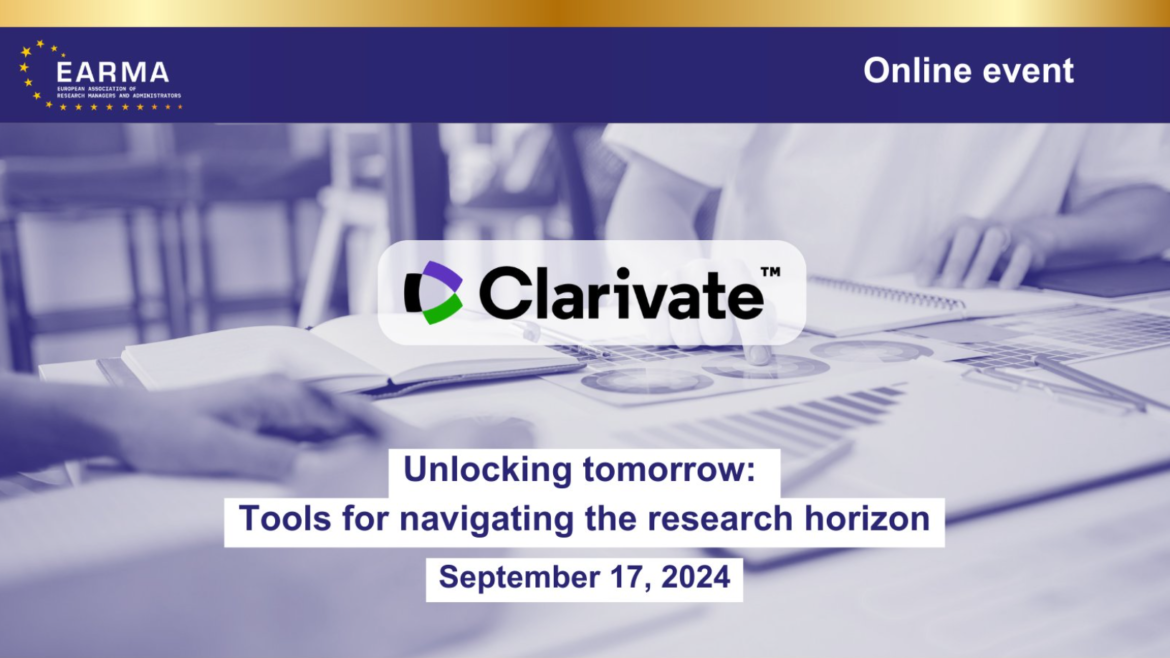
Webinar: Tools For Navigating The Research Horizon
Webinar: Tools For Navigating The Research Horizon 1024 576 Open and Universal Science (OPUS) Project

Event Date: September 17, 2024
Event Time: 14:00-15:00 CEST
Location: Online, accessible via the EARMA website

Registration: This event is free, but registration is required. Click on the yellow button at the top of the event page for details on accessing the event.

About the Event:

With rising international competition, the size, scope, and pace of research are intensifying. Researchers must innovate at the edge of discovery to secure funding and gain recognition among peers and the broader community. While predicting the future is impossible, researchers can make strategic decisions grounded in data.

This webinar introduces new tools and methods for discovering emerging research areas. Using a trusted methodology and generative AI, research strategists will uncover new topics in published literature, pointing to future breakthroughs. Participants will learn to interpret data and use visualizations and interdisciplinary metrics to guide their decisions.

Attendees Will Be Able To:

  • Identify emergent areas of research
  • Innovate in areas with high growth potential
  • Invest in interdisciplinary fields

Presenters:

Sara Branch, Product Manager, Research Funding & Analytics, Clarivate
Sara Branch, Ph.D., is a Product Manager at Clarivate, working with academic and government partners to showcase their scholarly expertise and research. Formerly an assistant professor of psychology at Purdue University, Sara’s research focused on social and personality psychology. She has published in various peer-reviewed journals and presented at national and international conferences.

Valentin Bogorov, Customer Success Consultant, Clarivate
Valentin Bogorov is a strategic customer success consultant at Clarivate with over eleven years of experience advising on bibliometric analysis and data-driven decisions. He has worked with major international organizations and held positions in public policy and administration consulting. Valentin studied at the University of Wisconsin–Madison and taught at Concordia University, St. Paul. He is passionate about empowering scientists and research administrators in the evolving global research landscape.

More info can be found here.

Open Access 101 Webinars
Open Access 101 Webinars 1024 677 Open and Universal Science (OPUS) Project

Open Access (OA) has become a pivotal focus within academic libraries, profoundly affecting the entire higher education landscape. This evolving paradigm influences all facets of library management, including outreach, collection development, technical services, public services operations, and dedicated scholarly communication teams. As OA continues to develop at a rapid pace, many library professionals are finding it challenging to keep up, particularly those who are newly assigned OA responsibilities.

To support librarians navigating this complex terrain, SPARC has partnered with the creators of the Scholarly Communication Notebook—Josh Bolick, Maria Bonn, and Will Cross—to present a comprehensive three-part webinar series. This series is designed to introduce OA concepts to newcomers and provide a refresher for those already engaged in OA work. The series is accessible to all, requiring no prior experience or SPARC membership, with the aim of supporting the wider library community, especially those at resource-limited institutions.

Session 1: OA Foundations

Date and Time: August 6th, 3-4pm EDT / 12-1pm PDT [Register Here]

The inaugural session, “OA Foundations,” will cover the essential principles of Open Access. This session is perfect for anyone needing a clear understanding of the basics or a refresher. Topics include OA definitions, its historical development, aspirations, approaches, and common challenges. Additionally, attendees will learn about basic outreach strategies and resources for further learning. This foundational knowledge sets the stage for the subsequent sessions in the series, ensuring participants are well-prepared for deeper dives into OA practices and issues.

Session 2: OA Case Studies

Date and Time: August 20th, 3-4pm EDT / 12-1pm PDT [Register Here]

The second session, “OA Case Studies,” aims to provide practical insights into the implementation of OA services. This session will explore three key areas: supporting OA through licensing agreements and policies, enhancing scholarly literacies, and improving access and discovery via repositories. These themes will be illustrated through case studies from a diverse range of institutions, including large public research universities and smaller regional colleges. Participants are encouraged to share their own experiences and case studies, fostering a rich exchange of ideas and models applicable to various institutional contexts.

Session 3: Emerging Issues in OA

Date and Time: September 10th, 3-4pm EDT / 12-1pm PDT [Register Here]

The final session, “Emerging Issues in OA,” will delve into the complexities and challenges that have emerged as OA has become more widespread. This session will address issues such as equity in access, legal and technical barriers, and the sociocultural dynamics influencing OA adoption. By examining these emerging issues, participants will gain a nuanced understanding of the current OA landscape and the factors that complicate its implementation.

Recordings of all sessions will be available for those who cannot attend live. This series is a pilot initiative, and feedback from participants will help SPARC determine future directions in supporting OA work.

About the Series Leaders

The OA 101 Series will be led by Josh Bolick, Maria Bonn, and Will Cross, who bring extensive experience in scholarly communication and Open Access. Their work on the Scholarly Communication Notebook and their recently published book, “Scholarly Communication Librarianship and Open Knowledge,” underpins this series, offering participants access to their deep expertise and insights.

This series represents a valuable opportunity for library professionals to enhance their understanding of OA, exchange practical strategies, and navigate the challenges of this evolving field. Whether you’re new to OA or seeking to expand your knowledge, the OA 101 Series offers vital resources and community support to help you succeed.

Original article at SPARC

Photo via Science

G7 Science and Technology Ministers Reaffirm Commitment to Open Science for a Sustainable Future
G7 Science and Technology Ministers Reaffirm Commitment to Open Science for a Sustainable Future 1024 395 Open and Universal Science (OPUS) Project

Bologna and Forlì, July 9-11, 2024

The G7 Science and Technology Ministers convened in Bologna and Forlì, Italy, from July 9 to 11, 2024, underscoring the critical importance of science, technology, innovation, higher education, and advanced training in fostering a sustainable future. Their shared vision is rooted in democracy, international law, human rights, fairness, and freedom.

Reinforcing Collaboration and Support for Ukraine

In light of the ongoing war in Ukraine, the ministers emphasized the importance of supporting Ukraine’s research and innovation ecosystem, which has suffered severe damage. They committed to coordinated support efforts, acknowledging the role of science, technology, and innovation in rebuilding Ukraine. This will be a key focus at the upcoming Ukraine Recovery Conference in 2025 in Italy.

Emphasizing the Role of Science and Technology in Global Goals

The ministers reiterated the vital role of science and technology in achieving the United Nations’ 2030 Agenda and Sustainable Development Goals, the Paris Agreement, and the Kunming-Montreal Global Biodiversity Framework. They endorsed the Declaration on Transformative Science, Technology, and Innovation Policies for a Sustainable and Inclusive Future, highlighting the need for international cooperation in tackling global crises such as climate change, biodiversity loss, and pandemics.

Promoting Open Science and Research Integrity

Research Security and Integrity

The G7 emphasized the importance of research security and integrity in international collaborations. They stressed the need for effective risk mitigation measures to protect against foreign interference in research and innovation. The ministers commended the achievements of the G7 Security and Integrity of the Global Research Ecosystem (SIGRE) Working Group and supported the continuation of its dialogue through the G7 Virtual Academy Oversight Board.

Freedom and Inclusiveness in Scientific Research

The ministers underscored the value of open science in driving innovation and problem-solving. They advocated for the equitable and responsible dissemination of scientific knowledge and research outputs, promoting access to publicly funded scholarly publications and scientific data. The ongoing work of the Open Science Working Group was lauded for enhancing the productivity and quality of FAIR (Findable, Accessible, Interoperable, and Reusable) research outputs.

Science Communication

The importance of responsible science communication was highlighted as a means to enhance public trust and inform evidence-based policies. The G7 Working Group on Science Communication aims to improve the quality and effectiveness of science communication, addressing the grand challenges of our time.

Strengthening Large Research Infrastructures

Large research infrastructures play a strategic role in generating, sharing, and evaluating scientific data. The ministers pledged to strengthen collaborations in this area, recognizing the importance of interdisciplinary contributions. They supported the Group of Senior Officials (GSO) on Global Research Infrastructures in advancing global dialogue and best practices.

Advancing Research on Emerging Technologies, Nuclear Energy, and Space

New and Emerging Technologies

The G7 emphasized the need for research in areas such as artificial intelligence (AI), quantum technology, advanced materials, synthetic biology, and robotics to address societal challenges and drive the green and digital transitions. They advocated for responsible research and technology transfer, emphasizing international collaboration.

Nuclear Fission and Fusion Energy

The ministers acknowledged the potential of fission and fusion energy to address climate change and energy security. They called for further research and human resource development in nuclear safety, security, and safeguards.

Space Collaboration

The G7 reaffirmed their commitment to sustainable space use, addressing orbital debris, and enhancing space situational awareness. They supported international guidelines for space activities and encouraged further research and development in space technologies.

Enhancing Research and Innovation Cooperation with Africa

The ministers recognized the importance of equitable access to knowledge and skills development, particularly in low- and middle-income countries. They focused on strengthening collaborations with African countries, aligning efforts with the African Union’s Science, Technology, and Innovation Strategy for Africa 2034. They promoted mobility initiatives for researchers and supported the development of research infrastructures in Africa.

Addressing Ocean and Biodiversity Challenges

The G7 emphasized the importance of global ocean research and observations in addressing climate change, biodiversity loss, and pollution. They supported the development of Digital Twins of the Ocean capabilities and the inclusion of local and traditional knowledge in marine resource management. The ministers committed to strengthening international cooperation in polar and deep-sea research and supporting the United Nations Decade of Ocean Science for Sustainable Development.

G7 Ministers Reaffirm Commitment to Open Science and Global Collaboration

The G7 Science and Technology Ministers’ Meeting in 2024 highlighted the critical role of open science, research integrity, and international collaboration in addressing global challenges. By reinforcing their commitment to these principles, the ministers aim to promote a sustainable and inclusive future for all.

Read the full G7 statement here.

Ways to Protect Researchers and Their Work from Publishing Companies
Ways to Protect Researchers and Their Work from Publishing Companies 740 591 Open and Universal Science (OPUS) Project

The landscape of academic publishing is undergoing a transformation with the rise of open science, open access, and open research. These movements advocate for greater transparency, accessibility, and collaboration in research, challenging traditional publishing models. While these shifts promise broader dissemination and impact of research, they also pose new challenges for protecting researchers and their work from potential exploitation by publishing companies. Here, we explore strategies to safeguard researchers in this evolving environment.

1. Understanding Open Access Models

Open access (OA) can significantly benefit researchers by increasing the visibility and accessibility of their work. However, understanding the various OA models is crucial:

  • Gold Open Access: Articles are freely available online, often requiring an Article Processing Charge (APC). Researchers should seek funding support for APCs and choose reputable OA journals to avoid predatory publishers.
  • Green Open Access: Authors can self-archive their preprints or postprints in institutional repositories without additional costs. This model provides more control over their work.
  • Hybrid Open Access: Traditional subscription journals offer an OA option for individual articles, usually for a fee. Researchers should assess the cost-benefit ratio and seek institutional support if necessary.

2. Retaining Copyright and Licensing Rights

To prevent publishers from monopolizing their work, researchers should retain as many rights as possible:

  • Creative Commons Licenses: Opt for licenses such as CC BY (Attribution), which allow others to use the work while giving credit to the original authors. This promotes wider dissemination while protecting authorship rights.
  • Author Addenda: Use author addenda to modify publishing agreements, ensuring that researchers retain key rights, such as self-archiving and reuse for educational purposes.

3. Choosing the Right Journals

Selecting the right journals is critical for protecting researchers’ interests:

  • Reputable Journals: Publish in well-established, reputable journals that adhere to ethical standards and have transparent publishing policies.
  • Avoiding Predatory Journals: Be vigilant against predatory journals that charge high fees without providing proper editorial services or peer review. Resources like the Directory of Open Access Journals (DOAJ) and Beall’s List can help identify credible OA journals.

4. Institutional and Funding Support

Institutions and funding bodies can play a pivotal role in protecting researchers:

  • Institutional Repositories: Encourage researchers to deposit their work in institutional repositories, which provide long-term access and preservation without relying on publishers.
  • Funding for APCs: Provide grants or subsidies for APCs to ease the financial burden on researchers, especially those from underfunded disciplines or institutions.
  • Open Access Policies: Develop and enforce institutional policies that support open access publishing and the rights of researchers.

5. Preprints and Early Dissemination

Preprint servers allow researchers to share their findings before formal peer review, promoting rapid dissemination and feedback while retaining control over their work:

  • Preprint Servers: Use reputable preprint servers like arXiv, bioRxiv, or SSRN to share early versions of research. This practice can establish priority and ensure broader access.
  • Engaging with the Community: Actively participate in online forums and communities to discuss preprints, receive feedback, and improve the quality of the research before formal publication.

6. Collaborative Platforms and Open Peer Review

Embracing collaborative platforms and open peer review can enhance transparency and protect researchers’ work:

  • Collaborative Tools: Utilize platforms like GitHub, Zenodo, and the Open Science Framework (OSF) to share data, methods, and findings. These platforms offer version control and attribution, ensuring researchers retain credit.
  • Open Peer Review: Engage in open peer review processes where reviews are transparent and publicly available. This promotes accountability and fairness in the evaluation of research.

7. Educating and Empowering Researchers

Knowledge is power, and educating researchers about their rights and the publishing landscape is essential:

  • Workshops and Training: Organize workshops and training sessions on open access, copyright management, and predatory publishing. These can equip researchers with the tools to make informed decisions.
  • Resources and Support: Provide access to resources such as legal advice, template agreements, and negotiation strategies to help researchers retain control over their work.

8. Advocacy and Policy Development

Advocacy for systemic change is crucial for long-term protection of researchers:

  • Advocating for Policy Change: Support policies at institutional, national, and international levels that promote open access and protect researchers’ rights.
  • Collaborating with Stakeholders: Engage with funding bodies, policymakers, and academic societies to develop fair and sustainable open access models that benefit researchers.

Fostering a Sustainable and Equitable Research Ecosystem

In the era of open science, open access, and open research, protecting researchers and their work from publishing companies requires a multifaceted approach. By understanding open access models, retaining copyright, choosing reputable journals, leveraging institutional support, using preprints, embracing open peer review, educating researchers, and advocating for policy changes, the academic community can ensure that the principles of openness do not compromise the rights and interests of researchers. These strategies collectively foster a more equitable and transparent research ecosystem, where the benefits of open science are fully realized.

Photo via Social Science Space (S3)

Privacy Preferences

When you visit our website, it may store information through your browser from specific services, usually in the form of cookies. Our Privacy Policy can be read here.

Here you can change your Privacy preferences. It is worth noting that blocking some types of cookies may impact your experience on our website and the services we are able to offer.

Click to enable/disable Google Analytics tracking code.
Click to enable/disable Google Fonts.
Click to enable/disable Google Maps.
Click to enable/disable video embeds.
Our website uses cookies, mainly from 3rd party services. Define your Privacy Preferences and/or agree to our use of cookies.