
Research

How to Share and Ensure Reproducibility of Data
How to Share and Ensure Reproducibility of Data 1024 512 Open and Universal Science (OPUS) Project

Sharing data and ensuring reproducibility are integral to the advancement of knowledge and scientific discovery. By following best practices and adopting transparent and collaborative approaches, researchers can contribute to a more open and reproducible research culture. In an era where data-driven insights drive progress, sharing data and promoting reproducibility are not just best practices – they are ethical imperatives that foster innovation and promote trust within the scientific community.

The Importance of Sharing Data: Sharing data holds immense value for both individual researchers and the scientific community at large. It enables validation, replication, and expansion of existing studies, leading to a deeper understanding of phenomena. By making data available, researchers allow others to build upon their work, accelerating scientific progress and enabling discoveries that might otherwise remain hidden.

The Foundations of Data Reproducibility: Reproducibility refers to the ability to recreate research results using the original data and methods. It ensures the validity of findings and builds confidence in the scientific process. Reproducibility rests on three pillars: data, code, and documentation.

  1. Data: Start by organizing your data in a structured manner. Ensure that it is clean, well-labeled, and properly formatted. Include metadata, such as variable descriptions, units, and timestamps, to provide context to others who wish to use your data.
  2. Code: Document and share the code used to generate your results. This includes scripts, algorithms, and software packages. By sharing your code, you empower others to reproduce your analysis and build upon it. Version control systems like Git can help track changes and collaborate effectively.
  3. Documentation: Clear and comprehensive documentation is crucial. Explain the purpose of your study, methodologies, data sources, and any assumptions made. Detail the steps taken to preprocess the data, run analyses, and interpret results. Well-documented research ensures that others can understand, verify, and build upon your work.

Best Practices for Sharing and Ensuring Reproducibility:

  1. Select a Suitable Repository: Choose a reliable and accessible platform to host your data, code, and documentation. Popular options include GitHub, GitLab, Zenodo, and figshare.
  2. Create a README File: Craft a detailed README file that serves as an entry point for users. Describe the contents of your repository, provide installation instructions, and explain how to reproduce your results step by step.
  3. Package Management: Utilize package management tools (e.g., Conda, pip) to specify software dependencies. This ensures that others can recreate the same computational environment you used.
  4. Licensing: Clearly state the licensing terms for your data and code. Choose a license that aligns with your intentions for sharing and reuse.
  5. Versioning: Use version control for both your code and data. This helps track changes over time, simplifies collaboration, and ensures that others can access specific iterations of your work.
  6. Use Jupyter Notebooks: Jupyter Notebooks combine code, documentation, and visualizations in an interactive format. They provide an excellent way to present your work and allow others to explore your analysis hands-on.
  7. Test Reproducibility: Before sharing your work, test the reproducibility of your analysis on a new environment. This helps identify any missing dependencies or overlooked steps.
  8. Open Data Formats: Whenever possible, use open and widely accepted data formats. This reduces barriers for others to access and work with your data.
  9. Collaboration and Feedback: Encourage collaboration by actively seeking feedback from peers. Incorporating suggestions can improve the quality and reproducibility of your work.

Headline picture: Zurich

Building a Path as a Young Researcher: Navigating the Exciting Journey of Discovery
Building a Path as a Young Researcher: Navigating the Exciting Journey of Discovery 800 800 Open and Universal Science (OPUS) Project

Embarking on a journey as a young researcher is akin to setting sail on uncharted waters, driven by curiosity, passion, and the desire to unravel the mysteries of the world. This path is one of intellectual exploration, relentless questioning, and ultimately, contributing to the collective knowledge of humanity. In this article, we will delve into the essential steps and strategies that pave the way for a successful and fulfilling career in research.

1. Cultivate Curiosity and Passion: The Foundation of Research At the heart of every great researcher lies an insatiable curiosity and a genuine passion for their chosen field. This foundational drive fuels the desire to delve deeper, ask meaningful questions, and seek innovative solutions. It is this unwavering curiosity that propels young researchers to push boundaries, challenge conventions, and embark on projects that truly matter.

2. Define Your Area of Interest: The First Step Towards Specialization As a young researcher, it’s important to identify a specific area of interest within your broader field. This specialization provides focus and direction to your efforts, allowing you to immerse yourself deeply in a subject and develop expertise. Selecting an area that aligns with your passion and has the potential for impact will not only make your research journey more fulfilling but also increase your chances of making meaningful contributions.

3. Build a Strong Educational Foundation: Learning the Ropes Formal education plays a pivotal role in equipping young researchers with the essential tools and knowledge to embark on their journey. Pursue relevant undergraduate and graduate programs, attend workshops, seminars, and conferences, and engage with esteemed academics and fellow researchers to gain insights and expand your network. Remember, learning is a continuous process that extends well beyond the classroom.

4. Mentorship: Navigating with Guidance Mentorship can be a guiding light for young researchers, providing valuable insights, advice, and wisdom from those who have already traversed the research landscape. Seek out mentors who share your interests and are willing to invest their time and expertise in your growth. A mentor can help you avoid common pitfalls, broaden your perspective, and connect you with valuable resources.

5. Research Proposal and Funding: Laying the Groundwork Crafting a compelling research proposal is essential for securing funding and support for your projects. Develop a clear and concise outline of your research objectives, methodology, and expected outcomes. Various funding opportunities are available from government agencies, private foundations, and academic institutions. A well-crafted proposal not only demonstrates the feasibility of your research but also showcases your dedication and potential as a young researcher.

6. Conduct Rigorous Research: The Quest for Knowledge The heart of a researcher’s journey lies in conducting thorough and rigorous research. Employ robust methodologies, gather relevant data, analyze your findings critically, and draw meaningful conclusions. Collaboration with peers, sharing ideas, and engaging in healthy debates can enrich your research process and lead to novel insights.

7. Publish and Communicate: Sharing Your Discoveries Publication is the culmination of your research efforts, allowing you to contribute to the global repository of knowledge. Select reputable journals or conferences in your field, adhere to their guidelines, and prepare well-structured manuscripts that communicate your findings effectively. Embrace the art of communication by presenting your work at conferences, workshops, and seminars, fostering discussions and collaborations that amplify the impact of your research.

8. Adapt and Evolve: Embracing the Dynamic Nature of Research The landscape of research is constantly evolving, with new technologies, methodologies, and perspectives emerging. As a young researcher, remain open to change, adapt to advancements, and seize opportunities to learn and grow. Be willing to explore interdisciplinary connections that can lead to innovative breakthroughs and expand your horizons.

9. Persistence and Resilience: Overcoming Challenges The path of a young researcher is not without challenges. Experiment failures, funding rejections, and setbacks are part of the journey. Cultivate resilience, learn from failures, and view challenges as opportunities for growth. Remember that every obstacle you overcome only strengthens your resolve and contributes to your development as a researcher.

10. Collaborate and Network: Forge Lasting Connections Building a successful research career requires collaboration and networking. Engage with fellow researchers, attend conferences, participate in workshops, and contribute to research communities. Collaborations offer fresh perspectives, diverse skill sets, and the potential to undertake larger and more impactful projects.

In conclusion, the path of a young researcher is an exciting and fulfilling journey characterized by curiosity, dedication, and continuous learning. By cultivating a strong educational foundation, seeking mentorship, conducting rigorous research, and embracing challenges, you can navigate this dynamic landscape and contribute meaningfully to the advancement of knowledge. Remember, as you build your path as a young researcher, each step you take brings you closer to the exhilarating world of discovery and innovation.

Headline picture: The Electrochemical Society

The Interplay Between High-Quality Education, Open Science, and Open Research
The Interplay Between High-Quality Education, Open Science, and Open Research 1024 768 Open and Universal Science (OPUS) Project

In today’s rapidly evolving world, the pillars of education, science, and research stand as crucial cornerstones of progress and development. A remarkable synergy has emerged between these domains, leading to the emergence of the concept of open science and open research. This interconnectedness has paved the way for unprecedented opportunities to advance knowledge, foster innovation, and enhance societal well-being. At the heart of this interconnectedness lies the link between high-quality education, open science, and open research—a symbiotic relationship that fuels intellectual growth and collective advancement.

The Essence of High-Quality Education

High-quality education serves as the foundation upon which future scientists, researchers, and thinkers are nurtured. It equips individuals with critical thinking, analytical skills, and a profound understanding of various disciplines. A well-rounded education not only imparts knowledge but also fosters a spirit of inquiry, encouraging learners to question, explore, and contribute to the expansion of human understanding. It is within the confines of a quality educational system that students are groomed to become active participants in the world of science and research.

Unveiling the Concept of Open Science

Open science is a transformative approach that emphasizes transparency, collaboration, and accessibility in the scientific process. It encourages researchers to share their data, methods, and findings with the global community, thereby promoting reproducibility, accountability, and innovation. The ethos of open science is closely aligned with the principles of high-quality education, as both emphasize the dissemination of knowledge, the free exchange of ideas, and the cultivation of an environment conducive to intellectual growth. By democratizing access to scientific information, open science breaks down traditional barriers, allowing learners from diverse educational backgrounds to engage with cutting-edge research.

The Power of Open Research

Open research complements the spirit of open science by extending its principles to encompass all forms of academic inquiry. It encompasses a wide array of disciplines, from the natural sciences to the social sciences and humanities. Through open research practices, scholars can collaborate across borders, disciplines, and institutions, contributing to a global reservoir of knowledge that transcends geographical and institutional boundaries. This approach not only accelerates the pace of discovery but also enables educators to integrate the latest research into their teaching methodologies, thus enriching the educational experience.

The Link That Binds

The nexus between high-quality education, open science, and open research is a symbiotic one, with each element reinforcing and elevating the others. A high-quality education nurtures curious minds and cultivates the skills necessary to engage in rigorous scientific exploration. Open science practices, in turn, provide educators with a wealth of resources and insights that can be incorporated into their teaching, enhancing the quality and relevance of education. Simultaneously, open research enriches the scientific discourse, fueling new avenues of inquiry and inspiring the next generation of researchers.

Fostering a Culture of Collaboration

To fully harness the potential of this interconnected triad, it is essential to foster a culture of collaboration and mutual respect. Educational institutions, research organizations, and policymakers must work in tandem to create an ecosystem that promotes open access, encourages interdisciplinary engagement, and supports lifelong learning. By aligning their efforts, these stakeholders can amplify the impact of high-quality education, open science, and open research, fostering an environment where innovation flourishes and societal progress is accelerated.

Final Thought

The interplay between high-quality education, open science, and open research is a dynamic force that propels humanity toward new frontiers of knowledge and understanding. As these elements converge and reinforce one another, they create a powerful synergy that transcends disciplinary boundaries and paves the way for unprecedented advancements. By investing in education, embracing open science principles, and promoting open research practices, societies can unlock the full potential of human intellect, ushering in an era of discovery, innovation, and transformative progress.

Academy of Business in Society (ABIS) Launches Mentoring Initiative for Early Stage Researchers
Academy of Business in Society (ABIS) Launches Mentoring Initiative for Early Stage Researchers 1024 682 Open and Universal Science (OPUS) Project

Fostering growth, knowledge sharing, and professional development within the realm of sustainability research, the Academy of Business in Society (ABIS) has unveiled an initiative aimed at connecting experienced academics and business professionals with aspiring Early Stage Researchers (ESRs). This program, known as the “Mentoring Programme for Early Stage Researchers,” is set to run from October 2023 to June 2024.

ABIS, a project partner in both the OPUS and SECURE initiatives, is renowned for its commitment to advancing sustainable business practices and fostering collaboration between academia and industry. Building upon the success of previous endeavors, the Mentoring Programme presents a unique opportunity for individuals within the sustainability field to both give and receive invaluable guidance.

The Mentoring Experience: A Mutual Learning Journey

The programme invites expressions of interest from seasoned academics and business professionals who are eager to serve as mentors for PhD students specializing in sustainability. These mentors will share their wealth of experience and insights, offering ESRs a chance to learn and grow both personally and professionally.

For Early Stage Researchers looking to benefit from this initiative, the programme provides a platform for gaining invaluable insights and direction from mentors who have navigated similar paths. Through a combination of one-on-one mentoring sessions, workshops, kick-off and final meetings, as well as support from the ABIS team, participants will receive a holistic learning experience.

Programme Details and Application Process

Mentors and mentees alike can anticipate dedicating a total of 10-12 hours to the program, spanning over nine months. The core component of this commitment includes engaging in 6-8 hours of one-on-one mentoring sessions, which can be conducted either online or in person. These sessions will be complemented by various workshops and meetings, all designed to enhance the learning and networking experience.

Prospective mentors are encouraged to apply by filling out the application form provided on the ABIS website by September 17th. Additionally, mentors are requested to submit their CV to mentoring@abis-global.org. Similarly, Early Stage Researchers interested in benefiting from this initiative are required to complete the application form by the same deadline and submit their CV to the provided email address.

The Mentoring Programme for Early Stage Researchers by ABIS stands as a beacon of collaboration and mentorship within the sustainability research domain. Aspiring PhD students and seasoned professionals alike have the opportunity to partake in a mutually beneficial journey of growth, insight, and networking. By bridging the gap between experience and innovation, this initiative paves the way for a brighter, more sustainable future.

For those interested in learning more about the programme, including eligibility criteria and key deadlines, detailed information can be found bellow:

For further information and inquiries, please contact ABIS at mentoring@abis-global.org.

For Mentors: please apply by filling in  THIS FORM by September 17th andsend your CV to mentoring@abis-global.org 

For Mentees: please apply by filling inTHIS FORM by September 17th  andsend your CV to mentoring@abis-global.org 

Please find more information about the programme, eligibility criteria and deadlines here.

Navigating the Open Science Landscape: Where to Find Open Science Resources
Navigating the Open Science Landscape: Where to Find Open Science Resources 850 532 Open and Universal Science (OPUS) Project

Open Science has ushered in a new era of collaboration, transparency, and accessibility in scientific research. The diverse range of platforms discussed in this article offers researchers, students, and enthusiasts ample opportunities to engage with open science resources. By leveraging these resources, we can collectively advance our understanding of the world and drive innovation in various fields. As the open science movement continues to gain momentum, the future promises an even more interconnected and inclusive scientific community.

  1. Open Access Journals

Open access journals have revolutionized the traditional publishing model by providing free and unrestricted access to scholarly articles. Platforms like PLOS ONE, Frontiers, and the Directory of Open Access Journals (DOAJ) host a wide range of research across various disciplines. These journals enable researchers to publish and access cutting-edge findings without barriers, fostering a culture of collaboration and knowledge dissemination.

  1. Preprint Servers

Preprint servers offer researchers a platform to share their preliminary findings with the global scientific community before undergoing formal peer review. arXiv, bioRxiv, and PsyArXiv are some notable examples. Researchers can receive valuable feedback and refine their work before official publication, accelerating the pace of scientific progress.

  1. Institutional Repositories

Many universities and research institutions host digital repositories that store and provide access to a wide range of research outputs, including articles, theses, and datasets. These repositories, such as DSpace and EPrints, contribute to preserving and sharing the collective knowledge generated by these institutions.

  1. Data Repositories

Open data repositories play a crucial role in sharing datasets that underpin research outcomes. Platforms like Zenodo, Dryad, and Figshare offer researchers the means to share, discover, and reuse data. Access to well-documented datasets promotes transparency, reproducibility, and the potential for new discoveries.

  1. Citizen Science Platforms

Citizen science initiatives engage the general public in scientific research, allowing individuals to contribute data and collaborate with researchers. Platforms like Zooniverse and iNaturalist enable volunteers to participate in projects across disciplines ranging from astronomy to ecology. This democratization of research enhances both scientific knowledge and public engagement.

  1. Open Educational Resources (OER)

Open educational resources provide freely accessible learning materials, including textbooks, lecture notes, and educational videos. Initiatives like OpenStax and MIT OpenCourseWare enable educators and learners to access high-quality educational content, fostering equitable access to knowledge.

  1. Open Source Software and Tools

In the digital age, software and tools are essential components of scientific research. Open source platforms like GitHub and GitLab facilitate collaboration on software development and enable researchers to share their code and tools openly. This transparency enhances reproducibility and encourages the evolution of research methods.

  1. Collaborative Research Platforms

Platforms such as the Open Science Framework (OSF) and LabArchives provide researchers with spaces to manage, share, and collaborate on research projects. These platforms streamline project management, data sharing, and collaboration among research teams, fostering an environment of openness and teamwork.

Headline picture: University of Washington

Ensuring Progress: The Importance of Funding for Open Science Infrastructure
Ensuring Progress: The Importance of Funding for Open Science Infrastructure 610 402 Open and Universal Science (OPUS) Project

Open science infrastructure is a cornerstone of modern scientific progress, enabling researchers to collaboratively advance knowledge and address pressing global challenges. Adequate funding is crucial for the sustainability, growth, and innovation of this infrastructure. By recognizing the value of open science and investing in its foundational elements, we can ensure that the fruits of scientific research are accessible to all, driving innovation, enhancing transparency, and fostering a culture of collaboration that benefits humanity as a whole.

The Role of Open Science Infrastructure

Open science infrastructure encompasses a wide array of elements that contribute to the robustness and accessibility of scientific knowledge. This includes repositories for data and publications, collaborative platforms for sharing code and methodologies, preprint servers, and tools for data visualization and analysis. By providing researchers with the means to openly share their findings, methodologies, and data, this infrastructure fosters a culture of transparency and collaboration, enabling others to build upon existing work, validate results, and generate new insights.

Benefits of Open Science Infrastructure

  1. Accelerating Research: Open science infrastructure accelerates the pace of scientific discovery by reducing duplication of efforts and enabling researchers to build upon each other’s work. This collaborative approach can lead to faster breakthroughs and novel solutions to complex problems.
  2. Transparency and Reproducibility: Transparent sharing of data, methodologies, and results ensures that research can be independently validated and reproduced, enhancing the credibility and reliability of scientific findings.
  3. Global Access: Open science infrastructure promotes equitable access to knowledge, transcending geographical and financial barriers. This inclusivity ensures that researchers from around the world can contribute and benefit from scientific advancements.
  4. Innovation and Interdisciplinarity: By enabling interdisciplinary collaboration and providing a platform for researchers from diverse fields to connect, open science infrastructure stimulates innovation and the cross-fertilization of ideas.
  5. Public Engagement: Openly accessible research engages the broader public, fostering a better understanding of scientific concepts and encouraging citizen participation in scientific endeavors.

Challenges and the Need for Funding

Despite its numerous benefits, open science infrastructure faces various challenges, with funding being a central concern. Developing, maintaining, and expanding these resources requires financial support to ensure their longevity and effectiveness. Some of the key challenges include:

  1. Sustainability: Many open science infrastructure projects are run by nonprofit organizations or academic institutions, making them vulnerable to funding fluctuations and uncertainties.
  2. Technological Advancements: As technology evolves, open science infrastructure must adapt and incorporate new tools and methodologies, necessitating ongoing financial investment.
  3. Data Management and Storage: The costs associated with storing and managing the vast amounts of data generated in scientific research can strain existing resources.
  4. User Experience: User-friendly platforms and intuitive interfaces are crucial for researchers to effectively utilize open science infrastructure. Design and development of such features require funding.
  5. Global Reach: To ensure equitable access, open science infrastructure needs to consider the diverse needs of researchers across different regions, which may involve localization efforts and translation services.

Funding Strategies for Open Science Infrastructure

To address these challenges and secure the future of open science infrastructure, several funding strategies can be explored:

  1. Government Support: Governments can play a significant role in funding open science infrastructure through grants, subsidies, and dedicated research funding programs.
  2. Philanthropic Initiatives: Foundations and philanthropic organizations can contribute by providing grants or endowments to support the development and maintenance of open science infrastructure.
  3. Public-Private Partnerships: Collaboration between public and private sectors can help pool resources and expertise, fostering sustainable and innovative open science infrastructure projects.
  4. Crowdfunding and Donations: Engaging the broader scientific community and the public through crowdfunding campaigns or donation drives can help raise funds for specific open science projects.
  5. Institutional Support: Academic institutions can allocate resources and establish dedicated departments or units to oversee the development and maintenance of open science infrastructure.

Headline picture: UNESCO

Ensuring Research Integrity in Open Science: Best Practices and Strategies
Ensuring Research Integrity in Open Science: Best Practices and Strategies 347 347 Open and Universal Science (OPUS) Project

Embracing open science while upholding research integrity is a symbiotic relationship that propels scientific progress while maintaining the highest ethical standards. By transparently sharing methodologies and data, practicing pre-registration, embracing open peer review, prioritizing reproducibility and replication, implementing effective data management, fostering collaboration, and adhering to ethical considerations, researchers can ensure that open science remains a force for positive change in the scientific community. As open science continues to reshape the research landscape, the commitment to research integrity ensures that the pursuit of knowledge remains trustworthy, credible, and impactful.

  1. Transparent Methodology and Data Sharing

A cornerstone of research integrity in open science is the transparent sharing of methodologies and data. Researchers should provide comprehensive documentation of their experimental procedures, data collection methods, and analytical techniques. This transparency allows others to replicate and verify the results, minimizing the potential for bias or misinterpretation. By making all research processes accessible, open science encourages scrutiny and helps maintain the highest standards of research conduct.

  1. Pre-registration of Studies

Pre-registration involves publicly documenting research plans, hypotheses, and methodologies before conducting the study. This practice helps prevent outcome-based biases, selective reporting, and p-hacking. In open science, pre-registration enhances research integrity by committing researchers to a specific plan before data collection begins. It provides a clear roadmap for the study, making it easier to distinguish between planned analyses and post-hoc exploratory analyses.

  1. Open Peer Review

Peer review is a critical step in maintaining research integrity, ensuring that studies undergo rigorous scrutiny by experts in the field. Open peer review extends this process by making the reviewer’s identity and comments publicly available. This transparency not only enhances accountability but also allows for constructive feedback from a broader audience. Open peer review encourages fair evaluation, reduces potential conflicts of interest, and promotes honest, thorough assessments of research quality.

  1. Reproducibility and Replication

Reproducibility and replication are fundamental principles in research integrity. Open science places a strong emphasis on providing all necessary information to enable others to replicate research findings. Researchers should share detailed descriptions of experimental protocols, equipment used, and software codes to facilitate accurate replication. Encouraging replication studies within the open science community helps identify potential errors or inconsistencies and reinforces the reliability of original research.

  1. Data Management and Sharing

Effective data management practices are crucial for maintaining research integrity in open science. Researchers should establish clear data management plans, including data storage, organization, and documentation. Making raw data openly accessible allows others to validate findings and conduct independent analyses. However, privacy and ethical considerations must be taken into account, ensuring that sensitive or confidential information is appropriately protected.

  1. Collaboration and Community Engagement

Collaboration and engagement within the open science community contribute to research integrity. Researchers should actively participate in discussions, share insights, and collaborate on joint projects. Engaging in open forums, workshops, and conferences helps build trust and credibility within the community. Peer collaboration fosters collective problem-solving, reduces the risk of errors, and enhances the overall quality of research outputs.

  1. Ethical Considerations and Review

Adhering to ethical guidelines is paramount to research integrity. Open science researchers should obtain ethical approvals for their studies involving human subjects, animals, or sensitive data. Transparently reporting any potential conflicts of interest, funding sources, and ethical considerations ensures a comprehensive understanding of the research context. Ethical compliance demonstrates a commitment to responsible research conduct and strengthens the credibility of open science endeavors.

Headline picture: ECU Intranet

A Philosophy of Open Science for Diverse Research Environments
A Philosophy of Open Science for Diverse Research Environments 680 1024 Open and Universal Science (OPUS) Project

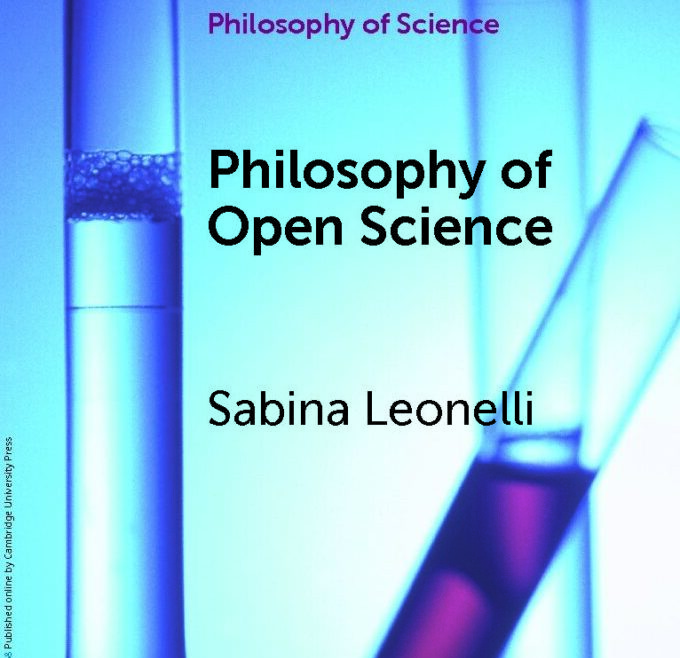
In a new book, “Philosophy of Open Science,” authored by Sabina Leonelli, the intricate relationship between openness and scientific inquiry is explored. The book was published online by Cambridge University Press in late July 2023, offering readers an insightful and philosophically informed perspective on the rapidly evolving Open Science (OS) movement.

In recent years, the concept of Open Science (OS) has gained significant traction in the academic and research communities. The notion of open access to research outputs and the sharing of scientific knowledge has become a rallying point for those advocating for a more inclusive and collaborative approach to knowledge creation. However, as the movement evolves, the author argues that a deeper examination of the underlying philosophical assumptions and practical implications of OS is needed. The author posits that a shift is required from a focus on sharing resources to the cultivation of judicious connections within diverse systems of research practice.

A central challenge, as articulated by the author, is the clash between differing interpretations and implementations of openness. These disparities arise from various systems of practice, each with varying degrees of influence and visibility. The author points out that such inequality can lead to epistemic injustice, where certain perspectives are marginalized, ultimately weakening the quality of scientific outcomes. To address this challenge, the author advocates for a process-oriented philosophy of science that emphasizes the conditions under which research outputs are produced, disseminated, and deployed.

The traditional view of OS, grounded in an object-oriented perspective, considers openness as the freedom to share tangible research outputs such as data, models, and articles. However, the author contends that this approach falls short of effectively enhancing scientific knowledge and inclusivity. Instead, the author proposes a shift towards strategies that emphasize specific ways of providing accessibility. This includes a focus on the decision-making processes surrounding contributors, interpretation of objects, and research goals. In this framework, research outputs are seen as temporary markers within the ongoing inquiry process, facilitating communication and learning within and beyond the research community.

Central to this revised perspective is the idea of judicious connections. The author highlights the importance of identifying relevant stakeholders within specific research contexts, aiming to mitigate epistemic injustices while fostering meaningful interactions. This approach challenges researchers to prioritize transparency and engage in critical scrutiny of their own practices. It also places emphasis on creating an environment that encourages researchers to question their control strategies and adapt their methods based on the evolving nature of research.

Addressing the challenges of scale and bureaucracy, the author acknowledges the need for systemic changes in research culture and governance. The article stresses the importance of developing infrastructures that facilitate transdisciplinary dialogue and prioritize collective agency. While acknowledging the influence of the global political economy on scientific research, the author remains optimistic about the potential of OS to promote responsible and responsive practices.

In conclusion, the author asserts that Open Science is more than a technical endeavor; it is a complex interplay of philosophical underpinnings, research practices, and societal implications. By shifting the focus from sharing to judicious connections, the OS movement can foster a more inclusive and robust approach to knowledge creation. As the landscape of research continues to evolve, it is imperative for scholars, institutions, and policymakers to engage in thoughtful discussions and enact meaningful changes that align with the core principles of Open Science.

More details at the following links: CORDIS and Full Book (Author: Sabina Leonelli)

Essential Tips for Young Researchers: Navigating the Path to Success
Essential Tips for Young Researchers: Navigating the Path to Success 1024 577 Open and Universal Science (OPUS) Project

The journey of a young researcher in the realm of academia and scientific exploration is both exhilarating and challenging. Aspiring researchers often find themselves on a path filled with curiosity, innovation, and a quest for knowledge that can shape the future. While this journey may seem daunting, there are several key tips that can help young researchers navigate their way to success and make the most of their academic endeavors.

  1. Cultivate Curiosity and Passion

At the heart of every successful researcher lies an insatiable curiosity and a genuine passion for their chosen field of study. Cultivating these qualities is essential as they drive the motivation to explore, question, and seek answers to complex problems. Allow your passion to guide your research interests and spark your enthusiasm for discovery.

  1. Define Clear Objectives

Setting clear research objectives is fundamental to the success of any research project. Clearly outline what you aim to achieve, whether it’s uncovering a new phenomenon, validating a hypothesis, or solving a specific problem. Having well-defined goals helps maintain focus and direction throughout your research journey.

  1. Master the Art of Time Management

Effective time management is a skill that cannot be emphasized enough. Balancing coursework, research, personal life, and other commitments requires careful planning and organization. Create a realistic schedule, prioritize tasks, and allocate sufficient time for research, analysis, writing, and relaxation. Remember, a well-rested mind is often more productive and creative.

  1. Learn from Experienced Researchers

Mentorship plays a crucial role in the development of young researchers. Seek guidance from experienced mentors or advisors who can provide insights, share their experiences, and offer constructive feedback. Engaging with seasoned researchers can accelerate your learning curve and help you avoid common pitfalls.

  1. Embrace Failure as a Stepping Stone

Research is often accompanied by setbacks and failures. Embrace these challenges as opportunities for growth rather than stumbling blocks. Every failed experiment or unexpected result contributes to the learning process and can lead you closer to valuable discoveries. Perseverance in the face of adversity is a hallmark of successful researchers.

  1. Develop Strong Communication Skills

The ability to effectively communicate your research findings is as important as the research itself. Hone your writing skills to create clear, concise, and engaging research papers, proposals, and presentations. Additionally, practice verbal communication to convey complex concepts to both expert and non-expert audiences.

  1. Collaborate and Network

Collaboration and networking are vital components of the research ecosystem. Engage with peers, attend conferences, workshops, and seminars to exchange ideas, share knowledge, and establish connections with fellow researchers. Collaborative projects often lead to diverse perspectives and innovative solutions.

  1. Stay Updated with the Latest Trends

Research fields are constantly evolving with new technologies, methodologies, and breakthroughs. Stay updated with the latest literature, trends, and advancements in your field through regular reading and participation in relevant forums. Keeping your knowledge current ensures the relevance and impact of your research.

  1. Ethics and Integrity Are Non-Negotiable

Maintaining high ethical standards and integrity is paramount in the world of research. Uphold the principles of honesty, transparency, and respect for intellectual property. Properly attribute sources, adhere to ethical guidelines, and conduct research with a sense of responsibility towards society.

  1. Nurture Work-Life Balance

Lastly, while the pursuit of research excellence is important, remember to prioritize your well-being. Burnout can impede productivity and creativity. Dedicate time to hobbies, physical activities, and spending quality time with loved ones. A healthy work-life balance not only enhances your personal life but also positively impacts your research endeavors.

Embarking on a career as a young researcher is a thrilling voyage into the world of discovery, innovation, and knowledge. By cultivating curiosity, honing essential skills, seeking mentorship, and embracing challenges, young researchers can navigate the path to success with confidence. Remember that every step taken contributes to the collective advancement of human understanding, making your journey a valuable contribution to the world of academia and beyond.

Headline picture: Science

How Open Science Revolutionizes Research Assessment: Fostering Transparency, Collaboration, and Impact
How Open Science Revolutionizes Research Assessment: Fostering Transparency, Collaboration, and Impact 771 520 Open and Universal Science (OPUS) Project

Open Science has emerged as a powerful force in revolutionizing research assessment. By embracing transparency, accessibility, and collaboration, open science ensures that research evaluation becomes more rigorous, inclusive, and impactful. Enhanced visibility through open access, reproducibility, and rapid feedback mechanisms enables researchers to receive timely input from the global scientific community. Moreover, by recognizing collaborative efforts and embracing alternative metrics, research assessment becomes more attuned to the diverse ways research contributes to society. Embracing open science in research assessment not only improves the evaluation process but also fosters a culture of openness, driving scientific progress for the betterment of humanity.

1. Enhanced Visibility and Accessibility

One of the primary ways open science helps research assessment is by enhancing the visibility and accessibility of research outputs. By embracing open access publishing, research findings become freely available to anyone, anywhere, without the barriers of paywalls or subscriptions. This increased accessibility ensures that a broader audience, including policymakers, practitioners, and the general public, can benefit from and engage with the latest scientific knowledge. In turn, this broader reach can lead to increased citations and recognition, providing a more accurate measure of the research impact.

2. Reproducibility and Scientific Integrity

Open Science places a strong emphasis on data sharing and research reproducibility. When researchers share their raw data, code, and methodologies openly, it allows others to verify and replicate the findings, enhancing scientific integrity. Reproducibility is a cornerstone of robust scientific research, and by encouraging this practice, open science contributes to more rigorous research assessment. Evaluators can examine not only the conclusions but also the process leading to those conclusions, making the assessment process more transparent and reliable.

3. Rapid and Inclusive Feedback

Preprints, which are drafts of research papers shared publicly before peer review, play a significant role in open science. Researchers can disseminate their findings rapidly, enabling the global scientific community to provide feedback, comments, and suggestions. This early engagement fosters a culture of open dialogue and collaboration. Research assessment that acknowledges preprints recognizes the value of early contributions and encourages researchers to engage with the community for feedback before formal publication, leading to improved research quality.

4. Democratizing Knowledge Production

Open science encourages collaboration and knowledge-sharing across institutions, disciplines, and even with the public. Collaborative research efforts lead to diverse perspectives and robust outcomes. Citizen science initiatives, where the public actively participates in scientific research, exemplify the democratization of knowledge production. By recognizing and valuing collaborative research in assessment, academia acknowledges the importance of collective efforts in advancing science and promotes inclusivity in research evaluation.

5. Embracing Altmetrics for Broader Impact Assessment

Traditional research assessment has primarily relied on citation counts and journal impact factors to measure research impact. However, open science has given rise to alternative metrics (altmetrics) that capture a broader range of impact indicators. Altmetrics include mentions in social media, policy documents, news outlets, and public engagement activities. By integrating altmetrics into research assessment, a more holistic view of a researcher’s impact can be achieved. It acknowledges that research can have far-reaching effects beyond academic circles, contributing to societal and practical advancements.

Headline picture: Rutgers

Privacy Preferences

When you visit our website, it may store information through your browser from specific services, usually in the form of cookies. Our Privacy Policy can be read here.

Here you can change your Privacy preferences. It is worth noting that blocking some types of cookies may impact your experience on our website and the services we are able to offer.

Click to enable/disable Google Analytics tracking code.
Click to enable/disable Google Fonts.
Click to enable/disable Google Maps.
Click to enable/disable video embeds.
Our website uses cookies, mainly from 3rd party services. Define your Privacy Preferences and/or agree to our use of cookies.