Research

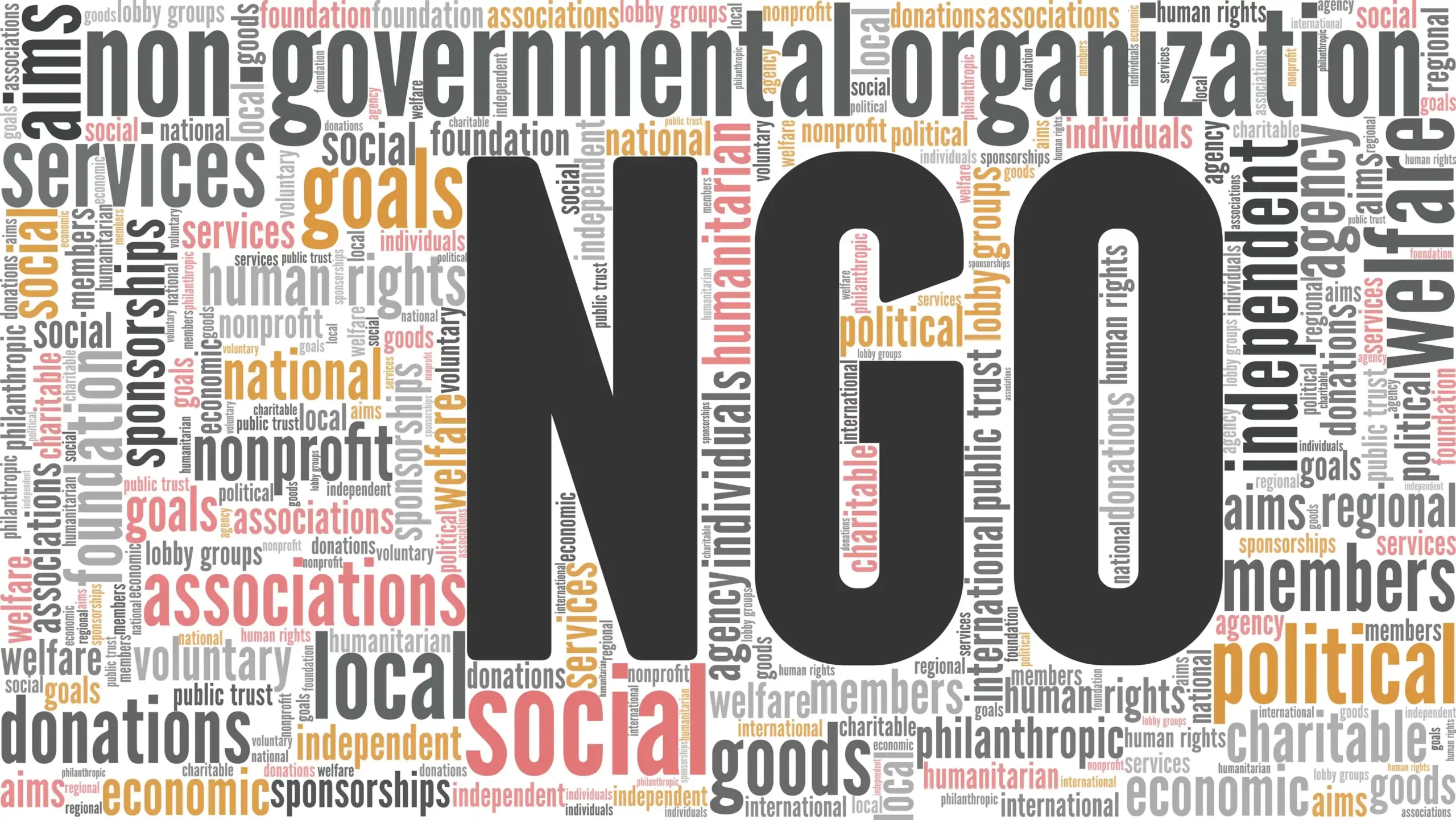
The Vital Role of NGOs in Spreading Open Science
The Vital Role of NGOs in Spreading Open Science 1024 577 Open and Universal Science (OPUS) Project

Open science has emerged as a powerful movement transforming the way scientific knowledge is created, shared, and utilized. With its emphasis on transparency, collaboration, and accessibility, open science has the potential to accelerate scientific progress and foster innovation. In this article, we will explore the significant role that non-governmental organizations (NGOs) play in promoting and spreading open science principles.

  1. Advocacy and Policy Influence

NGOs are crucial advocates for open science at the national and international levels. They raise awareness about the benefits of open science and engage with policymakers to develop supportive frameworks and policies. NGOs work towards ensuring that governments prioritize open access to research findings, promote data sharing, and foster collaborative research environments. By effectively lobbying for the integration of open science principles into policymaking, NGOs contribute to the wider adoption of open science practices.

  1. Capacity Building and Training

NGOs actively participate in capacity building and training initiatives to empower researchers, institutions, and policymakers with the necessary skills and knowledge to embrace open science. They organize workshops, seminars, and training programs to educate stakeholders about open access publishing, data management, research reproducibility, and other key components of open science. Through these initiatives, NGOs enable researchers to navigate the complexities of open science, promoting its widespread adoption and implementation.

  1. Infrastructure Development and Support

NGOs often play a pivotal role in developing and maintaining the technological infrastructure required for open science. They collaborate with institutions, funding agencies, and research communities to establish open repositories, data archives, and platforms for collaborative research. By providing technical support and guidance, NGOs facilitate the sharing and accessibility of research outputs, enabling scientists to contribute to and benefit from a global knowledge commons.

  1. Community Engagement and Collaboration

NGOs foster a sense of community and collaboration among researchers by facilitating interdisciplinary interactions and networking opportunities. They organize conferences, hackathons, and online forums, creating platforms for researchers to share ideas, collaborate on projects, and build partnerships. By nurturing these collaborative networks, NGOs promote the principles of open science, emphasizing the importance of transparency, open communication, and the collective advancement of knowledge.

  1. Advocacy for Open Access Publishing

NGOs play a significant role in advocating for open access publishing, which ensures that research outputs are freely available to the public. They collaborate with publishers, institutions, and researchers to promote the adoption of open access models. NGOs support initiatives such as the Plan S, which aims to make all publicly funded research publications open access. By advocating for open access, NGOs contribute to the democratization of knowledge, enabling a wider audience to benefit from scientific research.

  1. Ethical Considerations and Citizen Science

NGOs also highlight the importance of ethical considerations in open science practices. They advocate for responsible research conduct, data privacy, and informed consent in sharing research data. NGOs encourage the integration of citizen science approaches, involving the public in scientific research and decision-making processes. By incorporating ethical guidelines and involving citizens in research, NGOs ensure that open science remains inclusive, transparent, and socially responsible.

Conclusion

The role of NGOs in spreading open science cannot be overstated. Their efforts in advocacy, capacity building, infrastructure development, community engagement, and ethical considerations are instrumental in promoting open science principles and practices. By collaborating with various stakeholders, NGOs facilitate the transformation of the scientific landscape, fostering a culture of openness, transparency, and collaboration. As we navigate the complex challenges of the 21st century, NGOs will continue to be at the forefront of the open science movement, shaping the future of scientific research and innovation.


Embracing Open Science: Empowering the LGBTQ+ Community
Embracing Open Science: Empowering the LGBTQ+ Community 1024 576 Open and Universal Science (OPUS) Project

In recent years, the principles of open science have gained significant traction within the academic and scientific communities. Open science promotes the sharing of knowledge, data, and research findings, fostering collaboration and transparency in the pursuit of scientific advancement. Beyond its primary goals, open science has had a profound influence on various social and marginalized communities, including the LGBTQ+ (Lesbian, Gay, Bisexual, Transgender, Queer/Questioning, and others) community. This article explores how open science has become a catalyst for positive change, empowerment, and inclusivity within the LGBTQ+ community.

  1. Breaking Barriers of Isolation: Open science has the power to break down barriers and eliminate the isolation often experienced by LGBTQ+ individuals. By encouraging the open sharing of research and ideas, it creates opportunities for scholars, activists, and individuals from diverse backgrounds to collaborate and contribute to scientific knowledge. This inclusivity fosters a sense of belonging and acceptance, giving a voice to those who may have previously felt marginalized within scientific spaces.
  2. Addressing Knowledge Gaps: Historically, the LGBTQ+ community has been underrepresented in scientific research, leading to significant knowledge gaps. Open science initiatives have helped to bridge these gaps by promoting the inclusion of LGBTQ+ perspectives and experiences in scientific studies. Researchers are now more encouraged to investigate topics related to sexual orientation, gender identity, and the unique challenges faced by the LGBTQ+ community. This increased focus has led to a deeper understanding of LGBTQ+ health, mental well-being, and social issues.
  3. Challenging Stereotypes and Stigma: Open science serves as a powerful tool for challenging stereotypes and reducing stigma surrounding LGBTQ+ identities. By openly sharing research findings, scholars have been able to debunk harmful misconceptions and provide evidence-based knowledge that challenges societal biases. The dissemination of accurate information through open science channels helps to promote acceptance, understanding, and empathy towards the LGBTQ+ community.
  4. Amplifying Activism and Advocacy: Open science has provided a platform for LGBTQ+ activists and advocates to amplify their voices and effect positive change. By openly sharing research, data, and personal experiences, activists can access and utilize scientific evidence to support their advocacy efforts. This integration of science and activism has strengthened LGBTQ+ rights movements, leading to increased awareness, policy reforms, and social progress.
  5. Fostering Community Engagement and Support: The open science movement has created opportunities for community engagement and support within the LGBTQ+ community. Online platforms and open-access resources provide a wealth of information, educational materials, and support networks for individuals seeking guidance or connection. This accessibility has empowered LGBTQ+ individuals to take control of their own health, well-being, and personal development.

Open science has brought about significant positive changes within the LGBTQ+ community. By promoting inclusivity, challenging stereotypes, and amplifying activism, open science has empowered individuals and communities to contribute, collaborate, and access valuable resources. This increased visibility and understanding have paved the way for a more accepting and equitable society. As the open science movement continues to evolve, it is crucial to ensure that the LGBTQ+ community’s unique perspectives and experiences remain central to scientific discourse, fostering a more inclusive and diverse research landscape.

Exploring the Promising Path of a Career in Open Science
Exploring the Promising Path of a Career in Open Science 640 480 Open and Universal Science (OPUS) Project

In recent years, open science has emerged as a powerful movement transforming the traditional landscape of scientific research and discovery. By promoting transparency, collaboration, and accessibility, open science has the potential to accelerate scientific progress and foster innovation. As this approach gains traction, it opens up exciting opportunities for individuals seeking a fulfilling and impactful career. In this article, we delve into the realm of open science and explore the benefits and challenges associated with pursuing a career in this dynamic field.

Defining Open Science

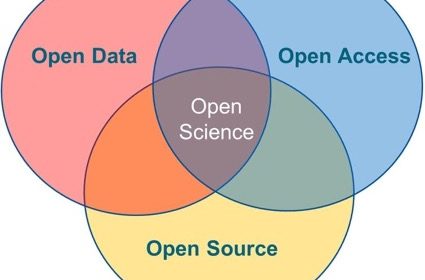
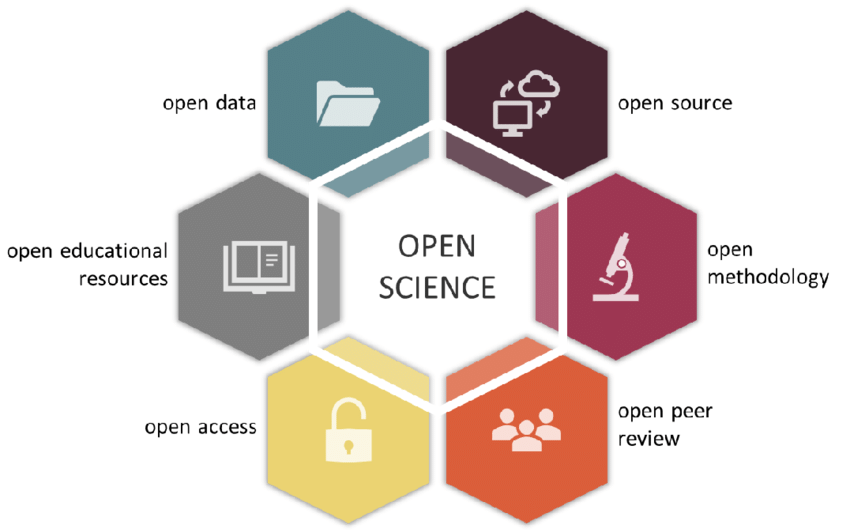
Open science is a philosophy and practice that aims to make scientific research, data, and findings accessible to everyone, without barriers such as paywalls or restrictive licenses. It encompasses various principles, including open access publishing, open data, open-source software, and open collaboration. Open science encourages researchers to share their work openly, facilitating transparency, reproducibility, and collaboration.

Benefits of a Career in Open Science

  1. Advancing knowledge and societal impact: Engaging in open science allows researchers to contribute to the collective body of knowledge and have a tangible impact on society. By making research findings accessible to a wider audience, open science promotes scientific literacy and enables policymakers, industry professionals, and the public to make informed decisions based on evidence.
  2. Collaboration and networking: Open science emphasizes collaboration and encourages researchers to work together across disciplines, institutions, and borders. This fosters a rich and diverse scientific community, enabling the exchange of ideas, expertise, and resources. Collaborative efforts often lead to more robust and comprehensive research outcomes.
  3. Career development and visibility: Open science provides researchers with increased visibility and recognition within their fields. Publishing in open access journals or sharing preprints allows rapid dissemination of their work, potentially attracting collaborations and future opportunities. Additionally, contributing to open-source software projects or participating in open data initiatives can enhance technical skills and broaden professional networks.
  4. Reproducibility and quality assurance: Open science promotes transparency and reproducibility, ensuring that research findings can be verified and validated by others. Engaging in open practices, such as sharing raw data and methodologies, enhances the quality and integrity of scientific research. This commitment to rigor and transparency strengthens the credibility of researchers and their work.

Challenges and Considerations

While the pursuit of a career in open science offers numerous advantages, it is important to acknowledge the challenges and considerations involved:

  1. Funding and sustainability: Open science initiatives often rely on alternative funding models. Researchers may need to secure grants, crowdfund, or seek support from institutions committed to open science. Additionally, sustainability of open science practices can pose challenges, as infrastructure and maintenance costs may need to be covered in novel ways.
  2. Cultural shift and resistance: Shifting towards open science requires a cultural change within the scientific community. Researchers may encounter resistance from traditional establishments, who might be reluctant to embrace open practices. However, as open science gains momentum, attitudes are gradually evolving, making it an opportune time to contribute to this transformative movement.
  3. Balancing openness and privacy: While open science promotes sharing and collaboration, it is crucial to navigate privacy and ethical considerations associated with sensitive data, human subjects, and intellectual property. Striking a balance between openness and safeguarding privacy rights is an ongoing challenge that requires careful consideration.

Conclusion

A career in open science holds immense potential for individuals passionate about driving scientific progress, fostering collaboration, and making a positive impact on society. Embracing open practices allows researchers to accelerate their own career development, while contributing to a more inclusive and accessible scientific ecosystem. Despite the challenges involved, the rewards of open science are substantial, both in terms of personal fulfillment and the advancement of knowledge for the benefit of all. By championing transparency, collaboration, and open access, those embarking on a career

Unlocking Knowledge for All: Best Ways to Spread Open Science
Unlocking Knowledge for All: Best Ways to Spread Open Science 425 280 Open and Universal Science (OPUS) Project

In today’s rapidly evolving world, the accessibility and democratization of knowledge have become crucial. Open science, a movement aimed at making scientific research and data freely available to all, holds the potential to accelerate innovation, foster collaboration, and address global challenges. However, for open science to thrive, it must be widely adopted and embraced by researchers, institutions, and the general public. In this article, we will explore some of the best ways to spread open science and promote its principles and practices.

  1. Cultivate a Culture of Openness: One of the fundamental aspects of spreading open science is to foster a culture that values and promotes openness. This can be achieved by encouraging researchers to share their work openly through institutional policies that support open access publishing and data sharing. Institutions and research organizations should prioritize the recognition and rewards for open science practices, such as publishing in open access journals or depositing data in open repositories. By incentivizing openness, we can create an environment where researchers are motivated to embrace open science principles.
  2. Educate and Train Researchers: Promoting open science requires equipping researchers with the necessary skills and knowledge. Institutions should offer training programs and workshops on open science practices, including data management, reproducibility, and open access publishing. Providing resources and support to researchers, such as guidelines for data sharing and open licensing, can help them navigate the complexities of open science. Additionally, integrating open science principles into graduate and postgraduate education can foster a new generation of researchers who are well-versed in open practices.
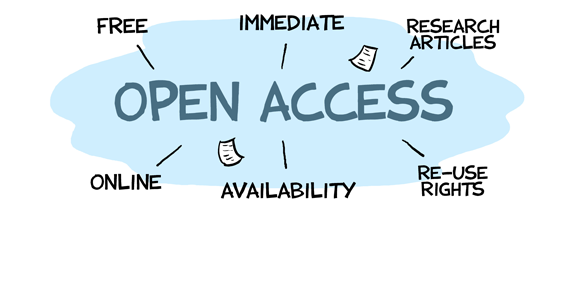
  3. Embrace Open Access Publishing: Open access publishing allows research articles to be freely accessible to anyone, eliminating the barriers posed by traditional subscription-based journals. Researchers should be encouraged to publish their work in reputable open access journals or deposit preprints in open repositories. Institutions can play a significant role by supporting researchers in covering article processing charges (APCs) associated with open access publishing. Moreover, policymakers can introduce mandates that require publicly funded research to be published in open access journals, ensuring broader accessibility to scientific knowledge.
  4. Foster Collaborative Research: Open science encourages collaboration and knowledge sharing among researchers. Institutions and funding agencies can facilitate collaborative research by creating platforms that connect researchers with similar interests. These platforms can include online communities, collaborative tools, and data repositories, enabling researchers to share data, collaborate on projects, and collectively tackle complex scientific challenges. Additionally, fostering interdisciplinary collaborations can further enrich open science initiatives and promote the exchange of ideas across different fields of research.
  5. Engage the Public and Policy Makers: Spreading open science involves engaging not only the scientific community but also the wider public and policymakers. Researchers should actively communicate their findings in accessible language through public lectures, science festivals, and social media. Open science initiatives can leverage platforms like citizen science, where the public can participate in scientific research and contribute to data collection and analysis. Additionally, advocating for policies that support open science, such as promoting open access publishing and data sharing, can create a supportive environment for the movement to flourish.

Conclusion: Open science holds immense potential for advancing scientific knowledge and addressing global challenges. By cultivating a culture of openness, educating and training researchers, embracing open access publishing, fostering collaborative research, and engaging the public and policymakers, we can effectively spread the principles and practices of open science. By working together to unlock the knowledge we generate, we can accelerate scientific progress, empower researchers, and create a more inclusive and equitable world where knowledge is accessible to all.

Open Methods within Open Science: Advancing Transparency and Collaboration
Open Methods within Open Science: Advancing Transparency and Collaboration 850 532 Open and Universal Science (OPUS) Project

In recent years, the scientific community has witnessed a paradigm shift towards open science—a movement that aims to make scientific research and its outputs more accessible, transparent, and reproducible. Open science encompasses a broad range of practices, including open access publishing, data sharing, and collaborative research. Among these practices, open methods have emerged as a powerful tool for advancing transparency and collaboration within the scientific process.

Open methods refer to the transparent and accessible documentation of the methods used in scientific studies. Traditionally, research articles provided only a limited description of the methods employed, often leaving out crucial details that could hinder reproducibility or hinder the ability of other researchers to build upon the work. Open methods, on the other hand, promote detailed and comprehensive reporting, allowing others to replicate and validate the findings and build upon them.

One of the key advantages of open methods is the improved reproducibility of scientific research. Reproducibility is a cornerstone of scientific inquiry, as it allows for independent verification and validation of results. By openly documenting the methods used in a study, researchers provide a roadmap for others to follow, enabling them to replicate the experiment or analysis and verify the reported findings. This not only enhances the credibility of scientific research but also reduces the potential for errors or biases to go unnoticed.

Furthermore, open methods foster collaboration and knowledge exchange among researchers. By openly sharing the specifics of experimental design, data collection, and analysis, researchers can engage in more meaningful discussions and collaborations. Others can provide valuable feedback, suggest improvements, or propose alternative interpretations of the results. This collaborative approach not only strengthens the reliability of scientific findings but also promotes innovation and the generation of new research avenues.

Open methods also play a crucial role in the education and training of future scientists. By providing detailed documentation of research methods, aspiring researchers can learn from established practices and gain a better understanding of the scientific process. Open methods serve as valuable educational resources, allowing students and early-career scientists to familiarize themselves with various experimental techniques and analytical approaches. This transparency nurtures a culture of scientific rigor and fosters a new generation of researchers who are committed to open and reproducible science.

Implementing open methods within the scientific community requires a collective effort and a shift in research culture. Journals and funding agencies can play a significant role by encouraging researchers to adopt transparent reporting practices. They can require authors to submit detailed methodological descriptions alongside their manuscripts or provide supplementary materials where additional technical information can be included. Moreover, guidelines and standards for reporting research methods, such as the Transparent Reporting of a multivariable prediction model for Individual Prognosis Or Diagnosis (TRIPOD) statement for prediction models or the Minimum Information About a Microarray Experiment (MIAME) for microarray studies, can serve as valuable frameworks to ensure comprehensive and standardized reporting.

Technological advancements also facilitate the implementation of open methods. Online platforms and repositories allow researchers to share detailed protocols, software code, and datasets, making them easily accessible to the scientific community. Collaborative tools and version control systems enable real-time collaboration, enabling multiple researchers to work together on the same project while maintaining a transparent record of changes and contributions.

In conclusion, open methods within open science represent a significant advancement in promoting transparency, reproducibility, collaboration, and education within the scientific community. By openly documenting research methods, scientists contribute to the collective knowledge and ensure that scientific findings are robust and reliable. Embracing open methods requires a cultural shift, with researchers, journals, and funding agencies collectively working towards implementing and promoting transparent reporting practices. Ultimately, the widespread adoption of open methods will lead to a more transparent and collaborative scientific landscape, fostering innovation, and driving the progress of knowledge forward.

The Long-Term Effects of Open and Transparent Publications and Information in the Frames of Open Access, Open Research, and Open Science
The Long-Term Effects of Open and Transparent Publications and Information in the Frames of Open Access, Open Research, and Open Science 583 284 Open and Universal Science (OPUS) Project

In recent years, the academic and scientific community has witnessed a paradigm shift toward openness, transparency, and accessibility in research and scholarly communication. Open access, open research, and open science have emerged as powerful movements aimed at transforming traditional publishing practices and fostering collaboration, innovation, and societal impact. This article explores the long-term effects of open and transparent publications and information within the frameworks of open access, open research, and open science.

  1. Enhanced Knowledge Sharing and Collaboration

One of the primary goals of open access, open research, and open science is to remove barriers that impede the widespread dissemination of knowledge. By making research publications freely available to the global community, these movements facilitate the exchange of ideas, allowing researchers from diverse backgrounds and geographical locations to access and build upon existing knowledge. This increased accessibility fosters collaboration, encourages interdisciplinary research, and accelerates the pace of scientific discovery.

  1. Accelerated Innovation and Progress

Open access, open research, and open science enable researchers to share their findings promptly, thereby accelerating the process of scientific discovery and innovation. By making research outputs openly available, others can validate and replicate findings, facilitating the robustness of scientific knowledge. The ability to access and reuse datasets, methodologies, and results expedites the advancement of research across various fields, driving innovation and societal progress.

  1. Increased Public Engagement and Trust

The transparent nature of open access, open research, and open science initiatives builds public trust and engagement in the scientific process. Openly sharing research outputs, including data, methodologies, and code, allows the public to scrutinize and verify scientific claims, fostering greater confidence in the reliability and credibility of research findings. This transparency strengthens the connection between academia and society, leading to informed policy decisions, public participation in research, and the democratization of knowledge.

  1. Amplified Impact and Visibility

Traditional publishing models often restrict access to research findings, limiting their potential impact. Open access publishing increases the visibility and reach of research by removing subscription barriers, enabling a broader audience to benefit from scientific discoveries. Moreover, open access publications tend to receive higher citation rates, increasing the visibility and influence of the research within the academic community. The increased impact and visibility contribute to the career advancement of researchers and promote a more inclusive and equitable research landscape.

  1. Reproducibility and Scientific Rigor

Transparency and openness play a crucial role in ensuring the reproducibility and scientific rigor of research. Open research practices, such as sharing raw data, preprints, and research protocols, enable others to replicate and validate research findings. This transparency promotes accountability, reduces the likelihood of scientific misconduct, and enhances the overall quality and reliability of scientific research.

  1. Data Sharing and Collaboration

Open access, open research, and open science foster the sharing and collaboration of research data. Open data initiatives enable researchers to make their datasets available for reuse, leading to the creation of new knowledge and the exploration of research questions beyond the original scope of the data. By encouraging data sharing and collaboration, these movements facilitate interdisciplinary research and enable the integration of diverse datasets, further driving scientific discovery and innovation.

Conclusion

Open access, open research, and open science have ushered in a new era of transparency, collaboration, and accessibility in academic and scientific publishing. The long-term effects of these initiatives are far-reaching and transformative. By enhancing knowledge sharing, accelerating innovation, increasing public engagement and trust, amplifying research impact and visibility, promoting reproducibility, and facilitating data sharing and collaboration, open and transparent publications and information have the potential to reshape the research landscape and create a more inclusive and equitable scientific ecosystem. Embracing these principles will pave the way for a future where knowledge is freely accessible, shared, and harnessed for the betterment of society as a whole.

The Right Path to Quality Research: Nurturing Excellence in Academic Inquiry
The Right Path to Quality Research: Nurturing Excellence in Academic Inquiry 1024 724 Open and Universal Science (OPUS) Project

The pursuit of quality research is a fundamental cornerstone of academic progress. It is through rigorous investigation and the generation of new knowledge that we expand our understanding of the world and address the challenges we face. However, conducting high-quality research is not a straightforward task. It requires a systematic and disciplined approach, a commitment to intellectual integrity, and a passion for discovery. In this article, we explore the key steps and principles that pave the right path to quality research.

  1. Define a Clear Research Objective:

Quality research begins with a well-defined research objective. Clearly articulate the purpose of your study, identify the problem or question you aim to address, and establish the significance and potential impact of your research. This step will provide a solid foundation and a clear direction for your investigation.

  1. Conduct a Comprehensive Literature Review:

Before diving into your research, conduct a thorough literature review to familiarize yourself with existing knowledge and research in your field. Identify gaps in the current understanding, evaluate previous methodologies, and build upon existing theories. A robust literature review will ensure that your work contributes to the existing body of knowledge in a meaningful way.

  1. Develop a Sound Methodology:

The methodology is the backbone of any research project. Select appropriate research methods, data collection techniques, and analysis tools that align with your research objective. Ensure that your methodology is scientifically rigorous, reproducible, and capable of generating reliable results. Additionally, consider ethical considerations and ensure compliance with relevant guidelines and regulations.

  1. Collect and Analyze Data:

Data collection and analysis play a crucial role in research quality. Collect data using reliable and valid measures, adhering to established protocols and practices. Employ appropriate statistical and analytical techniques to draw meaningful conclusions from your data. Emphasize objectivity, transparency, and attention to detail during this phase to maintain the integrity of your research.

  1. Interpret and Communicate Results:

The interpretation and communication of research findings are essential for knowledge dissemination and future research endeavors. Analyze and interpret your results in light of your research objective and the existing body of literature. Clearly present your findings, emphasizing their implications, limitations, and potential applications. Utilize appropriate visual aids, such as charts, graphs, or tables, to enhance the clarity and accessibility of your results.

  1. Peer Review and Feedback:

Peer review is a critical component of quality research. Submit your work to reputable journals or conferences and invite constructive feedback from experts in your field. Peer review not only ensures the credibility and reliability of your research but also helps you improve your work by addressing blind spots, refining arguments, and strengthening the overall quality of your findings.

  1. Continuous Learning and Improvement:

The path to quality research is a continuous journey of learning and improvement. Stay abreast of the latest advancements, methodologies, and debates in your field. Attend conferences, workshops, and seminars to engage with other researchers and exchange ideas. Foster collaborations and seek mentorship opportunities to gain insights from experienced researchers. Adapt your research approach and methodologies as new discoveries emerge, and be open to reevaluating your conclusions in light of new evidence.

Conclusion:

The right path to quality research requires discipline, intellectual integrity, and a commitment to excellence. By following these key steps and principles, researchers can ensure that their work contributes meaningfully to the scientific community. Remember that quality research is a collaborative and iterative process, fueled by curiosity, innovation, and a genuine passion for uncovering new knowledge. By embracing these principles, we pave the way for a brighter future and a more profound understanding of our world.

Advancing Innovation and Collaboration: The Research Infrastructure of the European Union
Advancing Innovation and Collaboration: The Research Infrastructure of the European Union 1024 637 Open and Universal Science (OPUS) Project

The European Union (EU) has long been at the forefront of scientific research and technological advancements. To foster innovation and collaboration across member states, the EU has established a robust research infrastructure that serves as a catalyst for cutting-edge discoveries, interdisciplinary cooperation, and socioeconomic growth. In this article, we will explore the key features, initiatives, and benefits of the research infrastructure within the European Union.

  1. European Research Infrastructure Consortium (ERIC)

At the heart of the EU’s research infrastructure lies the European Research Infrastructure Consortium (ERIC). ERIC is a legal framework established to support the establishment and operation of pan-European research infrastructures. It facilitates international cooperation by enabling organizations from different EU member states to collaborate on large-scale projects, share resources, and pool expertise. ERIC ensures the sustainable development and long-term operation of research infrastructures in a cost-effective manner.

  1. European Strategy Forum on Research Infrastructures (ESFRI)

The European Strategy Forum on Research Infrastructures (ESFRI) plays a pivotal role in shaping the EU’s research infrastructure landscape. ESFRI identifies the most pressing research infrastructure needs across Europe and develops roadmaps for their implementation. It fosters coordination among national governments, research organizations, and industry stakeholders to prioritize and fund strategic research infrastructure projects. ESFRI’s efforts have led to the establishment of several world-class facilities, such as the European X-ray Free-Electron Laser (EuXFEL) and the Square Kilometre Array (SKA) radio telescope.

  1. Horizon Europe Program

The EU’s Horizon Europe program, spanning from 2021 to 2027, represents a significant investment in research and innovation. With a budget of approximately €95.5 billion, it aims to strengthen the EU’s scientific leadership and address societal challenges through research infrastructure development. Horizon Europe supports the creation of new research infrastructures, upgrades existing ones, and promotes interdisciplinary collaboration to tackle global issues such as climate change, health, and digital transformation. This program enables researchers and innovators to access cutting-edge facilities, data repositories, and networks for knowledge exchange.

  1. European Research Infrastructures for Excellence (E-RI)

Under the framework of Horizon Europe, the European Research Infrastructures for Excellence (E-RI) initiative promotes the integration and accessibility of research infrastructures. It focuses on developing open and inclusive infrastructures that offer state-of-the-art facilities to researchers from diverse scientific disciplines. E-RI encourages data sharing, fosters interdisciplinary collaborations, and ensures the long-term sustainability and interoperability of research infrastructures. By providing seamless access to a wide range of resources, E-RI facilitates groundbreaking research across Europe.

  1. Benefits and Impact

The research infrastructure of the European Union yields substantial benefits for member states, researchers, and society as a whole. Firstly, it enhances the competitiveness of European research by providing access to advanced equipment, technologies, and expertise that may be unattainable at the national level. By fostering collaboration between scientists, the research infrastructure facilitates knowledge transfer, sparks innovation, and accelerates scientific breakthroughs.

Secondly, the EU’s research infrastructure plays a vital role in addressing societal challenges. It enables researchers to tackle complex issues such as climate change, sustainable energy, and healthcare by offering specialized facilities and data repositories. By promoting collaboration between academia, industry, and policymakers, the research infrastructure facilitates evidence-based decision-making and policy development.

Furthermore, the research infrastructure attracts and retains top talent, promoting the mobility of researchers across Europe. This exchange of ideas and expertise leads to the enrichment of scientific communities and drives regional development. The research infrastructure also fosters international collaboration, strengthening Europe’s position as a global research hub and facilitating partnerships with researchers worldwide.

Conclusion

The research infrastructure of the European Union exemplifies the commitment to scientific excellence, collaboration, and innovation. Through initiatives like ERIC, ESFRI, Horizon Europe, and E-RI, the EU has established a robust framework that empowers researchers, promotes interdisciplinary cooperation, and addresses societal challenges. By investing in cutting-edge facilities, fostering collaboration, and facilitating access to resources, the research infrastructure of the EU remains a catalyst for scientific advancements, economic growth, and societal well-being.

Advancing Knowledge: The Significance of Not-for-Profit Academic Publications
Advancing Knowledge: The Significance of Not-for-Profit Academic Publications 1024 768 Open and Universal Science (OPUS) Project

In the world of academia, the pursuit and dissemination of knowledge are fundamental. Not-for-profit academic publications play a pivotal role in facilitating the exchange of scholarly research and ideas. These publications are distinct from their for-profit counterparts, as their primary objective is to promote knowledge sharing rather than financial gain. This article delves into the importance of not-for-profit academic publications and the benefits they bring to the scholarly community and society at large.

Promoting Open Access and Accessibility

One of the defining characteristics of not-for-profit academic publications is their commitment to open access. Open access ensures that scholarly research is freely available to anyone with an internet connection, removing barriers to knowledge and fostering global participation in the academic discourse. By eliminating paywalls and subscription fees, not-for-profit publications democratize access to information, benefiting researchers, students, and the general public alike. This inclusivity facilitates interdisciplinary collaboration, encourages innovation, and enhances the potential for discoveries that can address pressing societal challenges.

Maintaining Scholarly Integrity and Quality

Not-for-profit academic publications often adhere to rigorous peer-review processes to ensure the quality and integrity of published research. These processes involve subjecting submitted manuscripts to evaluation by experts in the relevant field before publication. Peer review acts as a filter, allowing reliable and credible research to be disseminated, thus upholding the standards of academic scholarship. This commitment to quality control enhances the trustworthiness and credibility of the publications, providing researchers with a reliable source of information for their work.

Fostering Collaboration and Networking

Not-for-profit academic publications serve as platforms for researchers to showcase their work, thereby fostering collaboration and networking within the scholarly community. These publications facilitate the sharing of knowledge, methodologies, and findings, allowing researchers to build upon one another’s work and contribute to the collective advancement of their respective fields. By providing a space for scholarly discourse and interaction, not-for-profit publications promote intellectual exchange and encourage the formation of partnerships and collaborations that can lead to groundbreaking discoveries and interdisciplinary research.

Preserving Academic Freedom and Autonomy

Maintaining academic freedom and autonomy is crucial for the advancement of knowledge. Not-for-profit academic publications often operate independently of commercial interests, allowing researchers to publish their work without undue influence or constraints. This freedom is vital for scholars to pursue innovative and unconventional research, challenge existing paradigms, and explore novel ideas. By safeguarding academic freedom, not-for-profit publications enable researchers to address critical issues, propose alternative perspectives, and push the boundaries of knowledge.

Supporting Non-Mainstream Research and Disciplines

Not-for-profit academic publications play a vital role in supporting research in non-mainstream disciplines and niche areas of study. While commercial publishers may prioritize research with a broader appeal and commercial viability, not-for-profit publications embrace the diversity of academic disciplines. They provide a platform for scholars working in less mainstream fields, enabling them to disseminate their research, garner recognition, and contribute to the overall body of knowledge. This inclusivity encourages interdisciplinary collaboration, stimulates innovation, and fosters a more comprehensive understanding of complex societal issues.

Conclusion

Not-for-profit academic publications are indispensable for the advancement of knowledge, providing open access to quality research, fostering collaboration, and upholding academic freedom. These publications empower researchers to contribute to their fields, irrespective of commercial interests, while promoting inclusivity, interdisciplinary collaboration, and the dissemination of knowledge to the wider public. By supporting not-for-profit academic publications, we can collectively foster an environment that nurtures intellectual growth, innovation, and social progress for the betterment of society as a whole.

Opening Data to the World: Empowering Societies through Transparency and Collaboration
Opening Data to the World: Empowering Societies through Transparency and Collaboration 605 443 Open and Universal Science (OPUS) Project

In the digital age, data has become a valuable asset that shapes our understanding of the world and drives innovation. Governments, organizations, and individuals possess vast amounts of data, ranging from demographic statistics and scientific research to economic indicators and environmental records. Historically, this data was often locked away, accessible only to a select few. However, a global movement is emerging to challenge this status quo and promote the opening of data to the world. In this article, we explore the significance of opening data, the benefits it brings, and the challenges it entails.

The Power of Open Data

Open data refers to the idea that certain types of information should be freely available for anyone to access, use, and share without restrictions. By opening data to the world, governments and organizations foster transparency, accountability, and collaboration, leading to numerous advantages for societies worldwide.

  1. Transparency and Accountability: Open data promotes transparency by allowing citizens to gain insights into government activities, public spending, and decision-making processes. When governments open their data, it becomes easier to hold them accountable for their actions, reducing corruption and fostering trust between the public and governing bodies.
  2. Improved Services and Decision Making: Accessible data enables organizations and governments to make more informed decisions. When diverse stakeholders can access and analyze data, they can identify patterns, trends, and gaps that help drive evidence-based policies and service improvements. For instance, open health data can support the development of targeted public health programs and facilitate medical research.
  3. Economic Growth and Innovation: Open data acts as a catalyst for economic growth and innovation. By providing entrepreneurs, researchers, and developers with access to datasets, new ideas and applications can emerge. Startups can leverage open data to create innovative products and services, stimulating job creation and economic development.
  4. Citizen Empowerment: Opening data empowers citizens to actively engage in the democratic process. When citizens have access to relevant information, they can participate more effectively in public discussions, advocate for their rights, and contribute to civic initiatives. Open data facilitates a more inclusive and participatory society.

Challenges and Considerations

While the benefits of opening data are undeniable, several challenges must be addressed to ensure its effective implementation:

  1. Privacy and Security: Opening data should not compromise individual privacy or expose sensitive information. Striking the right balance between openness and privacy is crucial. Data must be carefully anonymized or aggregated to protect personal details and ensure compliance with privacy regulations.
  2. Data Quality and Standardization: Ensuring data accuracy, reliability, and consistency is essential for meaningful use. Establishing data quality standards and promoting interoperability across different sources is necessary to maximize the potential benefits of open data.
  3. Digital Divide and Accessibility: Opening data to the world must consider accessibility for all. The digital divide, which refers to disparities in internet access and digital literacy, can hinder certain populations from benefiting from open data initiatives. Efforts should be made to bridge this divide and promote inclusive access to data.
  4. Legal and Ethical Considerations: Opening data requires navigating legal and ethical frameworks. Intellectual property rights, copyright issues, and licensing terms need to be considered when sharing data. Moreover, ethical guidelines should be established to ensure data is used responsibly and ethically.

Opening data to the world represents a transformative shift towards transparency, collaboration, and innovation. By breaking down barriers and making data accessible, governments, organizations, and individuals can harness its power to address societal challenges effectively. While challenges exist, with careful planning, data quality assurance, and consideration for privacy, the benefits of open data are immense. By embracing openness, we can unlock the full potential of data and create a more empowered and prosperous world for all.

Privacy Preferences

When you visit our website, it may store information through your browser from specific services, usually in the form of cookies. Our Privacy Policy can be read here.

Here you can change your Privacy preferences. It is worth noting that blocking some types of cookies may impact your experience on our website and the services we are able to offer.

Click to enable/disable Google Analytics tracking code.
Click to enable/disable Google Fonts.
Click to enable/disable Google Maps.
Click to enable/disable video embeds.
Our website uses cookies, mainly from 3rd party services. Define your Privacy Preferences and/or agree to our use of cookies.