
#ResearchAssessment

Strengthening the Trust in Research: The Power of Peer Review
Strengthening the Trust in Research: The Power of Peer Review 1024 738 Open and Universal Science (OPUS) Project

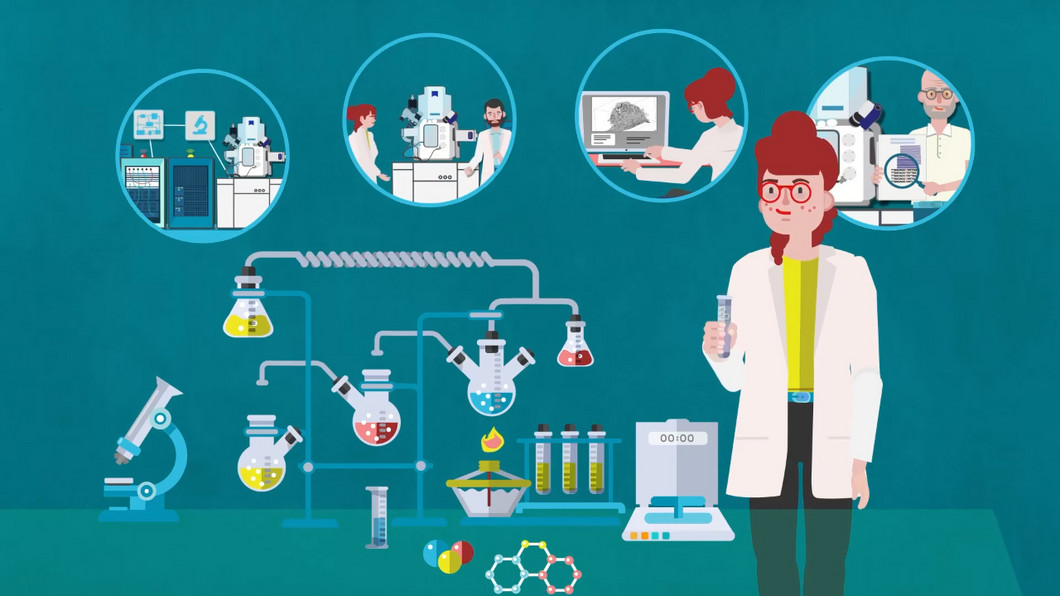
Research is like a journey into the unknown, with scientists exploring new territories to unlock the mysteries of the world. To ensure that these explorations are trustworthy and reliable, scientists rely on a process called “peer review.” This essential step in the research journey plays a crucial role in upholding the integrity of scientific investigations.

What is Peer Review?

Peer review is like having a team of experts check the work of other scientists before it gets published. Imagine you’ve written a story, and before it goes into a book, a group of people who really understand stories reads it. They make sure your story makes sense, that you used the right words, and that your ideas are clear. Peer review does something similar for scientific research.

How Peer Review Works:

  1. Submit and Check: When scientists finish their research, they send it to a scientific journal. The journal editor then chooses other scientists, called peers, to review the work.
  2. Expert Evaluation: These peers are experts in the same field as the research. They carefully read through the research, checking if the methods are sound, the results make sense, and the conclusions are supported by the evidence.
  3. Feedback and Improvement: The peers provide feedback to the original scientists. This feedback helps improve the research, ensuring it’s accurate and reliable. It’s like having a friendly guide suggest ways to make your journey smoother.
  4. Decision Time: After any necessary changes are made, the editor decides whether the research is ready to be shared with the world. This process adds a layer of quality control, making sure that only the best and most trustworthy research is published.

Benefits of Peer Review:

  1. Quality Assurance: Peer review acts as a filter, making sure that only high-quality and well-conducted research gets published. This helps prevent the spread of misinformation and ensures that new discoveries are based on solid ground.
  2. Spotting Mistakes: Having multiple sets of eyes on a piece of research increases the chances of spotting mistakes. This collaborative effort helps catch errors, improving the accuracy of the findings.
  3. Building Trust: When research undergoes peer review, it gains credibility. Other scientists and the public can trust that the work has been thoroughly examined and meets the standards of good science.
  4. Encouraging Improvement: Peer review is not just about saying yes or no. It’s about helping researchers make their work even better. This constructive criticism fosters a culture of continuous improvement in scientific exploration.

Challenges and Evolving Practices:

While peer review is a powerful tool for ensuring research integrity, it’s not without its challenges. Some argue that the process can be slow or that biases may exist. Scientists are exploring new ways to make peer review more efficient and inclusive, such as open peer review and post-publication review.

Peer Review as the Compass for Trustworthy Research

In the vast landscape of scientific exploration, peer review stands as a beacon of trust and reliability. By enhancing research integrity through this collaborative and rigorous process, scientists contribute to the collective knowledge that shapes our understanding of the world. As we continue to refine and adapt peer review practices, we strengthen the foundation upon which scientific progress stands, ensuring that the journey into the unknown is guided by the principles of honesty, accuracy, and excellence.

Photo via The Conversation

GISAID – Advancing Global Health Through Open Data Sharing
GISAID – Advancing Global Health Through Open Data Sharing 680 240 Open and Universal Science (OPUS) Project

In the realm of infectious diseases, particularly influenza, the Global Initiative on Sharing All Influenza Data (GISAID) stands as a shining example of the positive impact of open science.

Background:

In 2008, amidst concerns about the rapid spread of avian influenza (H5N1) and the potential for a global pandemic, a group of scientists recognized the need for real-time, global sharing of influenza data. Traditional practices involved delayed publication in scientific journals, hindering swift responses to emerging threats.

Concrete Achievements:

  1. Real-Time Data Sharing: GISAID established an online platform that allows researchers and laboratories worldwide to share and access influenza-related data in real time. This includes genetic sequences of the virus, clinical data, and epidemiological information. By breaking down traditional barriers to data sharing, GISAID significantly accelerates the global response to influenza outbreaks.
  2. Pandemic Preparedness: During the H1N1 influenza pandemic in 2009 and later during the COVID-19 pandemic, GISAID played a pivotal role in providing crucial information to scientists, public health officials, and policymakers. Rapid access to genetic sequences enabled researchers to study the virus, develop diagnostic tools, and design vaccines with unprecedented speed.
  3. Global Collaboration: GISAID promotes collaborative efforts among scientists and institutions globally. Researchers from diverse backgrounds and regions can contribute to a collective understanding of influenza viruses. This collaborative model ensures that insights gained in one part of the world can benefit others, fostering a united front against infectious diseases.
  4. Open Access to Data: GISAID operates on the principle of open access, allowing any researcher to freely access and use the shared data. This not only promotes transparency but also empowers scientists in resource-limited settings to contribute to and benefit from global research efforts.

Open Science’s Ongoing Impact and Future Potential

The success of GISAID illustrates how open science, in this case, open data sharing, can have tangible and life-saving impacts on global health. By fostering collaboration, providing real-time information, and promoting open access, GISAID exemplifies the concrete achievements of open science for the benefit of society, particularly in the realm of public health and infectious disease control.

Photo via Wikidata

The Importance of Grants for Early Career Researchers and Open Science
The Importance of Grants for Early Career Researchers and Open Science 900 600 Open and Universal Science (OPUS) Project

In the dynamic world of research, the journey of an early career researcher is both exciting and challenging. One key factor that significantly influences their ability to make groundbreaking discoveries is access to funding. Grants play a pivotal role in supporting these budding scientists, fostering innovation, and promoting the principles of open science.

The Foundation of Exploration: Imagine a world where curious minds are stifled due to lack of resources. Grants serve as the foundation upon which early career researchers build their projects. These financial injections empower scientists to delve into uncharted territories, explore novel ideas, and contribute to the ever-expanding realm of knowledge.

Supporting Innovation: Innovation thrives when researchers are free to pursue unconventional ideas without the burden of financial constraints. Grants provide the necessary resources to experiment, test hypotheses, and develop groundbreaking technologies. This support encourages researchers to take risks and push the boundaries of conventional thinking, fostering a culture of creativity and innovation.

Nurturing Talent: Early career researchers represent the future of scientific progress. Grants not only fund specific projects but also nurture the talent behind them. By investing in these researchers, funders contribute to the development of a skilled and diverse scientific community. This investment pays dividends as these individuals grow into seasoned scientists who continue to make significant contributions throughout their careers.

Open Science: A Collaborative Approach: Open science emphasizes transparency, collaboration, and the sharing of research outputs with the global community. Grants play a crucial role in promoting open science by supporting projects that prioritize accessibility and openness. When researchers have the financial backing to make their findings freely available, the entire scientific community benefits. This collaborative approach accelerates the pace of discovery and ensures that knowledge is disseminated widely and rapidly.

Breaking Down Barriers: Financial barriers should not impede the progress of science. Grants provide an avenue for early career researchers, often facing limited resources, to overcome these barriers. By offering financial support, grants create a level playing field, allowing talented individuals from diverse backgrounds to contribute to scientific advancements.

Building Networks and Partnerships: Grants not only provide financial support but also facilitate the building of networks and collaborations. Early career researchers often receive mentorship and guidance from established scientists, fostering a sense of community within the scientific ecosystem. These collaborations enhance the quality and impact of research, creating a ripple effect that extends beyond individual projects.

Innovative Horizons: In the ever-evolving landscape of scientific exploration, grants serve as catalysts for progress. For early career researchers, these financial lifelines unlock doors to innovation, support talent development, and promote the principles of open science. As we recognize the vital role of grants in shaping the future of research, it becomes clear that investing in the next generation of scientists is an investment in the collective knowledge and well-being of society.

Photo via Civitas Strategies Early Start

Unraveling the Mystery: Is Open Science Really Science?
Unraveling the Mystery: Is Open Science Really Science? 600 348 Open and Universal Science (OPUS) Project

In the world of research and discovery, a new player has entered the scene, shaking things up with its bold ideas and principles. This player is called “open science.” But here’s the big question: Is open science truly science? Let’s embark on a journey to understand this exciting and sometimes puzzling concept.

Defining Open Science:

Before we dive into whether open science qualifies as science, let’s figure out what it actually is. Open science is like a friendly superhero in the scientific world. It believes in sharing, collaboration, and making research accessible to everyone. Scientists practicing open science open up their findings, data, and methods for all to see, encouraging a transparent and inclusive approach to knowledge.

The Scientific Ingredients:

Now, let’s break down the essential ingredients of science. Science involves curious minds asking questions, forming hypotheses (fancy guesses about what might happen), conducting experiments or studies, and then sharing the results with others. This sharing part is crucial because it allows other scientists to check the work and see if they get the same results. This process is known as peer review.

Open Science in the Spotlight:

So, does open science follow these scientific steps? Absolutely! Open science embraces asking questions, forming hypotheses, and conducting experiments, just like traditional science. The key difference is that open science takes it a step further by sharing not just the final results but also the nitty-gritty details, like the data and methods used.

Transparency and Collaboration:

Open science believes in being transparent. Imagine you’re baking cookies, and you share the recipe with your friends. They can follow the same recipe and see if they get cookies just like yours. In open science, researchers share their “research recipes” so others can follow along and double-check the results. This transparency helps build trust and ensures the quality of the science.

Challenges and Skepticism:

Now, not everyone is on board with open science. Some folks are skeptical. They wonder if sharing everything might lead to chaos or if it’s even practical in every scientific field. Critics argue that not all research is easily shared, especially in fields where experiments are super complex or involve sensitive information.

Embracing Diversity in Scientific Exploration:

In the grand scientific theater, open science takes the stage with enthusiasm, championing transparency and collaboration. So, is open science really science? Yes, it is! It follows the fundamental steps of scientific inquiry, with an extra emphasis on sharing and working together for the greater good. As the scientific community continues to evolve, open science offers an exciting and inclusive path towards unlocking the mysteries of the universe, one shared discovery at a time.

Photo via KU Leven

The Irreplaceability of Open Science: Examining the Challenges of Alternatives
The Irreplaceability of Open Science: Examining the Challenges of Alternatives 1024 538 Open and Universal Science (OPUS) Project

Open science has emerged as a groundbreaking approach to scientific research, emphasizing transparency, collaboration, and the free sharing of knowledge. While there may be discussions about alternatives, a closer look reveals that finding a proper substitute for open science is not as straightforward as it may seem.

The Strengths of Open Science:

  1. Transparency and Collaboration: Open science encourages transparency by making research data, methods, and results widely accessible. This openness fosters collaboration among researchers, allowing them to build on each other’s work and accelerate the progress of scientific discovery.
  2. Inclusive Access: One of the key strengths of open science is its commitment to making scientific knowledge accessible to everyone. This inclusivity ensures that individuals, regardless of their background or institutional affiliation, can benefit from and contribute to the scientific community.

Challenges of Alternatives:

  1. Traditional Publishing: The traditional model of academic publishing, which often involves paywalls and restricted access, poses significant challenges to the principles of openness. Access barriers limit the dissemination of knowledge, hindering collaboration and slowing down the pace of scientific advancement.
  2. Collaborative Networks: While collaborative networks have their merits, they may inadvertently create information silos. Restricting knowledge sharing to smaller, specialized communities runs the risk of excluding valuable insights from a broader audience, limiting the potential for interdisciplinary collaboration.
  3. Hybrid Models: Hybrid models, while attempting to strike a balance between openness and controlled access, may face implementation challenges. Determining what information is open and what is restricted can be a subjective process, leading to potential conflicts and hindering the seamless flow of knowledge.

The Uniqueness of Open Science:

Open science stands out as a unique and transformative model due to its holistic approach to knowledge sharing. The challenges

faced by alternative models highlight the difficulty in replicating the broad impact and inclusivity of open science.

  1. Public Trust and Credibility: Open science promotes public trust in the scientific process by allowing scrutiny and verification of research. Alternatives that limit transparency may struggle to maintain the same level of credibility and trust, raising questions about the reliability of the information presented.
  2. Pace of Scientific Progress: The unrestricted nature of open science contributes to the rapid pace of scientific progress. Alternatives that introduce barriers or restrictions risk impeding this progress by slowing down the dissemination of critical information and hindering collaborative efforts.
  3. Global Collaboration: Open science transcends geographical boundaries, facilitating global collaboration among scientists. Alternatives that rely on closed networks or limited access may inadvertently create divides, hindering the global exchange of ideas and hindering the potential for breakthroughs that require diverse perspectives.

Why Open Science Remains Unmatched:

While discussions about alternatives to open science persist, the unique strengths and impact of the open science model cannot be easily replaced. The challenges faced by alternative approaches underscore the comprehensive and inclusive nature of open science, which continues to be a driving force behind the advancement of scientific knowledge.

In conclusion, the quest for an alternative to open science faces significant hurdles in replicating the benefits of transparency, collaboration, and inclusivity. As we navigate the evolving landscape of scientific research, it becomes increasingly apparent that open science remains a cornerstone in building a more accessible, collaborative, and impactful scientific community.

Photo via Turning Point Today

Navigating the Academic Seas: Open Access and the Publishing Crisis
Navigating the Academic Seas: Open Access and the Publishing Crisis 935 711 Open and Universal Science (OPUS) Project

In the vast ocean of academia, where knowledge is the currency and research the compass, a crisis has been brewing in the way information is shared and disseminated. The traditional model of academic publishing, often hidden behind paywalls and subscription fees, has given rise to a growing movement advocating for a more open and accessible approach – the Open Access (OA) model.

The Academic Publishing Landscape:

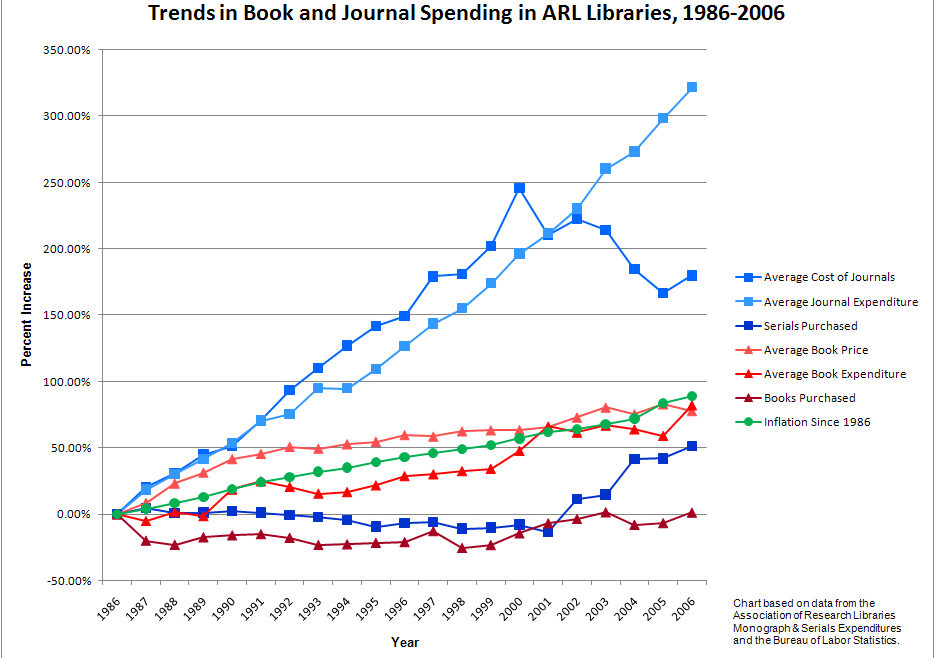
Traditionally, academic research is published in scholarly journals, which act as gatekeepers to scientific knowledge. However, access to these journals often requires hefty subscription fees or one-time payments, limiting access to a privileged few. This exclusivity has led to a crisis, commonly referred to as the “publishing crisis,” where valuable research remains locked behind paywalls, inaccessible to those without the financial means or institutional affiliations.

Open Access as a Solution:

Open Access is a movement seeking to remedy this crisis by making research freely available to the public. In an OA model, articles are accessible online without cost or access restrictions, promoting the democratization of knowledge. This approach aligns with the fundamental principle that research, especially publicly funded research, should be a public good.

Challenges Faced by Open Access:

Despite its noble goals, the Open Access movement faces several challenges. One major hurdle is the financial sustainability of OA journals. Traditional journals often rely on subscription fees to cover publication costs, and transitioning to an OA model requires finding alternative funding sources. This challenge has given rise to debates about the best financial models for sustaining open access without compromising the quality of scholarly work.

Quality and Peer Review Concerns:

Critics of Open Access express concerns about the potential compromise of the peer review process, which is crucial for maintaining the quality and integrity of scholarly publications. Some argue that removing paywalls may undermine the incentive for rigorous peer review, potentially leading to a flood of low-quality or unchecked research. Striking a balance between openness and maintaining academic standards remains a key challenge for the OA movement.

The Role of Institutions and Funders:

In addressing the academic and research publishing crisis, institutions and funders play a pivotal role. Many funding agencies are now mandating that research they support be made openly accessible. Institutions, too, are increasingly recognizing the importance of supporting open access initiatives, contributing to the gradual shift in the academic publishing landscape.

The Future of Academic Publishing: Navigating the Open Access Horizon:

The academic and research publishing crisis, as viewed through the lens of open access, highlights the need for a more inclusive and accessible dissemination of knowledge. While challenges exist, the open access movement represents a step towards breaking down the barriers that have hindered the free flow of information. Striking a balance between financial sustainability and maintaining academic rigor is crucial for ensuring that the seas of academia remain navigable for all who seek knowledge. In the quest for a more open and equitable academic landscape, the winds of change are blowing, and the sails of open access are set to guide us toward a more accessible future.

Photo via Western Illinois University

World Science Day Celebrates Open Science and Open Research
World Science Day Celebrates Open Science and Open Research 1024 767 Open and Universal Science (OPUS) Project

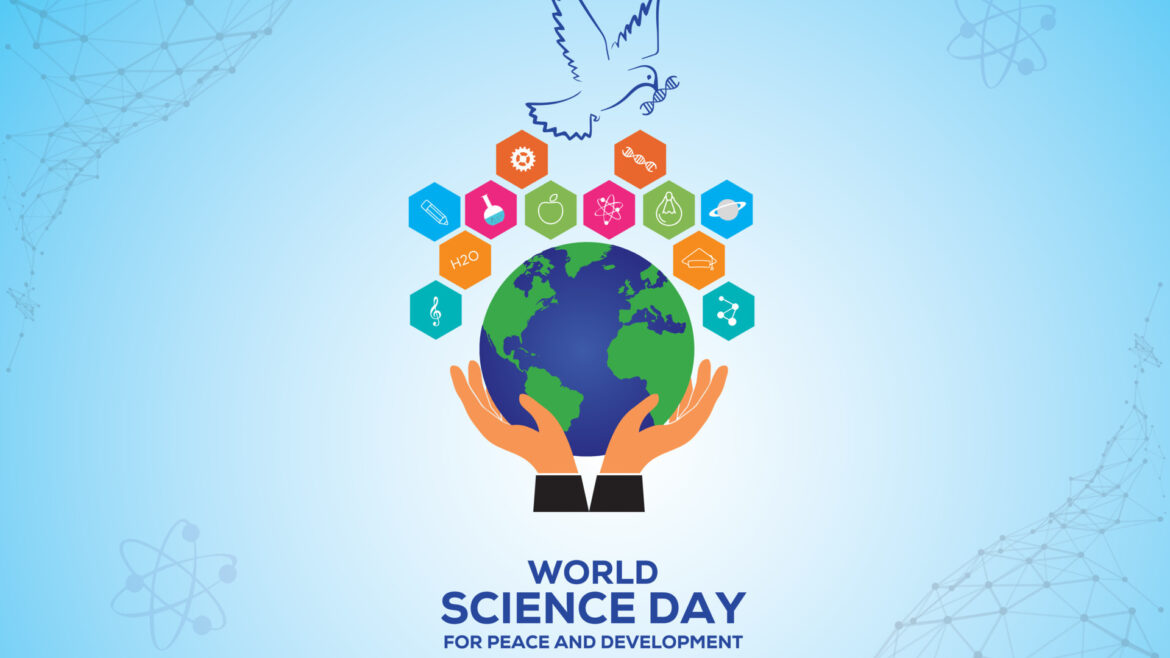
Science has long been a beacon of progress, guiding humanity toward a deeper understanding of the world and offering solutions to some of our most pressing challenges. On November 10th each year, the international community comes together to celebrate World Science Day for Peace and Development. This day serves as a reminder of the crucial role that science plays in promoting peace and sustainable development.

Open Science: A Gateway to Collaboration and Innovation

In recent years, the scientific community has embraced the principles of open science, fostering a collaborative and transparent approach to research. Open science involves making research data, methods, and findings freely accessible to the public, allowing for increased collaboration and innovation. This shift toward openness is transforming the way we conduct and benefit from scientific research.

One key aspect of open science is the free exchange of knowledge. Traditionally, scientific knowledge was often confined within academic circles or hidden behind paywalls. Open science aims to break down these barriers, making scientific information available to a wider audience. This not only democratizes access to knowledge but also accelerates the pace of scientific discovery.

Open Research: Unleashing the Power of Collaboration

Open research, a subset of open science, emphasizes the importance of sharing not only final research outcomes but also the entire research process. This includes sharing raw data, experimental protocols, and even negative results. By doing so, researchers can learn from each other’s successes and failures, avoiding duplicative efforts and building on existing knowledge.

Open research promotes transparency and reproducibility, two essential pillars of robust scientific inquiry. When researchers share their methods and data openly, it becomes easier for others to verify and replicate their findings. This helps build a more reliable foundation of knowledge and enhances the credibility of scientific research.

World Science Day 2023: Embracing Openness for a Better Tomorrow

As we commemorate World Science Day this year, the theme of open science and open research takes center stage. The global community recognizes the need to strengthen international cooperation in science and innovation and to ensure that the benefits of scientific progress are shared by all.

Various events and initiatives around the world will highlight the importance of open science. Workshops, seminars, and conferences will bring together scientists, policymakers, and the general public to discuss how openness in science can contribute to solving global challenges, from climate change to public health crises.

Challenges and Opportunities: Navigating the Path to Openness

While the shift toward open science is promising, it is not without challenges. Issues such as data privacy, intellectual property rights, and funding mechanisms must be carefully navigated. Striking the right balance between openness and protecting individual and collective interests is crucial for the success of open science initiatives.

However, the opportunities presented by open science are vast. Increased collaboration can lead to more innovative solutions, and broader access to scientific knowledge can empower communities around the world. By harnessing the collective wisdom of diverse minds, we can address complex problems more effectively and work towards a more sustainable and equitable future.

Celebrating the Spirit of Discovery and Cooperation

World Science Day for Peace and Development, with its focus on open science and open research, reminds us that science is not just a collection of facts but a dynamic and collaborative process. By embracing openness, we can amplify the impact of scientific research, fostering a global community dedicated to the pursuit of knowledge for the betterment of humanity. As we celebrate this day, let us reaffirm our commitment to a future where the fruits of scientific discovery are shared by all, transcending borders and contributing to a more harmonious world.

Photo via Vecteezy

Exploring Open Science Consortiums: A Gateway to Knowledge Sharing
Exploring Open Science Consortiums: A Gateway to Knowledge Sharing 770 403 Open and Universal Science (OPUS) Project

In the vast realm of scientific research, collaboration and sharing knowledge are key ingredients for progress. One exciting avenue that fosters this spirit of collaboration is the concept of Open Science Consortiums. Let’s break it down in simple terms.

What is an Open Science Consortium?

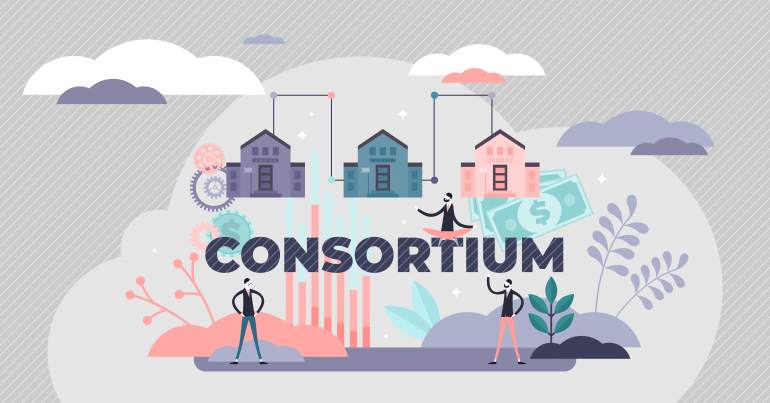
An Open Science Consortium is like a club where scientists, researchers, and experts from different fields come together to share their findings, data, and ideas. It’s all about making science open and accessible to everyone.

The Power of Collaboration

Imagine scientists working on different puzzles. Individually, they might solve one piece, but if they share their pieces with others, they can solve the whole puzzle faster and better. That’s the magic of collaboration, and that’s what Open Science Consortiums are all about.

Open Access to Information

In a traditional setting, some research might be hidden behind paywalls or complicated jargon. Open Science Consortiums believe in breaking down these barriers. They promote open access, meaning anyone – from students to scientists on the other side of the world – can access the information freely.

Sharing is Caring

Scientists in these consortiums believe that sharing their work is a way of caring for the global community. By sharing data, methods, and results, they help others build on their work, creating a ripple effect of knowledge and progress.

Tackling Big Questions

Some questions are so big that they need a collective effort to answer. Open Science Consortiums bring together experts with diverse skills to tackle these big questions, whether it’s finding solutions to climate change or understanding complex diseases.

Transparency and Trust

In the world of science, trust is crucial. Open Science Consortiums promote transparency by showing exactly how they reached their conclusions. This openness builds trust among scientists and the public, ensuring that the information is reliable.

Challenges and Solutions

Of course, like any good story, Open Science Consortiums have their challenges. Sometimes, sharing data might not be easy due to privacy concerns or competition. However, these consortiums work hard to find solutions, balancing the need for openness with ethical considerations.

The Future of Science

Open Science Consortiums are like beacons lighting the way to the future of science. They show us that by working together and being open with our knowledge, we can achieve incredible things. Whether you’re a scientist or just someone curious about the world, Open Science Consortiums invite you to join the journey of discovery and learning. After all, the more, the merrier!

Photo via UNEA

When Can We Expect Full Open Science?
When Can We Expect Full Open Science? 800 424 Open and Universal Science (OPUS) Project

Open science is an exciting movement that aims to make scientific research more accessible, transparent, and collaborative. It’s all about sharing research findings, data, and methods with everyone, not just other scientists. While the idea of open science is gaining momentum, achieving full open science is a complex journey with many challenges. In this article, we’ll explore when we might expect to see the realization of full open science and the steps needed to get there.

What is Open Science?

Open science is a philosophy that promotes the sharing of scientific knowledge, data, and methods with the global community. It seeks to break down the traditional barriers in research and make science more transparent and inclusive. The core principles of open science include:

  1. Open Access: Making research papers and publications freely available to the public.
  2. Open Data: Sharing research data so others can verify and build upon it.
  3. Open Source: Using open-source software for research and sharing the code used in experiments.
  4. Collaboration: Encouraging scientists to work together and share their findings.
  5. Public Engagement: Involving the public in the scientific process and making science more understandable to non-scientists.

Challenges on the Path to Full Open Science

  1. Resistance to Change: Many researchers and institutions are accustomed to traditional publishing models and may resist the shift toward open science.
  2. Data Privacy and Security: Concerns about data privacy and security are challenging, especially when sensitive information is involved.
  3. Funding and Resources: Open science requires additional resources for data management, curation, and open access publishing, which may be a barrier for some researchers and institutions.
  4. Cultural Shift: A cultural shift is needed to encourage scientists to share their work openly and embrace collaboration.
  5. Incentives and Rewards: The current system of academic incentives often values publishing in prestigious journals over open sharing, which needs to change.

When Can We Expect Full Open Science?

Full open science is a lofty goal, and it’s challenging to predict when it will be fully realized. However, many steps are being taken to move closer to this ideal.

  1. Growing Awareness: The awareness of open science benefits is increasing among researchers and institutions. As more people understand the advantages of open science, they are likely to adopt these practices.
  2. Policy Changes: Governments and funding agencies are beginning to promote open science through policies and mandates. This could push the research community towards more openness.
  3. Technological Advancements: Advances in technology are making it easier to share data, collaborate, and communicate openly. Tools and platforms designed for open science are on the rise.
  4. Grassroots Movements: Grassroots efforts within the scientific community are pushing for change. Scientists are forming open science communities, sharing their work openly, and advocating for a more transparent system.
  5. Public Demand: As more people recognize the importance of science in their lives, they may demand greater transparency and accessibility in research.

Challenges and Opportunities on the Road to Full Open Science

Full open science is a commendable goal, but it will take time and effort to achieve. The scientific community, policymakers, and the public must work together to overcome the challenges and barriers that currently exist. While it’s difficult to predict an exact timeline for full open science, the movement is gaining momentum, and we are moving in the right direction. With increased awareness, policy changes, and technological advancements, we can look forward to a future where scientific knowledge is freely accessible to all, promoting greater collaboration and innovation.

Photo via In2English

Accelerating and Enhancing Research
Accelerating and Enhancing Research 1024 576 Open and Universal Science (OPUS) Project

As policymakers, one of key responsibilities is to support and facilitate research that can drive innovation, solve societal problems, and advance knowledge. Accelerating and enhancing research is not only beneficial for the scientific community but also essential for the well-being and progress of our society. In this article, we will explore several strategies that policymakers can implement to promote and bolster research efforts.

  1. Increased Funding and Grants

One of the most effective ways to accelerate research is by increasing funding and grants for research projects. Adequate financial support can enable researchers to pursue their work with greater dedication, access necessary resources, and attract top talent. Policymakers can allocate more resources to research through government agencies and collaborate with private sector partners.

  1. Encourage Interdisciplinary Collaboration

Encouraging interdisciplinary collaboration is vital to enhance the scope and impact of research. Policymakers can create incentives for researchers from different fields to work together on complex issues, fostering innovative solutions that may not be achievable in isolation.

  1. Open Access to Research

Policymakers can advocate for open access to research findings and data. Removing paywalls and promoting open access publishing ensures that scientific knowledge is available to the public and other researchers, leading to faster progress and a more informed society.

  1. Invest in Research Infrastructure

Research infrastructure, such as laboratories, equipment, and technology, plays a critical role in enhancing research capabilities. Policymakers can allocate resources to establish and maintain state-of-the-art research facilities that empower scientists to conduct cutting-edge experiments and studies.

  1. Support Education and Training

Enhancing research begins with investing in education and training programs. Policymakers can promote STEM (Science, Technology, Engineering, and Mathematics) education and provide scholarships and grants to encourage young talent to pursue research careers.

  1. Reduce Administrative Burdens

Research often involves a significant amount of administrative tasks. Policymakers can streamline bureaucratic processes to free up researchers’ time, allowing them to focus on their work rather than paperwork.

  1. Foster Ethical and Responsible Research

Policymakers should establish and enforce ethical guidelines and regulations for research. This ensures that research is conducted with integrity, protecting the rights and well-being of participants and maintaining the public’s trust in the research process.

  1. Encourage Public-Private Partnerships

Collaboration between the public and private sectors can accelerate research by combining resources, expertise, and innovation. Policymakers can promote and incentivize these partnerships to drive technological advancements and economic growth.

  1. Support Long-term Research

Encouraging long-term research projects can lead to groundbreaking discoveries. Policymakers can allocate funding for research with longer time horizons, acknowledging that some of the most significant advancements require sustained effort.

  1. Monitor and Evaluate Progress

Policymakers should regularly monitor and evaluate the impact of research investments. This allows for adjustments and redirection of resources to areas with the most promise and relevance.

Empowering Research for a Brighter Future

Policymakers play a pivotal role in accelerating and enhancing research for the betterment of society. By prioritizing funding, encouraging interdisciplinary collaboration, promoting open access to research, investing in research infrastructure, and supporting education, policymakers can create an environment conducive to innovative and impactful research. These efforts will not only advance scientific knowledge but also lead to solutions for some of the world’s most pressing challenges.

Photo via Life Science

Privacy Preferences

When you visit our website, it may store information through your browser from specific services, usually in the form of cookies. Our Privacy Policy can be read here.

Here you can change your Privacy preferences. It is worth noting that blocking some types of cookies may impact your experience on our website and the services we are able to offer.

Click to enable/disable Google Analytics tracking code.
Click to enable/disable Google Fonts.
Click to enable/disable Google Maps.
Click to enable/disable video embeds.
Our website uses cookies, mainly from 3rd party services. Define your Privacy Preferences and/or agree to our use of cookies.