#ResearchAssessment

OPUS at the Opening Conference of the V4+WB RMA Network Project: Advancing Research Management and Administration in the V4+WB Region
OPUS at the Opening Conference of the V4+WB RMA Network Project: Advancing Research Management and Administration in the V4+WB Region 888 444 Open and Universal Science (OPUS) Project

Opening Conference of the V4+WB RMA Network Plus Project: „Research Managers and Administration: the state-of-the art and future of Research Managers in the V4+WB region“ held on 17-18 October 2023.

The launching event of the project took place in Bratislava targeting RMAs from the V4+WB region and beyond. The event is hosted by the Slovak University of Technology, Faculty of Chemical and Food Technology.

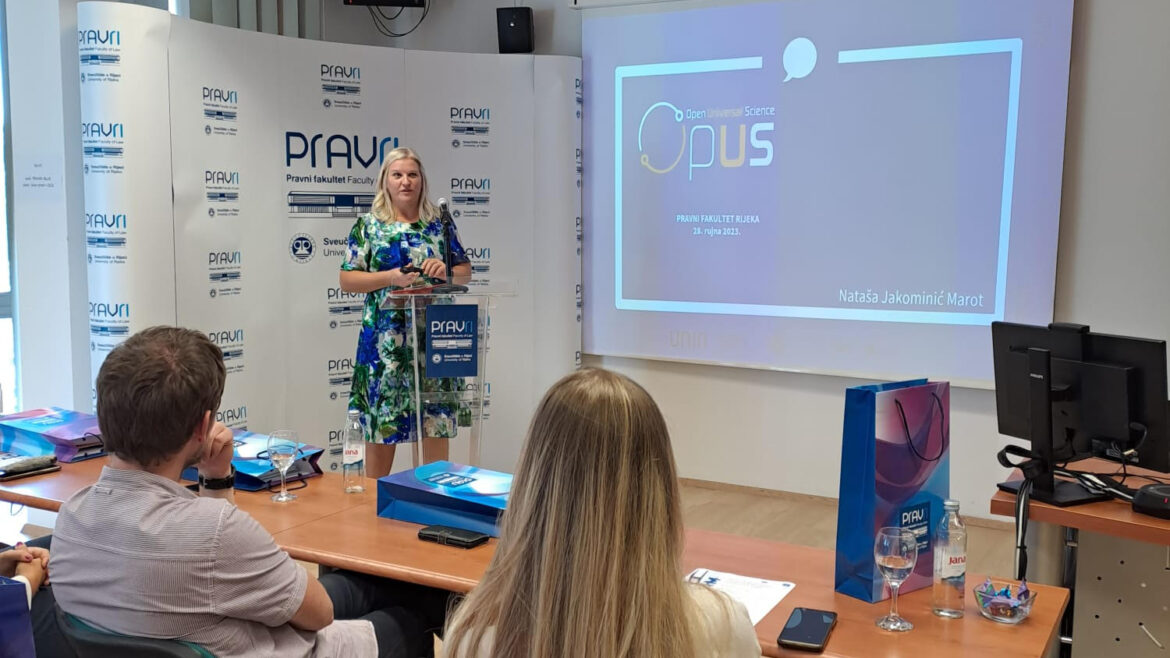
The main focus of the event was to discuss the state-of-the-art of recognition and conditions of RMAs in the region and present relevant initiatives and the opportunities provided at the EU level (RM ROADMAP & ERA Action 17). The conference has supported the exchange of knowledge and experiences of RMAs in EU-funded R&I projects. Natasa Jakominic Marot from University of Rijeka, one of our project partners responsible for implementing interventions related to researcher assessment reform, presented OPUS project and discussed the role of open science in the framework of research assessment reform. The details of the conference in Bratislava can be found here.
Navigating the Digital Treasure Trove: A Guide on How to Find and Collect Open Access Data
Navigating the Digital Treasure Trove: A Guide on How to Find and Collect Open Access Data 1024 410 Open and Universal Science (OPUS) Project

In today’s information age, data is often referred to as the new oil. The availability of vast quantities of data has revolutionized research, business, and decision-making across various fields. But what if you’re a researcher, student, or enthusiast looking for free and open data to support your projects? That’s where open access data comes into play. In this article, we will explore how to find and collect open access data, offering insights on where to look and how to make the most of this valuable resource.

What Is Open Access Data?

Open access data refers to datasets, databases, or collections of information that are freely available to the public, typically under open licenses. This means you can access, use, modify, and share these data without any legal or financial constraints, promoting transparency and innovation. Finding and collecting open access data can greatly enhance your research, analysis, or creative endeavors.

  1. Government and Institutional Repositories

One of the primary sources for open access data is government and institutional repositories. Many government agencies, research institutions, and universities maintain digital libraries filled with valuable datasets. Examples include:

  • Data.gov: A U.S. government initiative that offers access to a vast array of datasets, covering topics like climate, healthcare, and education.
  • European Data Portal: This platform provides access to a wealth of European Union-related data on topics such as agriculture, energy, and transportation.
  • University Libraries: Explore the websites of universities and research institutions to find datasets related to academic projects or research conducted by faculty members.
  1. Open Data Portals

Numerous organizations and communities have created dedicated open data portals to aggregate datasets from various sources. These portals serve as central hubs for discovering open access data. Some popular options include:

  • OpenData.gov: The U.S. government’s open data portal provides datasets from federal, state, and local agencies on topics ranging from economics to public safety.
  • Datahub: Operated by the Open Knowledge Foundation, Datahub offers a vast collection of open datasets from various domains.
  • Kaggle: Although known for its data science competitions, Kaggle also provides a platform for sharing and discovering datasets on a wide range of subjects.
  1. Academic Journals and Publications

Scholarly articles often include references to the datasets used in the research. Journals and publications that support open science principles may offer links to the datasets used in the study. Additionally, some repositories specialize in hosting datasets associated with academic papers.

  • Harvard Dataverse: An open-source web application developed by the Institute for Quantitative Social Science at Harvard University, Dataverse allows researchers to share, publish, and manage their data.
  • Dryad: This digital repository provides a platform for researchers to store and share data associated with scientific publications.
  1. Open Government Initiatives
  1. International Initiatives: Organizations like the Open Government Partnership (OGP) promote transparency and open data at a global level. Countries participating in the OGP commit to providing open access to government data.
  2. Local Initiatives: At the local level, municipalities and city governments also participate in open data initiatives. Check your local government’s website for data sets related to topics such as public transportation, urban planning, and demographics.

Many governments around the world are actively involved in open data initiatives, ensuring public access to datasets generated through taxpayer funding. These initiatives aim to foster transparency, accountability, and innovation.

  1. Social Media and Online Communities

Online communities and social media platforms can be surprisingly useful for discovering open access data. Researchers and data enthusiasts often share valuable resources and datasets through these channels.

  • Reddit: Subreddits like r/datasets and r/opendata are vibrant communities where users share datasets, discuss data sources, and seek advice.
  • Twitter: Search for relevant hashtags like #OpenData and #DataScience to discover datasets and valuable discussions.
  1. Data Repositories and Search Engines

Several data-specific search engines and repositories are designed to facilitate the discovery of open access datasets.

  • Google Dataset Search: Google offers a dedicated search engine for datasets, helping users find publicly available data from a variety of sources.
  • Data.gov.uk: The UK government’s open data portal offers a wealth of datasets, searchable by keywords or categories.
  • Zenodo: This repository allows researchers to share datasets, code, and other research outputs across different scientific disciplines.
  1. Crowdsourced Data

Crowdsourced data platforms are rich sources of information collected by individuals or groups of people. Platforms like Wikipedia, Wikimedia Commons, and OpenStreetMap provide extensive datasets that are openly accessible and frequently updated.

Collecting and Using Open Access Data

Once you’ve identified a source of open access data that matches your needs, the next step is to collect and use the data effectively:

  1. Download or Access the Data: Most open access data sources provide direct download links or access instructions. Follow the provided guidelines to obtain the datasets.
  2. Understand the Data: Carefully read the data documentation or metadata provided with the dataset. This information explains the structure, format, and variables within the data, ensuring you use it correctly.
  3. Data Cleaning and Preprocessing: Depending on the dataset, you may need to clean and preprocess the data to remove inconsistencies or irrelevant information. Data cleaning is a critical step to ensure the data’s quality and accuracy.
  4. Analyze and Visualize: Utilize data analysis and visualization tools to extract insights from the dataset. Techniques such as data mining, statistical analysis, and machine learning can help uncover valuable patterns and trends.
  5. Attribution and Citation: When using open access data in your research, be sure to provide proper attribution to the source. Cite the data and any associated publications according to the guidelines of the dataset provider.
  6. Share Your Work: If you conduct research using open access data and produce valuable insights or analysis, consider sharing your findings with the community by publishing your work, sharing your code, or releasing the results as open data.

Harvesting Insights

Open access data is a valuable resource that empowers researchers, students, and enthusiasts to explore, analyze, and innovate. By leveraging government initiatives, open data portals, academic publications, and online communities, you can uncover datasets on a wide range of topics. When using open access data, it’s essential to ensure that you respect licensing and citation guidelines while contributing to the spirit of open science.

Whether you’re working on a research project, pursuing personal interests, or simply satisfying your curiosity, open access data is an indispensable asset that can unlock a world of knowledge and insights. With the right tools and resources, you can dive into the digital treasure trove of open access data and harness its potential for your own endeavors.

Photo via Open Access

Award Ceremony: 1st Award Ceremony of the National Open Research Data Prize 2023
Award Ceremony: 1st Award Ceremony of the National Open Research Data Prize 2023 1000 1000 Open and Universal Science (OPUS) Project

Date: Wednesday, 6 December 2023
Time: 17:30 Door opening / 18:00 Start of event
Location: Grande Société Berne (Theaterplatz 7), Bern, Switzerland

In a bid to champion open research data practices and honour innovative researchers, the Swiss Academies of Arts and Sciences have organised the first National Open Research Data Prize (ORD Prize). This  initiative is part of the wider Action Plan “Open Research Data,” a key component of the National Strategy for Open Research Data.

The National ORD Prize’s primary mission is to commend and endorse researchers who have embraced the principles of Open Research Data (ORD) and, in turn, foster a shift towards open research methods. By sharing research data openly, this practice promotes transparency, replicability, and collaboration among scientists, ultimately allowing society to use the benefits of scientific knowledge. In the year 2023, the prize’s theme is “Reuse of Research Data.”

Save the date for this event on Wednesday, 6 December 2023. The celebration will kick off with door openings at 17:30 and the main event at 18:00, all taking place at the exquisite Grande Société in Berne, located at Theaterplatz 7.

The evening promises to be a memorable one, with Karin Frei taking the reins as the event’s moderator. Among the highlights will be the announcement of the award winners in three categories: “Gold,” “Silver,” and “Bronze.” The ceremony will also feature inspiring keynote addresses by two distinguished individuals: Prof. Dr. Frank Miedema from Utrecht University and Assoc. Prof. Dr. Toma Susi from the University of Vienna.

This event is not just about recognising exceptional research practices but also about setting the stage for a brighter future of open research data. It’s an occasion that showcases the collaboration and innovation that drive science and knowledge sharing.

Join the event at the Grande Société on 6th December for the first-ever National Open Research Data Prize ceremony, an event that celebrates the power of open research and its potential to transform the way we access and share knowledge.

Find out more by clicking here

OPUS at the University Day Celebrations in Banja Luka
OPUS at the University Day Celebrations in Banja Luka 529 472 Open and Universal Science (OPUS) Project

The upcoming University Day celebrations in Banja Luka will include a special talk on November 10, 2023, by Dr. Natasa Jakominic Marot, the Head of Research and Innovation at the University of Rijeka. During her talk, Dr. Jakominic Marot will discuss the OPUS project and its significant role in promoting open science and improving how we assess research.

The conference plans to highlight the accomplishments of our esteemed faculty members and partners who have earned recognition through a special competition that rewards their published work in influential journals and their active involvement in projects to inspire and motivate others. The event is expected to be a space for meaningful conversations about improving research methods and nurturing academic brilliance.

Photo via Hetfa

Interdisciplinary Event Sheds Light on Challenges to Sustain Electronic Scientific Journals
Interdisciplinary Event Sheds Light on Challenges to Sustain Electronic Scientific Journals 768 1024 Open and Universal Science (OPUS) Project

Diverse Group of Experts Delve into the Future of Scientific Publications in the Digital Age

In a significant gathering of scholars, researchers, and information experts, an event titled “Challenges of Long-term Sustainability of Electronic Scientific Journals: An Interdisciplinary Perspective” was held on September 28, 2023. The event aimed to explore the intricacies of preserving and managing scientific heritage in the digital era, with a particular focus on the obstacles faced by electronic scientific journals’ accessibility. Organized skillfully, it brought together a diverse group of participants, including legal scholars, young researchers, journal editors, librarians, and information specialists.

Among the attendees were legal scholars, young researchers enrolled in the Law doctoral program, editors of scientific journals from various academic institutions, a representative from SRCE (Sveučilišni računski centar – University Computing Centre), university and higher education librarians, and information experts. The diversity of backgrounds and expertise created a dynamic platform for addressing the multifaceted issues surrounding electronic scientific journals.

Insights into OPUS and Open Science

A noteworthy highlight of the event was a presentation on OPUS, conducted by Natasa Jakominic Marot from the University of Rijeka. OPUS is a key project partner responsible for implementing interventions related to researcher assessment reform. The presentation provided a comprehensive overview of OPUS, its principles, and its activities in the context of scientific publications.

Participants, numbering a total of 40, had the opportunity to gain valuable insights into the role of OPUS and its contribution to the future of scientific publishing. The presentation concluded with an interactive Q&A session that allowed attendees to delve deeper into the intricacies of OPUS and discuss its significance in the larger landscape of electronic scientific journals. The discussion also delved into the broader concept of Open Science, emphasizing the importance of transparency, collaboration, and accessibility in modern research.

What Does It Mean to Be an Academic Researcher?
What Does It Mean to Be an Academic Researcher? 1024 577 Open and Universal Science (OPUS) Project

Academic researchers are the unsung heroes of the intellectual world, dedicating their lives to the pursuit of knowledge, the exploration of the unknown, and the advancement of human understanding. They are the driving force behind the progress of science, the development of new technologies, and the growth of our collective wisdom. But what does it truly mean to be an academic researcher? In this article, we’ll delve into the multifaceted role of academic researchers, exploring their responsibilities, challenges, and the impact they have on society.

The Pursuit of Knowledge

At the heart of academic research lies the insatiable thirst for knowledge. Academic researchers are driven by curiosity and a desire to understand the world around them. They seek answers to questions that have yet to be explored, pushing the boundaries of human understanding. Their work involves investigating complex phenomena, testing hypotheses, and engaging in rigorous data collection and analysis. Whether they’re in the natural sciences, social sciences, humanities, or any other field, academic researchers are on a perpetual quest for truth.

The Creation of New Knowledge

Academic researchers are not mere consumers of existing knowledge; they are creators of new knowledge. Their contributions expand the scope of what is known, shaping the future of their respective fields. Through innovative research, they develop novel theories, methodologies, and technologies that have the potential to change the world. Their work often leads to groundbreaking discoveries, from the invention of new medical treatments to the development of sustainable energy sources.

Contributions to Society

The impact of academic research extends far beyond the confines of academia. It touches the lives of people in various ways. For instance, medical researchers contribute to the development of life-saving drugs, while environmental scientists help us understand and address climate change. Social scientists shed light on complex societal issues, and engineers drive technological advancements that improve our quality of life. Academic researchers play a vital role in addressing the challenges and opportunities that shape our world.

The Academic Community

Academic researchers are an integral part of the academic community, working in universities, research institutions, and other educational settings. They share their findings through publications in journals and conferences, and they engage in peer review to ensure the quality and credibility of research. Collaboration is a fundamental aspect of academic research, as researchers often work with colleagues, mentors, and students to collectively advance knowledge and foster a culture of intellectual exchange.

Challenges of Academic Research

While academic research is a noble and rewarding pursuit, it is not without its challenges. Researchers often face significant pressure to secure funding for their projects, publish their work, and navigate the competitive landscape of academia. The process of peer review can be rigorous, and the path to tenure or academic recognition can be arduous. Balancing teaching, administrative duties, and research is a constant juggling act, demanding time management skills and resilience.

The Importance of Rigor and Ethics

Academic researchers must uphold the highest standards of rigor and ethics. They are responsible for conducting research that is transparent, unbiased, and based on sound methodology. Ethical considerations are paramount, ensuring that the rights and well-being of research subjects are protected. Maintaining academic integrity is crucial to preserving the trust of the public and fellow researchers.

Conclusion

Being an academic researcher is a vocation that demands dedication, passion, and unwavering commitment to the pursuit of knowledge. It involves creating new knowledge, contributing to society, and collaborating within the academic community. While it comes with challenges, the rewards are immense, as researchers have the opportunity to make a lasting impact on our understanding of the world. They are the torchbearers of progress, guiding us toward a brighter, more enlightened future

Photo via Medium

Research Assessment and Open Science practices in Serbia
Research Assessment and Open Science practices in Serbia 1024 634 Open and Universal Science (OPUS) Project

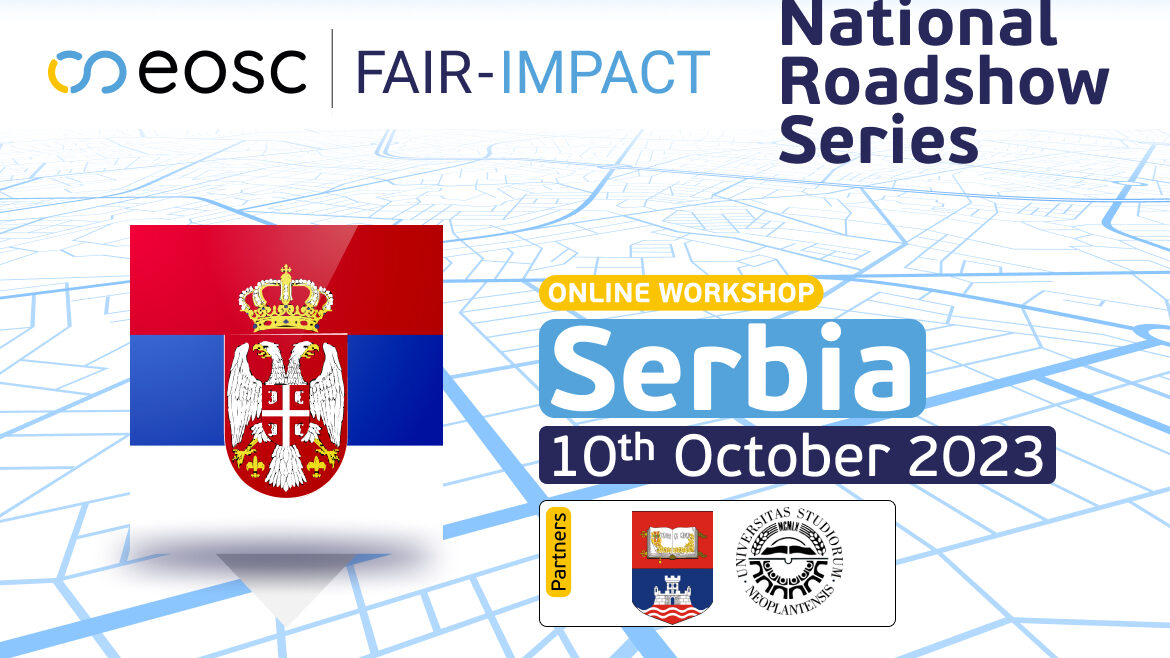
Today, Gareth O’Neill from Technopolis Group and Alina Irimia from UEFISCDI introduced the Opus project in Serbia. It’s part of a series of events organized by the FAIR-IMPACT project in different countries. The FAIR National Roadshow, an initiative focused on advancing Open Science (OS) practices, made a virtual stop in Serbia today, with the University of Belgrade, the University of Novi Sad, and the Open Science Community in Serbia serving as hosts.

The event centered around an in-depth discussion of the current state of Open Science practices in Serbia, with a particular focus on understanding the landscape of FAIR (Findable, Accessible, Interoperable, and Reusable) policy regulations within the country. Attendees engaged in conversations about ongoing initiatives and identified the challenges faced by the Serbian research community, including the exploration of the eNauka portal.

The stimulating discussions were enriched by informative presentations on two transformative projects: GraspOS and OPUS. These presentations provided valuable insights into how these projects are contributing to the advancement of FAIR assessment practices.

Participants at the event included a diverse array of stakeholders, ranging from researchers and academicians to policy experts and technology innovators. The FAIR National Roadshow in Serbia highlighted the need for fostering a culture of openness and collaboration in the realm of research assessment and Open Science practices. It exemplifies Serbia’s commitment to staying at the forefront of the global scientific community, embracing the principles of FAIR data, and creating a more accessible and interconnected research ecosystem.

As the FAIR National Roadshow continues its journey, it remains a catalyst for driving positive change in the research landscape of Serbia, promising a future where research data is truly Findable, Accessible, Interoperable, and Reusable, thus enhancing the quality and impact of scientific endeavors.

OPUS Presentation

Fair-Impact Website

Opening Conference of the V4+WB RMA Network Project: Advancing Research Management and Administration in the V4+WB Region
Opening Conference of the V4+WB RMA Network Project: Advancing Research Management and Administration in the V4+WB Region 888 444 Open and Universal Science (OPUS) Project

Exploring the State-of-the-Art and Future of Research Managers

Date: October 17, 2023

Location: Bratislava, Slovakia

The V4+WB RMA Network Plus project is set to launch with an opening conference, highlighting the critical role of Research Managers and Administrators (RMAs) in the Visegrad Four and Western Balkan regions. Scheduled for October 17-18, 2023, in Bratislava, Slovakia, this event, hosted by the Slovak University of Technology’s Faculty of Chemical and Food Technology, will gather RMAs from across the region and beyond.

Nataša Jakominić Marot, a member of the OPUS team representing Sveuciliste Rijeka and one of the pilots of the OPUS project, will deliver a speech on “Open Science” and “Research Assessment.” Joining her will be Daniel Spichtinger and Erika Kurucz, who will lead interactive sessions on these crucial topics.

The V4+WB RMA Network Plus project has a clear mission: to strengthen the network of Research Support Professionals, or RMAs, in the V4+WB region. By fostering knowledge exchange and capacity-building activities, it aims to enhance the competitiveness of the Visegrad Four and Western Balkan countries in the field of Research and Innovation.

Key Highlights of the Conference

The conference will focus on several vital aspects, including:

Recognition and Conditions

An in-depth discussion on the state-of-the-art recognition and working conditions of RMAs in the region.

EU-Level Initiatives

Presentations on EU initiatives such as RM ROADMAP and ERA Action 17, shedding light on the opportunities they offer.

Emerald Handbook

Introduction of the Emerald Handbook on RMA globally, with a special focus on chapters covering V4+WB countries and the importance of professionalization, recognition, and training.

Engagement in EU-Funded Projects

Insights into the activities and opportunities for deeper engagement of RMA communities in EU-funded Research & Innovation projects.

Who Should Attend?

This conference is open to Research Managers and Administrators (RMAs), including professionals such as funding and legal advisors, finance managers, research support specialists, innovation managers, and technology transfer experts. It’s also relevant for those working at the interface of science, such as National Contact Points (NCPs), and individuals at other Research Performing Organisations (RPOs), universities, and NGOs based in V4 and WB countries.

Registration

Attendance is free of charge but subject to a selection procedure. Applicants with active contributions to the conference, such as delivering a presentation or leading a workshop, will be eligible for grants and inclusion in the official event/conference programme. These presentations should closely align with the conference’s theme and objectives, acknowledging the support of the International Visegrad Fund.

Get Involved

For further details and the draft agenda, please visit here.

The Opening Conference of the V4+WB RMA Network Project promises to be an essential event for Research Managers and Administrators, fostering collaboration and knowledge exchange for a brighter future in research and innovation across the region.

Photo via OMT

Unlocking the Power of Open Science: Statistics and Insights
Unlocking the Power of Open Science: Statistics and Insights 1024 512 Open and Universal Science (OPUS) Project

In recent years, Open Science has emerged as a transformative force in the world of research and academia. This paradigm shift towards openness, transparency, and collaboration has not only revolutionized the way research is conducted but has also generated a wealth of statistics and insights. In this article, we will explore some key statistics about Open Science and the impact it’s making on the academic landscape.

1. Growth of Open Access Publications

One of the most visible aspects of Open Science is the rise of open access publications. According to the Directory of Open Access Journals (DOAJ), as of my knowledge cutoff in September 2021, there were over 16,000 open access journals, collectively publishing millions of articles. This number has continued to grow, with more researchers and institutions embracing open access as a means of sharing knowledge globally.

Source: Directory of Open Access Journals (DOAJ)

2. Impact on Citation and Visibility

Open access articles tend to receive more citations than their closed-access counterparts. A study published in PLOS ONE found that open access articles received, on average, 18% more citations than articles behind paywalls. This statistic underscores the broader reach and impact of open access research.

Source: Piwowar H, Priem J, Larivière V, Alperin JP, Matthias L, et al. (2018) The state of OA: A large-scale analysis of the prevalence and impact of Open Access articles. PLOS ONE 13(5): e0196345.

3. Preprint Servers and Rapid Knowledge Dissemination

Preprint servers, such as arXiv and bioRxiv, have gained significant popularity in recent years. These platforms allow researchers to share their findings before formal peer review. As of 2021, arXiv alone hosts over 2.1 million preprints across various scientific disciplines, promoting rapid dissemination of knowledge.

Source: arXiv, bioRxiv

4. Open Data and Reproducibility

Open Science also emphasizes the importance of sharing research data. A study published in PLOS Biology found that articles with open data had a 25% increase in citation rates compared to articles without openly available data. This highlights the growing recognition of the role data transparency plays in scientific research.

Source: Piwowar, H. A., Vision, T. J. (2013). Data reuse and the open data citation advantage. PLOS ONE, 8(7), e66551.

5. Collaboration and Global Reach

Open Science encourages global collaboration. Platforms like Zenodo, ResearchGate, and Academia.edu enable researchers to connect, share research outputs, and collaborate across borders. This interconnectedness promotes the dissemination of knowledge beyond traditional boundaries.

Source: Zenodo, ResearchGate, Academia.edu

6. Policy Initiatives

Governments and funding agencies are increasingly endorsing Open Science. The European Commission’s Horizon 2020 program, for example, mandates open access to research outputs. Similar policies are being adopted worldwide, emphasizing the shift towards openness.

Source: European Commission – Horizon 2020

In conclusion, Open Science is rapidly reshaping the research landscape, promoting accessibility, transparency, and collaboration. The statistics and insights highlighted here are just a glimpse of the profound impact Open Science is making on academia and beyond. As it continues to gain momentum, it is clear that Open Science will play a pivotal role in shaping the future of research and innovation.

Photo via Elsevier

OPUS consortium partner Eurodoc Releases First CoARA Action Plan
OPUS consortium partner Eurodoc Releases First CoARA Action Plan 1014 326 Open and Universal Science (OPUS) Project

The European Council of Doctoral Candidates and Junior Researchers (Eurodoc) signed the Coalition for Advancing Research Assessment (CoARA) agreement on September 29th, 2022, thereby becoming one of the early signatories. Eurodoc is committed to actively working towards reforming the European research assessment system and welcomes the initiatives coming from CoARA.

Eurodoc’s Vision and Mission

Eurodoc’s Vision: A fair and sustainable research culture where early career researchers are treated with respect and have access to long-term and stable career pathways.

Eurodoc’s Mission: To advocate for positive change in the policies, culture, and environment that affect the quality of training, well-being, and employment conditions of early career researchers.

Guiding Values and Principles

Eurodoc’s daily activities are grounded in participative democracy and decision-making that aims to constructively build consensus. It is a collective endeavor to involve and empower every individual while keeping the best interests of the wider community in mind. Eurodoc’s culture is centered on mutual respect and mutual valorization of each other’s capabilities, skills, and aspirations.

Developing the CoARA Action Plan

Eurodoc is committed to developing the CoARA Action Plan in close collaboration with its member associations to ensure that the work aligns with the community’s needs and that they are actively involved in any change processes.

The process involves proposing the action plan, milestones, and assessment guidelines by the administrative board in consultation with key internal stakeholders, such as member associations and relevant working groups. Formal approval and adoption will be confirmed by the Annual General Meeting (AGM), the highest decision-making body.

Involving Researchers

Eurodoc represents early career researchers, and all its active volunteers are researchers. Member associations that form Eurodoc are national organizations representing early career researchers, with many of their active volunteers being researchers. Eurodoc will actively interact with its international and diverse network to implement its action plan.

Sharing Good Practices

Eurodoc members, including member associations, will be actively involved in the development and revision process through consultation and co-creation. Regular meetings are institutionalized to serve as a platform for sharing good practices and facilitating knowledge exchange. Eurodoc offers open access to its resources and encourages knowledge exchange between diverse groups of organizations.

Capacity and Resources

Eurodoc is run by volunteers and does not have access to structural funding. Projects are prioritized based on their importance for the mission and vision, as well as their potential impact on improving the careers and conditions of early career researchers.

Milestones for Action Plan Development

The development of the action plan and milestones is envisioned as an iterative two-year process involving the community to ensure progress and adaptability. Key milestones include:

  • Formulation of commitments
  • Exchange with member associations and working groups
  • Creating an overview of assessment areas
  • Receiving feedback from member associations
  • Drafting assessment guidelines
  • Confirmation and adoption at the AGM
  • Iterative process for implementation, testing, and revision

Conclusion

Eurodoc is committed to its mission and vision of promoting a fair and sustainable research culture. Through active engagement with its member associations and the broader research community, Eurodoc aims to develop a CoARA Action Plan that aligns with the needs and aspirations of early career researchers in Europe. In doing so, Eurodoc seeks to contribute to positive change in research assessment practices and foster a more inclusive and equitable research environment.

Date of Publication: 04.10.2023


List of Authors (Board)

  • Pil Maria Saugmann
  • Hannah Schoch
  • Sebastian Dahle
  • Devriş İşler
  • Sarah Pilia
  • Aleksandra Lewandowska

List of Contributors (Others)

  • Oleksandr Berezko
  • Linnea Carlsson
  • Nicola Dengo

Eurodoc, the European Council of Doctoral Candidates and Junior Researchers, is a grassroots federation of 25 national associations of early career researchers (ECRs) from 23 countries across Europe. Eurodoc was established in 2002 and is based in Brussels. As a representative of doctoral candidates and junior researchers at the European level, Eurodoc engages with all major stakeholders in research and innovation in Europe.

View Eurodoc Statement here

Privacy Preferences

When you visit our website, it may store information through your browser from specific services, usually in the form of cookies. Our Privacy Policy can be read here.

Here you can change your Privacy preferences. It is worth noting that blocking some types of cookies may impact your experience on our website and the services we are able to offer.

Click to enable/disable Google Analytics tracking code.
Click to enable/disable Google Fonts.
Click to enable/disable Google Maps.
Click to enable/disable video embeds.
Our website uses cookies, mainly from 3rd party services. Define your Privacy Preferences and/or agree to our use of cookies.