
#ResearchAssessment

Promoting Open Science: Strategies to Garner University Support and Endorsement
Promoting Open Science: Strategies to Garner University Support and Endorsement 1024 675 Open and Universal Science (OPUS) Project

While open science has gained significant traction in recent years, its full integration into the academic community can still be a challenge. Universities play a crucial role in advancing open science practices, and getting them to accept and endorse open science can significantly impact the research landscape. In this article, we will explore strategies to persuade universities to embrace and support open science.

  1. Raise Awareness

The first step in convincing universities to endorse open science is to raise awareness about its benefits. Many researchers and academics may be unaware of the advantages of open science, such as increased research impact, transparency, and accessibility. Organize seminars, workshops, and webinars to educate the university community about the principles and potential of open science. Highlight real-world success stories and showcase how open science practices have improved research quality and reproducibility in various fields.

  1. Build a Community

Creating a community of open science advocates within the university can be instrumental in gaining institutional support. Form or join groups and committees focused on open science initiatives. Engage faculty members, researchers, and students who are passionate about open science and collaborate to promote its adoption. A strong, supportive network can exert more influence on decision-makers within the university.

  1. Establish Open Access Policies

One effective way to push for open science at universities is by implementing open access policies. These policies require researchers to make their publications and data openly available. Universities can adopt open access mandates that promote the dissemination of research findings to a broader audience. These policies can help researchers comply with funding agency requirements and encourage a culture of openness.

  1. Provide Training and Resources

Transitioning to open science practices can be challenging for researchers who are unfamiliar with the tools and methods involved. Universities should offer training and resources to support their academic community in adopting open science. This may include workshops on data management, open access publishing, and using open-source software. Libraries and research support services can play a vital role in providing guidance and training.

  1. Recognize and Reward Open Science

To motivate researchers to embrace open science, universities should revise their evaluation and promotion criteria. Acknowledge and reward open science activities such as sharing data, preprints, and collaborating openly. Promotion and tenure committees should consider these contributions alongside traditional research outputs. Recognizing open science efforts as valuable academic contributions will encourage more researchers to engage in such practices.

  1. Collaborate with Open Science Initiatives

Collaborating with external open science initiatives and organizations can further reinforce a university’s commitment to openness. Joining national or international consortia dedicated to open science demonstrates a university’s willingness to participate in global efforts to advance research transparency and collaboration. These partnerships can also provide valuable resources and expertise.

  1. Seek Funding for Open Science Initiatives

Securing funding for open science projects and initiatives can be a powerful motivator for universities. Many funding agencies prioritize open science practices and require grant recipients to adhere to open data sharing and dissemination principles. By actively pursuing such funding opportunities, universities can ensure financial support for their open science endeavors.

Summed up

Getting universities to accept and endorse open science is essential for advancing transparency, collaboration, and accessibility in research. It requires a multi-faceted approach that includes awareness-building, community-building, policy implementation, training, recognition, collaboration, and funding. By taking these steps, universities can play a pivotal role in shaping the future of research toward greater openness and transparency, ultimately benefiting both the academic community and society at large. Embracing open science is not just a choice; it is an opportunity to strengthen the integrity and impact of academic research.

Photo: Inside Higher Ed

Making the Most Out of Your Budget for Open Science
Making the Most Out of Your Budget for Open Science 1024 538 Open and Universal Science (OPUS) Project

While the benefits of open science are clear, many researchers and institutions often face financial constraints that can hinder their efforts to fully embrace this paradigm shift. However, with careful planning and strategic allocation of resources, it is possible to make the most out of your budget for open science initiatives.

1. Prioritize Open Access Publications: One of the fundamental aspects of open science is open access publishing, which allows research findings to be freely accessible to everyone. While some traditional academic journals might require substantial fees for open access publication, there are numerous reputable open-access journals that are cost-effective or even free. Researchers should prioritize publishing in these journals to ensure their work reaches a wider audience without straining their budget.

2. Utilize Preprint Servers: Preprint servers allow researchers to share their findings before formal peer review. This not only speeds up the dissemination of knowledge but also facilitates collaboration and feedback from the global scientific community. Most preprint servers are affordable or free, making them an excellent option for researchers on a budget.

3. Collaborative Grant Applications: Pooling resources through collaborative grant applications can help fund open science projects that require significant financial support. By partnering with other researchers or institutions that share your goals, you can collectively apply for grants to cover expenses related to open science initiatives such as data sharing platforms, open access publication fees, and research tools.

4. Open Data Repositories: Sharing research data is a cornerstone of open science, but managing and storing large datasets can be costly. Utilize open data repositories that offer free storage and access to datasets. These platforms often provide tools to help researchers organize and share their data effectively.

5. Open Educational Resources: Open science encompasses not only research but also educational materials. Consider creating and sharing open educational resources such as online courses, textbooks, and tutorials. These resources can have a broad impact and enhance your institution’s visibility within the open science community.

6. Leverage Institutional Support: Many academic institutions recognize the importance of open science and provide support for researchers interested in adopting its principles. Investigate whether your institution offers funding, infrastructure, or resources specifically geared towards open science initiatives. By leveraging these opportunities, you can stretch your budget further.

7. Participate in Crowdsourcing and Citizen Science: Crowdsourcing and citizen science projects allow you to tap into the collective knowledge and efforts of volunteers from around the world. These projects often require minimal financial investment but can yield substantial results, especially in data collection and analysis.

8. Open Source Software: If your open science project involves software development, consider using open-source tools and libraries. Open-source software is freely available and maintained by a community of contributors, reducing the need for costly proprietary software licenses.

9. Engage in Virtual Conferences and Workshops: Attending conferences and workshops is a valuable way to share your research and network. However, these events can be expensive due to travel and registration costs. Virtual conferences and webinars have become more common, offering cost-effective alternatives that still allow you to engage with the scientific community.

10. Focus on Impactful Outreach: Allocate your budget towards impactful outreach efforts. Engage in public talks, podcasts, and social media campaigns to communicate your research findings to a wider audience. Effective outreach can enhance the visibility of your work and attract potential collaborators or sponsors.

In conclusion, making the most out of your budget for open science involves strategic planning, collaboration, and resource allocation. By prioritizing open access publishing, utilizing affordable platforms, leveraging institutional support, and embracing open educational resources, you can fully embrace the principles of open science without exceeding your financial limitations. Ultimately, the shift towards open science is a collective effort, and every contribution, regardless of budget size, contributes to the advancement of knowledge for the benefit of all.

Photo: Proposify

Developing an Open Science Hub: Fostering Global Collaboration and Innovation
Developing an Open Science Hub: Fostering Global Collaboration and Innovation 616 421 Open and Universal Science (OPUS) Project

Open science embodies the principles of transparency, collaboration, and accessibility in research, enabling the global scientific community to work together for the betterment of humanity. As part of this movement, the development of open science hubs around the world has emerged as a pivotal strategy to facilitate information exchange, foster interdisciplinary collaboration, and accelerate the pace of scientific discovery.

The Essence of Open Science Hubs

Open science hubs serve as epicenters for the cultivation of transparent, inclusive, and collaborative research practices. These hubs facilitate the sharing of research findings, data, and methodologies, enabling scientists, researchers, and the public to engage in informed discussions and contribute to the growth of knowledge. The core attributes of open science hubs include:

  1. Data Accessibility: Open science hubs prioritize making research data openly accessible to the public. This practice not only promotes transparency but also encourages researchers to verify and build upon existing findings.
  2. Collaboration: These hubs serve as platforms where researchers from various disciplines can come together, fostering cross-pollination of ideas that can lead to innovative breakthroughs.
  3. Interdisciplinary Approach: Open science hubs encourage collaboration beyond traditional academic boundaries, allowing experts from diverse fields to collaborate on complex challenges.
  4. Transparency and Reproducibility: By making research methodologies and results available, open science hubs enhance the reproducibility of research, thereby strengthening the reliability of scientific findings.

Benefits of Open Science Hubs

The establishment and development of open science hubs offer numerous benefits to the global scientific community and society at large:

  1. Accelerated Discovery: Open science hubs expedite the dissemination of knowledge, enabling researchers to build upon existing work, ultimately accelerating the pace of discovery.
  2. Global Collaboration: These hubs facilitate international collaboration, breaking down geographical barriers and allowing researchers from different parts of the world to contribute their expertise.
  3. Addressing Global Challenges: Open science hubs are well-suited to tackle complex, global challenges such as climate change, pandemics, and sustainable development. The collaborative nature of these hubs allows for comprehensive approaches to these issues.
  4. Innovation and Creativity: The cross-disciplinary interactions in open science hubs often lead to innovative solutions that might not have been realized within the confines of traditional research silos.
  5. Public Engagement: Open science hubs engage the general public by making scientific knowledge accessible and understandable, fostering a scientifically literate society.

Challenges and the Path Forward

While the concept of open science hubs holds immense promise, several challenges must be navigated to ensure their effective development and functioning:

  1. Cultural Shift: The transition from traditional research practices to open science requires a significant cultural shift within the academic community. Researchers must embrace the idea of sharing data and methodologies openly.
  2. Data Privacy and Security: Open science hubs must find ways to balance data accessibility with privacy and security concerns, particularly when dealing with sensitive information.
  3. Funding and Sustainability: Ensuring the long-term sustainability of open science hubs requires securing funding, developing viable business models, and garnering institutional support.
  4. Technological Infrastructure: Robust technological infrastructure is essential to support the storage, sharing, and analysis of vast amounts of research data.
  5. Intellectual Property Concerns: The balance between open access and protecting intellectual property rights is an ongoing challenge that open science hubs must navigate.

To overcome these challenges, a collaborative effort involving researchers, institutions, governments, and funding bodies is essential. The following steps can guide the development of open science hubs:

  1. Policy Support: Governments and institutions should formulate policies that promote open science practices, including data sharing and collaboration.
  2. Capacity Building: Investing in training and capacity-building programs can help researchers adopt open science practices effectively.
  3. Infrastructure Development: Establishing the necessary technological infrastructure for data storage, sharing, and analysis is critical.
  4. Public Awareness: Educating the public about the importance of open science can garner support and create a demand for transparent research practices.

Conclusion

The development of open science hubs marks a pivotal moment in the evolution of the scientific landscape. By fostering collaboration, transparency, and accessibility, these hubs hold the potential to revolutionize research practices, drive innovation, and address pressing global challenges. While challenges exist, the collective commitment of the global scientific community to embrace open science principles can pave the way for a future where knowledge knows no boundaries and where the pursuit of understanding benefits all of humanity.

Photo: Open Science Hub

The Importance of Peer Review: Benefits for Authors, Reviewers, and Scientific Community
The Importance of Peer Review: Benefits for Authors, Reviewers, and Scientific Community 1024 621 Open and Universal Science (OPUS) Project

Peer review is an essential component of the research process that involves evaluating the work of other experts in the field. The process allows researchers to receive feedback from their peers who can critically analyze their work, identify areas of improvement, and make recommendations for future research. Peer review offers many benefits for both authors and reviewers of scientific manuscripts.

For authors, one of the primary benefits of peer review is the feedback they receive from the reviewers. The feedback, which is usually provided in a constructive manner, can help authors to refine their arguments, improve the quality of their work, and avoid making mistakes. Moreover, the feedback can prompt authors to dig deeper into their research, revise their hypotheses, or test additional assumptions.

Another significant advantage of peer review is that it improves the quality of research. Before publication, manuscripts often undergo several levels of scrutiny by reviewers who evaluate the scientific soundness, validity, relevance, and originality of the work. The review process ensures that only high-quality research is published, thereby contributing to the advancement of scientific knowledge.

Peer review also helps to establish the credibility and reputation of authors and their institutions. Published research that has undergone rigorous peer review is highly regarded and can be cited as an authority on the subject matter. Similarly, reviewers who engage in peer review also earn respect and recognition for their expertise in the field.

Moreover, peer review offers benefits to the reviewers themselves. Reviewers can keep up-to-date with the current trends in their field, learn about new research methodologies, and gain insights into emerging research areas. Participating in peer review is an excellent opportunity for researchers to collaborate, network, and learn from their peers.

In conclusion, peer review is an essential aspect of the research process that provides significant benefits for authors, reviewers, and the scientific community as a whole. It ensures the quality and credibility of research, promotes collaboration and networking among peers, and advances the state of scientific knowledge. Researchers need to appreciate the importance of peer review and support its implementation to maintain the standards of scientific research.

Photo: Investopedia

The Significance of Virtual Meetings in Promoting Open Access and Open Science
The Significance of Virtual Meetings in Promoting Open Access and Open Science 1024 639 Open and Universal Science (OPUS) Project

In recent years, the landscape of academic and scientific communication has undergone a profound transformation, driven by the principles of openness, accessibility, and collaboration. This transformation has been accelerated by the advent of virtual meetings, which have emerged as a crucial tool for spreading the values of open access and open science. Virtual meetings not only transcend geographical boundaries but also enable the dissemination of knowledge in a more inclusive and sustainable manner, aligning seamlessly with the ethos of open access and open science.

Breaking Down Barriers

One of the most remarkable aspects of virtual meetings is their ability to overcome the limitations of physical distance. Traditional academic conferences and seminars often necessitate expensive travel, thereby excluding researchers who lack the resources to participate. Virtual meetings, however, provide an avenue for experts from diverse backgrounds, regardless of their geographical location, to share their findings, insights, and ideas. This inclusivity not only enriches the scientific discourse but also reflects the principles of open access and open science by breaking down barriers to knowledge dissemination.

Enhancing Accessibility

The heart of open access and open science lies in making research findings and data accessible to a global audience. Virtual meetings facilitate this objective by offering a platform where presentations, discussions, and materials are digitally accessible to registered participants. This accessibility not only enables real-time engagement but also ensures that knowledge is available beyond the confines of a specific event. Researchers, educators, and the public alike can benefit from the wealth of information shared during these meetings, contributing to the democratization of knowledge.

Fostering Collaboration

Open access and open science are built on the premise of collaboration and the exchange of ideas. Virtual meetings provide an ideal environment for fostering such collaboration. Participants from diverse fields can connect, share interdisciplinary perspectives, and explore potential research partnerships. The interactive nature of virtual meetings encourages engaging discussions, which can lead to innovative solutions for complex scientific challenges. Moreover, the recorded content of virtual meetings can be revisited and shared, sustaining collaborative efforts long after the event concludes.

Reducing Environmental Impact

The environmental impact of traditional conferences, involving travel and large-scale gatherings, is a concern that cannot be overlooked. Virtual meetings offer a sustainable alternative by minimizing carbon emissions associated with transportation and reducing the need for physical infrastructure. As the global community places increasing emphasis on sustainable practices, embracing virtual meetings aligns with the principles of open science, where transparency and responsibility extend beyond research findings to encompass ecological considerations.

Championing Openness

Virtual meetings not only embrace the spirit of open access and open science but also serve as platforms to champion these principles. By leveraging technology to connect researchers, educators, policymakers, and the public, virtual meetings amplify the reach of open access initiatives. They demonstrate that collaboration, accessibility, and knowledge dissemination can thrive in a digital environment, setting a precedent for the broader scientific community to adopt and promote open practices.

In conclusion, virtual meetings have emerged as a powerful tool for spreading the values of open access and open science. These meetings transcend geographical barriers, enhance accessibility, foster collaboration, reduce environmental impact, and champion openness. As the academic and scientific landscape continues to evolve, virtual meetings stand as a testament to the potential of technology to advance the principles of openness, collaboration, and the democratization of knowledge.

Photo: Bill Highway

Individual Contributions Towards Open Science
Individual Contributions Towards Open Science 1000 750 Open and Universal Science (OPUS) Project

Science has always been a collaborative endeavor, built upon the accumulation of knowledge through the collective efforts of researchers, scholars, and enthusiasts. In recent years, the concept of open science has gained significant traction, emphasizing transparency, accessibility, and inclusivity in scientific research. While institutions and policies play a crucial role in promoting open science, it is the individual contributions of researchers that truly drive the movement forward.

Individual Contributions: Catalysts for Change

The success of open science relies on the commitment and actions of individuals who are willing to challenge the traditional norms of scientific communication and collaboration. Here are some impactful ways individuals contribute to the open science movement:

  1. Open Access Publishing: Researchers can choose to publish their work in open-access journals or repositories, making their findings freely accessible to anyone, anywhere. This move eliminates the financial barriers that often prevent individuals and institutions from accessing critical research. By opting for open access, researchers promote the widespread dissemination of knowledge.
  2. Preprint Sharing: Preprints are early versions of research papers that are shared publicly before formal peer review. Individuals can contribute to open science by submitting their work to preprint servers, allowing others in the field to access and build upon their findings. This accelerates the pace of scientific discourse and encourages collaboration.
  3. Data Sharing: Sharing research data, methodologies, and analysis scripts enables other researchers to validate and reproduce results. Individuals who openly share their data contribute to the transparency and reliability of scientific research, fostering a culture of accountability.
  4. Open Source Software: In many scientific disciplines, software tools play a crucial role in data analysis and simulations. Researchers who develop and share open-source software empower others with the tools needed for their work. This collaborative software development approach leads to better tools and greater reproducibility.
  5. Engagement with Citizen Science: Open science extends beyond the academic community to include the general public. Individuals can contribute by participating in citizen science projects, where non-experts collect data or assist in research tasks. This engagement bridges the gap between science and society, making research more relevant and inclusive.
  6. Educational Resources: Individuals committed to open science often create educational resources, such as online courses, tutorials, and guides, to help others understand and embrace open practices. By spreading awareness and knowledge, they foster a culture of openness within the broader scientific community.
  7. Advocacy and Collaboration: Vocal advocacy for open science principles and collaboration with like-minded researchers amplify the impact of individual efforts. By joining forces, individuals can advocate for policy changes within institutions and governments, further advancing the cause of open science.

Challenges and Rewards

While individual contributions towards open science are noble and necessary, they are not without challenges. Traditional academic incentive structures, concerns about intellectual property, and the need for sustained funding for open initiatives are all factors that individuals must navigate. However, the rewards are substantial. Open science promotes increased visibility and citations for researchers, enhances the reliability of research findings, and strengthens the bonds between researchers and the public.

A Collaborative Future

The open science movement hinges on the belief that knowledge should be accessible and beneficial to all of humanity. Individual contributions towards open science play a pivotal role in transforming this vision into reality. As researchers and enthusiasts alike continue to embrace transparency, inclusivity, and collaboration, the scientific landscape stands to become more vibrant, impactful, and relevant than ever before. Through their actions, individuals are not just contributing to science; they are shaping its future.

Photo: Culture Outcome

Where Open Science is Needed Most: Fostering Transparency and Collaboration Across Research Domains
Where Open Science is Needed Most: Fostering Transparency and Collaboration Across Research Domains 960 461 Open and Universal Science (OPUS) Project

The Crucial Role of Open Science

Open science has fundamentally reshaped how researchers engage with their work, peers, and the wider society. By promoting transparency, collaboration, and the sharing of research outputs, open science ensures that knowledge is disseminated more widely, contributing to the robustness and reproducibility of findings. This approach empowers scientists from diverse backgrounds to contribute to and build upon existing research, ultimately leading to more rapid scientific progress.

Where Open Science Thrives

  1. Medicine and Healthcare: Open science has the potential to revolutionize medical research and healthcare delivery. Rapid sharing of clinical trial data, genomic information, and treatment outcomes can lead to more accurate diagnoses, better treatment options, and improved patient care. Collaborative efforts in deciphering complex diseases like cancer or rare genetic disorders benefit immensely from open science, allowing researchers to pool resources and expertise.
  2. Climate Science: Climate change is a global crisis that requires collective efforts. Open science enables researchers across the world to collaborate on modeling, analyzing environmental data, and proposing strategies for mitigation and adaptation. Transparent access to climate data and methodologies is crucial for fostering a comprehensive understanding of the Earth’s changing climate and formulating effective policies.
  3. Data Science and AI Research: Open science principles are essential in the realm of data science and artificial intelligence. Sharing datasets, algorithms, and code fosters transparency in AI research, ensuring that findings can be independently verified and extended. This is particularly important as AI technologies increasingly impact various aspects of society, from healthcare to autonomous vehicles.
  4. Social Sciences and Education: Open science encourages the sharing of social research data, promoting evidence-based policy-making and educational practices. In fields like psychology and sociology, transparent methodologies and open data help address concerns about replication and research bias, leading to more robust conclusions.
  5. Global Health Crises: The COVID-19 pandemic highlighted the critical need for open science in times of global health crises. Rapid data sharing, collaborative vaccine development, and real-time information dissemination were essential in coordinating responses and saving lives.

Challenges to Address

While the benefits of open science are undeniable, its widespread adoption faces challenges that must be addressed:

  1. Cultural Shift: Traditional research cultures often prioritize individual recognition over collaboration. Encouraging researchers to embrace open science requires a shift in academic incentives and recognition mechanisms.
  2. Data Privacy: Balancing open access with data privacy is a complex issue, especially in medical and social sciences where sensitive information is involved. Striking the right balance is crucial to avoid ethical and legal pitfalls.
  3. Infrastructure and Funding: Open science requires robust digital infrastructure and sustainable funding mechanisms to support data sharing platforms, open-access journals, and collaborative tools.

Final thoughts

Open science has already made remarkable strides in transforming the research landscape, but its potential is far from fully realized. The areas where open science is needed most align with the pressing challenges of our times, ranging from global health crises to environmental sustainability. By fostering transparency, collaboration, and inclusivity, open science has the power to accelerate discoveries, inform policies, and drive positive change across a multitude of research domains. Researchers, institutions, policymakers, and the public must collectively support and promote the principles of open science to usher in a new era of scientific advancement.

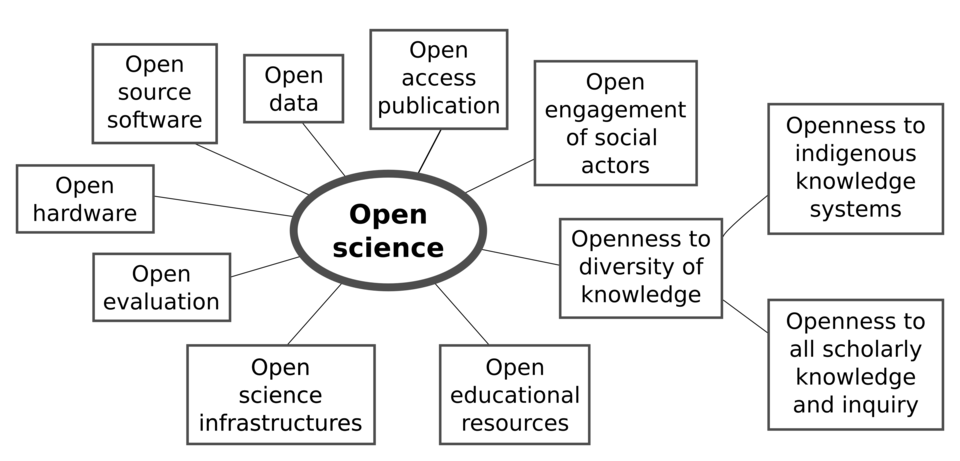
Photo: UNESCO (France) presentation to Open Science Conference 2021, ZBW — Leibniz Information Centre for Economics, Germany.

Quality Assurance in Open Science: Ensuring Credibility and Transparency
Quality Assurance in Open Science: Ensuring Credibility and Transparency 1024 492 Open and Universal Science (OPUS) Project

Open science encompasses a range of practices, from open-access publishing to sharing research data and methodologies. While this shift has tremendous potential to accelerate the progress of knowledge and foster collaboration, it also introduces new challenges in maintaining the quality and credibility of research outputs. This is where quality assurance plays a vital role.

The Foundations of Open Science: Transparency and Collaboration

At the core of open science is the principle of transparency. Open science seeks to break down the barriers that have historically limited access to research findings. By making research outputs openly accessible, it enables wider scrutiny, replication, and collaboration. This transparency is a fundamental step towards building trust in the scientific process and ensuring the reproducibility of research findings.

However, the openness of research also necessitates robust quality assurance mechanisms to ensure that the information being shared is reliable and accurate. Traditional quality control mechanisms, such as peer review, need to adapt to the changing landscape of open science to maintain their effectiveness.

Challenges in Quality Assurance for Open Science

  1. Preprint Servers and Rapid Dissemination: Preprint servers allow researchers to share their findings with the community before formal peer review. While this promotes timely dissemination, it also raises concerns about the lack of peer scrutiny before publication. Quality assurance in this context involves effective community moderation and post-publication peer review.
  2. Data and Methodology Sharing: Open science emphasizes sharing raw data and methodologies. Ensuring the quality of data becomes crucial, as errors or inconsistencies could propagate widely if not identified early. Proper documentation and data curation are essential for maintaining data integrity.
  3. Reproducibility: Open science promotes the replication of studies as a means to validate findings. Reproducibility relies on comprehensive documentation of methodologies and transparent reporting. Quality assurance involves verifying whether the provided information is sufficient for independent replication.
  4. Predatory Practices: The open access movement has led to an increase in predatory journals that lack proper peer review and editorial standards. Quality assurance involves identifying reputable open-access outlets and avoiding questionable publishers.

Adapting Quality Assurance for Open Science

  1. Transparent Peer Review: Implementing open peer review, where both the reviewer and author identities are known, can enhance accountability and transparency. This model discourages biased or superficial reviews and encourages constructive feedback.
  2. Post-Publication Peer Review: Since open science often involves rapid dissemination of preprints, post-publication peer review can act as a subsequent layer of evaluation. Researchers and the community can collectively assess the validity and significance of the work.
  3. Data and Code Review: Reviewing not only the manuscript but also associated data and code can ensure the reproducibility of findings. Platforms that facilitate code and data review can aid in assessing the robustness of analyses.
  4. Standardized Practices: Establishing community-wide standards for data sharing, methodology documentation, and reporting can streamline quality assurance. Researchers can follow these standards to enhance the credibility of their work.

The Future Landscape

Quality assurance in open science is an ongoing and evolving endeavor. As technology advances, tools for automated quality checks, such as plagiarism detection and statistical analysis verification, can play a role in ensuring research integrity.

Ultimately, the success of open science depends on the collective efforts of researchers, institutions, and the broader scientific community. By embracing transparent practices and robust quality assurance mechanisms, open science can fulfill its promise of advancing knowledge while maintaining the highest standards of credibility and reliability.

Photo: Bi plus

How to Share and Ensure Reproducibility of Data
How to Share and Ensure Reproducibility of Data 1024 512 Open and Universal Science (OPUS) Project

Sharing data and ensuring reproducibility are integral to the advancement of knowledge and scientific discovery. By following best practices and adopting transparent and collaborative approaches, researchers can contribute to a more open and reproducible research culture. In an era where data-driven insights drive progress, sharing data and promoting reproducibility are not just best practices – they are ethical imperatives that foster innovation and promote trust within the scientific community.

The Importance of Sharing Data: Sharing data holds immense value for both individual researchers and the scientific community at large. It enables validation, replication, and expansion of existing studies, leading to a deeper understanding of phenomena. By making data available, researchers allow others to build upon their work, accelerating scientific progress and enabling discoveries that might otherwise remain hidden.

The Foundations of Data Reproducibility: Reproducibility refers to the ability to recreate research results using the original data and methods. It ensures the validity of findings and builds confidence in the scientific process. Reproducibility rests on three pillars: data, code, and documentation.

  1. Data: Start by organizing your data in a structured manner. Ensure that it is clean, well-labeled, and properly formatted. Include metadata, such as variable descriptions, units, and timestamps, to provide context to others who wish to use your data.
  2. Code: Document and share the code used to generate your results. This includes scripts, algorithms, and software packages. By sharing your code, you empower others to reproduce your analysis and build upon it. Version control systems like Git can help track changes and collaborate effectively.
  3. Documentation: Clear and comprehensive documentation is crucial. Explain the purpose of your study, methodologies, data sources, and any assumptions made. Detail the steps taken to preprocess the data, run analyses, and interpret results. Well-documented research ensures that others can understand, verify, and build upon your work.

Best Practices for Sharing and Ensuring Reproducibility:

  1. Select a Suitable Repository: Choose a reliable and accessible platform to host your data, code, and documentation. Popular options include GitHub, GitLab, Zenodo, and figshare.
  2. Create a README File: Craft a detailed README file that serves as an entry point for users. Describe the contents of your repository, provide installation instructions, and explain how to reproduce your results step by step.
  3. Package Management: Utilize package management tools (e.g., Conda, pip) to specify software dependencies. This ensures that others can recreate the same computational environment you used.
  4. Licensing: Clearly state the licensing terms for your data and code. Choose a license that aligns with your intentions for sharing and reuse.
  5. Versioning: Use version control for both your code and data. This helps track changes over time, simplifies collaboration, and ensures that others can access specific iterations of your work.
  6. Use Jupyter Notebooks: Jupyter Notebooks combine code, documentation, and visualizations in an interactive format. They provide an excellent way to present your work and allow others to explore your analysis hands-on.
  7. Test Reproducibility: Before sharing your work, test the reproducibility of your analysis on a new environment. This helps identify any missing dependencies or overlooked steps.
  8. Open Data Formats: Whenever possible, use open and widely accepted data formats. This reduces barriers for others to access and work with your data.
  9. Collaboration and Feedback: Encourage collaboration by actively seeking feedback from peers. Incorporating suggestions can improve the quality and reproducibility of your work.

Headline picture: Zurich

Building a Path as a Young Researcher: Navigating the Exciting Journey of Discovery
Building a Path as a Young Researcher: Navigating the Exciting Journey of Discovery 800 800 Open and Universal Science (OPUS) Project

Embarking on a journey as a young researcher is akin to setting sail on uncharted waters, driven by curiosity, passion, and the desire to unravel the mysteries of the world. This path is one of intellectual exploration, relentless questioning, and ultimately, contributing to the collective knowledge of humanity. In this article, we will delve into the essential steps and strategies that pave the way for a successful and fulfilling career in research.

1. Cultivate Curiosity and Passion: The Foundation of Research At the heart of every great researcher lies an insatiable curiosity and a genuine passion for their chosen field. This foundational drive fuels the desire to delve deeper, ask meaningful questions, and seek innovative solutions. It is this unwavering curiosity that propels young researchers to push boundaries, challenge conventions, and embark on projects that truly matter.

2. Define Your Area of Interest: The First Step Towards Specialization As a young researcher, it’s important to identify a specific area of interest within your broader field. This specialization provides focus and direction to your efforts, allowing you to immerse yourself deeply in a subject and develop expertise. Selecting an area that aligns with your passion and has the potential for impact will not only make your research journey more fulfilling but also increase your chances of making meaningful contributions.

3. Build a Strong Educational Foundation: Learning the Ropes Formal education plays a pivotal role in equipping young researchers with the essential tools and knowledge to embark on their journey. Pursue relevant undergraduate and graduate programs, attend workshops, seminars, and conferences, and engage with esteemed academics and fellow researchers to gain insights and expand your network. Remember, learning is a continuous process that extends well beyond the classroom.

4. Mentorship: Navigating with Guidance Mentorship can be a guiding light for young researchers, providing valuable insights, advice, and wisdom from those who have already traversed the research landscape. Seek out mentors who share your interests and are willing to invest their time and expertise in your growth. A mentor can help you avoid common pitfalls, broaden your perspective, and connect you with valuable resources.

5. Research Proposal and Funding: Laying the Groundwork Crafting a compelling research proposal is essential for securing funding and support for your projects. Develop a clear and concise outline of your research objectives, methodology, and expected outcomes. Various funding opportunities are available from government agencies, private foundations, and academic institutions. A well-crafted proposal not only demonstrates the feasibility of your research but also showcases your dedication and potential as a young researcher.

6. Conduct Rigorous Research: The Quest for Knowledge The heart of a researcher’s journey lies in conducting thorough and rigorous research. Employ robust methodologies, gather relevant data, analyze your findings critically, and draw meaningful conclusions. Collaboration with peers, sharing ideas, and engaging in healthy debates can enrich your research process and lead to novel insights.

7. Publish and Communicate: Sharing Your Discoveries Publication is the culmination of your research efforts, allowing you to contribute to the global repository of knowledge. Select reputable journals or conferences in your field, adhere to their guidelines, and prepare well-structured manuscripts that communicate your findings effectively. Embrace the art of communication by presenting your work at conferences, workshops, and seminars, fostering discussions and collaborations that amplify the impact of your research.

8. Adapt and Evolve: Embracing the Dynamic Nature of Research The landscape of research is constantly evolving, with new technologies, methodologies, and perspectives emerging. As a young researcher, remain open to change, adapt to advancements, and seize opportunities to learn and grow. Be willing to explore interdisciplinary connections that can lead to innovative breakthroughs and expand your horizons.

9. Persistence and Resilience: Overcoming Challenges The path of a young researcher is not without challenges. Experiment failures, funding rejections, and setbacks are part of the journey. Cultivate resilience, learn from failures, and view challenges as opportunities for growth. Remember that every obstacle you overcome only strengthens your resolve and contributes to your development as a researcher.

10. Collaborate and Network: Forge Lasting Connections Building a successful research career requires collaboration and networking. Engage with fellow researchers, attend conferences, participate in workshops, and contribute to research communities. Collaborations offer fresh perspectives, diverse skill sets, and the potential to undertake larger and more impactful projects.

In conclusion, the path of a young researcher is an exciting and fulfilling journey characterized by curiosity, dedication, and continuous learning. By cultivating a strong educational foundation, seeking mentorship, conducting rigorous research, and embracing challenges, you can navigate this dynamic landscape and contribute meaningfully to the advancement of knowledge. Remember, as you build your path as a young researcher, each step you take brings you closer to the exhilarating world of discovery and innovation.

Headline picture: The Electrochemical Society

Privacy Preferences

When you visit our website, it may store information through your browser from specific services, usually in the form of cookies. Our Privacy Policy can be read here.

Here you can change your Privacy preferences. It is worth noting that blocking some types of cookies may impact your experience on our website and the services we are able to offer.

Click to enable/disable Google Analytics tracking code.
Click to enable/disable Google Fonts.
Click to enable/disable Google Maps.
Click to enable/disable video embeds.
Our website uses cookies, mainly from 3rd party services. Define your Privacy Preferences and/or agree to our use of cookies.