Open Science News

Judge Open Science by its Outcomes, Not its Outputs
Judge Open Science by its Outcomes, Not its Outputs 800 232 Open and Universal Science (OPUS) Project

Rethinking Open Science Monitoring: Beyond Counting Publications

In the wake of numerous policies aimed at fostering open science, a significant focus has emerged on monitoring its progress. One notable initiative is the French Open Science Monitoring Initiative, which compiles data from various countries and institutions and proposes general principles for monitoring open science. This initiative coincides with a recently launched Unesco consultation on the subject.

Current monitoring efforts primarily track the uptake of open-science policies and outputs, such as publications and data. However, this approach is analogous to understanding fungi by counting mushrooms: it overlooks the intricate network of activities and interactions beneath the surface that drive the visible outcomes.

Open science seeks to transform not only the practices of research but also its motivations and values. It extends far beyond publishing, encompassing public engagement and evaluation. Focusing solely on easily quantifiable metrics neglects these critical activities, which promote equity and share the benefits of research with society.

The Pitfalls of Narrow Monitoring

Limiting monitoring to quantifiable outputs can have unintended and detrimental consequences. For instance, an increase in open access publications might appear as progress, making more information freely accessible. However, if this openness relies on pay-to-publish models, it creates inequality. Researchers who cannot afford publication fees become less visible, and unscrupulous publishers may weaken review processes to boost profits.

These issues disproportionately affect researchers in marginalized scholarly communities, undermining the values of open science and weakening less affluent research systems. Moreover, this approach reinforces a publish-or-perish culture that prioritizes quantity over the thoughtful creation of knowledge intended for meaningful purposes. Lay readers should not have to navigate an overwhelming volume of research outputs.

Similar challenges arise in data sharing. There is limited evidence of meaningful reuse of datasets outside of specific disciplines like genomics. Issues of quality control are poorly understood, and long-term storage and curation remain problematic. Thus, counting datasets without considering their utility and impact offers little insight.

A Need for Contextual and Value-Driven Monitoring

Current monitoring efforts, while useful, are too narrow and risk overlooking important engagement activities and the broader benefits of open science. To fully realize the promises of open science, a more comprehensive approach that embraces context and values is essential.

Indicators need to specify their particular pathways to open science. Different forms of open access publishing, such as gold, diamond, and green open access, each have unique normative implications and should not be aggregated into a single measure.

Furthermore, monitoring should extend beyond the point of creation or engagement to consider their effects and outcomes. It is crucial to track who bears the costs and who benefits from open science policies.

Learning from History and Mapping Connections

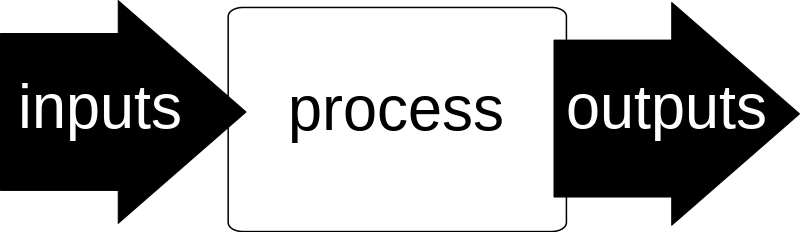
History offers valuable lessons for monitoring processes. The OECD’s Frascati Manual, developed in 1963, focused on measuring inputs and outputs in science, technology, and innovation. However, this approach failed to capture the processes, drivers, and outcomes of innovation. In response, the OECD launched the Oslo Manual in 1992, which employed surveys to gather more nuanced data.

Similarly, open science monitoring should reveal the connections between researchers and stakeholders, along with behavioral changes and underlying motivations. Surveys are a primary method for capturing this type of information.

A pluralistic approach to monitoring, possibly based on surveys and narratives, can link practices to value-driven outcomes. This shift aligns with the movement in research assessment away from journal impact factors and citations towards narrative accounts of impact.

If open science represents a systemic transformation of the research system, including its values, then its monitoring strategies must match this ambition. Open science is about more than producing accessible and reproducible research; it aims to effect meaningful change in science. Monitoring should, therefore, track contributions towards collective benefits, integrity, and equity in science.

Authors

Ismael Rafols is the Unesco Chair on Diversity and Inclusion in Global Science at Leiden University, and Louise Bezuidenhout is a senior researcher at the Centre for Science and Technology Studies, Leiden University.

Photo via WikiData
Original article can be found here

UNESCO Initiates Global Consultation on Principles for Open Science Monitoring
UNESCO Initiates Global Consultation on Principles for Open Science Monitoring 940 529 Open and Universal Science (OPUS) Project

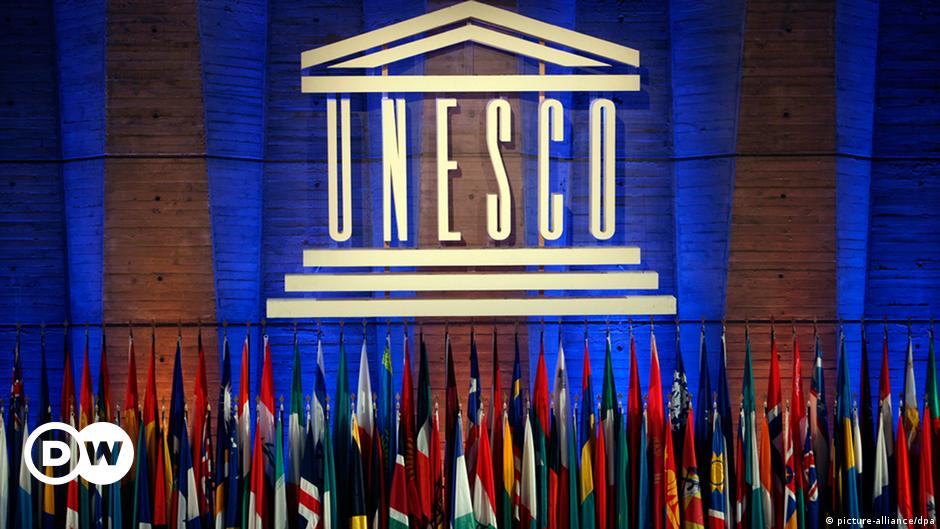
UNESCO has launched a global consultation inviting stakeholders worldwide to contribute to drafting Principles for Open Science Monitoring. This effort builds upon previous sessions of the UNESCO Working Group on Open Science Monitoring and the December 2023 event, ‘Building an Open Science Monitoring Framework with Open Technologies’.

The draft Principles are available for review and input on UNESCO’s official website, marking the beginning of a comprehensive global consultation. The goal is to incorporate diverse perspectives and encourage broader engagement in shaping the future of open science monitoring globally. The initiative draws upon existing national, regional, and global initiatives in open science monitoring to create a unified and inclusive framework.

Stakeholders are invited to share their expertise and insights by submitting commentary and proposed edits to osmi@unesco.org. The consultation period remains open until 30 November 2024, providing ample time for active participation.

For further information, please contact osmi@unesco.org. UNESCO acknowledges and appreciates the ongoing contributions of the global community towards advancing open science principles and practices.

Photo via DW.

Open Access: The Price of diamond
Open Access: The Price of diamond 900 540 Open and Universal Science (OPUS) Project

In May 2023, EU research ministers strongly criticized the current state of academic publishing, highlighting the unsustainable costs for public research funders and institutions responsible for spending public funds. These rising costs are reducing the funds available for actual research, according to a joint statement released by the Council of the EU.

This statement added political weight to an ongoing movement within the academic community to reclaim control over scholarly publishing from for-profit publishers, advocating for non-profit journals and platforms. Although there has been a shift toward open-access publishing in recent years—allowing taxpayer-funded research to be freely available—this model has often shifted the financial burden from readers to authors.

The prevalent ‘gold’ model of open access, where for-profit publishers charge substantial article-processing fees, has led to growing dissatisfaction among institutions, researchers, and academic groups. This dissatisfaction is fueling a push for the ‘diamond’ open access model, where neither authors nor readers are charged fees.

The diamond model is seen as a more equitable and desirable approach by many in the research community. However, it raises questions about funding and coordination. Who will bear the costs for diamond open access? Will it be cheaper than the gold model, and if not, is it still worth pursuing?

A New Approach

The push for diamond open access is particularly strong in Europe. The Council of the EU has called for national governments and the European Commission to increase support for non-profit open-access publishing. However, for this shift to happen, research funders need to back diamond open access with both financial and political support.

Pierre Mounier, a coordinator at Operas—a European research infrastructure for the social sciences and humanities—emphasizes the need for funding agencies to support diamond open access. He argues that diamond open access promotes equity and scientific integrity by ensuring research is published based on its merit rather than the financial resources of its authors.

Mounier believes there is political will from the European Commission, universities, and the academic community to advance the diamond model. However, it is crucial that funders participate in financing it. Unlike the gold model, which typically funds publication costs directly, diamond open access requires broader financial support for journals and platforms, possibly through grants or multi-year agreements.

Currently, the funding model for diamond open access heavily relies on in-kind contributions and shared public infrastructures. However, many research funders’ programs are structured to support article-processing charges, not the broader financial support diamond open access requires.

Some organizations, like the European Commission, the Bill and Melinda Gates Foundation, and the Wellcome Trust, have created their own non-profit platforms to publish funded research, but these represent only a small part of the diamond open-access landscape. Other initiatives, such as the French National Research Agency’s €250,000 allocation to establish a European capacity hub for diamond open access in 2024, are also contributing to this effort.

The Diamas project, a €3 million EU-funded initiative involving 23 organizations, aims to map the landscape of diamond open-access publishing in Europe over three years. This project seeks to coordinate diamond open-access journals, which are often small and independent, to pool resources and gain recognition and funding.

Economies of Scale

The increasing support for diamond open access stems from concerns over the costs of for-profit publishing. However, whether diamond open access will be cheaper is not clear-cut. Rob Johnson, an independent research consultant and open-access expert, suggests that diamond open access might only be cost-effective at very small or very large scales. As journals scale up, their overhead costs, including marketing, increase—an area where traditional publishers benefit from economies of scale.

While major traditional publishers are resistant to change, they could still play a role in non-profit publishing by providing necessary services. However, scaling up diamond open access remains a challenge. Despite its success in Latin America, there are significant institutional and cultural differences between the global north and south that must be addressed.

Sustainability Over Cost

For some, the focus is less on whether diamond open access is cheaper and more on its long-term sustainability. Vinciane Gaillard, deputy director for research and innovation at the European University Association, argues that diamond open access is a more sustainable and community-led approach to publishing. Although the full costs of diamond open access are not yet known, there are plans to investigate this further.

Gaillard points out that taxpayers may ultimately fund diamond open access if public research institutions and funders choose to support non-profit scholarly communication instead of commercial publishers. Both Johnson and the European University Association agree that while diamond open access will not replace commercial publishing in the short term, it needs more funding and prestige to be widely adopted.

The idea behind diamond open access is to place the academic community at the center of scholarly communications, rather than commercial entities. Achieving this goal requires more than strong political statements—it demands a significant cultural shift and financial commitment from all stakeholders.

Prestige Problem

One challenge non-profit open-access journals face is the perception of prestige. Commercial publishers’ big-name journals still hold significant influence in the academic community. Rob Johnson believes that diamond open-access journals need more prestige and a larger marketing budget.

Pierre Mounier, involved in the Diamas project, notes that while diamond journals often lack marketing resources, they maintain rigorous scientific and editorial standards. This quality is not always recognized by funding and administrative bodies.

Federica Garbuglia from the European University Association highlights a common misconception among funders that diamond journals are less trustworthy than traditional pay-to-publish journals. She emphasizes that diamond journals undergo the same rigorous processes and meet high-quality standards, but greater awareness of this is needed within the academic community.

 Image: Grace Gay for Research Professional News

Original article can be found here.

Research Careers and Research Assessment at EU Level: A Path to Sustainable Excellence
Research Careers and Research Assessment at EU Level: A Path to Sustainable Excellence 950 379 Open and Universal Science (OPUS) Project

Today, Europe grapples with significant socio-political and economic challenges. Increasing global competition, geopolitical tensions, and the era of technological advancements and artificial intelligence demand a robust and dynamic response. At the forefront of this response are researchers—the backbone of Europe’s research and innovation system. These individuals are crucial in maintaining the continent’s competitive edge, transforming research potential into practical solutions that improve citizens’ lives, and supporting industries and businesses across Europe and beyond. They are also pivotal in understanding and implementing the systemic transformations required for more sustainable futures. This necessitates a thorough reconsideration of recruitment practices, performance expectations and assessments, the industrialised publication culture, wellbeing management, and more (Teerikangas et al., 2022). Strengthening research careers is essential for addressing global societal challenges and accelerating the green and digital twin transition.

The Current Landscape

The European Union (EU) remains a global leader in research, boasting 23.5% of the world’s researchers (UNESCO, 2021). Despite this, many researchers in EU countries face precarious employment and working conditions. Significant progress has been made since the launch of the European Research Area (ERA) in 2000. Recent developments include a dedicated action on research careers in the ERA policy agenda for research and innovation (2022-2024 and follow-up 2025-2027) aimed at improving researchers’ careers and opportunities across various sectors.

However, gaps remain, particularly in supporting broader career trajectories and enabling flexible careers across academia, industry, public administration, and entrepreneurship.

Recent Initiatives and Policies

In recent years, the EU has made concerted efforts to enhance research careers and reduce precarity. Key initiatives include:

  1. EU Framework to Attract and Retain Talent: Adopted at the end of 2023, this Council recommendation aims to create a more supportive environment for researchers.
  2. Sustainable Careers for Researcher Empowerment (SECURE): This EU-funded project, implemented by The Academy of Business in Society (ABIS) and the Young European Research Universities Network (YERUN), aims to realise the EU framework and trial its key aspects in research performing and funding organisations.
  3. Coalition for Advancing Research Assessment (CoARA): This coalition is crucial in enabling systemic reform and improving assessments to recognise diverse careers, outputs, practices, and activities. The European Commission’s Action Plan to implement the ten commitments of the Agreement on Reforming Research Assessment (ARRA) exemplifies CoARA’s importance.
  4. Next EU Framework Programme for Research and Innovation (FP10): Expert assessments and meetings are already taking place to build on the successes of previous programmes and further invest in and enhance research careers. YERUN’s policy paper (April 2024) recommends key priorities to make FP10 highly attractive, impactful, and inclusive.

Towards an Inclusive and Sustainable Research Ecosystem

For the EU to remain competitive in the global race for talent, it must enable sustainable careers and attractive working conditions for researchers. This includes acknowledging and rewarding different career paths, incentivising researchers to adopt Open Science approaches, and promoting collaboration, openness, and the valorisation of research results.

Key policies, initiatives, and tools supporting these goals include:

  • The New Charter for Researchers: Updates provisions for good working conditions and research environments.
  • European Competence Framework for Researchers (ResearchComp): Facilitates the assessment and development of researchers’ transferable skills, fostering intersectoral careers.
  • European Skills, Competence, and Occupations Classifications (ESCO): Aligns skills and competences with job requirements.
  • EURAXESS: Serves as a one-stop shop for researchers and innovators, providing essential information and access to job opportunities across Europe.
  • RESAVER: A pan-European pension scheme allowing mobile researchers to remain affiliated with the same pension solution.
  • Research Career Observatory (ReICO): Will include data and evidence to effectively monitor research career paths, working conditions, jobs, mobility, and develop evidence-based policies.
  • WIDERA Talent ecosystems pilot: Offers support to institutions to improve researchers’ career development and facilitate cross-sectoral collaboration.

Building a Resilient Future for Research Careers

Addressing the challenges faced by researchers and ensuring sustainable research careers requires coordinated action at the EU level. This includes promoting balanced talent circulation and making Europe an attractive destination for researchers. By fostering a more inclusive, flexible, transparent, and supportive research and innovation ecosystem, the EU can strengthen its global leadership.

The future of research careers in the EU hinges on continuous efforts to secure adequate investments, improve working conditions, support diverse career paths, and promote collaboration and openness. The EU-funded SECURE project is a critical catalyst for achieving the ambition of making research careers attractive and sustainable, ensuring that the EU maintains its leading position in research and innovation and drives inclusive societal progress.

Original article at SECURE

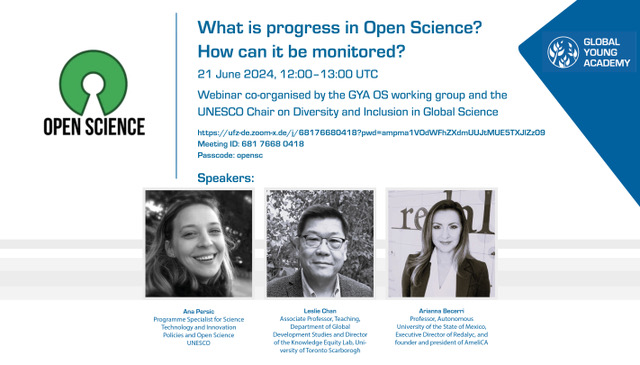
Join the Webinar: “What is Progress in Open Science? How Can It Be Monitored?”
Join the Webinar: “What is Progress in Open Science? How Can It Be Monitored?” 640 365 Open and Universal Science (OPUS) Project

The Global Young Academy and the UNESCO Chair at CWTS Leiden are excited to co-organize an insightful webinar titled “What is progress in OpenScience? How can it be monitored?” Join on June 21, 2024, from 14:00 to 15:00 (CEST) for an engaging session featuring distinguished speakers Ana Persic, Leslie Chan, and Arianna Becerril-García.

This event is part of the Open Science First Fridays lecture series, which highlights the perspectives of experts from various fields on diverse aspects of open science. The series, organized by the Global Young Academy’s Open Science group, covers topics ranging from education and data science to research and law.

Don’t miss this opportunity to deepen your understanding of open science and explore how its progress can be effectively monitored.

Register here.

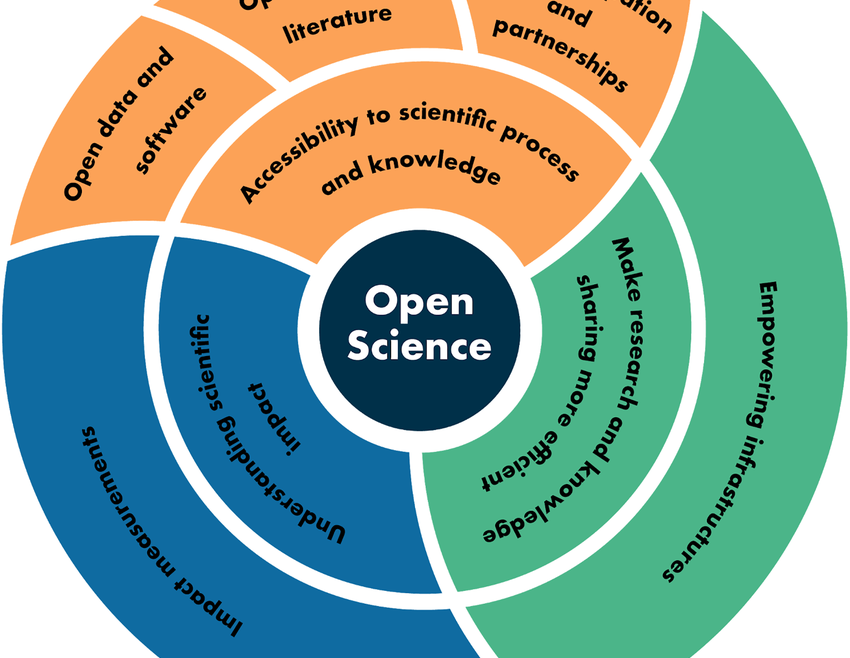
Open Science: The Invisible Revolution in Your Everyday Life
Open Science: The Invisible Revolution in Your Everyday Life 850 850 Open and Universal Science (OPUS) Project

In recent years, there’s been a quiet but profound transformation sweeping through the world of research and innovation—open science. You may not realize it, but open science is likely influencing your daily life in more ways than you know. From the development of new medications to the accuracy of your weather forecast, this movement is reshaping the way knowledge is created and shared, benefiting society in subtle yet significant ways.

The Essence of Open Science

Open science is about making scientific research and data accessible to everyone. This includes sharing research papers, datasets, and methodologies freely online, enabling collaboration and transparency. The core principles are openness, accessibility, and the democratization of knowledge, ensuring that scientific progress is not confined to elite institutions or behind paywalls.

Everyday Encounters with Open Science

1. Health and Medicine: One of the most tangible impacts of open science is in healthcare. The rapid development of COVID-19 vaccines was accelerated by unprecedented levels of data sharing and collaboration across the globe. Researchers openly shared findings, genomic sequences, and clinical trial data, allowing for quicker peer reviews and iterations. This open approach continues to influence ongoing research into treatments and vaccines for other diseases.

2. Technology and Innovation: Open science fuels technological advancements that you use every day. Open-source software, a cornerstone of open science, powers your smartphones, computers, and the internet. Innovations like the World Wide Web and the Linux operating system were born from principles of openness and collaboration. Even major tech companies like Google and Microsoft contribute to and benefit from open-source projects, enhancing the tools and services you rely on.

3. Environmental Awareness: Climate science is another area where open science plays a crucial role. Researchers globally share climate models, environmental data, and findings on platforms like the Intergovernmental Panel on Climate Change (IPCC). This openness allows for more accurate climate predictions and informed policy decisions. It also empowers citizen scientists and activists to contribute to and disseminate knowledge about environmental issues.

4. Education and Learning: Open educational resources (OER) are transforming how we learn. Free access to high-quality textbooks, lecture notes, and courses from top universities is democratizing education. Platforms like Coursera, edX, and Khan Academy offer vast repositories of knowledge accessible to anyone with an internet connection, breaking down traditional barriers to learning.

5. Journalism and Media: Data journalism is another area enriched by open science. Journalists use openly available datasets to create insightful stories that hold institutions accountable and inform the public. Whether it’s tracking election results, analyzing public spending, or investigating environmental data, the availability of open data empowers journalists to produce more in-depth and accurate reporting.

The Future of Open Science

The momentum behind open science is growing, driven by both technological advancements and a cultural shift towards greater transparency. Governments and funding bodies increasingly mandate open access to publicly funded research. Institutions are adopting open data policies, and researchers are embracing preprint servers and open-access journals.

However, challenges remain. Issues of data privacy, the digital divide, and ensuring the quality and reproducibility of openly shared research need ongoing attention. The scientific community must navigate these challenges while continuing to advocate for the principles of openness and collaboration.

A New Paradigm for Progress

Open science is an invisible force that touches many aspects of our lives. It’s revolutionizing healthcare, driving technological innovation, enhancing environmental understanding, democratizing education, and enriching journalism. By breaking down barriers and fostering a culture of sharing and collaboration, open science is not just a trend but a transformative approach that promises a more inclusive and knowledgeable society. So next time you marvel at a scientific breakthrough or benefit from cutting-edge technology, remember that open science is likely playing a crucial role behind the scenes.

Photo via ResearchGate

Problematic Publishing Practices that Harm Open Science
Problematic Publishing Practices that Harm Open Science 1024 1024 Open and Universal Science (OPUS) Project

Open science is a movement aimed at making scientific research, data, and dissemination accessible to all levels of an inquiring society, amateur or professional. While the ideals of open science promote transparency, collaboration, and accessibility, several publishing practices continue to hinder these goals. This article explores some of the most problematic publishing practices that pose significant challenges to the advancement of open science.

1. Paywalls and Subscription Fees

One of the most significant barriers to open science is the prevalence of paywalls and expensive subscription fees imposed by major academic publishers. These paywalls restrict access to scholarly articles, making it difficult for researchers, particularly those from low-income institutions and developing countries, to stay updated with the latest findings. This pay-for-access model perpetuates inequality in the availability of knowledge and stifles scientific progress by limiting who can participate in the scientific conversation.

2. Article Processing Charges (APCs)

In response to the demand for open access, many publishers have introduced Article Processing Charges (APCs), which require authors to pay a fee to make their work openly accessible. While this model shifts the cost burden from the reader to the author, it still poses a significant barrier. Many researchers, especially those without substantial funding, find it challenging to afford these fees. As a result, the publication of research can become skewed towards well-funded researchers and institutions, undermining the inclusivity that open science strives for.

3. Embargo Periods

Some journals impose embargo periods, during which access to newly published articles is restricted to subscribers. After a certain period, the articles may become freely accessible, but this delay can be detrimental to the timely dissemination of scientific knowledge. In fast-moving fields, such as medical research, any delay in sharing findings can hinder progress and impact critical decision-making.

4. Impact Factor and Citation Metrics

The reliance on journal impact factors and citation metrics as measures of research quality has problematic implications for open science. High-impact journals often have restrictive access policies, and the pressure to publish in these journals can discourage researchers from choosing open access venues with lower impact factors. Moreover, the focus on citation metrics can lead to practices like self-citation and citation rings, which distort the true impact and quality of research.

5. Lack of Transparency in Peer Review

The peer review process is fundamental to maintaining scientific standards, yet it often lacks transparency. Traditional peer review is usually closed and anonymous, which can lead to biases, conflicts of interest, and a lack of accountability. Open peer review, where reviewer comments and author responses are publicly available, can enhance transparency and trust in the review process. However, the adoption of open peer review is still limited.

6. Limited Data Sharing

Many journals and researchers still do not adhere to open data practices, where the data underlying research findings are made openly available for verification and reuse. Data hoarding restricts the ability of other researchers to validate findings, reproduce studies, and build upon previous work. Encouraging comprehensive data sharing is essential for the reproducibility and reliability of scientific research.

7. Predatory Journals

The rise of predatory journals, which exploit the open access model by charging publication fees without providing legitimate peer review or editorial services, presents another significant challenge. These journals often prioritize profit over quality, leading to the dissemination of poorly vetted and unreliable research. This practice undermines trust in open access publications and harms the credibility of genuine open science efforts.

Towards a More Equitable Scientific Ecosystem

While the open science movement has made significant strides towards democratizing access to scientific knowledge, several problematic publishing practices continue to impede its progress. Addressing these issues requires concerted efforts from researchers, institutions, funders, and publishers to adopt more equitable and transparent practices. By doing so, the scientific community can move closer to realizing the full potential of open science, fostering a more inclusive, collaborative, and innovative research environment.

Photo via The Chinese University of Hong Kong Library

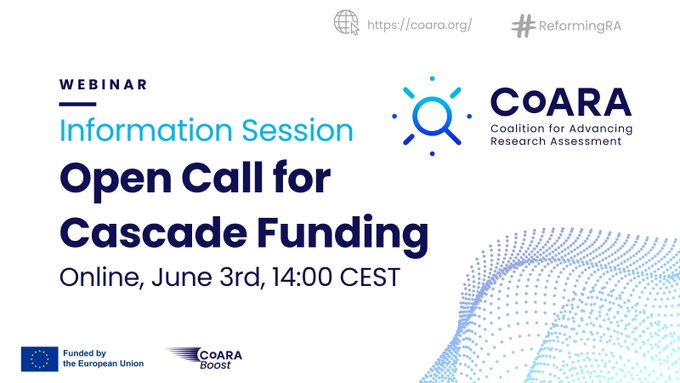
Information Session: Funding Call
Information Session: Funding Call 680 383 Open and Universal Science (OPUS) Project

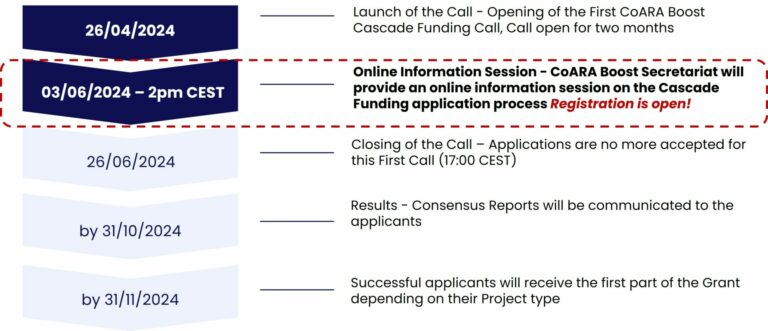
CoARA is excited to announce a dedicated one-hour Q&A online session about the first CoARA Boost Cascade Funding Programme. This informative session is designed to guide and support prospective applicants in understanding the call’s objectives and navigating the application process.

Event Details:

  • Date: June 3rd, 2024
  • Time: 14:00 – 15:00 CEST
  • Format: Online

Purpose of the Information Session

The upcoming session aims to provide potential applicants with a comprehensive overview of the funding programme. Participants will gain insights into the application requirements, the evaluation criteria, and the overall goals of the CoARA Boost Cascade Funding initiative. This is a valuable opportunity to ask questions and clarify any uncertainties directly with experts involved in the programme.

Who Can Apply for Funding?

The CoARA Boost Cascade Funding Programme is open to:

  • Research-performing institutions
  • Research funding organizations
  • Other not-for-profit institutions

These entities must be based within the European Research Area (ERA), including EU Member States and countries associated with the Horizon Europe Framework Programme for Research and Innovation. The programme seeks to support legal entities that meet these criteria.

About the Cascade Funding Programme

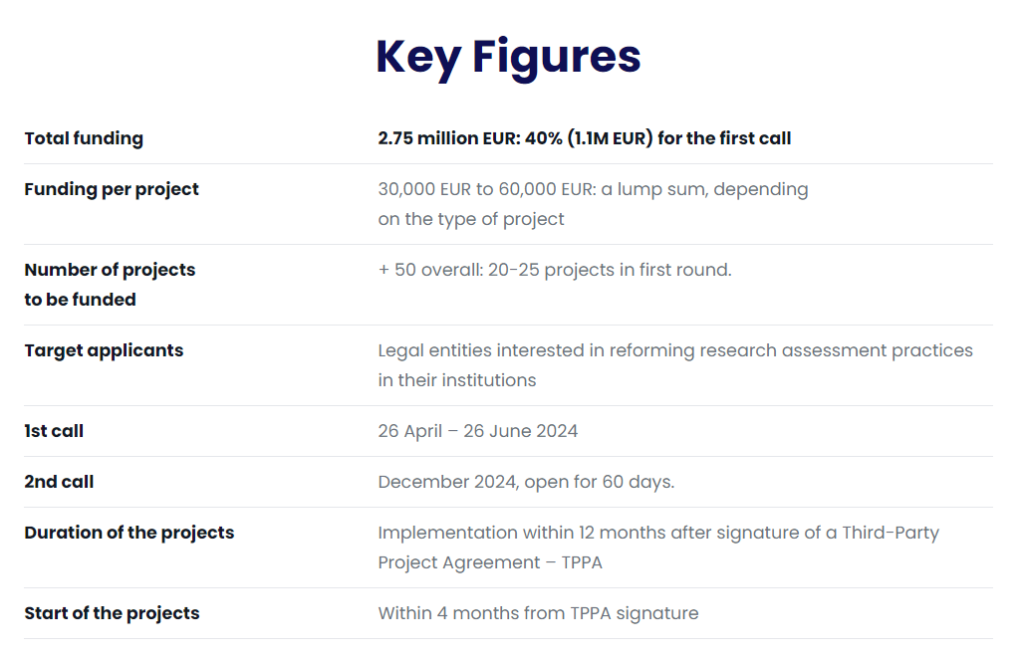
The CoARA Boost Cascade Funding Programme aims to drive institutional change through pilot projects and knowledge exchange initiatives. The first call for proposals will fund over 20 projects, each designed to:

  • Facilitate the exchange and adaptation of proven good practices within research organizations.
  • Catalyze the transformation of research assessment practices and tools, aligning them with the commitments of the Agreement on Reforming Research Assessment.
  • Support the development and testing of innovative research assessment approaches, models, and procedures.

Eligible projects are those that will contribute to lasting changes in research assessment practices across institutions within the ERA. By the programme’s end, a diverse portfolio of projects will showcase tangible outcomes that reflect the shared vision of reformed research assessment practices.

Application Details

Applications for the Cascade Funding Programme are open from April 26, 2024, until June 26, 2024, at 17:00 CEST. Interested applicants are encouraged to attend the information session to gain valuable insights that could strengthen their proposals.

Register Now

To secure your spot at the information session, please register here. Don’t miss this opportunity to learn more about how the CoARA Boost Cascade Funding Programme can support your institution’s research initiatives.

Join on June 3rd to explore this exciting funding opportunity and take the first step towards making a significant impact in the research community.

For more details about the Cascade Funding Programme, eligibility criteria, and application process, please refer to the official call text available here.

Timeline of the call:

Announcing the State of Open Infrastructure 2024
Announcing the State of Open Infrastructure 2024 900 497 Open and Universal Science (OPUS) Project

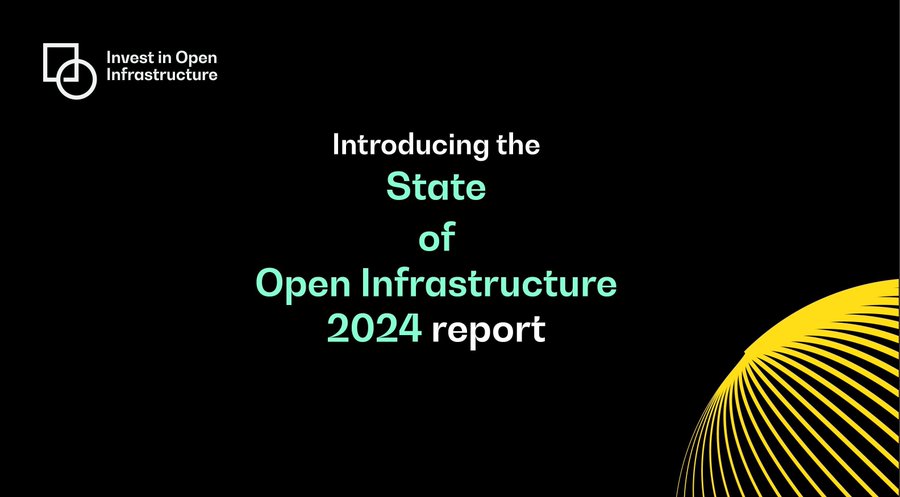
Over the past year, Invest in Open Infrastructure (IOI) has conducted an in-depth investigation into the State of Open Infrastructure, examining aspects such as characteristics, funding, governance, adoption, and policy development. IOI are excited to share the results of this work today.

The report presents exclusive data and analysis on open infrastructure’s attributes and the issues affecting them, viewed through multiple lenses for a comprehensive understanding of the ecosystem.

It also includes perspectives from various stakeholders, highlighting key trends and emerging opportunities for collaboration, innovation, and investment. The report offers strategic insights and actionable recommendations to help stakeholders navigate change and complexity in research and higher education, make informed decisions, and mitigate risks.

The full report, “The State of Open Infrastructure,” is available at this link. Additionally, we offer two dashboards to explore the data:

  • Characteristics of Open Infrastructure: Analysis based on Infra Finder data, including policies, community engagement, governance, and technical information.
  • Grant Funding Data: Examination of grant funding for open infrastructure by time, geography, funder, type of support, and type of infrastructure.

Explore the full State of Open Infrastructure report.

Key Findings

  • Open Infrastructures show a strong commitment to community engagement, governance, and transparent policies and practices. Read “Characteristics of selected open infrastructures.”
  • Analysis of $415M+ in grant funding reveals that open infrastructures are cited in many awards, highlighting their significance in research and scholarship. Read “The state of open infrastructure grant funding.”
  • Procurement and IT governance processes can complicate the adoption of open infrastructure, but consortia and networks can help mitigate risks. Read “The influence of procurement and information technology governance processes on the adoption of open infrastructure” and “Trends in open infrastructure performance and adoption.”

Explore the full State of Open Infrastructure report.

Get Involved

The State of Open Infrastructure report is a snapshot at a particular time and place, and we view this as the starting point for further exploration and development.

Find out more

Open Access ‘at any cost’ Cannot Support Scholarly Publishing Communities
Open Access ‘at any cost’ Cannot Support Scholarly Publishing Communities 970 470 Open and Universal Science (OPUS) Project

Kaitlin Thaney highlights the growing momentum for “no pays” academic publishing models and the establishment of “reasonable costs” of publication, presenting opportunities to address the inequities, costs, and power dynamics that have arisen from the push towards Open Access “at any cost” over the past two decades.

The EU Council’s recent call for immediate and unrestricted access to publicly funded research has elicited strong reactions from commercial publishing giants. These companies argue that without clear details on who will cover the current publishing costs, the shift towards more equitable systems could dismantle the existing framework. This argument is not new.

Similar concerns were raised by commercial publishers following the US National Institute of Health’s 2007 mandate for federally funded research to be openly available one year after publication—a move that mirrored the open access policies and recommendations of the Canadian Institute for Health Research and the European Commission. In March 2008, PNAS convened a summit at the National Academies in Washington, D.C., where publishers expressed fears that immediate access to research would undermine their revenue models and disrupt the publishing landscape.

Despite claims that open access threatens the viability of both small and large publishers, the movement has become a significant business. During her time at Creative Commons, advocating for common use licensing practices for research, the opposition from commercial and society publishers—outnumbering open access advocates nearly 10 to 1—was intense, focusing on potential financial disruptions. The argument that taxpayer-funded research should be freely accessible to taxpayers was largely ignored.

History shows that the publishing industry can adapt to change, and fear of change should not hinder the necessary recalibration of our knowledge production and dissemination systems. Now is the time for publishers to support the communities and infrastructures that drive their profits and invest in their success.

Open Access has grown into a lucrative business, but the benefits have not fully extended to the research communities that produce and fund the research. The Budapest, Berlin, and Bethesda Open Access declarations in the early 2000s envisioned free-to-read scholarship, but the cost of publishing remains high, often unaffordable. Questions persist about what constitutes “reasonable cost” for making publicly funded research available and who should bear these costs. Ensuring equitable and inclusive access to publishing without imposing unsustainable pricing on the global research community is crucial.

The recent EU Council conclusions, along with the G7 communique, the Nelson memo from the US Office of Science and Technology Policy, and the UNESCO Recommendation on Open Science, emphasize rebalancing cost and access to promote open science. These policies aim to explore more affordable scholarly publishing avenues, addressing cost and responsibility issues that were overlooked in earlier mandates for free and open access to scientific research.

The past three decades have shown that open source adoption can support community health and vibrancy. Examples like Anaconda’s commitment to reinvest 1% of their annual revenue back into open source communities, GitHub Sponsors, Open Source Collective, and Tidelift, as well as public utilities funding models, demonstrate how businesses can share profits with the communities they rely on.

At Invest in Open Infrastructure (IOI), they are researching models that shift from extractive practices that burden researchers and institutions to those promoting accountability and reinvestment, fostering a vibrant open research ecosystem. Clear terms for “reasonable cost” and publisher contributions to supporting research communities are essential for equitable access to scholarship globally. Their upcoming research on reasonable costs for publicly funded research and our 2024 Fund aim to support researchers and institutional leaders in adopting and implementing necessary infrastructure and services for open science.

It’s time to move from preserving outdated structures to building sustainable and equitable futures. Enterprises profiting from open knowledge and research must invest in and share profits with the communities and infrastructure they depend on.

Photo via Information Matters

Original text from LSE Blog

Privacy Preferences

When you visit our website, it may store information through your browser from specific services, usually in the form of cookies. Our Privacy Policy can be read here.

Here you can change your Privacy preferences. It is worth noting that blocking some types of cookies may impact your experience on our website and the services we are able to offer.

Click to enable/disable Google Analytics tracking code.
Click to enable/disable Google Fonts.
Click to enable/disable Google Maps.
Click to enable/disable video embeds.
Our website uses cookies, mainly from 3rd party services. Define your Privacy Preferences and/or agree to our use of cookies.