Open Science News

Unlocking the Power of Open Science: A Key to Achieving UN SDGs
Unlocking the Power of Open Science: A Key to Achieving UN SDGs 1024 760 Open and Universal Science (OPUS) Project

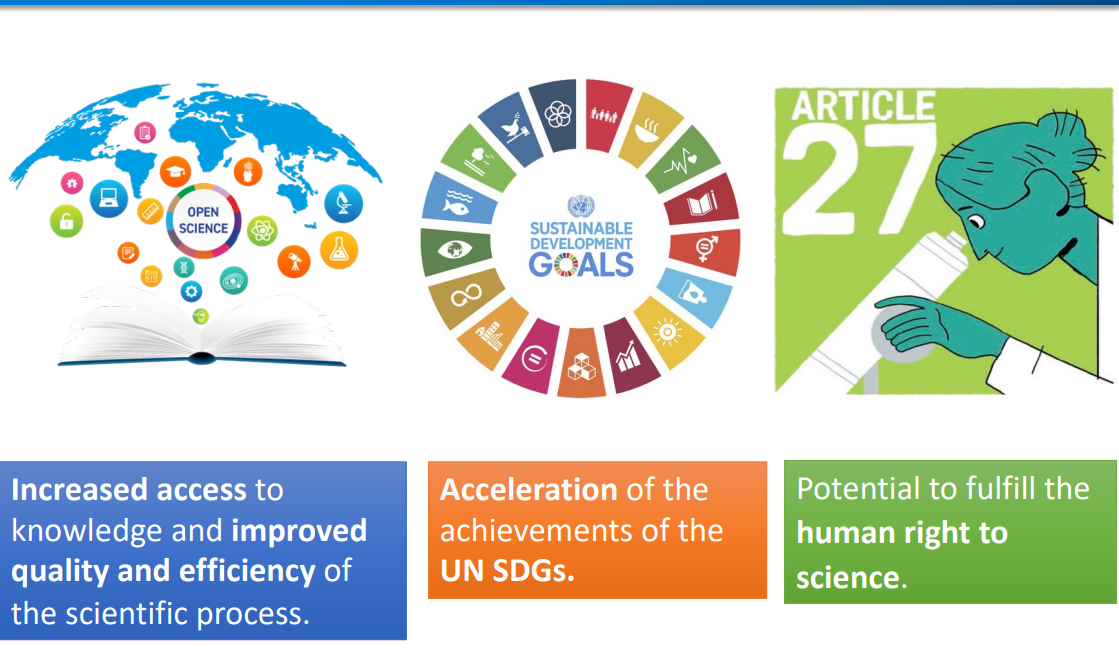
On July 12, 2023, from 8:00 to 9:30 a.m. ET, a significant side event took place during the High-Level Political Forum 2023: Acceleration of the Achievements of the UN SDGs. This event revolved around the essential concept of Open Science and its potential to accelerate progress towards sustainable development. In this article, we will delve into the principles of Open Science, its significance, and the steps taken to promote it, as outlined in the UNESCO Recommendation on Open Science.

Why Open Science?

Open Science is a pivotal concept that advocates for increased access to knowledge and the improvement of the scientific process in terms of quality and efficiency. At its core, Open Science is a commitment to making scientific knowledge universally accessible, allowing for broader participation and collaboration among researchers, and fostering innovation. But why is Open Science crucial, and how does it relate to the UN SDGs?

  1. Fulfilling the Human Right to Science

Open Science has the potential to fulfill the human right to science. The United Nations recognizes access to scientific knowledge as a fundamental human right, and Open Science plays a vital role in making this right a reality for people around the world. By promoting transparency, sharing, and accessibility, Open Science ensures that scientific knowledge is not confined to a privileged few but is available to all, enabling people to make informed decisions and participate in the scientific process.

Open Science Policy: The Pillars

To realize the potential of Open Science, a solid framework of policies, incentives, capacities, and infrastructures is necessary. This framework can be broken down into four key pillars:

  1. Making it Required: To encourage researchers to embrace Open Science, it is essential to establish requirements and guidelines that emphasize transparency, data sharing, and collaboration.
  2. Making it Rewarding: Reward systems need to be put in place to incentivize researchers to adopt Open Science practices. Recognition and career advancement for those who contribute to Open Science can drive cultural change.
  3. Making it Understandable: Promoting Open Science requires clear communication and educational efforts to ensure that researchers understand its importance and how to implement it in their work.
  4. Making it Possible/Easy: The infrastructure and tools for Open Science must be readily available and accessible, removing barriers to entry for researchers.

The UNESCO Recommendation on Open Science

In 2021, at the UNESCO 41st General Conference, 193 Member States recognized the significance of Open Science by adopting the UNESCO Recommendation on Open Science. This landmark decision marked the first international standard-setting instrument on Open Science and introduced a common definition and set of principles.

Key Highlights of the Recommendation:

  1. Definition of Open Science: The Recommendation provides the first internationally agreed-upon definition of Open Science, emphasizing the core values and principles that guide this movement.
  2. Actions and Stakeholders: It addresses various actors and stakeholders in Open Science and recommends actions to operationalize the principles at different stages of the scientific process.
  3. Comprehensive Monitoring: The Recommendation calls for the development of a comprehensive monitoring framework for Open Science to ensure its implementation and progress.

Why Open Science Policy?

Open Science policy is the foundation upon which the principles and values of Open Science are put into practice. The Working Group on Policy and Policy Instruments is guiding the development of Open Science policies and instruments. Here are some key factors they consider:

  1. Integration: Open Science policies should be integrated into existing scientific and research policies.
  2. Clarity and Comprehensiveness: Policies should be clear and comprehensive, leaving no room for ambiguity.
  3. Commitment to Resourcing: Adequate resources should be allocated to support Open Science initiatives.
  4. Equity and Inclusion: Policies should promote equity and inclusion to ensure that everyone can benefit from Open Science.
  5. Removal of Barriers: Barriers that hinder the practice of Open Science should be identified and removed.
  6. Monitoring and Evaluation: Effective monitoring and evaluation mechanisms should be in place to assess the impact of Open Science policies.

Empowering a Sustainable Future

Open Science is not just a theoretical concept but a practical approach that can accelerate progress towards the UN SDGs. By making knowledge more accessible and fostering collaboration among scientists, Open Science has the power to drive innovation and address global challenges. The UNESCO Recommendation on Open Science sets the stage for a global commitment to these principles, promoting a future where scientific knowledge is a universal right, accessible to all.

Check out full presentation (UNESCO)
The Role of Government Policies in Promoting Open Science
The Role of Government Policies in Promoting Open Science 1024 602 Open and Universal Science (OPUS) Project

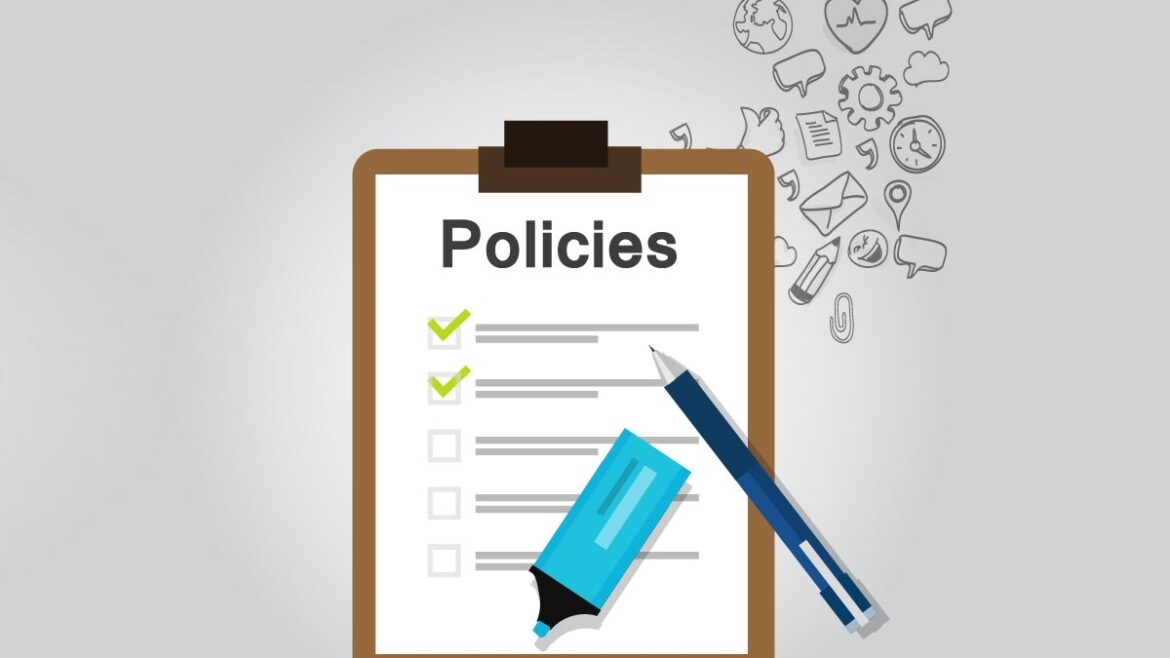
Government policies play a crucial role in promoting open science. These policies can help break down barriers, foster innovation, and make scientific information more accessible to everyone. In this article, we’ll explore the significant role of government policies in advancing open science.

What is Open Science?

Open science is an approach to research that aims to make scientific processes and results accessible to the broader community. It involves sharing research findings, data, and methods openly, which can be beneficial in various ways.

  1. Access to Knowledge: Open science ensures that scientific knowledge is freely available to all, not locked behind paywalls or subscriptions. This openness democratizes information, allowing a wider audience to benefit from research.
  2. Transparency: Open science promotes transparency in research, making it easier for others to validate and replicate studies. This can help improve the quality and reliability of scientific research.
  3. Collaboration: Open science encourages collaboration among researchers, leading to a more diverse and inclusive research community. It allows experts from various backgrounds to work together to solve complex problems.
  4. Innovation: By sharing data and ideas openly, open science can accelerate the pace of innovation. Researchers can build upon each other’s work, leading to faster progress in scientific fields.

Government Policies and Open Science

Government policies play a pivotal role in shaping the scientific landscape. They can either hinder or facilitate the adoption of open science practices. Here are some ways in which government policies can promote open science:

  1. Open Access Mandates: Governments can require that publicly-funded research be made openly accessible to the public. This can be achieved through open-access journals or repositories, allowing anyone to access and benefit from the research funded by taxpayers.
  2. Data Sharing Requirements: Governments can mandate that researchers share their data, making it available for further analysis and verification. This ensures that research results can be independently assessed and built upon.
  3. Funding and Support: Government agencies can provide funding and support for open science initiatives. This can include grants for open-access publishing, data management, and infrastructure for open science projects.
  4. Intellectual Property Policies: Governments can revise intellectual property policies to facilitate open science. For instance, they can encourage the use of open licenses that allow others to reuse and build upon research outputs.
  5. Education and Training: Governments can invest in education and training programs to help researchers adopt open science practices. This includes teaching researchers how to properly manage and share their data and results.

Benefits of Government Support for Open Science

Government support for open science has several benefits for society and the scientific community:

  1. Accelerated Scientific Progress: Open science can lead to faster scientific progress by reducing duplication of efforts and enabling researchers to build upon existing work.
  2. Increased Public Trust: When research is conducted transparently and made accessible, it fosters trust between the public and the scientific community. This trust is crucial, especially in fields where public policies and decisions are heavily influenced by scientific research.
  3. Global Collaboration: Government policies promoting open science can facilitate collaboration among researchers across borders, enhancing the global scientific community’s ability to tackle pressing issues.
  4. Economic Growth: Open science can lead to innovation and economic growth by providing businesses and entrepreneurs with valuable research findings and data.

Unlocking the Potential of Open Science through Government Initiatives

Government policies play a pivotal role in advancing open science. By implementing mandates, providing support, and fostering a culture of transparency and collaboration, governments can ensure that scientific knowledge benefits everyone, not just a select few. Open science has the potential to accelerate progress, increase public trust, and drive innovation, making it an essential element of the modern research landscape. It is up to governments to embrace and promote open science as a means to unlock the full potential of scientific discovery.

Photo via Indian Retailer

The Economics of Open Access: A Sustainable Path to Universal Knowledge
The Economics of Open Access: A Sustainable Path to Universal Knowledge 1024 525 Open and Universal Science (OPUS) Project

Have you ever considered how academic research becomes available for others to read and learn from? Traditionally, much of this knowledge was locked behind paywalls, accessible only to those who could afford it. But there’s a new and more inclusive way of publishing known as Open Access. In this article, we’ll delve into the economics of Open Access and how it’s transforming the distribution of research, making it accessible to a broader audience.

Understanding Open Access

Open Access is like a library where the books are free for everyone. It means that research papers, articles, and academic books are available online without any cost. This is a departure from the traditional publishing model, where readers had to pay to access or download articles.

The Traditional Model

In the past, researchers would write their papers and submit them to publishers. These publishers would then package these papers into prestigious journals and sell access to universities and libraries. These institutions had to allocate substantial budgets for accessing these journals, rendering them beyond the reach of the average person. This setup created a divide in terms of who could access important research.

The Open Access Model

Open Access reverses this model. Instead of charging readers, it charges the authors or their institutions to cover the costs of editing, peer review, and publication. Once published, the research becomes freely accessible to anyone with an internet connection. This breakthrough ensures that research is within reach of students, scientists, and anyone curious, regardless of their financial means.

Sustainability in Open Access

For Open Access to function effectively, it must be sustainable. This means it should have sufficient resources to keep operating. Some Open Access publishers receive funding from universities and research funders to support their operations. Others charge authors a fee when they wish to publish their work, which contributes to the sustainability of the Open Access model.

Challenges and Opportunities

While Open Access is a remarkable step forward, it faces challenges. Not all authors or institutions can cover the publication fees, creating financial barriers. There are also concerns about the quality of some Open Access journals, which underscores the importance of ensuring high standards in the articles published.

The Economic Foundations of Inclusive Knowledge Sharing

Open Access is revolutionizing the way knowledge is shared and accessed. It aims to democratize knowledge, making it available to everyone, regardless of their location or financial situation. The economics of Open Access might have different models, but the end goal is consistent: a sustainable way to share research that benefits everyone. By making research freely available, Open Access is helping build a more enlightened and informed world, one article at a time.

Photo via Alliance University

The Reproducibility Crisis: How Open Science Can Save Research
The Reproducibility Crisis: How Open Science Can Save Research 630 535 Open and Universal Science (OPUS) Project

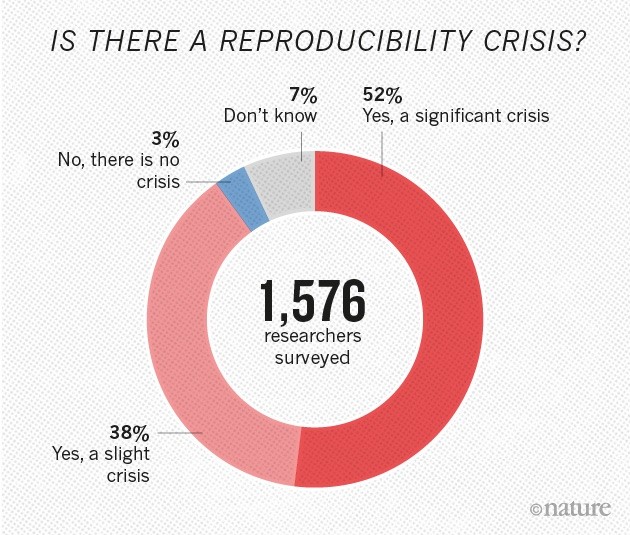
In the world of scientific research, there exists a quiet but persistent storm known as the “reproducibility crisis.” This crisis has shaken the very foundations of scientific inquiry, leading to a growing lack of trust in research findings. As the integrity of scientific research comes under scrutiny, it is imperative to explore potential solutions. One promising path towards redemption is Open Science, a movement aimed at fostering transparency, collaboration, and accountability within the scientific community. In this article, we will delve into the reproducibility crisis, its causes, and how Open Science can be the beacon of hope to restore trust in research.

The Reproducibility Crisis Unveiled

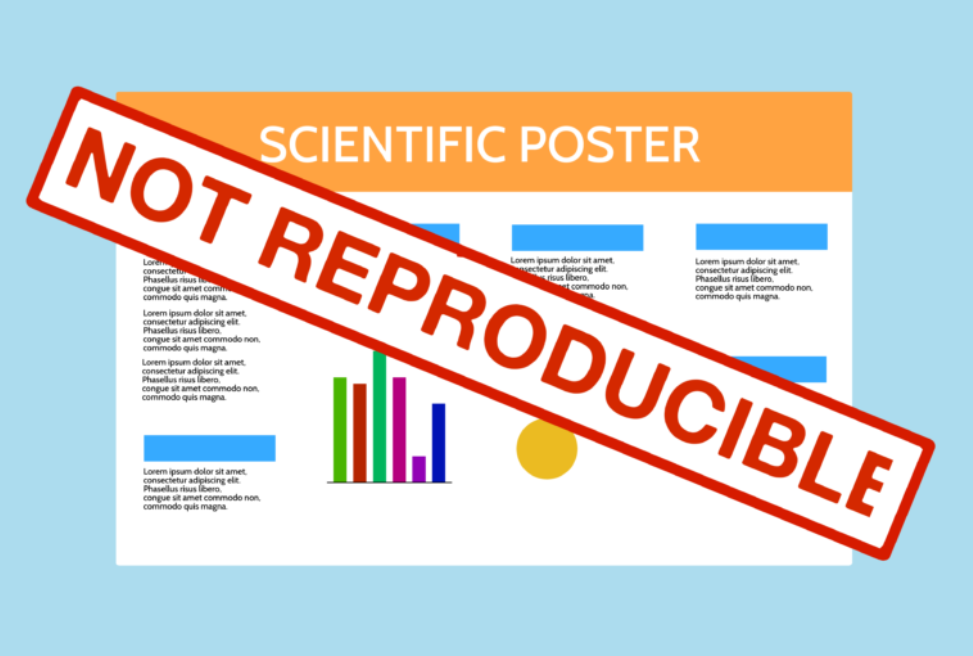
The reproducibility crisis refers to the alarming inability of scientists to replicate the findings of many published studies. This phenomenon threatens the credibility of scientific research across various disciplines, from psychology to medicine, and beyond. It has garnered attention not only from academics but also from the public, who rely on scientific advancements to improve their lives and the world at large.

Causes of the Crisis

Several factors contribute to the reproducibility crisis, including:

  1. Publication Bias: Journals often prioritize publishing novel and positive results, leading to the neglect of negative findings or replication studies.
  2. Questionable Research Practices: Researchers may engage in practices like p-hacking (manipulating data to achieve statistical significance) and HARKing (hypothesizing after results are known), which can distort results.
  3. Inadequate Statistical Methods: Suboptimal statistical analyses can lead to erroneous conclusions, making replication challenging.
  4. Lack of Data Sharing: Many researchers do not make their data and methods openly accessible, hindering the ability of others to verify and replicate their work.
  5. Pressure to Publish: The “publish or perish” culture can incentivize quantity over quality, encouraging rushed and less rigorous research.
Photo via The Aggie (https://theaggie.org/2020/06/01/an-ensuing-crisis-or-opportunity-the-role-quandary-of-replication-in-science/)

The Open Science Solution

Open Science presents a promising solution to the reproducibility crisis. It champions a set of practices that promote transparency, collaboration, and accessibility, thus restoring trust in research. Here’s how:

  1. Open Data and Methods: In the spirit of Open Science, researchers are encouraged to make their data, methods, and analysis code openly available. This allows for full transparency, making it easier for others to replicate the study.
  2. Preprints: Open Science platforms, such as arXiv and bioRxiv, enable researchers to share their findings before formal peer review. This not only accelerates the dissemination of knowledge but also invites constructive criticism, improving the quality of research.
  3. Open Access Journals: Open-access publishing models make research freely accessible to all, reducing barriers to information and promoting equitable access to knowledge.
  4. Registered Reports: This innovative publishing format allows researchers to submit detailed study protocols for peer review before conducting the research, ensuring that the methodology is sound and reducing the risk of publication bias.
  5. Crowdsourcing and Collaboration: Open Science encourages collaboration among researchers worldwide, harnessing the collective intelligence of the scientific community to address complex research questions.

A Brighter Future for Research: Open Science as the Way Forward

The reproducibility crisis casts a shadow of doubt over scientific research, threatening its credibility and the trust placed in it. However, Open Science offers a ray of hope. By embracing transparency, collaboration, and accountability, Open Science can help rectify the root causes of the crisis. Researchers, institutions, and funders must all come together to champion the Open Science movement, for it is the key to restoring faith in research and, in turn, advancing the frontiers of knowledge for the betterment of society.

Photo via Nature

Fostering Critical Thinking to Enhance Scientific Integrity and Reliability
Fostering Critical Thinking to Enhance Scientific Integrity and Reliability 1024 683 Open and Universal Science (OPUS) Project

Scientific progress is the bedrock of our modern world, driving technological innovations, medical advancements, and a deeper understanding of the universe. However, the reliability and integrity of scientific research have come under scrutiny in recent years, with concerns about reproducibility, bias, and the influence of external factors. To address these issues, fostering critical thinking in the scientific community is paramount. Critical thinking encourages researchers to question assumptions, evaluate evidence, and scrutinize methodologies, ultimately strengthening the integrity and reliability of scientific endeavors.

The Role of Critical Thinking

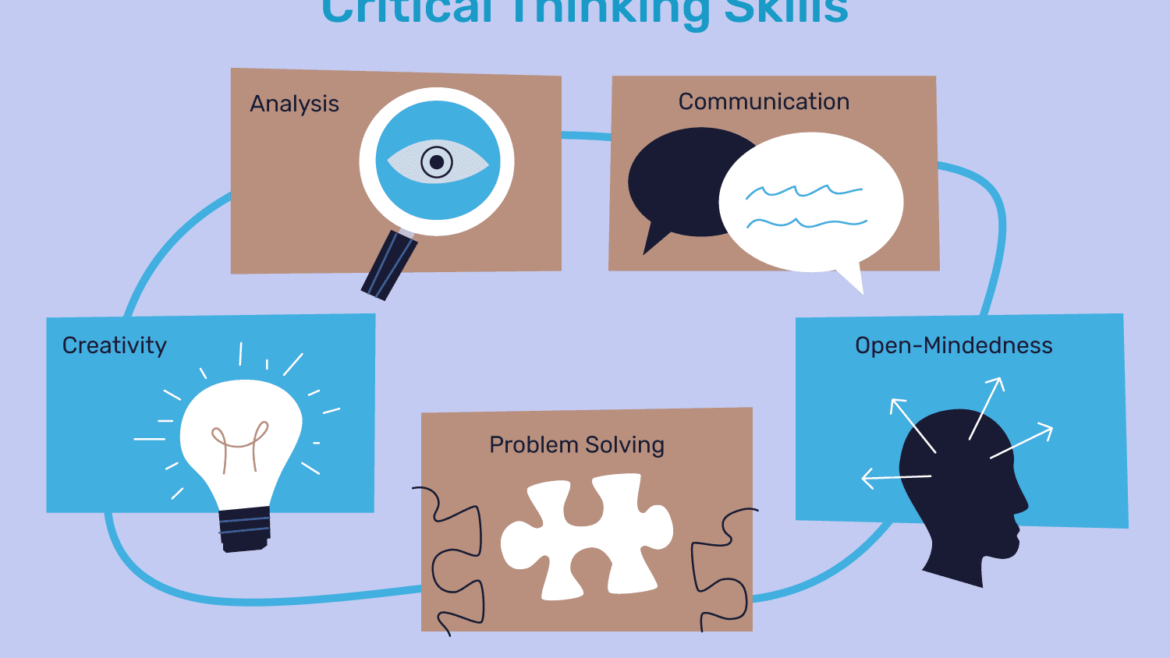
Critical thinking is a process of evaluating information and ideas objectively, without preconceived biases, emotions, or personal beliefs clouding judgment. In the realm of scientific research, critical thinking involves:

  1. Questioning Assumptions: Scientific inquiries often begin with assumptions or hypotheses. Critical thinkers challenge these assumptions, seeking to ensure that they are well-founded and not influenced by preconceived notions.
  2. Analyzing Evidence: Researchers must rigorously examine the evidence they collect. This includes considering the reliability of data, potential sources of bias, and the validity of statistical analyses.
  3. Scrutinizing Methodology: Critical thinkers assess the research methods employed, identifying any flaws or limitations. This scrutiny helps ensure that the methodology is robust and that the results are trustworthy.
  4. Identifying Bias: Bias can skew the interpretation of results. Critical thinking involves recognizing and mitigating both conscious and unconscious biases that may affect a study’s outcomes.
  5. Open-Mindedness: Scientists must be open to the possibility that their initial hypotheses may be incorrect. Critical thinkers are willing to accept evidence that challenges their preconceptions.

Ways to Foster Critical Thinking in Science

  1. Education: Critical thinking should be a fundamental component of scientific education. Encouraging students to question, analyze, and evaluate information from a young age helps develop strong critical thinking skills.
  2. Peer Review: The peer review process is a crucial checkpoint for scientific research. Reviewers must critically assess the validity and reliability of studies before publication, helping to weed out flawed or biased work.
  3. Collaborative Research: Collaborative research allows scientists to pool their knowledge and perspectives, enhancing the critical thinking process. Diverse teams can uncover potential biases and identify weaknesses in research methodologies.
  4. Transparency and Reproducibility: Transparency in reporting methods, data, and results fosters critical thinking. When others can scrutinize and reproduce experiments, it becomes easier to identify flaws and strengthen the integrity of research.
  5. Ethical Guidelines: Ethical guidelines and research ethics committees play a critical role in promoting scientific integrity. They ensure that research is conducted with the highest ethical standards, reducing the likelihood of bias and misconduct.

Challenges and Concerns

While critical thinking is a powerful tool for enhancing scientific integrity, there are challenges to its widespread adoption:

  1. Time Constraints: In the fast-paced world of scientific research, time constraints can hinder thorough critical evaluation, leading to oversights.
  2. Institutional Pressures: Pressure to publish and secure funding can sometimes compromise the rigor of research. Scientists may be tempted to cut corners or rush experiments.
  3. Cognitive Bias: Even the most dedicated critical thinkers can fall victim to cognitive biases, which are inherent in human decision-making. Awareness and active efforts to mitigate these biases are essential.

Embracing a Culture of Inquiry and Scrutiny

Enhancing scientific integrity and reliability is a shared responsibility. Critical thinking is a fundamental tool in this endeavor, empowering researchers to question assumptions, scrutinize evidence, and uphold the highest ethical standards. By fostering critical thinking at all levels of scientific inquiry, we can build a more reliable foundation for scientific progress, ensuring that the knowledge we generate stands the test of time and benefits society as a whole.

Photo via Thought Co

No Alternative to Open Access: The Imperative for a Free Flow of Knowledge
No Alternative to Open Access: The Imperative for a Free Flow of Knowledge 900 636 Open and Universal Science (OPUS) Project

In an age where the free flow of information is paramount, open access has emerged as a beacon of enlightenment and a catalyst for progress. The fundamental idea behind open access is to ensure that knowledge, once created, is accessible to all, regardless of geographical, social, or economic boundaries. This approach to disseminating information has gained significant momentum in recent years, and it is a path that we must tread if we are to foster a more equitable and informed global society.

Open access, in the context of scholarly research and academic literature, is the practice of making research papers, articles, and other scholarly works freely accessible to the public online. This paradigm shift in knowledge dissemination has been nothing short of revolutionary, and it brings with it several undeniable advantages.

First and foremost, open access democratises knowledge. In the traditional model, valuable research often remains behind paywalls, accessible only to those affiliated with institutions that can afford expensive journal subscriptions. This exclusivity obstructs the free exchange of ideas and leaves vast segments of society in the dark. Open access levels the playing field, granting access to anyone with an internet connection and a thirst for knowledge.

Furthermore, open access fosters collaboration and innovation. The rapid dissemination of research allows scholars and scientists to build upon the work of others more efficiently, accelerating the pace of discovery. When knowledge is freely available, it encourages interdisciplinary research and the cross-pollination of ideas. This is how breakthroughs happen – through the collective efforts of a global community.

The economic benefits of open access are also substantial. In the long term, open access reduces the financial burden on institutions, as they no longer need to invest exorbitant sums in journal subscriptions. Moreover, it enables startups and small companies to access the latest research findings, encouraging entrepreneurship and the development of new technologies. A well-informed society is better equipped to tackle the challenges of the future.

Open access also aligns with the principles of ethical and equitable research. It ensures that the results of research, which are often funded by taxpayers’ money, are accessible to those very taxpayers. The traditional publishing model, on the other hand, limits access to research findings, effectively putting a price tag on knowledge that should be a public good.

Critics of open access often raise concerns about quality control and sustainability. They argue that without traditional publishing models, the peer-review process might suffer, leading to the spread of low-quality or even false information. However, open access does not negate the need for peer review; it merely calls for alternative, open models of review. As the open access movement has gained momentum, reputable open-access journals with rigorous peer-review processes have emerged.

Moreover, the argument that open access is financially unsustainable is unfounded. The traditional subscription model may have provided reliable income to publishers, but it is unsustainable in the long run, with constantly rising costs. Open access can be financially sustainable through a combination of funding models, such as article processing charges and institutional support, without compromising the free availability of content.

In the grand scheme of things, there is no alternative to open access. It is the logical progression of a society that recognises the value of knowledge and seeks to make it available to all. The global pandemic has illustrated the importance of freely accessible research, as scientists rushed to share critical information on COVID-19, enabling swift vaccine development.

Open access is not merely an alternative; it is a necessity for the progression of science, the growth of knowledge, and the betterment of society as a whole. It is a beacon of hope in an increasingly interconnected world, where knowledge knows no boundaries. The path forward is clear: open access must be embraced, nurtured, and expanded for the benefit of all.

Photo via Davis High News (Mercury News)

Oliver and the Magical Science Garden
Oliver and the Magical Science Garden 1024 720 Open and Universal Science (OPUS) Project

Once upon a time, in a small village nestled between rolling hills, there lived a curious boy named Oliver. Oliver was known for his insatiable curiosity, always asking questions about the world around him. One sunny morning, as he was playing in his garden, he discovered something extraordinary – a secret, hidden garden filled with unusual plants and animals.

But there was something even more magical about this garden. It was a “Science Garden.” In this garden, plants and animals could talk and share their knowledge. Oliver soon realized that the garden was a place where everyone practiced “Open Science.”

In the Science Garden, all the creatures, from the chatty squirrels to the singing flowers, openly shared their discoveries and findings with one another. They believed that sharing knowledge and working together was the key to making the garden thrive. Oliver was amazed by the way everyone helped each other, and he decided to learn more about their ways.

Oliver met Professor Wiggletail, a wise old rabbit who explained the importance of Open Science. Professor Wiggletail told him, “In our Science Garden, we share our discoveries with each other, and we grow and learn together. Open Science helps us understand our world better, and it brings us all closer.”

Oliver was excited and wanted to be part of this fantastic garden. He started sharing his own observations, just like the others. He noticed the flowers grew taller when they received more sunlight and that the squirrels found more food when they worked together.

As he shared his findings, something wonderful happened. The garden became even more colorful, vibrant, and full of life. New plants and creatures joined, attracted by the spirit of openness and learning.

One day, a friendly bird named Bella told Oliver, “You see, Open Science doesn’t just make our garden better. It can help the whole world. When we share what we learn, others can use our knowledge to make their gardens, forests, and oceans healthier, too.”

With that knowledge, Oliver realized the incredible power of Open Science. He shared his garden’s secrets with the people in his village, and they, too, started practicing Open Science in their gardens and homes. Soon, the entire village became a hub of learning, cooperation, and happiness.

From that day forward, Oliver’s village and the magical Science Garden were shining examples of how Open Science could make the world a better place, one discovery at a time. Oliver learned that the importance of Open Science wasn’t just about sharing knowledge but also about sharing kindness and working together for the greater good.

And so, the village of curious minds continued to grow, learn, and share, making the world a brighter, more colorful, and more connected place, just like Oliver’s beloved Science Garden.

Photo via Vecteezy

Navigating the Digital Treasure Trove: A Guide on How to Find and Collect Open Access Data
Navigating the Digital Treasure Trove: A Guide on How to Find and Collect Open Access Data 1024 410 Open and Universal Science (OPUS) Project

In today’s information age, data is often referred to as the new oil. The availability of vast quantities of data has revolutionized research, business, and decision-making across various fields. But what if you’re a researcher, student, or enthusiast looking for free and open data to support your projects? That’s where open access data comes into play. In this article, we will explore how to find and collect open access data, offering insights on where to look and how to make the most of this valuable resource.

What Is Open Access Data?

Open access data refers to datasets, databases, or collections of information that are freely available to the public, typically under open licenses. This means you can access, use, modify, and share these data without any legal or financial constraints, promoting transparency and innovation. Finding and collecting open access data can greatly enhance your research, analysis, or creative endeavors.

  1. Government and Institutional Repositories

One of the primary sources for open access data is government and institutional repositories. Many government agencies, research institutions, and universities maintain digital libraries filled with valuable datasets. Examples include:

  • Data.gov: A U.S. government initiative that offers access to a vast array of datasets, covering topics like climate, healthcare, and education.
  • European Data Portal: This platform provides access to a wealth of European Union-related data on topics such as agriculture, energy, and transportation.
  • University Libraries: Explore the websites of universities and research institutions to find datasets related to academic projects or research conducted by faculty members.
  1. Open Data Portals

Numerous organizations and communities have created dedicated open data portals to aggregate datasets from various sources. These portals serve as central hubs for discovering open access data. Some popular options include:

  • OpenData.gov: The U.S. government’s open data portal provides datasets from federal, state, and local agencies on topics ranging from economics to public safety.
  • Datahub: Operated by the Open Knowledge Foundation, Datahub offers a vast collection of open datasets from various domains.
  • Kaggle: Although known for its data science competitions, Kaggle also provides a platform for sharing and discovering datasets on a wide range of subjects.
  1. Academic Journals and Publications

Scholarly articles often include references to the datasets used in the research. Journals and publications that support open science principles may offer links to the datasets used in the study. Additionally, some repositories specialize in hosting datasets associated with academic papers.

  • Harvard Dataverse: An open-source web application developed by the Institute for Quantitative Social Science at Harvard University, Dataverse allows researchers to share, publish, and manage their data.
  • Dryad: This digital repository provides a platform for researchers to store and share data associated with scientific publications.
  1. Open Government Initiatives
  1. International Initiatives: Organizations like the Open Government Partnership (OGP) promote transparency and open data at a global level. Countries participating in the OGP commit to providing open access to government data.
  2. Local Initiatives: At the local level, municipalities and city governments also participate in open data initiatives. Check your local government’s website for data sets related to topics such as public transportation, urban planning, and demographics.

Many governments around the world are actively involved in open data initiatives, ensuring public access to datasets generated through taxpayer funding. These initiatives aim to foster transparency, accountability, and innovation.

  1. Social Media and Online Communities

Online communities and social media platforms can be surprisingly useful for discovering open access data. Researchers and data enthusiasts often share valuable resources and datasets through these channels.

  • Reddit: Subreddits like r/datasets and r/opendata are vibrant communities where users share datasets, discuss data sources, and seek advice.
  • Twitter: Search for relevant hashtags like #OpenData and #DataScience to discover datasets and valuable discussions.
  1. Data Repositories and Search Engines

Several data-specific search engines and repositories are designed to facilitate the discovery of open access datasets.

  • Google Dataset Search: Google offers a dedicated search engine for datasets, helping users find publicly available data from a variety of sources.
  • Data.gov.uk: The UK government’s open data portal offers a wealth of datasets, searchable by keywords or categories.
  • Zenodo: This repository allows researchers to share datasets, code, and other research outputs across different scientific disciplines.
  1. Crowdsourced Data

Crowdsourced data platforms are rich sources of information collected by individuals or groups of people. Platforms like Wikipedia, Wikimedia Commons, and OpenStreetMap provide extensive datasets that are openly accessible and frequently updated.

Collecting and Using Open Access Data

Once you’ve identified a source of open access data that matches your needs, the next step is to collect and use the data effectively:

  1. Download or Access the Data: Most open access data sources provide direct download links or access instructions. Follow the provided guidelines to obtain the datasets.
  2. Understand the Data: Carefully read the data documentation or metadata provided with the dataset. This information explains the structure, format, and variables within the data, ensuring you use it correctly.
  3. Data Cleaning and Preprocessing: Depending on the dataset, you may need to clean and preprocess the data to remove inconsistencies or irrelevant information. Data cleaning is a critical step to ensure the data’s quality and accuracy.
  4. Analyze and Visualize: Utilize data analysis and visualization tools to extract insights from the dataset. Techniques such as data mining, statistical analysis, and machine learning can help uncover valuable patterns and trends.
  5. Attribution and Citation: When using open access data in your research, be sure to provide proper attribution to the source. Cite the data and any associated publications according to the guidelines of the dataset provider.
  6. Share Your Work: If you conduct research using open access data and produce valuable insights or analysis, consider sharing your findings with the community by publishing your work, sharing your code, or releasing the results as open data.

Harvesting Insights

Open access data is a valuable resource that empowers researchers, students, and enthusiasts to explore, analyze, and innovate. By leveraging government initiatives, open data portals, academic publications, and online communities, you can uncover datasets on a wide range of topics. When using open access data, it’s essential to ensure that you respect licensing and citation guidelines while contributing to the spirit of open science.

Whether you’re working on a research project, pursuing personal interests, or simply satisfying your curiosity, open access data is an indispensable asset that can unlock a world of knowledge and insights. With the right tools and resources, you can dive into the digital treasure trove of open access data and harness its potential for your own endeavors.

Photo via Open Access

Award Ceremony: 1st Award Ceremony of the National Open Research Data Prize 2023
Award Ceremony: 1st Award Ceremony of the National Open Research Data Prize 2023 1000 1000 Open and Universal Science (OPUS) Project

Date: Wednesday, 6 December 2023
Time: 17:30 Door opening / 18:00 Start of event
Location: Grande Société Berne (Theaterplatz 7), Bern, Switzerland

In a bid to champion open research data practices and honour innovative researchers, the Swiss Academies of Arts and Sciences have organised the first National Open Research Data Prize (ORD Prize). This  initiative is part of the wider Action Plan “Open Research Data,” a key component of the National Strategy for Open Research Data.

The National ORD Prize’s primary mission is to commend and endorse researchers who have embraced the principles of Open Research Data (ORD) and, in turn, foster a shift towards open research methods. By sharing research data openly, this practice promotes transparency, replicability, and collaboration among scientists, ultimately allowing society to use the benefits of scientific knowledge. In the year 2023, the prize’s theme is “Reuse of Research Data.”

Save the date for this event on Wednesday, 6 December 2023. The celebration will kick off with door openings at 17:30 and the main event at 18:00, all taking place at the exquisite Grande Société in Berne, located at Theaterplatz 7.

The evening promises to be a memorable one, with Karin Frei taking the reins as the event’s moderator. Among the highlights will be the announcement of the award winners in three categories: “Gold,” “Silver,” and “Bronze.” The ceremony will also feature inspiring keynote addresses by two distinguished individuals: Prof. Dr. Frank Miedema from Utrecht University and Assoc. Prof. Dr. Toma Susi from the University of Vienna.

This event is not just about recognising exceptional research practices but also about setting the stage for a brighter future of open research data. It’s an occasion that showcases the collaboration and innovation that drive science and knowledge sharing.

Join the event at the Grande Société on 6th December for the first-ever National Open Research Data Prize ceremony, an event that celebrates the power of open research and its potential to transform the way we access and share knowledge.

Find out more by clicking here

Interdisciplinary Event Sheds Light on Challenges to Sustain Electronic Scientific Journals
Interdisciplinary Event Sheds Light on Challenges to Sustain Electronic Scientific Journals 768 1024 Open and Universal Science (OPUS) Project

Diverse Group of Experts Delve into the Future of Scientific Publications in the Digital Age

In a significant gathering of scholars, researchers, and information experts, an event titled “Challenges of Long-term Sustainability of Electronic Scientific Journals: An Interdisciplinary Perspective” was held on September 28, 2023. The event aimed to explore the intricacies of preserving and managing scientific heritage in the digital era, with a particular focus on the obstacles faced by electronic scientific journals’ accessibility. Organized skillfully, it brought together a diverse group of participants, including legal scholars, young researchers, journal editors, librarians, and information specialists.

Among the attendees were legal scholars, young researchers enrolled in the Law doctoral program, editors of scientific journals from various academic institutions, a representative from SRCE (Sveučilišni računski centar – University Computing Centre), university and higher education librarians, and information experts. The diversity of backgrounds and expertise created a dynamic platform for addressing the multifaceted issues surrounding electronic scientific journals.

Insights into OPUS and Open Science

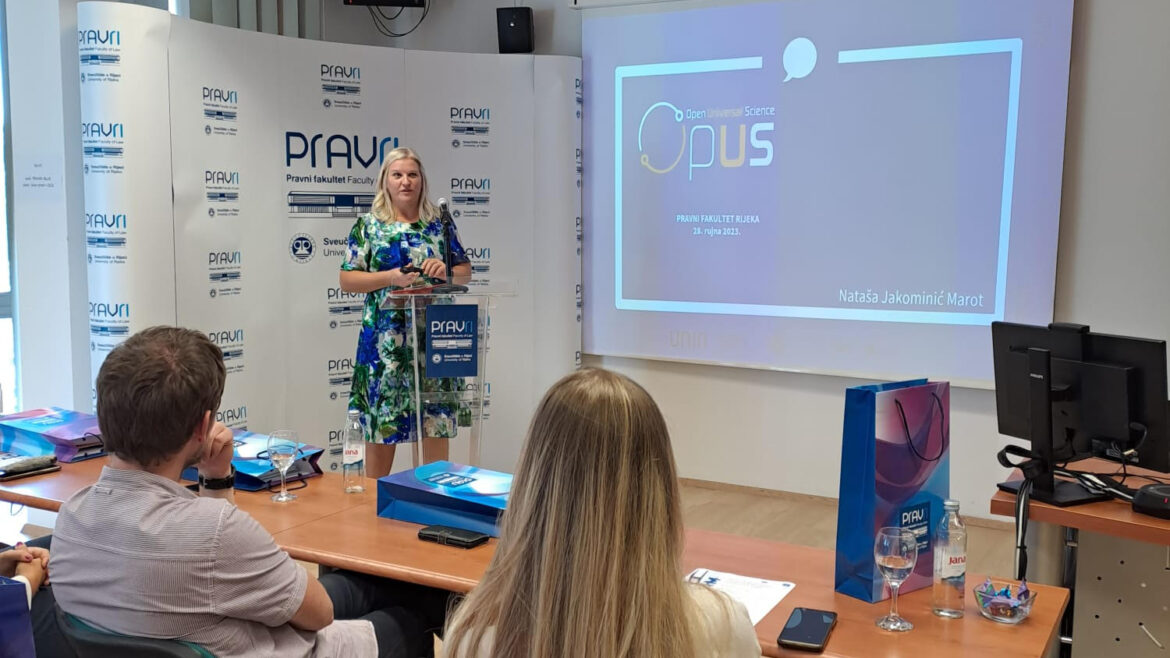
A noteworthy highlight of the event was a presentation on OPUS, conducted by Natasa Jakominic Marot from the University of Rijeka. OPUS is a key project partner responsible for implementing interventions related to researcher assessment reform. The presentation provided a comprehensive overview of OPUS, its principles, and its activities in the context of scientific publications.

Participants, numbering a total of 40, had the opportunity to gain valuable insights into the role of OPUS and its contribution to the future of scientific publishing. The presentation concluded with an interactive Q&A session that allowed attendees to delve deeper into the intricacies of OPUS and discuss its significance in the larger landscape of electronic scientific journals. The discussion also delved into the broader concept of Open Science, emphasizing the importance of transparency, collaboration, and accessibility in modern research.

Privacy Preferences

When you visit our website, it may store information through your browser from specific services, usually in the form of cookies. Our Privacy Policy can be read here.

Here you can change your Privacy preferences. It is worth noting that blocking some types of cookies may impact your experience on our website and the services we are able to offer.

Click to enable/disable Google Analytics tracking code.
Click to enable/disable Google Fonts.
Click to enable/disable Google Maps.
Click to enable/disable video embeds.
Our website uses cookies, mainly from 3rd party services. Define your Privacy Preferences and/or agree to our use of cookies.