OPUS News

The State of Open Science at the University of Cyprus
The State of Open Science at the University of Cyprus 900 540 Open and Universal Science (OPUS) Project

The Open and Universal Science (OPUS) project is working to reshape how research and researchers are assessed, focusing on developing and testing new indicators and methods. This initiative, which promotes open science practices, involves three Research Performing Organisations (RPOs)—Nova University Lisbon, the University of Rijeka (UNIRI), and the University of Cyprus, as well as two Research Funding Organisations (RFOs) from Lithuania and Romania (RCL and UEFISCDI). Through these pilot projects, the institutions are collaborating with external experts and learning from one another to improve their approaches.

OPUS aims to create a research assessment framework that is more inclusive and comprehensive, moving beyond traditional metrics such as bibliometrics and journal impact factors. TThe framework aims to recognise the wide diversity of activities by researchers and incentivise and reward Open Science.

Let’s take a closer look at how the University of Cyprus is contributing to this change.

The State of Open Science at the University of Cyprus: Promoting Engagement, Transparency, and Reproducibility

Open science is a key focus at the University of Cyprus, with a strong commitment to fostering transparency, accessibility, and collaboration in research. While the university’s open science policy is voluntary, meaning researchers are not required to publish in open science outlets, it is highly encouraged. Already, over 60% of the university’s publications are available through open access, showing significant progress in this area.

Supporting Open Access and Open Data

To further promote open science, the University of Cyprus has introduced several initiatives. These include providing funding for researchers to publish in open access journals and to support the publication and management of open data. By offering financial incentives, the university aims to encourage a culture of openness among its researchers.

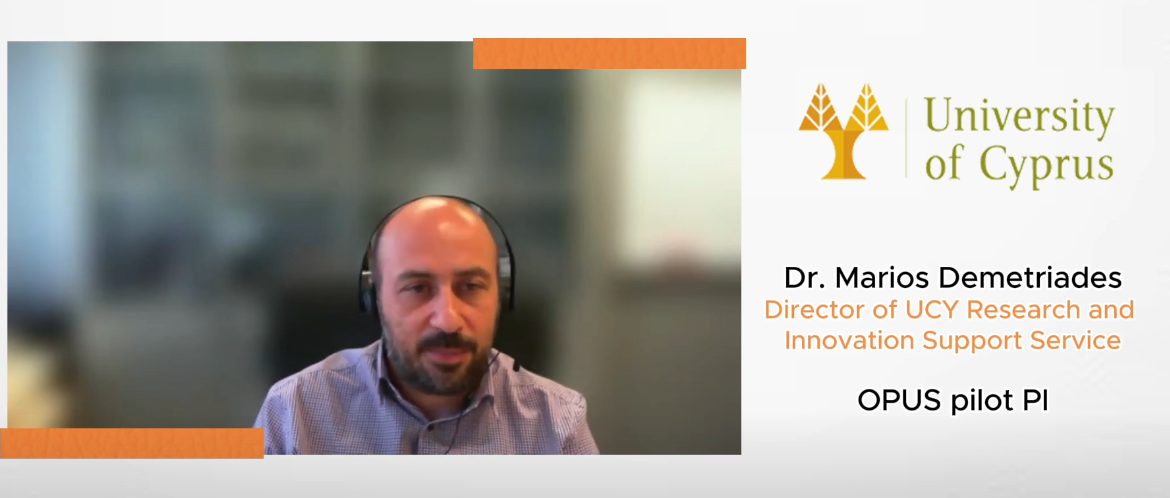
Embedded video: https://youtu.be/q28J99tjXSo?feature=shared

Enhancing Reproducibility Through Practical Tools

A key part of the university’s approach to open science is improving the reproducibility of research. The university has developed seminars that focus on practical tools and methods to help researchers produce reproducible work. These sessions are designed to equip researchers with the skills they need to ensure their studies can be replicated and validated by others—an essential element of high-quality scientific work.

Engaging Citizens in Research

Citizen engagement is another important aspect of the university’s open science initiatives. By involving stakeholders and the public through participatory science, the university hopes to make research more transparent and impactful. Awareness events have already been held, aiming to promote the idea that involving citizens in scientific research can lead to better, more accessible results.

Future Plans for Open Science Integration

Looking ahead, the University of Cyprus is committed to further integrating open science principles into its policies and practices. The university’s open science policy has already been approved by its governing bodies, marking an important step forward. Researchers are encouraged to create ORCID identifiers, which help make their work publicly available and connected to the broader research community.

Although the university acknowledges that it is still in the early stages of fully integrating open science into all aspects of its operations, it is making steady progress. The university is part of several projects and initiatives, including the OPUS project, the European Open Science Cloud (EOSC), and the COARA National Chapter, all of which support its efforts to advance open science.

Embedding Open Science into its Research Culture

The University of Cyprus is committed to embedding open science into its research culture. With a focus on open access publishing, reproducibility, and citizen engagement, the university is working towards a research environment that is more inclusive and transparent. As it continues to develop its policies and practices, the university aims to make further progress in supporting open science and its benefits for the wider community.

The State of Open Science at Nova University
The State of Open Science at Nova University 1024 868 Open and Universal Science (OPUS) Project

The Open and Universal Science (OPUS) project is at the forefront of reshaping how research and researchers are evaluated, focusing on developing and testing innovative indicators and strategies. This initiative, dedicated to promoting open science practices, brings together three Research Performing Organisations (RPOs)—Nova University Lisbon, the University of Rijeka (UNIRI), and the University of Cyprus—along with two Research Funding Organisations (RFOs) from Lithuania and Romania (RCL and UEFISCDI). Through pilot programmes, these institutions collaborate, gain insights from external experts, and participate in shared learning experiences to improve their methodologies.

The central aim of OPUS is to establish a more inclusive  framework for assessing research, moving away from conventional metrics such as bibliometrics and journal impact factors. The framework aims to recognise the wide diversity of activities by researchers and incentivise and reward Open Science.

Let’s explore how the NOVA University is contributing to this transformation.

The State of Open Science at Nova University: Transparent and Responsible Research Practices

Nova University is steadfastly committed to advancing scientific research and disseminating knowledge for the benefit of society. At Nova, this vision is closely tied to a strong dedication to the principles of open science. The university recognises that science can only truly advance through the adoption of open, transparent, reproducible, and responsible research practices.

Commitment to Open Science and Institutional Alignment

Nova University is fully dedicated to implementing open science principles and aligning its institutional policies with the national policy established by the Portuguese Foundation for Science and Technology (FCT). This national policy is currently under revision and is expected to be released soon. In anticipation, Nova is working on synchronising its own open science policy document with these updated national guidelines.

In order to facilitate this transition, Nova University is preparing an Open Science Guide, designed to provide clear guidelines to researchers and address the main questions they may have. This guide will not only reflect national principles but also align with international standards, including the recommendations from UNESCO, the European Commission, Science Europe, and other relevant bodies. Nova’s participation in international networks such as YERUN further enhances its integration of open science practices.

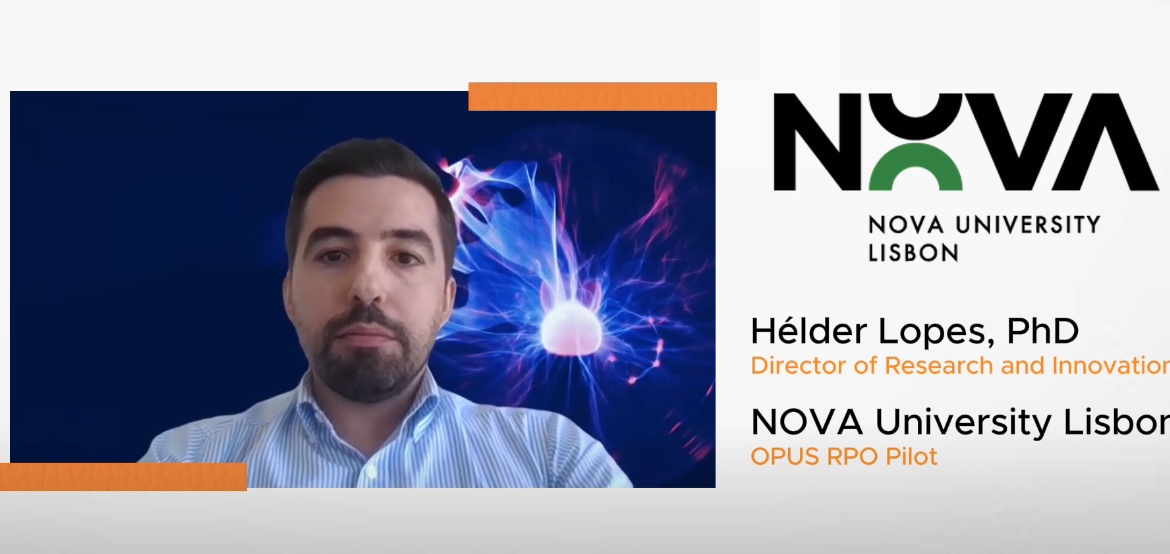
video: https://youtu.be/Bcq4VdHz6WQ?feature=shared

Longstanding Commitment to Open Access

Nova University has been promoting open science for over a decade. One of its earliest initiatives was the integration of a national repository network, managed by the Portuguese Foundation for Science and Technology (FCT). For many years, Nova’s own repository has been mandatory for the deposit of open access publications, including master’s and PhD theses.

Nearly eight years ago, Nova implemented a direct connector between its Current Research Information System (CRIS) “PURE” and the national repository. This strategic move has significantly increased the number of open access publications deposited, streamlining the process for researchers who only need to deposit their work once. Currently, nearly two-thirds of all Nova University publications are available as open access, ranking the university among the top Portuguese institutions in terms of open access output.

Data and Software Sharing

Nova University has also embraced open science practices in relation to research data and software. Researchers are encouraged to use platforms like Zenodo for dataset sharing and GitHub for software, in accordance with national guidelines promoted by FCT. This ensures that research outputs beyond publications are also made widely accessible, further strengthening Nova’s commitment to transparency and open collaboration.

Transformative Agreements and Open Science Policy

Nova University supports open access through transformative agreements with leading publishers. These agreements allow researchers to publish in open access journals either at a discounted rate or in hybrid journals at no additional cost. Such initiatives have made open science more accessible for the academic community, further reinforcing Nova’s role as a leader in this area.

The university is now entering a phase of policy consolidation, with the aim of releasing a comprehensive open science policy document and accompanying guide. This guide will serve as a valuable resource for researchers, providing clear explanations of the main concepts, principles, and practices associated with open science. It will also offer examples of useful tools and centralise the most relevant information into a single, user-friendly document accessible at any time.

Integration of Ethics, Integrity, and Open Science

At Nova University, open science principles are deeply integrated into research practices and institutional policies, ensuring that ethics and research integrity remain at the forefront of all scientific endeavours. These values are reflected in the regulations used to assess researcher performance, where open science compliance is becoming a key factor.

A more transparent, responsible, and collaborative research environment

Nova University’s commitment to open science is clear and unwavering. Through strategic initiatives, policy alignment, and a strong infrastructure for open access, Nova is looking forward to a more transparent, responsible, and collaborative research environment. The forthcoming open science policy document and guide will further support the research community, helping them navigate the complexities of open science and ensuring that Nova remains at the cutting edge of global scientific progress.

With the release of its comprehensive open science guide and continued focus on ethical and responsible research, Nova University will continue to lead by example, promoting open science as a key driver of innovation and societal benefit.

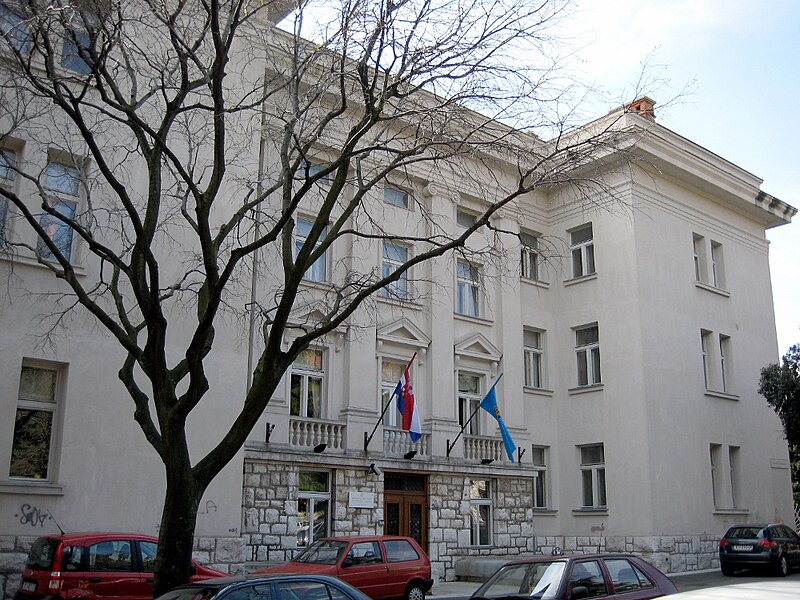
The State of Open Science at the University of Rijeka
The State of Open Science at the University of Rijeka 800 600 Open and Universal Science (OPUS) Project

The Open and Universal Science (OPUS) project is leading the way in transforming research and researcher assessment by developing and testing new indicators and interventions. This initiative, aimed at fostering open science practices, has engaged three Research Performing Organisations (RPOs)—Nova University Lisbon, the University of Rijeka (UNIRI), and the University of Cyprus—and two Research Funding Organizations (RFOs) from Lithuania and Romania (RCL and UEFISCDI). Through these pilots, the organisations are collaborating, learning from external experts, and engaging in mutual learning exercises to refine their approaches.

The key goal of OPUS is to create a more inclusive and comprehensive research assessment framework that moves beyond traditional metrics like bibliometrics and journal impact factors. The framework aims to recognise the wide diversity of activities by researchers and incentivise and reward Open Science.

Let’s explore how the University of Rijeka is contributing to this transformation.

The State of Open Science at the University of Rijeka: Innovation and Collaboration at the Heart of the Academic Community

Open science has become a key priority at the University of Rijeka (UNIRI), establishing a strong foundation for transparency and accessibility of scientific research. The university aligned itself with European trends by adopting the European Open Science Declaration in 2019, committing to the principle that research funded by public sources should be publicly accessible. This has positioned UNIRI as a leader in open science in Croatia, focusing on increasing the visibility and impact of its researchers.

Since 2021, the university has formalised its open science policy, outlining specific actions and responsibilities for its implementation. In this context, UNIRI has connected its strategy with numerous European initiatives, including its involvement in the Young Universities for the Future of Europe (YUFE) alliance. Five of the nine research groups within the YUFE alliance come from the University of Rijeka, further confirming the university’s commitment to open science.

The Centre for Open Science and the University Library

The university has made significant progress through the development of the Centre for Open Science (OPUS) within the University Library, aimed at promoting, popularising, and implementing open science. OPUS is integrated into UNIRI’s strategy, providing support to researchers through educational programmes, repository management, and collaboration with other institutions. The University Library, along with individual faculties, actively maintains specific repositories and conducts the selection of quality scientific journals, further encouraging open access publication and enhancing the visibility of scientific papers.

A particular emphasis is placed on avoiding predatory journals, with educational programmes helping researchers understand the benefits of using open tools such as Google Scholar, ORCID, and Research ID. These activities aim to centralise and simplify researchers’ access to information, helping them navigate the modern scientific landscape more effectively.

National and International Collaboration

The University of Rijeka is an active participant in national initiatives such as the Croatian node of the Research Data Alliance and the Croatian Open Science Cloud. Through collaboration with national bodies, UNIRI contributes to the development and alignment of research policies with European standards. These efforts are focused on creating a structured environment where goals are clearly defined, and individuals and organisations are supported in the implementation of open science.

Participation in European projects, such as the YUFE alliance, allows the university to exchange best practices with partners from other countries, solve similar challenges, and improve its research activities. This exchange of experiences enables better integration of UNIRI into the European research space and strengthens its capacity for innovation and collaboration.

Young Researchers: Drivers of Future Trends

Young researchers have been recognised as key stakeholders in the implementation of open science. Their willingness to embrace new trends and their long-term presence within the scientific system make them the drivers of future development. The University of Rijeka, together with its Faculty of Law and the doctoral school, actively engages young researchers in projects, providing them with the necessary resources and support.

These efforts ensure that the university remains at the forefront of open science initiatives, while young scientists gain valuable experience that will guide them throughout their careers. Collaboration with experts from various disciplines, as well as involvement in national and international projects, provides them with opportunities to develop skills that will help them make an impact on the global scientific stage.

Continuous Commitment to Open Science

The University of Rijeka shows continuous commitment to open science through the development of infrastructure, education, and international cooperation. These efforts not only increase the visibility of researchers but also contribute to creating an inclusive and sustainable research environment. With the support of young researchers, the university is laying the groundwork for the future of science, where knowledge sharing and collaboration are key to innovation and progress.

By integrating with national and international initiatives, the University of Rijeka remains dedicated to its mission of advancing open science and contributing to global scientific progress.

UEFISCDI’s Openness Researcher Profile Pilot: Advancing Research Assessment in Romania
UEFISCDI’s Openness Researcher Profile Pilot: Advancing Research Assessment in Romania 1000 500 Open and Universal Science (OPUS) Project

On September 11, 2024, Ioana Spanache (Science Policy & Research Assessment Expert) and Alina Irimia (Open Science Coordinator) from UEFISCDI presented insights into Romania’s pioneering pilot to develop an Openness Researcher Profile (OP). This initiative, part of the GraspOS Community of Practice, aims to reshape how researchers’ contributions are recognized and aligned with global Open Science (OS) and research assessment reforms.

UEFISCDI’s Strategic Role in Romanian Research

As Romania’s primary competitive research funder and policy advisor, UEFISCDI oversees the BrainMap platform, a national hub connecting over 62,250 researchers, innovators, and entrepreneurs. Key responsibilities include:

  • Funding high-quality research projects through national/international calls.
  • Advising ministries on education, research, and digitalization policies.
  • Promoting Open Science (OS) and Responsible Research Assessment (RRA) through initiatives like CoARA and the OPUS project.

Objectives of the Openness Researcher Profile Pilot

The pilot seeks to integrate OS practices into researcher evaluations while aligning with CoARA commitments and EU standards. Key goals include:

  1. Designing a template for the OP within BrainMap, incorporating:
    • Narrative CV elements (e.g., summaries, achievements).
    • Dedicated sections for OS contributions (e.g., open data sharing, collaborative projects)
  2. Testing usability through workshops with 100+ researchers to refine content and user experience
  3. Enhancing visibility of diverse research outputs, including mentorship, leadership, and societal impact

Structure of the Openness Researcher Profile

The OP template organises contributions into eight categories:

CategoryKey Components
ResearchPublications, patents, experimental methods
Openness ProfileOS contributions (e.g., open datasets, preprints, DMPs)12
EducationMentorship, curriculum development
LeadershipRoles in research consortia or policy initiatives
InnovationTechnology transfer, commercialization
CommunicationPublic engagement, science outreach
Reviewer SectionPeer review activities, editorial roles

This structure draws inspiration from the OPUS Research Assessment Framework and the Knowledge Exchange’s Openness Profile concept.

Collaborative Development Process

  • Workshops: Over 100 researchers participated in interactive sessions to analyze current evaluation practices and identify data sources for the OP
  • Alignment with EU Policies: The template integrates Horizon Europe requirements, such as Data Management Plans (DMPs), to ensure compatibility
  • Visibility vs. Evaluation: While BrainMap profiles are mandatory for grant applications, the OP is designed for monitoring and visibility, not formal evaluation

Strategic Context: Romania’s Open Science Roadmap

The pilot aligns with Romania’s National Strategy for RDI 2022-2027 and the White Paper on Open Science (2023-2030), which mandates:

  • FAIR data management as a funding requirement.
  • Recognition of diverse research outputs (e.g., software, citizen science projects).
  • Infrastructure development for the European Open Science Cloud (EOSC).

UEFISCDI’s Openness Researcher Profile pilot represents a critical step toward transparent, inclusive research assessment in Romania. By bridging national platforms like BrainMap with global OS standards, the initiative aims to empower researchers while fostering a culture of collaboration and openness. The outcomes of this pilot could serve as models for other EU nations navigating similar reforms.

OPUS Project: Research Assessment Reforms Across Europe
OPUS Project: Research Assessment Reforms Across Europe 800 533 Open and Universal Science (OPUS) Project

The Open and Universal Science (OPUS) project is leading the way in transforming research and researcher assessment by developing and testing new indicators and interventions. This initiative, aimed at fostering open science practices, has engaged three Research Performing Organisations (RPOs)—Nova University Lisbon, the University of Rijeka (UNIRI), and the University of Cyprus—and two Research Funding Organizations (RFOs) from Lithuania and Romania (RCL and UEFISCDI). Through these pilots, the organisations are collaborating, learning from external experts, and engaging in mutual learning exercises to refine their approaches.

The key goal of OPUS is to create a more inclusive and comprehensive research assessment framework that moves beyond traditional metrics like bibliometrics and journal impact factors. Instead, it aims to reward open science practices, interdisciplinary research, and broader societal impacts.

Let’s explore how these pilot institutions are contributing to this transformation.


University of Rijeka (UNIRI): Strengthening Research Assessment Practices

As one of the OPUS Project pilots, the University of Rijeka (UNIRI) is taking significant steps to refine its research assessment practices. With the implementation of OPUS’s Research Assessment Framework (RAF), UNIRI has introduced a set of innovative indicators and interventions designed to encourage and reward open science practices.

Achievements at UNIRI:

  • Innovative Assessment Practices: The university has adopted new assessment methods that align with open science principles, promoting transparency and collaboration among researchers.
  • Enhanced Collaboration: The RAF has fostered greater interdisciplinary collaboration, leading to more comprehensive research outputs and stronger partnerships.

UNIRI’s participation in the OPUS project highlights its commitment to a progressive and inclusive research environment. 

See more: UNIRI Video Interview


Nova University Lisbon: Research Assessment Reform

 As an early signatory of international agreements on research assessment reform, Nova University is actively reshaping its evaluation processes to reflect the changing landscape of scientific research.

Key Initiatives at Nova University:

  • Research Impact Narratives Challenge: This initiative encourages researchers to articulate the societal impact of their work, moving beyond traditional metrics and highlighting the real-world value of their research.
  • International Standards Alignment: Nova University has revised its research performance evaluation policies to align with responsible research assessment principles, ensuring a more holistic and inclusive approach.

The university is also actively pursuing the HR Excellence in Research Award, which further underscores its commitment to improving research assessment practices and aligning them with European Commission guidelines. 

See more: Nova University Video Interview


University of Cyprus: Advancing Open Science and Research Assessment

Through its participation in OPUS, the University of Cyprus is making significant strides in enhancing research assessment and promoting open science. The university has committed to reform by signing key declarations like DORA and COARA, ensuring that its research assessments align with the latest open science principles.

Key Strengths at the University of Cyprus:

  • Balanced Evaluation Methods: The university’s research assessments incorporate both quantitative and qualitative metrics, ensuring a comprehensive evaluation process that reflects diverse research outputs.
  • Open Science Integration: The introduction of OPUS’s RAF has helped the university to clearly map out actions that will further embed open science practices into its research ecosystem.

Despite challenges, such as the need for better recognition of peer review contributions and locally relevant research, the University of Cyprus is committed to refining its processes and contributing to the broader research community’s understanding of open science assessment.

See more: University of Cyprus Video Interview


UEFISCDI (Romania): Modernizing Research Assessment for Greater Impact

The Executive Agency for Higher Education, Research, Development, and Innovation Funding (UEFISCDI) in Romania is playing a pivotal role in the modernization of research assessment through the OPUS project. As Romania’s main research funding body, UEFISCDI is introducing reforms that reward researchers for embracing open science.

Key Achievements at UEFISCDI:

  • Advanced Digital Platforms: UEFISCDI has implemented platforms like Brainmap, which facilitates research collaboration and data management with over 60,000 registered accounts.
  • Balancing Metrics: The agency is moving away from traditional impact factors and bibliometric-based assessments, focusing on more comprehensive metrics that account for societal contributions and open science practices.

UEFISCDI’s participation in OPUS has already influenced its funding calls, introducing new indicators in pilot programmes to promote excellence and openness. This aligns with the agency’s broader efforts in projects like GRASP-OS, further enhancing its leadership in research assessment reform.

See more: UEFISCDI Video Interview


Leading the Change in Research Assessment

These pilot institutions, through their involvement in the OPUS project, are driving a fundamental shift in how research and researchers are assessed. By focusing on open science, societal impact, and responsible research practices, the OPUS project is helping to create a more inclusive and forward-thinking research environment across Europe.

The results from these pilots are being compiled into policy briefs and thematic workshops, which will help raise awareness, build trust, and promote the uptake of open science across the research community.

OPUS Project Prepares for 2nd Annual General Meeting, and (Inter)national Conference on Research Assessment
OPUS Project Prepares for 2nd Annual General Meeting, and (Inter)national Conference on Research Assessment 1024 850 Open and Universal Science (OPUS) Project

The 2nd Annual General Meeting of the OPUS project is set to take place as part of a larger three-day event in Bucharest, Romania. This important gathering will bring together project partners, stakeholders, and experts to review progress, discuss research assessment reforms, and engage in mutual learning sessions aimed at promoting open science practices across Europe.

Hosted by the Executive Agency for Higher Education, Research, Development, and Innovation Funding (UEFISCDI), the event will feature a mix of in-person and online participation, allowing flexibility for attendees while ensuring meaningful collaboration and engagement.

Day 1: Tuesday, 12 November 2024 – OPUS Project 2nd Annual General Meeting

The three-day event will kick off with the 2nd Annual General Meeting of the OPUS project. This half-day event, scheduled to start with a social lunch at 12:30 (Bucharest time), will take place at the UEFISCDI headquarters at Strada Frumoasă 30, Bucharest.

Agenda Highlights:

  • 12:30 – Project social lunch for in-person attendees.
  • 14:00 – Opening and welcome by the UEFISCDI team.
  • 14:10 – Overview of the OPUS project’s second year by the project coordinator and manager, followed by a session with Rinske Van-Den-Berg, EC Project Officer, and a policy intervention presentation from Joerg Niehoff, DG RTD (TBC).
  • 15:20 – OPUS Project Dissemination and Communication Updates (WP7) by Sal Music from ICoRSA, including Q&A and feedback from the Advisory Board.
  • 16:00 – Discussions on indicators, metrics, and policy briefs related to open science (WP2/3/5), led by Gareth O’Neill (TGB), Emma Day (Vitae), Juliana Chaves (UNESCO), and Brian Cahill (MCAA).
  • 16:30 – Focus on pilot implementation and open science monitoring tools (WP4), including the Trust Barometer, with presentations by Raquel Vega (Yerun), Helen Clare (JISC), and John Crowley & Pierre Winicki (TrustInside).

Please note: This is an internal project meeting and is not open to the public.


Day 2: Wednesday, 13 November 2024 – OPUS Workshops and Mutual Learning Session

The second day will feature a full-day event dedicated to OPUS Workshops and Mutual Learning Sessions. These sessions are designed to foster collaboration among participants, promote the sharing of best practices, and enhance the collective understanding of research assessment reforms within the context of open science.

The workshops will also take place at the UEFISCDI headquarters, offering both in-person and remote participation options. Similar to the first day, each partner organization must ensure the attendance of at least one representative to facilitate effective collaboration.

Please note: This is an internal project workshop and mutual learning session for OPUS pilots, and it is not open to the public.


Day 3: Thursday, 14 November 2024 – (Inter)national Conference on Research Assessment

The final day will culminate in an (Inter)national Conference on Research Assessment, held at the Central University Library Carol I on Strada Boteanu 1 (to be confirmed). This high-profile event will run from 09:00 to 16:30 (Bucharest time), followed by a reception from 16:30 to 18:00.

Keynote speakers and experts in the field of research assessment will share insights on the evolving landscape of open science and its impact on research evaluation. This conference will not include interactive discussions for online participants, but a live stream of the event will be available.

Enhancing Research Assessment: The Role of the Executive Agency for Higher Education, Research, Development, and Innovation Funding in Romania
Enhancing Research Assessment: The Role of the Executive Agency for Higher Education, Research, Development, and Innovation Funding in Romania 1024 421 Open and Universal Science (OPUS) Project

The Executive Agency for Higher Education, Research, Development, and Innovation Funding (UEFISCDI) in Romania is making significant strides in modernizing research assessment through its participation in the OPUS project. As one of the pilot organizations testing the OPUS Research Assessment Framework, UEFISCDI is focused on introducing interventions and indicators that incentivize and reward researchers for adopting open science practices.

UEFISCDI is the primary funding body for competitive research in Romania and serves as a key policy advisor to the Ministry of Education and the Ministry of Research. The organization plays a crucial role as a national hub for open science, supporting the development and implementation of related policies. This commitment is reflected in its rigorous and robust research assessment process, which incorporates international peer review and advanced digital platforms.

One of the agency’s notable strengths lies in its comprehensive research assessment procedures, which balance quantitative and qualitative indicators. The use of platforms like Brainmap, which boasts over 60,000 registered accounts from researchers worldwide, and the UDiManager and eVoks platforms, has significantly streamlined operations, improving data accuracy and efficiency.

Despite these advancements, UEFISCDI faces challenges, including ensuring sustainable funding in a competitive environment, balancing different assessment criteria, and reducing administrative burdens. The agency recognizes the need to shift away from traditional metrics like journal impact factors and is working closely with the research community to introduce new practices and indicators.

The OPUS framework has already influenced UEFISCDI’s approach to research assessment, prompting the introduction of new indicators in pilot funding calls, such as those for centers of excellence. The framework also aligns with ongoing efforts in other projects like the GRASP-OS, where UEFISCDI is developing a new researcher profile model that emphasizes openness and responsible research assessment.

Through these initiatives, UEFISCDI is positioning itself at the forefront of research assessment reform, aligning with European and international standards to foster a more open and innovative research environment in Romania.

University of Cyprus Advances Research Assessment with OPUS Project
University of Cyprus Advances Research Assessment with OPUS Project 1024 416 Open and Universal Science (OPUS) Project

The University of Cyprus is making significant strides in enhancing research assessments and promoting open science through its participation in the OPUS project. As a research-performing organization pilot, the university is aligning with European Union directives to improve its open science practices and research assessment processes.

The University of Cyprus has already demonstrated its commitment to this cause by signing both the DORA Declaration and the COARA agreement. These commitments have led the university to review and revise its research assessment policies and practices. A key strength identified through this self-assessment process is the balanced use of both quantitative and qualitative evaluation methods, ensuring that all research assessments, whether for hiring, promotion, or grant evaluation, incorporate a mix of metrics.

However, the university acknowledges challenges, such as the lack of official recognition for peer review contributions and an implicit bias towards publications in high-impact journals. There is also a need to place greater importance on locally relevant research and the broader impacts of research, such as economic, societal, and open science contributions.

Despite these challenges, the introduction of the OPUS research assessment framework is already making a positive impact. It has provided a clearer context for open science activities and helped the university map out potential actions for further integrating open science into its research assessments. By reflecting on the OPUS framework, the University of Cyprus is building a pilot that aims to significantly improve research assessment processes, with a particular focus on embedding open science at all levels.

Nova University Leads the Way in Research Assessment Reform
Nova University Leads the Way in Research Assessment Reform 1024 468 Open and Universal Science (OPUS) Project

Nova University is at the forefront of reshaping research assessment as part of its commitment to open science and international standards. As one of the pilots in the Open and Universal Science (OPUS) project, Nova University is actively working to reform research evaluation processes, ensuring they incentivize practices that enhance the quality and societal impact of research.

An early signatory of the agreement on reforming research assessment, Nova University has made significant strides, including revising its regulation on the evaluation of researcher performance to align with international standards and the principles of responsible research assessment (QUOR). This revision is part of a broader effort to acknowledge diverse research outputs and encourage practices that improve research quality and impact.

One notable initiative is the Nova Research Impact Narratives Challenge, launched last year, which encourages faculty and researchers to articulate the real-world impact of their research in a compelling and understandable way. This initiative underscores the university’s focus on moving beyond traditional bibliometrics and funding metrics, highlighting how research benefits society at large.

Nova University recognizes that reforming research assessment is a cultural change that requires time and gradual implementation. With nine diverse schools spread across the Lisbon metropolitan area, the university faces the challenge of balancing quantitative and qualitative performance indicators while accommodating the unique needs of different disciplines.

To support these efforts, Nova University is also working towards obtaining the HR Excellence in Research Award, aligning its human resource policies with European Commission principles, including those related to the recruitment and assessment of researchers.

Through participation in projects like OPUS, Nova University reflects on its practices, exchanges experiences with partners, and drives positive change. The university is piloting new ways of assessing research, particularly in areas like citizen science projects and software development, to better align with global open science strategies and best practices.

Nova University’s commitment to research assessment reform is paving the way for a more inclusive, impactful, and internationally aligned research environment.

Webinar “Gender Equality (GE) and Open Science (OS) in Research(er) Assessment (RA)
Webinar “Gender Equality (GE) and Open Science (OS) in Research(er) Assessment (RA) 980 735 Open and Universal Science (OPUS) Project

On 5 June 2024, the Vilinius University (VU), in cooperation with UNESCO, hosted an online workshop on Gender Equality (GE) and Open Science (OS) in Research(er) Assessment (RA). The session, held within the OPUS consortium, explored the relationship between GE and OS in RA, encouraging participants to reflect on the topic and agree on potential actions to be implemented during the second stage of the pilots’ work.

Ahead of the event, the five pilot organisations were invited to complete a survey outlining their policies, actions, and indicators for monitoring GE and OS implementation.

The aim was twofold:

  1. To understand the current landscape across pilots regarding GE and OS in RA.
  2. To explore how these two dimensions could be better integrated into pilot organisations’ ongoing and future action plans.

Setting the Scene: UNESCO Perspectives

The workshop began with an introduction from the UNESCO moderator, who provided an overview of the international frameworks shaping research assessment:

  • UNESCO Recommendation on Science and Scientific Researchers (RSSR, 2017) — emphasising that gender equality is not a peripheral matter but central to research integrity, excellence, and fairness. Institutions are encouraged to embed these values into evaluation and promotion processes.
  • UNESCO Recommendation on Open Science (2021) — pointing out that traditional indicators, such as journal impact factors, are insufficient. Research assessment should integrate OS criteria to promote a more collaborative, impactful, and equitable research culture.
  • Gender mainstreaming in research policy and practice — calling on research-performing and funding organisations to foster inclusive organisational cultures by removing structural barriers that disadvantage women and socially marginalised groups. This includes ensuring equal opportunities through recruitment, promotion, and evaluation processes.

The introduction underlined that both GE and OS share a common aim: to make the research system more equitable, transparent, and accessible. OS encourages practices such as open peer review, collaborative research, and citizen science, which align with GE objectives, valuing often under-recognised forms of labour typically undertaken by women. Therefore, including OS indicators (e.g. data sharing, open access publishing, citizen engagement) in assessment systems can help better reflect diverse contributions and support gender equality.

Survey Findings: Where We Stand

The four key takeaways from the pre-workshop pilot survey were:

  1. Existing GE policies, but limited integration with OS
    All pilots had GE plans supported by policies and tools such as harassment prevention mechanisms (e.g., Whistleblower Portals, Codes of Conduct), disability inclusion measures, and equal opportunity experts.
    However, OS dimensions were not incorporated into these GE plans. Only one OS policy across two pilots included a GE dimension, focusing on open access (OA) to publicly funded research as a means of removing barriers, increasing transparency, and enhancing knowledge sharing.
  2. Support for women’s visibility and careers
    Policy documents frequently emphasised improving women’s visibility in public life and supporting their career prospects through measures promoting work–life balance.
  3. Partial integration of GE into OS Action Plans
    As pilots developed Action Plans for OS in RA, the survey asked whether GE had been included.
    • Two pilots reported collecting and analysing gender-disaggregated data for relevant indicators.
    • Only one pilot confirmed applying the gender lens to OS outputs (e.g., publications, datasets, software). Others were hesitant, citing a lack of suitable indicators or the belief that they were already collecting gender-disaggregated data.
    • Data was generally collected in a binary gender format. Where non-binary individuals participated, they were often excluded from publication metrics. Potential OS-linked GE indicators could include gender breakdowns of:
      • OS staff members
      • Citizen science workshop participants
      • OS trainers
      • Publications or repositories accessed by researchers
  4. Training gaps and needs
    Out of the four survey respondents, only one had received training on GE. Most expressed a strong interest in training, suggesting topics such as:
    • Basic GE concepts
    • Unconscious bias
    • Gender dimensions in social research
    • Guidelines for gender mainstreaming

Pilots also flagged missing institutional/national support, especially mentoring for early-career women and underrepresented groups, and called for measures for work–family balance, intersectional policies, and integration of gender perspectives in research funding.

Workshop Discussion: Recommendations for Action

The brainstorming session and critical discussion led to several key recommendations for pilots to consider in their second-stage Action Plans:

  • Address power dynamics and bias in OS-related practices, for example, by analysing who benefits from Golden OA publishing in their institutions.
  • Integrate more OS dimensions (such as datasets) into RA and link them clearly to career progression.
  • Revise or create policies that actively promote GE in research, education, leadership, and/or valorisation — with an OS component.
  • Assign dedicated staff or resources to support women in targeted activities (again, with an OS link).
  • Collect GE-disaggregated data on OS-related activities in research, education, leadership, and/or valorisation.
  • Raise awareness of GE issues within RA and OS, and in the conduct of related activities.
  • Integrate GE considerations into OS training programmes.

Next Steps

Given the positive feedback from the pilots and their willingness to undergo further training, the consortium agreed to organise a public workshop on GE and OS in RA in the following year, offering a broader platform for capacity building and exchange.

Privacy Preferences

When you visit our website, it may store information through your browser from specific services, usually in the form of cookies. Our Privacy Policy can be read here.

Here you can change your Privacy preferences. It is worth noting that blocking some types of cookies may impact your experience on our website and the services we are able to offer.

Click to enable/disable Google Analytics tracking code.
Click to enable/disable Google Fonts.
Click to enable/disable Google Maps.
Click to enable/disable video embeds.
Our website uses cookies, mainly from 3rd party services. Define your Privacy Preferences and/or agree to our use of cookies.