PILOTS ACHIEVEMENTS

University of Rijeka Showcases Future-Oriented Research Assessment at PUBMET2025
University of Rijeka Showcases Future-Oriented Research Assessment at PUBMET2025 1024 742 Open and Universal Science (OPUS) Project

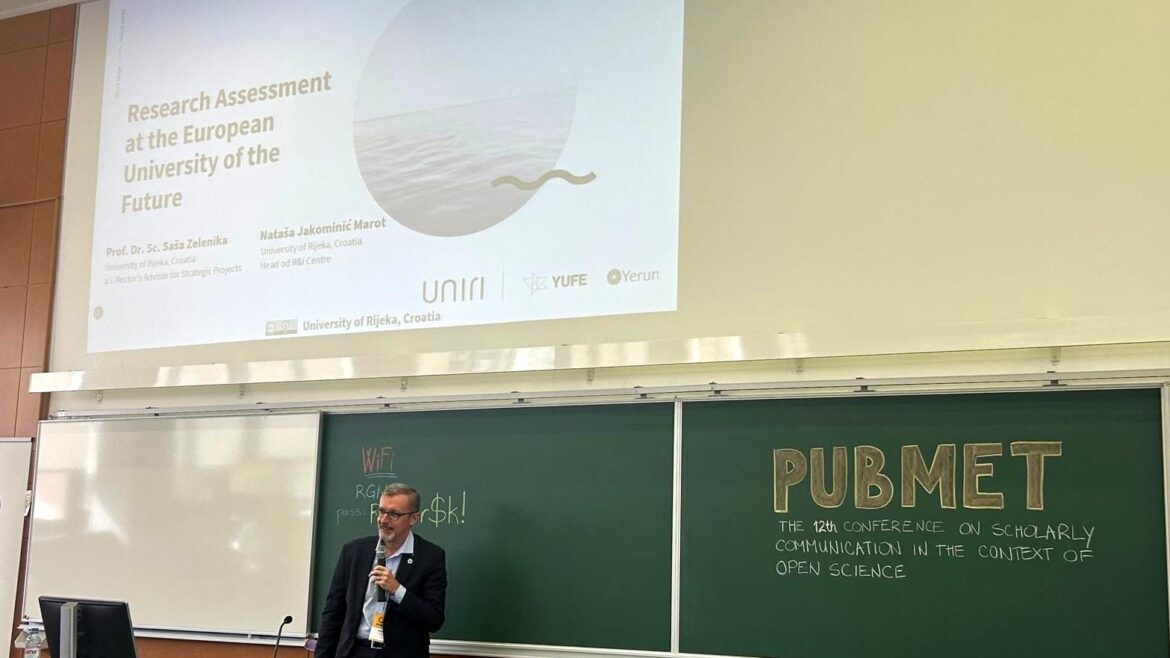
ZAGREB, 11 September 2025 – At the PUBMET2025 conference in Zagreb, representatives of the University of Rijeka (UNIRI), Nataša Jakominić Marot and Saša Zelenika, presented their paper Research Assessment at the European University of the Future, outlining the institution’s comprehensive reform in research assessment and its vision for academia’s role in shaping European higher education.

As part of its 2021–2025 strategy, UNIRI has placed its community of teachers, researchers, students and citizens at the centre of its development, embedding engagement, accountability, equity, efficiency, and sustainability within its academic framework. The Croatian university has long stood at the forefront of progressive reforms, becoming the first in the country to adopt the European Commission’s Human Resources Strategy for Researchers (HRS4R) in 2010, and retaining its HR Excellence in Research designation through renewals in 2019 and 2024.

Reforming Research Assessment

UNIRI’s leadership has been vocal in moving away from conventional, metrics-driven research assessment models, which it argues disadvantage early and mid-career researchers. In 2022 the university became an early signatory of the Agreement on Reforming Research Assessment (RRA) under the Coalition for Advancing Research Assessment (CoARA). Since then, it has actively contributed to the coalition’s working groups, especially those focusing on career assessment and the challenges faced by emerging researchers.

Within this framework, UNIRI has implemented a detailed action plan with clear timeframes and responsibilities, and was more recently awarded a Horizon Europe CoARA Boost Teaming project to further strengthen its commitment.

Collaborations and Alliances

The university has drawn extensively on its membership in European alliances such as the Young Universities for the Future of Europe (YUFE) and Young European Research Universities Network (YERUN). Through projects including YUFERING and DIOSI, UNIRI has co-created tools such as a researcher competence framework, an innovative doctoral training model, and narrative CV models for postdoctoral selections.

Through YERUN, UNIRI has also been part of policy-level initiatives promoting recognition and reward mechanisms that extend beyond publication metrics, valuing the diversity of researchers’ contributions across academia, education, leadership, and impact on society.

Contributions to EU Projects

UNIRI’s commitment extends to pilot roles in major EU-funded projects. In the Horizon Europe project SECURE, the university helped develop an innovative Research Career Framework addressing stability, skills, mobility, assessment, and professional pathways. Its successful implementation of 14 targeted measures has contributed to a comprehensive toolbox comprising 80 actions designed for research-performing and funding organisations across Europe.

Within OPUS, where the consortium is working to reshape researcher assessment around open science principles, UNIRI has piloted measures in research, education, and valorisation. These included interventions in areas such as policies, repositories, training, and awareness-raising, reinforcing transparency and mutual learning among partner organisations.

Open Science and Institutional Change

Open Science (OS) remains a pillar of UNIRI’s strategy. The university issued its Declaration on European OS in 2019, adopted its OS policy in 2021 (since updated in 2025), and signed the San Francisco Declaration on Research Assessment (DORA). Alongside EU partners, UNIRI has supported initiatives such as the YUFE OS calendar and the YERUN OS awards, while also promoting ethical AI use through its 2024 AI Tools Usage Policy, shaped by its Centre for AI and Cybersecurity.

The university’s Science Outreach Centre further boosts its citizen science initiatives, pairing researchers with professional science journalists to enhance science communication and community engagement.

Driving Systemic Change

UNIRI has played an influential role nationally as well, advocating for qualitative assessment criteria and integrating open science into Croatia’s evolving framework for academic recruitment and promotion. At the institutional level, it has adopted new regulations and guidelines that redefine criteria for academic staff selection, aiming to nurture a cultural shift among researchers in values, attitudes, and expectations.

Despite challenges and the continued importance of national-level support, UNIRI’s practices highlight the transformative potential of institutional initiatives. Through transparency, inclusivity, strong leadership, and collaboration at the European level, the University of Rijeka demonstrates that universities can act as catalysts for reform, raising both academic quality and international visibility.

UNIRI’s presentation in Zagreb underscored that reforming research assessment is not only about improving metrics but about fostering an environment where diverse contributions are recognised, where careers are sustainable, and where universities are empowered to truly embody the concept of a European university of the future.

References

Coalition for Advancing Research Assessment (CoARA). (2022). The Agreement on Reforming Research Assessment. https://coara.eu/app/uploads/2022/09/2022_07_19_rra_agreement_final.pdf

University of Rijeka. (2024a). Artificial Intelligence Usage Policy at UNIRI. https://zenodo.org/records/11080236

University of Rijeka. (2023a). Guidelines for Additional Criteria for the Selection to Scientific- Teaching, Artistic-Teaching, Teaching, Associate, and Professional Positions of Academic Staff at the University of Rijeka and its Constituents. https://zenodo.org/records/12800551

University of Rijeka. (2025). Politika otvorene znanosti Sveučilišta u Rijeci. https://uniri.hr/wp-content/uploads/2025/02/Politika-otvorene-znanosti_UNIRI_revizija-2025.pdf

University of Rijeka. (2023b). Rules and Regulations on Scientific, Artistic, and Innovation Activities at UNIRI. https://zenodo.org/records/13383045

University of Rijeka. (2024b). University of Rijeka Human Resources Strategy for Researchers – Strategic Priority Areas and Action Plan for their implementation. https://uniri.hr/wp-content/uploads/2024/03/UNIRI_HRS4R_2023-AP-1.pdf

University of Rijeka. (2023c). University of Rijeka Reform of Research Assessment – CoARA Action Plan 2024-2027. https://zenodo.org/records/10634416

University of Rijeka. (2021). University of Rijeka Strategy 2021 – 2025: European University of the Future. https://uniri.hr/wp-content/uploads/2021/04/University_of_Rijeka_Strategy_2021-2025.pdf

Short Biographies of Speakers

Saša Zelenika is a full professor with tenure at the University of Rijeka, Faculty of Engineering. He was Assistant Minister for Science and Deputy Minister at the Croatian Ministry of Science, Education and Sports. He has authored more than 220 scientific and professional publications, 2 textbooks, a patent, 62 broadening newspaper articles, 122 broadening talks and 18 scientific broadening radio shows, and actively participates(ed) in 11 EU FP projects. As UNIRI’s Vice-Rector for Strategic Projects he was in charge of innovation and knowledge valorization activities, head of the EDIH Adria European Digital Innovation Hub, of the HE INNO2MARE Excellence Hub’s Innovation Council, has fostered University’s activities related to open science and AI policies, and has lead the UNIRI activities concerning the reform of research(er) assessment. Currently he is a.i. Rector’s Advisor for Strategic Projects at the University of Rijeka.

Nataša Jakominić Marot is Head of the University of Rijeka Centre for Research and Innovation and an experienced leader in research and innovation. Over two decades in the sector, she has demonstrated expertise in EU project preparation, implementation, and supervision, managing and supervising a portfolio exceeding 100 mEUR. In the last 10 years, she has contributed to 6 Horizon Europe/Horizon 2020 projects in various roles. She is a trainer in project and research management, EU funding, and leadership. She is an expert in EU higher education and R&I policy and international peer reviewer and trainer in her fields of expertise. She is an active member of EARMA, YERUN Policy Platform and two CoARA working groups, and has been at the forefront of the efforts to reform research assessment in Europe, also by strongly promoting the principles of Open Science.
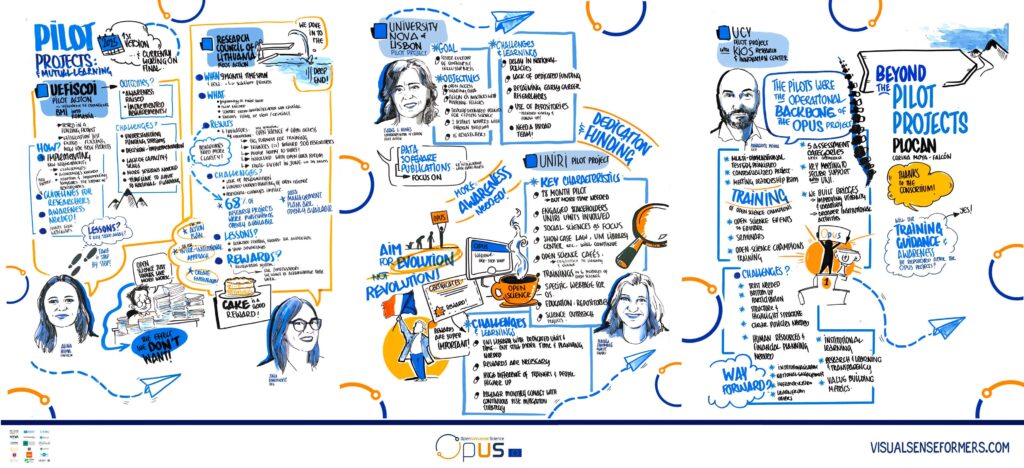
Research Council of Lithuania (RCL) Pilot Action presented at the Final Conference
Research Council of Lithuania (RCL) Pilot Action presented at the Final Conference 1024 683 Open and Universal Science (OPUS) Project

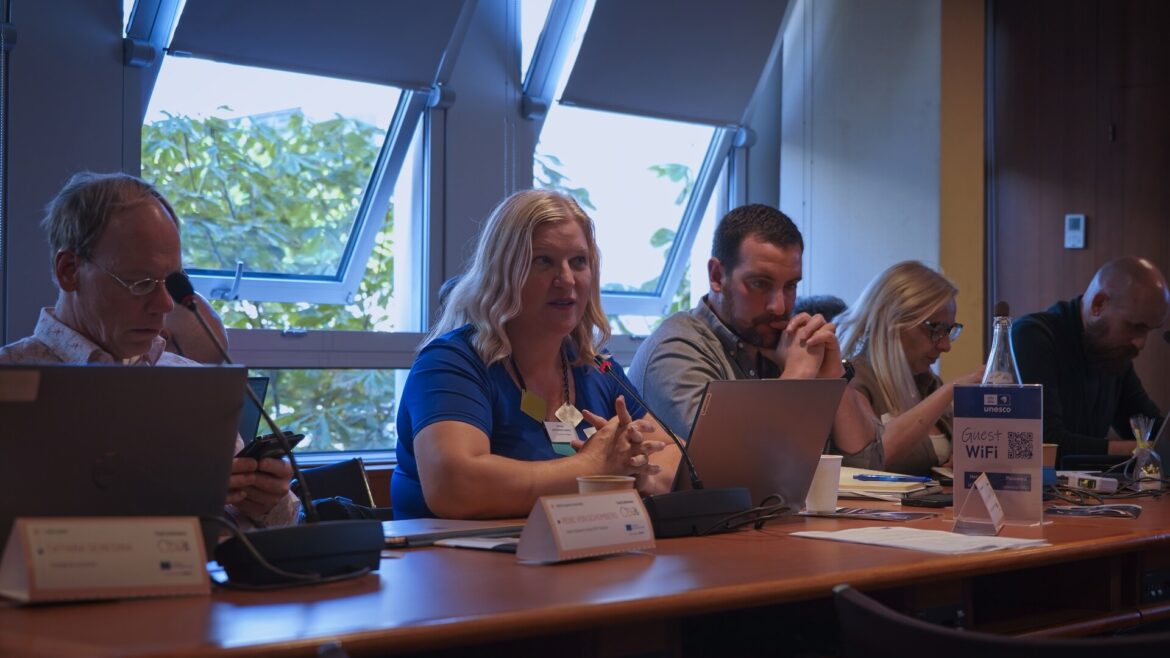
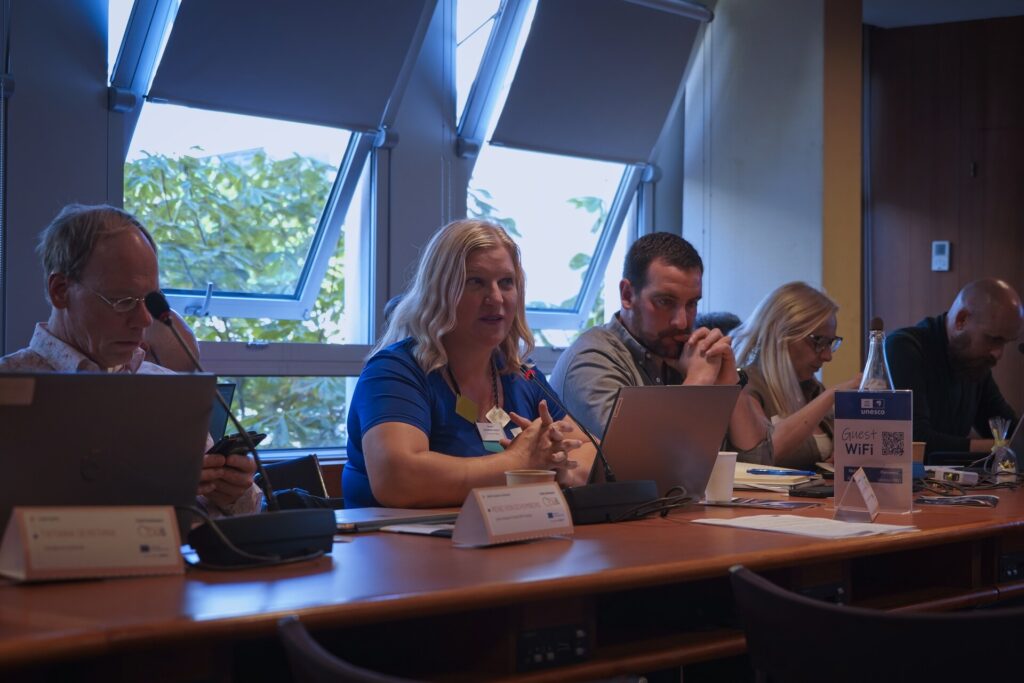
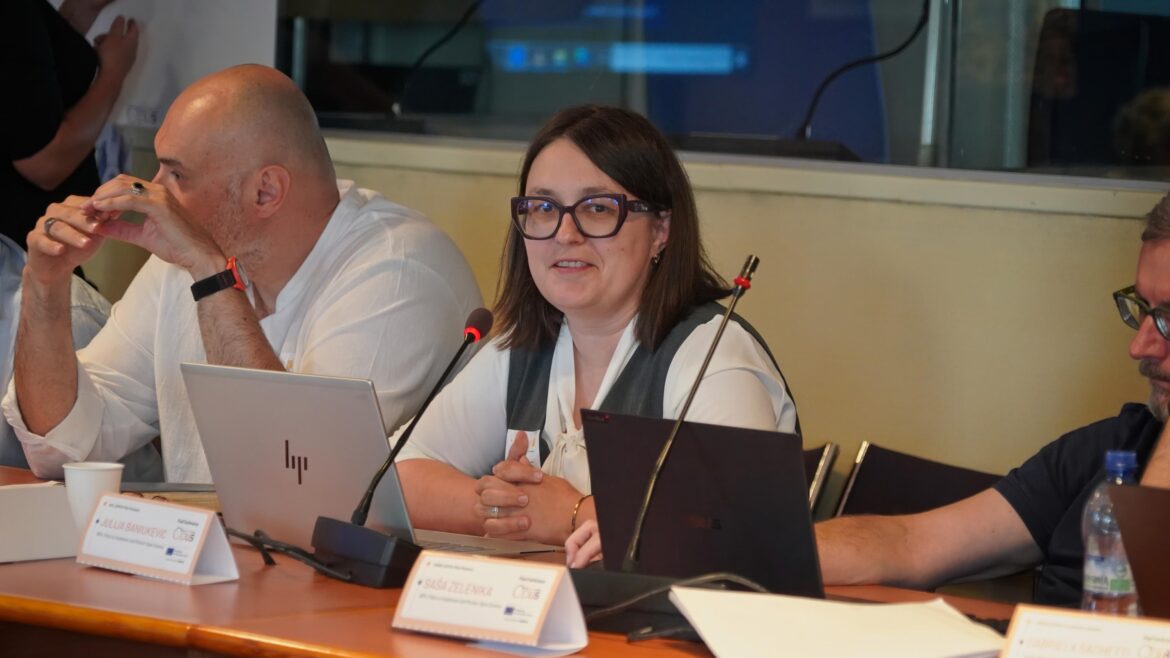
Julija Baniukevic from the Research Council of Lithuania (RCL) presented an exemplary community-driven approach to Open Science implementation at the OPUS (Open and Universal Science) Final Conference held at the UNESCO International Institute of Educational Planning (IIEP) in Paris on 9-10 July 2025, marking the culmination of a transformative journey to reform research assessment systems across Europe and beyond. 

Dr Baniukevic, who serves as OPUS Project coordinator in Lithuania, has extensive experience in bionanotechnology research, policy advocacy, and European science cooperation.

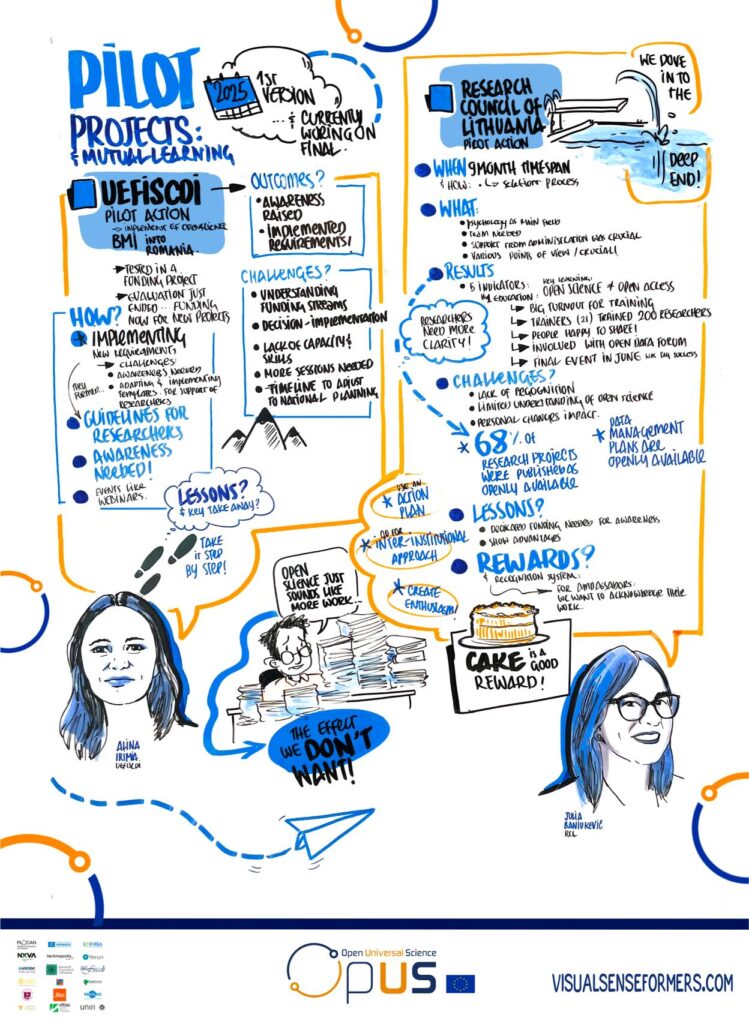
The Lithuanian pilot implemented a comprehensive training programme over nine months, reaching 21 principal investigators from various research fields who subsequently trained 211 researchers in their teams. The programme achieved remarkable engagement levels, with 91% attending on-site training and 20 out of 21 trainers conducting sessions for their teams. Participants showed strong commitment, with 68.2% of research outputs made openly accessible and 82.6% of participants initiating open science dialogues in their institutions.

Julija Baniukevic (RCL): Why did we achieve such good results in just nine months?

When we were reorganising our approach, we had only nine months to achieve our goals, so we had to consider carefully at which level to act. We decided to focus on principal investigators (PIs) and selected one call with 136 winners. All were invited to participate; 46 expressed interest and attended the introductory session in September. Out of these, 26 began the programme, 23 continued throughout the year, and 19 completed the full nine-month programme and received certificates.

I was pleased that six Lithuanian institutions participated: four universities and two research institutes. We covered almost all research fields, with psychology representing about 18% of the participants, which was particularly interesting, though other fields were also well represented.

Recognising that you cannot achieve anything alone, I formed a team with support from our vice-chair, Vaiva Prudokinia, and established an Advisory Board within the Research Council. I was joined by three colleagues, Justina, Agla, and Girinta, from different departments: the Research and Business Cooperation Unit, the Researcher Support and EU Investment Unit, and the Research and Higher Education Policy Analysis Unit. Having diverse perspectives was crucial, and without these colleagues, our achievements would not have been possible.

Let me turn to our results. Our researchers, along with others trained during the OPUS pilot, participated in a nine-month programme. We selected five indicators: two in education, two in research, and one in valorisation.

Starting with education, we identified a common misunderstanding among researchers, who often equate open science solely with open access. We wanted to broaden their understanding, so we began with courses on open science. Initially, I was unsure whether these would be well received, but 91% of participants attended the on-site training, which was a pleasant surprise and made me proud of our researchers.

Over two days, we covered many topics, which was a great success and helped us build stronger connections with participants. After the initial training, participants received certificates as trainers. For the next four months, these trainers delivered training sessions to their own teams and laboratories. In total, 21 PIs trained 211 researchers, sharing knowledge and experiences. Only one person did not deliver the training, as she had not completed the full programme.

This group of researchers were enthusiastic about sharing their knowledge. Three trainers even organised a full-day conference on open science, which attracted 70 participants. We also involved one trainer in the Open Data Forum, organised by my colleague Girinta, where she represented both the OPUS project and open science in panel discussions. At our final event in June, eight cohort members shared their experiences, initiatives, and perspectives on open science, including the challenges they encountered.

These activities were a significant success, but we also identified some challenges. For example, some researchers mentioned a lack of compensation, so we are considering mechanisms for micro-rewards. There is also a lack of institutional recognition for public engagement activities, which we hope will improve. Limited understanding of the open science concept was evident, but over the nine months of our ambassador programme, we saw that researchers are eager to develop new skills and adapt open science practices to their own systems.

We also observed that personnel changes can impact pilot implementation, which is something to consider in future projects.

Turning to research indicators, we monitored the number of openly available publications. We had many discussions about what constitutes open access, including whether embargoes should be counted. In total, the cohort produced 85 publications, of which 58 (68%) were openly available. Interestingly, about 42% of researchers published exclusively in open access, while others published more than half of their work openly, though some published less. This is an interesting result, even if our sample size is small.

The fifth indicator was openly available data management plans (DMPs). We prepared recommendations for researchers, which will be added to our website. In collaboration with the Ombudsperson and her team, especially Reda, we analysed what needs improvement and how to enhance our management plans. All ten researchers agreed to make their DMPs openly available, and by the end of July, these will be published on the Research Council’s website in a dedicated section.

However, we still face issues. For example, when researchers submit proposals to the Research Council, they are required to include a DMP, but there is currently no follow-up on quality and implementation. We are working on how to address this, especially now that researchers understand the value of DMPs.

Dedicated funding for open science tasks would be very beneficial. Some researchers still view open science as additional bureaucracy, and there can be a disconnect between open science and researchers’ daily work. We need to demonstrate the advantages and relevance of open science more clearly.

Recognition and rewards are important. At the start, researchers wanted to know what they would receive for their efforts. We awarded certificates for trainers and for completing the nine-month ambassador programme. We also wanted to give them a sign of their ambassador status, but internal bureaucracy has delayed this. Nevertheless, participants gained visibility, and they appreciated small gestures such as homemade cakes and personalised awards.

Reflecting on why we achieved such good results in just nine months, I believe it was due to a clear action plan, a strong team, relevant topics, and an engaged community, all supported by the RCL administration and leadership. We see that an open science culture is beginning to take shape in Lithuania. Researchers themselves are now engaging in constructive dialogue and helping to shape open science policy at the national level. Having RCL experts from different departments was a strategic and crucial step, and the OPUS community has become a key driver of change in open science within the Research Council and across Lithuania.

UEFISCDI Pilot Action (Romania) at the Final Conference
UEFISCDI Pilot Action (Romania) at the Final Conference 1024 683 Open and Universal Science (OPUS) Project

Executive Agency for Higher Education, Research, Development and Innovation Funding (UEFISCDI) – Pilot Action (Romania)

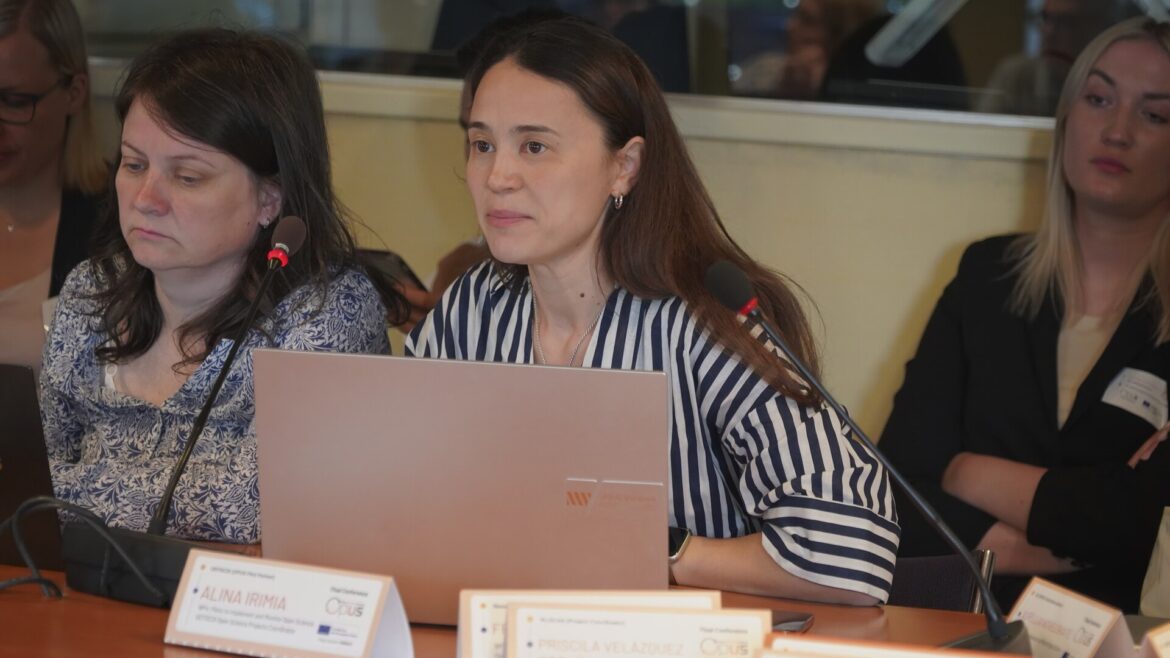
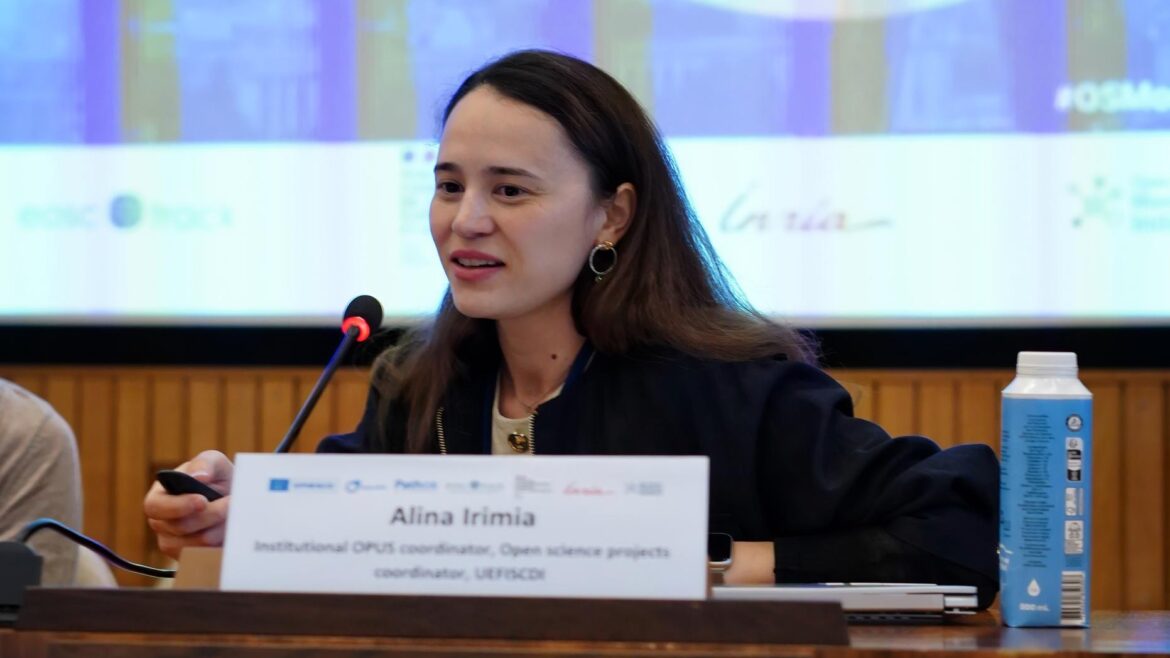
Alina Irimia, Open Science Projects Coordinator at the Executive Agency for Higher Education, Research, Development and Innovation Funding (UEFISCDI), presented Romania’s comprehensive approach to Open Science implementation at the OPUS Final Conference. Irimia showcased UEFISCDI’s strategic alignment with Romania’s National Open Science Strategy, including the implementation of FAIR Data Management Plans.

We tested the OPUS Research Assessment Framework and selected one indicator to implement and test. Ultimately, this turned into an actual implementation, specifically around introducing Data Management Plans (DMPs) into a major national funding instrument in Romania.

The timing of the project was very fortunate, as it coincided with the need to implement a national strategy on open science. These are the first steps in putting that strategy into practice, which states that DMPs should be mandatory for all publicly funded research.

We tested this requirement within a major funding programme, which has a substantial budget of 320 million euros. This programme is being launched for the first time in Romania. The evaluation phase has just concluded, and we expect to fund approximately 2,024 projects. These projects will have a duration of four to five years, with the possibility of extension by up to two years.

The main interventions focused on implementing these new requirements and evaluation criteria within this funding instrument. We had to introduce these requirements into the information packages for the funding instrument, which raised several challenges. At the institutional level, we were not accustomed to such requirements, and our staff were not fully prepared to implement open science-related obligations.

We needed to raise awareness among our staff, management, and also the Ministry. Although the Ministry had approved the national strategy, it was necessary to inform them about how these requirements would affect funding streams. As a national funding agency, we are not fully autonomous and depend on ministerial decisions regarding funding, so it was essential to have their support for implementation.

There were both policy and resource-related interventions. For example, we needed to develop or adapt a DMP template. In the end, we used the Horizon Europe template and the Science Europe guidelines, adapting them to our context. We provided resources to support both researchers and staff, including guidelines, a blueprint for researchers, and a guideline, translated from the Science Europe guideline, for staff to use when reviewing DMPs. We also provided examples of open DMPs to support researchers, who, to be honest, are already overburdened by this new requirement. Considerable awareness-raising was needed.

We organised a national conference on research assessment and open science, held institutional awareness sessions, and arranged hands-on meetings with staff to discuss specific challenges related to these new requirements. In June, we also held a nationwide webinar for researchers on DMPs. This training session attracted many engaged participants, demonstrating both interest and a need for support.

The indicator we achieved in OPUS was the development of FAIR DMPs. However, regarding the DMPs actually produced in the successful projects, we will only have those results after the projects commence, as the evaluation has only just concluded.

The key outcome of this pilot is that we have moved from testing to full implementation within a major funding instrument. The awareness-raising efforts have been a significant success, leading to the extension of these requirements, and more broadly, open science requirements, to other funding instruments. We are now discussing making these practices and requirements standard for future funding programmes.

There were several challenges. Integrating these requirements for the first time led to changes in our internal processes. We needed to raise awareness and work hands-on to update processes, including IT updates and discussions about future IT needs. There was also a challenge in understanding the open science indicator itself. My institution is fortunate to have an open science team, but many funders do not have such expertise. We supported staff in understanding open science and coordinated with other departments. We also had to understand the funding streams and the impact of open science requirements on these streams.

Policy and process integration presented further challenges, particularly in securing decisions to implement the changes. There was cultural resistance from policymakers, stakeholders, and researchers. There is a lack of capacity and skills related to open science and FAIR DMPs, and we still need to work on building institutional capacity and providing support and training sessions for researchers.

Staff upskilling is essential, as is providing tools and training for researchers regarding DMP adoption. The availability of European-level guidelines and templates, such as those from Science Europe, was very helpful, and we simply adapted them to our context.

A major challenge was coordinating timelines between project requirements and the timelines of the funding streams in our national programme. Delays occurred that were beyond our control, and we had only 18 months to complete all this work. However, these efforts will continue beyond the project’s duration.

UNIRI Pilot Action at the Final Conference
UNIRI Pilot Action at the Final Conference 1024 683 Open and Universal Science (OPUS) Project

University of Rijeka Centre for Research and Innovation (UNIRI) Pilot Action

Nataša Jakominić Marot, Head of the University of Rijeka Centre for Research and Innovation (UNIRI), presented the Croatian pilot’s comprehensive approach to Open Science integration at the OPUS Final Conference. With over two decades of experience in driving innovation and research within academia, Jakominić Marot coordinates teams to achieve impactful results whilst contributing to meaningful societal change.

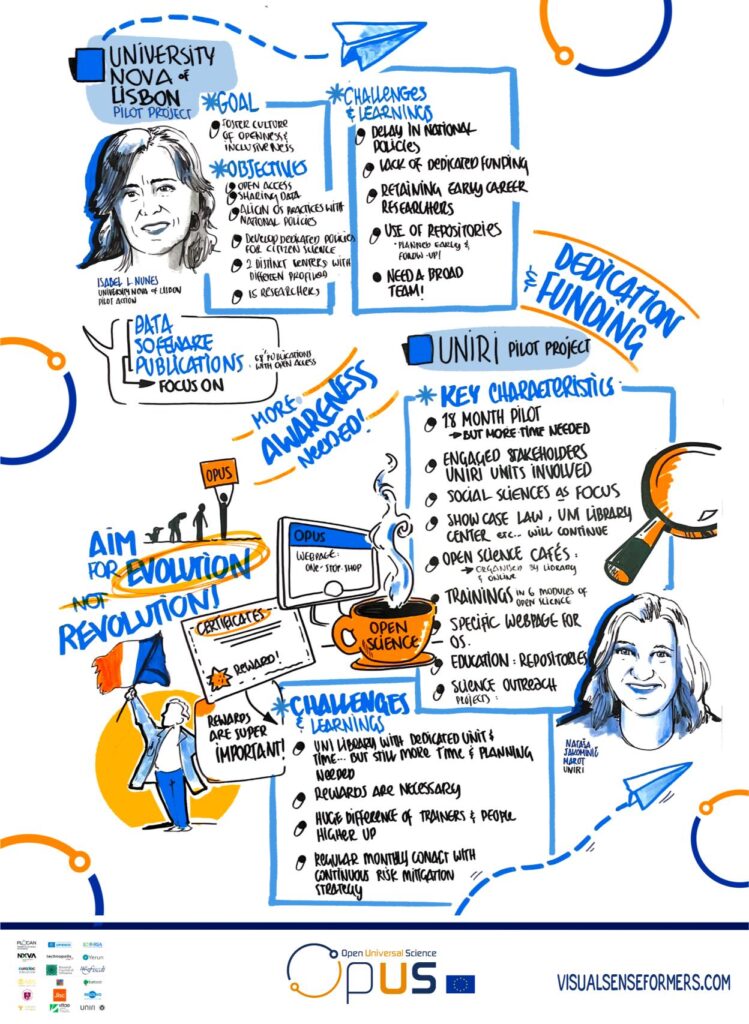
The University of Rijeka pilot focused on implementing Open Science initiatives across research centres, emphasising practical applications in data management, software development, and publication practices. The university’s approach included developing an Open Science Guide, designating library staff as reference points, and selecting specific repositories for different research outputs. While achieving progress in areas like open access publications and software sharing, the pilot encountered challenges including delays in national policies and difficulty retaining early career researchers.

Nataša Jakominić Marot (UNIRI): We built on existing infrastructure, such as the newly established centres

At the University of Rijeka, we have open science experts at the university library, librarians and research managers, whom we consult when designing or implementing open science activities. These experts also contributed to the development of our open science policy. The university library has a dedicated unit, the Centre for Open Science and Information Data Management, which was crucial for OPUS and other initiatives. Slightly before the project, we established the Centre for Science Outreach, which played an important role in valorisation activities. We wanted to boost these activities and make them more central within the university.

Our pilot cohort comprised 17 early career researchers based at the Faculty of Law, focusing on social sciences. Although the pilot was designed for this specific group, all activities, except those provided specifically by the librarian at the Faculty of Law, were open to any early career or other stage researchers at the University of Rijeka. We saw no need to restrict participation, but when measuring success and tailoring activities, we focused on our project cohort.

The key actions we undertook were aligned with the four domains presented by Gareth and Emma: research, education, valorisation, and leadership. Our activities did not cover leadership. Some activities were relevant to more than one domain, and I will highlight what the three units, the Faculty of Law, the Science Outreach Centre, and the University Library Centre for Open Science, implemented. The circular symbol on our materials indicates activities that will be sustained in the future, as they have generated significant interest and will become regular university activities.

Nataša Jakominić Marot, Head of the University of Rijeka Centre for Research and Innovation (UNIRI)

The Centre for Open Science at the University Library began organising Open Science Cafés. We have held six so far, with a seventh planned soon. These cafés address topics requested by early career researchers, and are delivered by our librarians or external experts. We decided to hold these events online, based on feedback from the cohort, to save travel time and allow greater participation. This was a change introduced during the project.

We also provide twice-yearly training on open science skills, which will continue in the future. These comprehensive sessions cover six modules on various aspects of open science and have received positive feedback. The University Library also created a targeted web page specifically for early career researchers, featuring information on training, calls for proposals, and opportunities relevant to open science. This resource has been highly valued by our cohort.

At the Faculty of Law, we have a dedicated librarian who is both a researcher and research manager. She complemented the university library’s training by providing individual sessions or consultations as needed. She delivered training on open science publication skills and, importantly, on repositories. Although we have national and institutional repositories, they can be difficult to navigate. She worked individually with early career researchers to train them in their use, saving them time and facilitating their work.

We originally planned for 65–70% of our cohort to be trained in repositories, but as the university issued a call for funding proposals that required repository use, all cohort members required this training. This demonstrates that when a skill becomes necessary, researchers prioritise it, and we achieved more than anticipated.

For valorisation, the Science Outreach Centre led two types of activities: awareness-raising for researchers and public speaking. We trained researchers on the importance of outreach and on using the project repository. We also provided training in outreach activities, recognising that researchers need to develop these skills. An expert delivered two outreach training sessions during the project.

We built on existing infrastructure, such as the newly established centres, to maximise their value for the university and to embed activities into long-term institutional goals. A key advantage was having a core team member, Sasha, who was formerly vice director. This ensured full support from university management, which is essential for success.

We also created a repository for outreach activities, though it was developed by non-experts due to limited funds. In future, we hope to involve more experts and allocate funds for such work. We used common tools such as YouTube and WordPress, as we could not afford dedicated IT support.

There were many challenges and lessons learned. For any organisation wishing to implement similar activities, I recommend careful consideration of these lessons. Collaboration with the three university centres was vital; without them, we would not have achieved our goals. We assigned partial working hours to library staff for OPUS and open science, but their main duties remained library work, making it difficult to dedicate sufficient time to the pilot. In future, it would be beneficial to have dedicated units and explicit time allocations in contracts, as well as support and incentives for staff. Enthusiasm is important, but it is not enough for sustained, long-term activities.

Open science is known in Croatia, but practices vary greatly between disciplines. Training is available, but not mandatory, so implementation often depends on the team leader or principal investigator. We aimed to change this by focusing on early career researchers, believing that bottom-up influence can be more effective than targeting senior staff.

From the outset, we involved all relevant stakeholders, including the cohort and centre staff, and designated a contact person in each unit. We held an initial meeting to explain roles and reporting, and maintained regular monthly contact, sometimes more frequently, to gather feedback and adjust as needed. This continuous risk mitigation strategy contributed to our success.

For early career researchers, we addressed the lack of tailored support by creating the Edu Doc web page, a one-stop shop for information, contacts, and resources. In terms of rewards, we could only offer certificates, but I strongly recommend more generous recognition in future projects. We hope to introduce more incentives, and our colleague Sasa has worked to influence national research assessment frameworks, advocating for the inclusion of both qualitative and quantitative measures and for open science. We are not yet certain of our impact, but we believe our voice is being heard.

Sustainability was a priority. The timing was ideal, as we had just joined CoARA and were developing our CoARA Action Plan and renewing our HR Strategy for Researchers, which required new analyses and action plans. We have also continued to apply for projects, including the CoARA Boost project with the University of Cyprus, and are now in the implementation phase.

In summary, even if activities are not mandated at the national level, institutions can take action. One should aim for evolution, not revolution, small steps can lead to meaningful change. Academic cultures are difficult to shift, but dialogue and communication are essential. Our activities have increased the university’s visibility nationally and internationally.

UNL Pilot Action at the Final Conference
UNL Pilot Action at the Final Conference 1024 683 Open and Universal Science (OPUS) Project

University Nova of Lisbon (UNL) – Pilot Action

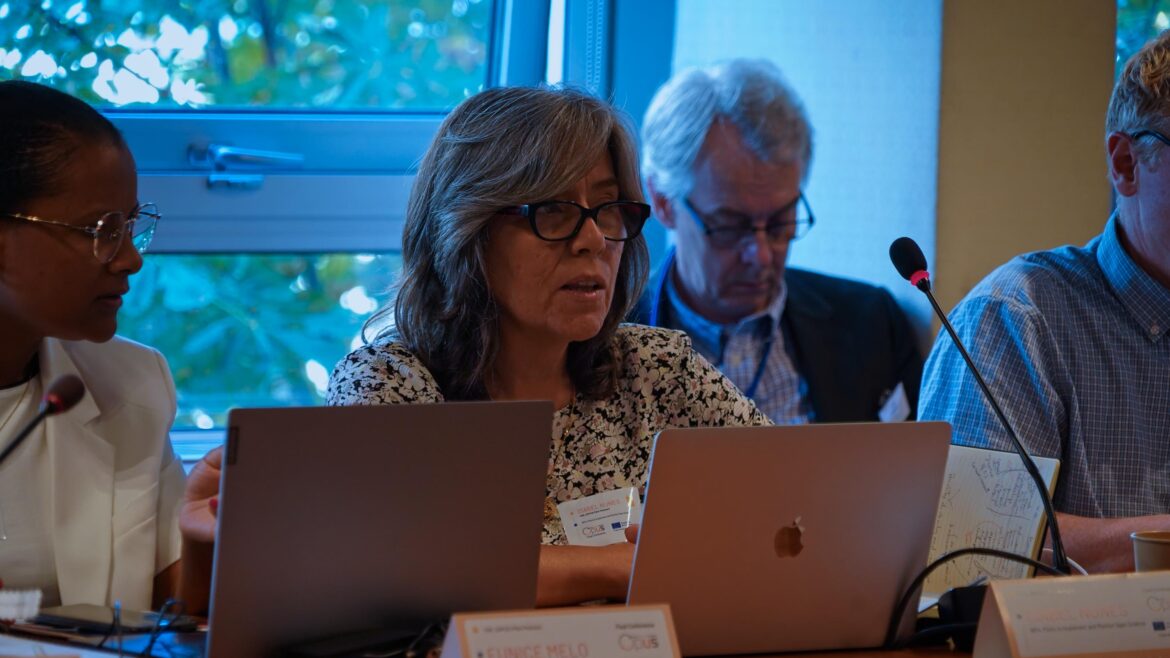
Isabel L. Nunes, Vice-Rector of NOVA University Lisbon responsible for Strategic Planning and Quality Management, demonstrated how the RAF guides institutional policy design and provides concrete support to researchers. 

NOVA University Lisbon’s implementation focused on translating the RAF into practical institutional policies and procedures. The university’s approach emphasised providing concrete support to researchers whilst ensuring alignment with European initiatives and national strategies. 

Creating a comprehensive open science strategy for the University will be essential to ensure the sustainability of these practices, which was one of our main goals.

Isabel L. Nunes, NOVA University Lisbon: We tested and adapted open science practices in different research contexts

To meet our objectives, we implemented our pilot across two distinct research centres, as already mentioned by Gareth: the Global Health and Tropical Medicine Research Centre and the Information Management Research Centre. These centres have different disciplinary profiles, ensuring diversity in needs and perspectives.

Our cohort consisted of fifteen researchers, mostly early career, from these two research centres. The aim was to test and adapt open science practices in different research contexts, promoting broad adoption across the institution after the project’s conclusion. The pilot focused on four main categories: data, software, publications, and engagement.

The interventions related to policy development, human resource allocation, repository selection, awareness raising, and training workshops.

Some of the key actions we implemented over the eighteen months of the pilot included the following. In the absence of a national open science policy on data, software, and citizen science, NOVA developed and launched the NOVA Open Science Guide to support researchers and ensure alignment with EU standards. This was coordinated by my colleague, Isabel Hoch, Vice Rector for Research and Innovation.

Regarding human resources, library staff were designated as open science reference points, guiding researchers and delivering training and awareness sessions. This demonstrated that internal staff can effectively support open science practices.

NOVA also defined specific repositories for different research outputs: Zenodo for depositing research data, GitHub for managing and sharing software, and RUN, NOVA’s institutional repository, for open access publications, which is integrated with the national repository portal. PURE, our CRIS system, is used for internal monitoring so we can track open science research outputs.

To promote awareness and training, we organised awareness sessions focused on institutional expectations and open science values, as well as seven practical workshops on topics such as open science publication, data management, software sharing, citizen science, and the use of PURE.

We monitored several open science indicators through the OPUS pilot, comparing the starting point in January 2024 with the results achieved by June 2025. Regarding openly available data sets, the Global Health and Tropical Medicine Research Centre began with none and reached the target of three data sets. The Information Management Research Centre also started with none and managed to publish one data set, which, although short of the target of three, reflects their more software-driven focus.

For software outputs, the Information Management Research Centre achieved their full target of three software sets, demonstrating strong engagement with FAIR and open source practices. In terms of open access publications, both research centres started with 68% of their publications openly available, and the cohort successfully achieved one hundred open access publications.

Regarding citizen science, no new citizen science projects were launched during the project, but we did produce three materials and conduct eight citizen engagement activities. This shows partial progress and highlights the challenge of launching fully fledged citizen science projects within a short timeframe, particularly with limited resources and early career researchers. Overall, these results demonstrate NOVA’s progress in key open science areas, especially open access and software, and provide insight into where further institutional support and alignment are needed.

During this journey, we faced several challenges, which provided valuable insights. The first challenge was the delay in national policies for open science. To address this, NOVA produced an internal open science guide, which was essential in supporting researchers in the absence of a national framework.

Another challenge was the lack of dedicated funding and human resources for open science implementation. Library staff served as our open science reference points and did an excellent job, but more support is needed. Retaining early career researchers was also difficult due to contract instability; we learned that sustainable participation requires more stable career pathways and greater institutional support for early career researchers.

Limited awareness of institutional practices among researchers was another challenge. We believe that introducing awareness campaigns is key to embedding open science as a shared institutional value.

In the second phase of implementation, around the ninth month, we experienced low engagement in training due to academic overload, as it coincided with student evaluations and project grant applications. We learned that training should be aligned with the academic calendar and should also offer asynchronous options, such as short videos available online at any time.

Across our cohort, we identified inconsistent use of repositories. Standardising repositories, such as Zenodo and GitHub, would improve monitoring and visibility of open science practices. The absence of a clear repository for citizen science activities was another challenge, indicating that repository solutions must be planned early and supported by policy and infrastructure guidance.

At NOVA, we chose to reward researchers participating in the pilot by considering open science practices in their career progression. However, open science contributions are not yet fully integrated into researchers’ career evaluations. To overcome this, we believe that including open science indicators in the evaluation framework could promote the adoption of open science practices.

UCY Pilot Action at the Final Conference
UCY Pilot Action at the Final Conference 1024 683 Open and Universal Science (OPUS) Project

University of Cyprus (UCY) – Pilot Action

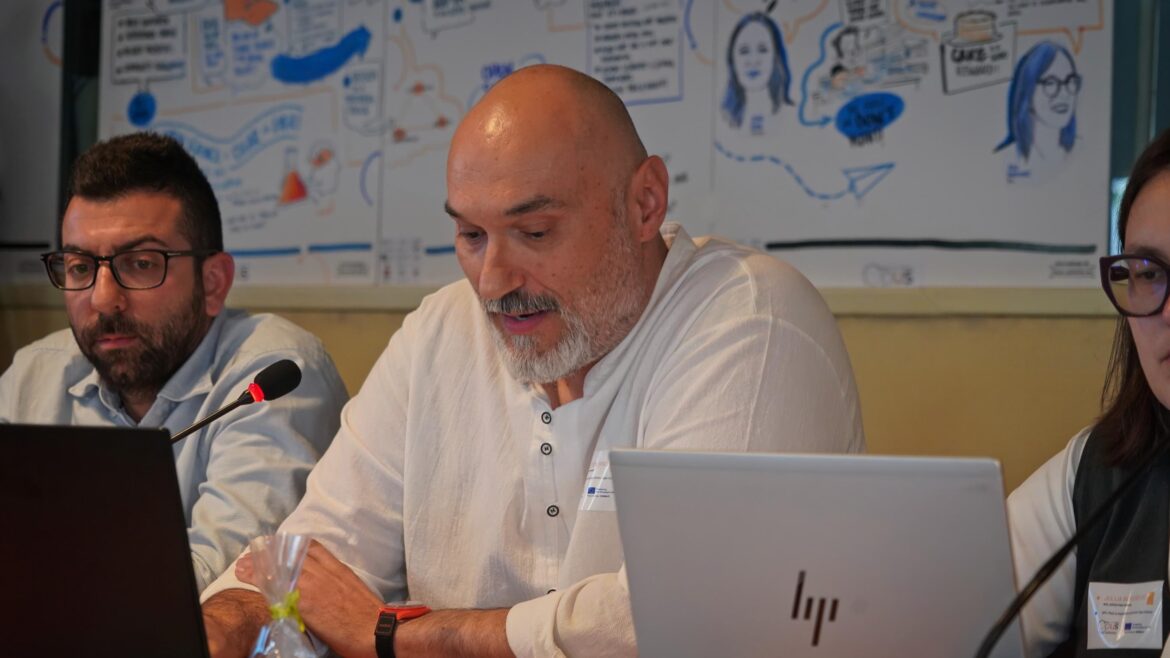
Panagiotis (Panos) Moiras, MSc, BA (Hons), MCIM, Senior Research and Project Management Specialist at the University of Cyprus (UCY), presented the Cyprus pilot’s focus on integrating the RAF into technical practices at the OPUS Final Conference in Paris. Panos brings more than 15 years of experience in project management and communications consultation.

The Cyprus pilot, centred on the KIOS Centre of Excellence, focused on integrating the RAF into practices around publication drafting, data management, and software development. The university played a central role in promoting Open Science principles both institutionally and nationally, having become the first institution in Cyprus to sign the Berlin Declaration on Open Access to Knowledge in the Sciences and Humanities in 2008. The pilot’s achievements included instrumental roles in shaping national policy, leading to the approval of Cyprus’s open science frameworks in 2016 and 2022.

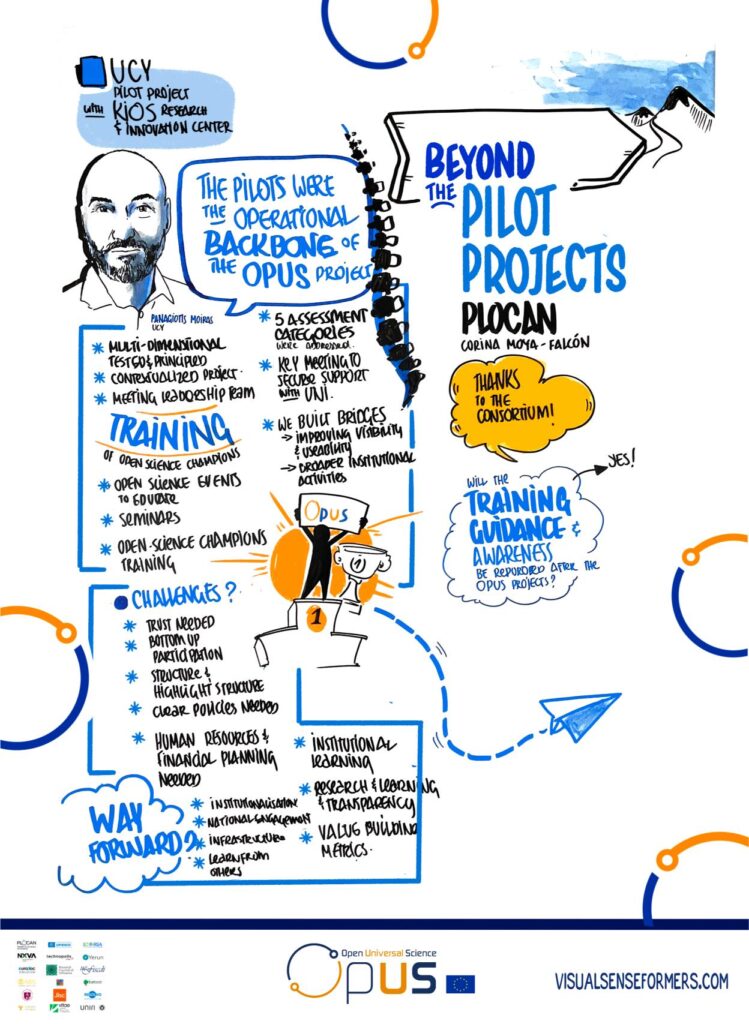
Panagiotis Moiras, UCY: Theoretical reforms were put into practice, tested and refined.

The pilots were the operational backbone of the OPUS project, where theoretical reforms were put into practice, tested and refined. Their success was critical to ensuring that the broader goals of aligning research assessment are met.

This succinctly reflects our journey at the University of Cyprus over the past two years as one of the designated pilot institutions. As a mid-sized, research-intensive university, the University of Cyprus faced both the challenge and the opportunity of translating aspirational reform into functional change.

Our efforts were implemented through the KIOS Research and Innovation Centre of Excellence, the largest information and communication technology research centre in Cyprus.

Turning to the core of our pilot actions, we undertook a multidimensional pilot as part of OPUS. The pilot was not only an opportunity to contribute to European research assessment reform but also to test internally how open science principles could be gradually institutionalised in a research-intensive environment. Our focus was on developing a contextualised, evidence-based, and action-oriented plan aligned with the University’s broader research strategy and the objectives of OPUS.

At the heart of the University of Cyprus pilot was a defined cohort of twelve early-career KIOS researchers. The steps we followed illustrate a structured and collaborative approach to preparing for implementation, ensuring that key roles, criteria, and internal consensus were established early.

The ambition was to create a microcosm of institutional change. The pilot was based on the OPUS Research Assessment Framework. Of the four dimensions, our pilot involved the research category, and included actions relevant to all five assessment categories: policy, resources, repository infrastructure, awareness raising, and training. Specifically, we focused on the subcategories of data, software, and publications, and their corresponding indicator groups.

Policy interventions began with a kickoff meeting of the KIOS Open Science Committee to establish a shared vision and commitment. A significant milestone was the identification and commitment of the twelve early-career researchers forming our core pilot group. We reviewed and identified existing institutional procedures that required amendment to better align with open science principles and to facilitate the pilot’s implementation. To reinforce institutional backing, we held a key meeting with the University’s leadership team, securing their support for the pilot.

An important initiative was the adaptation of the Personal Career Development Plan (PCDP) forms to include explicit references to open science practices. In parallel, the annual Open Science Award at KIOS was restructured to better reflect meaningful open science contributions by incorporating open science indicators.

Resource interventions included the introduction of a new, voluntary role: the OPUS, now called Open Science Champions. We trained two early-career researchers to act as focal points and ambassadors for open science within and beyond the organisation, providing guidance and support. We also assessed and allocated the necessary resources—time, tools, and institutional support. The Open Science Champions underwent a specifically tailored training programme.

Recognising the limitations of available resources, our action plan emphasised strategic planning and ad hoc resource allocation. This included identifying additional funding sources, submitting synergistic proposals, and developing low-cost, high-impact initiatives as proof-of-concept interventions.

Repository interventions focused on building bridges between existing structures. We established a communication channel between our institutional repository, GNOSIS, and those already used by KIOS. Specific actions aimed to improve the visibility and usability of current repositories and to align metadata practices with FAIR principles.

Awareness-raising interventions included several activities to foster broader institutional engagement. We launched an introductory seminar on open science to kick off the pilot, followed by targeted communications such as newsletters and social media campaigns to make open science principles more visible and accessible. We participated in thematic events, such as Open Science Week and Open Science Data Day, which also helped demystify open science for non-research staff and administrative stakeholders.

Training and capacity building involved a comprehensive set of activities: an introductory seminar, targeted training on tools and repositories, and a workshop for the Open Science Champions. This “train the trainer” intervention focused on strengthening communication and soft skills through interactive role-play scenarios. The training prepared participants to navigate diverse perspectives within the academic community. Our final training focused on developing an open science narrative CV. We also encouraged participation in other relevant training organised by stakeholders in the ecosystem, such as the UFA Open Science programme and online seminars and workshops held from November 2024 to January 2025.

Metrics and Outcomes

Marius Kyriakou, Early Career Researcher, KIOS Centre of Excellence

Thank you for the opportunity to join this project and present our results. For the publication drafting indicator group, we set initial targets for months 6, 12, and 18, and achieved our goals. For the data management indicator, we met the target for the number of downloads and came close to targets for other metrics. For the software development indicator, we greatly exceeded two of the four metrics. Researchers became more familiar with open science tools, and we saw more active engagement in open practices. Overall, this was a valuable experience for us at the KIOS Centre of Excellence.

Challenges and Lessons Learned

As with any reform effort embedded in a working institution, we encountered a range of technical, cultural, and structural barriers. Resistance to policy change was one of the most notable challenges. While many approached the interventions with interest, others raised concerns. It became clear that, beyond formal policies, real progress requires open dialogue, relatable examples, and a foundation of trust. Reform is most successful when it involves the academic community from the outset; bottom-up participation and recognition of researchers’ concerns can greatly smooth transitions.

Our pilot highlighted the need for more structured mechanisms to collect and monitor relevant indicators. While there is increasing emphasis on metrics, existing infrastructure and internal policies do not yet fully support systematic tracking. The lesson learned is that metrics are powerful tools, but only if supported by clear policies, trained personnel, and digital systems that make their collection and interpretation routine and meaningful.

As with many pioneering efforts, our pilot unfolded in a landscape of evolving capacity and support. For open science to move beyond rhetoric, institutions must strategically plan for human and financial resources, including lobbying for national-level support and seeking synergistic projects.

Main Achievements

Despite these challenges, our pilot at the University of Cyprus produced a substantive set of achievements:

  • Establishing a governance model: The KIOS open science function proved highly effective and can be replicated across departments and institutions.
  • Institutional learning: We observed increased institutional literacy around open science within our academic community.
  • Changes in research evaluation: By embedding open science criteria into PCDP forms and reinforcing open science with specific tangible and intangible awards, we fostered a process that rewards transparency and collaboration.
  • Progress towards CoARA alignment: Our pilot positioned the University to align with CoARA principles, including a shift from proxy metrics to value-based assessments.
  • Building momentum for cultural change: With the Open Science Champions leading the initiative, we created a new cohort of early-career researchers who are now both participants and advocates of open science. Their increased visibility, leadership, and reputational standing serve as powerful motivators and drivers of cultural change.

Reflecting on the OPUS pilot at the University of Cyprus, it was not just about testing tools or methodologies, but about surfacing assumptions and revealing where institutional inertia lies and where innovation can thrive.

Looking ahead, we have identified five milestones for our ongoing journey:

  1. Institutionalisation: Embed successful interventions into permanent structures.
  2. National engagement: Engage with national agencies and funders to align reward systems.
  3. Broaden participation: Scale these practices to other departments within the university.
  4. Invest in capacity: Improve infrastructure and develop tools, and assess human capital requirements.
  5. Learning from others: Continue engaging with other OPUS pilots, building on synergies and mutual learning.

At the University of Cyprus, we are proud to have contributed to this transformation and to the OPUS project, and we look forward to the future with both pride and anticipation. 

YERUN Work with Pilot Organisations
YERUN Work with Pilot Organisations 1024 683 Open and Universal Science (OPUS) Project

Work with Pilot Organisations through Pilot Action and Mutual Learning

Raquel Vega from the Young European Research Universities Network (YERUN) introduced the pilot action segment at the Final Conference, framing it as an opportunity for mutual learning and practical experimentation. Vega, who serves as Policy and Project Officer at YERUN, emphasised the collaborative effort that characterised the OPUS pilots and the importance of context-specific solutions.

The pilot programme involved five organisations, three Research Performing Organisations (RPOs) and two Research Funding Organisations (RFOs), who tested the RAF through tailored action plans and co-created strategies for meaningful reform. Each pilot organisation brought unique perspectives and challenges to the implementation process.

Raquel Vega: Pilots have done all the work within this work package, working extremely hard

The main goal of WP4 was to design and implement action plans to pilot selected elements of the Research Assessment Framework (RAF), as well as the Open Science Career Assessment Matrix 2 (OSCAM2), through their accompanying interventions in five organisations. In addition, we organised mutual learning sessions to draw out results and lessons learnt.

The main protagonists of WP4 are the pilot organisations themselves. They have done all the work within this work package, working extremely hard. We had three universities and two funding organisations participating as pilots.

Our work followed three main lines. First, we designed the action plans. Second, we implemented and coordinated these action plans over an 18-month period. Third, we collected lessons learnt from mutual learning sessions held throughout these 18 months.

To begin with the design and implementation of the action plans, the pilots had to define, very early on, their cohorts and the units or funding programmes involved. Together with the leaders of Work Packages 2 and 3, we selected the indicators and interventions that best fit each pilot, both from a strategic and feasibility perspective. It is important to mention that, in Work Packages 2 and 3, we also carried out a baseline audit to determine the starting point for each pilot.

The full implementation period lasted 18 months. We began with the first version of the action plans, which we started implementing in January 2024. The pilots ran until June 2025. During the first nine months, we observed what was working and what was not, and we collected those learnings into a revised version of the action plans, which was ready by September 2024. This marked the end of the first stage of implementation.

In addition to the individual interventions chosen by each pilot, we also introduced some common interventions for all pilots. These focused on the links between open science and trust, open science and industry, and open science and gender equality.

Regarding mutual learning, the key process was the bi-monthly mutual learning sessions, which took place both online and in person. These sessions were essential for collecting challenges and recommendations from each pilot organisation regarding their implementation experiences.

From January 2024 until approximately September 2025, we collected all these learnings and, by the end of November 2025, produced the first version of the Mutual Learning collection of recommendations and challenges. In the following nine months, the second stage of implementation, we added further learnings from this later period. We are currently working on the final mutual learning collection of lessons learned.

We monitored progress through a process we called co-monitoring, which we conducted together with the pilots. During the first part of the implementation period, the first nine months, pilots submitted monthly reports. During the second part, reports were submitted bi-monthly. These reports were reviewed by our partner Jisc, led by our colleague Helen Clare. The reports were also instrumental for the mutual learning sessions, as they informed the guiding questions for the various sessions we held.

UEFISCDI webinar dedicated to Data Management Plans
UEFISCDI webinar dedicated to Data Management Plans 683 1024 Open and Universal Science (OPUS) Project

On June 16, 2025, UEFISCDI organised a webinar dedicated to Data Management Plans within the framework of the OPUS project with approximately 170 registered participants from Romania’s research, development, and innovation (RDI) communities

OPUS Project: Reforming Research Assessment Through Open Science

The webinar opened with Dr. Alina Irimia, UEFISCDI’s Open Science Projects Coordinator, presenting the OPUS (Open Universal Science) project and Romania’s strategic contribution to this European initiative. OPUS is 36-month, €2 million Horizon Europe-funded project involving 18 partners across 11 European countries, specifically designed to reform research assessment systems at Research Performing Organisations (RPOs) and Research Funding Organisations (RFOs).

UEFISCDI’s role as a pilot Research Funding Organisation within OPUS cannot be overstated. The agency was actively testing the implementation of mandatory Data Management Plans across major national funding programmes, representing a €320 million budget allocation that will fund approximately 2,024 research projects over four to five years. This initiative represents the first systematic implementation of FAIR Data Management Plans in Romania’s research funding landscape.

The OPUS Researcher Assessment Framework

Dr. Irimia detailed the OPUS Researcher Assessment Framework (RAF), which introduces a paradigm shift in how researchers are evaluated. The framework encompasses five core dimensions:

  • Research: Including data management, methods, publications, and materials
  • Education: Covering courses, resources, teaching, and supervision
  • Leadership: Encompassing staff management, project coordination, and organizational roles
  • Valorisation: Focusing on knowledge transfer, engagement, and entrepreneurship
  • Proposals: Evaluating funding acquisition and project development

Significantly, each dimension includes both generic and Open Science-specific indicators, ensuring that researchers are incentivised and rewarded for adopting open science practices.

Data Management Plans: From Theory to Implementation

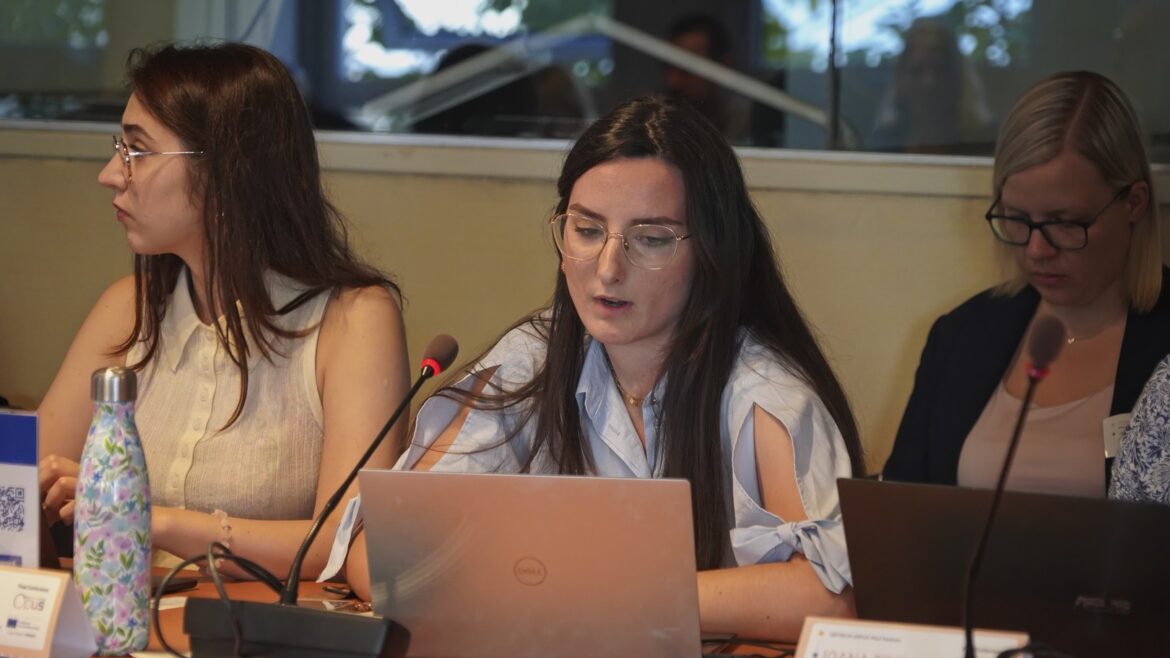
The webinar’s central focus shifted to practical aspects of Data Management Plans, expertly presented by Ioana Trif and Raluca Ciobotaru, both Open Science experts from UEFISCDI’s OPUS team. Their presentation provided participants with guidance on creating effective DMPs that align with both European standards and Romanian legal requirements.

Understanding Research Data and FAIR Principles

The speakers emphasised the critical distinction between open data and FAIR data, clarifying that while all open data should be FAIR, not all FAIR data needs to be open. This nuanced understanding is essential for researchers navigating the complex landscape of data sharing, particularly when dealing with sensitive or confidential information.

The FAIR principles, making data Findable, Accessible, Interoperable, and Reusable, were positioned as the foundation for effective research data management. These principles emphasise machine-actionability, enabling computational systems to discover, access, and reuse data with minimal human intervention, thereby maximising the value and impact of research investments.

Legal Framework and National Requirements

A significant portion of the presentation addressed Romania’s evolving legal landscape for open data and research data management. Law 179/2022, which transposes EU Directive 2019/1024 on open data and reuse of public sector information, establishes the legal foundation for Romania’s open data initiatives.

Key provisions of Law 179/2022 include:

  • Mandatory open access to publicly funded research data
  • Implementation of the “as open as possible, as closed as necessary” principle
  • FAIR principles compliance for all research data
  • Commercial and non-commercial reuse permissions
  • Creative Commons licensing requirements (CC BY 4.0 or CC0)

Romania’s Strategic Framework: The White Book

The webinar highlighted Romania’s comprehensive strategic approach through the White Book on the Transition to Open Science (2023-2030). This strategic document, developed through extensive consultation with the research community, outlines eight strategic objectives for Romania’s open science transition.

Strategic Objective 2, specifically addressing research data management, includes ambitious actions:

  • Mandatory DMP development and updates for all publicly funded research
  • Open access to research data through trusted digital repositories
  • Open access metadata with CC0 licensing
  • FAIR compliance with persistent identifiers (PIDs)
  • Eligible RDM costs in research funding
  • Comprehensive management of other research outputs including software, models, and algorithms

Practical Implementation and Tools

The webinar provided concrete guidance on DMP creation, utilising the Science Europe template as the foundation. The template addresses six core requirements:

  1. Data Description and Collection: Detailing data types, formats, and sources
  2. Documentation and Quality Assurance: Ensuring comprehensive metadata and quality control
  3. Storage and Backup: Establishing secure data storage during research
  4. Legal and Ethical Requirements: Addressing GDPR, intellectual property, and ethical considerations
  5. Data Sharing and Long-term Preservation: Planning for data accessibility and archival
  6. Responsibilities and Resources: Defining roles and allocating necessary resources

Digital Platforms and Resources

The speakers recommended several platforms for DMP development and data management:

For DMP Creation:

  • DMPonline
  • Argos (OpenAIRE)
  • RDMO
  • EasyDMP

For Data Repository Selection:

  • re3data & OpenDOAR (general repositories)
  • CESSDA (social sciences)
  • DARIAH (digital humanities)
  • ELIXIR (life sciences)

For Open Science Community Engagement:

  • BrainMap Open Science Community
  • UEFISCDI Open Science Network
  • Creative Commons resources
  • OpenAIRE platform

Impact on Romanian Research Funding

The webinar revealed that UEFISCDI is actively piloting DMP requirements across several major funding programmes:

  • Centres of Excellence (CoE)
  • Complex Frontier Research Projects (PCCF)
  • “Challenges – Change” Programme (PPS)

These programmes represent Romania’s most significant research investments, and the inclusion of mandatory FAIR DMPs signals a fundamental shift in how research quality and impact are evaluated.

Community Feedback and Future Directions

The final segment of the webinar facilitated crucial dialogue between UEFISCDI experts and the research community. Participants provided valuable feedback on DMP implementation challenges, including:

  • Technical infrastructure requirements for FAIR data management
  • Training needs for researchers and data stewards
  • Resource allocation for effective RDM implementation
  • Institutional support mechanisms

This feedback collection process exemplifies OPUS’s stakeholder-driven approach, ensuring that policy development remains grounded in practical research realities.

Romania’s Open Science Leadership

The June 16 webinar represented more than just an information session; it marked Romania’s commitment to leading Europe’s open science transition. By systematically implementing FAIR DMPs across its research funding portfolio, Romania is positioning itself as a model for other European countries navigating similar transitions.

The success of this initiative will largely depend on continued collaboration between funding agencies, research institutions, and the broader scientific community. UEFISCDI’s approach, combining policy development with practical implementation support, provides a blueprint for effective open science adoption.

As Romania moves toward its 2030 vision outlined in the White Book, the research community can expect continued evolution in assessment criteria, funding requirements, and support mechanisms. The foundation established through the OPUS project and initiatives like this webinar ensures that Romania’s researchers will be well-equipped to thrive in an increasingly open and collaborative global research environment.

The transition to open science is not merely a policy requirement. It represents a fundamental shift toward more transparent, collaborative, and impactful research that serves both the scientific community and society at large.

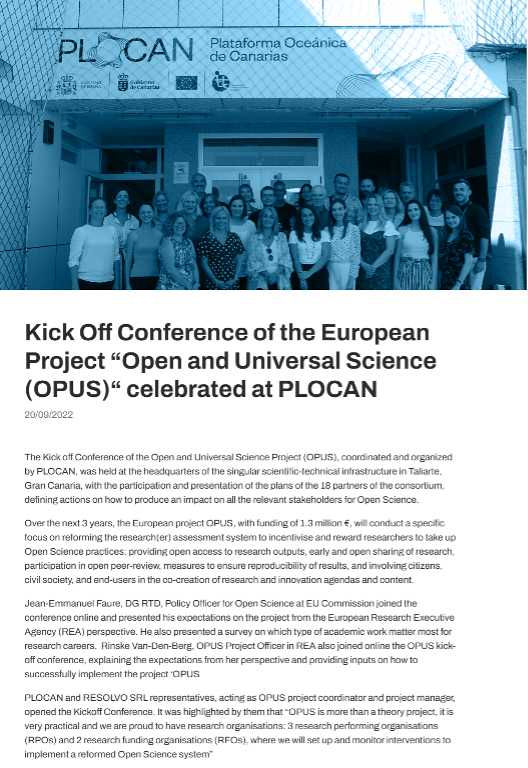
Expanding Participation Beyond Formal Pilots: PLOCAN (Spain): Leading Open Science Integration
Expanding Participation Beyond Formal Pilots: PLOCAN (Spain): Leading Open Science Integration 1024 575 Open and Universal Science (OPUS) Project

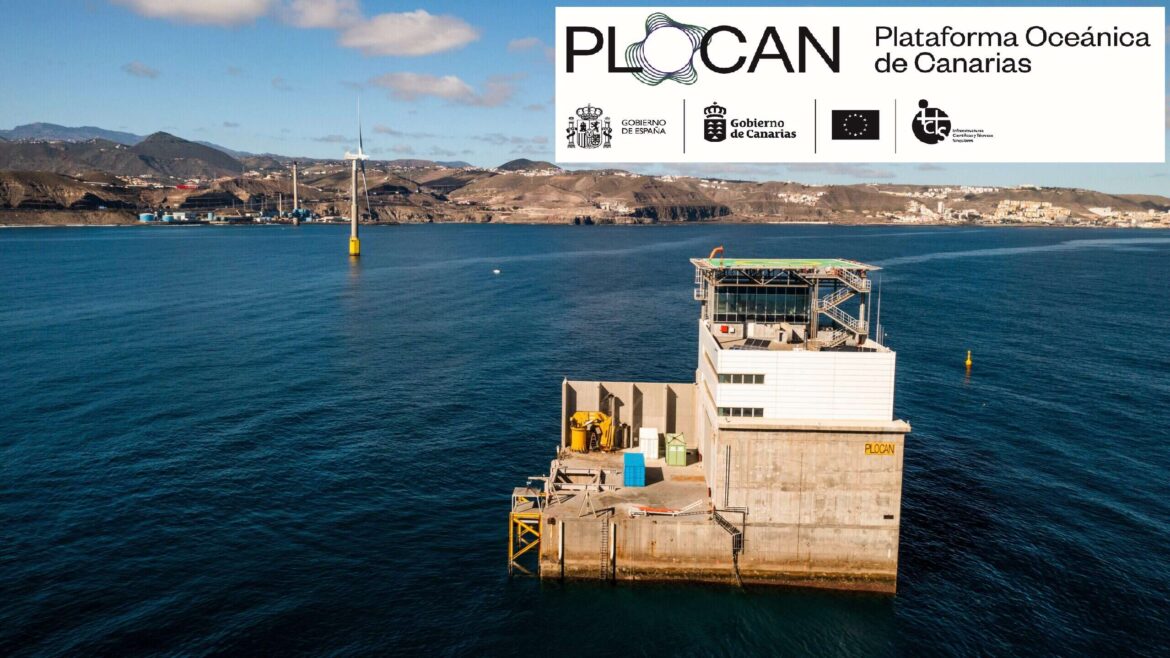
Although PLOCAN was not formally designated as a pilot institution, its leadership position has allowed it to closely monitor pilot activities and incorporate best practices within its own organisational structure. Initial efforts focused on key internal stakeholders, particularly those involved in data generation, management, and governance, enabling a practical and scalable implementation of Open Science principles.

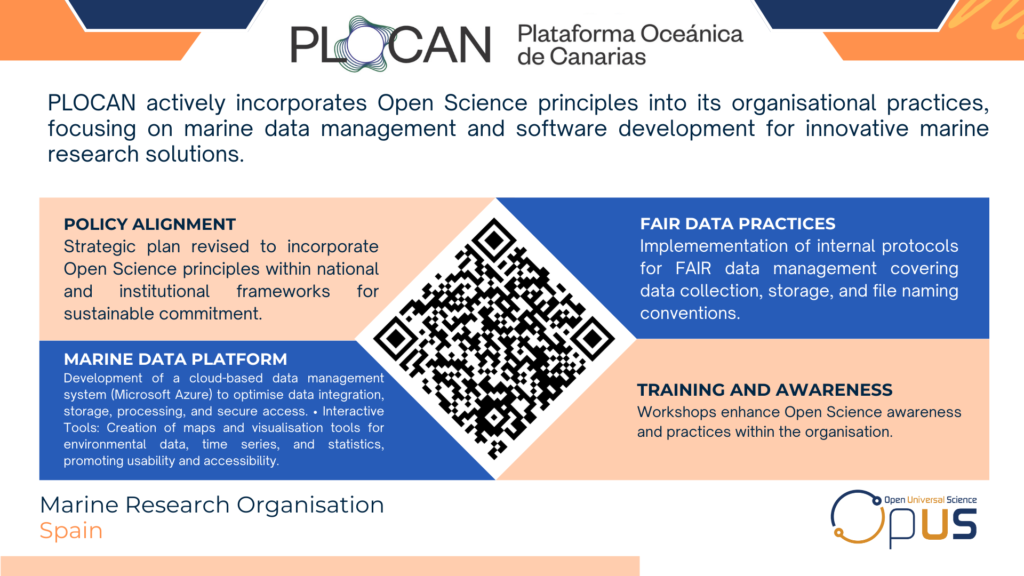
PLOCAN actively incorporates Open Science principles into its organisational practices, focusing on marine data management and software development for innovative marine research solutions.

Policy Alignment: Strategic plan revised to incorporate Open Science principles within national and institutional frameworks for sustainable commitment.

FAIR Data Practices: Implementation of internal protocols for FAIR data management covering data collection, storage, and file naming conventions.

Marine Data Platform: Development of a cloud-based data management system (Microsoft Azure) to optimise data integration, storage, processing, and secure access. • Interactive Tools: Creation of maps and visualisation tools for environmental data, time series, and statistics, promoting usability and accessibility.

Training: Workshops enhance Open Science awareness and practices within the organisation.

Internal Collaboration and Organisational Commitment to implement Open Science

The success of PLOCAN’s approach has been underpinned by strong internal collaboration and the active commitment of the PLOCAN departments of Responsible Research and Data Management. Strategic leadership has set the direction, technical and scientific teams, especially those managing data infrastructures—have played a vital role in the development of key Open Science initiatives.

Key Achievements and Activities – PLOCAN

  • Policy alignment: PLOCAN has revised and aligned its strategic plan with Open Science principles, integrating both national and institutional policy frameworks to ensure coherence and long-term commitment.
  • FAIR data training and practises:
    • Training sessions on FAIR data management have been delivered, promoting good Open Science practices among institutional staff.
    • Protocols are being developed to ensure that researchers adhere to FAIR data principles from the very beginning of data collection, including how data is stored and how file names are assigned.
  • Marine data management platform: A cloud-based data management system is being developed using Microsoft Azure. The platform aims to optimise the integration, storage, processing, visualisation, and secure access to marine data according to Open Science and Fair principles.
  • Interactive data tools: New interactive maps and tools are being developed to visualise environmental variables, time series data, statistics, and other relevant applications, enhancing data usability and accessibility for researchers and stakeholders, according to Open Science and Fair principles.
  • Open Software: Development of open-source scripts designed for the marine sciences community, including areas like acoustic data analysis. These scripts are functional and published in a way that ensures their value is recognized. Additionally, they are made available in repositories, ensuring accessibility and community engagement.

Alignment with Broader Initiatives

PLOCAN’s ongoing efforts are strategically aligned with key initiatives such as the Barcelona Declaration and the HRS4R. PLOCAN is working to fully integrate these frameworks into its operations, solidifying its commitment to advancing research capacity and Open Science practices in line with its long-term institutional goals.

Looking Ahead

Many of the activities initiated by PLOCAN will continue beyond the OPUS project’s duration. These include the implementation of a cloud-based infrastructure to manage, store, process, and visualise marine data, and interactive tools such as maps, time series visualisations, and statistical applications to enhance marine data accessibility.

Protocols are also being developed to standardise the naming conventions of files generated at PLOCAN, with the aim of facilitating their searchability, classification, and traceability. At the same time, a metadata template is being created to enable a structured and consistent description of datasets, including key information such as their origin, the variables they contain, and other relevant characteristics. This will support their identification, retrieval, and reuse. As part of this effort, common file formats —such as CSV and NetCDF— that are compatible and widely used by the scientific community are also being adopted, ensuring interoperability, sustainability, and compatibility with data analysis and storage platforms, in line with FAIR principles.

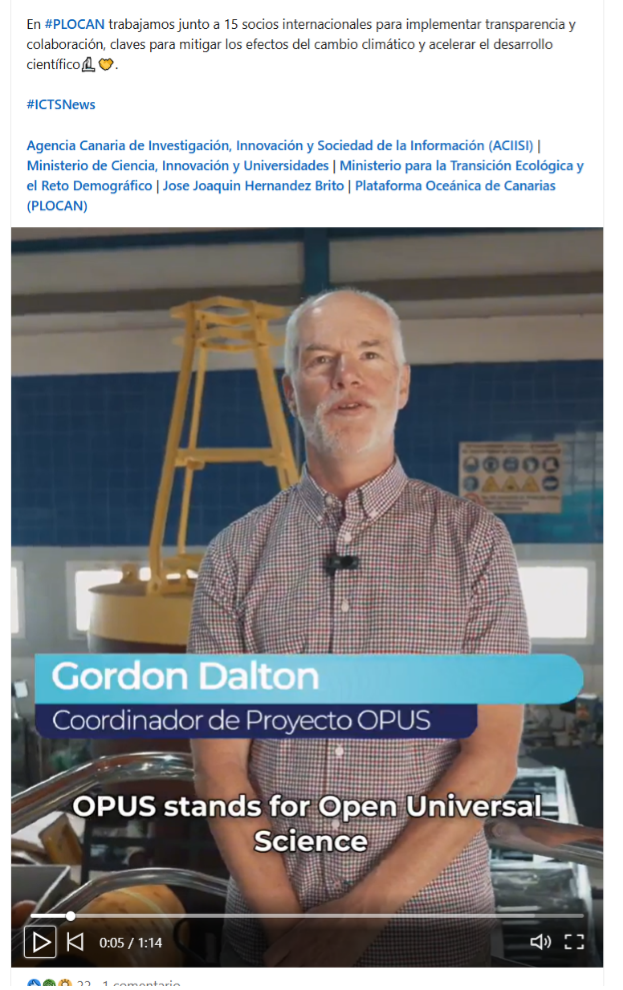
OPUS project on social media and PLOCAN web

NOVA University (RPO, Portugal) Achievements
NOVA University (RPO, Portugal) Achievements 1024 868 Open and Universal Science (OPUS) Project

NOVA University of Lisbon, UNL (RPO, Portugal): Empowering Early-Career Researchers

As an early signatory of international agreements on research assessment reform, Nova University is actively reshaping its evaluation processes to reflect the changing landscape of scientific research.

Key Initiatives at Nova University:

  • Research Impact Narratives Challenge: This initiative encourages researchers to articulate the societal impact of their work, moving beyond traditional metrics and highlighting the real-world value of their research.
  • International Standards Alignment: Nova University has revised its research performance evaluation policies to align with responsible research assessment principles, ensuring a more holistic and inclusive approach.

The university is also actively pursuing the HR Excellence in Research Award, which further underscores its commitment to improving research assessment practices and aligning them with European Commission guidelines. 

University NOVA Lisbon, Portugal, OPUS Pilot Implementation, and Next Activities

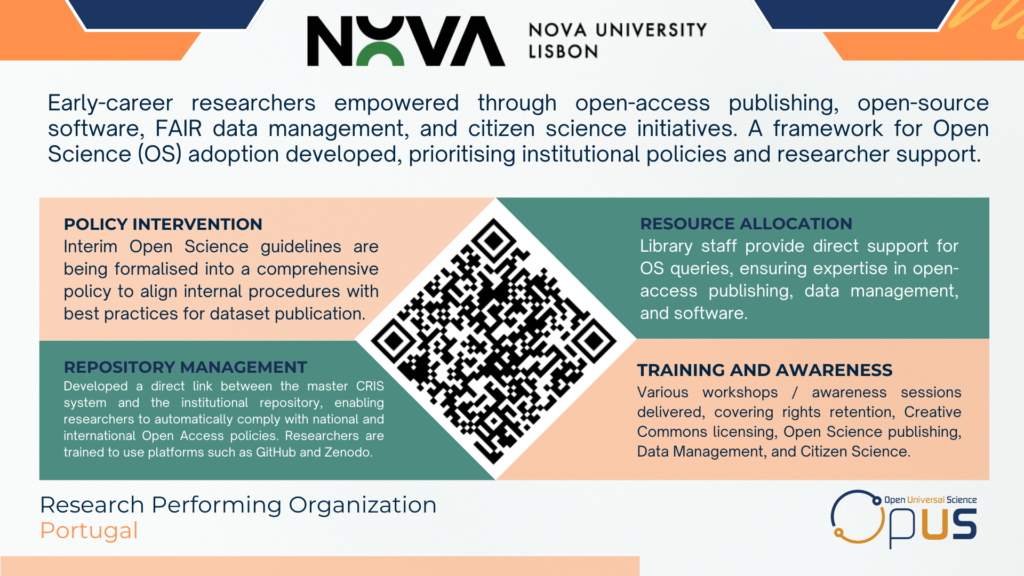
Early-career researchers were empowered through open-access publishing, open-source software, FAIR data management, and citizen science initiatives.

A framework for Open Science (OS) adoption was developed, prioritising institutional policies and researcher support.

  • Policy Interventions: Interim OS guidelines are being formalised into a comprehensive policy to align internal procedures with best practices for dataset publication.
  • Resource Allocation: Library staff provide direct support for OS queries, ensuring expertise in open-access publishing, data management, and software.
  • Repository Management: NOVA developed a direct connector between its master CRIS system and institutional repository, enabling researchers to automatically fulfil national and international Open Access policies. Researchers are trained to use repositories such as GitHub and Zenodo, with full engagement expected by Month 18.
  • Training and Awareness: Workshops and awareness sessions were delivered on a range of topics, including rights retention, Creative Commons licensing, publishing in the context of Open Science, data management, and citizen science.

NOVA University of Lisbon opened with an overview of their adaptive approach, stressing the importance of institutional flexibility and staff coordination.

NOVA University Lisbon has made significant strides in its efforts to institutionalise open science practices as part of its involvement in the OPUS project. The initiative, which aligns with national policies and aims to foster transparency and responsible research, has been a cornerstone of the university’s strategy to promote open access publications, data sharing, and software dissemination.

Institutional Goals and Strategic Framework
When embarking on this project, NOVA set out to develop dedicated policies that support open science. Key objectives included creating a comprehensive open science strategy for the institution and fostering a culture of transparency in research. The pilot phase focused on two main categories: research and valorisation. Within these areas, key efforts included data management, software development, publication production, and citizen engagement activities. These were further supported by complementary initiatives such as policy development, resource allocation, repository creation, awareness-raising sessions, and training workshops.

Collaboration with Research Centres

Nova partnered with two research centres to advance its goals. One centre specialises in disease and life sciences, while the other focuses on software development and digital infrastructure. This collaboration has been pivotal in addressing challenges related to policy interventions and resource allocation.

Policy Development and Implementation

NOVA has adopted a proactive approach by introducing an internal Open Science Guide, designed to serve as a foundational framework for researchers across all disciplines. The guide outlines best practices in open access publishing, data management, software sharing, and citizen science. It is fully aligned with international standards, including the UNESCO Recommendation on Open Science and the FAIR principles, ensuring consistency and global relevance.

Progress in Key Areas


Open Access Publications
Monitoring commenced in Month 9 of the project (January 2024), and findings showed that all publications produced by the OPUS cohort during the first phase of implementation were made openly accessible

Data Sharing
Although open-source code was not initially available, NOVA supported OPUS cohort in making their code publicly accessible via platforms such as GitHub and Zenodo.

Software Development
Although the number of shared datasets from the OPUS cohort has not increased significantly, due to the timing of research cycles and the specific scope of their work, NOVA remains confident in its ability to meet targets in this area.

Citizen Engagement
While this aspect of the initiative is still in its early stages, groundwork has been laid to define its direction. More tangible outcomes are anticipated by Month 18 of the project.

Researcher Involvement and Training
Approximately 13 early-career researchers have participated in cohort activities focused on Open Science topics. Initiatives such as meetings, incentives and policy development have been implemented across five core areas: policy creation, resource allocation, repository use, awareness-raising efforts, and training workshops.

Challenges and Future Directions
Nova acknowledges that fostering a culture of data sharing and open-source development remains challenging. However, feedback from researchers indicates growing awareness of the benefits of open science practices. The university plans to conduct additional workshops and integrate further measures once a national policy is established.

By advancing these practices within its institution and contributing to broader goals under the OPUS project framework, Nova University Lisbon is playing a crucial role in shaping the future of open science for both its academic community and society at large.

Previously about the NOVA University Activities:

  • 1
  • 2
Privacy Preferences

When you visit our website, it may store information through your browser from specific services, usually in the form of cookies. Our Privacy Policy can be read here.

Here you can change your Privacy preferences. It is worth noting that blocking some types of cookies may impact your experience on our website and the services we are able to offer.

Click to enable/disable Google Analytics tracking code.
Click to enable/disable Google Fonts.
Click to enable/disable Google Maps.
Click to enable/disable video embeds.
Our website uses cookies, mainly from 3rd party services. Define your Privacy Preferences and/or agree to our use of cookies.