PILOTS ACHIEVEMENTS

OPUS Pilot University of Rijeka Achievements
OPUS Pilot University of Rijeka Achievements 800 600 Open and Universal Science (OPUS) Project

The University of Rijeka emphasised skill development among early-career researchers (including doctoral students), focusing on public engagement and science outreach. Key interventions involved policy measures, assignment of appropriate human resources, training on open access and outreach skills, establishing EduDoc (a centralised hub for Open Science resources), organising Open Science Cafés, and creating a virtual repository for outreach activities.

Impact: The University of Rijeka’s initiatives embedded Open Science in relevant policies as a prerequisite for offering UNIRI’s strategic direction and support Open Science practices at institutional level.
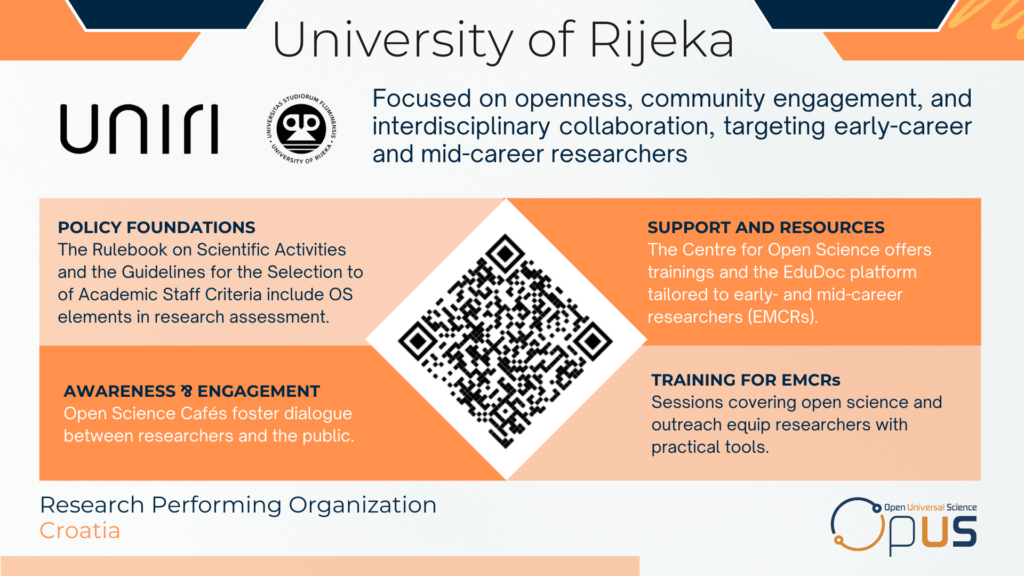
University of Rijeka reported on the hurdles of aligning national and institutional policies, while highlighting the crucial role of early career researchers. The University of Rijeka in Croatia has adopted a distinctive approach to its participation in the OPUS project, focusing on targeted interventions aligned with strategic objectives for advancing open science practices. Unlike other institutions involved in the initiative, Rijeka concentrated its efforts on a specific cohort of 17 early-career researchers from the Faculty of Law. These researchers were defined as individuals who either had not yet obtained a PhD or had completed their doctorate within the last five years.

Expanding Engagement Beyond the Cohort

While the pilot activities were initially tailored for this cohort, their relevance quickly extended to a broader audience. Consequently, sessions were opened to all interested parties while maintaining personalised support for the cohort to address their specific needs. This dual approach ensured inclusivity while preserving the focused nature of the interventions.

Collaborative Efforts and Institutional Support

The success of Rijeka’s pilot was underpinned by extensive collaboration across university departments. Although leadership figures such as Sasha and colleagues were prominent in meetings, a larger team contributed behind the scenes. The University Library played a pivotal role through its Centre for Open Science and Scientific Information Management, which facilitated many activities. Additionally, the newly established Science Outreach Centre provided timely support during its formative stages, enabling joint piloting of initiatives. A dedicated librarian at the Faculty of Law further enhanced the pilot’s implementation by serving as a key contact point and resource.

Key Achievements and Activities

Since the last mutual learning exercise in Bucharest (Month 9), several milestones have been reached:

  • Policy Revision: The university’s open science policy was revised and adopted earlier this year.
  • Training Sessions: Tailored one-on-one training sessions were delivered to early-career researchers on topics such as open access publishing, repository usage, and open science practices. Public speaking and outreach workshops added practical skills to the programme.
  • EduDoc Platform: A dedicated subpage called EduDoc was launched to centralise resources for PhD students and early-career researchers.
  • Open Science Cafés: Six cafés have been hosted so far, exceeding initial targets, with a seventh planned. These popular events foster discussion and engagement on open science topics suggested by participants.
  • New Repositories: Platforms for publications, video materials, and outreach efforts were established to ensure accessibility and continuity.

Metrics and Progress Tracking

The pilot has demonstrated measurable success through structured indicators:

  • Open Access Publications: The target of 70% openly available publications by Month 9 was surpassed with an achievement of 72%, reflecting robust progress toward end-of-project goals.
  • Training Impact: Lifelong learning programmes introduced during the pilot will continue evolving based on participant feedback.
  • Outreach Tools: Resources designed to help early-career researchers plan their own initiatives have been developed and integrated into broader institutional strategies.

Alignment with Broader Initiatives

The timing of OPUS has been particularly beneficial for University of Rijeka, coinciding with efforts to update its Human Resources Strategy for Researchers (HRS4R) Action Plan. Activities under OPUS have been coordinated with other projects such as COARA Boost Project OSCAR, launched in collaboration with the University of Cyprus.

Looking Ahead

As the pilot concludes, many of its successful activities will be sustained beyond the project’s timeline. The EduDoc platform will be regularly updated, Open Science Cafés will continue as recurring events, and training programmes will remain accessible to researchers at all levels. By embedding these practices into institutional frameworks, Rijeka is not only advancing open science locally but also contributing significantly to broader European efforts under OPUS.

The University of Rijeka is proud to announce the start of the OSCAR project (Open Science Collaboration for Research Career Advancement and Policy Innovation at UNIRI and UCY), funded under the Horizon Europe CoARA Boost call. This project, led by the University of Rijeka in partnership with the University of Cyprus and the European Office of Cyprus, aims to integrate Open Science principles into research evaluation practices, promote institutional change, foster o research culture reforms and engage national stakeholders and policymakers in an open dialogue on the reform of research assessment. Building on the outcomes of the OPUS project, which supports reforming the assessment of research(ers), OSCAR focuses on qualitative research evaluation frameworks while responsibly utilising quantitative metrics.

This initiative marks another significant step in advancing the principles of Open Science and its incorporation into research policies and practices across European universities.

University of Rijeka in Croatian Newspaper “Novi List”

OPEN SCIENCE — FREE ACCESS TO SCIENTIFIC INFORMATION IN THE ACADEMIC COMMUNITY
A Key Element of the Modern Research Process

In 2021, the University of Rijeka adopted its Open Science Policy, committing to a range of activities that promote open science among members of the university community. This includes ensuring open access to scientific publications and implementing models for editing and publishing open access scientific journals (OJS) and Open Monograph Press (OMP).
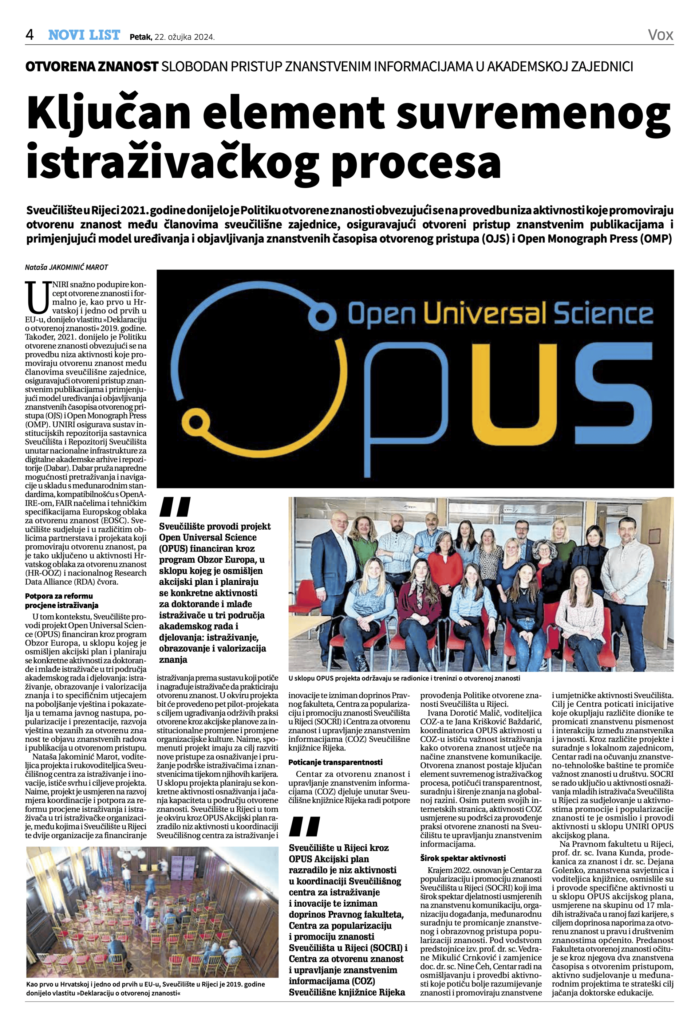

UNIRI (University of Rijeka) strongly supports the concept of open science and was the first in Croatia—and among the first in the EU—to adopt its own Declaration on Open Science in 2019. In 2021, it also adopted an Open Science Policy, committing to a series of actions aimed at promoting open science among the academic community, providing open access to scientific publications, and implementing models for editing and publishing open access journals (OJS) and monographs (OMP). UNIRI has established a system of institutional repositories for its constituents and the University Repository as part of the national infrastructure for digital academic archives and repositories (Dabar).

Dabar offers advanced search and navigation features aligned with international standards, compatible with OpenAIRE, the FAIR principles, and technical specifications of the European Open Science Cloud (EOSC). The University also participates in various partnerships and projects that promote open science, including activities of the Croatian Open Science Cloud (HR-OOZ) and the national Research Data Alliance (RDA) node.

Support for Reforming Research Assessment

Within this framework, the University is implementing the Open Universal Science (OPUS) project, funded through the Horizon Europe programme. The project involves the development of an action plan and specific activities targeting doctoral students and early-career researchers across three domains of academic work: research, education, and knowledge valorisation. This includes enhancing skills and performance in public engagement, popularisation and presentation, open science-related competencies, and publishing in open access formats.

Project leader and Head of the University Centre for Research and Innovation, Nataša Jakominić Marot, explains the project’s purpose and goals. It focuses on developing coordination measures and support for reforming research and researcher assessment in three research organisations, including the University of Rijeka and two funding bodies.

The project promotes a system that encourages and rewards researchers for practicing open science. Five pilot projects will be implemented to embed sustainable open science practices through action plans aimed at institutional and cultural change. These pilots aim to develop new approaches to empower and support researchers throughout their careers. The University of Rijeka’s OPUS Action Plan outlines a series of activities coordinated by the University Centre for Research and Innovation, with valuable contributions from the Faculty of Law, the Centre for Science Popularisation and Promotion (SOCRI), and the Centre for Open Science and Research Information Management (COZ) of the University Library Rijeka.

Promoting Transparency

The Centre for Open Science and Research Information Management (COZ) operates within the University Library of Rijeka to support the implementation of the University’s Open Science Policy.

COZ head Ivana Dorotić Malič and OPUS coordinator Jana Krišković Baždarić emphasise the importance of researching how open science influences scientific communication. Open science is becoming a key component of the modern research process, promoting transparency, collaboration, and global knowledge sharing. In addition to its website, COZ’s activities support the implementation of open science practices and the management of research information at the University.

A Broad Range of Activities

At the end of 2022, the University of Rijeka established the Centre for Science Popularisation and Promotion (SOCRI), which conducts a wide array of activities focused on science communication, event organisation, international cooperation, and promoting scientific and educational approaches to science popularisation. Under the leadership of Associate Professor Dr Vedrana Mikulić Crnković and Deputy Assistant Professor Dr Nina Čeh, the Centre designs and implements initiatives that foster better understanding of science and promote the University’s scientific and artistic endeavours.

The Centre aims to inspire initiatives that bring together various stakeholders and promote scientific literacy and interaction between scientists and the public. Through various projects and partnerships with the local community, the Centre works to preserve scientific and technological heritage and highlight the importance of science in society. SOCRI has been actively involved in empowering young researchers at the University of Rijeka to participate in science communication and popularisation activities, designing and implementing actions as part of the UNIRI OPUS Action Plan.

At the Faculty of Law in Rijeka, Professor Dr Ivana Kunda, Vice Dean for Science, and Dr Dejana Golenko, Scientific Adviser and Library Head, have designed and implemented specific activities under the OPUS Action Plan. These initiatives focus on a group of 17 early-career researchers, aiming to contribute to open science efforts in law and the social sciences in general. The Faculty’s commitment to open science is evident in its two open-access scientific journals, active involvement in international projects, and a strategic goal of strengthening doctoral education.

More information: The State of Open Science at the University of Rijeka

OPUS pilots: How the University of Rijeka is shaping the future of Open Science

The University of Rijeka (UNIRI) puts Open Science at the centre of its policies with a strong focus on empowering early-career researchers (ECRs). By equipping ECRs with essential skills and resources from the start, UNIRI fosters transparency, collaboration, and societal impact in research. Discover how UNIRI is transforming academic culture and shaping a future where Open Science is the standard.

University of Cyprus
University of Cyprus 900 540 Open and Universal Science (OPUS) Project

The University of Cyprus integrated Researcher Assessment Framework activities within the KIOS Research and Innovation Centre of Excellence, targeting publication drafting, data management, and software development. Actions included assigning Open Science champions, establishing repository access, and creating policies for Open Science adoption.

Impact: The University of Cyprus’s pilot cultivated a supportive Open Science ecosystem, setting a precedent for national-level adoption.

Through its participation in OPUS, the University of Cyprus is making significant strides in enhancing research assessment and promoting open science. The university has committed to reform by signing key declarations like DORA and COARA, ensuring that its research assessments align with the latest open science principles.

Key Strengths at the University of Cyprus:

  • Balanced Evaluation Methods: The university’s research assessments incorporate both quantitative and qualitative metrics, ensuring a comprehensive evaluation process that reflects diverse research outputs.
  • Open Science Integration: The introduction of OPUS’s RAF has helped the university to clearly map out actions that will further embed open science practices into its research ecosystem.

Here is a compelling overview of the university’s contributions to the advancement of open science—both within the institution and at the national level.

University of Cyprus, UCY (RPO, Cyprus): Advancing Data Transparency

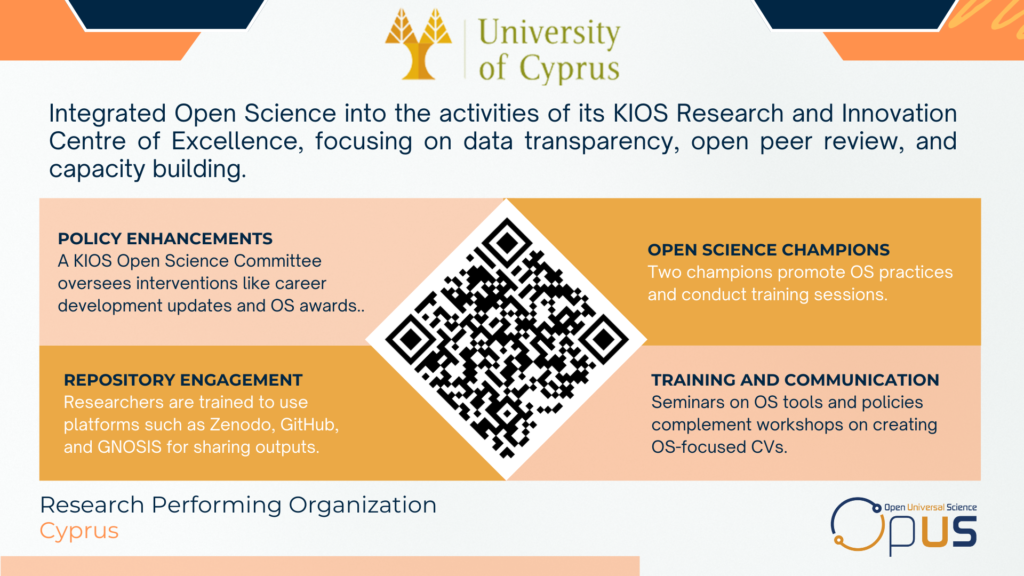
Integrated Open Science into the activities of its KIOS Research and Innovation Centre of Excellence, focusing on data transparency, open peer review, and capacity building.

  • Policy Enhancements: A KIOS Open Science Committee oversees interventions like career development updates and OS awards.
  • Open Science Champions: Two champions promote OS practices and conduct training sessions.
  • Repository Engagement: Researchers are trained to use platforms such as Zenodo, GitHub, and GNOSIS for sharing outputs.
  • Training and Communication: Seminars on OS tools and policies complement workshops on creating OS-focused CVs.
y

The university’s rapid development, despite its relatively young age, has highlighted its deepening collaborations and growing impact on the broader Cypriot research community. A key milestone came in 2008 when the University of Cyprus became the first institution in the country to sign the Berlin Declaration on Open Access to Knowledge in the Sciences and Humanities. Since then, the university has been a driving force in promoting open science principles both institutionally and nationally.

Two achievements particularly stand out. First, the university played an instrumental role in shaping national policy, which led to the adoption of Cyprus’s open science frameworks in 2016 and again in 2022. These frameworks were the result of extensive collaboration with key government bodies, including the Deputy Ministry of Research, Innovation and Digital Policy. Second, the university library holds a unique position as the sole national Open Access Desk for OpenAIRE in Cyprus. Over the years, it has evolved into a trusted knowledge hub, regularly engaging researchers through webinars, conferences, and information days.

As part of its practical efforts, the University of Cyprus has implemented policies aligned with European and global standards, established vital research infrastructure such as the Gnosis repository, and actively contributed to initiatives like Zenodo and CoARA. These actions underscore the university’s commitment to embedding open science within its research culture.

While significant progress has been made, the path ahead remains long and complex, requiring a shift in research culture that has developed over decades. Nonetheless, the university remains committed to continuing this transformation, for the benefit of a more transparent, inclusive, and equitable research landscape.

Despite challenges, such as the need for better recognition of peer review contributions and locally relevant research, the University of Cyprus is committed to refining its processes and contributing to the broader research community’s understanding of open science assessment.

Read more articles about the University of Cyprus impact:

A Fundamental Shift in How Researchers are Assessed

Through their involvement in the OPUS project, research organisations are driving a fundamental shift in how research and researchers are assessed. By focusing on open science, societal impact, and responsible research practices, the OPUS project is helping to create a more inclusive and forward-thinking research environment across Europe.

The results from these pilots are being compiled into policy briefs and thematic workshops, which will help raise awareness, build trust, and promote the uptake of open science across the research community.

UEFISCDI in Romania, OPUS Pilot Implementation
UEFISCDI in Romania, OPUS Pilot Implementation 1024 768 Open and Universal Science (OPUS) Project

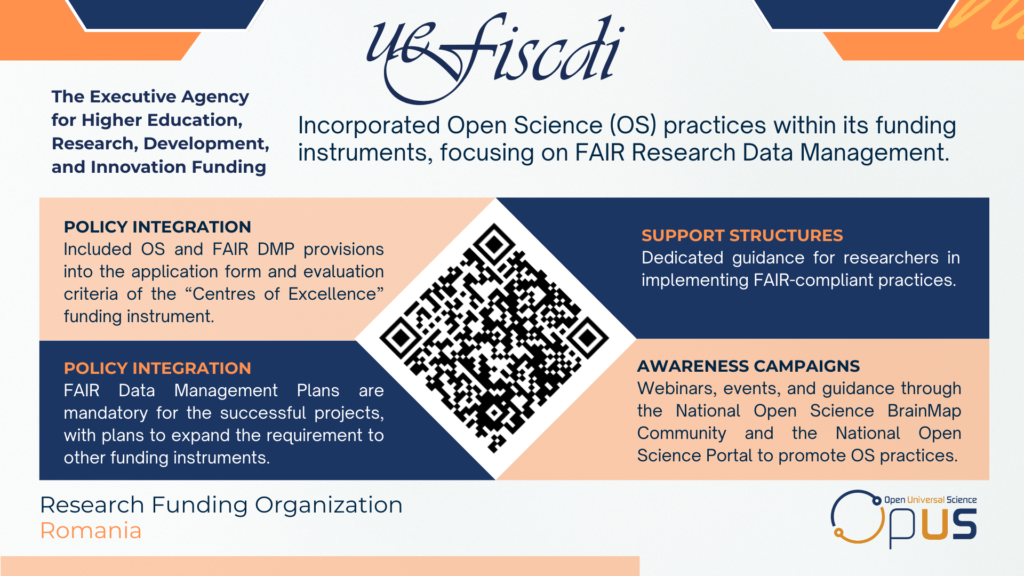
As a funder, the Executive Agency for Higher Education, Research, Development and Innovation Funding of Romania piloted the integration of Findable, Accessible, Interoperable, and Reusable data principles into funding instruments, focusing on data management plans and Open Science requirements. Activities included developing a tailored data management plan template and establishing a task force to explore Open Science integration in funding instruments.

Impact: The Executive Agency for Higher Education, Research, Development and Innovation Funding of Romania’s work provided evidence for scaling Open Science practices to other funding programmes.

The Executive Agency for Higher Education, Research, Development, and Innovation Funding (UEFISCDI) has taken a national-level approach to its involvement in the OPUS project, reflecting its role as Romania’s main funder of competitive research and the national support entity for Open Science. The pilot aimed to advance Romania’s National Open Science Strategy, with particular emphasis on implementing FAIR (Findable, Accessible, Interoperable, and Reusable) DMP.

Integrating Open Science into Funding Instruments
A significant milestone of the pilot was the introduction of Open Science and FAIR DMP requirements into one of UEFISCDI’s major funding programmes, with a total budget of €320 million. For the first time, applicants were required to explicitly detail their Open Science practices and outline their plans for managing research data according to FAIR principles. If the proposal is funded, the beneficiary must develop a data management plan (DMP) within the first six months of implementation. This programme  is expected to fund 20–24 projects over five years, involving approximately 200–240 researchers.  The duration of the projects is five years, with a possible extension of up to two years.

Key Intervention Areas
The pilot’s intervention points included several important activities that were implemented:

  • Policy intervention: Seeking approval to incorporate FAIR DMPs into the funding instrument. 
  • Policy intervention: Including FAIR DMP provisions into the application form and evaluation criteria of the funding instrument.
  • Awareness Intervention: Developing information package (incl. about DMPs) for researchers applying to the program call.
  • Resource Intervention: Develop DMP template for researchers in the program call.

Despite some delays during the evaluation phase of the projects UEFISCDI anticipates that grant contracts will be signed by summer 2025.

Future Developments
Looking ahead, UEFISCDI is preparing DMP related specifications to adapt its national institutional platformse.g. BrainMap, which connects over 65,000 researchers and project reporting/monitoring platform. Approval institutional processes for these adjustments are underway. This aligns with broader efforts to develop a new researcher profile within BrainMap platformthat supports Open Science practices.

In the upcoming period, the DMP template will be tested with researchers from the RDI and OS communities and adjusted based on their feedback.

Expanding Impact Beyond OPUS
The pilot’s success has already influenced other funding instruments. Open Science and FAIR DMP requirements have been integrated into two additional funding programmes. The information packages for these funding instruments were put into public consultations. The related funding competitions are currently being prepared.  This represented a significant step forward in aligning national research funding practices with broader Open Science practices and the provisions of the
National Strategy on Research, Innovation, and Smart Specialisation (2022–2027) and national OS strategic framework.

Enhancing Research Assessment

The Executive Agency for Higher Education, Research, Development, and Innovation Funding (UEFISCDI) in Romania is making significant strides in modernizing research assessment through its participation in the OPUS project. As one of the pilot organizations testing the OPUS Research Assessment Framework, UEFISCDI is focused on introducing interventions and indicators that incentivize and reward researchers for adopting open science practices.

UEFISCDI is the primary funding body for competitive research in Romania and serves as a key policy advisor to the Ministry of Education and the Ministry of Research. The organization plays a crucial role as a national hub for open science, supporting the development and implementation of related policies. This commitment is reflected in its rigorous and robust research assessment process, which incorporates international peer review and advanced digital platforms.

One of the agency’s notable strengths lies in its comprehensive research assessment procedures, which balance quantitative and qualitative indicators. The use of platforms like Brainmap, which boasts over 60,000 registered accounts from researchers worldwide, and the UDiManager and eVoks platforms, has significantly streamlined operations, improving data accuracy and efficiency.

Despite these advancements, UEFISCDI faces challenges, including ensuring sustainable funding in a competitive environment, balancing different assessment criteria, and reducing administrative burdens. The agency recognizes the need to shift away from traditional metrics like journal impact factors and is working closely with the research community to introduce new practices and indicators.

The OPUS framework has already influenced UEFISCDI’s approach to research assessment, prompting the introduction of new indicators in pilot funding calls, such as those for centers of excellence. The framework also aligns with ongoing efforts in other projects like the GRASP-OS, where UEFISCDI is developing a new researcher profile model that emphasizes openness and responsible research assessment.

Through these initiatives, UEFISCDI is positioning itself at the forefront of research assessment reform, aligning with European and international standards to foster a more open and innovative research environment in Romania.

UEFISCDI’s Role in Advancing Open Science in Romania

Through its participation in OPUS, UEFISCDI has laid a strong foundation for advancing Open Science practices in Romania. The integration of FAIR DMP into funding mechanisms (including evaluation criteria) marks a transformative step in modernising research assessment. With ongoing efforts to expand Open Science requirements across funding instruments, UEFISCDI is poised to ensure that the impact of OPUS endures well beyond its formal conclusion.

The Executive Agency for Higher Education, Research, Development, and Innovation Funding (UEFISCDI) is playing a key role in promoting and implementing open science practices in Romania. As a key participant in the Open and Universal Science (OPUS) project, UEFISCDI is one of the pilot organisations testing new frameworks for assessing research, with the goal of encouraging and rewarding researchers for embracing open science principles. As Romania’s main funder of competitive research, UEFISCDI is well-positioned to drive these changes.

Shaping Open Science Policy and Strategy

Since 2018, UEFISCDI has led the creation of Romania’s Open Science Knowledge Hub, a central resource aimed at promoting and guiding open science across the country. The agency has played a crucial part in coordinating the National Open Science Strategic Framework and providing policy recommendations, which have been integrated into Romania’s National Strategy on Research, Innovation, and Smart Specialisation (2022–2027). In addition, UEFISCDI’s proposals to support open science were included in the National Plan for Research, Development, and Innovation, which is the primary tool for implementing the broader strategy.

Video Link: https://youtu.be/L5gTu0EDatg?feature=shared

Raising Awareness and Building Capacity

To support the transition to open science, UEFISCDI has developed various guidance documents on key topics like citizen science, open access publishing, and research data management in line with FAIR principles (Findable, Accessible, Interoperable, and Reusable). These resources are available on both the national open science portal and UEFISCDI’s website. In December 2022, the agency launched a dedicated open science portal and created an open science community on its BrainMap platform.

UEFISCDI is also actively working to raise awareness and build capacity for open science across the research community. It regularly organises national webinars and events, engaging a broad range of stakeholders to promote best practices in open science and foster collaboration within Romania’s research ecosystem.

Collaborating with European and International Initiatives

UEFISCDI’s efforts are supported by its involvement in various European and international initiatives. The agency is part of OpenAIRE, the Research Data Alliance (RDA), and serves as an observer in the Young European Research Universities Network (YERUN). UEFISCDI also collaborates with Science Europe, UNESCO, and COARA on policies related to open science and innovation. These international partnerships offer valuable opportunities for sharing knowledge and developing policies that are aligned with European and global standards.

Supporting Open Science Through OPUS and Other Projects

As part of the OPUS project, UEFISCDI is testing new research assessment criteria within its funding programmes. One of the most significant changes is the introduction of mandatory data management plans for funded projects, which must follow the FAIR principles. This is a first for Romania, marking a major step toward integrating open science into research funding processes.

While introducing these new criteria has posed some challenges at the institutional level, UEFISCDI is working through these obstacles with the support of the OPUS project and other European-funded initiatives focused on open science. These efforts are helping to foster a more open and transparent research culture in Romania.

Advancing Open Science in Romania: From Shaping National Policy to Implementing New Practices 

UEFISCDI is at the forefront of advancing open science in Romania, from shaping national policy to implementing new practices through projects like OPUS. By promoting collaboration, raising awareness, and building capacity, UEFISCDI is transforming the Romanian research landscape and driving progress towards greater openness and innovation. Through its continued efforts, the agency is helping ensure that Romania stays aligned with European and global developments in open science.

Insights about Open Science development in Romania: a Funding Agency perspective

Discover how a main funder of competitive research is reshaping Romania’s research landscape through Open Science. From leading national strategies to aligning with global initiatives, UEFISCDI pioneers innovative practices, fostering collaboration. Learn about their milestones, challenges, and vision for a future where Open Science and equitable research assessment drive scientific excellence.

Research Council Lithuania
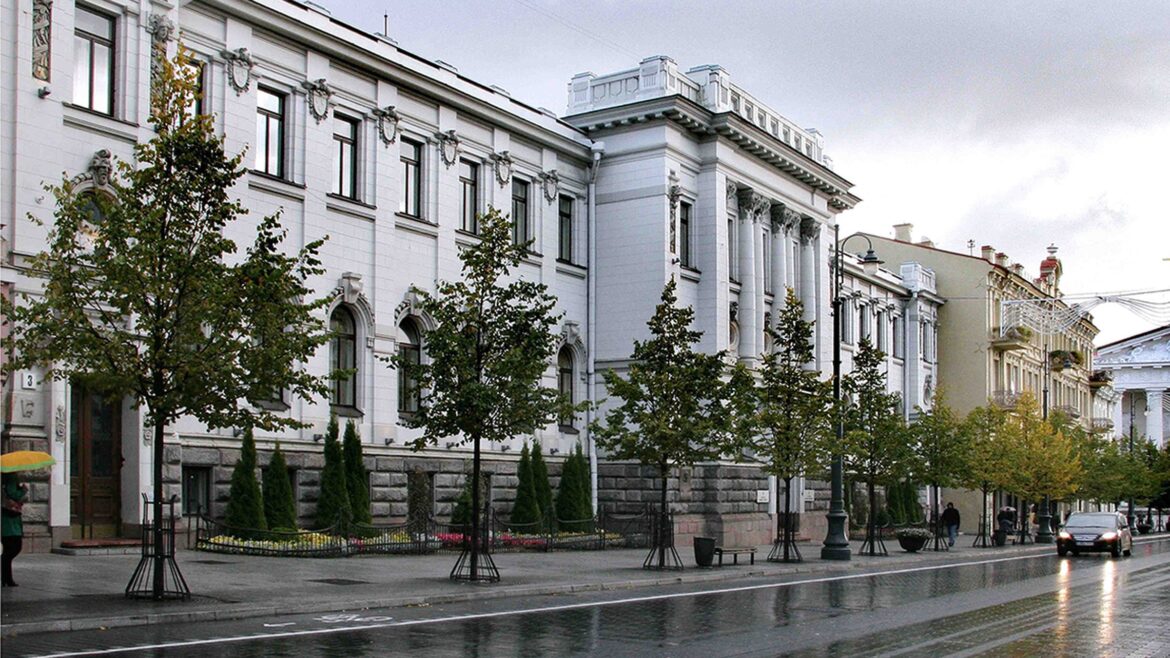
Research Council Lithuania 1024 683 Open and Universal Science (OPUS) Project

The Research Council of Lithuania faced delays in its initial call for projects but adapted by revising its action plan and creating an Advisory Board. The council focused on training principal investigators, implementing Open Science indicators in grant evaluations, and enhancing researcher engagement.

Impact: The Research Council of Lithuania’s adaptability highlighted the importance of flexibility in piloting new initiatives.

Best Practices and Solutions for Researcher Assessment Framework Indicators and Interventions

  • Policy Development: Create internal Open Science guides and involve researchers in policy approval processes.
  • Resource Allocation: Establish dedicated Open Science support centres and leverage existing expertise.
  • Awareness and Training: Organise Open Science Cafés and interactive workshops to build a community of practice.
  • Data Management and Repositories: Centralise research outputs using Current Research Information Systems and adopt external repositories to reduce costs.
  • Engagement and Collaboration: Use Mutual Learning sessions to share practical solutions and highlight success stories.
  • Research Council of Lithuania introduced an Open Science Ambassadors initiative, aiming to institutionalise OS leadership by June from their existing cohort members.

The Research Council of Lithuania (RCL) has been actively advancing its OPUS pilot programme, focusing on three core areas: research, education, and valorisation. Since the last mutual learning meeting in Bucharest, the Council has made significant progress in fostering Open Science practices across Lithuanian research institutions.

Structure and Cohort Engagement
The pilot involves a cohort of 23 principal investigators (PIs) selected through a single call, representing six research institutions in Lithuania. To enhance coordination and impact, RCL established an Advisory Board comprising four members, including the Executive Director, whose high-level involvement has proven instrumental despite not being initially planned. Monthly meetings with the cohort have been pivotal in maintaining engagement among researchers from diverse scientific fields. Setting the full calendar of meetings at the start of the year has ensured consistent participation.

Indicators and Progress
The pilot is testing specific OPUS indicators across three categories:
Research
Data Management Plans (DMPs):
 Embedded into the application process, applicants are required to submit DMPs if their projects involve data usage. However, these plans are rarely evaluated—a gap RCL aims to address by introducing guidance and templates by May. Selected DMPs will also be made public as examples of good practice.
Open Access Publications: Articles are being collected for evaluation, with openness assessments scheduled by May.

Education
Open Science Skills Certificates:
 A “training of trainers” workshop was conducted for cohort members and Advisory Board participants. These trained researchers are now expected to deliver sessions within their institutions using provided materials.
Open Science Courses: Approximately 81% of institutions have already begun offering training on Open Science practices, covering topics such as open access, policy landscapes, and citizen science. Practical workshops have encouraged researchers to envision Open Science in Lithuania by 2030.

Valorisation
Sharing Open Science Knowledge: 
Researchers are documenting institutional training sessions informally through photos and participation numbers while tagging RCL and OPUS on social media—a flexible approach welcomed by participants.

Achievements and Future Goals
The pilot has fostered significant dialogue between funding organisations and research-performing institutions. Initially, researchers expressed frustration over issues such as open access requirements and funding constraints. However, constructive discussions have since emerged, leading to greater engagement in policy development.
One notable outcome is the anticipated training impact: by May 31, up to 5,285 individuals may have received training within Lithuanian institutions—a remarkable achievement if realised. Additionally, cohort members participated in the Inside Trust Barometer survey, sparking valuable conversations about trust in Open Science despite challenging results.

Sustaining Momentum Beyond OPUS
RCL is developing a programme for Open Science Ambassadors to be announced in June, ensuring continued engagement beyond the pilot’s conclusion. The Advisory Board’s involvement has embedded Open Science practices into institutional frameworks, with outcomes feeding directly into new projects at RCL.

Citizen science remains an area for growth; many researchers were unfamiliar with effective public engagement strategies—a challenge that RCL views as an exciting opportunity for development.
In summary, the OPUS pilot has catalysed transformative change within Lithuania’s research landscape. By addressing gaps in data management evaluation, expanding training programmes, and fostering constructive dialogue among stakeholders, RCL is laying the groundwork for sustained progress in Open Science practices across the nation.

Webinar “Gender Equality (GE) and Open Science (OS) in Research(er) Assessment (RA)
Webinar “Gender Equality (GE) and Open Science (OS) in Research(er) Assessment (RA) 980 735 Open and Universal Science (OPUS) Project

On 5 June 2024, the Vilinius University (VU), in cooperation with UNESCO, hosted an online workshop on Gender Equality (GE) and Open Science (OS) in Research(er) Assessment (RA). The session, held within the OPUS consortium, explored the relationship between GE and OS in RA, encouraging participants to reflect on the topic and agree on potential actions to be implemented during the second stage of the pilots’ work.

Ahead of the event, the five pilot organisations were invited to complete a survey outlining their policies, actions, and indicators for monitoring GE and OS implementation.

The aim was twofold:

  1. To understand the current landscape across pilots regarding GE and OS in RA.
  2. To explore how these two dimensions could be better integrated into pilot organisations’ ongoing and future action plans.

Setting the Scene: UNESCO Perspectives

The workshop began with an introduction from the UNESCO moderator, who provided an overview of the international frameworks shaping research assessment:

  • UNESCO Recommendation on Science and Scientific Researchers (RSSR, 2017) — emphasising that gender equality is not a peripheral matter but central to research integrity, excellence, and fairness. Institutions are encouraged to embed these values into evaluation and promotion processes.
  • UNESCO Recommendation on Open Science (2021) — pointing out that traditional indicators, such as journal impact factors, are insufficient. Research assessment should integrate OS criteria to promote a more collaborative, impactful, and equitable research culture.
  • Gender mainstreaming in research policy and practice — calling on research-performing and funding organisations to foster inclusive organisational cultures by removing structural barriers that disadvantage women and socially marginalised groups. This includes ensuring equal opportunities through recruitment, promotion, and evaluation processes.

The introduction underlined that both GE and OS share a common aim: to make the research system more equitable, transparent, and accessible. OS encourages practices such as open peer review, collaborative research, and citizen science, which align with GE objectives, valuing often under-recognised forms of labour typically undertaken by women. Therefore, including OS indicators (e.g. data sharing, open access publishing, citizen engagement) in assessment systems can help better reflect diverse contributions and support gender equality.

Survey Findings: Where We Stand

The four key takeaways from the pre-workshop pilot survey were:

  1. Existing GE policies, but limited integration with OS
    All pilots had GE plans supported by policies and tools such as harassment prevention mechanisms (e.g., Whistleblower Portals, Codes of Conduct), disability inclusion measures, and equal opportunity experts.
    However, OS dimensions were not incorporated into these GE plans. Only one OS policy across two pilots included a GE dimension, focusing on open access (OA) to publicly funded research as a means of removing barriers, increasing transparency, and enhancing knowledge sharing.
  2. Support for women’s visibility and careers
    Policy documents frequently emphasised improving women’s visibility in public life and supporting their career prospects through measures promoting work–life balance.
  3. Partial integration of GE into OS Action Plans
    As pilots developed Action Plans for OS in RA, the survey asked whether GE had been included.
    • Two pilots reported collecting and analysing gender-disaggregated data for relevant indicators.
    • Only one pilot confirmed applying the gender lens to OS outputs (e.g., publications, datasets, software). Others were hesitant, citing a lack of suitable indicators or the belief that they were already collecting gender-disaggregated data.
    • Data was generally collected in a binary gender format. Where non-binary individuals participated, they were often excluded from publication metrics. Potential OS-linked GE indicators could include gender breakdowns of:
      • OS staff members
      • Citizen science workshop participants
      • OS trainers
      • Publications or repositories accessed by researchers
  4. Training gaps and needs
    Out of the four survey respondents, only one had received training on GE. Most expressed a strong interest in training, suggesting topics such as:
    • Basic GE concepts
    • Unconscious bias
    • Gender dimensions in social research
    • Guidelines for gender mainstreaming

Pilots also flagged missing institutional/national support, especially mentoring for early-career women and underrepresented groups, and called for measures for work–family balance, intersectional policies, and integration of gender perspectives in research funding.

Workshop Discussion: Recommendations for Action

The brainstorming session and critical discussion led to several key recommendations for pilots to consider in their second-stage Action Plans:

  • Address power dynamics and bias in OS-related practices, for example, by analysing who benefits from Golden OA publishing in their institutions.
  • Integrate more OS dimensions (such as datasets) into RA and link them clearly to career progression.
  • Revise or create policies that actively promote GE in research, education, leadership, and/or valorisation — with an OS component.
  • Assign dedicated staff or resources to support women in targeted activities (again, with an OS link).
  • Collect GE-disaggregated data on OS-related activities in research, education, leadership, and/or valorisation.
  • Raise awareness of GE issues within RA and OS, and in the conduct of related activities.
  • Integrate GE considerations into OS training programmes.

Next Steps

Given the positive feedback from the pilots and their willingness to undergo further training, the consortium agreed to organise a public workshop on GE and OS in RA in the following year, offering a broader platform for capacity building and exchange.

Two Horizon Europe-funded projects: OPUS and SECURE presented in Croatia
Two Horizon Europe-funded projects: OPUS and SECURE presented in Croatia 1024 498 Open and Universal Science (OPUS) Project

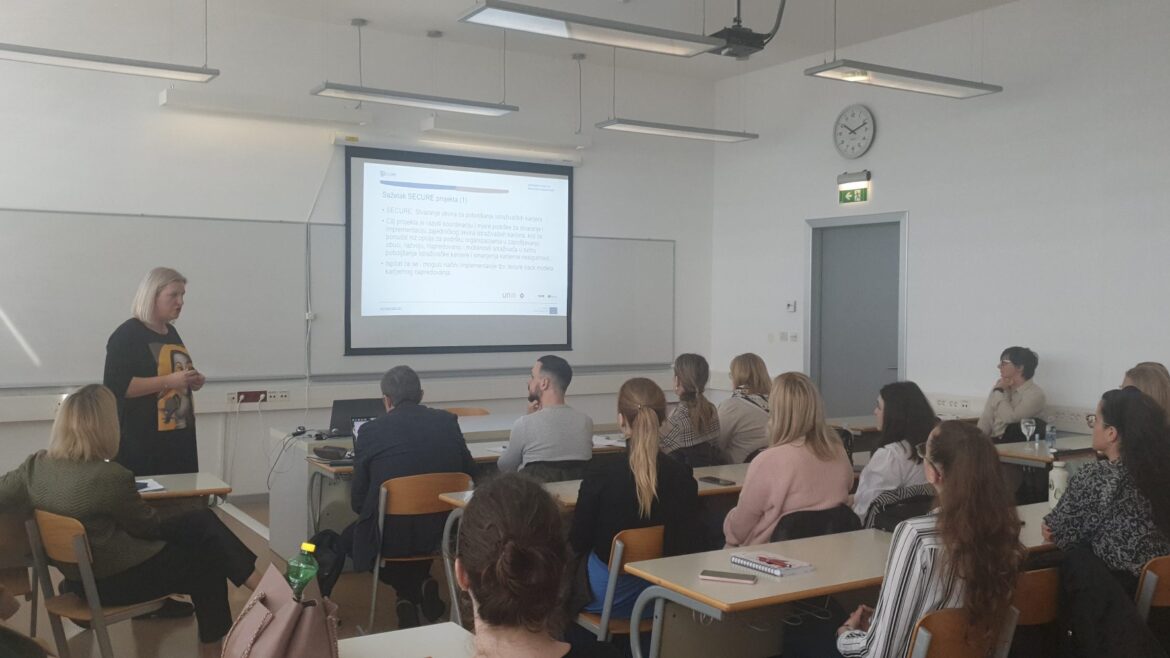
On Friday, 1 March 2024, an event was held at the University of Rijeka Campus to present activities carried out within the framework of two Horizon Europe-funded projects, Open Universal Science (OPUS) and Sustainable Careers for Researcher Empowerment (SECURE).

Nataša Jakominić Marot, MBA, Head of the University Centre for Research and Innovation, opened the event by outlining its purpose alongside the aims and activities of the OPUS and SECURE projects. She highlighted the importance of the OPUS project, which is developing coordination and support measures for reforming the assessment of research and researchers. Its goal is to establish a system that encourages and rewards researchers for adopting open science practices, as well as developing transferable skills such as communication, team leadership, and management.

As she emphasised, projects like SECURE also play a crucial role in creating frameworks to improve research careers. A further focus of this project is supporting organisations in the recruitment, training, development, progression, and international and intersectoral mobility of researchers, with the aim of reducing career insecurity.

Professor Dr Saša Zelenika, Vice-Rector for Strategic Projects, pointed out the obvious challenges presented by the current structure for assessing scientific activity, which raises legitimate questions about the need for reform in research evaluation. Indeed, evaluation is a key process for ensuring quality, not only guaranteeing the creation of new knowledge and public accountability, but also promoting economic and societal progress. However, the present system of assessment is based on the quantity and place of publication of scientific papers, rather than on the quality and usefulness of the research itself.

Ivana Dorotić Malič from the University Library, presenting OPUS activities of the Centre for Open Science and Scientific Information Management, highlighted, among other things, the importance of research into how open science impacts modes of scientific communication and how access to scientific information can be supported through archives and other tools.

Associate Professor Dr Vedrana Mikulić Crnković, Head of the Centre for the Popularisation and Promotion of Science, drew attention to the significance of sharing knowledge and communication, which are increasingly important aspects of modern society in the digital age. In this context, she presented OPUS activities, particularly emphasising the virtual SOCRI as an innovative platform for open scientific communication, designed to stimulate the exchange of best practices, experiences, ideas, and knowledge among scientists worldwide. This platform represents an innovative solution for fostering open scientific dialogue and strengthening the links between researchers and the wider public.

The event concluded with a presentation of OPUS activities by colleagues from the Faculty of Law, where Dr Dejana Golenko and Professor Dr Ivana Kunda outlined the faculty’s activities focusing on open science. They highlighted the views of researchers and information specialists, who believe that e-publishing, online dissemination, databases, and bibliometric indicators will facilitate faster and free dissemination of scientific information.

Learn More

OPUS Workshop in Brussels: How do we transform open science principles into practical researcher assessment frameworks that institutions can actually implement? 
OPUS Workshop in Brussels: How do we transform open science principles into practical researcher assessment frameworks that institutions can actually implement?  1024 768 Open and Universal Science (OPUS) Project

On 6-7 February 2023, OPUS project consortium members gathered in Brussels for an intensive two-day workshop centred on one fundamental question: how can open science principles be transformed into practical researcher assessment frameworks that institutions can genuinely implement?

The workshop brought together pilot organisations from across Europe, including research performing organisations (RPOs) and research funding organisations (RFOs), to move beyond theoretical discussions and tackle the real-world challenges of integrating open science into researcher evaluation processes.

Setting the Stage to Establish a Researcher Assessment Framework

The OPUS Brussels workshop wasn’t just another project meeting. It represented a critical juncture where high-level policy ambitions meet institutional reality. As coordinator’s opened the session, three key objectives were laid out:

  1. Assess the current status of open science practices across pilot partners through comprehensive questionnaire results
  2. Develop practical frameworks for interventions and indicators that institutions could realistically implement
  3. Create actionable templates for Action Plans that would guide pilot organisations through their open science transformation

The ultimate goal was ambitious yet practical: to establish a researcher assessment framework that could bridge the gap between open science policy and everyday academic practice.

The Questionnaire Revelations

The morning session revealed fascinating insights from the pilot organisations, each representing different national contexts and institutional approaches to open science.

Universidade Nova de Lisboa (UNL) showcased Portugal’s emerging approach: while research data management remained largely at the recommendation stage, there was clear intention to formalise policies through the OPUS project. The institution had promising citizen science initiatives but lacked comprehensive policy frameworks. Perhaps most intriguingly, they were planning internal monetary awards for open science practices and had established a social science faculty group to drive institution-wide engagement.

University of Cyprus (UCY) presented a more developed landscape with budget provisions for open access and data curation already in place. Their commitment to implementing CoARA principles (Coalition for Advancing Research Assessment) demonstrated serious institutional buy-in, though they acknowledged resistance from senior researchers and the need for carefully targeted communication strategies.

University of Rijeka (UNIRI) brought the Croatian perspective, benefiting from strong national open science infrastructure. As early signatories of both DORA and CoARA, they had already established an open science policy adopted by the university senate. Their diamond access model for nationally funded journals and dedicated Centre for Open Science within the library showed institutional commitment in action.

Research Council of Lithuania (RCL) highlighted the challenges facing research funders, particularly around predatory journal identification and the practical difficulties of implementing guidelines. Their involvement in multiple EU projects (RESTORE, FOSTER, OpenAIRE) demonstrated extensive experience, though resource constraints remained a significant barrier.

Romanian Executive Agency for Higher Education, Research, Development and Innovation Funding (UEFISCDI) represented national-level coordination, with a comprehensive R&I strategy mandating open access for publicly funded publications and FAIR data principles. Their involvement in Coalition S and multiple international initiatives showed commitment, though implementation challenges persisted.

Framework Development: From Theory to Practice

The afternoon session tackled the complex task of developing practical frameworks. The consortium agreed on a three-step approach:

  1. Create a researcher assessment framework with concrete indicators
  2. Develop targeted interventions based on these indicators
  3. Establish metrics to measure intervention effectiveness

A key insight emerged: rather than reinventing the wheel, OPUS would build upon existing frameworks like OS-CAM (Open Science Career Assessment Matrix), incorporating principles from DORA, the Leiden Manifesto, and CoARA to create something both comprehensive and implementable.

Connecting Concept to Reality

The second day focused on the crucial challenge of connecting framework concepts to institutional reality. A pragmatic approach emerged: start with existing activities within institutions, monitor what’s already happening, then strategically add new elements.

Gordon’s insight from the GRRIP project (Gordon Dalton, GRRIP Project Coordinator) proved invaluable: institutions should focus on “low-hanging fruit” rather than attempting overly ambitious transformations. The most successful institutional changes came from selecting achievable interventions and building momentum through early wins.

Cultural Change as the Foundation

A critical discussion emerged around the role of cultural change in open science adoption. John Crowley’s contribution highlighted the theory of change: awareness → engagement → institutional and individual transformation. This insight shaped OPUS’s focus on the first two stages, recognising that lasting change requires more than policy mandates.

The workshop identified trust-building as essential, recommending dedicated working groups involving representatives across seniority levels and departments, researchers, administrators, librarians, and management.

Action Plan Development

The final session tackled the practical matter of the OPUS Action Plan templates. Key elements emerged:

  • Institutional context descriptions, including roles in researcher assessment
  • Logic explanations for intervention choices
  • Resource allocation (often limited to staff time rather than additional budget)
  • Risk assessment and mitigation strategies
  • Industry engagement components for sustainability

A crucial decision was made to keep Action Plans concise and focused, building on existing institutional structures rather than requiring wholesale system overhauls.

Key Insights and Takeaways

The Implementation Reality Check

Perhaps the workshop’s most valuable contribution was its honest assessment of implementation challenges. Participants acknowledged that:

  • Many institutions already have open science interventions but haven’t integrated them into researcher assessment
  • Senior researcher resistance remains a significant barrier requiring strategic communication
  • Resource constraints limit what pilot organisations can realistically achieve
  • Cultural change takes time and requires carefully planned, trust-building approaches

Building on Existing Foundations

Rather than starting from scratch, the workshop emphasised building on existing initiatives. This pragmatic approach recognised that sustainable change comes from enhancing current practices rather than replacing entire systems.

The Power of Mutual Learning

The mutual learning approach emerged as a key success factor. Institutions facing similar challenges could learn from each other’s experiences, share practical solutions, and build collective momentum for change.

From Brussels to Implementation

The Brussels workshop established the foundation for OPUS’s practical phase. The frameworks developed would undergo monthly iterations with pilot feedback, ensuring they remained grounded in institutional reality while advancing open science goals.

Most importantly, the workshop demonstrated that meaningful change is possible when policy ambitions are matched with practical wisdom, institutional commitment, and realistic timelines. The pilot organisations left Brussels not just with frameworks and templates, but with a shared understanding of how to make open science researcher assessment a reality.

The journey from policy to practice had begun in earnest, with Brussels serving as the crucial waypoint where ambitious visions met implementable realities.


The OPUS Brussels workshop exemplified collaborative policy development at its best, bringing together diverse stakeholders, acknowledging real constraints, and focusing on achievable solutions that could create lasting change in how we assess and reward researchers in the open science era.

  • 1
  • 2
Privacy Preferences

When you visit our website, it may store information through your browser from specific services, usually in the form of cookies. Our Privacy Policy can be read here.

Here you can change your Privacy preferences. It is worth noting that blocking some types of cookies may impact your experience on our website and the services we are able to offer.

Click to enable/disable Google Analytics tracking code.
Click to enable/disable Google Fonts.
Click to enable/disable Google Maps.
Click to enable/disable video embeds.
Our website uses cookies, mainly from 3rd party services. Define your Privacy Preferences and/or agree to our use of cookies.