#OpenScience

Can Science Be More Equitable So That Everyone Enjoys the Benefits? Open Science is the Answer
Can Science Be More Equitable So That Everyone Enjoys the Benefits? Open Science is the Answer 150 150 Open and Universal Science (OPUS) Project

The concept of open science is gaining increasing recognition as a way to accelerate progress towards the Sustainable Development Goals. From 8 to 10 February 2023, policy-makers, researchers, scholars, librarians, publishers and others have met in New York at the third United Nations Open Science Conference to discuss how open science can drive progress towards achieving these goals. This conference was organized by the Dag Hammarskjöld Library in collaboration with UNESCO and the UN Department of Economic and Social Affairs.

The conference focused on a burning question: how can we make the practice of science more equitable and more transparent to ensure that everyone enjoys the benefits? Despite the best intentions of individual researchers and institutions, most new knowledge is available to a minority of readers and the scientific process itself is often opaque. Investment in research infrastructure, research funding processes and research prioritization are all masked within boundaries set by disciplines or institutional and national practices, with limited transparency and engagement.

Over 60% of research articles published over the past decade on the topic of climate change and nearly 50% of those related to biodiversity are still locked behind paywalls, even though climate change and biodiversity loss are considered existential challenges for humanity. This creates a paradox, as the right to access science and its benefits was set out in the 1948 Universal Declaration of Human Rights. Despite more than 70 years having passed since the declaration was made, science is still struggling to meet its social contract.

A growing number of scientists and non-scientists now acknowledge that this barrier is not only holding back individual scientists but is also holding back scientific progress and the vital solutions needed to tackle climate change, biodiversity loss, health pandemics, and other pressing challenges. Scientists and non-scientists from all over the world have endorsed the idea of a global transition to open science.

Audrey Azoulay, Director-General of UNESCO, has observed that “Today, closed science models no longer work because they amplify inequalities between countries and researchers and because they only make scientific progress available to a minority.” She made this point in a Joint Appeal for Open Science with UNESCO, the World Health Organization, and the United Nations High Commissioner for Human Rights on 27 October 2020.

In 2020, at the start of the COVID-19 pandemic, Azoulay launched an ambitious global effort to establish the Recommendation on Open Science, the first international framework on open science. This was adopted by 193 member states in November 2021. The UNESCO Recommendation defines the norms, values, principles, and actions for achieving open science for all. Before the Recommendation, there was no universal definition of open science, and standards existed only at regional, national or institutional levels. Now, we have a shared framework and a set of actions to take across the four key pillars of openness: open scientific knowledge; open science infrastructures; open engagement of societal actors; and open dialogue with other knowledge systems.

Open science means opening up among scientists, across borders, between disciplines and beyond single communities. Bringing this vision to reality requires coordinated efforts by all. To support these efforts, UNESCO launched in December 2022 its Open Science Toolkit, a collection of resources designed to support the implementation of the UNESCO Recommendation on Open Science.

Open science has real costs, just like standard science. Ensuring that those costs are not passed onto marginalized scientists and do not disproportionately affect low-resource regions will require extra attention. Yet, none of those costs are insurmountable, particularly when funds are redirected from closed to open scientific practices.

The COVID-19 pandemic demonstrated that the scientific community can come together and beat paywalls to share science. Several institutions, major publishers, and governments acted swiftly to share publications, databases, methods, and tools in order to overcome the challenge and help the humanity.

Click here to read more by Shamila Nair-Bedouelle, Assistant Director-General for Natural Sciences, UNESCO
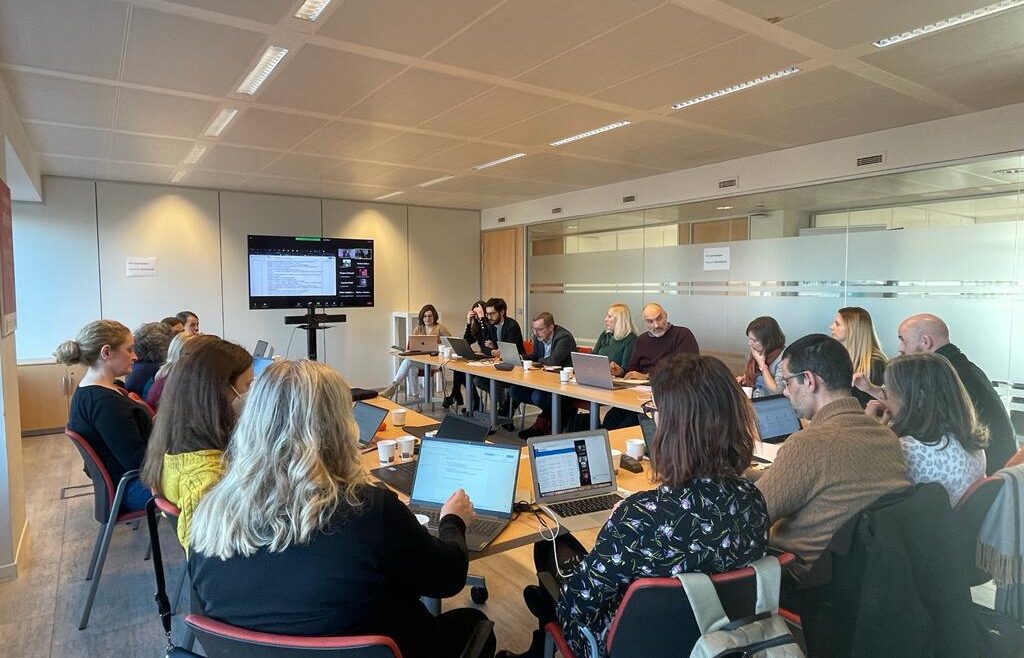
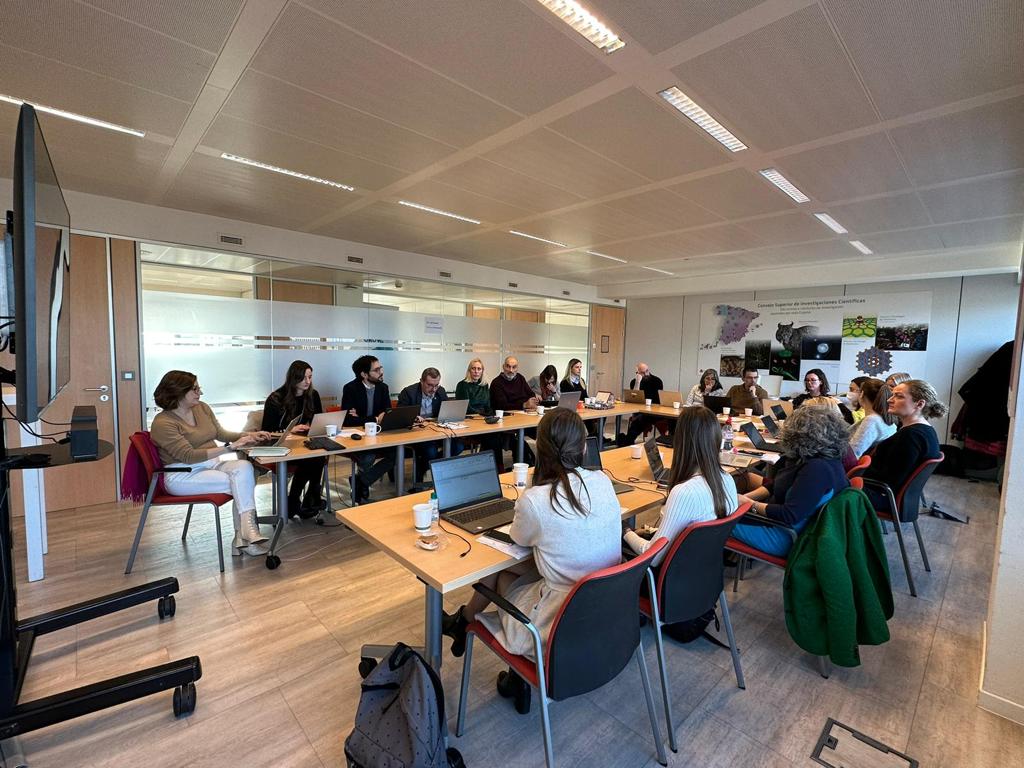
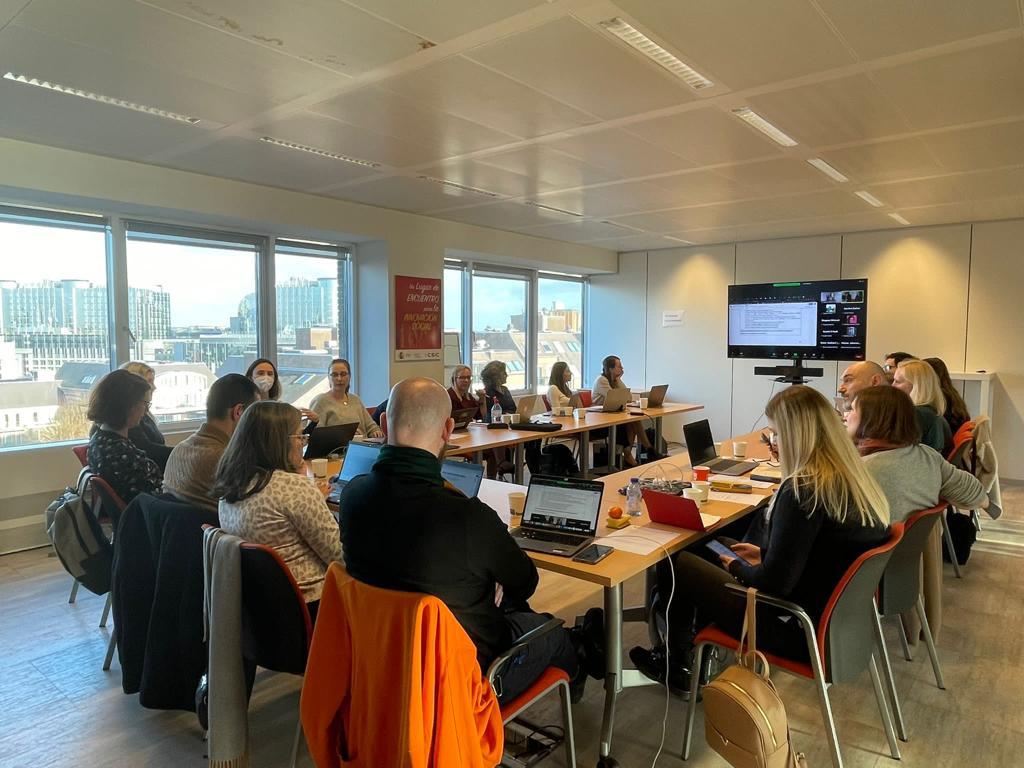
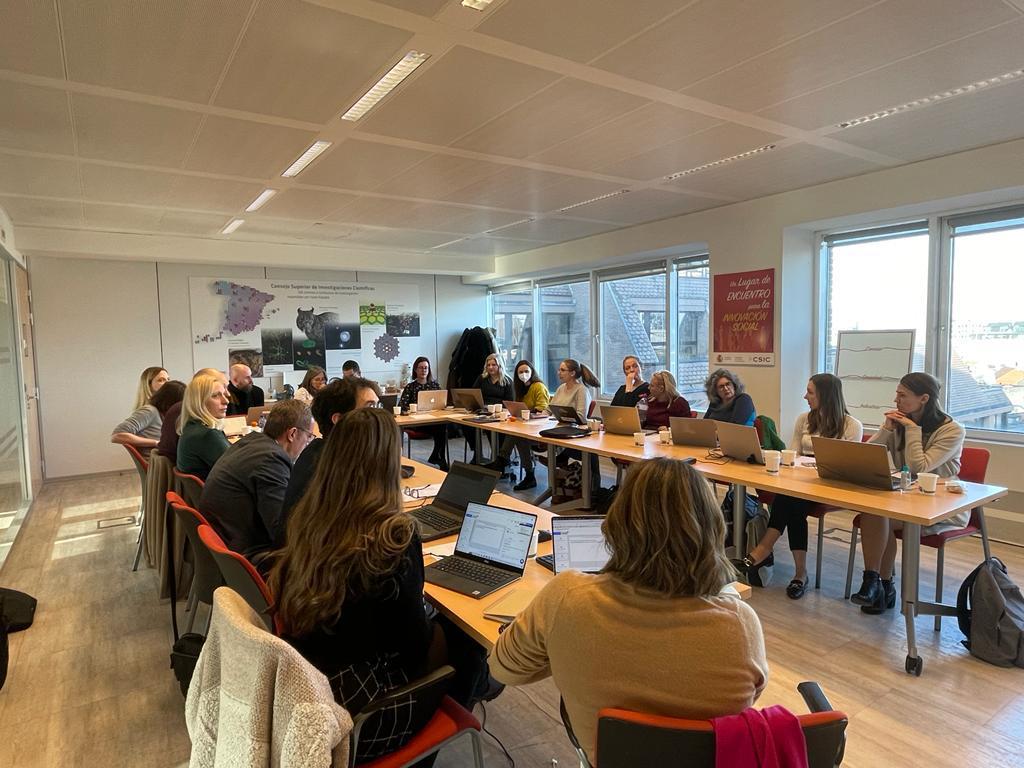
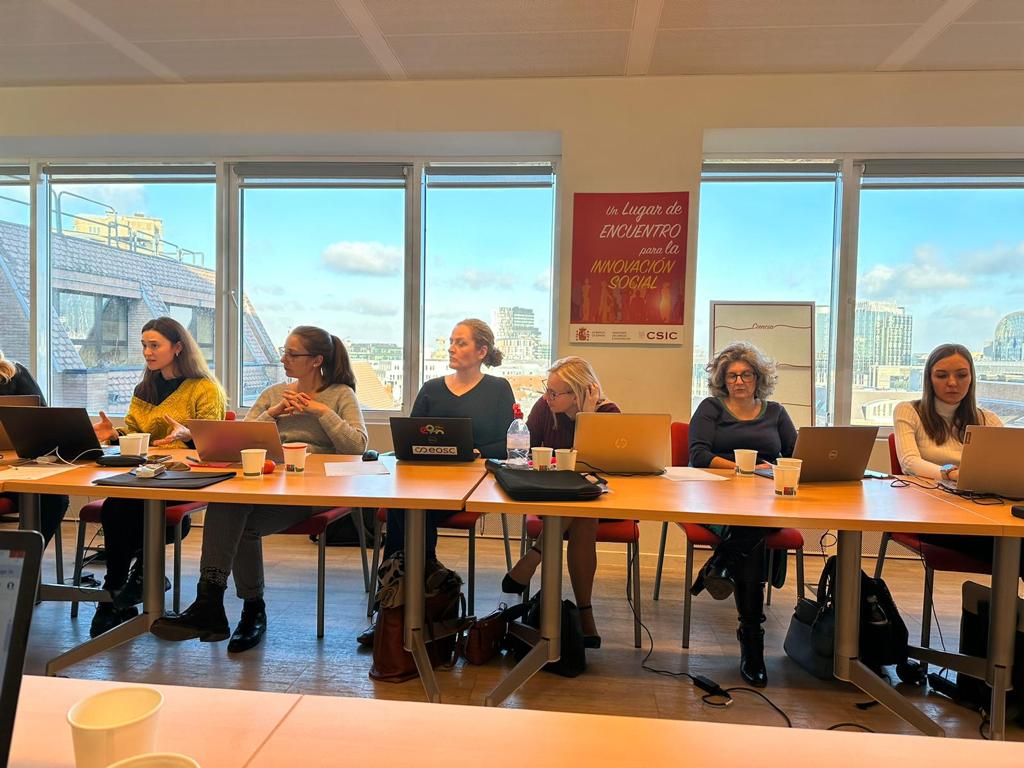
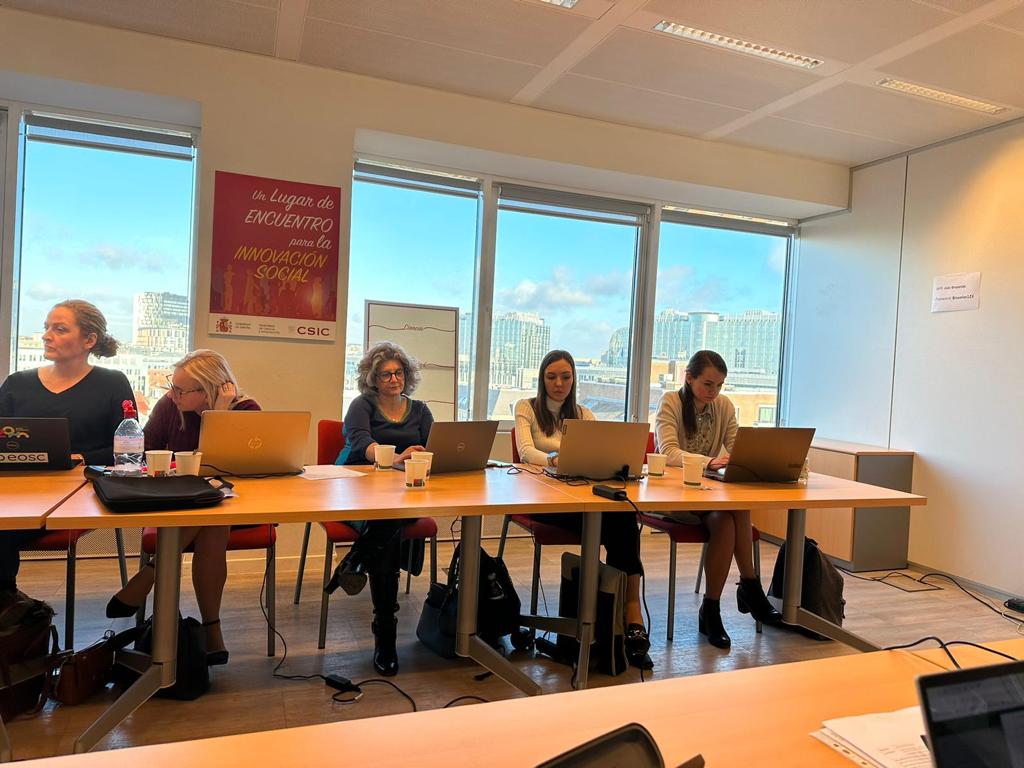
Workshop in Brussels: Interventions, Indicators, and Metrics for Open Science
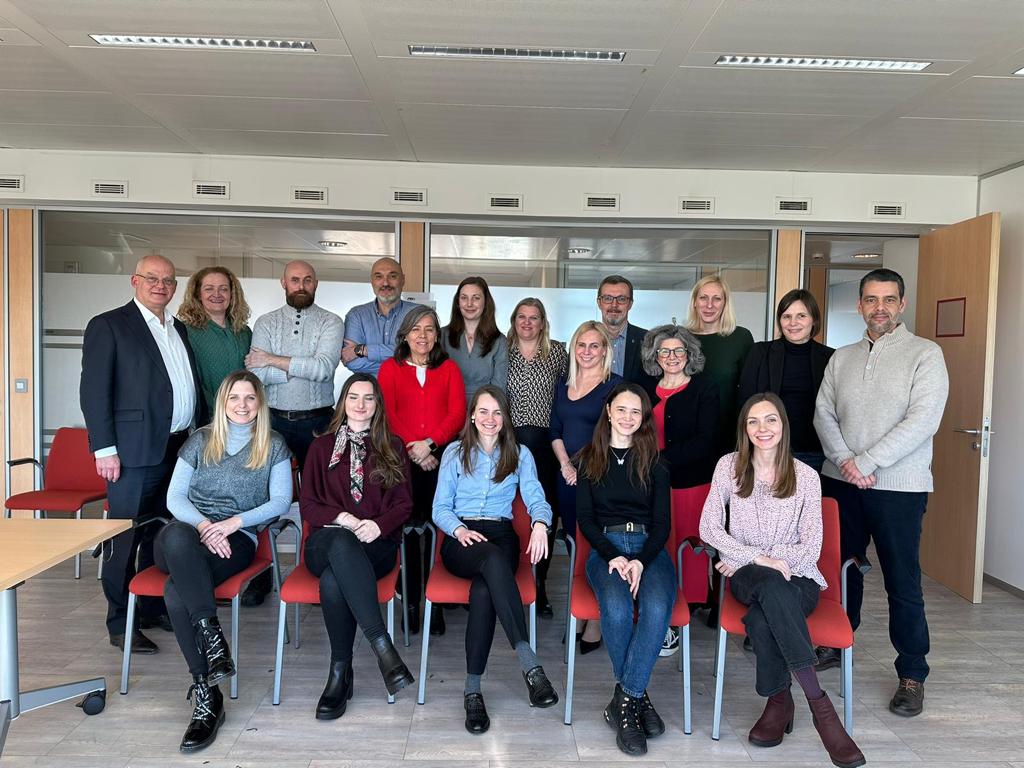
Workshop in Brussels: Interventions, Indicators, and Metrics for Open Science 1024 768 Open and Universal Science (OPUS) Project

Open science practices, such as open access publishing, open data sharing, and open peer review, have been gaining traction in the research community in recent years. However, there is still a need to encourage more researchers to adopt these practices and to ensure that they are implemented effectively. OPUS project is currently working on the best interventions for influencing researchers to take up open science practices, with a particular focus on the role of institutions, governments, and funders in promoting open science.

Institutions play an important role in promoting open science. Universities and research institutes should ensure that their policies and procedures are supportive of open science, and should provide training and resources to help researchers understand the benefits of open science and how to implement it. They should also consider developing incentives and rewards for researchers who adopt open science practices, such as recognition in annual reviews and promotion decisions, or granting of additional resources.

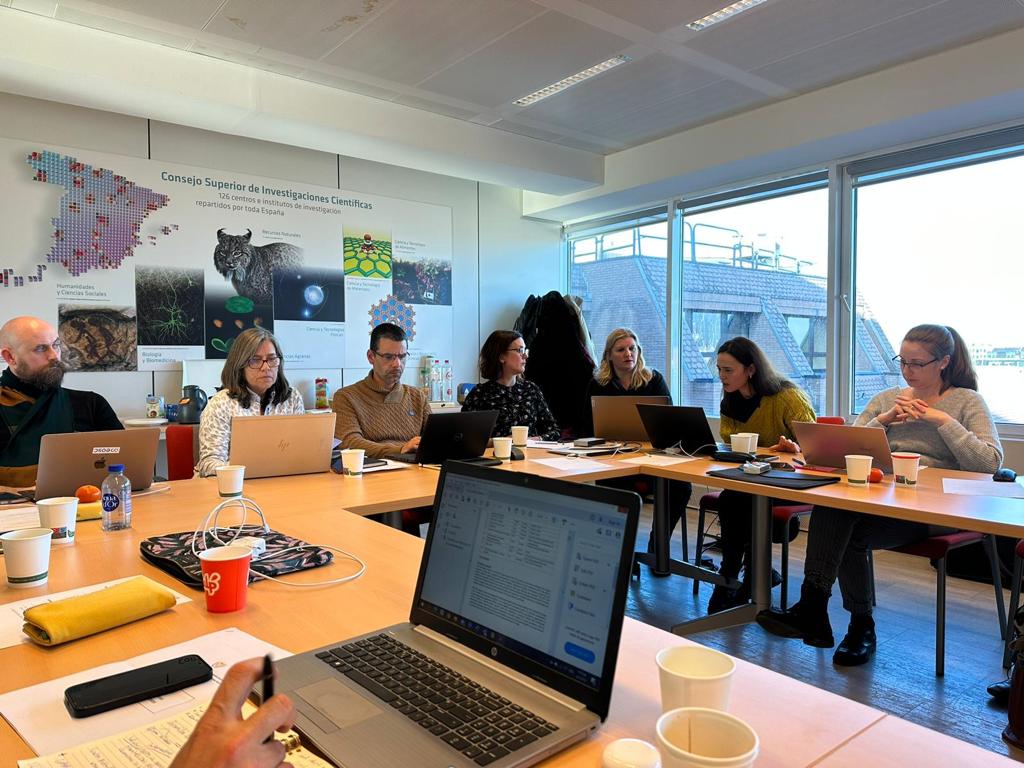
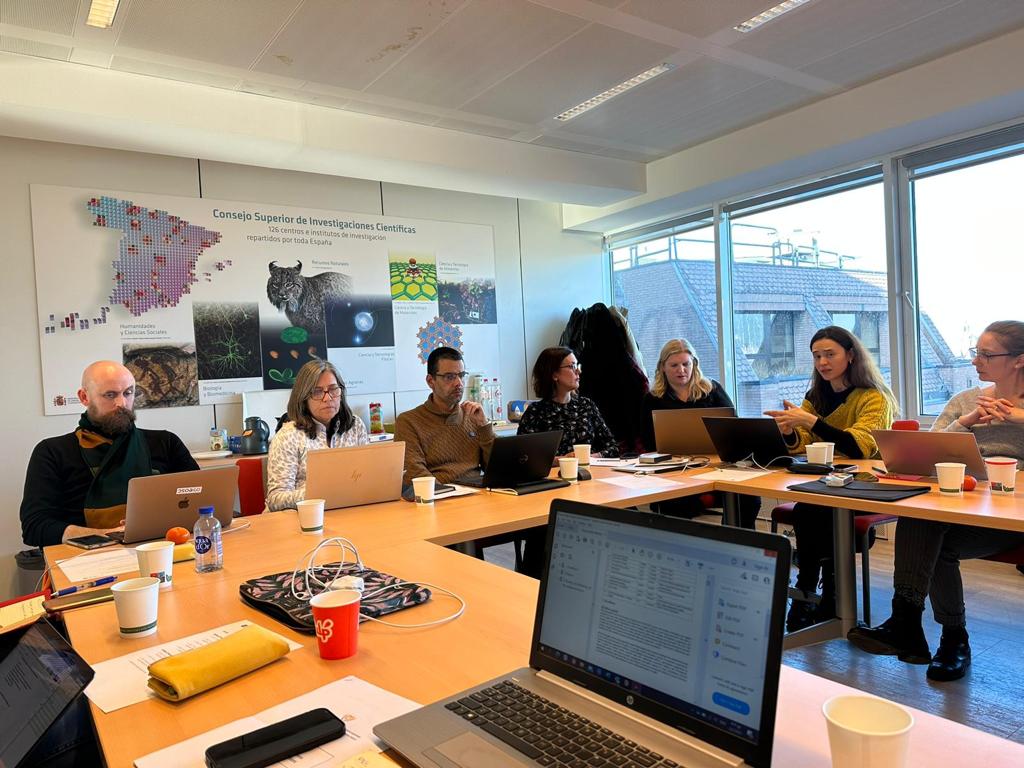
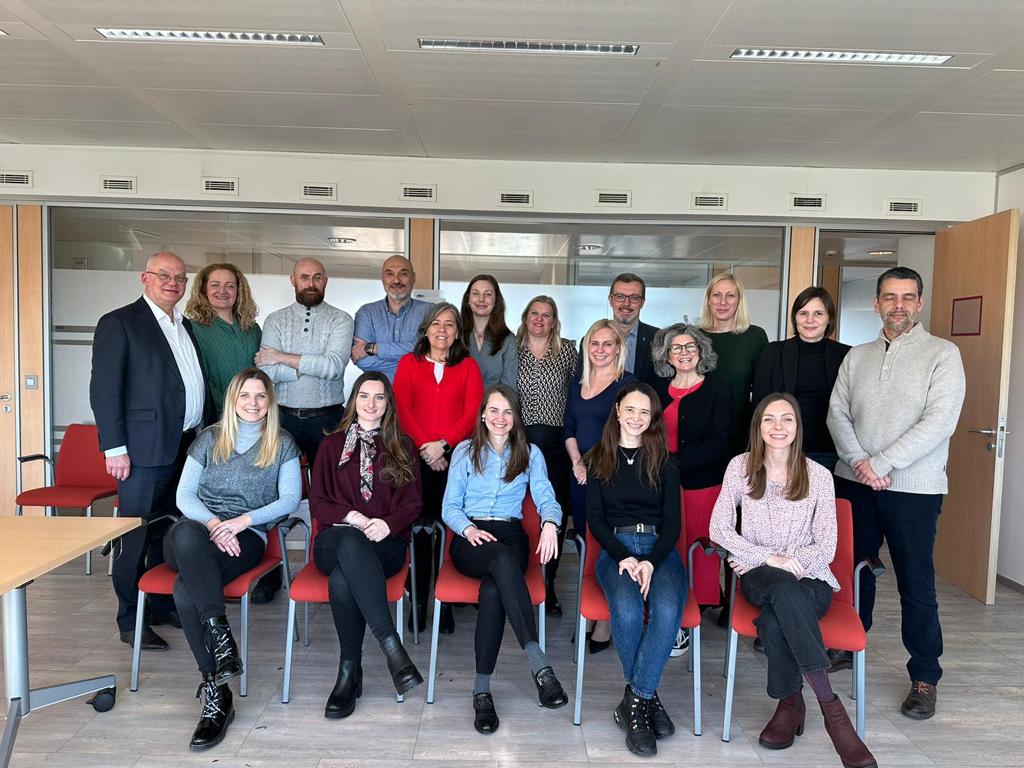
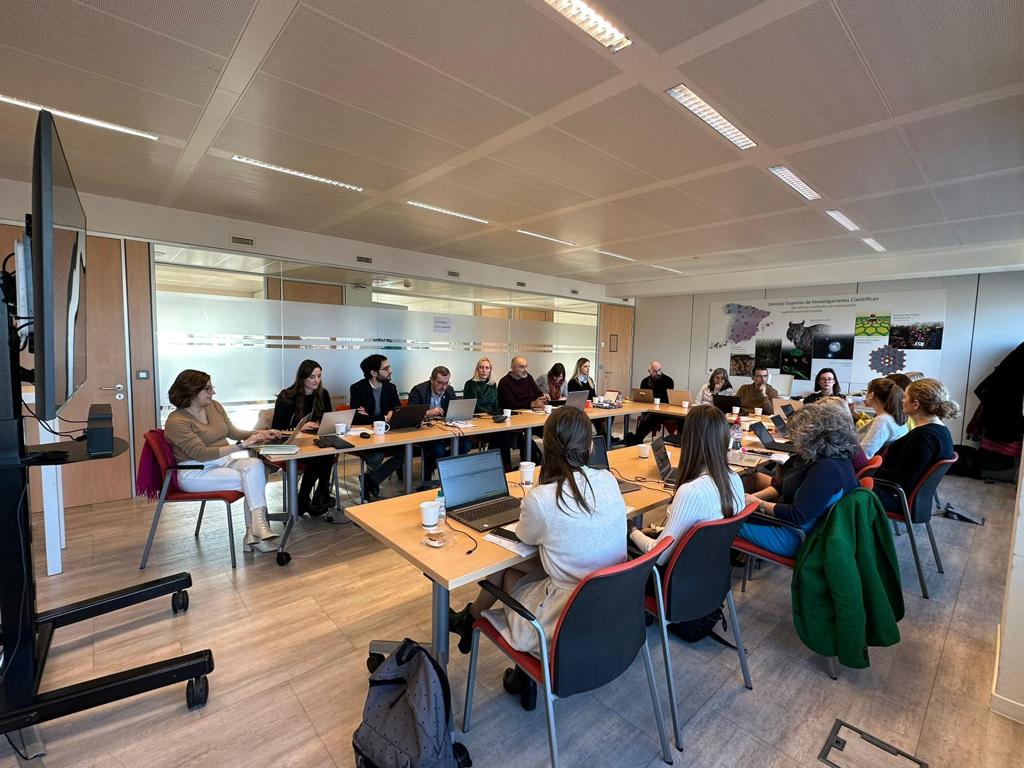
As a part of OPUS Work Package 2 (WP2 – Interventions for Open Science (Rewards and Incentives for Researchers)) and Work Package 3 (WP3 – Indicators and Metrics for Open Science (Rewards and incentives for Researchers)) activities, our team members are participating in the workshop with OPUS pilot #Research Performing (RPOs) and Research Funding organisations (RFOs) about the interventions, indicators, and metrics to implement a reformed research(er) assessment system that incentivises and rewards #OpenScience is taking place in Brussels today.

Results of the Questionnaire for the pilot organisations on relevant activities, comprehensive list of interventions and indicators/metrics, and structure/content and monitoring of the Action Plans for the pilot organisations, are some of the workshop discussions among OPUS team members and pilot organisations.

RPOs (Nova University Lisbon, University of Rijeka, and University of Cyprus) and 2 pilot RFOs from Lithuania and Romania (RCL and UEFISCDI) will learn from both each other and draw experience from external experts in mutual learning exercises. The results of the pilots will be translated into policy briefs and thematic workshops that will help to raise awareness, build trust, and drive the uptake of Open Science in the community.

The RPOs (Nova University Lisbon, University of Rijeka, and University of Cyprus) and 2 pilot RFOs from Lithuania and Romania (The Research Council of Lithuania (RCL) and Unitatea Executiva Pentru Finantarea Invatamantului Superior a Cercetarii Dezvoltarii si Inovarii (UEFISCDI)) will define what they will pilot, together with the work package leaders: WP 2 Leader CAREERS RESEARCH AND ADVISORY CENTRE (CRAC) – VITAE , WP3 Leader TECHNOPOLIS CONSULTING GROUP BELGIUM, and WP 4 Leader The Young European Research Universities Network (YERUN), and WP5 Leader The United Nations Educational, Scientific and Cultural Organization (UNESCO). That means OPUS will:

  • develop interventions to be tested by pilot RPOs and RFOs in activity #4 (WP4)
  • conduct a baseline audit of interventions to be tested in the pilots
  • co-monitor and evaluate interventions tested in the pilots with the pilot RPOs and RFOs
  • develop a final set of interventions for Open Science at RPOs and RFOs.
  • develop indicators and metrics to be tested by pilot RPOs and RFOs in WP4
  • conduct a baseline audit of metrics to be tested in the pilots
  • co-monitor and evaluate metrics tested in the pilots with the pilot RPOs and RFOs
  • develop a final set of indicators and metrics for Open Science at RPOs and RFOs.

OPUS will develop action plans to set up, implement, and monitor the pilots in 3 RPOs and 2 RFOs as well as conduct mutual learning exercises based on implementing the action plans.

The OPUS project involves 18 different European partners, covering a wide range of organisations with relevant expertise to this project. OPUS will develop coordination and support measures to reform the assessment of research and researchers at Research Performing Organisations (RPOs) and Research Funding Organisations (RFOs) towards a system that incentivises and rewards researchers to practise Open Science.

The project commenced on 1 September 2022 with an implementation period of 36 months.

20 key organisations and networks and a list of over 100 experts identified in the OPUS WP1
20 key organisations and networks and a list of over 100 experts identified in the OPUS WP1 1024 850 Open and Universal Science (OPUS) Project

Our team made a lot of progress on the work package one (WP1) of the OPUS project State-of-the-art on existing literature and initiatives for Open Science.

A full analysis of the H2020 work programmes from SWAFS, Marie Skłodowska-Curie Actions, Research Infrastructure, Spreading Excellence and Widening Participation, relevant to Open Science has been made.

Our team members were really busy in the last three months: they have reviewed 35 projects, taking half through to the second phase of a more in-depth review. They have identified about 20 key organisations and networks and a list of over 100 experts, with whom our team wants to involve throughout the project.

Also, the OPUS team is wading through the literature on topics like gender equality and open science, precarity and open science, industry and open science…

This part of the OPUS activities (WP1) is the foundation for future work packages, so looking forward to lots of key inputs.

About Work Package One (WP1)

OPUS WP1 team led by RESOLVO conducts (and will later update) state-of-the-art on initiatives and literature to reform research(er) assessment and incentivise and reward Open Science, which will include a stakeholder engagement plan identifying key stakeholders to support the stakeholder input and validation sessions in #WP2 – Interventions for Open Science (Rewards and Incentives for Researchers) and #WP3 – Indicators and Metrics for Open Science (Rewards and incentives for Researchers), as well as gauging the level of (mis)trust in Open Science in the research community.

The initiatives includes key (1) projects, (2) experts and organisations, (3) networks and schemes.

The literature reviews focuses on (1) research(er) assessment, (2) incentives and rewards, (3) precarity of research careers, (4) gender equality, (5) industry practices.

About OPUS project

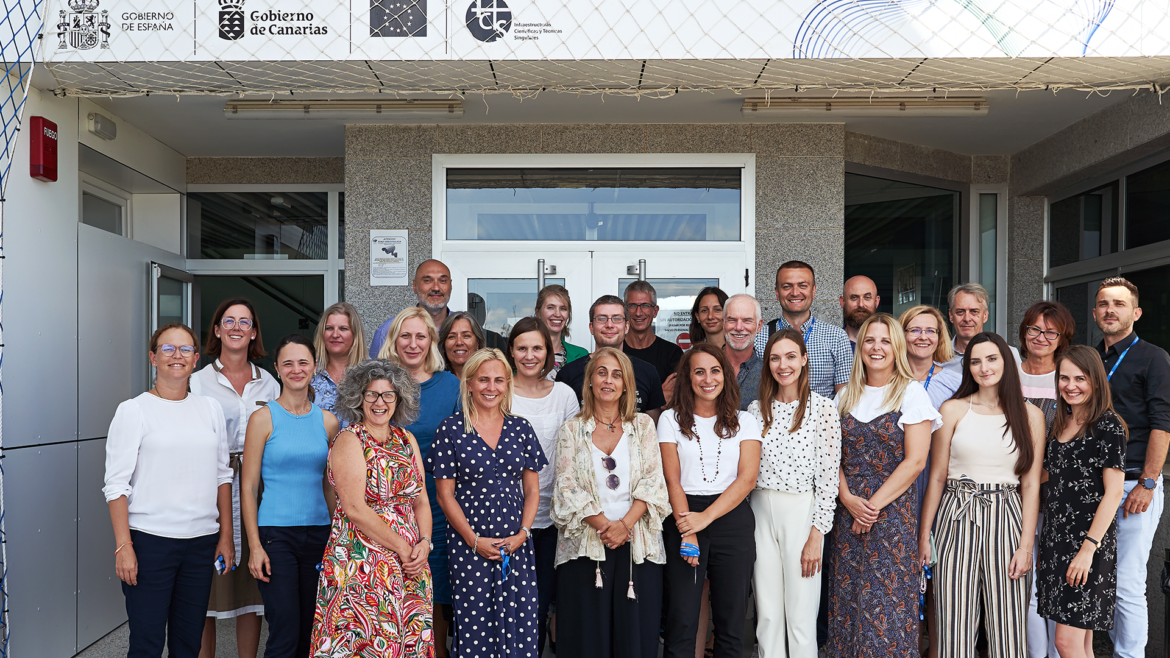
The OPUS project is an EU-funded project implemented by an eighteen-organisations consortium led by The Oceanic Platform of the Canary Islands (PLOCAN). The Open and Universal Science (OPUS) project develops coordination and support measures to reform the assessment of research and researchers at Research Performing Organisations (RPOs) and Research Funding Organisations (RFOs) towards a system that incentivises and rewards researchers to take up Open Science practices.

Privacy Preferences

When you visit our website, it may store information through your browser from specific services, usually in the form of cookies. Our Privacy Policy can be read here.

Here you can change your Privacy preferences. It is worth noting that blocking some types of cookies may impact your experience on our website and the services we are able to offer.

Click to enable/disable Google Analytics tracking code.
Click to enable/disable Google Fonts.
Click to enable/disable Google Maps.
Click to enable/disable video embeds.
Our website uses cookies, mainly from 3rd party services. Define your Privacy Preferences and/or agree to our use of cookies.