Research

Advancing Research for the Public Good
Advancing Research for the Public Good 1024 576 Open and Universal Science (OPUS) Project

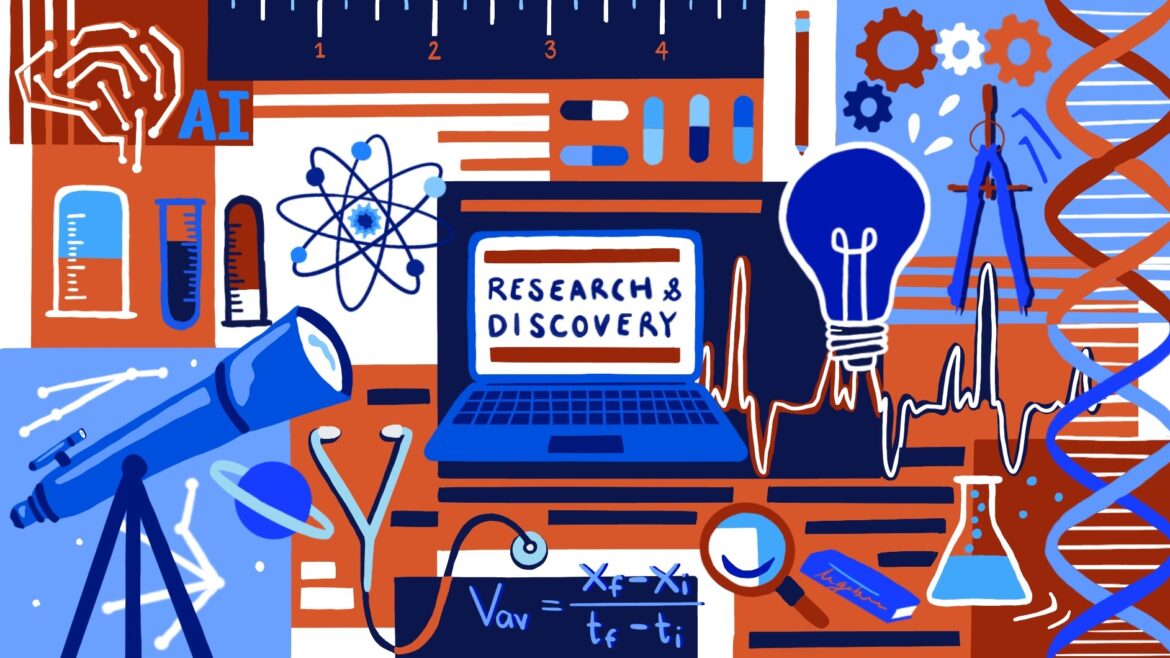
Research and development (R&D) play a crucial role in shaping the world we live in. While some may think of research as something only done in laboratories, it’s much more than that. Research development for the public good involves exploring, discovering, and creating new knowledge and innovations that benefit everyone. In this article, we’ll break down the concept of research for the public good in simple terms.

What is Research for the Public Good?

Research for the public good is all about conducting studies and experiments with the primary aim of improving the well-being of society. It’s not just about making new gadgets or medicines; it’s also about finding solutions to everyday problems, making life better for people, and addressing social challenges.

Key Areas of Research for the Public Good:

  1. Health and Medicine:
    • Developing new treatments and medicines.
    • Studying diseases and finding ways to prevent and cure them.
    • Improving healthcare systems for better access and affordability.
  2. Education:
    • Creating effective teaching methods.
    • Developing educational tools and technologies.
    • Finding ways to make education accessible to all.
  3. Environment:
    • Researching renewable energy sources.
    • Studying climate change and finding ways to protect the environment.
    • Developing sustainable practices for a healthier planet.
  4. Social Issues:
    • Investigating poverty and inequality.
    • Finding solutions to homelessness and unemployment.
    • Addressing social justice and human rights issues.

How Research Benefits the Public:

  1. Innovations:
    • Research leads to new ideas and innovations that can make our lives easier and more enjoyable.
    • Think of smartphones, medical breakthroughs, or even new ways to grow food sustainably.
  2. Improving Lives:
    • Research helps solve problems, like finding better ways to treat illnesses or creating technologies that make daily tasks simpler.
    • It can also lead to policies that make society fairer and more inclusive.
  3. Building a Better Future:
    • By focusing on the public good, research contributes to building a better future for everyone.
    • It helps us understand and overcome challenges, from global issues like climate change to local problems in our communities.
  4. Empowering Communities:
    • Research can empower communities by providing them with the knowledge and tools they need to address their specific needs.
    • It encourages collaboration and involvement from people of all backgrounds.

Challenges and Solutions:

  1. Funding:
    • One challenge is getting enough resources (money and support) for research.
    • Solutions involve advocating for increased funding from governments, private donors, and organizations that value the public good.
  2. Communication:
    • Sometimes, the results of research are complex and difficult to understand.
    • Improving communication helps researchers share their findings in a way that everyone can understand and benefit from.

The Ongoing Journey of Research for the Public Good

Research for the public good is a powerful force for positive change in society. It’s not just for scientists in labs; it involves everyone, from educators to community leaders. By supporting and engaging in research that focuses on the well-being of all, we can collectively contribute to building a world that is healthier, fairer, and more sustainable for future generations.

Photo via Columbia News

Embracing Open Dialogue: Connecting Open Science with Different Knowledge Systems
Embracing Open Dialogue: Connecting Open Science with Different Knowledge Systems 1024 652 Open and Universal Science (OPUS) Project

In the vast world of knowledge, there are many ways to understand and learn about the world around us. Open science, a concept that encourages sharing and collaboration in research, is now expanding its horizons to engage in open dialogue with different knowledge systems. This means bringing together diverse ways of knowing, from traditional wisdom to modern scientific approaches, to create a richer and more inclusive understanding of our world.

The Diversity of Knowledge Systems:

Knowledge comes in various forms. Traditional knowledge systems, often rooted in local cultures and passed down through generations, offer unique insights into the environment, healing, and community life. On the other hand, modern scientific methods rely on rigorous experimentation, observation, and analysis to uncover the mysteries of the natural world.

In the past, these knowledge systems might have operated separately, with limited communication between them. However, the idea of open dialogue in the context of open science encourages breaking down these barriers and fostering collaboration between different ways of knowing.

Why Open Dialogue Matters:

  1. Holistic Understanding: Open dialogue allows us to weave together different threads of knowledge to create a more holistic understanding of complex issues. By combining traditional wisdom with scientific research, we can address challenges from multiple perspectives, leading to more comprehensive solutions.
  2. Preserving Cultural Heritage: Many traditional knowledge systems are deeply rooted in cultural practices and beliefs. Engaging in open dialogue helps preserve and respect these cultural heritages, preventing the loss of valuable insights and practices.
  3. Local Relevance: Traditional knowledge often holds solutions that are uniquely suited to local environments and challenges. Open dialogue ensures that scientific research is not one-size-fits-all but considers the specific needs and contexts of different communities.
  4. Community Involvement: Open dialogue invites communities to actively participate in the research process. This involvement fosters a sense of ownership and empowerment, breaking away from the traditional top-down approach to research.

Challenges and Opportunities:

While the idea of open dialogue is promising, it comes with challenges. Bridging the gap between different knowledge systems requires respectful collaboration, overcoming language barriers, and addressing power imbalances. However, the opportunities for mutual learning and discovery far outweigh the challenges.

Empowering Communities: From Observers to Active Participants

Open dialogue with different knowledge systems is a powerful extension of the open science movement. It allows us to embrace the diversity of human understanding and work together to address the complex challenges facing our world. By fostering collaboration between traditional wisdom and modern science, we can create a more inclusive and comprehensive knowledge landscape that benefits everyone. This approach not only enriches our understanding of the world but also strengthens the bonds between communities and the global scientific community.

Photo via More Enigma

Embracing Digitalization: A Key Factor in Facilitating Open Access
Embracing Digitalization: A Key Factor in Facilitating Open Access 500 313 Open and Universal Science (OPUS) Project

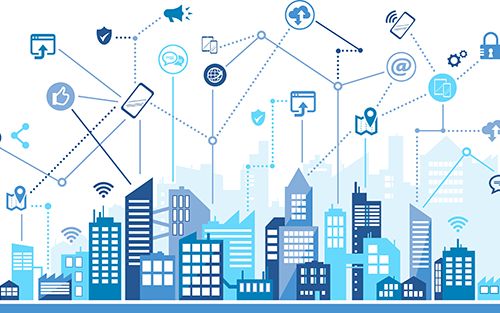
In the fast-paced and interconnected world we live in today, digitalization has become a powerful force shaping various aspects of our lives. One area where digitalization plays a crucial role is in enabling open access, a concept that promotes the unrestricted availability of information to the public. Let’s explore how the digital revolution is transforming the landscape of open access and why it is considered a key factor in promoting knowledge sharing.

Understanding Open Access:

Open access refers to the free, immediate, and unrestricted access to scholarly and research information. Traditionally, access to academic papers, articles, and research findings was often limited to those who could afford expensive journal subscriptions or had access to well-funded institutions. However, the digital age has ushered in a new era of openness, breaking down barriers and making knowledge accessible to a wider audience.

The Digital Revolution:

Digitalization involves the use of digital technologies to transform various aspects of human life. In the context of open access, the digital revolution has significantly changed the way information is created, disseminated, and accessed. Here are some key aspects of how digitalization is influencing open access:

  1. Online Publishing Platforms:

The rise of digital publishing platforms has revolutionized the dissemination of research. Researchers can now publish their work online, reaching a global audience without the limitations of print publications. This not only accelerates the sharing of knowledge but also reduces costs associated with traditional publishing.

  1. Open Access Repositories:

Digital repositories play a vital role in storing and providing access to research outputs. These repositories, often hosted by universities or research institutions, serve as centralized hubs for a wide range of scholarly works. Digitalization has made it easier to create and maintain these repositories, ensuring a wealth of information is readily available to the public.

  1. Accessibility and Searchability:

Digitalization enhances the accessibility and searchability of information. Online databases and search engines make it simple for individuals to find relevant research quickly. This ease of access promotes a more inclusive and diverse engagement with academic content, as researchers, students, and the general public can explore a vast array of topics without geographical or financial constraints.

  1. Collaborative Platforms:

Digital platforms facilitate collaboration among researchers, enabling them to work together across borders. Open access to collaborative tools fosters the exchange of ideas and the development of joint research projects. This collaborative approach accelerates the pace of discovery and innovation.

Benefits of Digitalization for Open Access:

The marriage of digitalization and open access brings about several advantages:

  1. Democratization of Knowledge: Digitalization dismantles barriers to knowledge, making it accessible to a global audience regardless of geographical location or financial status.
  2. Accelerated Research: The speed at which information can be shared digitally accelerates the pace of research and innovation, leading to faster scientific advancements.
  3. Cost Efficiency: Digital platforms reduce the costs associated with traditional publishing, making it more cost-effective for researchers to share their work.
  4. Increased Visibility: Digitalization enhances the visibility of research, as online content can be easily discovered and shared, increasing the impact of scholarly work.

Unlocking Knowledge and Collaboration

Digitalization is a game-changer in the realm of open access, fostering a more inclusive and collaborative environment for the exchange of knowledge. As we continue to embrace the digital revolution, it is essential to harness its potential to further democratize information and advance our collective understanding of the world. The marriage of digitalization and open access holds the promise of a more interconnected, informed, and innovative global community.

Photo via Automation

Open Science Outlook 1: Status and trends around the world
Open Science Outlook 1: Status and trends around the world 421 609 Open and Universal Science (OPUS) Project

The landscape of open science is evolving worldwide, but not without its challenges and disparities. The findings presented in the UNESCO Open Science Outlook emphasize the imperative for unified global efforts and a collective evaluation grounded in the values of open science, emphasizing mutual respect and collaboration.

Open science, beyond its many advantages, holds the potential to fortify trust in science by championing justice, inclusion, societal engagement, and diverse contributions. Nevertheless, persistent obstacles, such as restricted access to infrastructure, conflicting incentives, and cultural resistance, hinder its progress.

International collaboration emerges as a cornerstone for cultivating an environment conducive to open science, transcending resource disparities. The UNESCO Recommendation on Open Science outlines seven pivotal areas for action, offering a structural framework to revolutionize the scientific landscape. These actions encompass fostering a culture of open science, creating supportive policy environments, investing in resources, infrastructure, and capacity, promoting innovation, and fostering international collaborations.

Adaptability is key for open science to thrive amidst technological advancements, societal needs, and scientific progress. A collective adherence to shared values and principles is paramount for a transformative journey towards an inclusive, collaborative, and impactful research ecosystem, ensuring responsible knowledge use and dissemination for the benefit of all.

The growing conversation around open science is underscored by global momentum, necessitating a shared understanding and community-driven initiatives. Building capacity, recognizing and rewarding open science efforts, and developing metrics to measure impact are critical components of this transformative process.

As nations and institutions grapple with developing policies and frameworks for open science, the UNESCO Recommendation serves as a guiding framework. With the right awareness and support, a new generation of researchers valuing openness and collaboration can emerge, fostering coalitions and communities centered around open science.

International collaboration and knowledge exchange are fundamental for meaningful and equitable open science initiatives. The UNESCO Partnerships on Open Science exemplify a transparent, inclusive, and accessible multi-stakeholder approach to implementing the 2021 Recommendation.

In conclusion, the UNESCO Open Science Outlook serves as a valuable resource for navigating the global landscape of open science. By embracing its fundamental values, the transformation to open science can catalyze a research renaissance, addressing global challenges while ensuring responsible knowledge dissemination for the benefit of all.

Full publication here

Unveiling the Hidden Benefits of Open Science
Unveiling the Hidden Benefits of Open Science 1024 1024 Open and Universal Science (OPUS) Project

Science has always been a journey of discovery, where researchers explore the unknown to unravel the mysteries of our world. Traditionally, this process has often been shrouded in secrecy, with findings guarded until publication. However, the emergence of open science has revolutionized this paradigm, bringing forth a new era of transparency and collaboration. Beyond its apparent advantages, open science also harbors hidden benefits that extend far beyond the confines of research laboratories.

  1. Accelerated Progress:

One of the concealed gems of open science is its ability to expedite the pace of discovery. By freely sharing data, methodologies, and results, researchers can build upon each other’s work. This collaborative approach minimizes redundancy, enabling the scientific community to collectively move forward more swiftly. As a result, breakthroughs in various fields can be achieved at a much faster rate, contributing to the overall advancement of human knowledge.

  1. Enhanced Reproducibility:

Open science fosters transparency in research by making data and methodologies openly available. This transparency not only allows for the verification of findings but also promotes reproducibility. When others can replicate and confirm results, the credibility of scientific research is strengthened. This hidden benefit ensures that scientific knowledge is built on a solid foundation, reducing the likelihood of erroneous conclusions slipping through the cracks.

  1. Diverse Perspectives and Inclusivity:

The collaborative nature of open science transcends geographical and institutional boundaries, providing an avenue for diverse voices to contribute. This inclusivity is a hidden treasure, as it ensures that a broader range of perspectives and experiences are considered in the scientific discourse. By breaking down barriers, open science promotes a richer, more comprehensive understanding of complex issues.

  1. Educational Opportunities:

Open science doesn’t just benefit established researchers; it also opens doors for aspiring scientists and students. Access to openly available data and resources provides valuable learning opportunities. Students can engage with real-world data, enhancing their understanding of research methodologies and encouraging them to actively participate in the scientific community. This democratization of knowledge contributes to the growth of a more informed and skilled future generation of scientists.

  1. Increased Public Trust:

When research is conducted openly, with findings accessible to the public, it fosters a sense of trust and accountability. The hidden benefit here lies in the strengthening of the bond between the scientific community and the public. By demystifying the scientific process and making it accessible, open science helps bridge the gap between experts and the general population, promoting a more informed and science-literate society.

Nurturing a Collaborative and Transparent Future

Open science is not merely a trend but a transformative force that has the potential to reshape the landscape of research. Beyond its overt advantages, the hidden benefits of accelerated progress, enhanced reproducibility, diverse perspectives, educational opportunities, and increased public trust contribute to a more robust and inclusive scientific ecosystem. As we continue to unveil these hidden gems, the path ahead becomes clearer, promising a future where the pursuit of knowledge is a collaborative and transparent endeavor for the betterment of all.

Photo via Vecteezy

Open Science in Theses and Doctoral Research
Open Science in Theses and Doctoral Research 726 481 Open and Universal Science (OPUS) Project

In the world of academia, the way research is shared and conducted is undergoing a transformation, and open science is at the forefront of this change. This article explores the role of open science in the context of theses and doctoral research, shedding light on the benefits and challenges associated with adopting open practices in the pursuit of advanced degrees.

The Basics of Open Science

Open science is all about making research freely available to everyone. This includes sharing not only the final research papers but also the raw data, methodologies, and tools used in the study. The goal is to promote transparency, collaboration, and accessibility in the scientific community.

Benefits of Open Science in Theses and Doctoral Research

  1. Fostering Collaboration: By embracing open science, doctoral researchers can collaborate more effectively with peers and experts around the world. Openly sharing research findings creates a global community where ideas can be discussed and refined.
  2. Accelerating Discovery: Open science can speed up the pace of discovery. When researchers share their methodologies and data, others can build upon their work, avoiding duplication of efforts and accelerating the overall progress of science.
  3. Increased Visibility and Impact: Making theses and doctoral research openly accessible increases the visibility of the work. This not only benefits the researchers by showcasing their contributions but also allows the broader community to learn from and apply their findings.
  4. Enhancing Reproducibility: Openly sharing data and methodologies allows other researchers to verify and reproduce the results. This contributes to the credibility of the research and strengthens the foundation of scientific knowledge.

Challenges in Embracing Open Science

  1. Data Privacy Concerns: Doctoral research often involves handling sensitive data. Researchers may face challenges in balancing the openness of their work with the need to protect the privacy and confidentiality of participants.
  2. Traditional Publishing Norms: The current academic landscape often emphasizes publishing in prestigious journals. Doctoral candidates may worry that open access publishing could impact the perceived prestige of their work.
  3. Intellectual Property Issues: Doctoral research can lead to valuable intellectual property. Researchers may be concerned about losing control over their discoveries if they openly share their work.
  4. Lack of Awareness and Training: Many doctoral researchers may not be familiar with the principles and practices of open science. There is a need for increased awareness and training to help them navigate the open science landscape.

Open Science in Doctoral Research: Opportunities and Challenges

Open science is a powerful force shaping the future of academic research, including the world of theses and doctoral studies. While challenges exist, the benefits of fostering collaboration, accelerating discovery, and increasing the visibility of research far outweigh the concerns. As doctoral candidates and academic institutions continue to adapt to the changing landscape, embracing open science can contribute to a more inclusive, transparent, and impactful academic community.

Photo via Survey Data Science

The Dream of Open Science Becoming a Reality: A Look at the Numbers
The Dream of Open Science Becoming a Reality: A Look at the Numbers 1024 299 Open and Universal Science (OPUS) Project

Open science, once a distant dream, is now becoming a tangible reality as researchers, institutions, and the public embrace the principles of transparency, collaboration, and accessibility. In this article, we will explore some compelling statistics and numbers that highlight the significant strides made in the journey towards making open science a widespread and impactful practice.

  1. Open Access Publishing:

One of the key indicators of the realization of the open science dream is the increasing prevalence of open access publishing. According to recent studies, over 30% of scholarly articles are now freely accessible to the public, marking a substantial rise from previous years. This shift not only promotes the dissemination of knowledge but also facilitates a more inclusive and diverse readership.

  1. Growth of Open Data Initiatives:

The dream of open science relies heavily on the sharing of research data. Recent statistics reveal a notable surge in the number of research projects and institutions embracing open data initiatives. Over 70% of surveyed researchers report sharing their data openly, fostering collaboration and enabling others to build upon existing research.

  1. Rise in Collaborative Platforms:

Collaboration lies at the heart of open science, and the numbers speak volumes about its growing importance. Online collaborative platforms, where researchers can share ideas, findings, and methodologies, have experienced significant growth. Participation in these platforms has increased by more than 50% in the last few years, indicating a strong desire within the scientific community to work together towards common goals.

  1. Citizen Science Engagement:

Open science extends beyond traditional academic circles, involving the public in the scientific process. Citizen science initiatives have gained traction, with millions of individuals contributing to various research projects. This inclusivity not only broadens the scope of scientific inquiry but also enhances public understanding and appreciation of scientific endeavors.

  1. Funding Support for Open Science:

Governments, funding agencies, and philanthropic organizations are recognizing the value of open science and are providing increased support. Funding for open science initiatives has seen a notable uptick, with a 20% year-over-year increase in grants and resources dedicated to projects that embrace open practices.

  1. Open Science Education:

Educational efforts to promote open science principles are on the rise. The number of institutions integrating open science into their curricula has doubled in the past five years. This indicates a growing awareness of the importance of fostering a new generation of researchers and scholars who value transparency and collaboration.

Embracing a Future of Knowledge Democracy

The dream of open science is undeniably becoming a reality, and the numbers reinforce this positive trend. From open access publishing to collaborative platforms and citizen science engagement, the landscape of scientific research is evolving towards greater openness and inclusivity. As we celebrate these milestones, it is crucial to continue advocating for and investing in open science practices to ensure that the benefits reach researchers and the public alike, fostering a more transparent and collaborative scientific community.

Photo via PLOS

Breaking Barriers: Challenges and Opportunities for Open Science Adoption in the Global South
Breaking Barriers: Challenges and Opportunities for Open Science Adoption in the Global South 1024 576 Open and Universal Science (OPUS) Project

Open science, a movement aimed at making scientific research and data accessible to everyone, has gained momentum globally. However, implementing open science practices in the Global South, comprising economically developing regions, presents a set of unique challenges. This article explores the complexities associated with introducing open science in these areas and the potential benefits it could bring.

  1. Limited Infrastructure:

One major hurdle in the Global South is the limited research infrastructure. Many institutions lack the necessary technology and internet connectivity required for seamless participation in open science initiatives. Access to high-speed internet and advanced computing resources is essential for sharing and collaborating on research, making it challenging for researchers in these regions to fully engage with open science practices.

  1. Funding Constraints:

Financial limitations pose another significant challenge. Researchers in the Global South often face difficulties securing funds for their projects, hindering their ability to adopt open science practices that may require additional resources. The lack of financial support can impede the establishment of open-access repositories, the publication of research in open journals, and the acquisition of necessary tools and technologies.

  1. Language Barriers:

The dominance of English in scientific communication creates a language barrier for many researchers in the Global South, where English may not be the primary language. Open science initiatives often involve sharing findings in international forums, and the language barrier can limit effective participation and collaboration. Efforts to promote multilingual communication and translation services are essential to address this challenge.

  1. Cultural and Ethical Considerations:

Different regions have distinct cultural and ethical norms regarding data sharing and ownership. Introducing open science requires navigating these cultural nuances and respecting local perspectives on privacy and intellectual property. Developing guidelines that align with cultural values is crucial for the successful adoption of open science practices without compromising ethical standards.

  1. Knowledge and Awareness Gaps:

Many researchers in the Global South may not be fully aware of the principles and benefits of open science. Bridging the knowledge gap requires educational initiatives and capacity-building programs to inform researchers about the advantages of open access, data sharing, and collaborative research. Building awareness is a crucial step toward fostering a supportive environment for open science adoption.

Overcoming Challenges to Foster Open Science in the Global South:

While the introduction of open science in the Global South is accompanied by various complexities, addressing these challenges can lead to positive outcomes. Efforts to improve infrastructure, secure funding, address language barriers, respect cultural norms, and enhance awareness are essential for fostering a more inclusive and collaborative global scientific community. By overcoming these hurdles, the Global South can actively contribute to and benefit from the open science movement, promoting the advancement of knowledge for the collective good.

Photo via Finshots

The Urgent Call for a Global Open Science Initiative
The Urgent Call for a Global Open Science Initiative 800 455 Open and Universal Science (OPUS) Project

In a world that thrives on information and innovation, the pursuit of knowledge knows no borders. However, the traditional approach to scientific research has often been confined within the boundaries of individual nations or institutions, limiting the potential for progress on a global scale. Recognizing this, there is a growing need for a Global Open Science Initiative, a collaborative effort that transcends geographic limitations to foster a more inclusive, transparent, and impactful scientific community.

What is Open Science?

Open Science is a movement that advocates for the unrestricted access to scientific research, data, and methods. It promotes the idea that knowledge is a public good and should be shared openly to accelerate progress and benefit society as a whole. Open Science encourages collaboration, reproducibility, and the free exchange of ideas, laying the foundation for more robust and reliable scientific advancements.

Breaking Down Barriers

One of the primary reasons for championing a Global Open Science Initiative is the need to break down barriers that impede the free flow of information. In the traditional model of scientific publishing, access to research articles is often restricted by paywalls, limiting the ability of researchers, especially those from resource-constrained regions, to contribute and access the latest findings. A global initiative would strive to make scientific knowledge freely accessible to everyone, fostering a more inclusive and equitable research landscape.

Collaboration for Global Challenges

Many of the challenges facing humanity, such as climate change, pandemics, and poverty, are global in nature. Tackling these challenges requires collaborative efforts that transcend national borders. A Global Open Science Initiative would provide a platform for researchers from diverse backgrounds to work together, share data, and combine their expertise to address pressing global issues more effectively.

Accelerating Scientific Discovery

Imagine a world where researchers can build upon each other’s work seamlessly, without the hindrance of restrictive copyright policies or limited access to data. A global initiative would enable scientists to accelerate the pace of discovery by providing a shared repository of knowledge and resources. This would not only lead to faster scientific progress but also reduce redundancy in research efforts, making optimal use of limited resources.

Ensuring Ethical and Responsible Research Practices

Open Science emphasizes transparency and accountability, crucial elements in ensuring that research is conducted ethically and responsibly. By making research processes and data openly available, a Global Open Science Initiative would enable the scientific community and the public to scrutinize and validate findings. This transparency can act as a safeguard against malpractices, reinforcing the credibility and integrity of scientific research.

Empowering the Next Generation of Researchers

A Global Open Science Initiative would play a pivotal role in nurturing the talents of aspiring researchers, particularly those from underprivileged backgrounds. By providing equal access to resources and opportunities, it can empower a diverse generation of scientists, fostering innovation and fresh perspectives that can drive the scientific community forward.

A Call to Action for a Global Open Science Initiative

The need for a Global Open Science Initiative is more pressing than ever in our interconnected world. By embracing open collaboration, breaking down information barriers, and promoting ethical research practices, such an initiative has the potential to revolutionize the way we approach scientific discovery. As we stand at the intersection of technology and knowledge, it is essential to collectively take a step towards a more open and inclusive future for science, where the benefits are shared globally for the betterment of humanity.

Photo via Dreams Time

Erasmus: Bridging Borders and Boosting Open Science
Erasmus: Bridging Borders and Boosting Open Science 980 492 Open and Universal Science (OPUS) Project

Erasmus, a widely recognized and influential program, has been instrumental in fostering international collaboration and understanding among students and academics. While its primary focus is on student exchanges, Erasmus has also significantly contributed to the advancement of open science. In this article, we will explore how Erasmus is benefiting open science and promoting a culture of shared knowledge.

  1. International Collaboration:

Erasmus creates opportunities for students and researchers to engage in international collaborations, fostering a global network of scholars. This collaboration transcends geographical boundaries, enabling the exchange of ideas, methodologies, and research findings. As a result, open science thrives on the diversity of perspectives and the rich tapestry of insights brought together by individuals from different cultural and academic backgrounds.

  1. Knowledge Exchange:

The program encourages the exchange of knowledge by providing a platform for academics to teach and learn in diverse academic environments. Through Erasmus, researchers gain exposure to different research methodologies, tools, and techniques, ultimately contributing to a more comprehensive understanding of open science practices. This knowledge exchange is essential for breaking down silos and building a collective understanding of open science principles.

  1. Language Diversity:

One of Erasmus’ unique features is its emphasis on language learning and proficiency. As participants navigate academic environments in different countries, they enhance their language skills and, in turn, contribute to the multilingual nature of open science. The ability to communicate research findings in various languages facilitates broader accessibility and inclusivity within the global scientific community.

  1. Cultural Sensitivity:

Erasmus promotes cultural sensitivity and adaptability, encouraging individuals to understand and respect diverse perspectives. In the context of open science, this cultural awareness is crucial for addressing global challenges collaboratively. By fostering an inclusive and culturally sensitive approach, Erasmus participants contribute to creating an open science environment that reflects a broad spectrum of voices and experiences.

  1. Networking and Collaboration Tools:

Erasmus not only connects individuals but also provides a framework for utilizing modern technology and collaboration tools. These tools enable researchers to collaborate seamlessly across borders, facilitating the sharing of data, methodologies, and research findings. The use of digital platforms enhances the efficiency and effectiveness of open science practices, creating a more interconnected and accessible global research community.

A Catalyst for Transformative Change in Open Science

Erasmus plays a pivotal role in promoting open science by breaking down barriers, fostering international collaboration, and cultivating a culture of knowledge exchange. Through language diversity, cultural sensitivity, and the use of modern technology, Erasmus participants contribute to the global scientific community’s growth and understanding. As we look to the future, the impact of Erasmus on open science is likely to continue, creating a more interconnected and collaborative research landscape.

Photo via PTE

Privacy Preferences

When you visit our website, it may store information through your browser from specific services, usually in the form of cookies. Our Privacy Policy can be read here.

Here you can change your Privacy preferences. It is worth noting that blocking some types of cookies may impact your experience on our website and the services we are able to offer.

Click to enable/disable Google Analytics tracking code.
Click to enable/disable Google Fonts.
Click to enable/disable Google Maps.
Click to enable/disable video embeds.
Our website uses cookies, mainly from 3rd party services. Define your Privacy Preferences and/or agree to our use of cookies.