Research

Your Voice Has Been Heard: We’re on Bluesky!
Your Voice Has Been Heard: We’re on Bluesky! 150 150 Open and Universal Science (OPUS) Project

After a 7-day poll on X and LinkedIn, your votes guided us to take the leap—thank you for making your voices count! We’re thrilled to announce that Open Academia has joined Bluesky under the handle @openacademia.bsky.social.

While we’ll continue sharing and engaging on X and LinkedIn to promote Open Science, we’re excited to extend the conversation to Bluesky, connecting with even more passionate minds.

Follow us on Bluesky to stay informed and be part of the growing Open Science community across all platforms. Let’s keep building the future of research together!
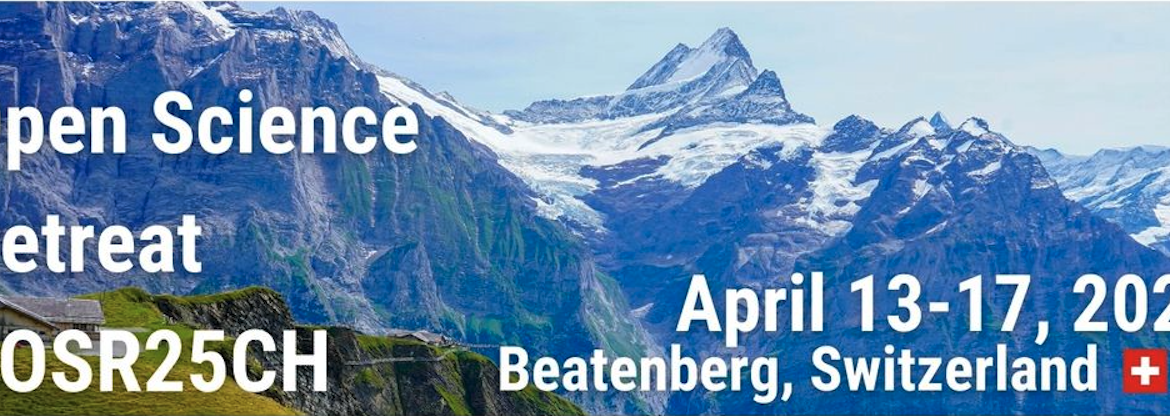
Open Science Retreat 2025: A Week of Collaboration, Reflection, and Inspiration
Open Science Retreat 2025: A Week of Collaboration, Reflection, and Inspiration 1024 324 Open and Universal Science (OPUS) Project

Mark Your Calendar! Registrations for the Open Science Retreat open on December 10, 2024. Whether you’re new to Open Science or an experienced advocate, this retreat offers something for everyone, from researchers to research service providers.

What is the Open Science Retreat?

The Open Science Retreat is a week-long event combining scientific discussions, productive collaboration, and personal rejuvenation in a serene setting. Following an unconference model, the event allows for flexible participation, with optional activities and publicly accessible outputs from the teams.
Explore past outcomes:

Call for Workshop Proposals

This year, alongside the unconference format, the program will feature community-sourced workshops on topics like open science, well-being, and career development. Submit your 2-3 hour workshop idea by February 5, 2025, for a chance to enrich the retreat.

Why Attend?

  • Collaborate and Connect: Build valuable relationships while learning and sharing insights with peers.
  • Hands-On Learning: Participate in skill-development teams each morning.
  • Engaging Discussions: Voice your thoughts on challenges and opportunities in Open Science.
  • Coaching and Mentorship: Access personalized support through coaching and a mentoring scheme.
  • Rejuvenation in Nature: Enjoy a picturesque retreat in the Swiss Alps, fostering creativity and relaxation.

Important Dates

  • December 10, 2024: Applications and Workshop Submissions Open
  • February 5, 2025: Deadline for Applications and Submissions
  • February 14, 2025: Notifications for Participants, Fellowships, and Workshop Leaders

Participation Fees

Fees cover accommodations, full board, and access to amenities, including group outings and a swimming pool.

Room TypeShared BathroomEn-Suite Bathroom
Shared Room475 CHF550 CHF
Single Room (Double/Twin Bed)575 CHF650-700 CHF

Children’s Fees:

  • Ages 12-15: 320 CHF
  • Ages 6-11: 250 CHF
  • Ages 0-5: Free

Stipends and Accessibility

Generous stipends are available, reducing fees to as low as 295 CHF or covering costs entirely. Indicate your need for financial assistance in the application.

Family-Friendly Environment

Bring your family along! The venue features child-friendly amenities, including a playroom and playgrounds. While childcare isn’t provided, families can connect beforehand to plan shared activities.

Venue

Seminar für biblische Theologie, Gästehaus
Spirenwaldstrasse 356, CH-3803 Beatenberg, Switzerland

Don’t miss this chance to advance Open Science while recharging in a collaborative, inspiring environment. Register from December 10, 2024!

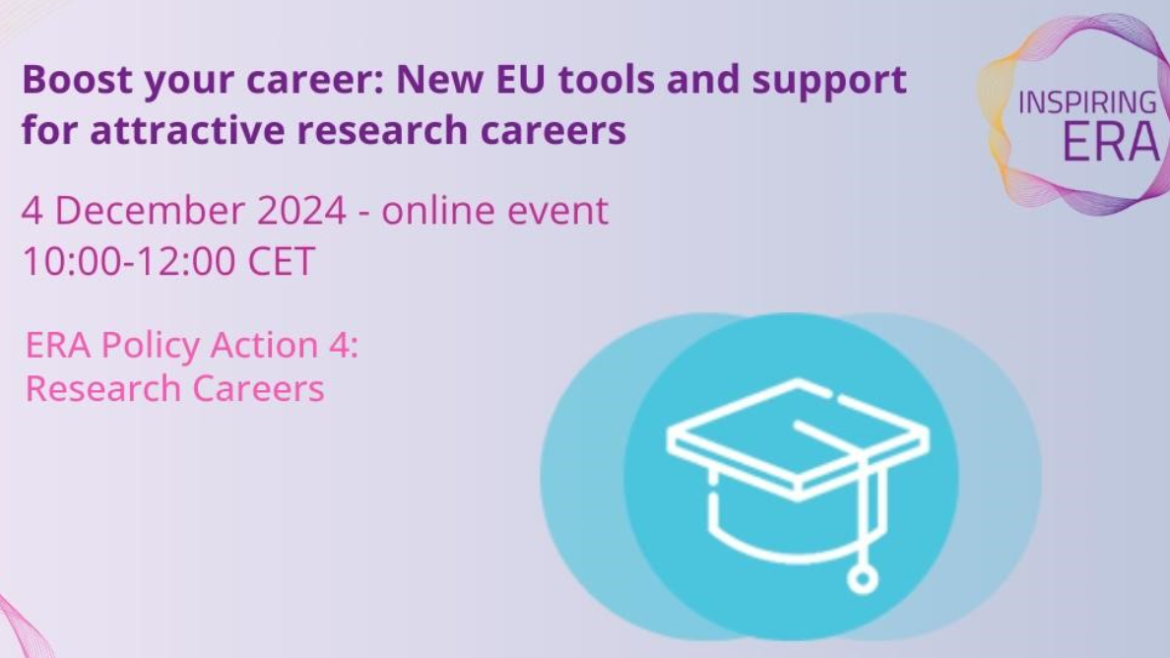
Boost Your Research Career: Join the EU INSPIRING ERA Online Event
Boost Your Research Career: Join the EU INSPIRING ERA Online Event 1024 551 Open and Universal Science (OPUS) Project

Date: Wednesday, 4 December 2024
Time: 10:00-12:00 CET
Location: Online via Zoom

Are you a researcher aiming to enhance your career and mobility within Europe? The European Commission invites you to an engaging online event showcasing innovative tools, initiatives, and support mechanisms to advance your research career.

This interactive session, organized by the EU INSPIRING ERA project, will provide an overview of cutting-edge resources, including:

  • The ERA Talent Platform: A newly launched tool designed to streamline career progression.
  • The European Competence Framework for Researchers (ResearchComp): Guiding researchers in skill development.
  • The Research and Innovation Careers Observatory (ReICO): Monitoring trends and opportunities in research careers.
  • The EURAXESS Portal: A gateway to European research job opportunities and support.
  • The European Charter for Researchers: Setting out principles for ethical and professional standards in research careers.

Programme Highlights

10:00 CET – Welcome

  • ERA Policy Agenda Action 4: Research Careers
    Emmanuelle Gardan, Co-sponsor of Action 4 and Director, Coimbra Group

10:15 CET – The New European Framework for Research Careers

  • Council Recommendation on Research Careers
    Dario Capezzuto, Policy Officer, ERA, DG R&I, European Commission
  • The ERA Talent Platform, EURAXESS, and RESAVER
    Slaven Misljencevic, Policy Officer, ERA, DG R&I, European Commission

Q&A Session

10:45 CET – Tools for Researchers

  • ResearchComp and ReICO Overview
    Dario Capezzuto, DG R&I, European Commission
  • The European Charter for Researchers
    Michele Rosa-Clot, Portfolio Owner, HR Excellence in Research, DG R&I

Q&A Session

11:15 CET – Panel Discussion

  • Sebastian Dahle, University of Ljubljana & Advisory Board Member, Eurodoc
  • Karen Vandevelde, Head of HR, Antwerp University
  • Anneke Kastelein, Leiden University Medical Centre & EU TalentOn Winner

11:45 CET – Top Tips and Resources
Key takeaways to guide your career development and access to further information.

12:00 CET – Close

Why Attend?

This event provides a unique opportunity to:

  • Learn about the European Commission’s resources to support researcher mobility and career progression.
  • Engage with policymakers, experts, and peers to share experiences and challenges.
  • Gain actionable insights and access tools tailored to researchers’ needs.

Register now to secure your spot and take a step towards advancing your research career!

This event is part of the EU INSPIRING ERA project’s series supporting the implementation of the European Research Area Policy Agenda.

Launch of the European Diamond Capacity Hub and the ALMASI Project
Launch of the European Diamond Capacity Hub and the ALMASI Project 768 376 Open and Universal Science (OPUS) Project

Date: January 14–15, 2025
Location: Museo Nacional de Ciencia y Tecnología (MUNCYT), Alcobendas, Madrid

The European Diamond Capacity Hub (EDCH) will publicly launch on January 15, 2025, at an event hosted by the Spanish Foundation for Science and Technology (FECYT) at MUNCYT in Madrid. The launch will introduce the EDCH’s mission to strengthen the Diamond Open Access (OA) community in Europe, alongside opportunities for collaboration and active engagement.

Empowering Diamond Open Access

The EDCH aims to support institutional, national, and disciplinary capacity centers, as well as Diamond OA publishers and service providers, through coordination, sustainability efforts, training modules, and technical tools. By doing so, it addresses the needs outlined in the Action Plan for Diamond Open Access, fostering growth in the Diamond OA community.

Positioning itself alongside regional hubs like Redalyc–Amelica and AJOL, the EDCH aspires to contribute to a global Diamond OA framework. This effort aligns with UNESCO’s ongoing consultations for global Open Access initiatives.

Policy Momentum and Support

The launch reflects increasing political support for equitable and transparent scholarly publishing. Key milestones include:

  • May 2023 EU Council Conclusions: Commitment to high-quality and equitable publishing.
  • June 2022 EU Council Conclusions: Linking Open Science to research assessment reform.
  • November 2021 UNESCO Recommendations: Global support for Open Science principles.

The EDCH’s development was supported by the CRAFT-OA and DIAMAS projects and received initial funding from the French National Research Agency (ANR) and CNRS.

ALMASI Project: A Global Perspective

On January 14, 2025, the EDCH launch will coincide with the announcement of the EU-funded ALMASI project. Spanning three years and involving 15 partners from Africa, Latin America, and Europe, ALMASI aims to enhance understanding of non-profit OA publishing worldwide. It will co-develop measures for quality alignment, training materials, and policy frameworks tailored to different regions.

OPERAS Leading the Way

Hosting the EDCH reinforces OPERAS’ mission to promote equitable publishing models across Europe, advancing the broader vision of Open Science within the European Research Area.

The event will mark a significant step forward in fostering global collaboration and innovation in Diamond OA and scholarly communication.

Monitoring the National Implementation of EOSC and Open Science
Monitoring the National Implementation of EOSC and Open Science 443 493 Open and Universal Science (OPUS) Project

Date: Friday, 29 November 2024
Time: 15:00–16:15 (CET)
Location: CWTS and Online

Speaker: Gareth O’Neill, Principal Consultant on Open Science at the Technopolis Group

Overview:
A robust monitoring framework for the national implementation of the European Open Science Cloud (EOSC) and Open Science is advancing collaborative research across Europe. Developed through the EOSC Future project in partnership with the EOSC Steering Board, this framework provides a comprehensive approach to evaluating Open Science practices.

Key Features:

  • Annual Surveys: Since 2021, surveys have been conducted to assess the adoption of Open Science policies and practices in European countries.
  • Core Categories: Data is gathered across eight critical areas: publications, data, software, services, infrastructure, skills/training, assessment, and engagement.
  • Public Data Access: Validated survey results are published in the EOSC Open Science Observatory, fostering transparency and usability.

2023 Insights:
The talk will present the latest survey results and discuss their implications for advancing Open Science and the EOSC initiative.

About the Speaker:
Gareth O’Neill, a leading voice in Open Science, serves as Principal Consultant at the Technopolis Group. He has played a pivotal role in shaping Open Science policies and initiatives across Europe.

Join the Seminar:
Learn about the progress and challenges in implementing EOSC and Open Science by participating in this engaging session.

Join Seminar Online

Scientists Call for Stronger Science-Policy Collaboration Amid Global Transformations
Scientists Call for Stronger Science-Policy Collaboration Amid Global Transformations 1024 576 Open and Universal Science (OPUS) Project

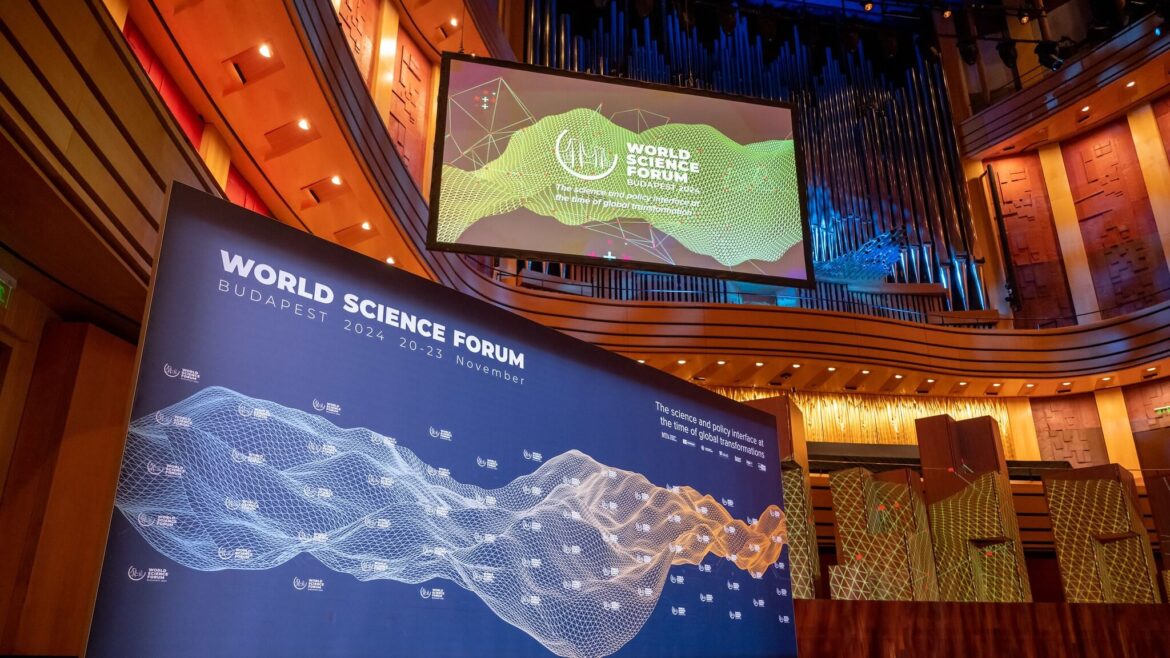
At the 11th World Science Forum in Budapest, scientists issued a resounding call for strengthened collaboration between science and policy to address pressing global challenges. The adoption of the Declaration on the Science and Policy Interface, endorsed on November 23, 2024, underscores the pivotal role of evidence-based policymaking in tackling interconnected crises such as climate change, rising inequalities, and the disruptive impact of emerging technologies.

A Unified Vision for Science and Policy

Drafted with the initiative of organizations like UNESCO, the International Science Council (ISC), and the Hungarian Academy of Sciences (MTA), the Declaration emphasizes the importance of trusted and inclusive science-policy interfaces. It highlights the need for equitable access to scientific advancements and robust ethical standards to ensure progress benefits all.

The Declaration also warns of the growing threat posed by disinformation and deliberate efforts to undermine trust in science. It stresses that science must not only uphold its integrity but also improve communication with policymakers and the public, fostering transparency and understanding.

Key Points from the Declaration

  1. Science’s Role in Policymaking
    • Science is vital for addressing local, national, and global challenges. However, it is often undervalued in policy discussions.
    • Evidence-based policymaking must adopt a whole-of-government and whole-of-society approach to foster sustainable progress.
  2. Building Trust in Science
    • Trust in science hinges on integrity, ethical compliance, and transparent communication.
    • Efforts must counter disinformation while highlighting science’s potential and its limitations.
  3. Equitable and Inclusive Practices
    • Diversity, equity, and accessibility must be ensured in knowledge production and dissemination.
    • Early-career researchers and marginalized voices should play a greater role in science-policy dialogues.
  4. Protecting Science in Times of Conflict
    • Governments are urged to safeguard scientists and research ecosystems, particularly in conflict zones, while fostering international collaboration.
  5. Ethical Oversight of New Technologies
    • Scientific and technological advancements must align with ethical standards to prevent misuse or harm.

Calls to Action

The Declaration calls on governments, organizations, and the international community to:

  • Strengthen science advisory mechanisms, especially in underdeveloped areas.
  • Protect academic freedom and promote open, inclusive scientific practices.
  • Enhance science education to empower societies with critical thinking skills.
  • Prioritize ethical scrutiny of emerging technologies.

A Global Commitment to Sustainable Development

Aligned with the 2024 UN Pact for the Future and Agenda 2030, the Declaration reinforces science’s universal role in promoting peace and sustainability. The Forum participants endorsed the integration of science into multilateral efforts and the International Decade of Sciences for Sustainable Development, envisioning a future where science drives equitable transformation.

Conclusion

The Declaration reflects the scientific community’s resolve to bridge the gap between research and policy, ensuring that decisions are guided by evidence and inclusive principles. As the world grapples with complex transformations, this collaboration is vital for building a sustainable and equitable future for all.

Maximizing Research Impact: Traditional Metrics and Real-World Influence
Maximizing Research Impact: Traditional Metrics and Real-World Influence 1024 922 Open and Universal Science (OPUS) Project

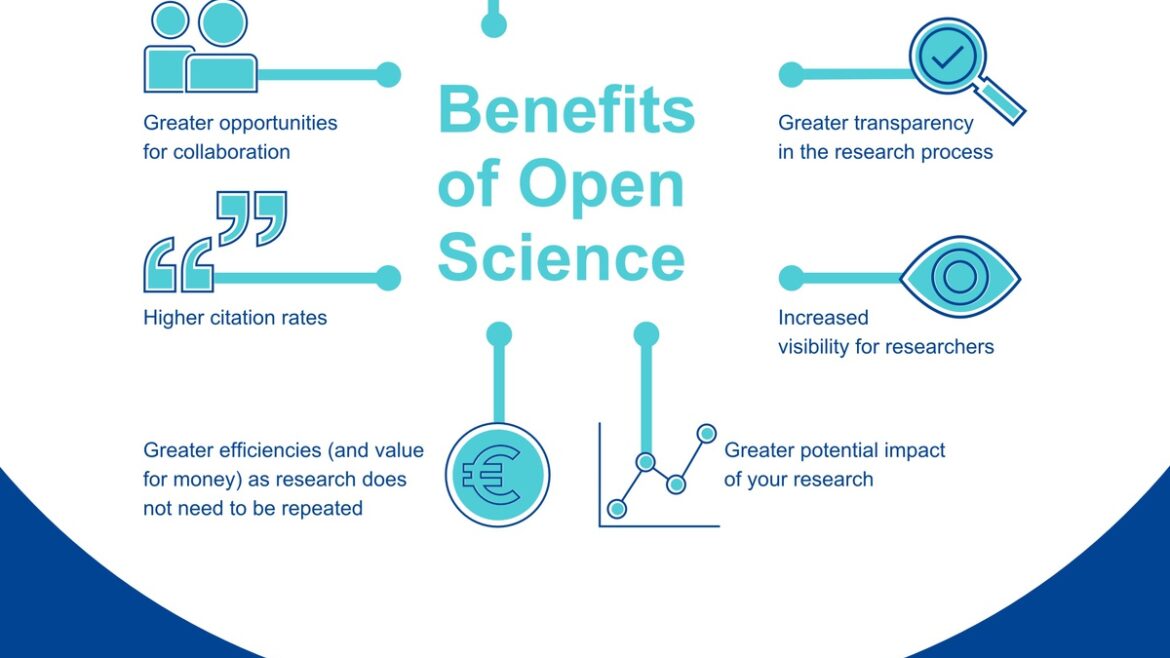
Effectively measuring and demonstrating the impact of research is critical, as funding is often tied to its reach and influence. Funders prioritize a strong return on investment, and focusing on impact helps researchers see the broader purpose of their work. This article explores methods for measuring research impact through traditional metrics and real-world outcomes, along with strategies for maximizing reach.

Understanding Traditional Metrics

Traditional metrics focus on quantifiable indicators of a research output’s reach and the journal’s influence. These are split into two categories:

1. Article-Level Metrics

These metrics measure the individual reach and impact of a research article. Key indicators include:

  • Views and downloads: Showcasing audience engagement.
  • Citations: Reflecting the scholarly influence of the work.

Publishers, like Open Research Europe, often display these metrics alongside articles to increase visibility and transparency.

2. Journal-Level Metrics

Journal-level metrics assess the collective reach of all articles published in a journal. Examples include:

  • Journal Impact Factor™ and CiteScore: Measuring average citation performance.
  • Annual views and downloads: Indicating audience interest over time.

While these metrics allow authors to compare publication venues, they emphasize the journal’s reputation rather than individual articles.

Creating Real-World Impact

Beyond citations, real-world impact focuses on how research informs policy, engages media, and reaches the public.

1. Engaging Policymakers

To influence legislation and policy, researchers should:

  • Write accessible articles: Formats like Open Letters, Case Studies, or Reports distill findings for non-specialist audiences.
  • Build relationships: Reach out to policymakers with an executive summary, credentials, and achievable recommendations. Consistent communication fosters lasting connections.

2. Collaborating with the Media

Media coverage amplifies research visibility and societal relevance. To engage the press:

  • Tailor the message: Create a single, clear message tailored to the target audience.
  • Stay TRUE (Timely, Relevant, Unique, Engaging): Ensure the research is newsworthy and adapted to current events or societal needs.
  • Tell a story: Combine statistics (rationale) with case studies (emotional resonance) for compelling narratives.

3. Reaching the Public

Traditional journalism and social media are powerful tools for public engagement:

  • Traditional media: Work with institutional communications teams to pitch research stories.
  • Social media: Announce publications with engaging summaries, relevant hashtags, and visuals. Tag co-authors, institutions, and funders to expand reach. Interact with ongoing conversations to connect with broader audiences.

Measuring Real-World Impact

Unlike traditional metrics, assessing real-world impact can be more nuanced. Key strategies include:

  • Tracking news coverage: Monitor media mentions using specific keywords related to the research.
  • Altmetric scores: Evaluate social media mentions, online engagement, and media coverage using Altmetric data.
  • Policy influence: Use tools like Overton to identify policy documents referencing the research.

Conclusion

By leveraging traditional metrics and fostering real-world connections, researchers can maximize their impact, ensuring their work not only contributes to scholarly literature but also drives societal change. Whether engaging policymakers, collaborating with media, or reaching the public, a strategic approach to research dissemination can significantly enhance its influence.

For more insights on impactful publishing, visit Open Research Europe.

Shaping the Future of Open Access Book Policies: PALOMERA’s Vision
Shaping the Future of Open Access Book Policies: PALOMERA’s Vision 1024 492 Open and Universal Science (OPUS) Project

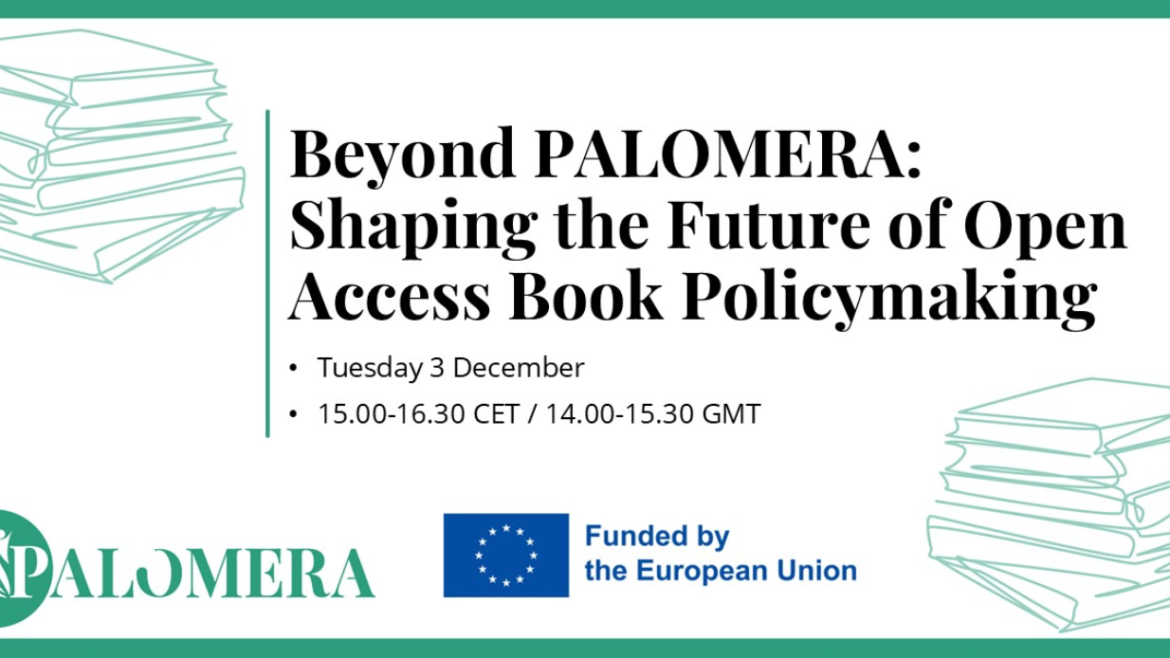
On December 3, 2024, a webinar will spotlight the outcomes of PALOMERA, a two-year Horizon Europe-funded initiative addressing the limited inclusion of books in open access (OA) funder policies.

As the project concludes, PALOMERA showcases its key contributions: tailored stakeholder recommendations, an extensive Knowledge Base of policies, and the establishment of a Funder Forum. These outputs aim to transform the landscape of open access book publishing by providing actionable solutions and fostering collaboration among stakeholders.

This event offers an opportunity to reflect on PALOMERA’s achievements and explore how its insights will influence future policymaking in open access book publishing.

Register here!

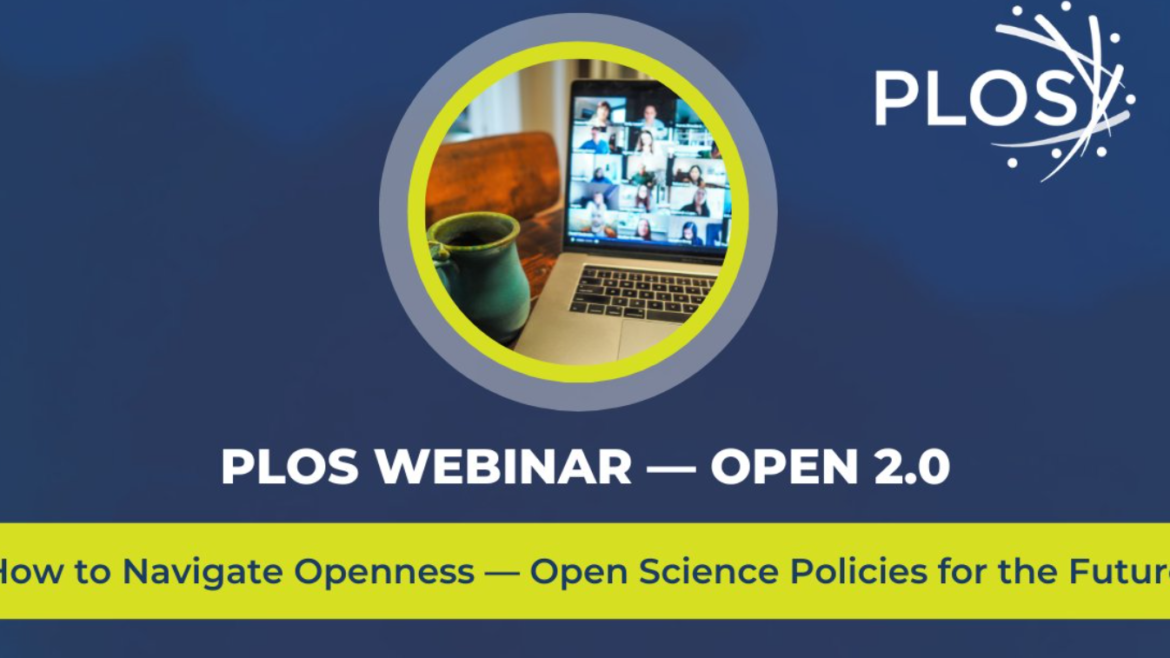
PLOS Webinar: “Open 2.0: How to navigate openness–Open Science policies for the future”
PLOS Webinar: “Open 2.0: How to navigate openness–Open Science policies for the future” 1024 542 Open and Universal Science (OPUS) Project

Date: December 6, 2024
Time: 2:00 PM (GMT)
Registration: Zoom

As Open Science becomes a cornerstone of global research, critical questions arise: Should openness be enforced, encouraged, or recommended? With Horizon Europe entering its final two years, REF 2029 debates intensifying, and European national Open Science plans nearing completion, the need for forward-looking policies is more urgent than ever.

Join for “Open 2.0: How to Navigate Openness—Open Science Policies for the Future”, a panel-style webinar where leading experts will explore the evolving landscape of Open Science policies. This session will focus on envisioning policies that balance accessibility and practicality, analyzing effective implementation strategies, and establishing methods to monitor their long-term impact.

This is a must-attend event for researchers, policymakers, and advocates of Open Science who want to stay ahead in shaping a transparent and collaborative research future.

Note: By opting to receive updates from PLOS, you can stay informed about future events and developments in Open Science. Visit the PLOS Privacy Policy for more details.

2nd Global Summit on Diamond Open Access: Advancing Social Justice in Scholarly Communication
2nd Global Summit on Diamond Open Access: Advancing Social Justice in Scholarly Communication 798 814 Open and Universal Science (OPUS) Project

In 2024, UCT Libraries will host the 2nd Global Summit on Diamond Open Access, an event dedicated to fostering inclusive, accessible, and equitable scholarly communication. Under the theme, “Centering Social Justice in Scholarly Communication to Advance Research as a Public Good,” the summit will bring together a global community of journal editors, organizations, experts, and stakeholders committed to promoting diamond open access (OA) as a model for public-oriented research.

The summit’s mission is to enable dialogue within the diamond OA community, creating an inclusive environment for sharing insights and strategies that support an accessible and discoverable scholarly publishing ecosystem. Participants will explore how to expand diamond open access to ensure equitable participation in research dissemination. The ultimate goal is to consolidate and grow the diamond OA movement as a sustainable, public good-aligned pathway in academic publishing.

Diamond open access, which removes subscription fees for readers and publishing costs for authors, aligns with principles of social justice by breaking down economic barriers and ensuring that knowledge is accessible to everyone. With an open-access model that centers on making scholarly content freely available, the summit supports the democratization of research and its widespread, societal impact.

For more information about the summit and to explore its goals, visit Global Summit on Diamond Open Access.

Join us in advancing a future where scholarly communication is a vehicle for social justice, open to all and accessible to all.

Register here!

Privacy Preferences

When you visit our website, it may store information through your browser from specific services, usually in the form of cookies. Our Privacy Policy can be read here.

Here you can change your Privacy preferences. It is worth noting that blocking some types of cookies may impact your experience on our website and the services we are able to offer.

Click to enable/disable Google Analytics tracking code.
Click to enable/disable Google Fonts.
Click to enable/disable Google Maps.
Click to enable/disable video embeds.
Our website uses cookies, mainly from 3rd party services. Define your Privacy Preferences and/or agree to our use of cookies.