#ResearchAssessment

Embracing Progressiveness in Open Science: Catalyzing Innovation and Collaboration
Embracing Progressiveness in Open Science: Catalyzing Innovation and Collaboration 813 885 Open and Universal Science (OPUS) Project

Introduction

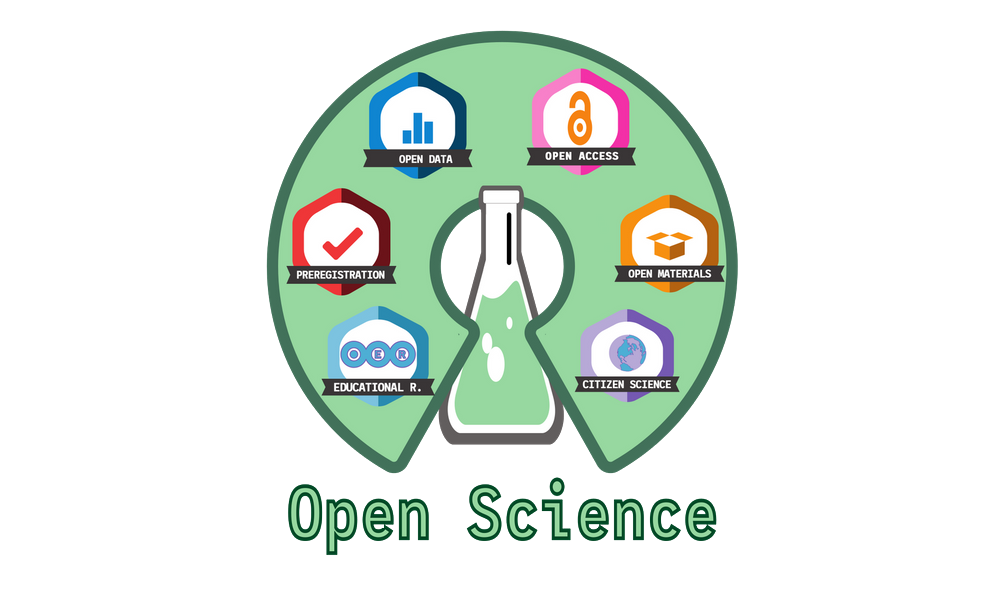
Open science has emerged as a powerful paradigm shift, transforming the traditional landscape of scientific research and knowledge dissemination. By promoting transparency, accessibility, and collaboration, open science has the potential to drive scientific progress at an unprecedented pace. Within this realm, the concept of progressiveness is a driving force, aiming to foster inclusivity, diversity, and equity in scientific endeavors. In this article, we will explore the significance of progressiveness in open science and the positive impact it has on research, innovation, and society as a whole.

  1. Enhancing Accessibility and Knowledge Dissemination

One of the core principles of open science is making scientific knowledge accessible to all, regardless of their institutional affiliations, geographic locations, or socioeconomic backgrounds. Progressiveness in open science takes this principle further by addressing the barriers that prevent equal access to knowledge. By utilizing open access publishing, preprint servers, and data sharing platforms, researchers can ensure their work reaches a broader audience, including those in resource-limited regions.

Moreover, progressiveness in open science recognizes the importance of multilingualism and cultural diversity in knowledge exchange. Efforts are being made to translate scientific literature into various languages, making research more accessible to non-English-speaking communities. This inclusivity facilitates global collaboration, encouraging diverse perspectives and accelerating scientific progress.

  1. Fostering Collaboration and Interdisciplinary Research

Open science provides a fertile ground for collaboration among researchers, institutions, and even citizen scientists. Progressiveness in open science recognizes the significance of interdisciplinary collaboration in tackling complex scientific challenges. By breaking down disciplinary boundaries and encouraging knowledge exchange across fields, open science enables the formation of diverse research teams, facilitating the development of innovative solutions.

Progressiveness in open science also encourages citizen science initiatives, involving non-professionals in scientific research. By engaging the public in data collection, analysis, and interpretation, open science empowers communities and promotes scientific literacy. Such collaborations foster a sense of ownership and inclusivity, leading to more relevant and impactful research outcomes.

  1. Promoting Reproducibility and Rigor

Reproducibility is a cornerstone of scientific research, ensuring the reliability and credibility of scientific findings. Progressiveness in open science emphasizes the importance of transparent and reproducible research practices. Open access to research data, methodologies, and analysis codes enables others to reproduce and validate scientific results, promoting the advancement of knowledge.

Furthermore, progressiveness in open science advocates for inclusive and unbiased research practices. It calls for diversity in research teams, both in terms of gender and cultural representation, to mitigate biases and enhance the robustness of scientific investigations. By embracing inclusivity and promoting rigorous research standards, open science paves the way for more reliable and impactful scientific discoveries.

  1. Ethical Considerations and Responsible Conduct

Progressiveness in open science recognizes the ethical implications and responsibilities that come with open and transparent research practices. It calls for the development of ethical frameworks to protect sensitive data, privacy, and intellectual property rights while still fostering openness. Striking a balance between openness and responsible conduct is crucial to maintain public trust and ensure ethical integrity in scientific research.

Additionally, progressiveness in open science acknowledges the importance of equitable recognition and attribution in collaborative research. It calls for fair and transparent acknowledgment of contributors, regardless of their institutional affiliations or hierarchical positions. Such practices encourage a culture of collaboration and eliminate biases, ensuring a more inclusive and supportive scientific community.

Conclusion

Embracing progressiveness in open science revolutionizes the way research is conducted, disseminated, and utilized for the betterment of society. By enhancing accessibility, fostering collaboration, promoting reproducibility, and upholding ethical standards, progressiveness in open science catalyzes innovation and drives scientific progress at an accelerated pace.

Illustration: Hebels, Dennie

Embracing the Era of Open Access Journals: Democratizing Knowledge for All
Embracing the Era of Open Access Journals: Democratizing Knowledge for All 1024 769 Open and Universal Science (OPUS) Project

Introduction

In the digital age, where information is abundant and easily accessible, open access journals have emerged as a powerful catalyst for democratizing knowledge. Traditional academic publishing models, with their paywalls and restricted access, have often hindered the dissemination of research findings to a broader audience. However, open access journals have revolutionized the scholarly landscape by removing these barriers, promoting transparency, and fostering innovation. In this article, we explore the significance of open access journals and their transformative impact on the scientific community and society at large.

Defining Open Access Journals

Open access journals are scholarly publications that make research articles freely available to the public, without any financial barriers or subscription fees. They provide unrestricted access to knowledge, allowing anyone with an internet connection to read, download, share, and build upon published research. This model ensures that scientific discoveries and insights reach a wider audience, including researchers, students, policymakers, and the general public.

The Benefits of Open Access

  1. Democratizing Knowledge: Open access journals break down the traditional barriers to information by ensuring that knowledge is accessible to all, irrespective of geographic location, institutional affiliation, or financial resources. This inclusivity promotes equal opportunities for researchers, encourages interdisciplinary collaboration, and empowers individuals in developing regions to contribute to scientific advancements.
  2. Accelerating Scientific Progress: By removing access restrictions, open access journals expedite the dissemination of research findings. Researchers can build upon existing knowledge, leading to accelerated scientific progress and the potential for more rapid breakthroughs in various fields. Open access journals also foster interdisciplinary collaborations, enabling researchers from different domains to come together and generate innovative solutions to complex problems.
  3. Enhancing Visibility and Impact: Open access journals increase the visibility and impact of research articles. The widespread availability of open access content leads to higher citation rates, as researchers from diverse backgrounds can easily reference and build upon these works. Consequently, authors gain greater recognition for their contributions and research becomes more discoverable, fostering a virtuous cycle of knowledge dissemination.
  4. Public Engagement and Societal Impact: Open access journals facilitate engagement between the scientific community and the public. By enabling easy access to research findings, these journals empower individuals outside academia to stay informed about the latest discoveries, stimulating dialogue, and promoting evidence-based decision-making. Open access also supports the translation of research into practical applications, thereby contributing to social, economic, and technological advancements.

Challenges and Solutions

While open access journals have undeniably revolutionized the scholarly landscape, they also face some challenges. One of the major concerns is ensuring financial sustainability for journal publishers, as the traditional subscription model provided a significant revenue stream. However, various funding models have emerged to address this issue, such as article processing charges, institutional memberships, and grants from funding agencies. Additionally, initiatives like the Plan S, a global push for open access, have gained momentum, encouraging institutions and researchers to support open access publishing.

Furthermore, quality control and peer review processes are crucial to maintaining the credibility and integrity of research published in open access journals. It is imperative for these journals to establish rigorous peer review mechanisms and adhere to ethical publishing practices to ensure the reliability of published content.

Conclusion

Open access journals have ushered in a new era of scholarly communication, transforming the way research is disseminated, accessed, and utilized. By breaking down barriers and fostering a culture of openness, these journals have democratized knowledge, accelerating scientific progress and enhancing societal impact. As the demand for open access continues to grow, it is essential for stakeholders, including researchers, institutions, funding agencies, and policymakers, to collaborate and support sustainable open access models. Together, we can ensure that the benefits of open access extend beyond the confines of academia, enriching lives and advancing human knowledge for the the benefit of us all.

Author of picture: Jaan Kokk

Open Science: Journals & Academies
Open Science: Journals & Academies 1 1 Open and Universal Science (OPUS) Project

Open Science is a movement that seeks to make scientific research more transparent, accessible, and collaborative. As the field continues to grow, there has been an emergence of academies and journals that specialize in Open Science, providing a platform for researchers to share their work openly and promote the principles of Open Science.

Academies of Open Science

Academies of Open Science are organizations that promote and facilitate the use of Open Science practices. These academies typically provide training, resources, and support to researchers interested in Open Science, as well as advocate for the adoption of Open Science policies and practices at the institutional and governmental levels.

One example of an Academy of Open Science is the Open Science Academy, which was launched in 2019 by the European Union. The Open Science Academy provides training and resources to researchers, policymakers, and other stakeholders to promote the principles of Open Science, including open access, open data, and open peer review.

Journals of Open Science

Journals of Open Science are academic journals that specialize in publishing research that adheres to Open Science principles. These journals typically require authors to make their data and code openly available, as well as make their articles freely available online without any access restrictions or paywalls.

One example of a Journal of Open Science is PLOS ONE, which was launched in 2006. PLOS ONE is an open access journal that publishes research in all areas of science and medicine, with a focus on rigorous, transparent, and reproducible research. PLOS ONE has become one of the largest and most influential scientific journals in the world, with thousands of articles published each year.

Benefits of Academies and Journals of Open Science

The emergence of academies and journals of Open Science has had a significant impact on the field, promoting greater collaboration, transparency, and accessibility in scientific research. By providing training, resources, and support to researchers, academies of Open Science are helping to promote the adoption of Open Science principles at all levels of the research process.

Similarly, by requiring authors to adhere to Open Science principles, journals of Open Science are helping to promote greater transparency and reproducibility in scientific research. This can help to increase the reliability and impact of scientific research, as well as promote greater collaboration and knowledge-sharing within the scientific community.

Conclusion

The emergence of academies and journals of Open Science is an important development in the field, helping to promote greater transparency, collaboration, and accessibility in scientific research. As the field continues to grow, it is likely that we will see further developments in the way that research is conducted, communicated, and evaluated, with the principles of Open Science playing an increasingly important role.

History of Open Science
History of Open Science 1 1 Open and Universal Science (OPUS) Project


Open science is a term used to describe a movement that seeks to make scientific research more accessible, transparent, and collaborative. It has its roots in the early days of modern science, but the term “open science” did not gain widespread use until the late 20th century. In this article, we will explore the history of open science and how it has evolved over time.

The Early Days of Modern Science

The origins of open science can be traced back to the early days of modern science in the 17th century. During this time, scientists such as Galileo Galilei and Robert Boyle were conducting experiments and making discoveries that laid the foundation for modern scientific research. These scientists often shared their findings with other scientists and the public, and their work helped to create a culture of openness and collaboration in the scientific community.

The Rise of Scientific Journals

In the 18th and 19th centuries, the publication of scientific journals became more widespread. These journals provided a platform for scientists to share their research with a wider audience, and they helped to establish a peer-review system that allowed other scientists to evaluate and critique their work. However, access to these journals was often limited to a small group of scholars and institutions, and they were often prohibitively expensive for individual researchers.

The Open Access Movement

In the late 20th century, the rise of the internet led to new opportunities for open science. The open access movement emerged in the early 2000s as a response to the high cost of scientific journals and the growing demand for more open and transparent research practices. Open access journals provide free and unrestricted access to scientific research, allowing anyone to read, download, and distribute scientific articles.

The Open Science Movement

In recent years, the open access movement has given rise to a broader open science movement that seeks to make all aspects of scientific research more transparent and collaborative. Open science advocates argue that scientific research should be freely accessible to everyone, and that scientific data and methods should be openly shared to facilitate collaboration and reproducibility.

Open science initiatives include open data, which involves making research data available to others; open peer review, which involves making the peer review process transparent and collaborative; and open education, which involves making educational resources and materials freely available to anyone.

The Future of Open Science

The open science movement is still in its early stages, and there is much work to be done to make scientific research more accessible and collaborative. However, there are many signs that the movement is gaining momentum. Open access journals are becoming more common, and more and more scientific data is being made available to the public. There is also a growing awareness of the need for transparency and collaboration in scientific research, and many scientists and institutions are embracing open science practices.

The history of open science can be traced back to the early days of modern science, but the term “open science” did not gain widespread use until the late 20th century. The rise of the internet and the open access movement have given rise to a broader open science movement that seeks to make all aspects of scientific research more transparent and collaborative. While there is still much work to be done, the future of open science looks bright, and we can expect to see continued progress in the years ahead.

Reforming Research Assessment
Reforming Research Assessment 1 1 Open and Universal Science (OPUS) Project

In the world of academia, research assessment is an essential process that is used to evaluate the quality and impact of research projects. However, the current system of research assessment has been criticized for its overemphasis on metrics and lack of transparency, which has led to a number of negative outcomes, including the devaluation of certain types of research and the perpetuation of biases in the academic community. As a result, there is a growing movement for the reform of research assessment, which seeks to create a fairer, more transparent, and more accurate system for evaluating research.

One of the main criticisms of the current research assessment system is its reliance on metrics such as publication counts, citation rates, and journal impact factors. While these metrics can provide useful information about the quantity and quality of research output, they often fail to capture the full range of contributions that researchers make to their fields. For example, metrics tend to favor research that is published in high-impact journals, which can lead to the undervaluation of important but less prestigious work.

Another problem with the current system is that it can perpetuate biases and inequalities in the academic community. For example, women and underrepresented minorities are often underrepresented in high-impact journals, which can lead to their work being undervalued in research assessments. Similarly, research that focuses on marginalized communities or non-traditional topics may be devalued because it does not fit into established paradigms or funding priorities.

To address these issues, advocates for research assessment reform are calling for a more holistic and transparent approach to evaluating research. This could involve a shift away from metrics and towards more qualitative assessments of research quality, such as peer review or expert evaluation. It could also involve greater consideration of the broader impacts of research, such as its potential for social or economic benefit, or its relevance to policy and practice.

Another key aspect of research assessment reform is the need for greater transparency and openness in the evaluation process. This could involve making research assessment criteria and procedures more explicit and accessible, so that researchers understand how their work is being evaluated. It could also involve involving a wider range of stakeholders in the assessment process, including non-academic partners and members of the public.

Finally, research assessment reformers are calling for greater diversity and inclusion in the academic community, so that the full range of research perspectives and approaches are represented in research assessments. This could involve initiatives to promote greater equity in funding and publishing, as well as efforts to ensure that underrepresented groups are included in the peer review and evaluation processes.

The reform of research assessment is an important and timely issue that has the potential to transform the way research is evaluated and valued. By promoting greater transparency, equity, and diversity in the assessment process, we can create a more just and effective system for evaluating the contributions that researchers make to their fields.

Open Science Ethics
Open Science Ethics 1024 659 Open and Universal Science (OPUS) Project

The field of open science has been gaining increasing attention in recent years, as researchers and academics seek to make research findings and data more accessible and transparent. At the core of open science is the idea of making research freely available to the public, enabling others to build on existing findings and contribute to the advancement of scientific knowledge. However, as with any approach to science, there are ethical considerations that must be taken into account.

Firstly, open science must ensure that the privacy and confidentiality of research participants are protected. Researchers must ensure that data collected from participants is anonymized and stored securely, so that individuals cannot be identified. Additionally, informed consent must be obtained from participants, so that they understand the risks and benefits of participating in research, and can make an informed decision about whether to take part.

Secondly, open science must ensure that credit is given where credit is due. Researchers who have contributed to the development of research findings or data must be acknowledged and cited appropriately. This helps to ensure that researchers receive recognition for their contributions and are incentivized to continue contributing to the advancement of scientific knowledge.

Thirdly, open science must ensure that research findings are disseminated in a responsible and accurate manner. This means that research findings must be communicated clearly and honestly, without misrepresenting or exaggerating the results. Additionally, research findings must be placed in the proper context, so that the public can understand the limitations of the study and the implications of the findings.

Finally, open science must ensure that research is conducted in an ethical and responsible manner. Researchers must adhere to ethical guidelines and principles, such as those laid out in the Declaration of Helsinki and the Belmont Report, which outline the ethical considerations that must be taken into account when conducting research with human participants.

To sum up, the ethics of open science must be carefully considered in order to ensure that research is conducted in a responsible and transparent manner. By protecting the privacy and confidentiality of research participants, giving credit where credit is due, disseminating research findings accurately and responsibly, and adhering to ethical guidelines and principles, open science can help to advance scientific knowledge in an ethical and responsible manner.

Picture illustration: Eos

Open Science Key Terms
Open Science Key Terms 1000 600 Open and Universal Science (OPUS) Project

Open science is a growing movement in the scientific community that aims to increase transparency and accessibility in research. It is an approach that seeks to make scientific knowledge freely available to everyone, without restrictions or barriers. In this article, we will explore some of the key terms in open science and their significance in promoting scientific progress.

  1. Open Access: Open access is a principle that aims to make scientific research freely available to everyone, without any restrictions or barriers. This means that research papers, data, and other scholarly works can be accessed and used by anyone, regardless of their location or affiliation. Open access promotes collaboration, innovation, and progress by removing financial and legal barriers to scientific knowledge.
  2. Open Data: Open data is a term that refers to research data that is made publicly available for use by anyone, without restrictions on its use or redistribution. This data can be used to verify research findings, develop new theories and models, and facilitate collaboration across different fields of study. Open data promotes transparency and accountability, and allows for more rigorous and reproducible scientific research.
  3. Open Source: Open source is a term that refers to software that is made available under an open license, which allows others to use, modify, and redistribute it freely. Open source software is often developed collaboratively by a community of users and developers, who work together to improve and refine the software. Open source promotes innovation and collaboration, and has led to many breakthroughs in scientific computing and data analysis.
  4. Reproducibility: Reproducibility refers to the ability of researchers to reproduce the results of a study using the same methods and data. Reproducibility is essential for scientific progress, as it ensures that research findings are accurate and reliable. Open science promotes reproducibility by making research data and methods available to others, allowing them to verify and reproduce the findings.
  5. Transparency: Transparency refers to making the research process and data collection methods as clear and open as possible, allowing for greater scrutiny and reproducibility. Transparent research practices include making research protocols and methods publicly available, and providing detailed descriptions of the data collection and analysis procedures. Transparency promotes accountability and accuracy in scientific research, and helps to build trust and confidence in scientific findings.
  6. Open Peer Review: Open peer review is the practice of making the peer review process transparent and open to the public, allowing for greater accountability and transparency. Open peer review involves making reviewer comments and author responses publicly available, and allowing readers to comment on the review process. Open peer review promotes transparency and accountability in scientific publishing, and helps to ensure that research findings are accurate and reliable.
  7. Open Education: Open education is the practice of making educational resources and materials openly available to everyone, without restrictions on access or use. Open education promotes accessibility and equity in education, and allows learners to access high-quality educational resources regardless of their location or background. Open education also promotes collaboration and innovation, as educators and learners can share resources and collaborate on projects.
  8. Open Innovation: Open innovation is the practice of making research and development processes openly accessible, allowing for collaboration and the sharing of ideas and resources. Open innovation promotes creativity and innovation by allowing researchers and developers to build on each other’s work and ideas. Open innovation also promotes collaboration across different fields of study, which can lead to breakthroughs in scientific research and technological development.
  9. Open Collaboration: Open collaboration is the practice of working together in a transparent and open manner, with a focus on sharing resources, knowledge, and expertise. Open collaboration promotes creativity and innovation, as collaborators can build on each other’s ideas and expertise. Open collaboration also promotes inclusivity and equity, as it allows people from different backgrounds and locations to work together on common goals.
  10. Open Science Policy: Open science policy is a set of guidelines and principles that encourage

By removing barriers to knowledge and promoting open practices, open science has the potential to accelerate scientific progress and benefit society as a whole. The key terms in open science, such as open access, open data, reproducibility, and transparency, are essential components of this approach. As more researchers, institutions, and policymakers embrace open science, we can expect to see more innovative and impactful scientific discoveries that benefit humanity.

Image: The American Ceramic Society

Promoting Open Science: A Holistic Approach to Changing Behaviour
Promoting Open Science: A Holistic Approach to Changing Behaviour 1024 499 Open and Universal Science (OPUS) Project

The scientific community is currently facing a “reproducibility crisis” in which many influential findings are failing to replicate, and questionable research and publication practices (QRPPs) are partly to blame for this. In response, a movement of Open Science has emerged, which encompasses a range of practices that aim to increase the transparency and rigour of scientific research. However, many researchers are not embracing open practices, perhaps due to a lack of awareness of their benefits, or because of academic incentive structures that reward quantity over quality.

To promote the uptake and maintenance of open practices, this article provides a toolbox of recommendations and resources for individuals and institutions in the research ecosystem. The paper is divided into seven sections, each focused on a different stakeholder group or institution: colleagues, students, departments and faculties, universities, academic libraries, journals, and funders. For each group, the article describes the behavioural influences and incentives, as well as changes they can make to foster Open Science.

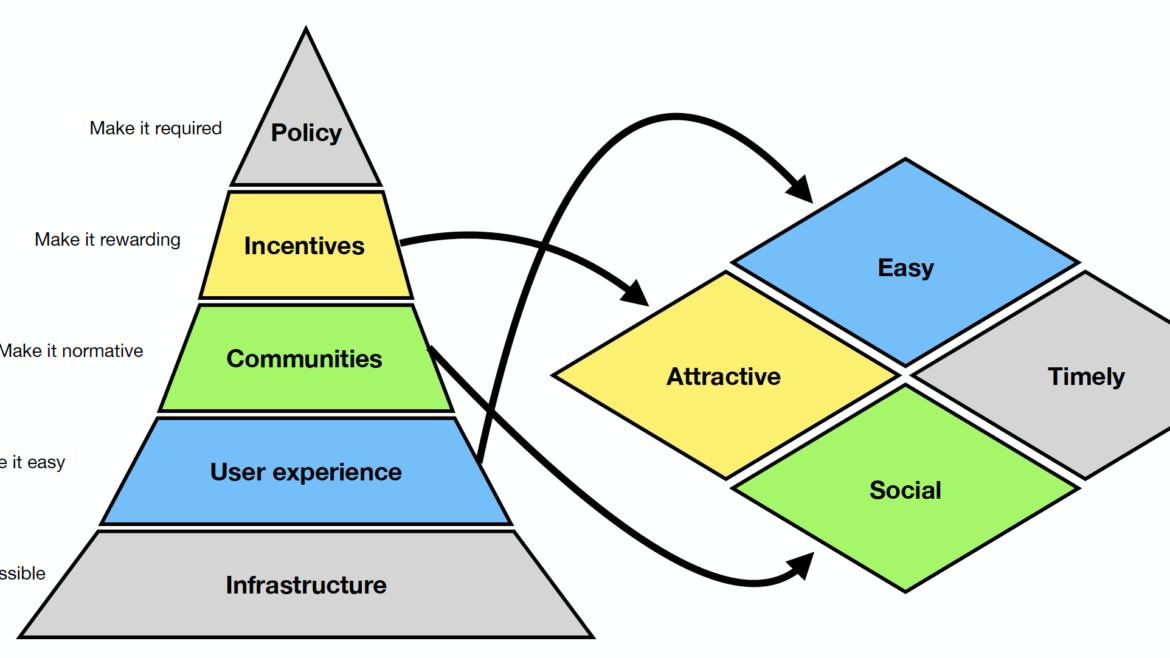
The primary goal of the article is to suggest actions that researchers can take to promote open practices, inspired by simple principles of behaviour change: make it easy, social, and attractive. Researchers can directly influence their colleagues and students to adopt open practices, and the article outlines actions they can take to achieve this. However, institutions also play a key role in promoting Open Science, and the article recommends ways in which individuals can influence institutional decision-makers to enact change.

The key behaviours that the article suggests are critical to Open Science are preregistration, preprints and open access publication, publicly sharing open and usable data and code, and conducting replication studies. By adopting these practices, researchers can increase the transparency and rigour of their research and contribute to a more open research culture.

In conclusion, Open Science is a movement aimed at increasing the transparency and rigour of scientific research, and the adoption of open practices can help to address the reproducibility crisis. This article provides a toolbox of recommendations and resources for individuals and institutions to promote the uptake of open practices, with a focus on making it easy, social, and attractive to do so. By adopting open practices, researchers can contribute to a more transparent and rigorous scientific community.

Original article can be found here.

Funding Open Science
Funding Open Science 1 1 Open and Universal Science (OPUS) Project

Open science refers to the practice of making scientific research freely accessible to everyone, without any barriers. It’s an important concept that has gained momentum in recent years, as researchers and institutions recognize the value of sharing their findings with the wider world.

However, one of the major challenges of open science is funding. While traditional scientific research is often funded by grants from government agencies or private foundations, open science relies on a different model. Instead of relying on grants or donations, open science projects often rely on community support and crowdfunding.

There are a number of advantages to this approach. First, it allows researchers to engage directly with their audience, building a community of supporters who are invested in their work. Second, it allows researchers to access funding without having to navigate the often-complex grant application process. And third, it ensures that the research remains independent and free from external influence.

Of course, there are also some challenges to funding open science in this way. For one, it can be difficult to attract enough supporters to provide sustainable funding over the long term. And second, it can be challenging to ensure that the research is of high quality and rigorous enough to meet scientific standards.

Despite these challenges, there are a number of successful open science projects that have been funded in this way. For example, there are several open-access scientific journals that are supported by author fees and community donations. There are also projects like the Open Source Science Project, which aims to provide a platform for scientists to collaborate and share their findings openly.

Overall, funding for open science remains an important topic of discussion in the scientific community. While there are challenges to this approach, there are also many potential benefits. As more researchers and institutions embrace open science, we can expect to see more innovative funding models emerge to support this important work.

European Open Science Framework
European Open Science Framework 1024 683 Open and Universal Science (OPUS) Project

Open science is a movement that aims to make scientific research and data freely available to the public. The European Union (EU) has recognized the importance of open science and has developed a framework to promote it across Europe. The European Framework for Open Science (EFOS) provides a roadmap for researchers, institutions, and policymakers to advance open science practices and principles.

The EFOS is built on three pillars: open access to scientific publications, open research data, and open science policies. The first pillar, open access to scientific publications, ensures that the results of publicly funded research are freely accessible to everyone. This means that scientific papers should be published in open access journals or deposited in open access repositories. By making research papers available to all, the EFOS aims to increase the impact and visibility of research, promote collaboration, and facilitate innovation.

The second pillar of the EFOS is open research data. Research data is the foundation of scientific discovery, and sharing it openly can enhance transparency, reproducibility, and collaboration. The EFOS encourages researchers to share their data openly, following the FAIR principles (Findable, Accessible, Interoperable, and Reusable). By making data accessible and reusable, the EFOS aims to accelerate scientific progress and innovation.

The third pillar of the EFOS is open science policies. These policies are guidelines and recommendations that promote open science practices in research institutions, funding agencies, and governments. The EFOS encourages institutions and organizations to adopt open science policies that promote open access to publications and data, as well as transparent and reproducible research practices.

The EFOS also highlights the importance of training and education in open science practices. It encourages researchers, students, and other stakeholders to develop the skills and knowledge necessary to participate in open science activities. The EFOS provides resources and support for training and education in open science practices.

The EFOS is a significant step towards advancing open science practices in Europe. It provides a framework for researchers, institutions, and policymakers to promote open science practices and principles. By promoting open access to publications and data, transparent and reproducible research practices, and open science policies, the EFOS aims to accelerate scientific progress, enhance collaboration and innovation, and ultimately benefit society as a whole.

The European Framework for Open Science is an essential initiative that promotes open science practices and principles across Europe. It provides a roadmap for researchers, institutions, and policymakers to advance open science practices and principles, enhancing transparency, reproducibility, and collaboration. By promoting open access to publications and data, open science policies, and education and training in open science practices, the EFOS aims to accelerate scientific progress and innovation, benefiting society as a whole.

Privacy Preferences

When you visit our website, it may store information through your browser from specific services, usually in the form of cookies. Our Privacy Policy can be read here.

Here you can change your Privacy preferences. It is worth noting that blocking some types of cookies may impact your experience on our website and the services we are able to offer.

Click to enable/disable Google Analytics tracking code.
Click to enable/disable Google Fonts.
Click to enable/disable Google Maps.
Click to enable/disable video embeds.
Our website uses cookies, mainly from 3rd party services. Define your Privacy Preferences and/or agree to our use of cookies.