
OPUS News

Recognising Open Research Practices in Recruitment and Promotion: Online Event on 19th November
Recognising Open Research Practices in Recruitment and Promotion: Online Event on 19th November 1024 614 Open and Universal Science (OPUS) Project

Registration form now open: https://forms.office.com/e/dYGqYu6VQu

Clare Viney, a member of the OPUS team from Vitae (OPUS partner), will be presenting on OPUS at an event for the UK Reproducibility Network.

The UK Reproducibility Network OR4 Project is helping UK academic institutions reform how they recognise and reward open research. Focused on processes such as recruitment, promotion and appraisal, it provides both resources to help institutions make progress and a large community working together to achieve this. That community currently includes 49 institutions which together employ over 80,000 researchers.

The OR4 Project will be holding a one-day online event on 19th November, to promote the OR4 resources and the activities of the community. It is open to all, because we are keen to encourage more institutions to join the community. We’re delighted that Lizzie Gadd (Vice Chair of the international CoARA initiative), has agreed to give a keynote talk and be part of a panel later in the day, which will also include Caitlin Carter from the US HELIOS Network and Clare Viney of Vitae and the European OPUS Project. The event will also include many contributions from the existing community and discussions of how to strengthen and expand that.
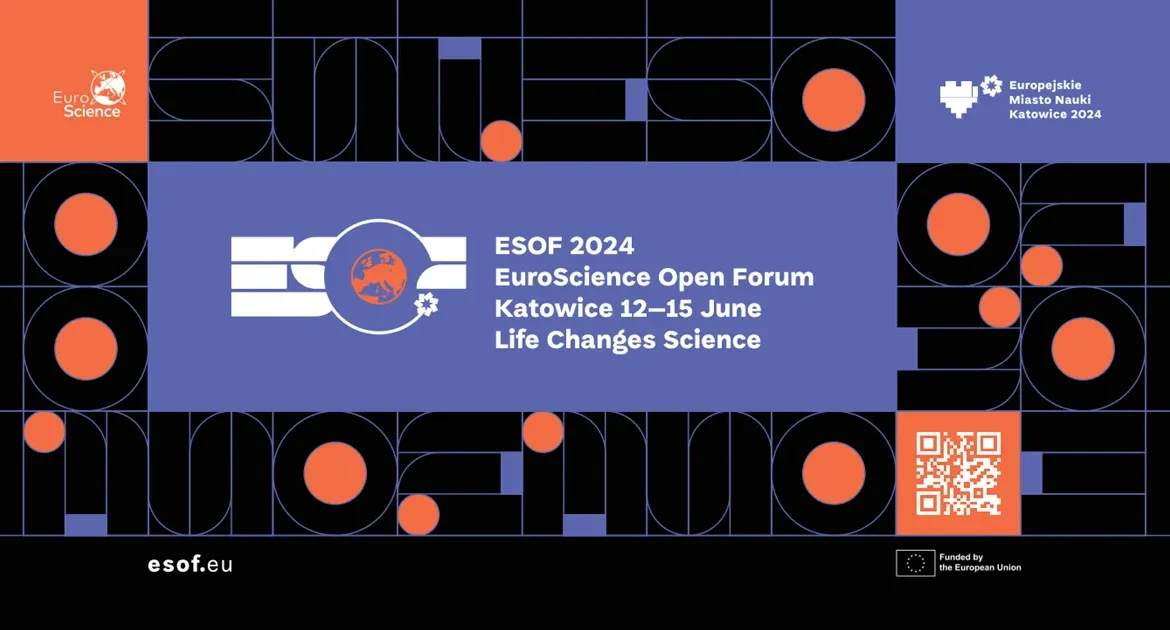
Gareth O’Neill Presents OPUS Project at European Talent Fair During ESOF 2024
Gareth O’Neill Presents OPUS Project at European Talent Fair During ESOF 2024 1024 538 Open and Universal Science (OPUS) Project

The 2nd European Talent Fair, held on 13 June 2024 in Katowice, Poland, marked a pivotal moment for early-career researchers and innovators. As part of the EuroScience Open Forum (ESOF 2024) under the theme “Life Changes Science”, the event showcased the intersection of research, career development, and interdisciplinary collaboration. Among the highlights was Gareth O’Neill, Principal Consultant on Open Science at Technopolis Group Belgium (TGB) and a key member of the OPUS project, who presented insights into reforming research assessment frameworks to align with Open Science principles.

A Collaborative Triumph

The Talent Fair’s success stemmed from unprecedented collaboration between seven Silesian public universities, the City of Katowice, the Silesian Voivodeship, and the Metropolis GZM. This partnership underscored Katowice’s commitment to positioning science as a driver of regional transformation, a vision solidified by its title as European City of Science 2024. The event also received support from the European Commission, global scientific experts, and industry leaders, fostering dialogue on science’s role in societal and economic advancement.

By the Numbers: Key Highlights

  • 720+ registrations, reflecting broad interest from students, researchers, and professionals
  • 75+ experts leading sessions across debates, workshops, and career advice panels
  • 50 activities spanning panel discussions, seminars, and networking zones
  • 4 interactive zones:
    • Discussion Zone: Debates on PhD value propositions and gender equity in academia.
    • Presentation Zone: Showcases of AI applications, boxing fight analytics, and mindfulness workshops.
    • Career Zone: Workshops on alumni networks and corporate readiness certifications.
    • Knowledge Zone: Sessions on research data management and AI-driven sociological inquiry.

OPUS Project

Gareth O’Neill’s participation emphasised the OPUS project’s mission to reshape research assessment by integrating Open Science metrics, diversity, and societal impact.  His contribution highlighted the project’s Researcher Assessment Framework, designed to promote transparency and inclusivity in evaluating scientific contributions. This aligns with ESOF 2024’s broader goals of fostering interdisciplinary collaboration and addressing global challenges like digital transformation and sustainability.

A Legacy of Innovation

The Talent Fair’s success builds on the inaugural 2022 edition in Leiden, further cementing its role in bridging academia, industry, and policymakers. By equipping young scientists with market-ready skills and connecting them with employers, the event reinforced Katowice’s ambition to become a hub for scientific excellence in Central Europe.


The 2nd European Talent Fair exemplified how collaboration between universities, governments, and international bodies can unlock opportunities for emerging researchers. Gareth O’Neill’s contributions through the OPUS project underscored the transformative potential of Open Science in creating equitable, impactful research ecosystems. As ESOF 2024 concluded, Katowice left a lasting imprint on Europe’s scientific landscape, proving that when life changes science, science changes lives.

Achievements observed within UNIRI concerning Research(er) Assessment?
Achievements observed within UNIRI concerning Research(er) Assessment? 1024 546 Open and Universal Science (OPUS) Project

The University of Rijeka (UNIRI) is proudly participating as one of the pilot Research Performing Organisations in the Open and Universal Science (OPUS) Project. This innovative initiative has developed a Research Assessment Framework (RAF) designed to introduce a comprehensive set of interventions and indicators promoting Open Science practices. The goal is to create a system that incentivises and rewards researchers for embracing these practices.

The OPUS project is currently testing its RAF with five pilot institutions, including UNIRI. In this video interview with a UNIRI representative, we delve into the university’s notable strengths and achievements in the Research(er) Assessment.

Key Highlights from UNIRI’s Participation in OPUS:

  • Innovative Assessment Practices: UNIRI has been at the forefront of integrating innovative research assessment practices that align with Open Science principles.
  • Enhanced Collaboration: The RAF has fostered greater collaboration among researchers, enhancing interdisciplinary projects and partnerships.

The University of Rijeka’s involvement in the OPUS project underscores its commitment to fostering an environment where innovative research practices are encouraged and rewarded. Stay tuned for the full video interview to gain deeper insights into UNIRI’s journey and the impact of the OPUS Research Assessment Framework.

OPUS Project Organises Workshop on “Gender Equality and Open Science”
OPUS Project Organises Workshop on “Gender Equality and Open Science” 1024 850 Open and Universal Science (OPUS) Project

The OPUS project is organising a workshop on “Gender Equality and Open Science,” scheduled for 5 July 2024, from 12:00 to 14:00 CEST. This workshop aims to foster discussions on open science and gender equality, and to collectively reflect on how to integrate gender equality into open science initiatives.

The workshop, led by gender experts from Vilnius University (VU), is a significant step towards promoting gender-sensitive practices in scientific research.

The initiative follows a comprehensive survey distributed to the OPUS pilot research performing and research funding organisations that aims to gather insights on current gender equality policies, plans and their integration with open science.

The event promises to be an interactive session where participants can share ideas and develop actionable strategies.

This effort is part of the OPUS project’s ongoing commitment to advancing gender equality in academia and fostering an inclusive research environment.

Eurodoc Conference 2024: OPUS Highlights Calls for Reform in Research Assessment
Eurodoc Conference 2024: OPUS Highlights Calls for Reform in Research Assessment 878 779 Open and Universal Science (OPUS) Project

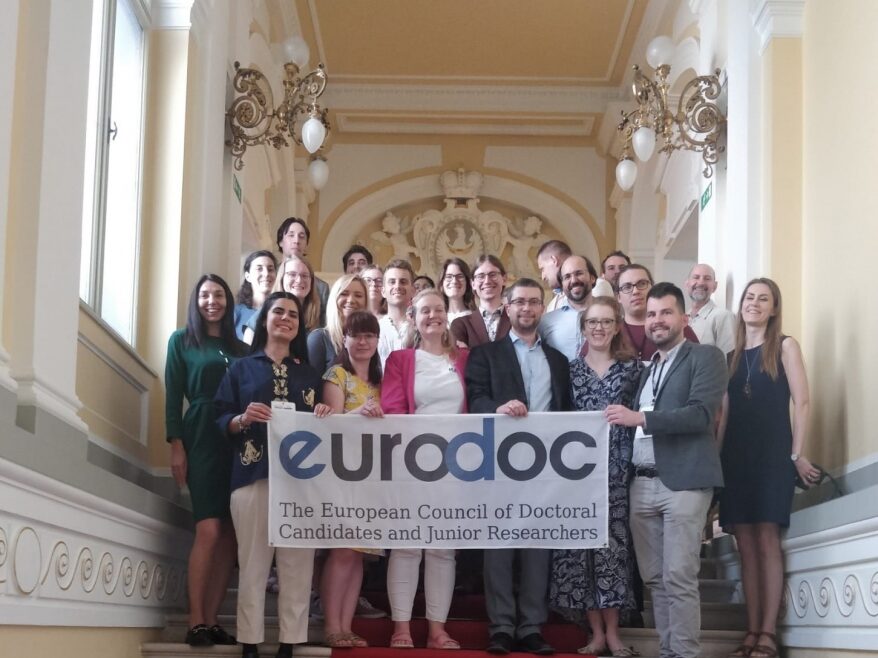
This year’s Eurodoc Conference, entitled “Towards a United European Research Area: The Ljubljana Process and Beyond,” drew early-career researchers, policymakers, and academic leaders from across the continent to the Faculty of Law at the University of Ljubljana, Slovenia. The two-day event (June 4-5, 2024), jointly organised by Eurodoc and the Young Academy of Slovenia (Mlada akademija), with support from the Ministry of Higher Education, Science and Innovation of Slovenia, the University of Ljubljana, CTK, and IZUM, spotlighted the urgent need to address persistent imbalances in Europe’s academic systems, and showcased the role of initiatives like OPUS in charting a renewed path forward.

OPUS in the Spotlight

During the conference, Sebastian Dahle presented the contributions of the OPUS project to the ongoing reform of research assessment systems in Europe. Focusing particularly on the perspectives of early-career researchers (ECRs) within the European Research Area (ERA), Dahle outlined OPUS’s advocacy for fairer, more transparent, and inclusive evaluation frameworks. The project’s commitment to empowering ECRs featured prominently, with emphasis on the challenges and opportunities facing this vital demographic within rapidly evolving academic landscapes.

Fragmentation and Brain Circulation under Scrutiny

Discussions in Ljubljana built on two decades of reflection, acknowledging developments since the original launch of the ERA and setting out new ambitions to bridge persistent divides. Delegates noted the enduring problem of uneven brain circulation within the EU, particularly between the so-called EU-13 and EU-14 member states. Despite years of concerted effort, closing these gaps remains an elusive goal, underscoring the continued relevance and urgency of the Widening Programme.

A key highlight was the panel discussion exploring the impact and limitations of the Widening Programme, first launched as part of the Ljubljana Process in 2008. The initiative aimed to overcome fragmentation in the ERA and anchor research policy as a pillar for European competitiveness. Although recent studies suggest “moderately promising results,” with the Widening countries beginning to approach the EU27 average, persistent barriers to asymmetric participation remain.

Calls for Reform and Greater Integration

Conference sessions unpacked contrasting national perspectives on the future of the Widening Programme. While some member states have called for the programme to be decoupled from the EU’s Framework Programme, others advocate stronger integration, a reframed focus, or increased funding to heighten its impact and appeal. The European Court of Auditors, amongst other voices, emphasised that meaningful improvement will hinge on sustained national efforts and further tailoring of the policy agenda.

Participating organisations, including LERU, ISE, and Science Europe, contributed nuanced analyses and underlined the need for revisited approaches, highlighting both best practices and ongoing shortcomings. The panel sought to examine divergent rationales, showcase positive examples from successful Widening countries, and debate new strategies to build research capacity and move towards a truly inclusive European Research Area.

Best Practices and Inclusive Capacity Building

The consensus emerging from the Eurodoc Conference 2024 was clear: while the Widening Programme remains “valuable,” its limitations demand fresh thinking, more flexible allocation of funding, and greater collaboration among national research ecosystems. At the same time, OPUS’s focus on early-career researchers and reforming assessment systems was cited as an exemplar for addressing the new challenges facing Europe’s research community.

As the ERA continues to evolve, initiatives such as OPUS, coupled with critical scrutiny of structural programmes, remain at the forefront of calls for a united, equitable, and globally competitive European research landscape.

European Commission’s Action Plan: The role of OPUS in advancing research assessment reform
European Commission’s Action Plan: The role of OPUS in advancing research assessment reform 1024 507 Open and Universal Science (OPUS) Project

The recent Action Plan by the Commission to implement the ten commitments of the Agreement on Reforming Research Assessment (ARRA) highlights the OPUS project as a particularly relevant initiative for advancing research assessment reform. OPUS will develop a set of interventions for Open Science aimed at creating a system that incentivizes and rewards researchers for adopting practices such as providing open access to research outputs, early and open sharing of research, participating in open peer review, implementing measures to ensure reproducibility of results, and involving all stakeholders in co-creation.

The Action Plan, recently published, outlines the ten commitments of the Action Plan by the Commission to implement the ten commitments of the Agreement on Reforming Research Assessment (ARRA) and highlights the ongoing actions by the European Commission (EC) to address each one, with plans for further implementation in the upcoming Framework Program for Research and Innovation (FP10). The Commission has already made strides in integrating a more comprehensive set of evaluation criteria into the Horizon Europe main Work Programme, which includes assessing Open Science practices, gender considerations, and diverse research outputs. Looking ahead, the Commission has detailed a series of steps to support and advance research assessment reform. These steps include identifying potential improvements in evaluation criteria, enhancing guidance and training for peer reviewers, and fostering mutual learning through collaborations such as the Coalition for Advancing Research Assessment (CoARA).

The Commission has already initiated the funding of projects that contribute to research assessment reforms by evaluating and piloting practices, gathering new evidence, and supporting data sharing and the development of indicators. The following Horizon Europe projects are particularly relevant: PathOS – Open Science Impact Pathways (Research and Innovation action; €1,999,990 EU contribution), OPUS – Open Universal Science (Coordination and Support action; €1,726,898 EU contribution), GraspOS – Next Generation Research Assessment to Promote Open Science (Research and Innovation action; €2,985,441 EU contribution), and SciLake – Democratising and Making Sense of Heterogeneous Scholarly Content (Research and Innovation action; €4,809,450 EU contribution).

The Commission will map the research and innovation projects, as well as other coordination and support actions, already funded through the Horizon Framework Programme that contribute to the reform of research assessment. Additionally, the Commission will identify the main contributions and recommendations from these projects for research assessment reforms and CoARA work, and will also identify potential new research and innovation actions needed.

The implementation of the ten commitments in the Agreement on Reforming Research Assessment (ARRA) will be guided by the ten principles also included in the Agreement:

  • Commitment 1: Recognize the diversity of contributions to, and careers in, research in accordance with the needs and nature of the research.
  • Commitment 2: Base research assessment primarily on qualitative evaluation, with peer review being central, supported by the responsible use of quantitative indicators.
  • Commitment 3: Abandon inappropriate uses of journal- and publication-based metrics in research assessment, particularly the inappropriate uses of Journal Impact Factor (JIF) and h-index.
  • Commitment 4: Avoid the use of rankings of research organizations in research assessment.
  • Commitment 5: Commit resources to reforming research assessment as needed to achieve the organizational changes committed to.
  • Commitment 6: Review and develop research assessment criteria, tools, and processes.
  • Commitment 7: Raise awareness of research assessment reform and provide transparent communication, guidance, and training on assessment criteria and processes as well as their use.
  • Commitment 8: Exchange practices and experiences to enable mutual learning within and beyond the Coalition.
  • Commitment 9: Communicate progress made on adherence to the principles and implementation of the commitments.
  • Commitment 10: Evaluate practices, criteria, and tools based on solid evidence and the state-of-the-art in research on research, and make data openly available for evidence gathering and research.
✨ Celebrating 1000 Followers ✨
✨ Celebrating 1000 Followers ✨ 1024 682 Open and Universal Science (OPUS) Project

Dear Followers,

We’re thrilled to announce a significant milestone: 1000 followers on both Twitter and LinkedIn! Your support means the world to us, and we’re deeply grateful for each and every one of you who has joined us on our journey advocating for open science.

In this era of rapidly advancing technology and interconnectedness, the importance of open science cannot be overstated. Open science refers to the practice of making scientific research, data, and findings accessible to all levels of society, fostering collaboration, transparency, and innovation. It’s about tearing down the barriers that hinder progress and ensuring that the fruits of scientific inquiry are available to everyone, regardless of their background or affiliation.

Why is open science crucial for mankind? The reasons are manifold:

  1. Accelerating Progress: By sharing research openly, scientists can build upon each other’s work more effectively, accelerating the pace of discovery and innovation. This collaborative approach allows us to tackle complex challenges like climate change, public health crises, and technological advancement with greater efficiency and efficacy.
  2. Fostering Transparency: Transparency is a cornerstone of the scientific method. Open science promotes transparency not only in the dissemination of research findings but also in the entire research process, from data collection to analysis. This transparency enhances the credibility and reproducibility of scientific research, fostering trust among scientists and the public alike.
  3. Empowering Global Participation: Open science democratizes access to knowledge, empowering researchers from diverse backgrounds and regions to contribute to scientific discourse. By breaking down geographic and institutional barriers, open science ensures that talent and insights from around the world can contribute to solving humanity’s most pressing challenges.
  4. Driving Innovation: Open science spurs innovation by facilitating interdisciplinary collaboration and serendipitous discoveries. When researchers from different fields come together to share ideas and data, new connections and insights emerge, leading to breakthroughs that might not have been possible otherwise.

With your unwavering support, we pledge to continue championing open science and working towards a future where knowledge knows no bounds. Together, we can build a more equitable, transparent, and collaborative research ecosystem that benefits everyone. 🌟

Thank you for being part of our community and for your commitment to advancing open science. Here’s to the next thousand followers and beyond! 🎉🥳

Photo via Creative Fabrica

OPUS at the Jisc Digital Research Community (DRC) meet-up
OPUS at the Jisc Digital Research Community (DRC) meet-up 764 394 Open and Universal Science (OPUS) Project

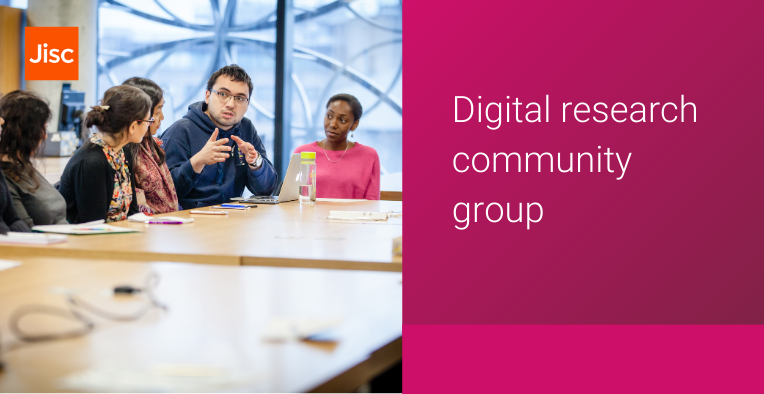
OPUS project took stage at the Jisc Digital Research Community (DRC) meet-up, where the focus was “Reforming Research(er) Assessment: Incentivising and rewarding open research practices.” The session, held online on 17 April 2024, brought together experts and stakeholders in research evaluation to discuss how institutions can drive cultural change towards open and responsible science.

Introducing OPUS and Its Vision

During the event, Gareth O’Neill (Principal Consultant on Open Science, Technopolis) and Emma Day (Senior Project Manager at CRAC-Vitae) showcased the OPUS project’s ambitions: to develop coordination and support measures that enable research performing and funding organisations (RPOs and RFOs) to assess researchers in ways that encourage and reward the adoption of open science practices. The presenters shared key project outputs designed to advance research assessment reform across Europe and internationally.

Key OPUS Outputs Presented

  • Comprehensive Draft Research Assessment Framework and Indicators: Gareth O’Neill introduced a robust set of indicators to underpin new assessment frameworks, designed to nurture and evaluate researchers’ engagement with open science.
  • Draft Set of Supporting Interventions: Emma Day outlined proposed interventions to help institutions effectively implement the framework, from policy changes to practical tools and guidance.
  • State-of-the-Art Reviews: The team highlighted reports providing an up-to-date synthesis of existing literature and initiatives driving open science.
  • Opportunities for Stakeholder Involvement: Attendees learned how they can contribute to the next phase of framework development, ensuring broad input and real-world relevance.

Discussion with the UK Research Community

A lively Q&A and group discussion followed the presentations, centring on how the OPUS work aligns with ongoing UK efforts, particularly the UK Reproducibility Network’s OR4 project on responsible researcher reward and recognition, and the formation of the new UK CoARA Chapter, the national node of the international Coalition for Advancing Research Assessment (CoARA).

Speakers and participants explored the shared aim of moving beyond traditional metrics towards holistic systems that incentivise transparency, collaboration, and open knowledge sharing.

Working Collaboratively With the UK and International Partners

The meet-up reinforced OPUS’s commitment to working collaboratively with the UK and international partners to deliver transformative change in research culture. By developing fairer, more constructive assessment mechanisms, OPUS and its partners are helping to shape a research environment where excellence is defined by openness, quality, and meaningful societal impact.

OPUS at the CoARA Working Group on Open Infrastructures for Responsible Research Assessment (WG OI4RRA)
OPUS at the CoARA Working Group on Open Infrastructures for Responsible Research Assessment (WG OI4RRA) 1024 576 Open and Universal Science (OPUS) Project

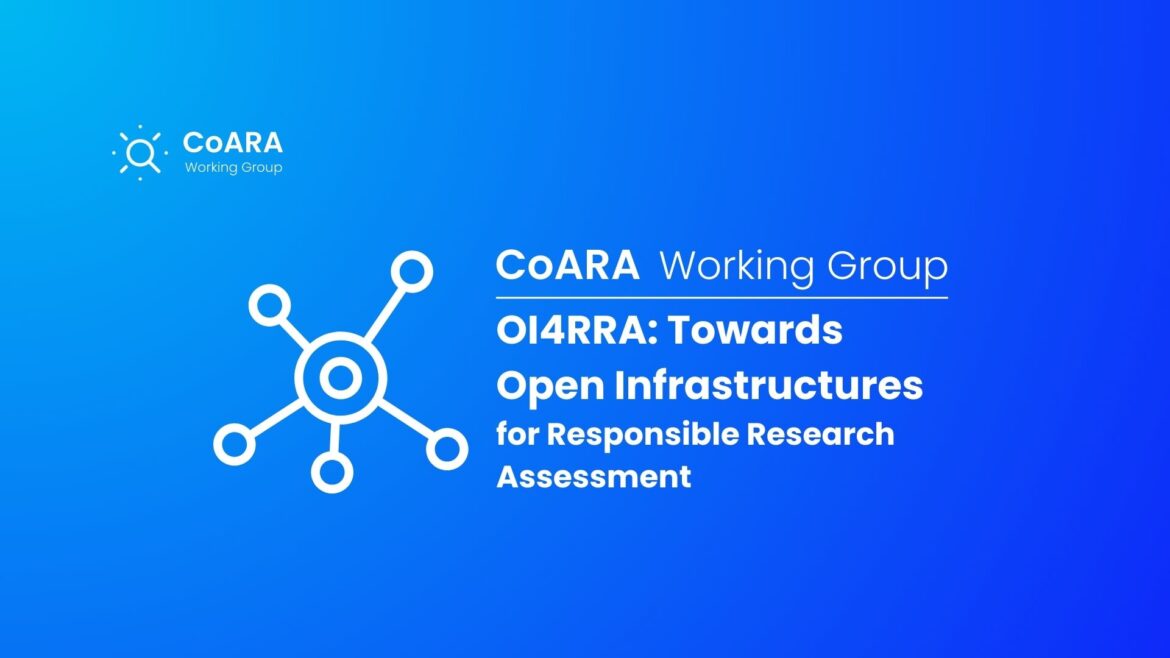
The OPUS project was spotlighted by TGB at the CoARA Working Group on Open Infrastructures for Responsible Research Assessment (WG OI4RRA) on April 10, 2024, marking a significant stride in advancing research evaluation practices across Europe and beyond. The Working Group officially published the “Conceptual Architecture for the Implementation of a Responsible Research Assessment Framework Built on Open Infrastructures” during the meeting.

Four-Tier Model for Transforming Research Assessment

The newly released document introduces a pioneering four-tier model designed to enable fair, transparent, and context-sensitive assessment of research and researchers. This architecture provides a robust foundation for reforming evaluation systems at research-performing organisations (RPOs) and research funding organisations (RFOs), focusing on openness, equity, and interoperability.

The model is notable for its commitment to:

  • Fairness: Addressing biases and ensuring evaluation criteria reflect diverse scholarly contributions.
  • Transparency: Making assessment processes and indicators visible and understandable to all stakeholders.
  • Contextualisation: Adapting assessment approaches to different disciplines, career stages, and institutional requirements.
  • Open Infrastructure: Leveraging interconnected and sustainable technical platforms to facilitate responsible research assessment on a large scale.

Strategic and Technical Guidance

Alongside the architectural model, the publication delivers policy briefs offering strategic and technical guidance. These resources are tailored for institutions aiming to transition towards open and connected infrastructures that can support responsible assessment practices. The guidance covers essential topics such as data interoperability, governance, and the alignment of assessment systems with Open Science principles and CoARA recommendations.

OPUS Project’s Ongoing Impact

OPUS’s involvement in WG OI4RRA’s activities reinforces its central role in shaping the future of research assessment. By actively contributing to the development of open infrastructures and accountable frameworks, OPUS is helping research organisations and funders implement systems that drive excellence, integrity, and societal impact.

This milestone highlights the commitment of the CoARA community and the OPUS project to collaborative reform, supporting research cultures built on trust, openness, and continuous improvement.

OPUS Mutual Learning Event in Vilnius
OPUS Mutual Learning Event in Vilnius 1024 768 Open and Universal Science (OPUS) Project

As part of the OPUS Project’s endeavour to foster mutual learning and collaboration among pilot Research organisations (RPOs) and Research organisations (RFOs), a relevant event is set to take place in Vilnius. The event, scheduled for April 23rd, 2024, aims to facilitate the sharing of experiences and insights gained through the pilot actions undertaken by participating organisations.

The Vilnius Mutual Learning event is designed to facilitate the exchange of experiences among pilot organisations participating in the pilot action. Its primary objective is to foster dialogue around the positive aspects, critical challenges, and areas for improvement observed within each pilot initiative, ultimately leading to good practices and recommendations.

At different pilot phases, stakeholders representing key players will be actively involved in conducting comprehensive after-pilot reviews and consultations to evaluate the outcomes of the pilots. Dissemination efforts will be targeted towards RFOs and RPOs, engaging all identified stakeholders to empower researchers and enhance organisational readiness for Open Science practices.

The Pilot Committee (comprising the Mutual Learning Group) will convene online and in-person to exchange both positive and critical aspects of their pilot initiatives. This exchange is anticipated to yield good practices and recommendations, vital for advancing the project’s objectives and paving the way for other organisations to implement the RAF. The first in-person ML meeting will be on April 23, 2025, and it will be followed by a final mutual learning exercise in person next year.

Privacy Preferences

When you visit our website, it may store information through your browser from specific services, usually in the form of cookies. Our Privacy Policy can be read here.

Here you can change your Privacy preferences. It is worth noting that blocking some types of cookies may impact your experience on our website and the services we are able to offer.

Click to enable/disable Google Analytics tracking code.
Click to enable/disable Google Fonts.
Click to enable/disable Google Maps.
Click to enable/disable video embeds.
Our website uses cookies, mainly from 3rd party services. Define your Privacy Preferences and/or agree to our use of cookies.