OPUS News

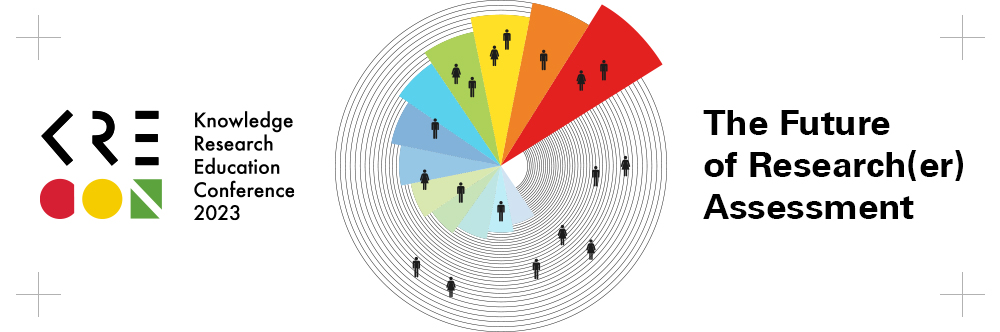
KRECon 2023: OPUS workshop on reforming research(er) assessment
KRECon 2023: OPUS workshop on reforming research(er) assessment 1000 332 Open and Universal Science (OPUS) Project

In an era of transformative change in the world of research, the questions that echo loudly are – What is the true role of research and researchers? What needs to change in current assessment systems and practices? How can we create a more sustainable research funding landscape? At the upcoming KRECon 2023 conference, taking place at the National Library of Technology in Prague on November 9-10, 2023, you’ll have the chance to find the answers and be a catalyst for change.

The OPUS workshop, scheduled for November 9, from 10:00 to 12:00 led by our team experts: Gareth O’Neill from Technopolis Group and Emma Day from Vitae. The workshop will delve deep into discussions on reforming research(er) assessment.

This year, KRECon 2023 takes a deep dive into the future of research assessment. Three distinct sessions, alongside a stimulating panel discussion, will ignite dialogue and innovation:

  • Session 1: Reforming Research Assessment
  • Session 2: Researcher Career Assessment
  • Session 3: Research Grant Assessment
  • Panel Discussion: The Future of Research(er) Assessment

The central focus is a critical evaluation of existing practices, accompanied by discussions on transformative reforms that can elevate research and researcher evaluation across diverse domains.

Research assesment and its role

Research assessment plays a vital role in shaping research culture, funding decisions, and career advancement. In our ever-evolving research landscape, it’s crucial to explore more accurate methods for assessing research impact and value, fostering a robust research environment.

Current evaluation methods face scrutiny for their limitations and biases. Metrics like publication quantity and citations as proxies for research quality and impact are outdated. These methods, with narrow criteria, influence recognition, rewards, and incentives, often leading to excessive output and premature publication. This has economic consequences as publishers increase content annually. Research institutions invest public funds in publications, with a potential solution lying in a more sensible evaluation approach.

About the conference

Since 2010, the Knowledge, Research, Education Conferences (KRECon) have been a cornerstone of intellectual exchange. Hosted at the National Library of Technology, these gatherings unite global and local experts in higher education, research, and innovation. The aim? To challenge the status quo and provoke new, unexplored perspectives on pressing topics, some of which are yet to find solid ground in the Czech Republic.

Who Should Attend?

  • Governmental policymakers responsible for Research Performing Organisations’ assessment, including Higher Education Institutions.
  • Higher education and research institution leaders, from rectors to directors of research institutes and doctoral schools.
  • Professionals and support staff dedicated to doctoral education.
  • Academics, senior researchers, and early-career researchers.
  • Non-governmental organizations engaged in data collection, career tracking, and consultancy.

The primary language of the conference is English, ensuring accessibility to a global audience. Importantly, KRECon 2023 is open to all, and attendance is free of charge.

The KRECon 2023 Conference Board, comprising distinguished figures from academia and policy, will steer the discussions:

  • Tomáš Polívka (Vice-chair of the RDI Council), Czech Republic – Chair
  • Eva Dibuszová (Head of Department for Strategy and Development at the National Library of Technology), Czech Republic
  • Pavel Doleček (Deputy Minister for Science, Research and Innovation), Czech Republic
  • Eva Hnátková (Open Science Coordinator at the National Library of Technology/University of Chemistry and Technology in Prague, Czech Republic
  • Melita Kovačević (Professor at University of Zagreb/Vice-Chair of PRIDE Network), Croatia
  • Martin Loebl (Vice-chair of the Learned Society), Czech Republic
  • Gareth O’Neill (Principal Consultant on Open Science at Technopolis Group), The Netherlands
  • Martin Svoboda (Director of National Library of Technology), Czech Republic

The KRECon 2023 Conference is organised by the National Library of Technology in Prague (NTK) under the patronage of the Ministry of Education, Youth, and Sports (MEYS, MŠMT in Czech).

Join here and explore the future of research assessment!

OPUS at the Opening Conference of the V4+WB RMA Network Project: Advancing Research Management and Administration in the V4+WB Region
OPUS at the Opening Conference of the V4+WB RMA Network Project: Advancing Research Management and Administration in the V4+WB Region 888 444 Open and Universal Science (OPUS) Project

Opening Conference of the V4+WB RMA Network Plus Project: „Research Managers and Administration: the state-of-the art and future of Research Managers in the V4+WB region“ held on 17-18 October 2023.

The launching event of the project took place in Bratislava targeting RMAs from the V4+WB region and beyond. The event is hosted by the Slovak University of Technology, Faculty of Chemical and Food Technology.

The main focus of the event was to discuss the state-of-the-art of recognition and conditions of RMAs in the region and present relevant initiatives and the opportunities provided at the EU level (RM ROADMAP & ERA Action 17). The conference has supported the exchange of knowledge and experiences of RMAs in EU-funded R&I projects. Natasa Jakominic Marot from University of Rijeka, one of our project partners responsible for implementing interventions related to researcher assessment reform, presented OPUS project and discussed the role of open science in the framework of research assessment reform. The details of the conference in Bratislava can be found here.

OPUS at the University Day Celebrations in Banja Luka
OPUS at the University Day Celebrations in Banja Luka 529 472 Open and Universal Science (OPUS) Project

The upcoming University Day celebrations in Banja Luka will include a special talk on November 10, 2023, by Dr. Natasa Jakominic Marot, the Head of Research and Innovation at the University of Rijeka. During her talk, Dr. Jakominic Marot will discuss the OPUS project and its significant role in promoting open science and improving how we assess research.

The conference plans to highlight the accomplishments of our esteemed faculty members and partners who have earned recognition through a special competition that rewards their published work in influential journals and their active involvement in projects to inspire and motivate others. The event is expected to be a space for meaningful conversations about improving research methods and nurturing academic brilliance.

Photo via Hetfa

Have Your Say in the OPUS Project Survey and the Future of Research!
Have Your Say in the OPUS Project Survey and the Future of Research! 674 794 Open and Universal Science (OPUS) Project

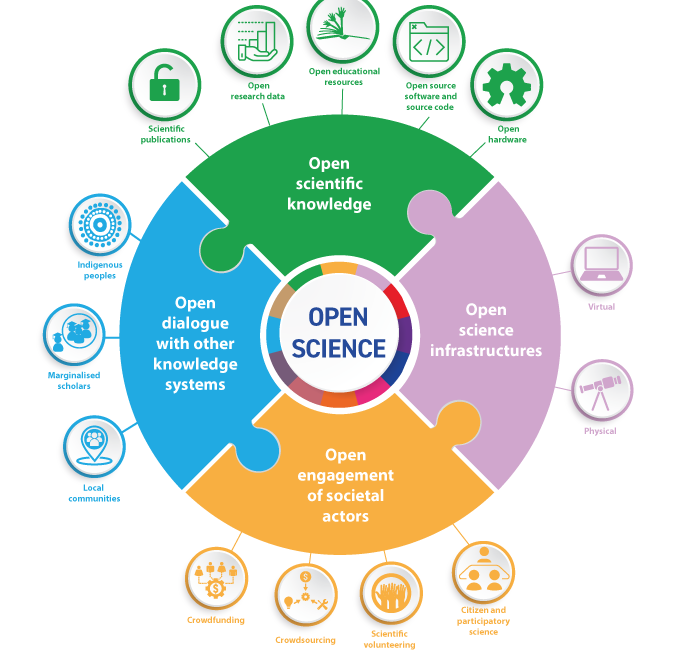
Open Science is not just a buzzword – it’s a movement that’s shaping the future of research, and you can be a part of it. Until October 31, 2023, your voice matters in the OPUS survey that could transform the landscape of how we evaluate and reward researchers.

The OPUS project is on a mission to revolutionize how we assess researchers. Our vision is clear: a more equitable, inclusive, and rewarding system that champions Open Science. But what exactly is Open Science?

At its core, Open Science is a noble quest to make research more accessible. Imagine a world where research isn’t locked behind paywalls and secrecy, where methods, publications, data, software, and educational materials are freely exchanged. That’s the Open Science dream, and it’s within reach.

Your Chance to Make a Difference

Here’s where you come in. The OPUS project needs your input. The OPUS project is conducting a survey, and your insights will shape the future. This survey is a call to action for researchers from all walks of life. It’s an exploration of what rewards would truly motivate researchers to embrace Open Science wholeheartedly.

Your opinions are more valuable than you might think. The results of the survey will be the building blocks for a new era in research assessment, and they’ll be out there for all to see. Open, transparent, and inclusive – just as research should be.

Don’t miss this chance to help pave the way for a brighter future in the world of research. Take the survey here.

Share this opportunity with your fellow researchers, and together, let’s unlock a future where knowledge knows no bounds.

Research Assessment and Open Science practices in Serbia
Research Assessment and Open Science practices in Serbia 1024 634 Open and Universal Science (OPUS) Project

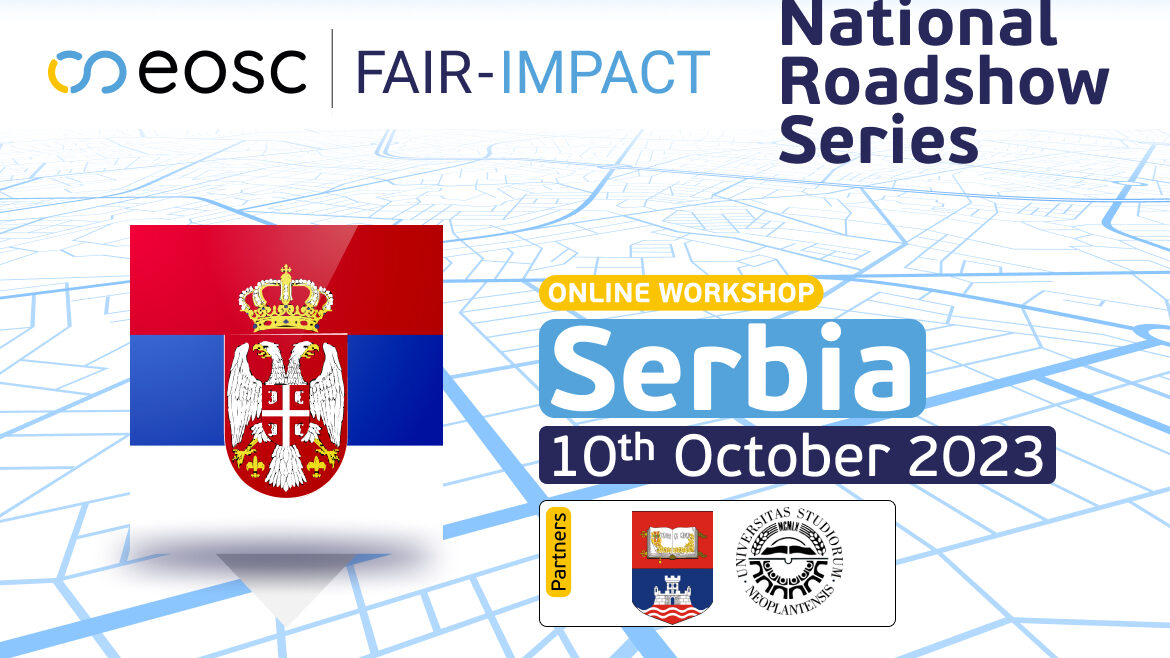
Today, Gareth O’Neill from Technopolis Group and Alina Irimia from UEFISCDI introduced the Opus project in Serbia. It’s part of a series of events organized by the FAIR-IMPACT project in different countries. The FAIR National Roadshow, an initiative focused on advancing Open Science (OS) practices, made a virtual stop in Serbia today, with the University of Belgrade, the University of Novi Sad, and the Open Science Community in Serbia serving as hosts.

The event centered around an in-depth discussion of the current state of Open Science practices in Serbia, with a particular focus on understanding the landscape of FAIR (Findable, Accessible, Interoperable, and Reusable) policy regulations within the country. Attendees engaged in conversations about ongoing initiatives and identified the challenges faced by the Serbian research community, including the exploration of the eNauka portal.

The stimulating discussions were enriched by informative presentations on two transformative projects: GraspOS and OPUS. These presentations provided valuable insights into how these projects are contributing to the advancement of FAIR assessment practices.

Participants at the event included a diverse array of stakeholders, ranging from researchers and academicians to policy experts and technology innovators. The FAIR National Roadshow in Serbia highlighted the need for fostering a culture of openness and collaboration in the realm of research assessment and Open Science practices. It exemplifies Serbia’s commitment to staying at the forefront of the global scientific community, embracing the principles of FAIR data, and creating a more accessible and interconnected research ecosystem.

As the FAIR National Roadshow continues its journey, it remains a catalyst for driving positive change in the research landscape of Serbia, promising a future where research data is truly Findable, Accessible, Interoperable, and Reusable, thus enhancing the quality and impact of scientific endeavors.

OPUS Presentation

Fair-Impact Website

OPUS consortium partner Eurodoc Releases First CoARA Action Plan
OPUS consortium partner Eurodoc Releases First CoARA Action Plan 1014 326 Open and Universal Science (OPUS) Project

The European Council of Doctoral Candidates and Junior Researchers (Eurodoc) signed the Coalition for Advancing Research Assessment (CoARA) agreement on September 29th, 2022, thereby becoming one of the early signatories. Eurodoc is committed to actively working towards reforming the European research assessment system and welcomes the initiatives coming from CoARA.

Eurodoc’s Vision and Mission

Eurodoc’s Vision: A fair and sustainable research culture where early career researchers are treated with respect and have access to long-term and stable career pathways.

Eurodoc’s Mission: To advocate for positive change in the policies, culture, and environment that affect the quality of training, well-being, and employment conditions of early career researchers.

Guiding Values and Principles

Eurodoc’s daily activities are grounded in participative democracy and decision-making that aims to constructively build consensus. It is a collective endeavor to involve and empower every individual while keeping the best interests of the wider community in mind. Eurodoc’s culture is centered on mutual respect and mutual valorization of each other’s capabilities, skills, and aspirations.

Developing the CoARA Action Plan

Eurodoc is committed to developing the CoARA Action Plan in close collaboration with its member associations to ensure that the work aligns with the community’s needs and that they are actively involved in any change processes.

The process involves proposing the action plan, milestones, and assessment guidelines by the administrative board in consultation with key internal stakeholders, such as member associations and relevant working groups. Formal approval and adoption will be confirmed by the Annual General Meeting (AGM), the highest decision-making body.

Involving Researchers

Eurodoc represents early career researchers, and all its active volunteers are researchers. Member associations that form Eurodoc are national organizations representing early career researchers, with many of their active volunteers being researchers. Eurodoc will actively interact with its international and diverse network to implement its action plan.

Sharing Good Practices

Eurodoc members, including member associations, will be actively involved in the development and revision process through consultation and co-creation. Regular meetings are institutionalized to serve as a platform for sharing good practices and facilitating knowledge exchange. Eurodoc offers open access to its resources and encourages knowledge exchange between diverse groups of organizations.

Capacity and Resources

Eurodoc is run by volunteers and does not have access to structural funding. Projects are prioritized based on their importance for the mission and vision, as well as their potential impact on improving the careers and conditions of early career researchers.

Milestones for Action Plan Development

The development of the action plan and milestones is envisioned as an iterative two-year process involving the community to ensure progress and adaptability. Key milestones include:

  • Formulation of commitments
  • Exchange with member associations and working groups
  • Creating an overview of assessment areas
  • Receiving feedback from member associations
  • Drafting assessment guidelines
  • Confirmation and adoption at the AGM
  • Iterative process for implementation, testing, and revision

Conclusion

Eurodoc is committed to its mission and vision of promoting a fair and sustainable research culture. Through active engagement with its member associations and the broader research community, Eurodoc aims to develop a CoARA Action Plan that aligns with the needs and aspirations of early career researchers in Europe. In doing so, Eurodoc seeks to contribute to positive change in research assessment practices and foster a more inclusive and equitable research environment.

Date of Publication: 04.10.2023


List of Authors (Board)

  • Pil Maria Saugmann
  • Hannah Schoch
  • Sebastian Dahle
  • Devriş İşler
  • Sarah Pilia
  • Aleksandra Lewandowska

List of Contributors (Others)

  • Oleksandr Berezko
  • Linnea Carlsson
  • Nicola Dengo

Eurodoc, the European Council of Doctoral Candidates and Junior Researchers, is a grassroots federation of 25 national associations of early career researchers (ECRs) from 23 countries across Europe. Eurodoc was established in 2002 and is based in Brussels. As a representative of doctoral candidates and junior researchers at the European level, Eurodoc engages with all major stakeholders in research and innovation in Europe.

View Eurodoc Statement here

STI 2023 in Leiden: OPUS Project and Responsible and Transparent Research Assessment
STI 2023 in Leiden: OPUS Project and Responsible and Transparent Research Assessment 1024 685 Open and Universal Science (OPUS) Project

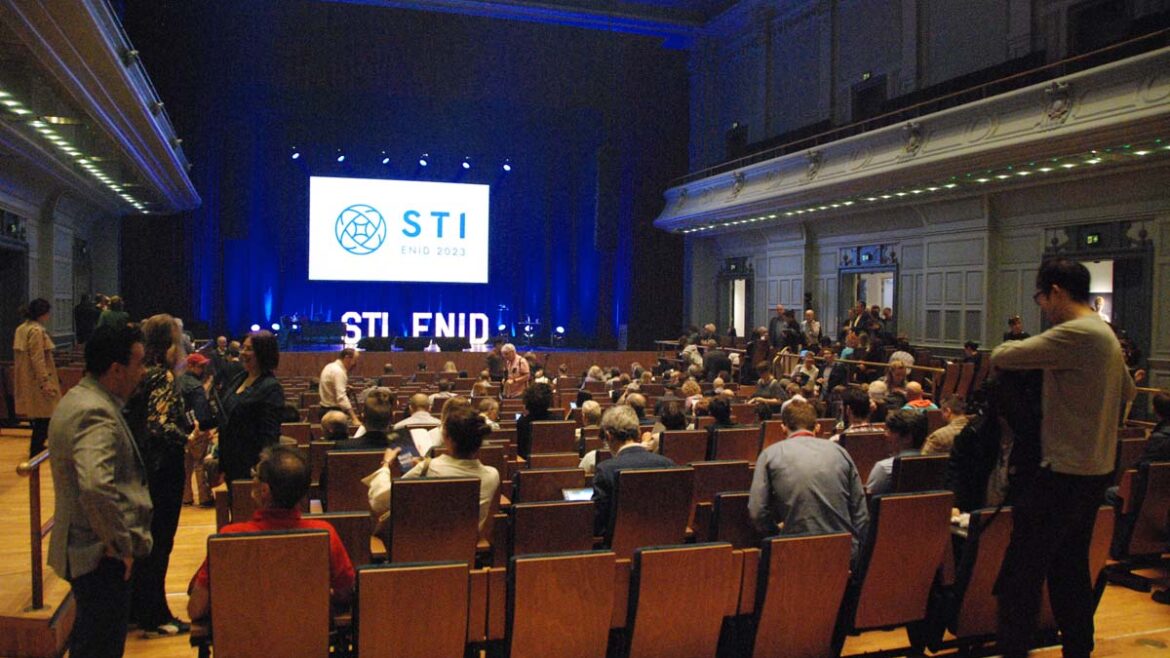
Leiden, 27–29 September 2023 – The 27th International Conference on Science, Technology and Innovation Indicators (STI 2023) convened a diverse gathering of researchers, indicator developers, and policy analysts from around the globe, all focused on advancing the methodologies and policy applications of science, technology and innovation (STI) indicators. Hosted by the Centre for Science and Technology Studies (CWTS) in partnership with the European Network of Indicator Developers (ENID), the event blended in-person and hybrid participation at Leiden’s Stadsgehoorzaal.

Themes and Discussions

The 2023 conference centred on the urgent need to improve scholarly evaluation practices in the face of significant cultural change. Key themes included:

  • Reforming research assessment and advancing responsible evaluation practices
  • Recognition and reward systems in academia, open science, and diverse career paths
  • Metrics and indicators for open science, reproducibility, and societal impact
  • Science–policy linkages and the use of STI indicators in policy development
  • Equity, inclusion, and gender in research and innovation

Special sessions delved into implementing evaluation reform, recognition and reward structures, assessment practices in the global South, university ranking critiques, and the interface between open science and responsible research assessment.

The OPUS Project Presentation

A focal point of the conference was the presentation by Gareth O’Neill (TGB) on the OPUS project. O’Neill introduced OPUS-aligned evaluation themes aimed at promoting responsible and transparent research assessment, closely connected to the policy use of STI indicators. The OPUS project, funded by Horizon Europe, seeks to reform how research and researchers are evaluated by developing frameworks that incentivise open, reproducible, and societally relevant science.

O’Neill’s contribution sparked substantial interest from academic and policy audiences, especially given current transitions across Europe towards more holistic, context-sensitive assessment mechanisms. His session highlighted practical methods for integrating open science practices and responsible use of indicators in research evaluation, supporting the broader CoARA (Coalition for Advancing Research Assessment) agenda.

Who Was Present

The STI 2023 conference was attended by:

  • Academic researchers and science studies experts
  • Developers of bibliometric and altmetric indicators
  • Policy analysts and advisors from national and international agencies
  • Science managers and research evaluators
  • Stakeholders engaged in research policy, funding, and institutional leadership

Networking and Innovation

Participants engaged in lively poster sessions, discussions, and plenary talks, furthering international collaboration and knowledge exchange on research evaluation challenges and best practices. The event was also notable for innovations like open review of submissions, hybrid accessibility, and hands-on workshops.

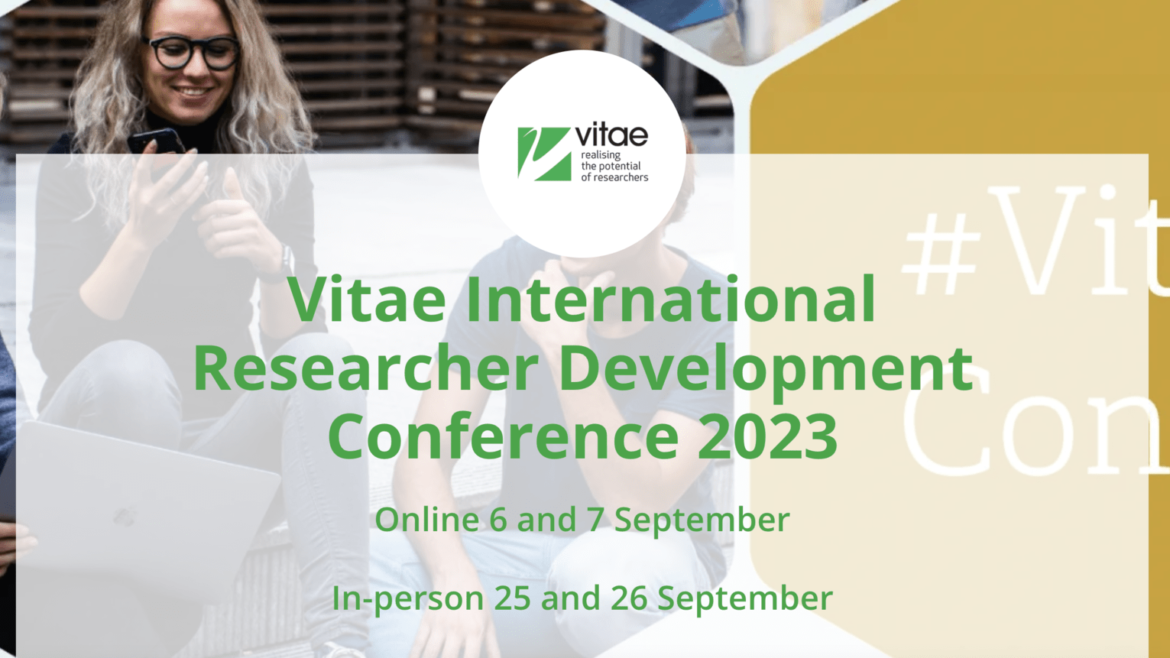
The Vitae International Researcher Development Conference 2023 presenting OPUS
The Vitae International Researcher Development Conference 2023 presenting OPUS 1024 459 Open and Universal Science (OPUS) Project

The Vitae International Researcher Development Conference 2023, #VitaeCon2023, is a must-attend event for those passionate about the policies and practices shaping global researcher development. This conference promises to be a dynamic gathering taking place on September 25th and 26th, 2023, at the Science and Industry Museum in Manchester, UK

OPUS team members Gareth O’Neil from the Technopolis Group and Emma Day from Vitae will be actively involved in this conference. They will lead a workshop linked to the OPUS project and Gareth will deliver a talk primarily related to the SECURE project, with some insights into OPUS.

The #VitaeCon2023 conference recognises the diverse preferences of its participants, offering both in-person and online formats. Building upon last year’s success, this year’s event features an expanded face-to-face programme at the Science and Industry Museum in Manchester.

Key Goals of #VitaeCon2023:

  • Propel discussions on researcher development forward.
  • Leverage past and present experiences to foresee future goals and challenges.
  • Showcase policies and practices and facilitate their integration.
  • Foster a collaborative environment that brings together diverse perspectives for shared learning.

#VitaeCon2023 promises to be a globally inclusive researcher development community, connecting professionals from various corners of the world.

Notable Plenary Sessions:

  1. What Needs to Change in the Research Landscape? – Featuring insights from global representatives, including Wellcome, Eurodoc, ASPIRE, and the Black Female Academics’ Network.
  2. Championing Equity during Career Transitions in Researcher Careers – Exploring the crucial aspect of equity in research career transitions.
  3. Innovation and Practice in the Professional and Career Development of Researchers – Unveiling innovative approaches in researcher development.
  4. Horizon Scanning: Researcher Development in an Evolving Landscape – Gaining insight into the future of researcher development.

The Vitae ICE Awards Ceremony:

The prestigious Vitae ICE Awards ceremony is a highlight of the event and will take place during the Gala dinner (Gala dinner ticket required) on Monday, September 25th, in the Revolution Manchester Gallery.

These awards celebrate excellence in researcher development across four categories:

  1. Newcomer of the Year
  2. Outstanding Contribution
  3. Research Culture Impact through Researcher Development
  4. Innovative and Inclusive Practice

To learn more about the conference and access the conference guide, please visit this link.

Don’t miss out on the chance to be a part of this enriching, global discussion on researcher development. Follow #VitaeCon2023 to stay updated and join the conversation.

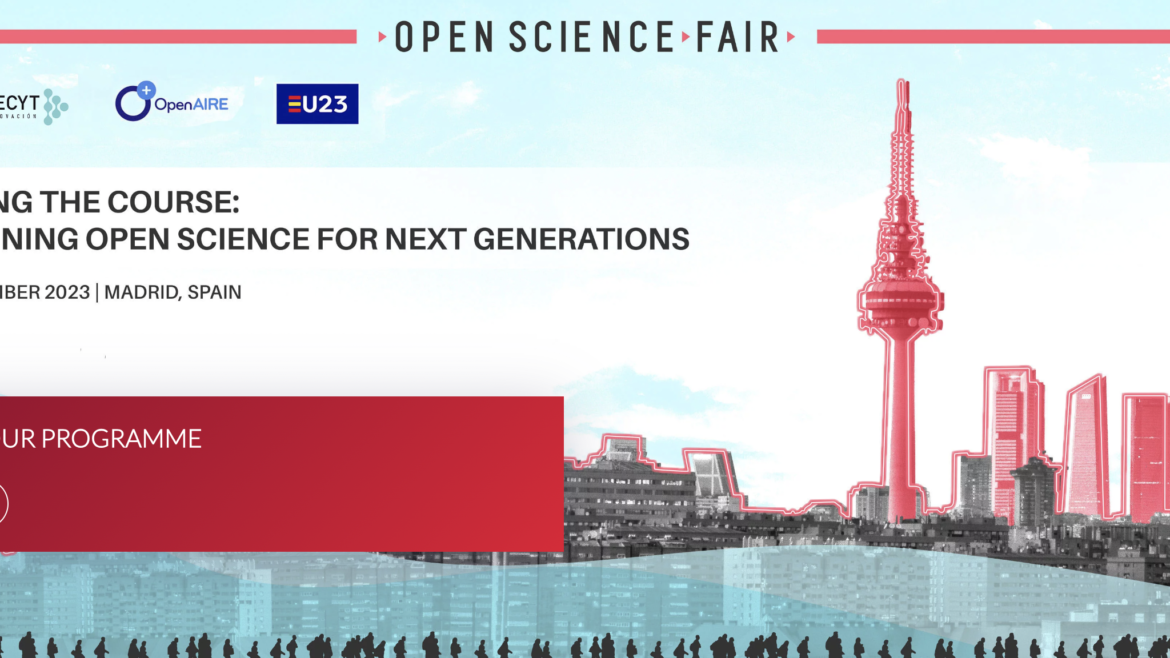
OpenAire Hosts 4th Open Science Fair: Gareth O’Neill to present OPUS
OpenAire Hosts 4th Open Science Fair: Gareth O’Neill to present OPUS 1024 414 Open and Universal Science (OPUS) Project

Madrid, September 25, 2023 – OpenAire, a leading force in the realm of open science, has kicked off the 4th Open Science Fair in Madrid, running from September 25th to 27th, 2023. This vibrant event seeks to foster cross-border connections, share best practices, and foster collaborative platforms.

Gareth O’Neill, a member of the OPUS team and Principal Consultant on Open Science, will grace the OS Fair 2023 with a presentation on the OPUS project.

OS FAIR 2023 is more than just a conference; it’s a beacon of open science advocacy. This year, it boasts a unique collaboration with FECYT, an institution under the Spanish Ministry of Science and Innovation, as well as key European projects and global initiatives. Notably, OS FAIR 2023 takes place under the esteemed auspices of the Spanish Presidency of the Council of the European Union.

The core objective of OS FAIR 2023 is to unite and empower open science communities and services worldwide. It’s a quest to unearth common practices in open science and to identify potent synergies for efficient service delivery. This event thrives on sharing experiences from diverse corners of the globe, each offering lessons that enrich the open science landscape.

Key Focus Areas at OS FAIR 2023:

1. Charting the Course for Next-Generation Open Science

  • Advancing Research Assessment (RRA) and Open Science
  • Exploring Alternative Assessment Approaches
  • Valuing All Contributions to Scholarly Processes
  • Fostering Equity, Diversity, and Inclusion
  • Addressing Funding and Institutional Support

2. AI’s Impact on Open Science and Vice Versa

  • Assessing AI Tools and Platforms in Research
  • Delving into Ethical Considerations
  • Navigating Natural Language Processing, Machine Learning, and Knowledge Representation
  • Unraveling Copyright and Legal Aspects, including Text and Data Mining, Reproducibility, Transparency, and Reusability

3. Innovation and Disruption in Scholarly Publishing

  • Embracing Emerging Publishing Models
  • Advocating Diamond Open Access
  • Balancing Rights Retention
  • Championing Multilingualism in Academic Publishing

4. Ensuring Fair Data, Software, and Hardware

  • Fostering Collaborative Development
  • Embracing Open Licensing and EU Data Legislation
  • Prioritizing Reproducibility
  • Enhancing Interoperability

5. Openness in Research and Education

  • Promoting Open Education
  • Embracing Open Educational Resources (OERs)

6. Public Engagement and Citizen Science

  • Encouraging Community-Driven Research Initiatives
  • Exploring Tools and Technology for Public Engagement
  • Championing Open Data and Scientific Literacy

The OS FAIR 2023 is a call to action for all those who share a passion for open science. It’s a moment to glimpse the future of research, spark collaborations, and pave the way for future generations. The exchange of ideas here might well shape the landscape of open science for years to come. So, join in, contribute, and be a part of this transformative journey towards openness and collaboration in science.

Look at the programme here!

2nd Edition of OPUS Newsletter
2nd Edition of OPUS Newsletter 628 315 Open and Universal Science (OPUS) Project

Your Voice Matters in the Evolution of Open Science

In the ever-evolving landscape of scientific research, one thing remains constant: the need for innovation, inclusivity, and recognition. Researchers worldwide are consistently pushing the boundaries of human knowledge, contributing to a collective pursuit of understanding. As we embark on this exciting journey, it becomes increasingly crucial to assess and reward research efforts in ways that truly reflect the principles of Open Science.

Join the OPUS Survey in Shaping Research Assessment

The Open Science community is buzzing with excitement as the OPUS project takes center stage in the quest to revolutionize research assessment. OPUS, which stands for Open and Public Understanding of Science, aims to empower researchers and research organizations with innovative ways to assess and reward research endeavors while embracing the ethos of Open Science.

We understand that every researcher’s voice matters, and that’s why we invite you to join us in this groundbreaking initiative. By participating in the OPUS survey, you become an active contributor to the shaping of a more inclusive, fair, and rewarding research landscape. Your insights can drive the development of assessment frameworks that better align with the values of Open Science.

Survey Link: Join the OPUS Survey

Innovative Ways to Reward Researchers: Making Research Outputs More Accessible

The heart of the OPUS project lies in redefining how we evaluate research outcomes. Traditional metrics and evaluation methods often fall short in recognizing the broader impact of research and the principles of Open Science. OPUS seeks to change that.

A Game-Changer for Research Evaluation

Introducing the OPUS Research Assessment Framework

One of the key challenges in Open Science is finding effective ways to assess researchers for career progression and grant applications. The OPUS Research Assessment Framework is designed precisely for this purpose. It offers a carefully crafted set of indicators and interventions aimed at fostering Open Science practices within research organizations.

By explicitly recognizing and incentivizing Open Science practices, this framework not only promotes quality research but also encourages transparency, collaboration, and accessibility in the scientific community.

Review the Final Draft of the UNESCO Open Science Outlook until Sept 15th!

Join UNESCO in Shaping the Future of Open Science!

In addition to the OPUS project, UNESCO is also actively involved in shaping the future of Open Science. They invite experts and stakeholders, including researchers like you, to review the final draft of the UNESCO Open Science Outlook. This is a golden opportunity to have your say in the global conversation surrounding Open Science. Your input can help guide the future direction of this transformative movement.

Learn More: UNESCO Open Science Outlook

Future Events

As the Open Science movement gains momentum, there are exciting events on the horizon that you won’t want to miss:

OPUS at the upcoming EOSC Symposium 2023

Last Day to Register for Online Participation at EOSC Symposium

From September 20th to 22nd, 2023, the EOSC Symposium will take place in Madrid, Spain, under the umbrella of the Spanish Presidency of the Council of the European Union. Organized by the EOSC Future project and the EOSC Tripartite collaboration, this event promises to be a gathering of minds passionate about Open Science.

If you haven’t registered yet, don’t miss your chance to participate online and connect with fellow researchers and innovators.

Learn More: EOSC Symposium 2023

OPUS Blog

Stay informed and engaged with the latest developments in Open Science by reading our blog. Here are some recent articles you might find interesting:

August 9, 2023

Navigating the Open Science Landscape: Where to Find Open Science Resources

This article explores a diverse range of platforms that offer researchers, students, and enthusiasts ample opportunities to engage with open science resources. Discover the tools and repositories that can enhance your research journey.

August 15, 2023

How to Share and Ensure Reproducibility of Data

In an era where data-driven insights drive progress, sharing data and promoting reproducibility are not just best practices – they are ethical imperatives that foster innovation and promote trust within the scientific community. Learn how to ensure the integrity of your research data.

Stay in the loop and follow us on social media for daily blog updates and news. Together, we can shape the future of Open Science.

Remember, your voice matters, and your contributions can help pave the way for a more inclusive, fair, and rewarding research landscape. Join us in the OPUS survey, participate in the upcoming events, and stay informed through our blog. Together, we can empower Open Science and create a brighter future for research.

Privacy Preferences

When you visit our website, it may store information through your browser from specific services, usually in the form of cookies. Our Privacy Policy can be read here.

Here you can change your Privacy preferences. It is worth noting that blocking some types of cookies may impact your experience on our website and the services we are able to offer.

Click to enable/disable Google Analytics tracking code.
Click to enable/disable Google Fonts.
Click to enable/disable Google Maps.
Click to enable/disable video embeds.
Our website uses cookies, mainly from 3rd party services. Define your Privacy Preferences and/or agree to our use of cookies.