OPUS Project presented by EURODOC at Slovenia’s National Open Science Event
OPUS Project presented by EURODOC at Slovenia’s National Open Science Event https://opusproject.eu/wp-content/uploads/2024/03/Sebastian-Dahle.jpeg 845 630 Open and Universal Science (OPUS) Project https://opusproject.eu/wp-content/uploads/2024/03/Sebastian-Dahle.jpegLjubljana, 27 October 2022
The Young Academy of Slovenia successfully returned to organising its flagship Open Science event in a live (hybrid) format, following two years of online editions. For the fifth consecutive year, the event was held in collaboration with Slovenia’s Ministry of Education, Science and Sports (MIZŠ) as part of National Science Month. The gathering took place in the Ministry’s Great Hall under the motto “With Greater Openness to Better Research,” foregrounding the theme of how open science relates to the quality and evaluation of research.
Event Overview
Running from 13:00 to 18:00, the event drew a diverse audience including researchers, policymakers, funders, and representatives of national and European open science communities. Discussions highlighted the current momentum in Slovenia’s open science policy, noting the recent adoption of national legislation and the establishment of the Slovenian Open Science Community.
Sessions spotlighted key developments, such as the European Open Science Cloud (EOSC), ERA commitments, research infrastructures supporting FAIR data, and the evolving trajectory of open science guidelines in both Slovenia and the EU. Prominent contributions came from national experts and European partners, with interactive panel discussions focusing on data literacy and open science implementation.
OPUS Project Presentation by Sebastian Dahle
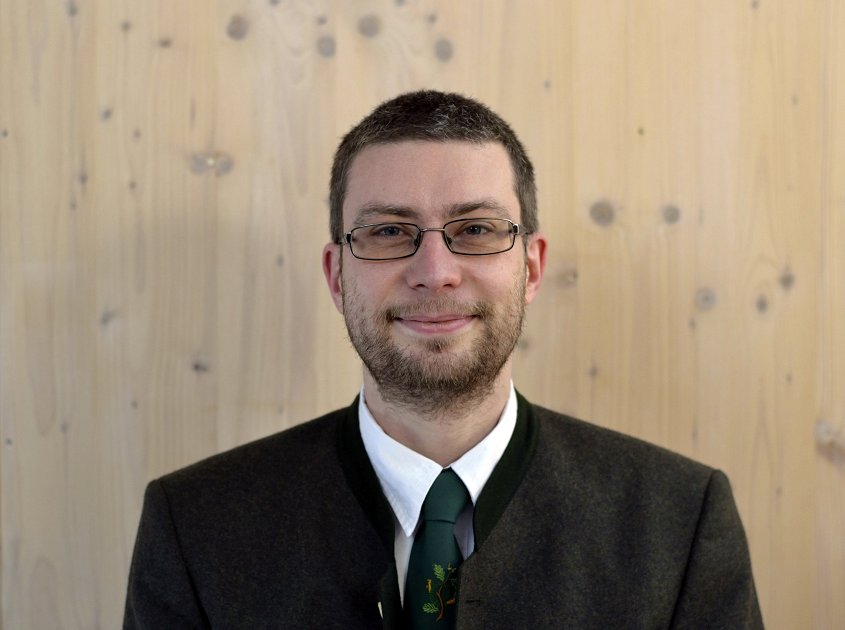
The presentation of the OPUS project by Sebastian Dahle, Vice-President of EURODOC and one of the OPUS project partners outlined how OPUS, a Horizon Europe-funded initiative, supports reforming research assessment systems to make open science practices both valued and rewarded. He described OPUS’s approach, working alongside research-performing and research-funding organisations to develop frameworks and indicators that incentivise openness, transparency, and quality in research.
Dahle’s intervention underscored the role of early-career researchers, in both Slovenia and internationally, in shaping assessment reforms, reducing career precarity, and improving research culture. He also put OPUS’s work in the wider European context by referencing collaboration with partners such as SECURE and CoARA, which together aim to mainstream responsible and open research assessment practices across the continent.
Engagement and Future Outlook
Participants engaged in a lively discussion following the presentations, exchanging experiences and reflecting on how open science could further elevate research quality and community trust. The announcement of the founding of the Slovenian Open Science Community signalled enduring momentum for collaborative policy progress.